Are There Free Walking Tours in Fukuoka?
No, Fukuoka has no free walking tours: the platforms that list tip-based walks elsewhere returned zero inventory here. This page explains why, and what to do instead.
Direct answers to what visitors actually ask: what Fukuoka is the capital of, why there is no station called Fukuoka, how many days are enough, and what the yatai really cost. Every figure comes from a primary source.
No, Fukuoka has no free walking tours: the platforms that list tip-based walks elsewhere returned zero inventory here. This page explains why, and what to do instead.
Hakata and Fukuoka are the same city. Hakata is the ward, the station and the old merchant name; Fukuoka is the city itself. Here is exactly when each name applies.
The verified way from Fukuoka Airport to Hakata: the ¥260 subway fare, terminal transfers, taxi and bus alternatives, and why there is no JR Fukuoka Station.
A practical answer to how many days Fukuoka needs, from a tight two-day city stay to five days with Kyushu day trips, with verified fares, timings and what to skip.
A straight answer to whether two days is enough in Fukuoka, with a realistic two-day scope, what you will have to skip, and how to squeeze the most from a short stay.
Three days is enough to see Fukuoka's core sights, eat at a yatai and take one day trip, but the answer depends on what you want from the city.
Four days is not too much for Fukuoka: it is the sweet spot that covers the city's shrines, food stalls and waterfront plus one full day trip into Kyushu.
December is one of Fukuoka's driest months, with mild temperatures, illuminations, yatai food stalls and easy day trips. Here is what to expect.
A cost comparison of Fukuoka and Tokyo using verified Fukuoka prices: subway fares, attraction entry, day passes and where the two cities actually differ.
An honest answer to whether Fukuoka is friendly to foreign visitors, based on verified city statistics, transport facts and the real friction points.
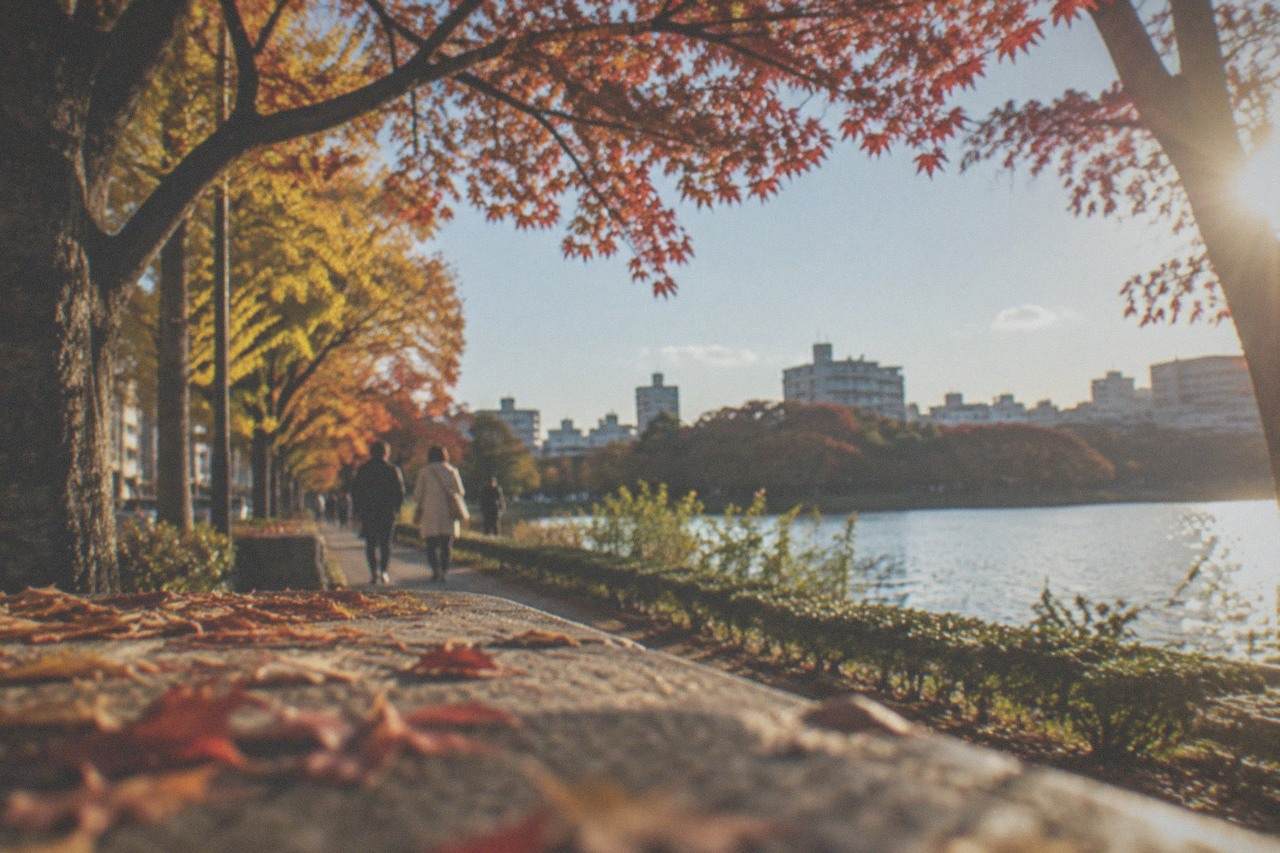
November brings Fukuoka its best weather of the year, autumn colour, the Kyushu Basho sumo tournament and the start of the illuminations season. Here is what a November trip actually looks like.
An honest assessment of whether Fukuoka deserves a place on your Japan itinerary, covering sights, costs, food, transport and day trips.
Hakata is the transport and ramen heart of Fukuoka, and for most first-time visitors it is the smartest base. Here is what staying in the ward actually gets you.
Hakata or Tenjin for your Fukuoka hotel? An honest comparison of transport, food, nightlife, prices and day-trip access to help you pick the right base.
A straight answer on winter in Fukuoka: real JMA temperature and rainfall numbers, what stays open, what closes, and what a cold-season trip actually costs.
A head-to-head comparison of Nagoya and Fukuoka on food, transport, day trips and cost, to help you decide which Japanese city suits your trip.
An honest comparison of Osaka and Fukuoka for travellers: food, transport, day trips, costs and which city suits your trip better.
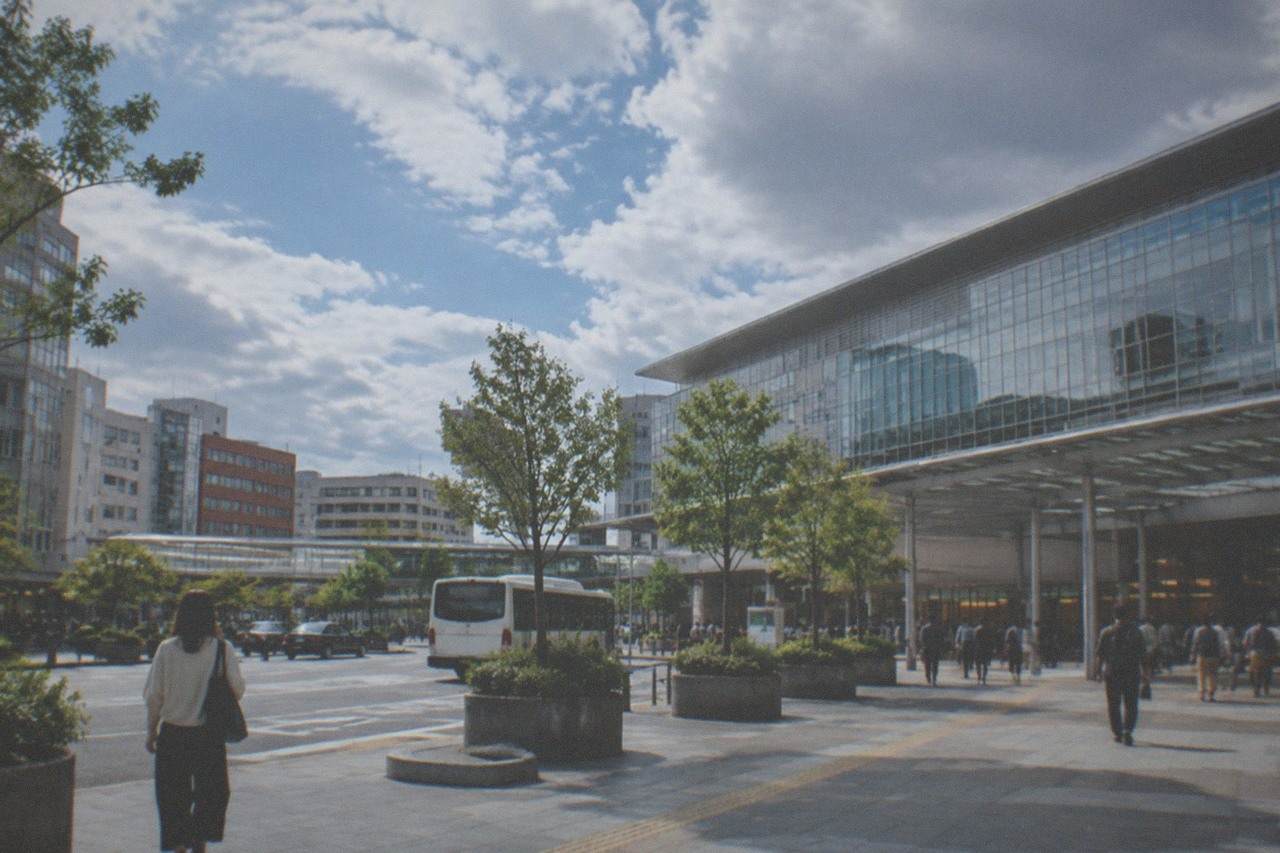
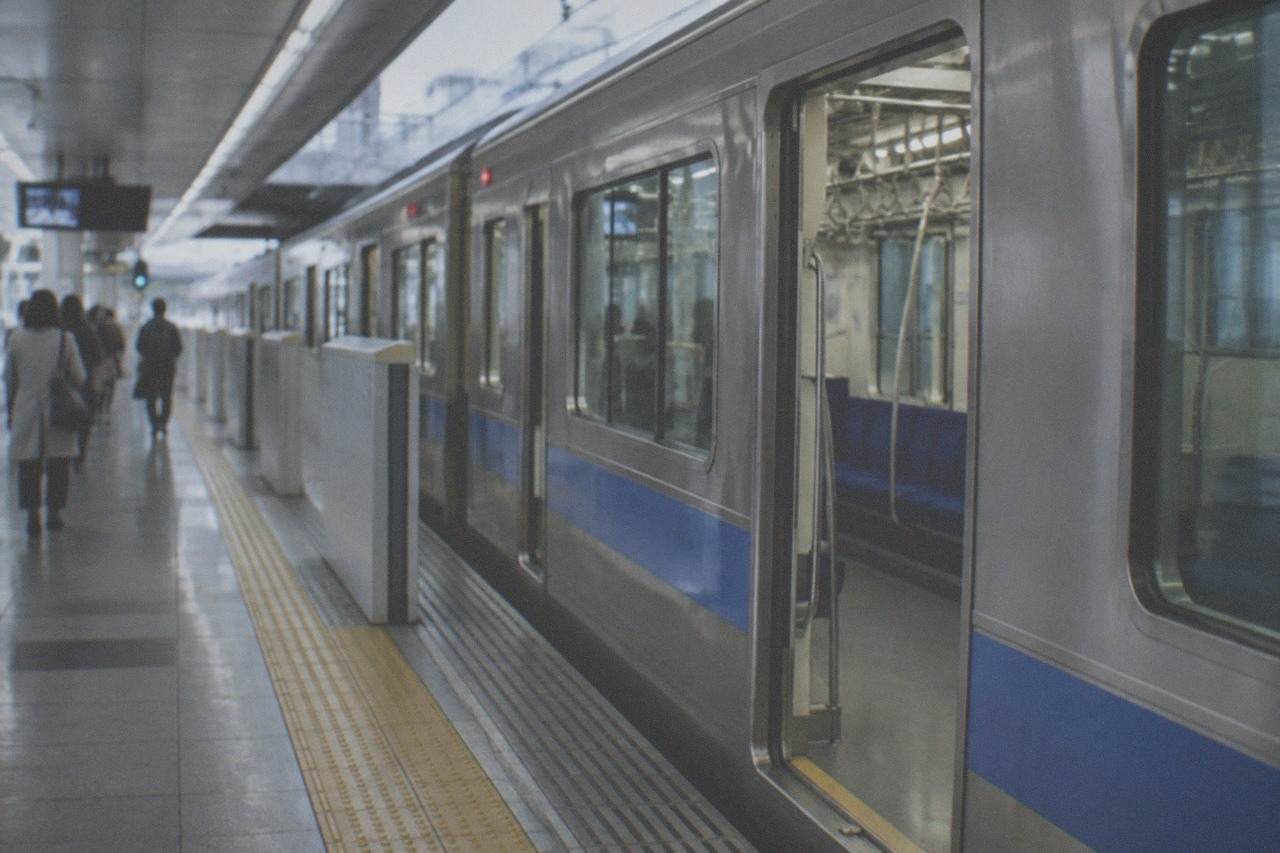
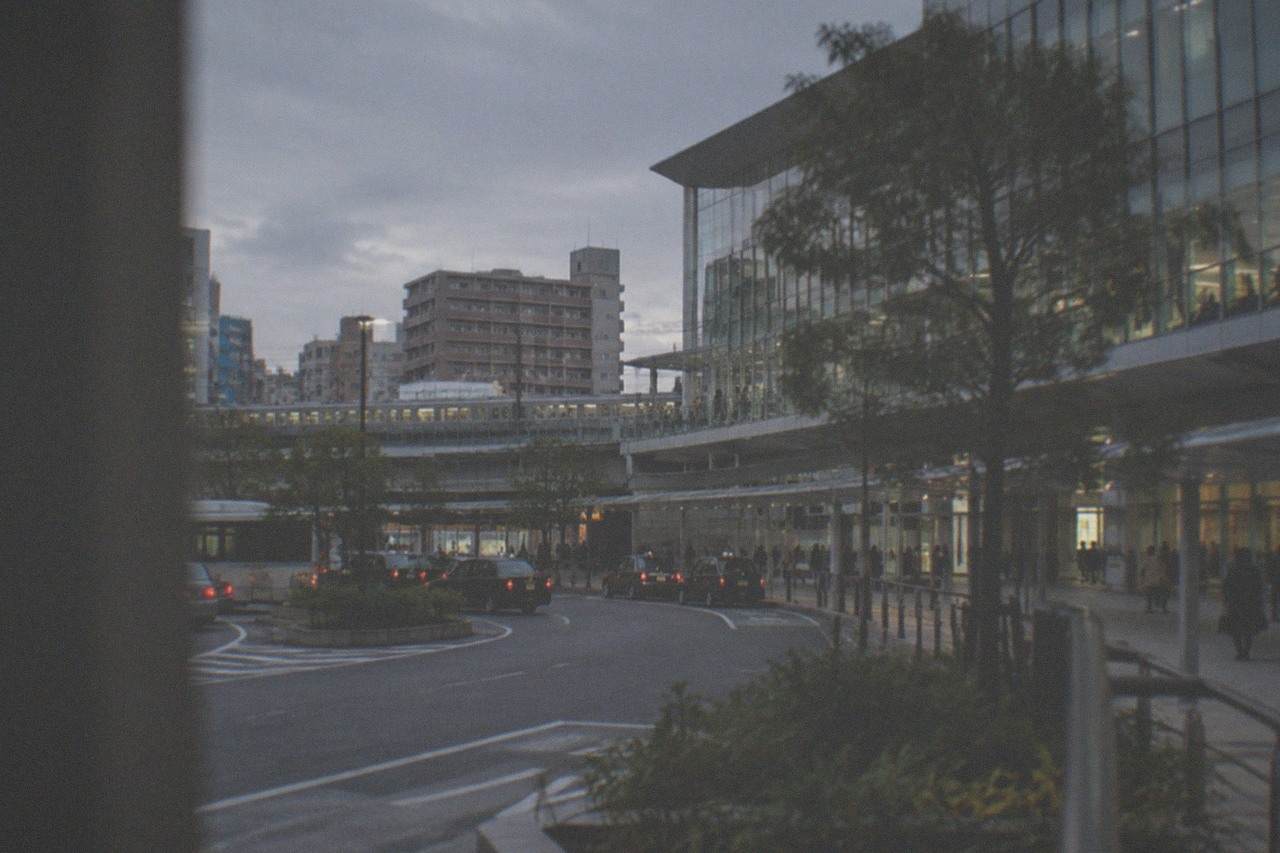
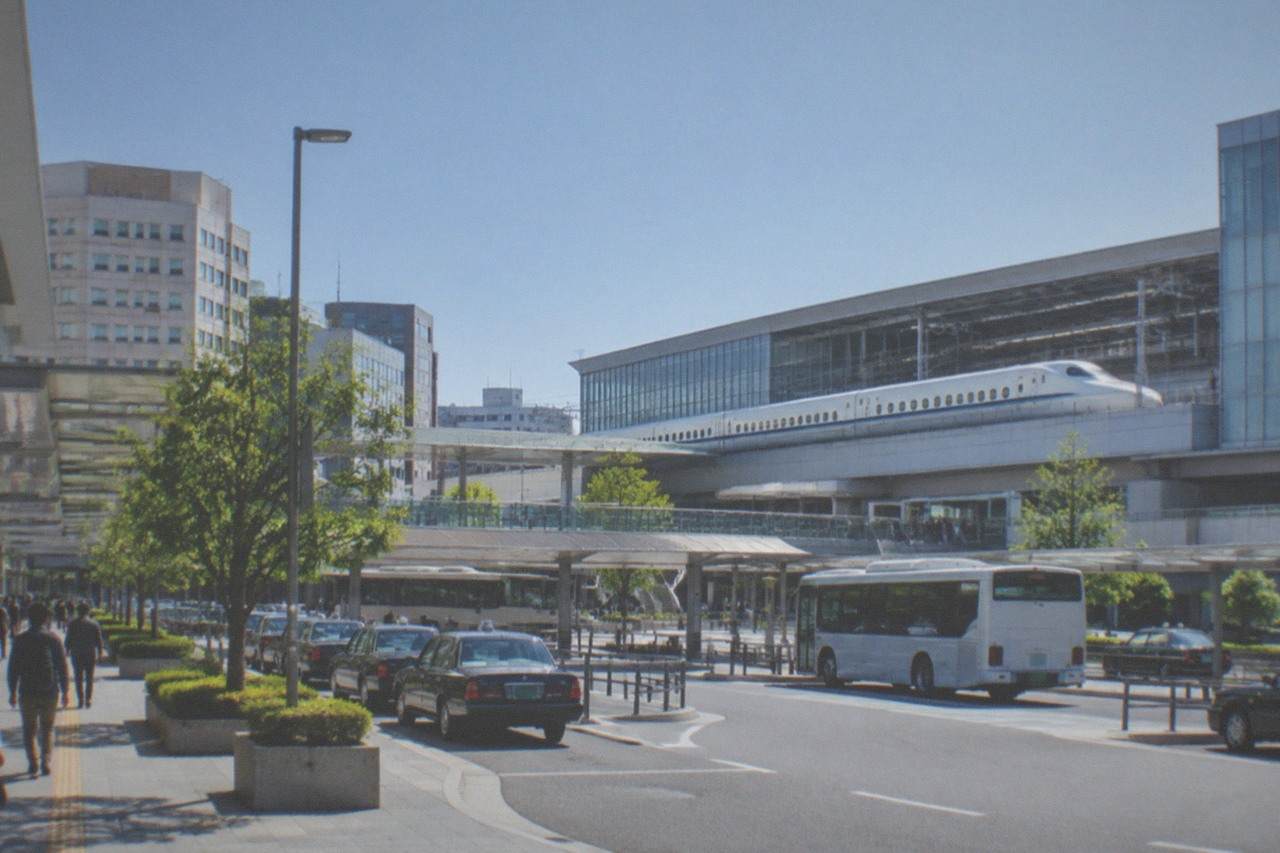
No, there is no JR Fukuoka Station. The city's main rail hub is Hakata Station, and Hakata is a ward of Fukuoka City, not a separate place. Here is what that means for your trip.
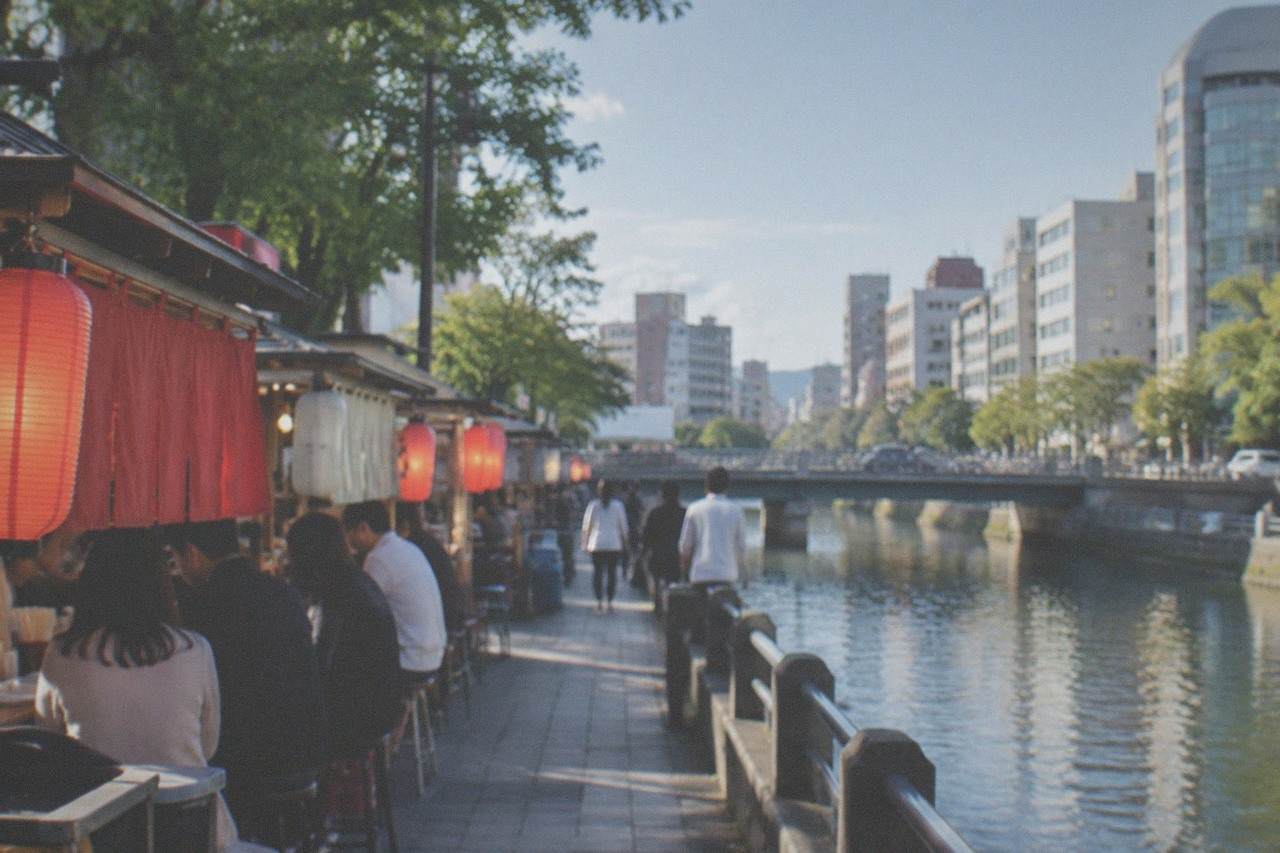
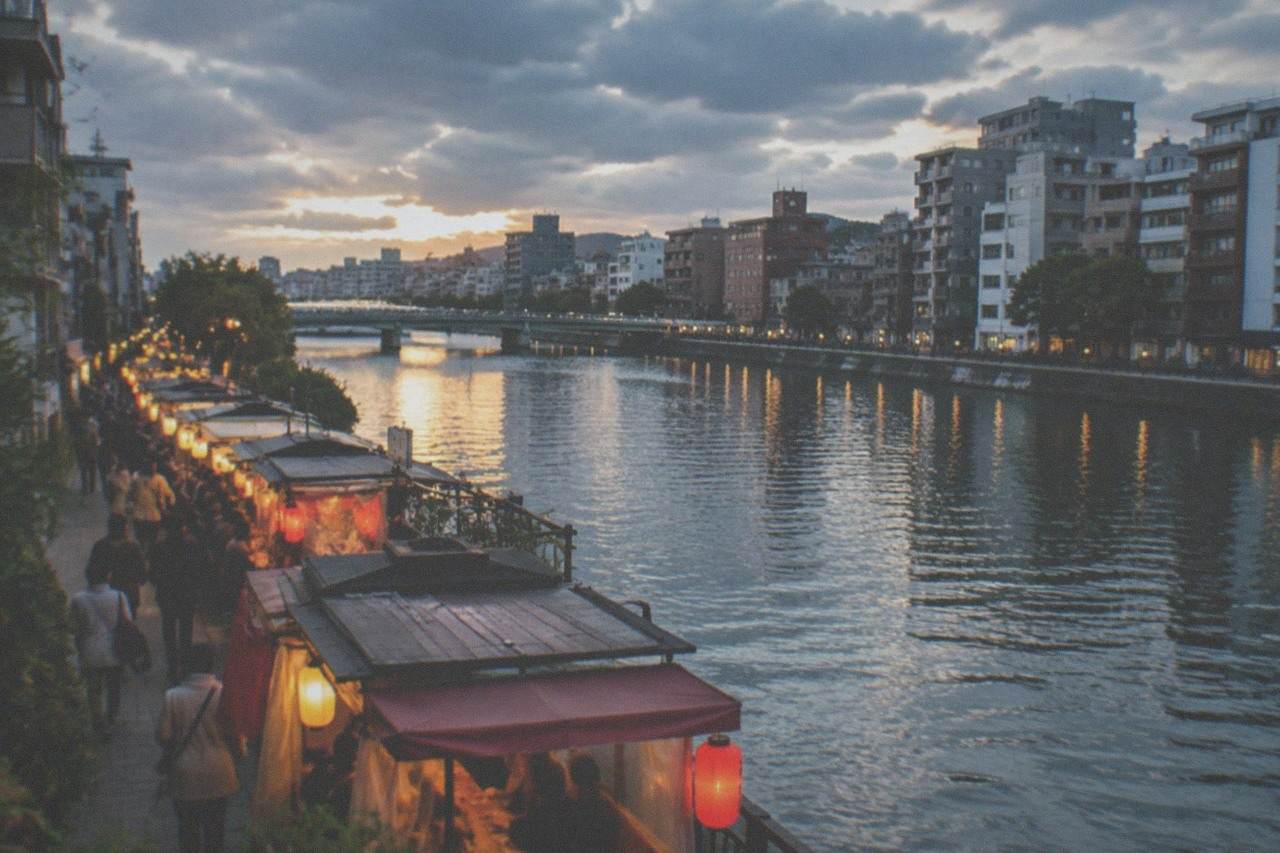
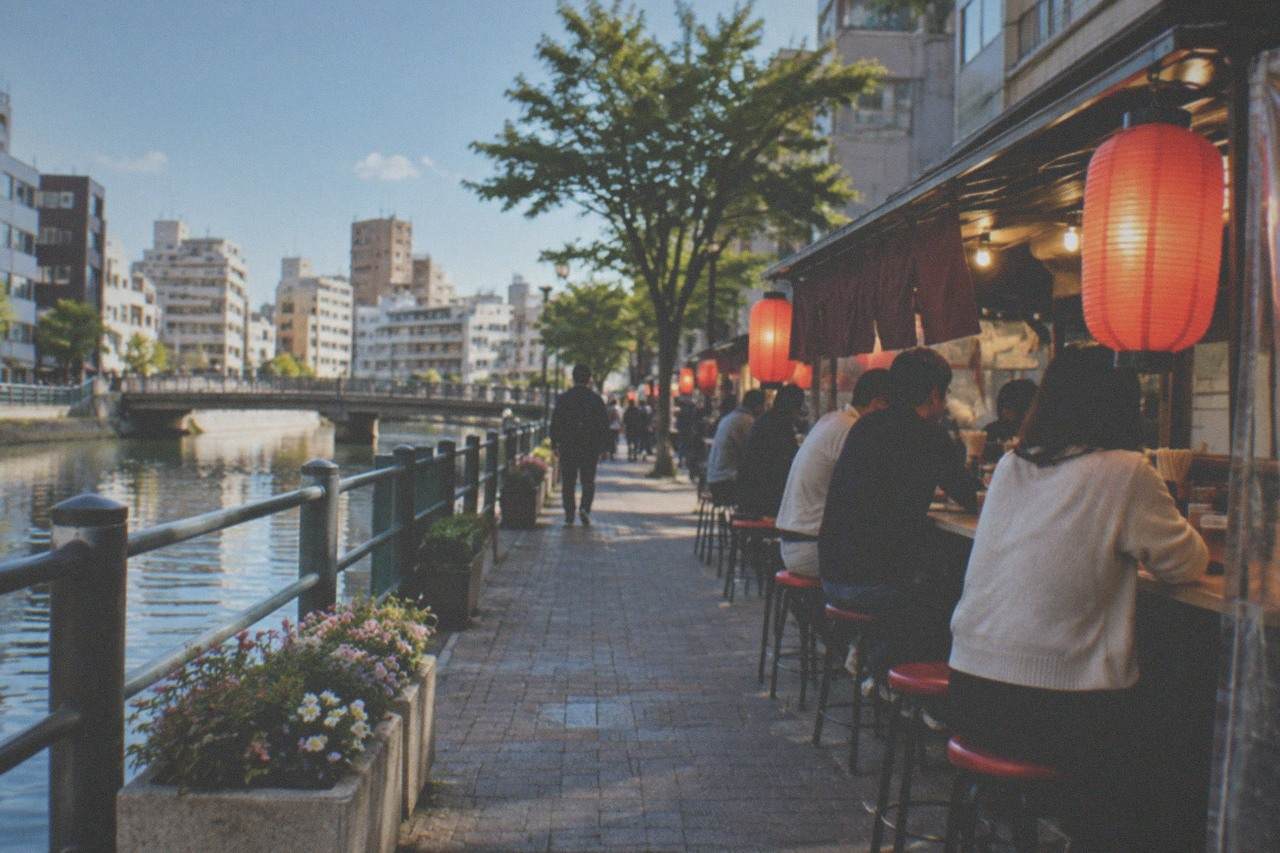
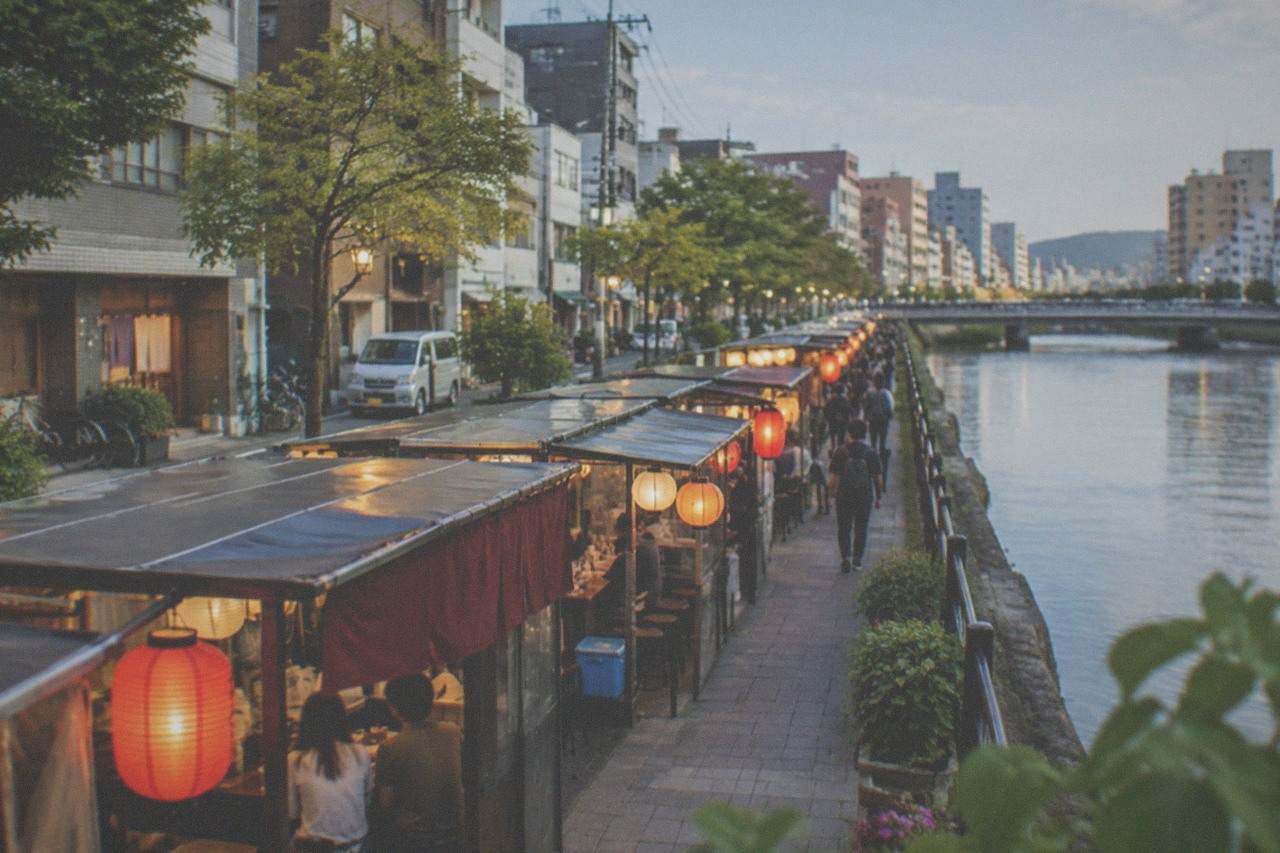
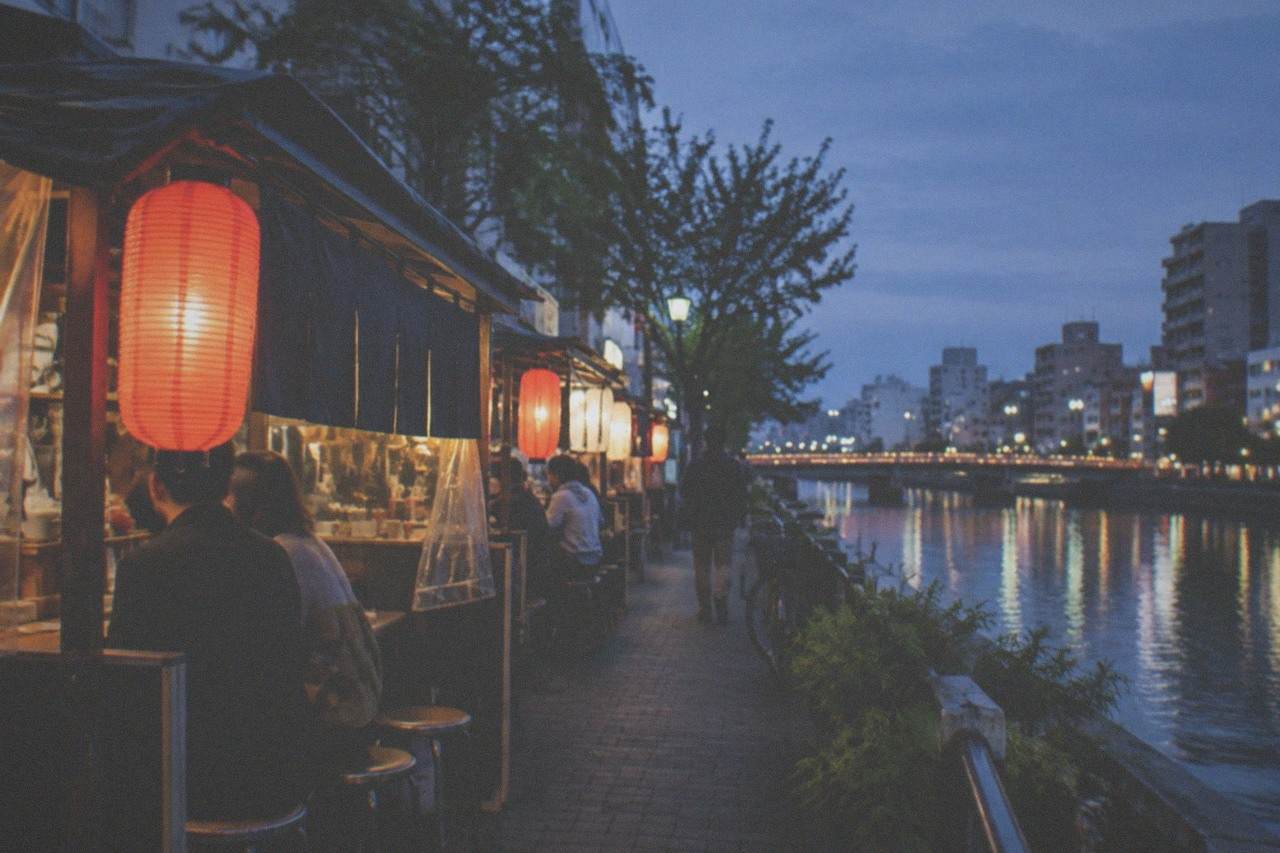
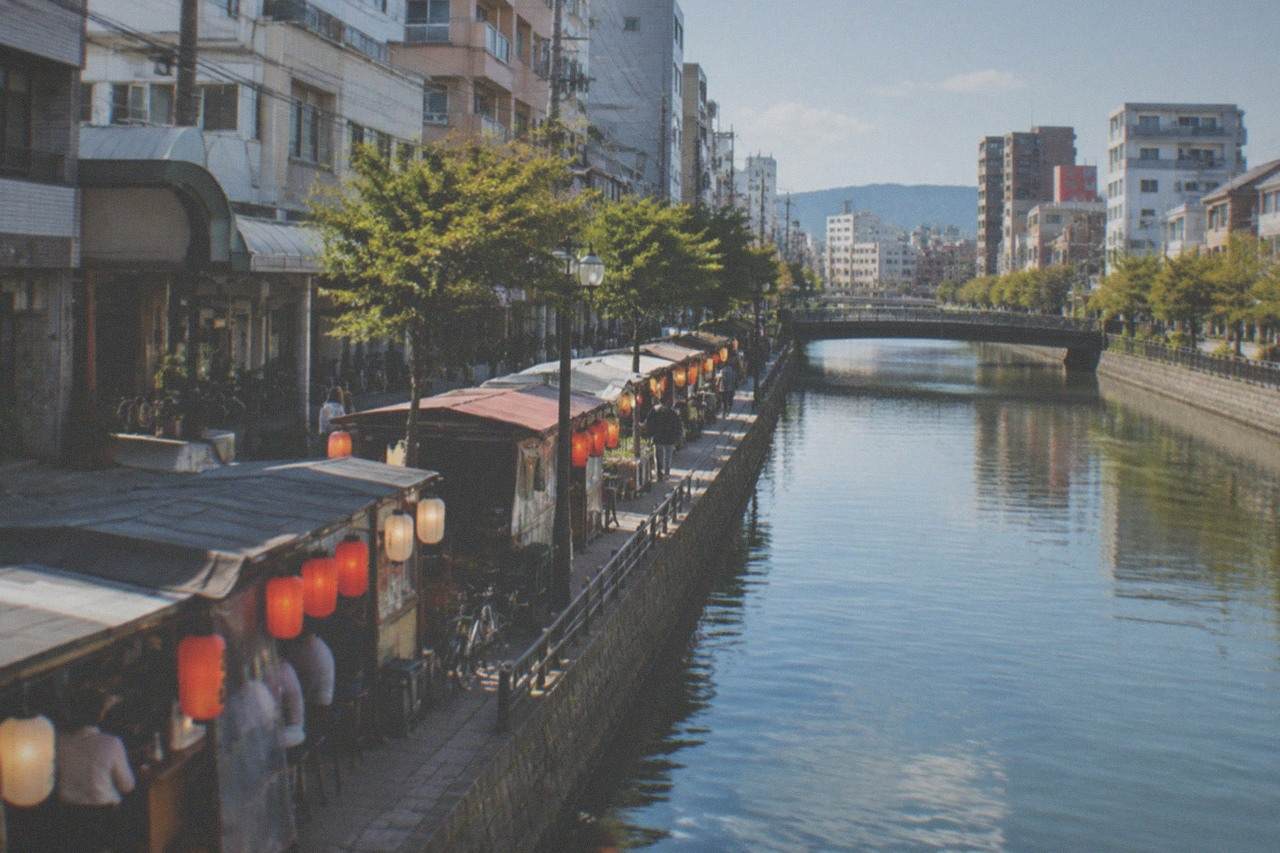
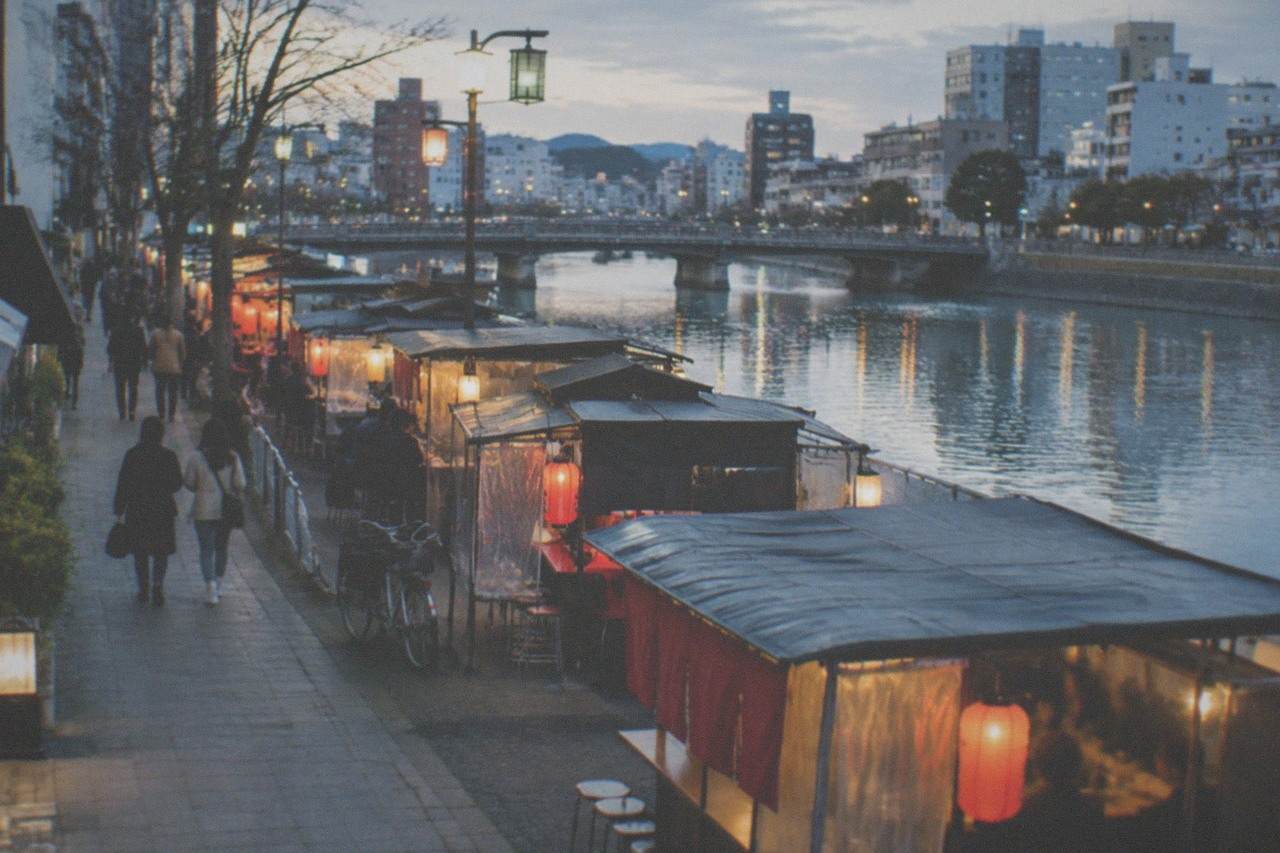
No, and Fukuoka's own price-display ordinance is the reason. Here is what actually shapes the bill at a yatai ramen stall, cluster by cluster.
Kyushu has seven prefectures: Fukuoka, Saga, Nagasaki, Kumamoto, Oita, Miyazaki and Kagoshima. Here is what each one is known for and how to plan a trip around them.
The best museums in Fukuoka, from the Fukuoka Art Museum and the free-entry Asian Art Museum to teamLab Forest, with verified admission prices, hours and closure days.
The foods Fukuoka is famous for, from Hakata tonkotsu ramen and yatai food stalls to motsunabe, mentaiko and goma saba, with where to eat each one.
The single must-do in Fukuoka is eating at a yatai food stall, plus the tower, the castle ruins and the day trips that make the city worth the flight.
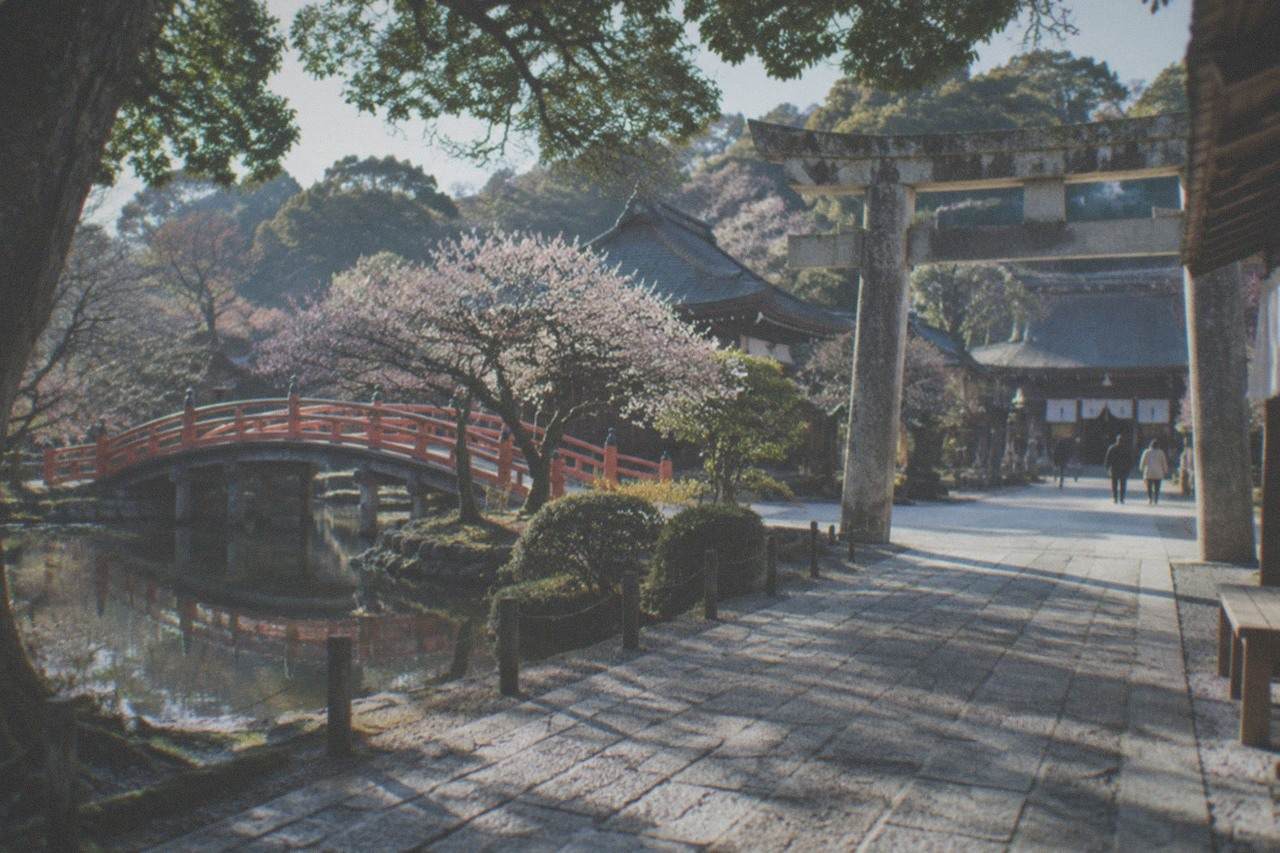
Dazaifu Tenmangu is famous as the shrine to Sugawara no Michizane, the god of learning, its legend of the flying plum trees and the mochi stalls along its approach.
Fukuoka is the capital city of Fukuoka Prefecture on Kyushu, and the region it anchors is the political, transport and economic centre of the island. Here is what that actually means for a visitor.
Kyushu is known for active volcanoes, onsen towns like Beppu and Yufuin, food from tonkotsu ramen to mentaiko, and history from Dejima to Dazaifu. Here is what the island actually delivers.
The souvenirs and local specialities actually worth carrying home from Fukuoka, from mentaiko and Hakata dolls to tea from Yame, and where to buy each one.
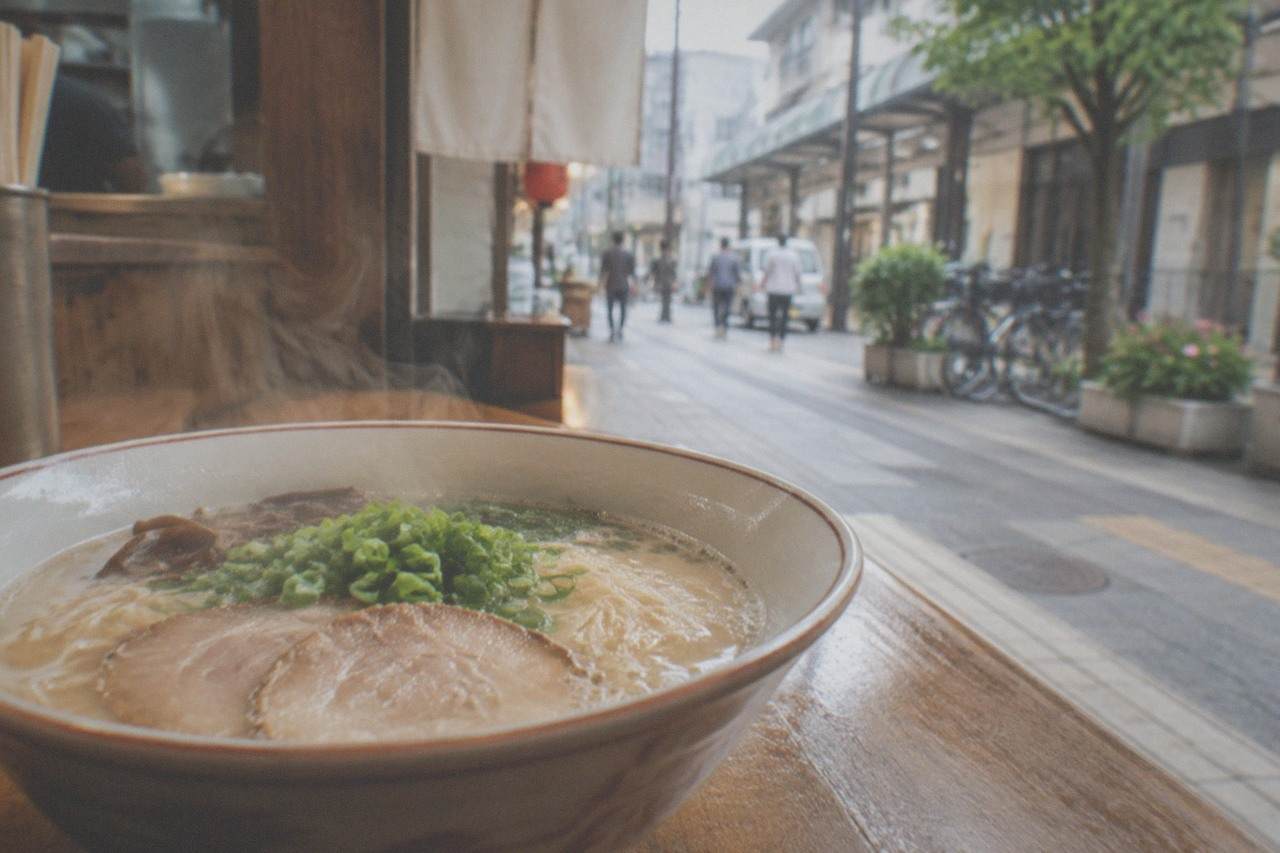
Hakata ramen is Fukuoka's signature tonkotsu noodle soup: pork-bone broth, ultra-thin noodles, and the kaedama refill system. Here is what makes it different.
A practical comparison of Hakata, Tenjin, Nakasu and the Ohori and Momochi districts, with verified transit fares and passes, to help you pick the best base for a Fukuoka trip.
The best day trip from Fukuoka is Dazaifu: close, cheap and packed with shrines, gardens and food. Here is how it compares with Takachiho, Yufuin and the rest.
The best kept secrets in Fukuoka: a free art museum almost everyone walks past, a castle keep that may never have existed, a yatai price rule nobody mentions, and the pass most guides still quote wrong.
The best month to visit Fukuoka, decided from official Japan Meteorological Agency climate normals, festival dates and crowd patterns, with a month-by-month comparison.
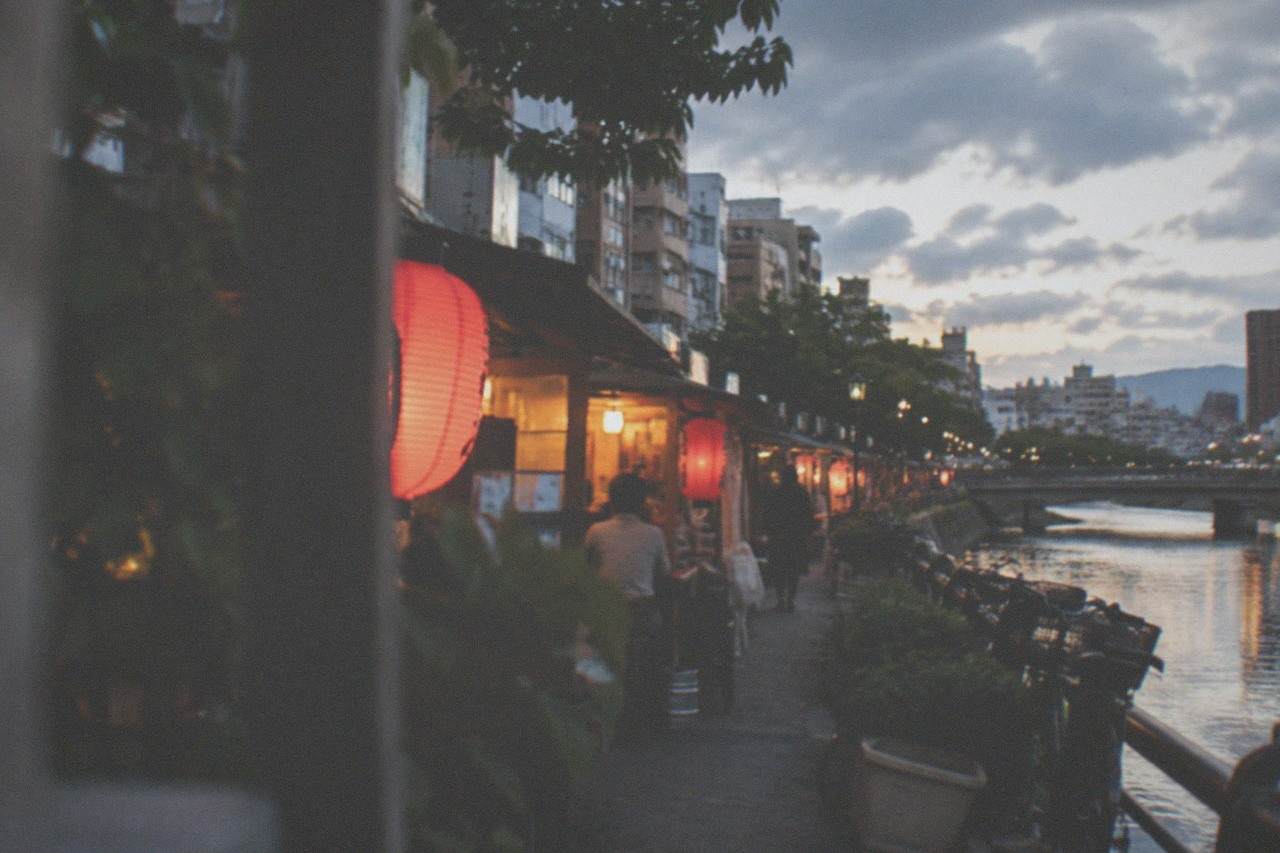
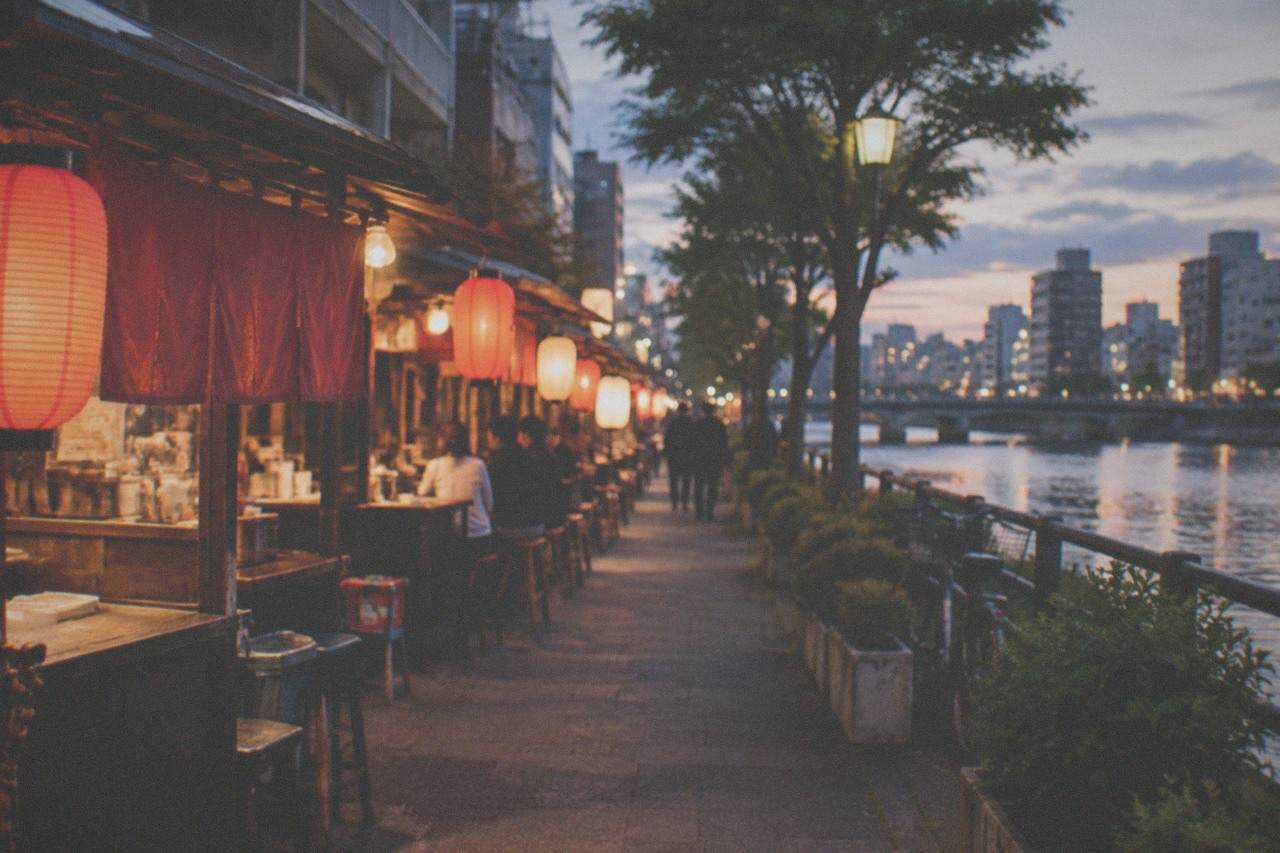
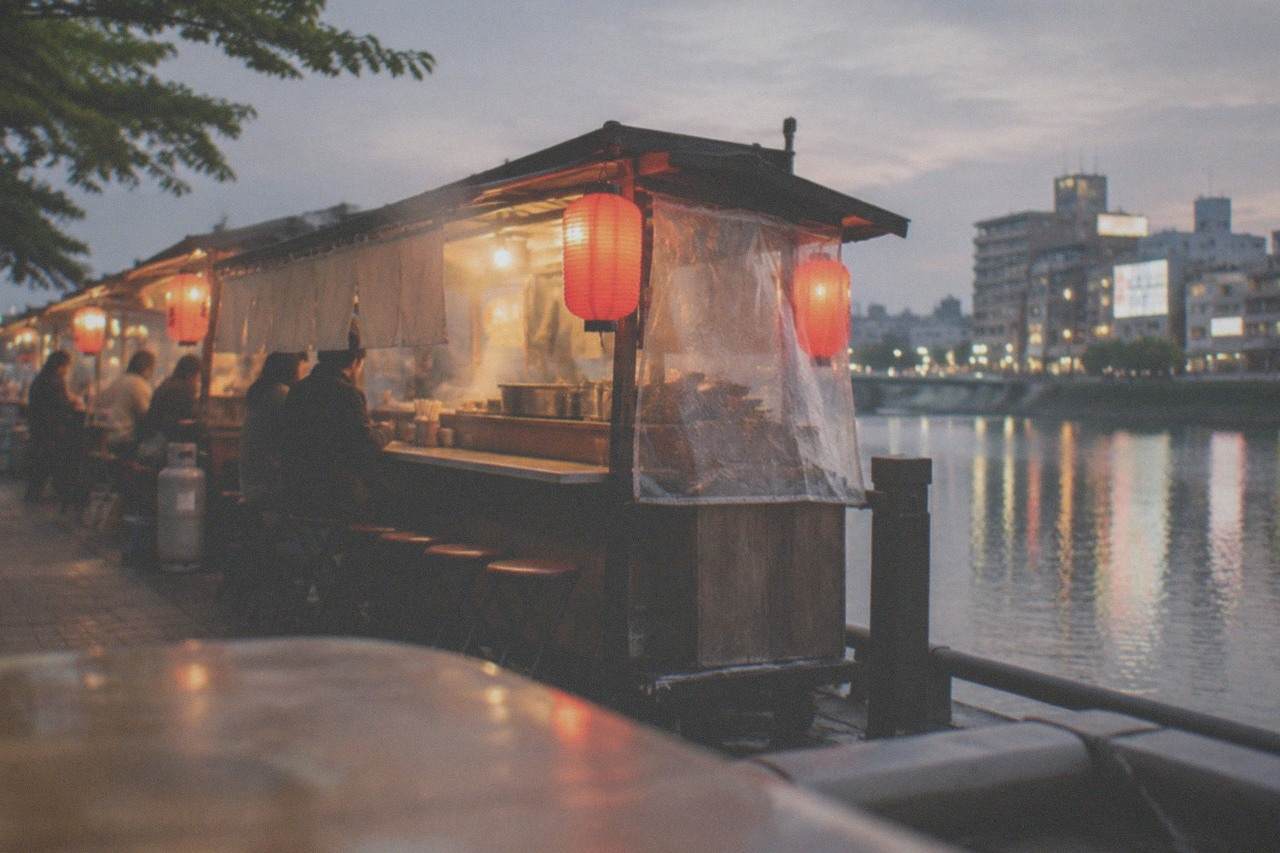
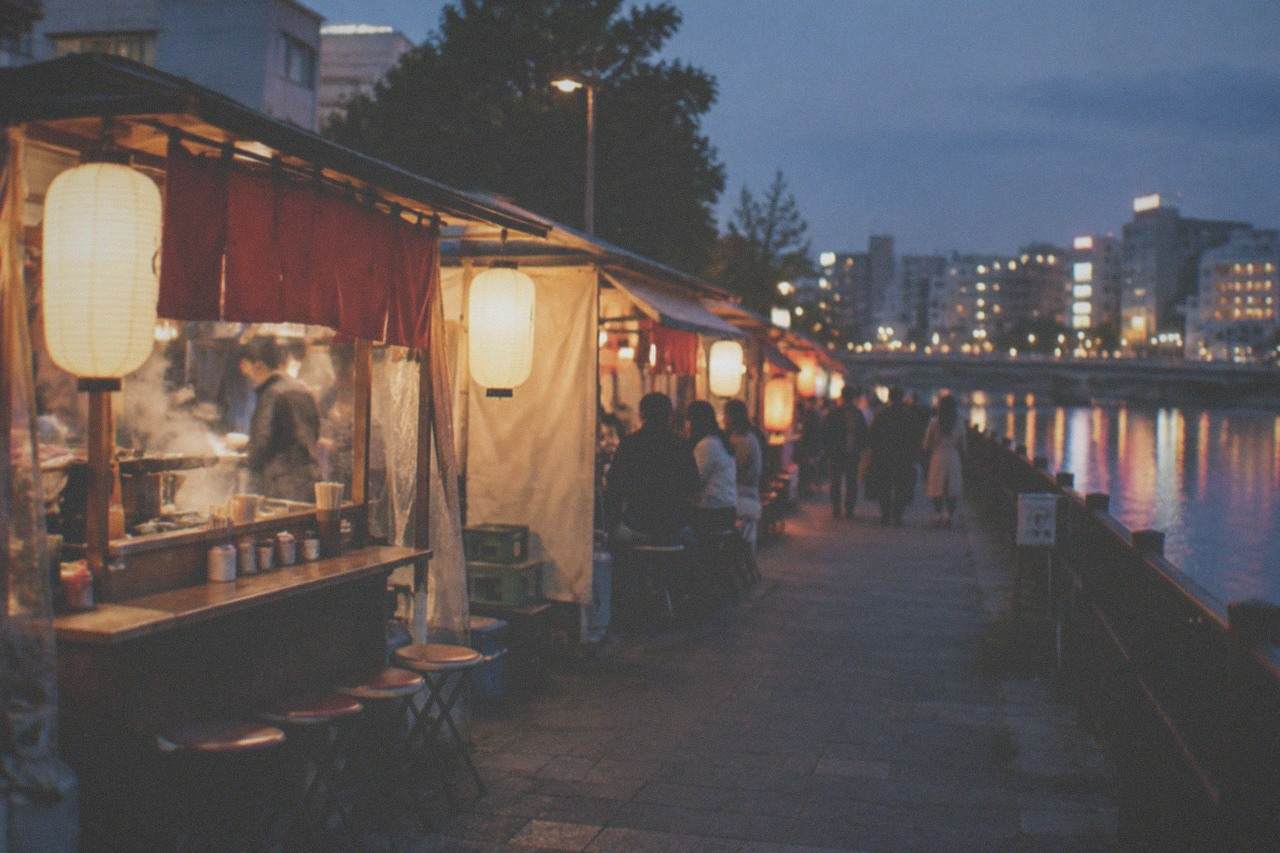
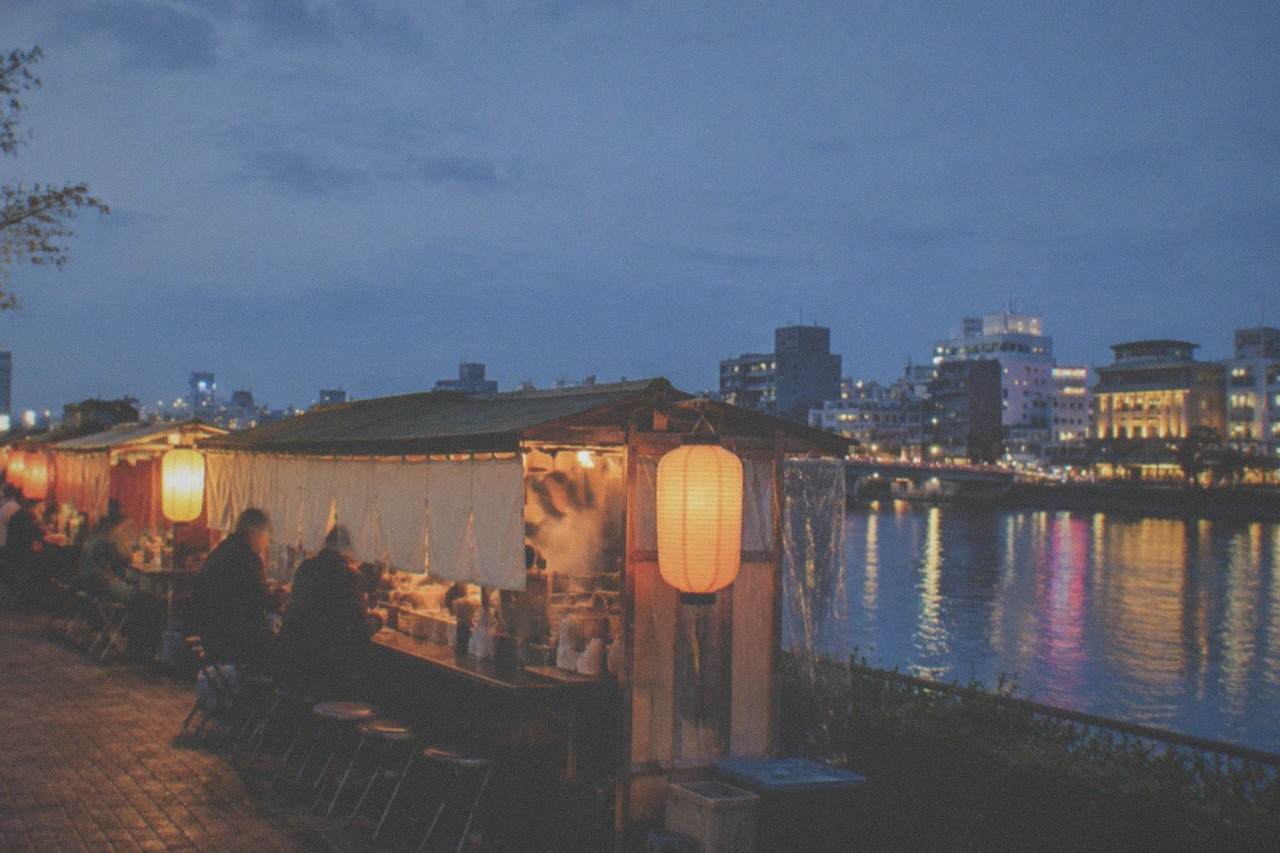
How to eat at a Fukuoka yatai without misstepping: seating, ordering, posted prices, payment and the unwritten rules of the counter.
Kushida Shrine is Fukuoka City's most famous shrine, while Dazaifu Tenmangu is the prefecture's biggest draw. Here is how they differ and which to visit.
Fukuoka's signature dish is tonkotsu ramen, the pork-bone broth noodle bowl the city invented and still does better than anywhere else in Japan.
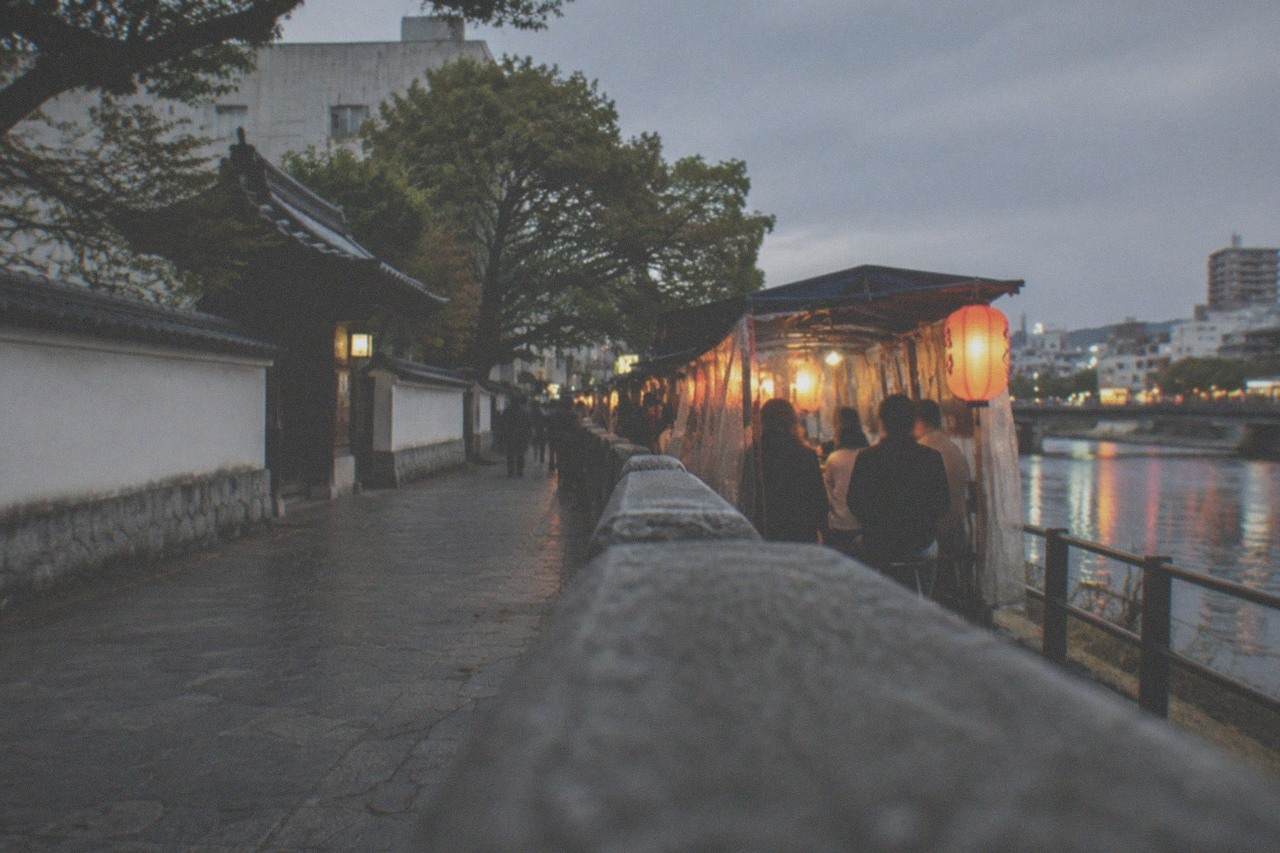
Why Fukuoka's yatai ramen stalls serve a bowl you cannot get anywhere else, from the tonkotsu broth to the sidewalk setting and the city rules that govern the stalls.
A first-timer's plan for Fukuoka: the sights that matter, the airport transfer, the yatai food stalls, and the mistakes new visitors make.
Osaka is closer to Fukuoka than Tokyo, and the gap shapes how most travellers route their trip. Here is how distance, rail and flights compare.
Discover what Fukuoka is famous for, from its legendary tonkotsu ramen and yatai street stalls to ancient shrines, the Hakata Gion Yamakasa festival, and modern landmarks like Fukuoka Tower.