What to Do in Fukuoka for First Timers?
A first-timer's plan for Fukuoka: the sights that matter, the airport transfer, the yatai food stalls, and the mistakes new visitors make.
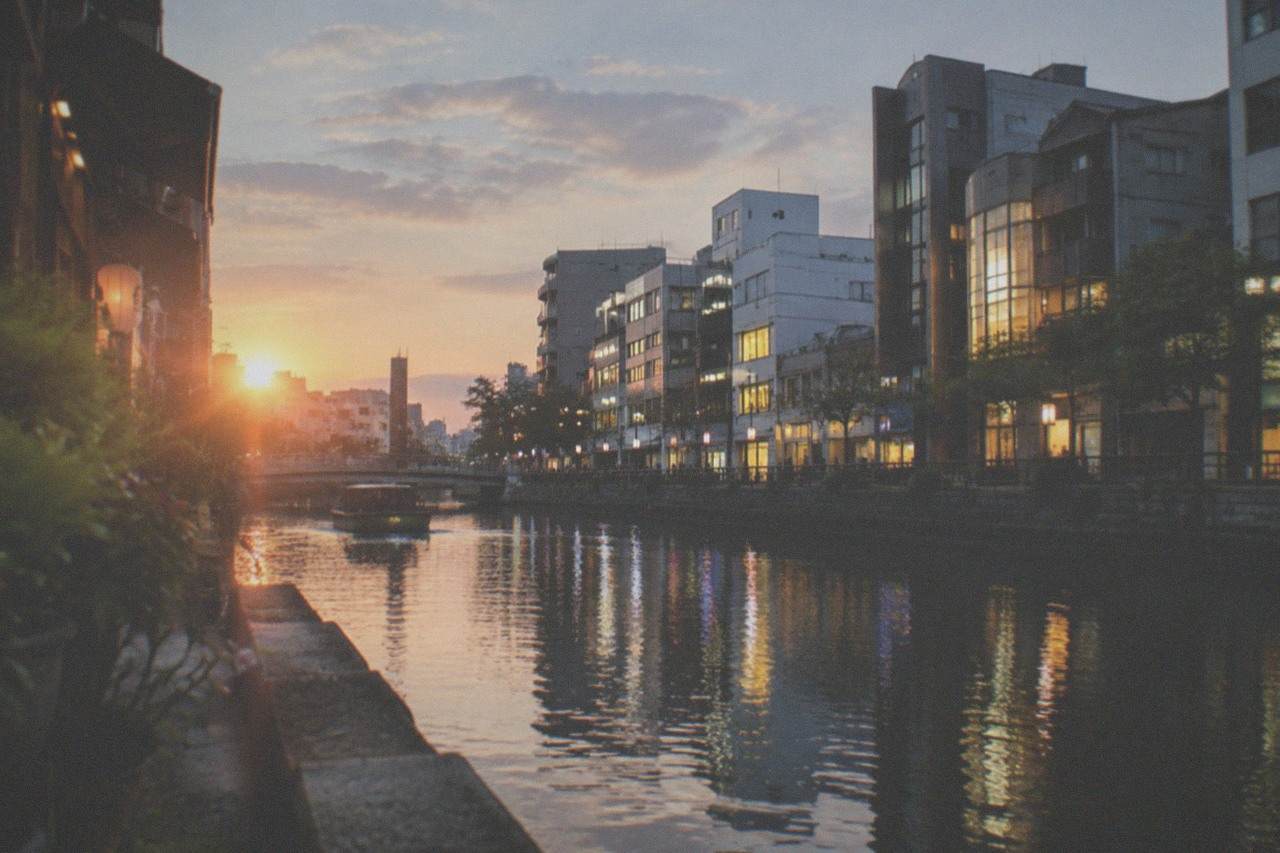
Fukuoka is the largest city on Kyushu and one of the fastest growing in Japan, and it hands a first-time visitor an unusually compact hand: the airport sits practically on the city's edge, the main shrine, castle park and food-stall rows all sit within a short subway ride of each other, and the sea is never far away. One point of orientation before anything else: Hakata and Fukuoka are the same city. Hakata is the ward and the name of the main station, not a separate destination, so nothing in this guide involves travelling "from Hakata to Fukuoka".
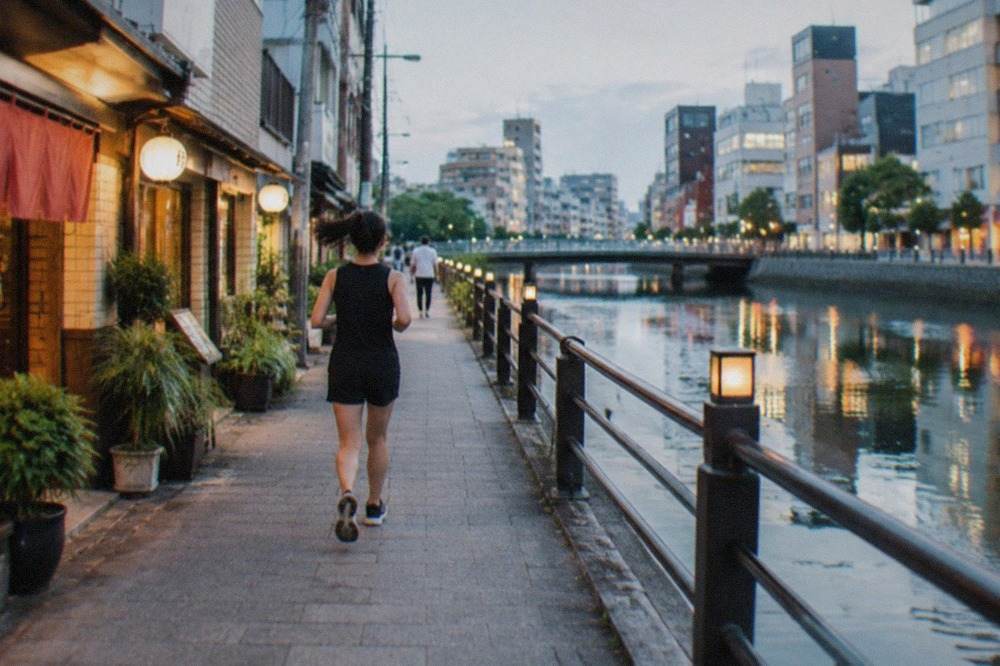
What to Do in Fukuoka for First Timers?
On a first visit, spend your time on Kushida Shrine and the Hakata old town, Ohori Park and the Fukuoka Castle ruins, the Nakasu yatai stalls at night, and a half-day at either Dazaifu Tenmangu or the Momochi coast. Do all of it on the subway, which costs from ¥210 a ride, and eat tonkotsu ramen and motsunabe between stops. Two full days is the realistic minimum for this list, and three is comfortable.
The honest framing for a first trip is that Fukuoka is a city you experience in evenings and mornings as much as in sightseeing blocks. The daytime anchors are real: Ohori Park's lake walk, the castle ruins next door, the Reclining Buddha at Nanzoin on the eastern edge. But the moments most visitors remember are the food stalls along the Naka River and the narrow lanes of Hakata's old merchant quarter, and those only exist after dark.
If you are still deciding whether the city merits the trip at all, the answer to that question, with the trade-offs spelled out, sits in our piece on whether Fukuoka is worth visiting, and the broader case for the city is laid out in what Fukuoka is famous for. This page assumes you have booked the flight and need the plan.
Which Sights Should a First Visit Include?
Kushida Shrine first, because it is the spiritual centre of Hakata and the starting point of the July Yamakasa festival. Then Ohori Park and the neighbouring Fukuoka Castle ruins as one combined morning, Tochoji's Great Buddha, and the Momochi seaside or Canal City Hakata depending on weather. Dazaifu Tenmangu is the standard half-day out of town. All of these are free to enter except the castle's paid corners and the parks' gated areas.
Start in Hakata itself. Kushida Shrine is the parish shrine of the Hakata merchant families and the focal point of the Hakata Gion Yamakasa festival each July, when teams race roughly one-ton floats over a 5 km course in the pre-dawn dark. The shrine grounds cost nothing and sit a few minutes' walk from the Kawabata shopping arcade, which is the surviving covered street of old Hakata and a good rainy-day fallback. Tochoji, a short walk away, holds one of Japan's largest seated wooden Buddhas. Neither temple nor shrine charges admission.
The second cluster is Ohori Park and Maizuru Park to the west. Ohori is a moat-turned-lake with a 2 km waterside path, and its Japanese Garden charges just ¥250 for adults, ¥120 for children. Next door, the Fukuoka Castle ruins spread over green lawns with free entry; note that the main keep base, the Tenshudai, is closed from 26 May 2026 until the end of December 2026 for an archaeological excavation prompted by a document found in December 2024 that describes a keep historians were not sure ever existed. The rest of the park stays open.
For the evening, Canal City Hakata is a free-to-enter canal-side complex with shops from 10:00 to 21:00 and restaurants from 11:00 to 23:00, open every day of the year. If you would rather have a guide carry the history on day one, the essentials tour below does exactly that.
The Fukuoka Essentials tour, rated 4.9 from 48 reviews and running three to six hours from $74 per person, is the one product on this page built for exactly this moment: the first afternoon, when you do not yet know which end of the city is which. A licensed local guide walks the core sights and the small alleys between them, and you can read the full breakdown on the Fukuoka Essentials tour page.
How Do You Get from the Airport Into the City?
Take the subway. Fukuoka Airport sits on the Kuko line and the fare to Hakata Station is ¥260, within the official 3 to 7 km fare band, with a further ¥260 to Tenjin. The airport is genuinely close to the centre, which is true and sourced, but do not trust the widely repeated "five minutes" figure, because no official timetable page states a journey time. There is no JR Fukuoka Station; the station is Hakata.
This is the one place where nearly every competing guide prints the same unverified number, so it is worth being precise. The ¥260 fare is derivable from the city subway's own distance-based fare table, and the airport's own access pages confirm the free inter-terminal shuttle bus, which runs between the international and domestic terminals in about ten minutes. What no official page confirms is a minute count for the airport-to-Hakata leg, so a first-timer should simply expect a very short ride rather than a promised one.
Inside the city, the subway is the backbone. Single fares run from ¥210 for up to 3 km to ¥380 beyond 19 km, and a one-day pass costs ¥640 for adults. Overseas visitors on a short-stay visa can buy the Fukuoka Tourist City Pass, ¥2,500 for the city or ¥2,800 with Dazaifu, which covers subway, buses, trains and ferries for a day, with the passport checked at the counter; the city's official pass page lists the exact coverage and sales points. If you are weighing a longer stay against this one-day arithmetic, our answer on how many days in Fukuoka is enough works through the trade-offs.
Where Should You Eat on a First Night?
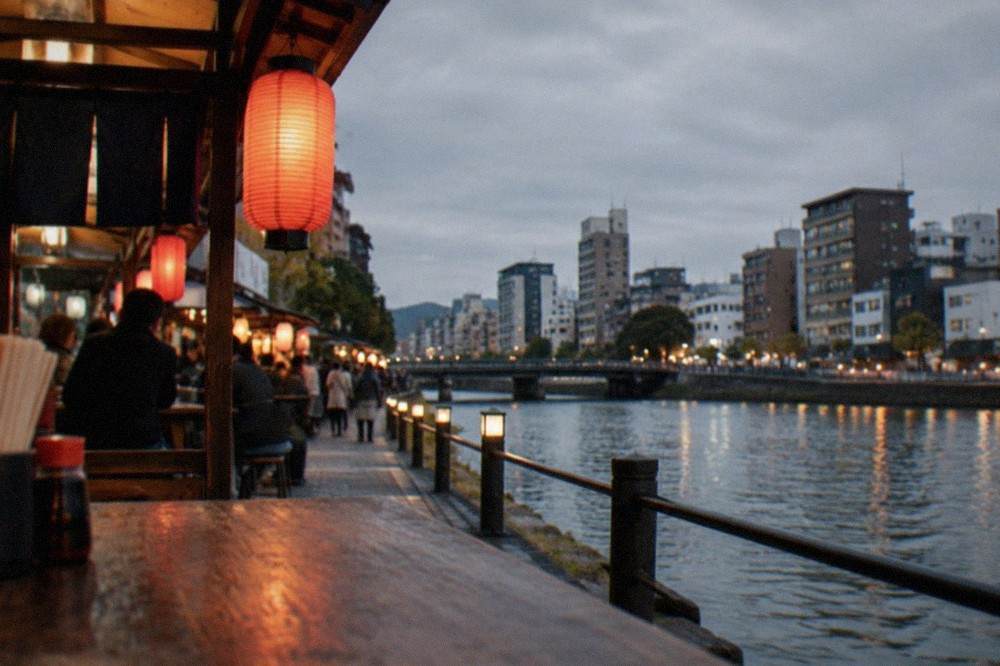
Go to the yatai. Fukuoka has about 100 licensed street food stalls, more than any other Japanese city, concentrated in Nakasu along the Naka River, in Tenjin and in Nagahama. A city ordinance requires every stall to display its prices where customers can see them, and bans vague "market price" listings, so the fear of being overcharged is largely unfounded. Order tonkotsu ramen, yakitori and oden, and expect a seat beside strangers.
The stalls open from around 17:00, when operators are permitted to occupy their plots, and most serve from early evening into the small hours; the city permits occupancy until 4:00. There is no city-mandated closing day, so whether a given stall is open depends on the weather and the owner, and rain shuts many of them. The Nakasu row along the Naka River is the most photographed and the most tourist-facing; Tenjin's scattered stalls serve a more after-work local crowd. More of these guides are collected on Fukuoka Japan Travel Guide.
The price-display rule comes from the Fukuoka City Yatai Basic Ordinance, and the city's own yatai Q&A page states the requirement plainly: prices must be shown where customers can easily see them, and anything priced on the day's market must show that day's actual figure rather than the word "market price". City inspectors check periodically. That is a better answer to "will I get ripped off" than any reassurance a food blog offers.
The etiquette is simple and worth learning before you go: sit, order, and do not linger long after finishing, because the seats are few and the stall is one person's workplace. Our yatai etiquette guide covers the details, and if you want the stalls translated for you, guided crawls exist. You cannot book a stall itself, only a guided tour, and there are a handful of those in the roster.
| Sight or area | First-visit role | Entry cost |
|---|---|---|
| Kushida Shrine | Hakata's parish shrine, Yamakasa start point | Free |
| Ohori Park and Japanese Garden | Lake walk, quiet hour | Park free, garden ¥250 |
| Fukuoka Castle ruins (Maizuru Park) | Lawns, walls, views | Free, Tenshudai closed to end of 2026 |
| Tochoji | Seated Great Buddha | Free |
| Canal City Hakata | Evening shops and fountains | Free, open daily |
| Dazaifu Tenmangu | Half-day trip, plum trees, learning shrine | No entrance fee |
| Nakasu yatai stalls | First-night dinner | Dishes priced and posted per ordinance |
How Much Should You Budget for Tickets and Transport?
Budget roughly ¥1,000 for Fukuoka Tower, ¥250 for the Ohori Japanese Garden, and ¥640 for a subway day pass, with Dazaifu reachable by private rail for a few hundred yen each way. The Tourist City Pass at ¥2,500, or ¥2,800 with Dazaifu, replaces all of the local transport spending for a day if you hold a foreign passport on a short-stay visa. Most of the headline sights cost nothing at all.
Fukuoka is a cheap city to sightsee. The two art museums charge only ¥200 for adults, with free entry for anyone under 15, and the Asian Art Museum's building is free entirely, with only the Asia Gallery charging. Fukuoka Tower, at 234 m with decks at 123 m and 116 m, charges ¥1,000 for adults, ¥500 for elementary and junior high students and ¥200 for children aged four and over, and it closes on 28 and 29 June 2027 for its annual maintenance. Hours are 9:30 to 22:00 with last admission at 21:30.
The tower also sells an e-ticket through the roster here, from $7 per person, rated 5.0 from a single review, which is a rating from one person rather than a verdict; it is a convenience purchase, not a necessity, since the gate takes cash and cards alike. If a rainy or hot day kills your walking plan, the teamLab Forest ticket, from $27 per person and rated 3.8 from 14 reviews, is the indoor fallback inside the BoSS E zone near the stadium.
For the day out of town, Dazaifu Tenmangu charges no entrance fee at all, per the shrine's own FAQ, and pairs well with the Kyushu National Museum next door. If you would rather point your one long day at scenery instead, the Akiyoshido Cave and Motonosumi Inari Shrine tour, from $65 per person and rated 4.8 from 56 reviews, covers two of northern Kyushu's most dramatic sights in a ten-hour loop.
What Mistakes Do First Timers Make in Fukuoka?
The big three: treating Hakata and Fukuoka as two places, hunting for a "Fukuoka Station" that does not exist, and over-scheduling day trips while ignoring the evenings. The station you will arrive at is Hakata Station, and the evenings, yatai and lantern-lit lanes included, are the part of the city that distinguishes it from Osaka or Nagoya. Plan fewer daytime blocks and more nights out.
The station confusion is worth a sentence of its own because it affects every booking you make. There is no JR Fukuoka Station; long-distance and Shinkansen services all arrive at Hakata Station, in the Hakata ward of the same city. Our full answer to is there a Fukuoka Station covers the naming history, and the practical point is that any address "in Fukuoka" may still be a short walk from Hakata Station.
The second mistake is underestimating the seasons. July is Fukuoka's wettest month, 299.1 mm against June's 249.6 mm in the 1991-2020 Japan Meteorological Agency normals, even though June is the tsuyu rainy season month everyone warns about. Typhoon season runs roughly July through October and is a real planning factor, not a reason to stay away; the best month to visit question works through the calendar in detail.
The third is skipping the city entirely for Kyushu day trips on day one. Yufuin, Beppu, Takachiho and Kumamoto are all reachable, and the temptation is real, but a first-timer who leaves on the first morning never meets the city that made the trip worth taking. Give Fukuoka's own streets at least one full day, then go outward; our first-time itinerary sequences exactly that.
If you would like a local to take the first day in hand, the essentials tour remains the best fit for a first visit, and the three cards below cover the city walk, the big day trip and the tower ticket in one place.
Common Questions About Visiting Fukuoka for the First Time
What To Do In Fukuoka For First Timers?
Focus on Kushida Shrine and Hakata old town, Ohori Park and the castle ruins, a night at the Nakasu yatai stalls, and one half-day at Dazaifu Tenmangu or the Momochi coast. Use the subway, which costs from ¥210 a single, and leave your evenings loose rather than scheduled.
How many days does a first visit need?
Two days covers the core city sights and one yatai evening. Three days adds Dazaifu or a Kyushu day trip comfortably. Anything less than two means choosing between the castle park, the shrine quarter and the food stalls.
Is Fukuoka easy for first-time visitors to Japan?
Yes, unusually so. The airport sits on the subway line with a ¥260 fare to Hakata Station, the centre is walkable, signs are bilingual, and about 100 licensed yatai stalls give you a friendly, low-cost introduction to Japanese food culture.
Can you visit Fukuoka without speaking Japanese?
Yes. Subway ticket machines and station signage have English modes, the main attractions have English pamphlets, and the yatai stalls handle pointing and posted prices, which the city ordinance requires them to display.
Do you need a tour guide for a first day?
You do not need one, but a half-day guided walk is an efficient way to get oriented. The Fukuoka Essentials tour, from $74 per person and rated 4.9 from 48 reviews, covers the core sights in three to six hours with a local guide.