Hakata or Fukuoka: What Is the Difference?
Hakata and Fukuoka are the same city. Hakata is the ward, the station and the old merchant name; Fukuoka is the city itself. Here is exactly when each name applies.
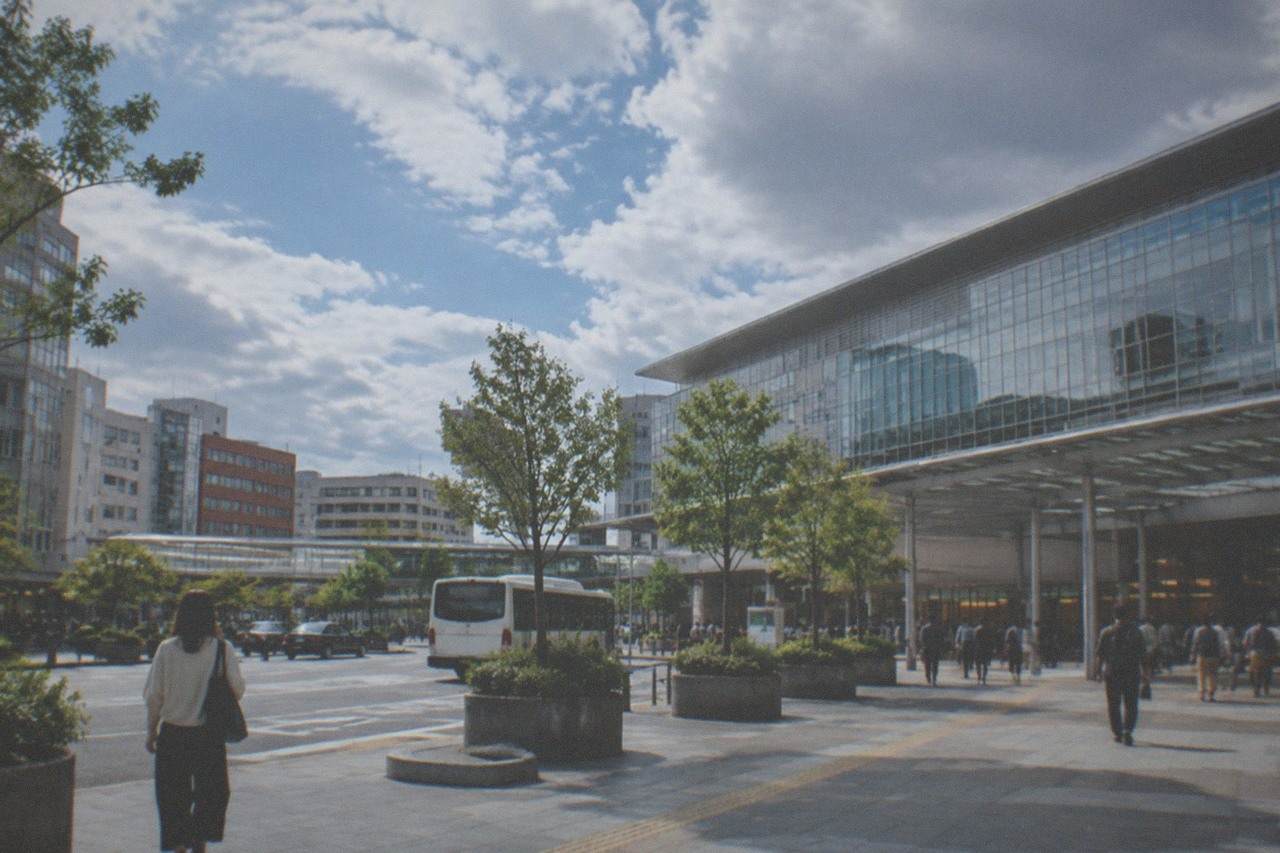
Hakata and Fukuoka are not two cities, two districts you travel between, or even two rival towns with a border between them. Fukuoka is the city, the prefecture and the airport; Hakata is one of its wards, the name of its main station, and the name the city's merchants, food and festivals have carried for centuries. If you have seen both words on a train ticket and wondered whether you booked the wrong destination, you did not. Every guide that treats them as separate places is wrong, and the confusion is worth untangling properly, because the two names genuinely mean different things in different situations.
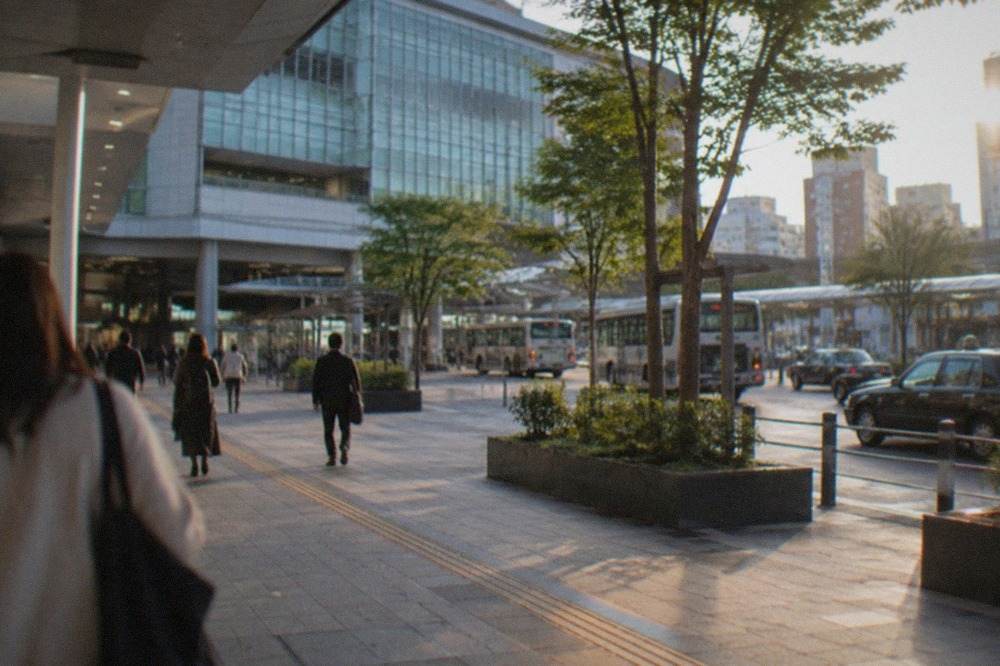
The short version: when you are talking about the city as a destination, the word is Fukuoka. When you are talking about the station, the ward around it, the dialect, the dolls, the ramen style, the yatai culture or the big July festival, the word is usually Hakata. The station is Fukuoka Japan Travel Guide's readers' most common point of arrival, and it is called Hakata Station, in the ward of Hakata, inside the city of Fukuoka, in Fukuoka Prefecture, on the island of Kyushu.
Hakata or Fukuoka: What Is the Difference?
The difference is scale and history, not geography. Fukuoka is the city of about 1.66 million people on Hakata Bay in northern Kyushu, and it is the name of the prefecture and the airport. Hakata is a ward within that city, the name of its central railway station, and the surviving name of the old port town that stood there first. Nothing you can visit in one is absent from the other, because they are the same place.
The reason two names exist at all goes back to how the city was formed. Hakata was the merchant and port settlement, the side facing the water and the trade routes to China, Korea and points beyond. Fukuoka was the castle town that grew on the other side of the Naka River. When the two merged into a single city in the late 19th century, the new municipality needed one name, and Fukuoka won. Hakata did not disappear though. It survived in the station, the ward, the dialect that locals still call Hakata-ben, and in the names of the things the old town was famous for: Hakata ramen, Hakata dolls, Hakata ori textiles, and the Hakata Gion Yamakasa festival that centres on Kushida Shrine each July.
That split inheritance explains almost every naming choice you will meet. The airport is Fukuoka Airport because airports are named for cities. The station is Hakata Station because the railway named it after the town it was built in. The famous food is Hakata ramen, not Fukuoka ramen, because the tonkotsu broth style grew up in the old port town's noodle shops. The prefecture's biggest festival is the Hakata Gion Yamakasa, run by the shrine in the heart of the old merchant district, and its May counterpart is Hakata Dontaku. Both are staged in the city of Fukuoka, and neither would ever be renamed for it.
| Context | Name used | Why |
|---|---|---|
| The city as a destination | Fukuoka | City name, chosen at the merger |
| The prefecture | Fukuoka | The city is the prefectural capital |
| The airport (FUK) | Fukuoka Airport | Airports take the city name |
| The main rail hub | Hakata Station | Named for the old port town |
| The central ward | Hakata-ku | One of Fukuoka city's seven wards |
| Tonkotsu ramen style | Hakata ramen | The style originated in the old town |
| The July festival | Hakata Gion Yamakasa | Centred on Kushida Shrine in Hakata |
| Local dialect | Hakata-ben | The old merchant town's speech |
Why Is the Main Station Called Hakata and Not Fukuoka?
Hakata Station carries the old town's name because it was built on the Hakata side of the merged city, and Japan's rail operators kept the historical name rather than the municipal one. There is no JR Fukuoka Station anywhere in the city, and there never has been. If a booking site offers you a ticket to "Fukuoka Station," it is simply mislabelling Hakata, the station you actually want.
This is the single most common practical trap for visitors. Shinkansen timetables, highway bus reservations and rail passes all list Hakata as the stop, so a first-time visitor searching for a station matching the city's name can end up convinced their booking went to the wrong place. It did not. Hakata is the terminus of the Sanyo Shinkansen from Osaka and Kyoto, the hub for JR Kyushu's limited expresses across the island, and the station the Nishitetsu network connects to from Tenjin. The question of whether a Fukuoka Station exists comes up often enough that it has its own answer on this site, and the answer is a flat no.
The station's name is also a useful shorthand once you accept it. Anything labelled Hakata is, broadly, on the old port side of the city: Hakata Station itself, the Hakata Riverain complex along the Naka River, the Hakata Machiya Folk Museum, and the maze of lanes around Kushida Shrine. If your hotel confirmation says Hakata-ku, you are staying in the ward that wraps the station and the old town, which is one of the most convenient bases in the city. The full Hakata Station guide covers the terminal's layout, ticket gates and connections in detail.
One more naming quirk worth knowing before you travel: the subway stop serving the station is called Hakata on the Kuko line, and the airport station is called Fukuoka Airport. So a single subway journey can take you from Fukuoka Airport to Hakata, and both words on the platform sign refer to the same city. The fare for that airport-to-Hakata leg is ¥260, which falls inside the subway's official 3 to 7 km fare band, and the airport is unusually close to the city centre by any international standard.
Which Name Do the Locals and the Signs Use?
Locals use both names fluidly and expect you to do the same. The city, the prefecture and anything administrative is Fukuoka; the station, the old town, the food, the dialect and the festivals are Hakata. Nobody says they are travelling to Hakata from Fukuoka or vice versa, because that sentence describes a trip of zero distance within one city.
The fluidity is easiest to see in food. Nobody orders Fukuoka ramen. The rich, milky tonkotsu broth the city is famous for is Hakata ramen, and the noodle-refill custom that goes with it, kaedama, is Hakata vocabulary too. The street stalls that line the Naka River and the Tenjin backstreets are yatai, and there are about 100 of them licensed across the city, more than any other city in Japan has. The city's own ordinance requires every stall to post its prices openly, so a yatai menu shows real numbers rather than a vague "market price" line.
The festivals follow the same rule. The July spectacle in which teams race roughly one-ton floats over a 5 km course is the Hakata Gion Yamakasa, and its climax falls on July 15 with a start before dawn. The Golden Week parade that fills Meiji-dori is Hakata Dontaku. Both draw enormous crowds into the streets of the city of Fukuoka, and both are named for the old merchant town because that is where their histories live. The shrine at the centre of the July festival, Kushida Shrine, sits in the heart of what is still recognisably Hakata, a short walk from the station.
Crafts keep the name as well. Hakata dolls, the unglazed painted figures that became one of Japan's traditional craft icons, and Hakata ori, the woven silk textile, both carry the old town's name into souvenir shops across the country. If you want to take the naming question home with you, a workshop lets you paint a Hakata doll yourself under a local instructor's eye, and the 90-minute session is short enough to slot into a day built around the old town.
The session suits families and solo travellers equally well, and since it sits in the culture category rather than the food one, it pairs neatly with a morning spent around the shrines and lanes of the old town. It is one of the few ways to handle a Hakata craft rather than just look at one.
Where Should You Stay: The Hakata Side or Elsewhere?
For most first visits, the Hakata side wins on logistics: the station, the subway, the airport link and the old town are all within walking distance of each other. Tenjin, the shopping and business district a few subway stops west, is the main alternative, and the honest comparison is between two halves of the same city rather than between two destinations.
The choice matters more than the naming does, because it decides what your mornings look like. Staying near Hakata Station puts the Shinkansen, the subway, the highway buses and the old town on your doorstep, and the airport is a short subway ride down the Kuko line. Staying in Tenjin puts the department stores, the underground mall and the best concentration of restaurants and bars around you, at the cost of hauling luggage a couple of extra stops. The Hakata versus Tenjin comparison breaks the trade-offs down properly, and the short answer is that Hakata suits first-timers and short stays while Tenjin suits longer, slower trips.
There is a third option people sometimes ask about, whether the Hakata area is a good place to stay at all, usually because a map makes it look like a business district rather than a neighbourhood. It is both. The blocks immediately around the station are indeed commercial, but a ten-minute walk east puts you among the shrine lanes, the yatai rows along the Naka River and the riverside park that becomes the city's most photogenic spot after dark. The case for staying in Hakata rests on that walkability as much as on the transport links.
If the doll painting workshop has caught your eye, there is a simple way to make sure a slot is open on the day you want it.
| Question | Answer |
|---|---|
| Is Hakata a separate city from Fukuoka? | No, it is a ward of Fukuoka city |
| Which station do trains from Osaka and Kyoto reach? | Hakata Station |
| Is there a JR Fukuoka Station? | No, the city's main station is Hakata |
| What is the subway fare from the airport to Hakata? | ¥260, within the official 3 to 7 km band |
| What is the city's population? | About 1.66 million, Japan's fastest-growing designated city |
| Which name do the festivals use? | Hakata, for both Yamakasa and Dontaku |
How Do the Names Work at the Airport and on Trains?
The airport is Fukuoka Airport, code FUK, on the subway's Kuko line, and the station you transfer to is Hakata. The fare is ¥260 and the airport sits unusually close to the centre, though no official page confirms the five-minute journey time that most guides print, so treat that number with suspicion. On the trains, every long-distance service in the country lists Hakata, never Fukuoka.
The airport leg is where the two names collide most visibly, and where most of the confusion on travel forums begins. You land at Fukuoka Airport, follow the signs to the subway, and board a train whose destination board reads Hakata. Nothing has gone wrong. The Kuko line simply names its stops after the districts it serves, and the district containing the main station is Hakata. The airport-to-Hakata transfer is one subway ride with no transfers, and the wider airport-to-city guide covers buses, taxis and the terminal layout for anyone arriving outside subway hours.
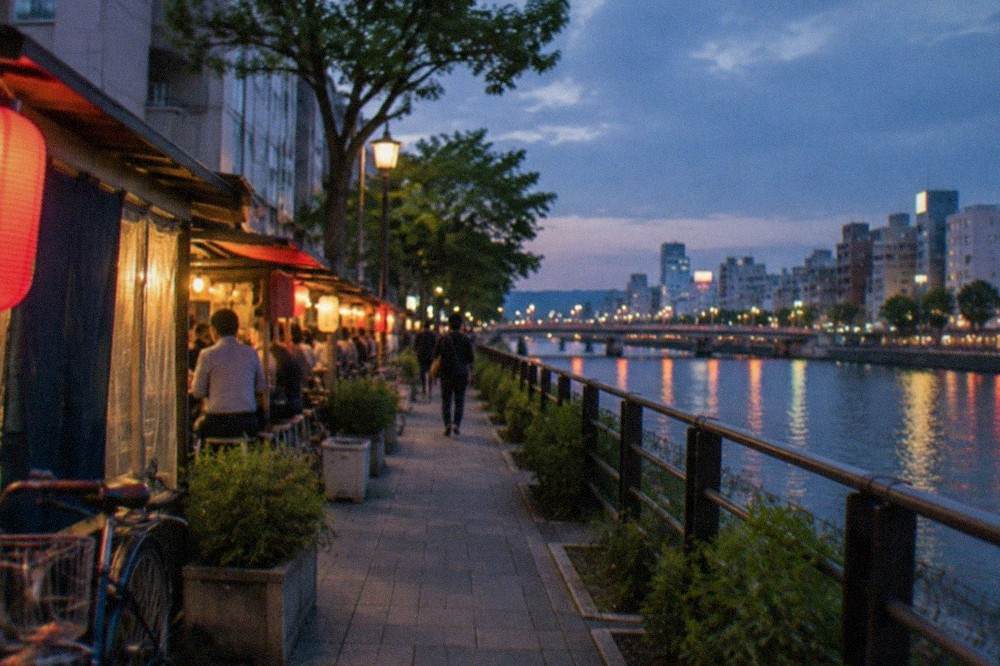
Once you are on the rails, the naming settles into a pattern you can rely on. The subway network, with its Airport, Hakozaki and Nanakuma lines, names its stops for districts, so Hakata, Nakasu-Kawabata and Tenjin all sit on the same map. Nishitetsu's trains from Tenjin run south toward Dazaifu through Futsukaichi, and the JR network fans out from Hakata toward Kokura, Kumamoto, Nagasaki and beyond. A one-day subway pass costs ¥640 for unlimited travel on all three lines, and overseas visitors on a short-stay visa can buy the Fukuoka Tourist City Pass for ¥2,500, or ¥2,800 with Dazaifu coverage added, with a passport check at the counter. Those pass prices are the ones to trust; plenty of older guides still quote figures from a previous fare era.
The last naming wrinkle is the bay itself. The city faces Hakata Bay, on the Genkai Sea side of northern Kyushu, and the port is Hakata Port, which is where the cruise ships dock and where the ferry to Busan leaves from. So even the water carries the old name, while the city on its shore keeps the newer one. By the time you have ridden the subway, eaten at a yatai and watched the floats go by in July, the two words stop feeling like a contradiction and start feeling like what they are: one city with a long memory, wearing two names for two different jobs.
If you would rather have a local walk you through the old town's lanes and explain the naming as you go, a guided morning sumo practice visit paired with a Hakata old town walk, or a bike ride that traces the line between the castle side and the merchant side, both do exactly that.
Common Questions About Hakata and Fukuoka
Hakata Or Fukuoka: What Is The Difference?
Fukuoka is the city, the prefecture and the airport. Hakata is a ward inside that city, the name of its main station, and the historical name of the old port town that merged with the castle town of Fukuoka. They are one place, not two destinations.
Is there a Fukuoka Station in Japan?
No. The city's main station is Hakata Station, and no JR Fukuoka Station exists. Any booking listing "Fukuoka Station" is referring to Hakata.
Why is the ramen called Hakata ramen?
The tonkotsu broth style grew up in the old merchant port town of Hakata, so the dish carries that name even though the city is Fukuoka. The kaedama noodle-refill custom is Hakata vocabulary too.
Is the airport called Fukuoka or Hakata?
The airport is Fukuoka Airport, code FUK, on the subway's Kuko line. The subway ride to the main station costs ¥260, and the airport sits unusually close to the city centre.
Do locals say Hakata or Fukuoka?
Both, depending on context. The city and prefecture are Fukuoka; the station, the old town, the food, the dialect and the festivals are Hakata. Nobody treats them as two places.
Should I stay in Hakata or elsewhere in Fukuoka?
For first visits, the Hakata Station area is the most convenient base, with the old town, the subway and the airport link in walking or short-ride distance. Tenjin is the main alternative and suits longer stays built around shopping and dining.