What Is the Best Day Trip from Fukuoka?
The best day trip from Fukuoka is Dazaifu: close, cheap and packed with shrines, gardens and food. Here is how it compares with Takachiho, Yufuin and the rest.
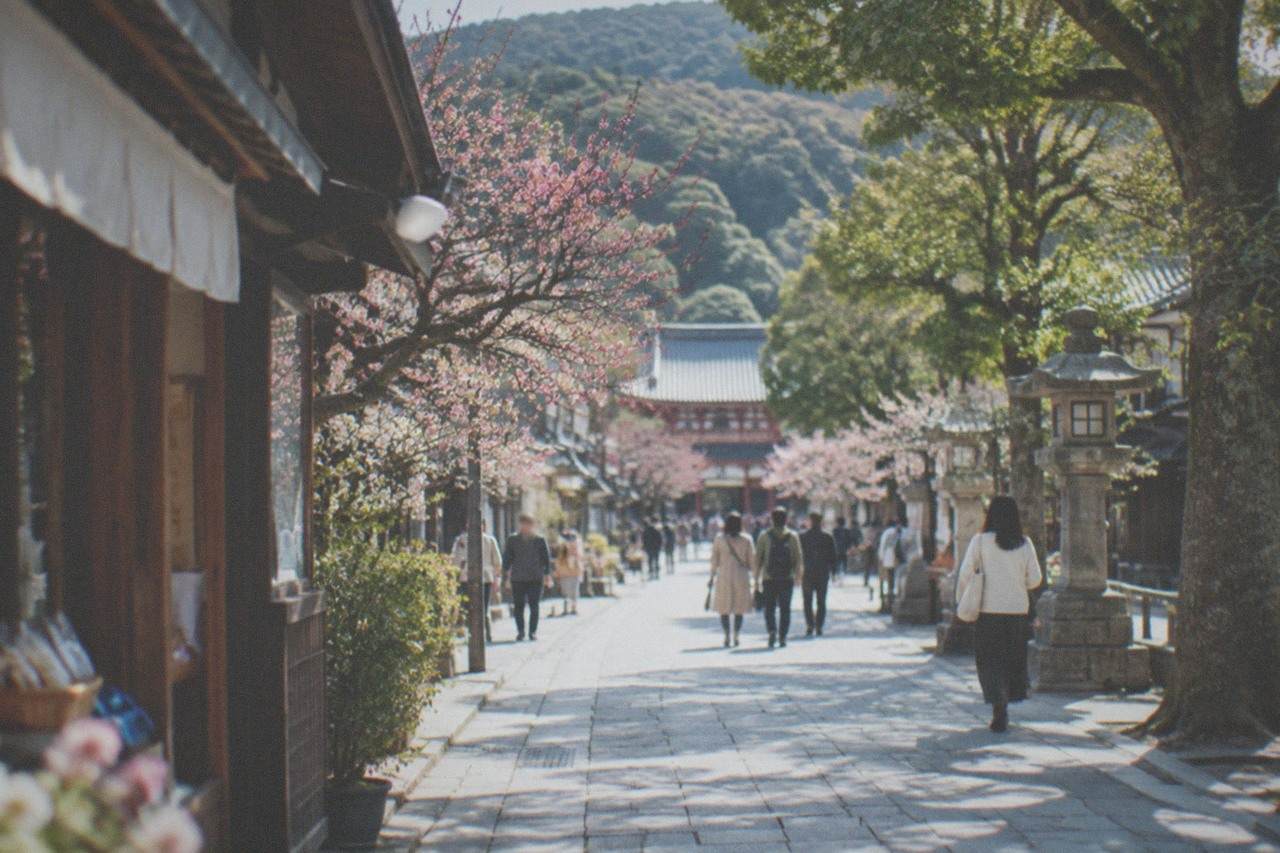
Dazaifu, a temple and shrine town about half an hour from the city by private rail, is the best day trip from Fukuoka for most travellers. It combines the region's most famous shrine, a moss garden, two museums and a food street famous for umegae mochi into a walkable half day, with no entrance fee at the main sanctuary. For scenery over culture, Takachiho Gorge is the stronger pick, and it costs less than most visitors expect.
What Is the Best Day Trip from Fukuoka?
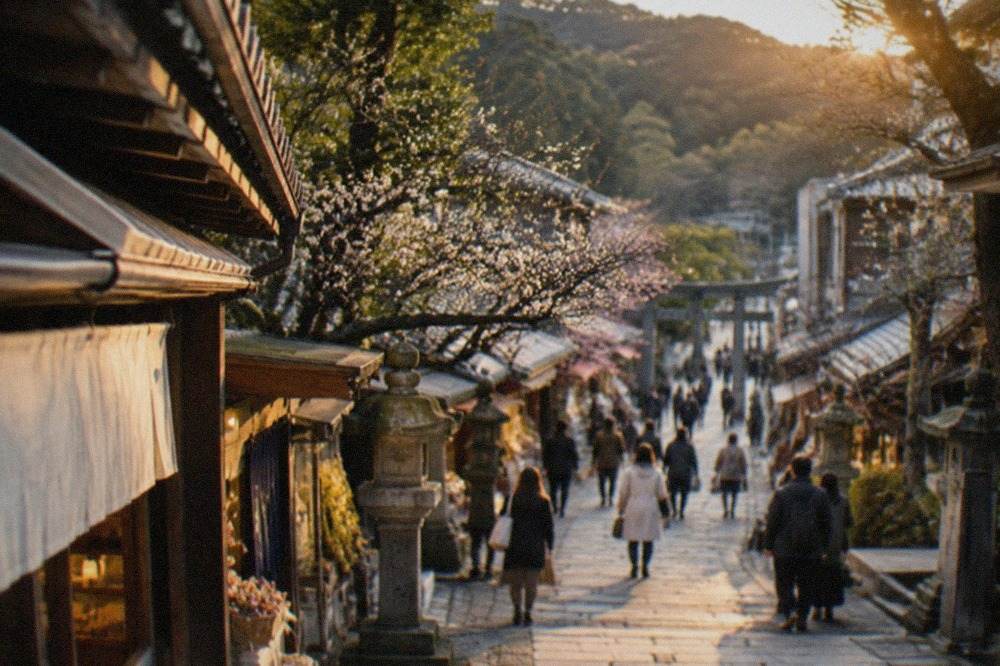
Dazaifu is the best day trip from Fukuoka for most travellers, and the reason is efficiency: one train, one transfer, roughly 30 minutes, and you arrive at a shrine that anchors an entire walkable historic town. Dazaifu Tenmangu charges no entrance fee, the approach street is lined with food stalls and shops, and the surrounding cluster of temples, gardens and museums fills a full day without a single long bus ride. No other destination this close to the city delivers this much.
Dazaifu works because everything sits within a fifteen minute walk of the station. You step off the train, cross a bridge over a pond full of turtles and carp, and you are already inside the shrine's approach. That density is rare among Kyushu day trips. Beppu and Yufuin are wonderful, but each demands close to two hours of travel each way, which turns a day trip into an endurance test if you are only in Fukuoka for a long weekend.
The town's history helps too. Dazaifu was the imperial outpost that governed Kyushu for centuries, and the shrine is dedicated to Sugawara no Michizane, the scholar deity that students across Japan pray to before exams. That gives the place a purpose that a pretty view cannot match. You will see families writing wishes on ema plaques, tour groups from across Asia, and locals who simply come to stroll.
One practical note before the logistics: Hakata and Fukuoka are the same city. Hakata is the ward and the main station name, so you are never travelling "from Hakata to Fukuoka". The day trip starts wherever your hotel is, and the rail link you need is the Nishitetsu line from Tenjin, not JR. There is no JR Fukuoka Station and no direct JR service to Dazaifu at all.
Why Dazaifu Beats the Other Contenders
Dazaifu beats every other day trip from Fukuoka on the balance of travel time, cost and payoff. The train takes around 30 minutes with one transfer at Futsukaichi, the shrine costs nothing to enter, and the town packs a shrine, a moss garden, two museums and a food street into one compact walk. Takachiho Gorge is more spectacular, but it takes 11 hours door to door; Yufuin is more relaxing but eats four hours of travel.
The honest way to choose is to match the trip to your travel budget in time, not just money. A three night stay in Fukuoka can absorb one 11-hour tour day, but not two. If you only have one day trip slot, Dazaifu leaves you with energy for the evening yatai stalls back in the city, while a Takachiho or Beppu run returns you after dinner. That is why the answer depends on trip length, and the table below makes the trade-offs explicit.
| Day trip | Travel each way | Entry cost at the main sight | Best for | Energy left in the evening |
|---|---|---|---|---|
| Dazaifu | Around 30 min, 1 transfer | Free at the shrine | Culture, food, first-timers | Plenty |
| Takachiho Gorge | Around 4-5 hours by tour bus | Tour from $48 | Dramatic scenery | None, it is a full day |
| Yufuin | Around 2 hours by train or tour | Town and lake free | Onsen town strolling | Some |
| Beppu | Around 2 hours by train or tour | Hells tour from $48 | Hot springs, oddities | Some |
| Itoshima coast | Around 1 hour by tour or car | Beaches free | Coast, cafes, slow pace | Plenty |
If your trip is short and you want one guaranteed great day, Dazaifu is the pick. If you have five days or more, a three day Fukuoka itinerary plus a scenery day is the combination most travellers end up wishing they had booked. The full menu of options, including Kitakyushu, Karatsu and Yanagawa, is covered in the site's guide to day trips from Fukuoka.
For travellers who would rather hand the whole decision to a professional, two formats dominate. A guided group tour handles transport and timing for you, while a private licensed guide builds the day around your interests, including destinations the buses do not reach.
How to Get to Dazaifu from Fukuoka
Take the Nishitetsu train from Nishitetsu Fukuoka (Tenjin) station towards Dazaifu, changing at Futsukaichi; the whole ride takes around 30 minutes. There is no JR service to Dazaifu, so a Japan Rail Pass does not help here. Overseas visitors on a short-stay visa can buy the Fukuoka Tourist City Pass with the Dazaifu option for ¥2,800, which covers subway, Nishitetsu trains and buses for one day, with a passport check at the counter.
The Nishitetsu Tenjin Omuta Line is the spine of this trip. Trains run frequently from Tenjin, and the transfer at Futsukaichi is a simple cross-platform change in most cases. Dazaifu station is a small, attractive terminus built in traditional style, and the walk from its exit to the shrine approach takes about five minutes. Coming from Hakata rather than Tenjin, take the subway two stops to Tenjin first, then change to Nishitetsu.
The Tourist City Pass deserves a closer look because most competing guides still quote prices from years ago. The city version costs ¥2,500 and the Dazaifu version ¥2,800, and both are restricted to overseas tourists on a short-stay visa, with the passport checked at the point of sale, as the official Fukuoka Tourist City Pass page states. The Dazaifu version adds the Nishitetsu coverage you need for this exact trip, though the Tabito liner bus is excluded.
| Pass | Adult price | Covers | Catch |
|---|---|---|---|
| Fukuoka Tourist City Pass (city) | ¥2,500 | Subway, Nishitetsu buses and trains in the city area, some JR lines, ferries | Passport check, short-stay visa only |
| Fukuoka Tourist City Pass (+ Dazaifu) | ¥2,800 | Everything above plus Nishitetsu rail to Dazaifu | Tabito liner bus excluded |
| Subway 1-day pass | ¥640 | All three subway lines, city only | Useless for Dazaifu, no Nishitetsu coverage |
For a one-off Dazaifu run, ordinary single tickets are usually the simpler choice; the pass earns its price when you weave the subway, a ferry or extra bus rides into the same day. Either way, avoid the one mistake that catches JR Pass holders: assuming the pass covers this line. It does not, and there is no JR alternative.
If you would rather not read a rail map on holiday, a packaged day tour that includes the Yufuin no Mori sightseeing train and Dazaifu in one itinerary removes the planning entirely.
What to See and Do in Dazaifu
Dazaifu's core sights are Dazaifu Tenmangu shrine, the approach street called Shinmeikoji, Komyozenji temple with its moss and maple garden, and the Kyushu National Museum on the hill behind the shrine. The shrine's main sanctuary and grounds charge no entrance fee, the approach street is famous for umegae mochi cakes grilled in front of you, and the whole loop is comfortably walkable in half a day, with the museum filling the rest.
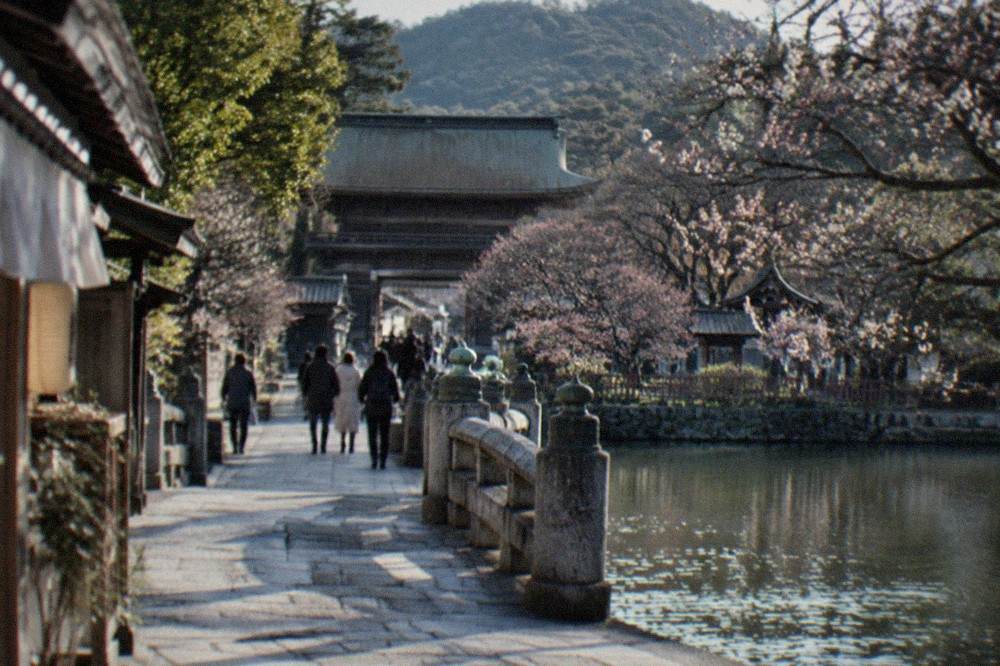
Start on the approach. Shinmeikoji runs straight from the station area to the shrine, lined with shops selling umegae mochi, the town's signature grilled rice cake filled with sweet red bean. Watching the cakes pressed and flipped on iron griddles through the shop windows is half the experience. The shrine itself, which the official Dazaifu Tenmangu site confirms has no entrance fee, sits beyond a series of bridges, and its grounds hold the famous flying plum tree said to have followed Michizane into exile.
Komyozenji, a five minute walk south, is the quiet counterpoint. Its front garden is raked white sand and moss, and its back garden is a dense carpet of moss with maples that turn deep red in late November, generally the best autumn colour window in the town. Photography inside varies by season, so check the signs at the gate. More of these guides are collected on Fukuoka Japan Travel Guide.
The Kyushu National Museum rounds out the day for anyone with energy left. It sits above the shrine behind a long escalator through the hillside and holds one of Japan's major historical collections, with a focus on the exchange between Kyushu and the Asian continent. Families with children should not overlook it: the hands-on cultural experience corner is one of the more kid-friendly museum spaces in the region.
Timing matters more than most guides admit. Weekday mornings are calm; weekends and exam season bring crowds of students praying to the god of learning. Late autumn is the prettiest season thanks to Komyozenji's maples, and the shrine's closing time shifts with the seasons, from 18:30 in winter to 19:30 in midsummer.
When Takachiho Gorge Is the Better Choice
Takachiho Gorge is the better day trip when scenery, not culture, is the point of your day. The volcanic gorge in northern Miyazaki Prefecture pairs columnar basalt cliffs and a 17 metre waterfall with an optional rowing boat ride along the water, and a packaged tour from Fukuoka that includes the Amaterasu Railway covers it in 11 hours from $48 per person. It is a long day, and it is the one trip from the city that feels like you have left the region entirely.
The gorge itself is the draw: a narrow chasm of rock walls where the Gokase River runs between cliffs, with the boat rental putting you on the water directly beneath the falls. The tour pairs it with the Amaterasu Railway, an open-carriage sightseeing train, which turns a very long bus ride into two distinct experiences rather than one. The tour carries a 4.8 rating across 713 reviews, one of the deepest review pools of any day trip operating out of Fukuoka, and the Takachiho gorge and railway tour page on this site breaks down the full itinerary.
Choose Takachiho over Dazaifu if your trip is four days or longer, if you have already seen a major Japanese shrine, or if you are travelling in the green months and want the landscape at its best. Skip it if you hate long bus rides or need to be back for a fixed evening plan, because an 11-hour tour day leaves little slack.
Other Day Trips Worth Your Time
Beyond Dazaifu and Takachiho, the strongest day trips from Fukuoka are Yufuin and Beppu for onsen towns, Itoshima for the coast, and Kitakyushu for the industrial-heritage port towns of Mojiko and Kokura. Yufuin is the gentle option, with a museum-town feel and mountain views; Beppu is the loud one, famous for its steaming "hell" hot spring ponds; Itoshima is the slow one, with beaches and cafe stops; and Kitakyushu is the easiest, barely an hour away by Shinkansen or conventional line.
Yufuin and Beppu sit close together in Oita Prefecture but offer opposite moods, and choosing between them is a genuine question of taste. Yufuin is the calmer of the two, a small onsen town under Mount Yufu with independent shops and a lake, while Beppu runs hotter and stranger, with steam rising out of street drains and a tour circuit of the famous hells. Both are covered in detail on the site's Beppu day trip and Yufuin day trip pages.
Closer to home, Itoshima is the peninsula west of the city where Fukuoka locals go on their days off: sandy beaches, oyster shacks in winter, and a string of photogenic cafes. It is the easiest coastal escape and pairs well with a one day Fukuoka itinerary if you want a half city, half sea plan. Kitakyushu to the east is the rainy-day and rail-lover's option, combining the retro Mojiko port district with Kokura's castle and garden.
The pattern across all of these is that Fukuoka is unusually well positioned for day trips. The city sits on Hakata Bay on the Genkai Sea side of northern Kyushu, with rail lines fanning out in every direction, which is a big part of why the question of what Fukuoka itself is famous for, covered in what Fukuoka is famous for, increasingly has "day trip hub" in the answer.
Common Questions About Day Trips from Fukuoka
What Is The Best Day Trip From Fukuoka?
Dazaifu is the best day trip from Fukuoka for most travellers. It is around 30 minutes away by Nishitetsu train, the main shrine charges no entrance fee, and the town combines a famous shrine, a moss garden, a national museum and a food street in one walkable visit. Takachiho Gorge is the better pick if dramatic scenery matters more to you than culture and you can spare 11 hours.
Can You Do Dazaifu And Yufuin In One Day?
It is possible on a packaged tour that links the Yufuin no Mori sightseeing train with Dazaifu, which runs about 8 hours from around $70 per person. Doing both independently in one day is not recommended: the connections are awkward and you will spend most of the day on platforms.
Does The Japan Rail Pass Cover Day Trips From Fukuoka?
Partly. JR lines reach Yufuin, Beppu, Kitakyushu and Nagasaki, but Dazaifu has no JR service at all, so the pass does not help with the city's most popular day trip. Dazaifu is reached on the Nishitetsu railway from Tenjin.
Is Dazaifu Worth Visiting If You Have Seen Kyoto's Shrines?
Yes, mostly for the atmosphere rather than the architecture. The approach street, the grilled umegae mochi and the compact scale give Dazaifu a livelier, more local feel than Kyoto's major shrines, and the Kyushu National Museum is a serious collection in its own right.
What Is The Best Day Trip From Fukuoka With Kids?
Dazaifu again, for the short train ride and the walkable scale. The Kyushu National Museum has a hands-on cultural zone for children, and the mochi grilling on the approach street holds their attention. Marine World at Uminonakamichi is a strong alternative for a shorter, aquarium-focused day.