Is Hakata a Good Place to Stay in Fukuoka?
Hakata is the transport and ramen heart of Fukuoka, and for most first-time visitors it is the smartest base. Here is what staying in the ward actually gets you.
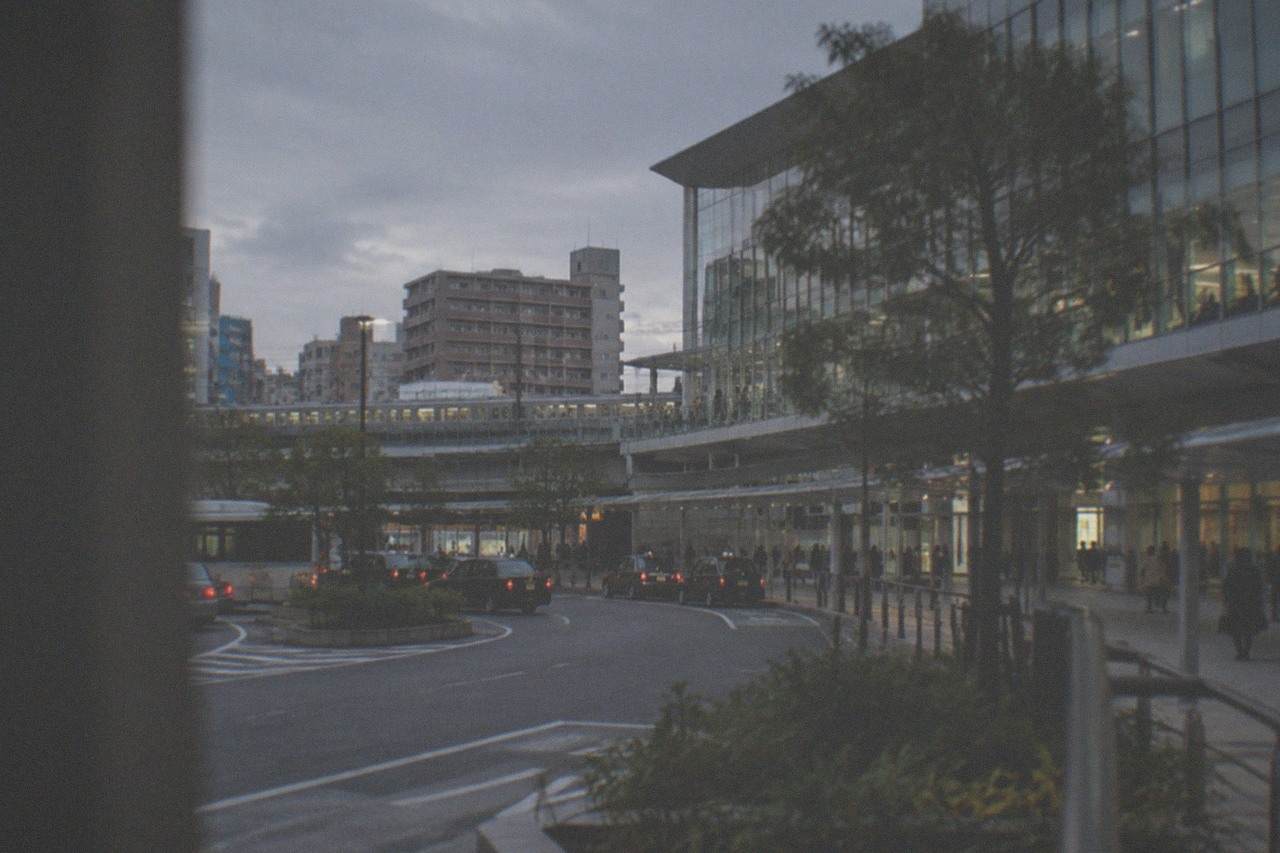
Hakata is not a separate city from Fukuoka, and that single fact shapes the whole answer. Hakata is a ward on the east side of Fukuoka, and it lends its name to the station that serves the entire city: there is no JR Fukuoka Station, the rail hub is Hakata Station. Confusing the two is the most common mistake in competing guides, and it matters here because almost every argument for sleeping in Hakata is an argument about transport. The ward is where the airport link, the Shinkansen, the Nishitetsu line to Dazaifu and the city subway all meet.
Is Hakata a Good Place to Stay in Fukuoka?
Yes, for most first-time visitors Hakata is the best base in the city, and the reason is transport rather than scenery. The subway fare from Fukuoka Airport to Hakata Station is ¥260, every Shinkansen into Kyushu stops here, and the Nishitetsu trains to Dazaifu leave from nearby Tenjin or via Futsukaichi. The trade-off is that Hakata is a business and rail district, so it is less stylish than Tenjin or Daimyo and quieter on the eye. If your priority is seeing the city with the least friction, it wins. If your priority is cafes, boutiques and nightlife, read the comparison below before booking.
The ward splits into two practical zones for a visitor. The area immediately around Hakata Station holds the big hotels, the department stores, the bus terminal and the Gion temple district, which includes Tochoji with its Great Buddha and the quiet grounds of Shofukuji, Japan's first Zen temple. A little south and east sits the riverside strip around Kushida Shrine and the Nakasu yatai row, where the evening economy lives. Both are walkable, and the subway's Nakasu-Kawabata station links them to everything else.
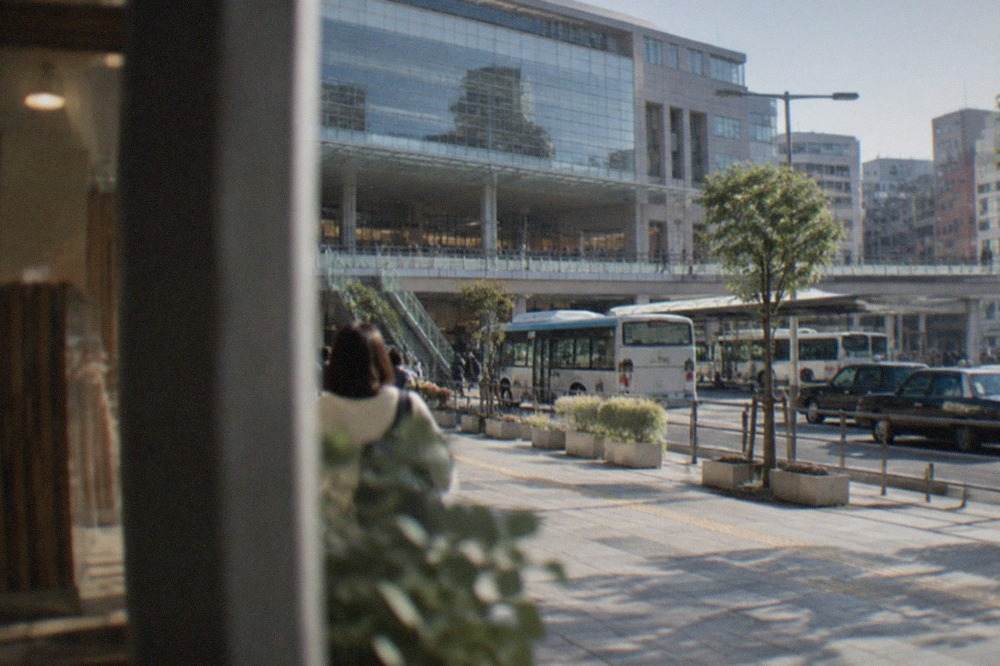
What Hakata does not offer is much in the way of charm during the day. The architecture is mid-rise commercial, the streets around the station are wide and busy, and the nicest parks, the museums and the Momochi waterfront all sit outside the ward. That is the honest shape of the decision: you sleep near the trains and you travel a few minutes for the pretty parts.
Why Does Transport Make Hakata the Default Choice?
Because every long-distance mode in the region converges on the ward. The Shinkansen calls only at Hakata Station, the Nishitetsu line to Dazaifu and Yanagawa runs from nearby, the subway's Airport Line starts at Hakata, and the highway bus terminal sits on the station's west side. A visitor based in Hakata can reach the airport, two day-trip regions and the whole city subway without ever changing hotel. No other Fukuoka ward offers that concentration.
Start with the airport, because it is the reason many people end up in Hakata at all. Fukuoka Airport is unusually close to the city centre for a Japanese major airport, and the Kuko subway line runs straight from the airport terminal into Hakata Station for ¥260, a fare that falls in the official 3 to 7 km fare band. The airport-to-city transfer is about as painless as urban aviation gets. Competing guides love to print an exact journey time in minutes, but no official page verifies one, so the honest statement is simply that the airport is remarkably close and the fare is two hundred and sixty yen.
Then the Shinkansen. Every bullet train arriving from Honshu terminates at Hakata Station, and every Kyushu Shinkansen heading south to Kumamoto and Kagoshima departs from it. If your itinerary includes a day trip to Kumamoto or an onward trip to Beppu, being ten minutes' walk from the platform at 7 a.m. is worth more than a nicer neighbourhood.
The subway fare table, for planning a day of sightseeing from a Hakata base:
| Subway zone | Distance | Adult fare | Child fare |
|---|---|---|---|
| Zone 1 | up to 3 km | ¥210 | ¥110 |
| Zone 2 | 3 to 7 km | ¥260 | ¥130 |
| Zone 3 | 7 to 11 km | ¥300 | ¥150 |
| Zone 4 | 11 to 15 km | ¥340 | ¥170 |
| Zone 5 | 15 to 19 km | ¥360 | ¥180 |
| Zone 6 | over 19 km | ¥380 | ¥190 |
The official subway fare page publishes these bands, and a one-day pass costs ¥640 for an adult if you plan more than three rides. Most Hakata-based sightseeing stays in zones 1 and 2, which is the quiet financial argument for the ward: your daily transport spend is low because the distances are short.
Beyond trains, the ward is where the culture is. Hakata is the historical heart of the city, the merchant district that predates the castle town on the other side of the Naka River, and several bookable experiences sit right here. The Hakata doll painting workshop is a one-hour session where you paint a traditional Hakata doll, a craft the ward has been known for centuries, and it costs from $28 per person with a 4.9 rating from 45 reviews. For families or anyone wanting a rainy-hour activity inside the ward, it is hard to beat.
The doll session is only one of three experiences that start inside or beside the ward, and each suits a different kind of morning. The guided Hakata bike ride covers the ward and the river on two wheels over three and a half hours, while the morning sumo practice walk pairs a stable visit with Hakata's old town streets. All three begin within a short walk of the station, which is exactly the point of basing yourself here.
What Are the Downsides of Staying in Hakata?
The honest negatives are three: the ward is visually plain compared with Tenjin and Daimyo, its nightlife skews toward salaryman bars and hotel lounges rather than fashionable spots, and hotel prices near the station carry a convenience premium on peak nights. None of these is a reason to avoid Hakata, but together they explain why some travellers prefer to sleep west of the river and commute in. If style matters more than train platforms, the comparison section below is the one to read.
Daytime Hakata is a working district. Around the station you get glass towers, chain restaurants and department-store basements, which are genuinely good for breakfast and food-hall grazing but not for atmosphere. The temples of Gion and the streets of the old town provide the historic relief, and they are lovely, but they occupy a fairly small footprint.
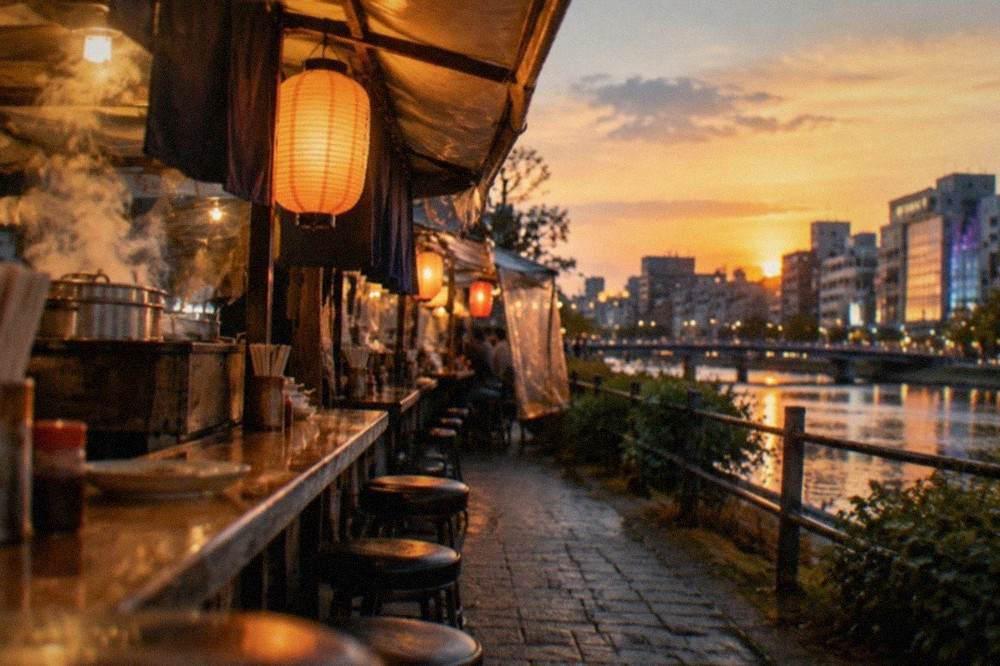
Evenings split in two. The Nakasu yatai row along the Naka River is one of Japan's great street-food scenes, with about 100 licensed stalls across the city and a concentration here, and the city's own ordinance requires every stall to display its prices openly, with no vague "market price" wording, which the city's yatai Q&A confirms. That is your dinner sorted. But after the stalls close in the small hours, the ward goes quiet in a way Tenjin does not.
The third downside is seasonal rather than structural. When a festival or a big conference hits, station-adjacent hotels fill first and rates climb, while equivalent rooms in Tenjin or near Ohori Park move more slowly. Booking a little further from the station, even within the ward, often saves money at exactly the moments when the ward is most in demand.
Hakata or Tenjin: Which Area Suits You Better?
Choose Hakata if the Shinkansen, the airport subway or day trips by rail anchor your trip, and choose Tenjin if you want the shopping, cafe and nightlife district at your door. Tenjin is Fukuoka's downtown, ten minutes from Hakata by subway for ¥260, so the two are not rivals so much as two halves of a small city centre. A visitor who sleeps in Hakata and dines in Tenjin loses nothing but a short train ride.
| Factor | Hakata | Tenjin |
|---|---|---|
| Shinkansen access | On site at Hakata Station | One subway stop away, about 10 minutes |
| Airport subway | Direct on the Kuko line | Direct on the Kuko line, longer ride |
| Day-trip trains | Nishitetsu and JR close by | Nishitetsu Tenjin station on site |
| Evening scene | Yatai at Nakasu, old-town izakaya | Bars, restaurants, Tenjin Underground Mall |
| Daytime character | Business and temples | Shopping, cafes, Daimyo side streets |
| Best for | Rail-heavy itineraries, short stays | Food-first city breaks, longer stays |
The full head-to-head, including where Nakasu and Daimyo fit, sits in the Hakata or Tenjin comparison, and the broader neighbourhood rundown, including Ohori and Momochi, is in the best area to stay guide. The short version: with two nights or fewer, Hakata's convenience wins outright. With four or more, the calculus shifts toward living where the city is pleasant rather than where the trains are.
One point worth repeating because so many guides get it backwards: you never travel "from Hakata to Fukuoka". The station name question comes up constantly, and the plain answer about Fukuoka Station is that no JR station by that name exists. Hakata is the ward, Fukuoka is the city, and the two names describe one place from different centuries.
How Easy Is Day-Tripping from a Hakata Base?
Very easy, and this is the ward's strongest card. Dazaifu is under half an hour away on the Nishitetsu line with one change at Futsukaichi, Yanagawa's canal boats are on the same railway, and the Shinkansen puts Kumamoto and even Nagasaki within day-trip range. Staying in Hakata means every one of those mornings starts with a short walk rather than a cross-city commute. For a first Kyushu trip, that compounds into real saved hours.
The classic pairing is Dazaifu in the morning and the city in the afternoon, and the Dazaifu day trip guide covers the shrine, the approach and the mochi shops. Nishitetsu trains to Dazaifu run most conveniently from Nishitetsu Fukuoka station in Tenjin, which is one subway stop from Hakata, so a Hakata base still keeps the morning short. For Yanagawa, the same line continues south.
North and west, the options multiply. Itoshima's coast, Nokonoshima's island park and the Mojiko and Kitakyushu run along JR lines from Hakata Station itself, while Yufuin and Beppu sit at the end of a scenic Yufuin no Mori train ride that departs from the same building. A traveller with a JR Kyushu pass and a Hakata hotel can build a full week of excursions without ever repacking, and the two-day itinerary shows how to sequence a couple of them.
For travellers who prefer structure over timetables, guided day tours collect from central Hakata hotels, which is a quiet advantage the ward holds over every other area. The collection point is nearly always the station or a nearby hotel, so the 7 a.m. start does not involve a taxi. This Fukuoka Japan Travel Guide covers every one of those destinations in detail, so the base you pick matters less than the mornings you plan from it.
Common Questions About Staying in Hakata
Is Hakata A Good Place To Stay In Fukuoka?
Yes. For most first-time visitors Hakata is the most practical base in Fukuoka because the Shinkansen, the airport subway and the main day-trip railways all meet in the ward. The trade-off is a plainer daytime streetscape than Tenjin, but the yatai rows, the Gion temples and the station's food basements cover most of what a visitor needs.
Is Hakata the same as Fukuoka?
Hakata is a ward of Fukuoka city and the name of its main railway station. They are not two cities and not two districts you travel between. The name Hakata is centuries older as a port and merchant town, and it survives on the station, the ward, the dialect and the ramen style.
How much is the subway from Fukuoka Airport to Hakata?
The adult subway fare from Fukuoka Airport to Hakata Station is ¥260, falling within the official 3 to 7 km fare band. The airport is unusually close to the city centre, and the Kuko line runs directly between the two. Competing guides print an exact journey time in minutes, but no official page verifies one, so it should not be relied on when planning.
Is it better to stay in Hakata or Tenjin?
Hakata suits rail-heavy itineraries, short stays and anyone using the Shinkansen or day trips. Tenjin suits food-first trips and longer stays, with the shopping districts, Daimyo's side streets and the nightlife at the door. The two are about ten minutes apart by subway, so the choice costs little either way.
Are the yatai food stalls near Hakata?
Yes. The most photogenic yatai row sits along the Naka River in Nakasu, an easy walk or one subway stop from Hakata Station, and further stalls cluster in Tenjin and Nagahama. The city licenses about 100 stalls in total, and a city ordinance requires every stall to display prices openly, with no "market price" wording, so costs are transparent before you sit down.
Can you visit Dazaifu easily from a Hakata hotel?
Yes. Dazaifu is reached on the Nishitetsu line with one quick change at Futsukaichi, starting from Nishitetsu Fukuoka station in Tenjin, one subway stop from Hakata. The shrine grounds have no entrance fee, and the trip is a standard half-day outing from any central Fukuoka hotel.