How Do You Get from Fukuoka Airport to Hakata?
The verified way from Fukuoka Airport to Hakata: the ¥260 subway fare, terminal transfers, taxi and bus alternatives, and why there is no JR Fukuoka Station.
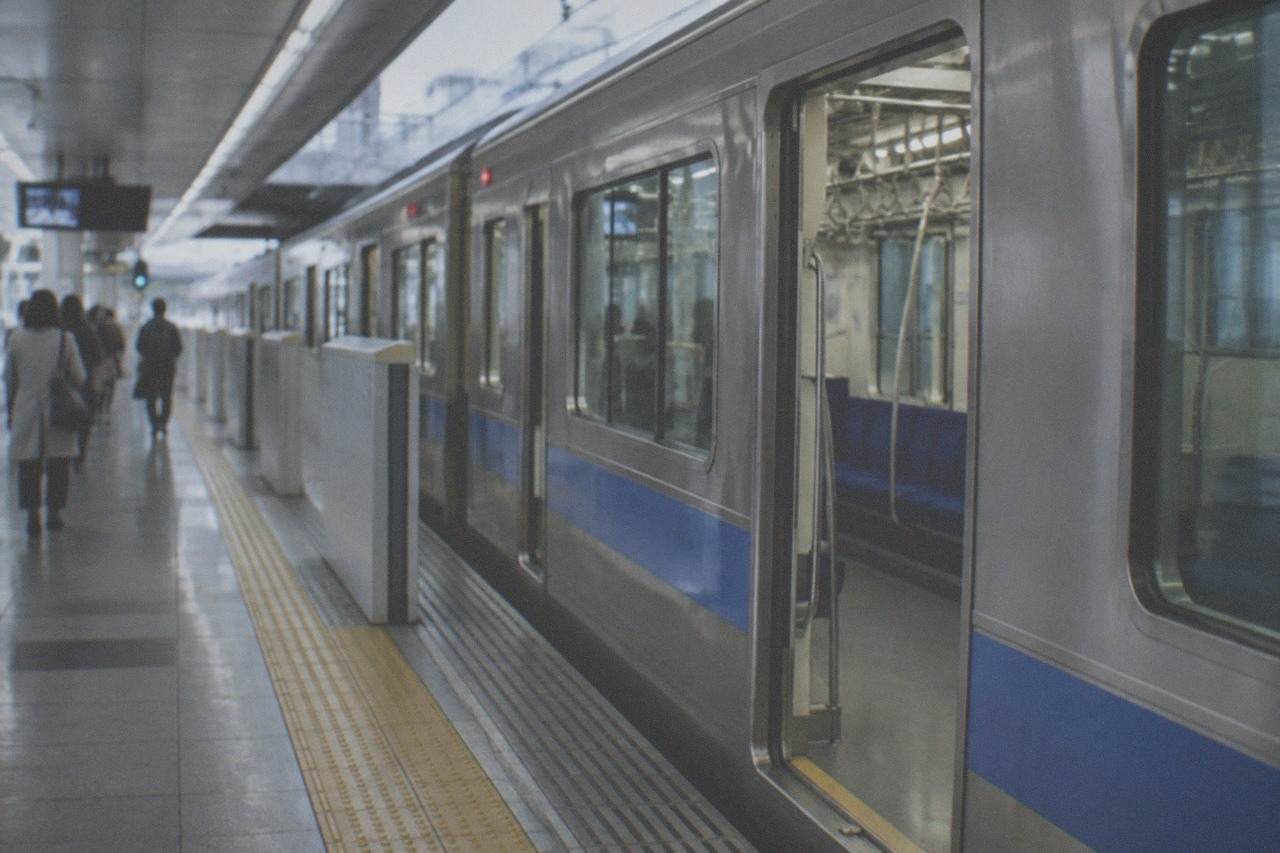
Fukuoka Airport is closer to the city centre than almost any other airport in Japan, and the subway's Kuko line runs straight from the terminal into town. The fare to Hakata is ¥260, a figure that comes directly from the operator's own distance-based fare table rather than from a travel blog. What trips most visitors up is not the ride itself but the naming: the station is Hakata, there is no JR Fukuoka Station, and Hakata and Fukuoka are the same city.
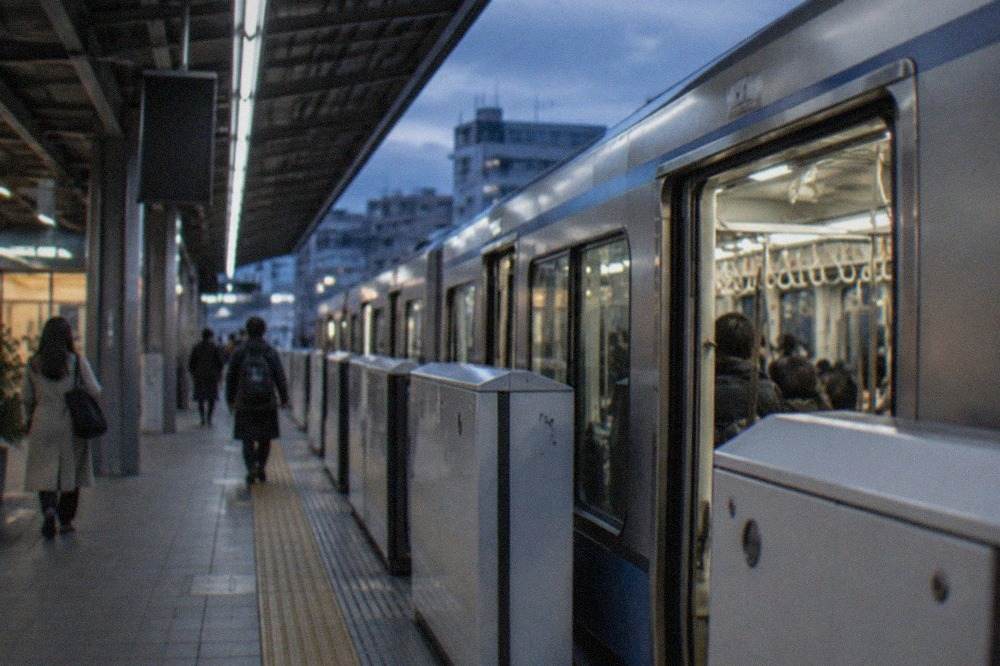
What Are Your Options for Getting from Fukuoka Airport to Hakata?
You have four realistic options: the Kuko subway line, which is the one most visitors should take; a city bus; a taxi or private transfer; or a hotel shuttle where one is offered. The subway wins on cost and frequency, the taxi wins on luggage handling and door-to-door convenience, and the bus is the slowest of the three for this particular short hop. None of them require any advance booking.
The subway is the default answer, and the reason is geography. Fukuoka Airport is inside the city boundary, on the eastern side of Hakata Bay's urban sprawl, and the Kuko line connects it to Hakata, Tenjin and Meinohama. You do not need to research express trains or airport shuttles the way you would at Tokyo's Narita or even Osaka's Kansai. The station sits at the domestic terminal, and the train that serves it also serves the central business district.
Buses run from the airport into the city, including routes toward Hakata and Tenjin, and they are useful if your hotel sits on a direct line. For a trip that ends at Hakata Station itself, they rarely beat the subway, because they share the same roads as every other vehicle in the city. Taxis and private transfers are the comfortable option: a private arrival transfer from the airport to the city is bookable in the roster from $149 per person, rated 5 from 2 reviews, if you want a driver waiting with your name on a card.
For a fuller walkthrough of the whole arrival process, including the terminals and ticket machines, the guide to reaching the city centre covers it step by step.
| Option | Cost to Hakata | Best for | Catch |
|---|---|---|---|
| Kuko subway line | ¥260 adult, ¥130 child | Almost everyone | Station is at the domestic terminal |
| City bus | Flat central-zone fare | Hotels on a direct route | Shares city traffic |
| Taxi | Metered, confirm with driver | Heavy luggage, late arrival | Priciest option |
| Private transfer | From $149 per person | A guaranteed meet-and-greet | Needs advance booking |
How Much Does the Subway from Fukuoka Airport to Hakata Cost?
The adult fare is ¥260 and the child fare is ¥130, set by the subway's distance-based zone table, because the airport-to-Hakata leg falls inside the 3 to 7 km band. A one-day pass costs ¥640 for adults and ¥320 for children and covers all three subway lines for the day you tap in. If you are making more than a couple of subway trips after you land, the pass can pay for itself before dinner.
The fare is not a promotional price or an estimate. Fukuoka City Subway publishes its zone table openly, and the airport sits far enough into zone 2 that the ¥260 figure is derivable rather than rumoured. You can pay with cash at a ticket machine, with an IC card such as Hayakaken, nimoca or SUGOCA, or with any of the nationwide interoperable cards like Suica and PASMO that visitors tend to already carry from Tokyo or Osaka. The operator's official fare page carries the full zone table if you want to price a different destination.
One thing this site will not print is a journey time in minutes. Almost every competing guide says the airport-to-Hakata ride takes five minutes, and no official page, not the airport's own access guide and not the subway's English pages, states that figure. The airport is genuinely unusually close to the centre, which is true and sourced; the exact minutes are not. Say the ride is short, because it is, and leave the stopwatch claims to everyone else.
The one-day pass is worth knowing about because the subway is also how you will move around afterwards: the same Kuko line continues to Tenjin, the Hakozaki line reaches Nakasu-Kawabata, and the Nanakuma line reaches the western wards. The pass is sold at station machines, at customer service centres, and at the tourist information counters in Tenjin, Hakata Station and the airport itself.
How Do You Get from the International Terminal to Hakata?
International arrivals use a separate terminal from the domestic one, and the subway station sits at the domestic terminal, so your first step is the free inter-terminal shuttle bus. The airport's own access page states the shuttle takes about 10 minutes. From the domestic terminal you buy a ¥260 ticket or tap your IC card and board a Kuko line train toward Meinohama, getting off at Hakata, two stops away.
The shuttle runs frequently and is free, which removes most of the anxiety from an international arrival. Once you are at the domestic terminal, follow the subway signs, which are marked in English and Korean as well as Japanese. The airport's official access page covers the shuttle and the terminal layout in English.
Luggage is the one variable worth planning for. The subway platforms have elevators and the trains have luggage space near the doors, but if you are travelling with large suitcases, a family, or a stroller, a taxi from the international terminal kerb removes the transfer entirely. That is the honest trade-off: the subway is cheaper and the taxi is simpler, and for a short hop like this one, simpler has real value at the end of a long flight.
If your time in the city is short, a stopover plan built around the station area can turn a few hours into a real visit. The layover itinerary for Fukuoka is written for exactly this situation.
Is Hakata Station the Same as Fukuoka Station?
There is no JR Fukuoka Station. The city's main station is Hakata, and it serves the Shinkansen, JR conventional lines, the subway and Nishitetsu buses from one complex. Hakata is also the name of the ward around it, and Hakata and Fukuoka are not two cities: Hakata is part of Fukuoka, the way Shibuya is part of Tokyo. Searching for a "Fukuoka Station" will point you at the wrong place.
This naming overlap is the single most common point of confusion for visitors to the city, and it is worth settling before you board anything. The station called Hakata is the one you want from the airport. When a local says they are going to Fukuoka, they mean the city; when a train sign says Hakata, it means the station and the ward. Nobody travels "from Hakata to Fukuoka", because there is no border to cross. The dedicated explainer on whether a Fukuoka Station exists untangles the history, and the comparison of Hakata versus Fukuoka as names covers what locals actually say.
The station complex itself is a destination in its own right. The Hakata Station area guide maps the department stores, the ramen floors and the underground passages, which matter more than you would expect when it rains. This site's own Fukuoka Japan Travel Guide homepage collects the full picture of the city if you want the broader view.
Should You Buy a Tourist City Pass When You Arrive?
The Fukuoka Tourist City Pass costs ¥2,500 for the city version and ¥2,800 for the version that adds Dazaifu, and it covers subway, buses, trains and ferries for one day. It is restricted to overseas tourists on a short-stay visa, and staff check your passport at the counter. Buy it if you are planning a packed day of cross-city travel; skip it if you are only riding the subway twice.
Most competing guides still quote the old ¥820 and ¥1,340 prices for this pass, which are years out of date. The verified current figures are the pair above, sold at the Nishitetsu Tenjin Expressway Bus Terminal, Hakata Bus Terminal, the airport, and the subway customer centres at Tenjin and Hakata. The Dazaifu version adds Nishitetsu coverage out to the shrine town, though the Tabito liner bus is excluded even from that version.
Whether the pass beats single fares depends on your day. A subway one-day pass at ¥640 covers subway-only travel and breaks even after roughly three rides. The Tourist City Pass costs nearly four times that because it adds buses, Nishitetsu trains and ferries, so it only makes sense on a day when you genuinely use several of those. A quiet arrival day spent walking from Hakata to Nakasu and back does not need either.
What Can You Do Around Hakata Once You Have Arrived?
Hakata Station and the surrounding ward hold enough for a full first day: the station's own shopping and ramen floors, Kushida Shrine and the temple cluster of Hakata Old Town, the Nakasu yatai stalls along the Naka River in the evening, and Canal City Hakata a short walk away. Everything on that list is reachable on foot or with one short subway hop from Hakata.
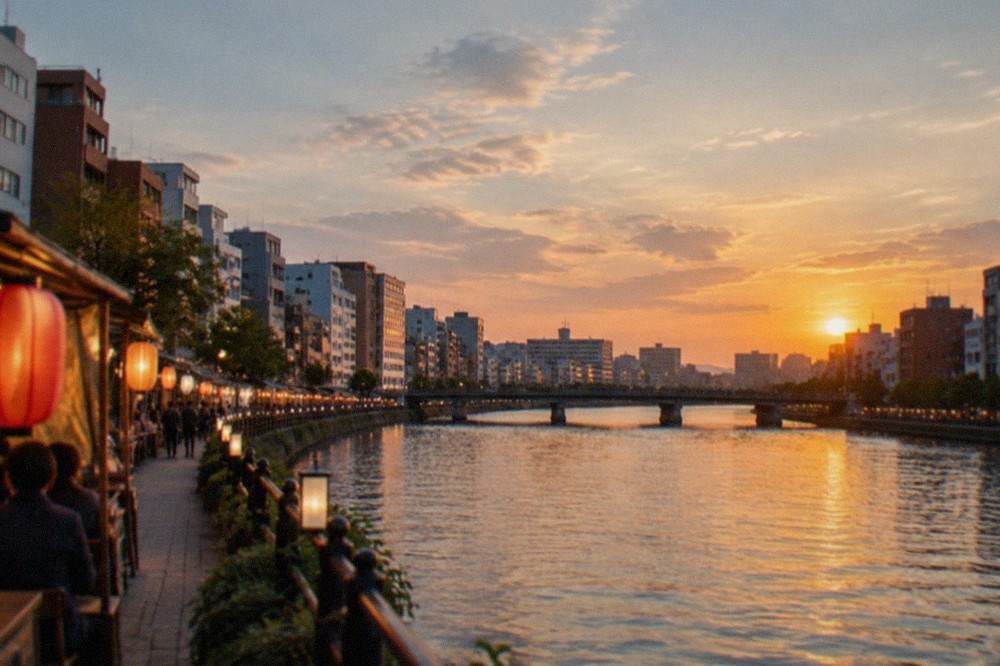
The station area is dense in a way that rewards arriving early. Within a fifteen minute walk you reach the Hakata Station guide territory of depachika food halls, and beyond it the historic Hakata Old Town, where Tochoji's Great Buddha and Shofukuji, Japan's first Zen temple, sit a few streets apart. In the evening the yatai stalls open along the Naka River at Nakasu, about a hundred of them licensed across the city, each required by municipal ordinance to display its prices openly.
If you want structure on that first afternoon rather than self-direction, a couple of short experiences start near the station. The Fukuoka: Hakata Doll Painting Experience is a ninety-minute workshop from $28 per person, rated 4.9 from 45 reviews, where you paint a traditional Hakata doll, the craft this ward is named for. It is the kind of activity that fits neatly between hotel check-in and the first yatai dinner, and it needs no advance fitness, no transport and no planning beyond a booking.
For a wider loop of the city, a guided bike ride through Hakata, from $73 per person and rated 4.7 from 22 reviews, covers the ward's back streets in three and a half hours, and a morning sumo practice visit with a walk through Hakata Old Town, from $77 per person and rated 4.2 from 22 reviews, pairs the sport with the neighbourhood. Either works as a first full morning before you head further out.
Once you are settled, the rest of Kyushu opens up from the same station you arrived at. Beppu, Dazaifu, Yanagawa and the Itoshima coast are all practical days out, and the Beppu day trip guide is a good example of how far a single day from Hakata stretches.
Common Questions About Getting from Fukuoka Airport to Hakata
How Do You Get From Fukuoka Airport To Hakata?
Take the Kuko subway line from the airport station to Hakata, two stops away, for a fare of ¥260 for adults and ¥130 for children. If you arrive at the international terminal, ride the free inter-terminal shuttle to the domestic terminal first, which the airport says takes about 10 minutes. Taxis and private transfers are the alternative if you have heavy luggage.
How much is the subway from Fukuoka Airport to Hakata?
The adult fare is ¥260 and the child fare is ¥130, set by the subway's official distance-based zone table. A one-day subway pass costs ¥640 for adults if you plan to keep riding after you arrive.
Is there a Fukuoka Station?
No. The city's main station is Hakata, which serves the Shinkansen, JR lines and the subway. Hakata is a ward of Fukuoka city, not a separate destination.
Does the subway go from the international terminal?
The subway station is at the domestic terminal. A free shuttle bus connects the international and domestic terminals, with the airport stating a journey of about 10 minutes, and the subway follows.
Should I buy a tourist pass at the airport?
The Fukuoka Tourist City Pass costs ¥2,500 for the city version and ¥2,800 with Dazaifu, but it only pays off on a day of heavy cross-city travel, and it requires a passport check because it is limited to overseas tourists on short-stay visas. Casual visitors are usually better off single fares or the ¥640 subway day pass.