Is Fukuoka Worth Visiting?
An honest assessment of whether Fukuoka deserves a place on your Japan itinerary, covering sights, costs, food, transport and day trips.
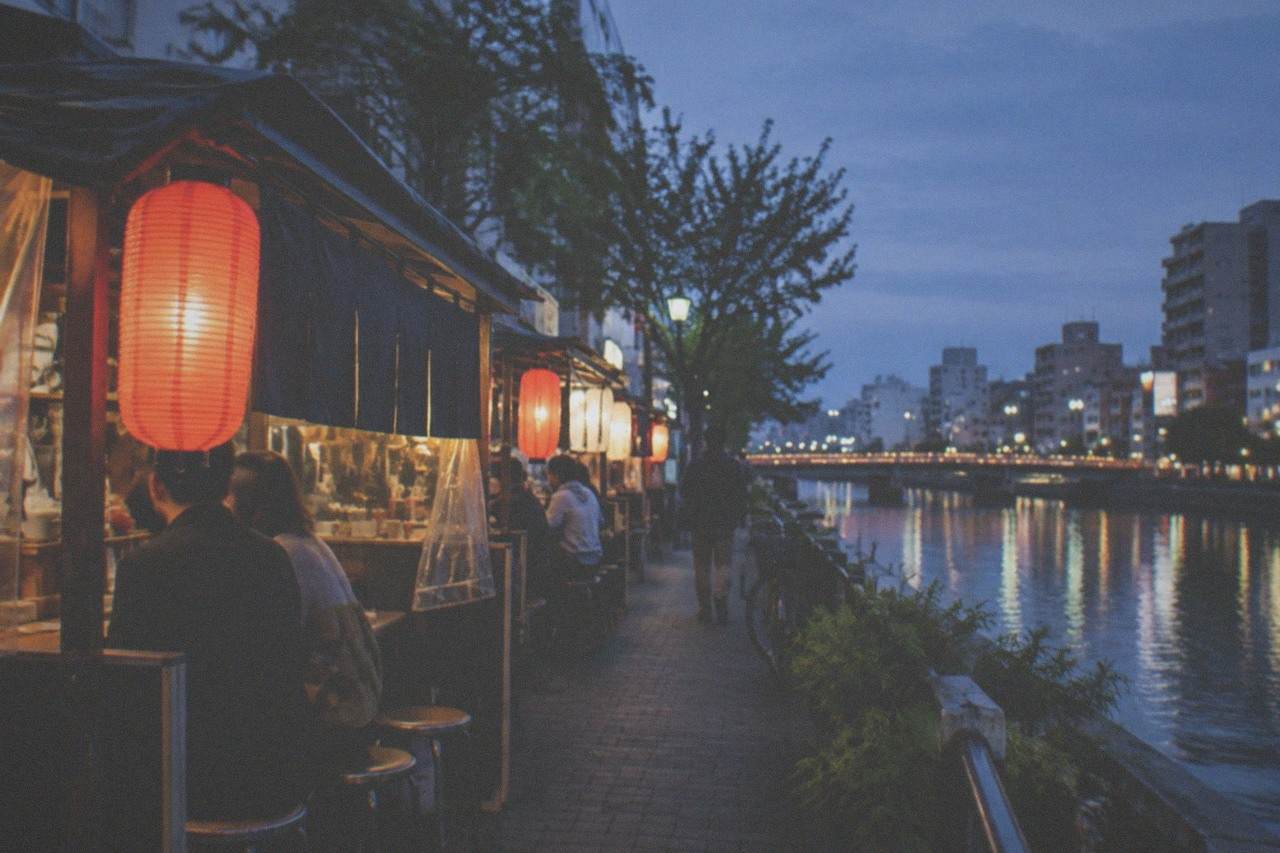
Fukuoka sits on Hakata Bay on the Genkai Sea side of northern Kyushu, and it is quietly becoming one of the most convincing city-break arguments in Japan. The 2025 census quick report puts the city's population at 1,663,892, and its growth rate of 3.2 percent since the previous census is the highest of any ordinance-designated city in the country. People are moving here faster than to Tokyo or Osaka, and travellers are following. The question is whether a short visit rewards the detour from the Golden Route, and the honest answer is that it does, provided you know what the city is actually good at: food, compactness, waterfront life and some of the easiest day trips in Japan. This Fukuoka Japan Travel Guide exists to answer that question with verified numbers rather than recycled claims.
Why Do Travellers Keep Choosing Fukuoka Over the Golden Route?
Fukuoka rewards visitors because it compresses what takes other Japanese cities hours into a walkable core: a historic guardian shrine, a castle ruin park, two serious art museums, a canal-side shopping complex and roughly 100 licensed street food stalls all sit within a few kilometres of each other, and none of the major shrine or temple grounds charges admission. That density is the practical case for the city. You are not commuting an hour each way to see something; you are walking ten minutes. Kyushu's largest city also carries a distinct food identity, tonkotsu ramen and motsunabe among the signature dishes, which gives evenings a purpose beyond sightseeing. For a traveller weighing three days in Fukuoka against three more days in Tokyo, the compactness is the argument.
The comparison pages on this site go deeper on timing: if you are considering the colder months, is it worth it to go to Fukuoka in the winter covers the low-season case, and is Fukuoka worth visiting in November covers the autumn-leaves window, which is one of the city's better months.
Is Fukuoka Easy to Reach and Easy to Get Around?
Yes, unusually so. Fukuoka Airport is one of the closest major airports to a city centre anywhere in Japan, the subway fare into Hakata is a verified ¥260, and the whole urban core runs on three subway lines with single fares from ¥210. One correction worth internalising early: there is no JR Fukuoka Station, the main rail hub is Hakata Station, and Hakata and Fukuoka are the same city, not two places you travel between.
The airport sits on the subway's Kuko line, two stops from Hakata Station, and the fare falls inside the official 3 to 7 km band that sets the ¥260 adult price. Many guides print a journey time in minutes for this leg; no official page verifies one, so this site does not either. What is verifiable is the fare and the fact that the airport is genuinely close to the centre, which shapes the whole rhythm of a short trip: you can be at your hotel within a short ride of landing.
Getting around is equally cheap. A subway one-day pass costs ¥640 for adults and covers all three lines from first to last train, with discounts at partner facilities on the day of use. IC cards work across the subway, Nishitetsu trains and buses. For overseas visitors on a short-stay visa, the Fukuoka Tourist City Pass costs ¥2,500 for the city version or ¥2,800 with Dazaifu included, with a passport checked at the counter, and it covers subway, buses, trains and some ferries for a day, as listed on the official city pass page.
If you would rather not navigate the first arrival at all, a private transfer is the one booking that genuinely removes friction on day one.
The transfer option above is a private arrival service from the international terminal into the city, from $149 per person, rated 5.0 from 2 reviews. The other two cards serve different moments of the trip: a Marine World e-ticket from $16 for a family day on Uminonakamichi, and a Beppu and Yufuin day tour from $96 for the day you want to leave the city entirely.
What Can You Actually See and Do in Fukuoka?
The core sights are a cluster of free-entry shrines, temples and parks plus a handful of paid attractions, and the paid ones are cheap by Japanese city standards: Fukuoka Tower is ¥1,000 for adults, both city art museums charge ¥200 for their collections, and the Ohori Park Japanese Garden is ¥250. A first-time visitor can fill two full days without buying a single expensive ticket.
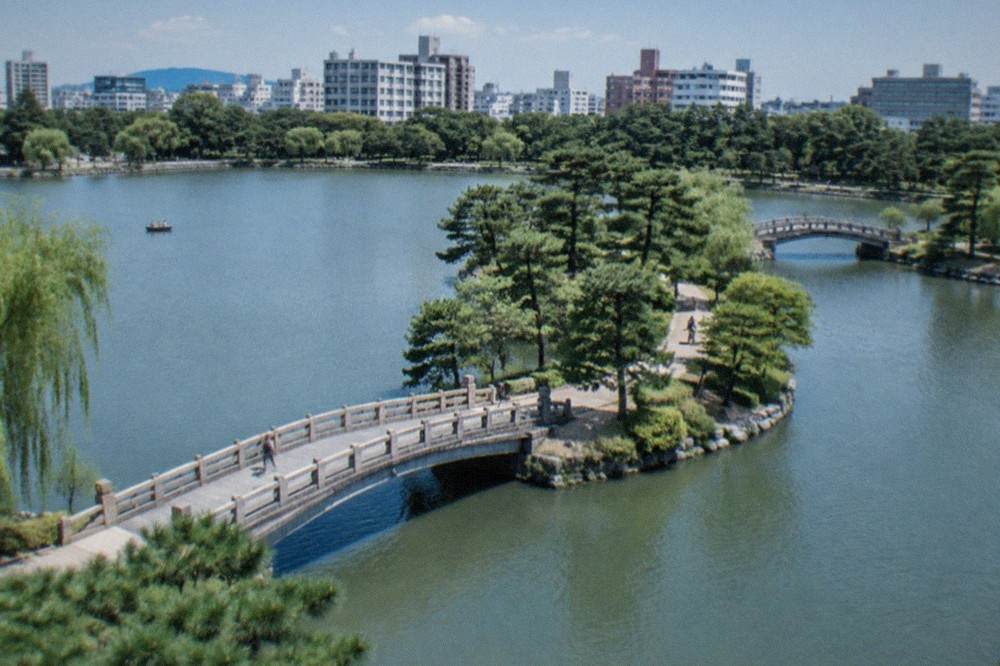
The heavyweight sights: Kushida Shrine is Hakata's guardian shrine and the spiritual home of the Yamakasa festival; Ohori Park is a former moat turned into a two-kilometre waterside walk; and Fukuoka Tower stands 234 metres tall with observation decks at 123 metres, open 9:30 to 22:00 with last admission at 21:30. Tochoji holds one of Japan's largest seated Buddha statues, and Shofukuji was the first Zen temple founded in Japan.
One genuine piece of planning news: the Fukuoka Castle Tenshudai, the main keep base in Maizuru Park at the castle ruins, is closed to entry from 26 May 2026 until the end of December 2026 for an archaeological excavation. The dig was prompted by a document found in December 2024 describing a keep that may never have existed, which makes the park itself, still free and open, an accidental live archaeology story. The rest of the castle grounds remain walkable.
| Sight | Area | Entry cost | What it is |
|---|---|---|---|
| Kushida Shrine | Hakata | Free grounds | Hakata's guardian shrine, Yamakasa festival base |
| Ohori Park | Ohori | Free | Former castle moat, 2 km waterside loop |
| Ohori Park Japanese Garden | Ohori | ¥250 adult, ¥120 child | Traditional garden beside the pond |
| Fukuoka Tower | Momochi | ¥1,000 adult | 234 m tower, decks at 123 m |
| Fukuoka Art Museum | Ohori | ¥200 collection | Modern and contemporary collection |
| Fukuoka Asian Art Museum | Hakata | Building free, Asia Gallery ¥200 | Asian art from 23 countries |
| Dazaifu Tenmangu | Dazaifu | No entrance fee | Tenjin shrine, 30 min by train |
Dazaifu Tenmangu deserves its own note because the numbers surprise people: the shrine's own FAQ states plainly that there is no entrance fee, and the Nishitetsu ride from Tenjin takes around half an hour with one change at Futsukaichi. The shrine's approach street, lined with umegae mochi shops, is the day trip most first-timers actually do, and the shrine's official FAQ confirms both the free entry and the seasonal opening hours.
Beyond the classics, the city has real modern attractions. teamLab Forest is a permanent immersive digital art space with tickets from $27, rated 3.8 from 14 reviews, and Marine World Uminonakamichi is a serious aquarium on the bay side, with e-tickets from $16. Note one practical quirk at Uminonakamichi Seaside Park next door: adult entry is ¥450, and the park gate takes cash only, a detail almost no guide mentions and which catches card-carrying visitors out.
How Much Does a Fukuoka Trip Actually Cost?
Fukuoka is cheaper to run than Tokyo or Kyoto on almost every line: subway rides start at ¥210, the one-day pass is ¥640, major museums charge ¥200, and the street-food scene is built around posted prices at stalls rather than restaurant markups. Accommodation and food are the two variables, and the city's yatai ordinance is the reason eating from stalls is lower-risk than most visitors expect.
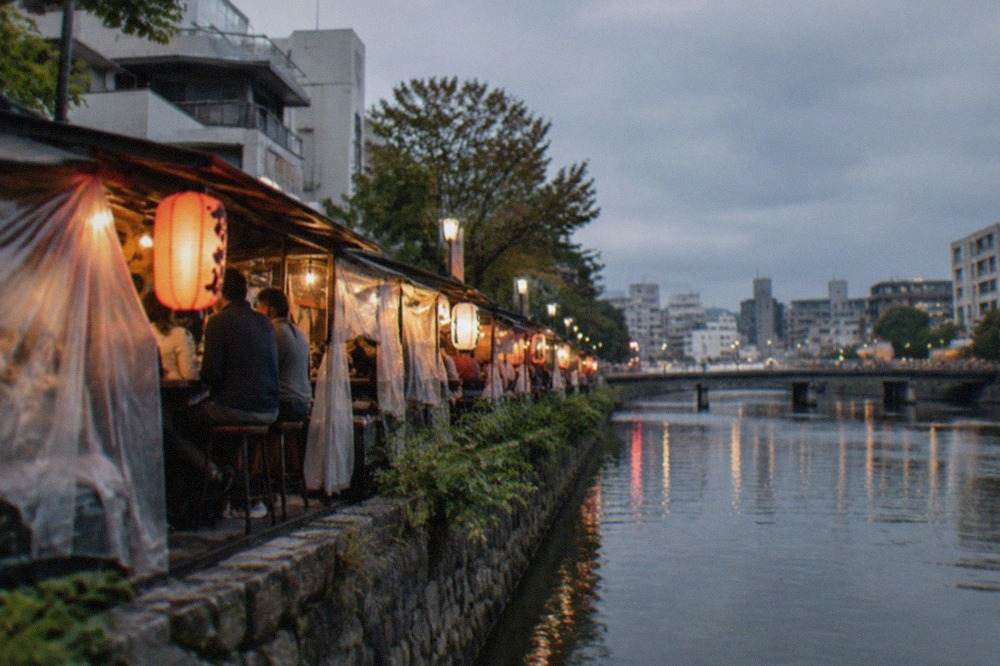
The yatai, Fukuoka's mobile food stalls, are governed by a city ordinance that requires prices to be displayed where customers can easily see them, and any dish priced on the day's market must show that day's actual price rather than a vague "market price" label. City inspectors check periodically. There are about 100 licensed stalls across the city, more than any other Japanese city, concentrated in Nakasu along the Naka River, in Tenjin and in Nagahama. The city publishes no average price per person, and neither does this site, but the posted-price rule means you always know what a dish costs before you order it.
Stalls take walk-ins; you cannot book a seat at one, and you do not need to. They open in the early evening, weather permitting, and rain closes many of them, so keep a restaurant backup in mind on wet nights.
| Item | Typical cost | Notes |
|---|---|---|
| Subway single fare | From ¥210 | Distance-based, 6 zones up to ¥380 |
| Subway 1-day pass | ¥640 | All three lines, same-day use |
| Tourist City Pass | ¥2,500 / ¥2,800 | Passport required, overseas short-stay visitors |
| Art museum collection | ¥200 adult | Both city museums, under-15s free |
| Ohori Park Japanese Garden | ¥250 adult | Closed Mondays, ¥120 child |
| Uminonakamichi Seaside Park | ¥450 adult | Gate is cash only |
| Yatai dishes | Posted on each stall | City ordinance requires visible pricing |
One more saving worth knowing: residents aged 65 and over from Fukuoka, Kitakyushu, Kumamoto or Kagoshima get free entry to both city art museums with proof of address, and children under 15 enter free almost everywhere, which makes the city unusually kind to family budgets.
If your trip is short and your arrival is late, the private transfer question comes down to how much the first hour is worth to you.
When Is the Best Time to Visit Fukuoka?
The most comfortable months are October, November and March through May, when daytime highs sit between 15 and 24 degrees Celsius and rainfall is at its lowest, but the calendar has surprises: July is the city's wettest month at 299.1 mm despite the rainy-season reputation belonging to June, and August is hotter than July yet drier and nearly as sunny as May. The JMA normals for Fukuoka show a mild climate overall, with a yearly mean of 17.3 degrees and 1,686.9 mm of rain spread across the seasons.
Summer is festival season as much as weather. Hakata Gion Yamakasa runs July 1 to 15 every year, centred on Kushida Shrine, with the Oiyama finale race on July 15 starting at 4:59 in the morning along a roughly 5 km course. Hakata Dontaku fills Meiji-dori on May 3 and 4. Typhoon season runs roughly July through October and is a real planning factor for coastal days, though it rarely shuts the city down. November brings the autumn leaves to Ohori Park and Maizuru Park from mid-month into early December, which is why the shoulder-season pages on this site keep recommending it.
Is Fukuoka a Good Base for Day Trips?
It is one of the best day-trip bases in Japan: Dazaifu, Yanagawa, Itoshima, Nokonoshima and Shikanoshima all sit within easy reach for half or full days, while Yufuin, Beppu, Mount Aso, Takachiho, Kumamoto and Nagasaki all work as full-day excursions from Hakata Station or Tenjin. No other Japanese city of comparable size puts onsen towns, a gorge, an active volcano and a second major city within a single day's round trip.
The classic first day trip is Dazaifu, covered in depth on this site. For onsen and scenery, the Yufuin day trip is the most popular upgrade, and the Beppu hells and Yufuin coach tour from $96, rated 4.4 from 106 reviews, handles the logistics in ten hours. Nishitetsu trains reach Yanagawa and the tea fields of Yame; the JR network reaches Kitakyushu and Kokura. If you are stringing several of these together, it is worth reading up on rail-pass arithmetic for the Kyushu network before you buy anything.
For a first visit of three or four days, the honest formula is two days in the city and one or two day trips, with the evening given over to the stalls. That balance is what the city is genuinely good at.
Common Questions About Whether Fukuoka Is Worth Visiting
Is Fukuoka Worth Visiting?
Yes, for most Japan itineraries it is. The city offers free-entry shrines and castle grounds, a 234-metre tower for ¥1,000, about 100 licensed street food stalls under a posted-price ordinance, a verified ¥260 subway fare from the airport, and day trips to Dazaifu, Yufuin and Beppu that most cities cannot match. Three days is a realistic first visit.
Is Fukuoka cheaper than Tokyo?
On transport and attractions, yes: subway fares start at ¥210, the day pass is ¥640, and major museums charge ¥200. This site does not publish hotel or restaurant price comparisons, but the sightseeing layer of a Fukuoka trip is measurably cheaper than the equivalent in Tokyo or Kyoto.
How many days do you need in Fukuoka?
Two days covers the core sights: Kushida Shrine, Ohori Park, the castle grounds, Fukuoka Tower and an evening at the yatai. Three to four days lets you add Dazaifu and one bigger day trip such as Yufuin or Beppu. The city's compactness means you spend days on sights, not on trains.
Is Fukuoka good for food?
Yes, and it is the city's strongest suit. Tonkotsu ramen originated here, motsunabe and mentaiko are local signatures, and about 100 licensed yatai stalls operate under a city ordinance that requires visible posted prices, so costs are transparent before you sit down.
Does Fukuoka work as a stop between other cities?
Well. Hakata Station is the Kyushu rail hub, the airport is unusually close to the centre, and the city rewards a one or two-night stop on a Kyushu or Hiroshima-bound route. The Hakata-tenjin core is walkable enough that even a layover yields a meal at the stalls and a walk around Ohori Park.
When should you avoid visiting Fukuoka?
Avoid nothing outright, but plan around two facts: July is the wettest month at 299.1 mm, and typhoon season runs roughly July through October, which can disrupt coastal day trips. Late June through July is the least reliable window for an itinerary built around outdoor sights.