Is There a Fukuoka Station?
No, there is no JR Fukuoka Station. The city's main rail hub is Hakata Station, and Hakata is a ward of Fukuoka City, not a separate place. Here is what that means for your trip.
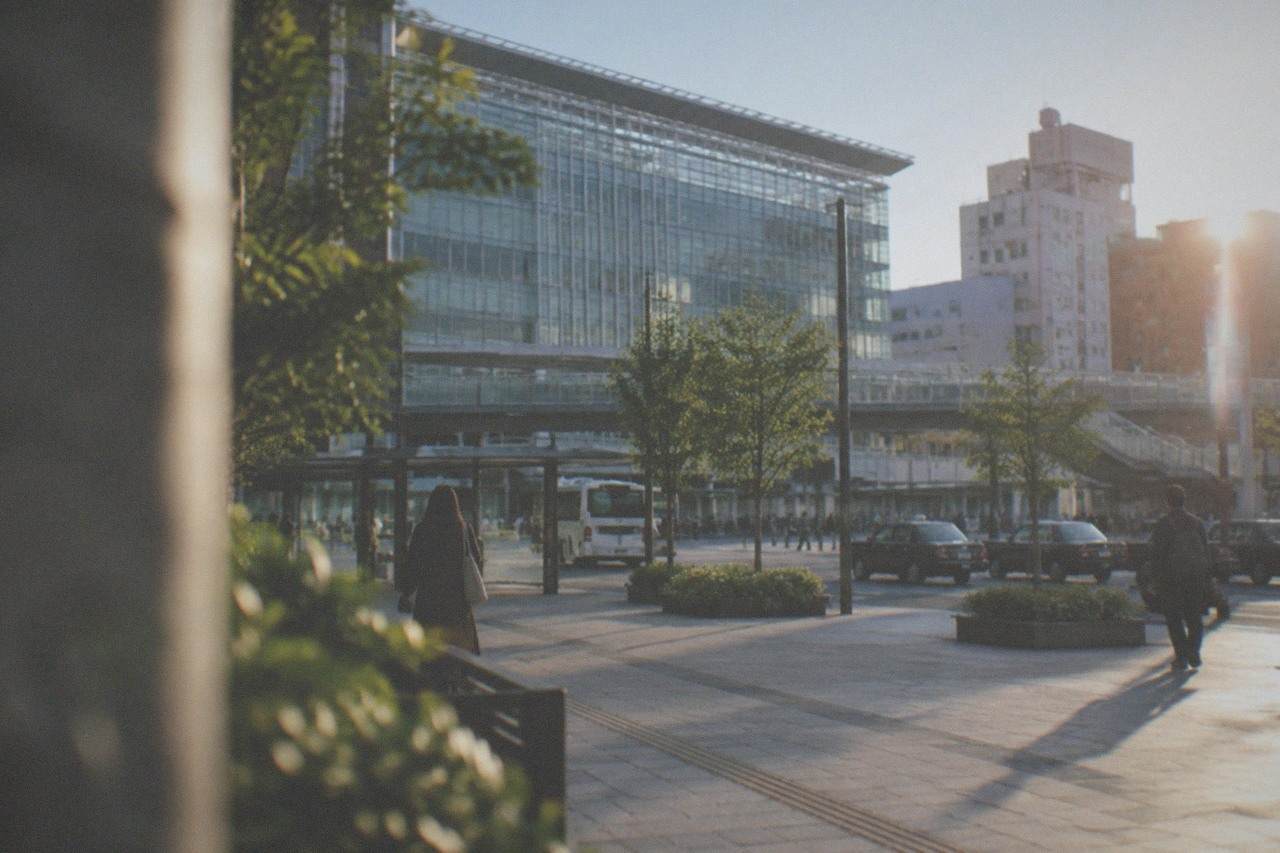
Type "Fukuoka Station" into a rail booking site and you will draw a blank, or worse, a station somewhere else entirely. That is not a glitch. Japan's sixth largest city, the gateway to Kyushu, the northern terminus of the Kyushu Shinkansen, has no station with the city's own name on it. The main hub is called Hakata Station, and this single naming quirk confuses more first-time visitors than any other detail of the trip.
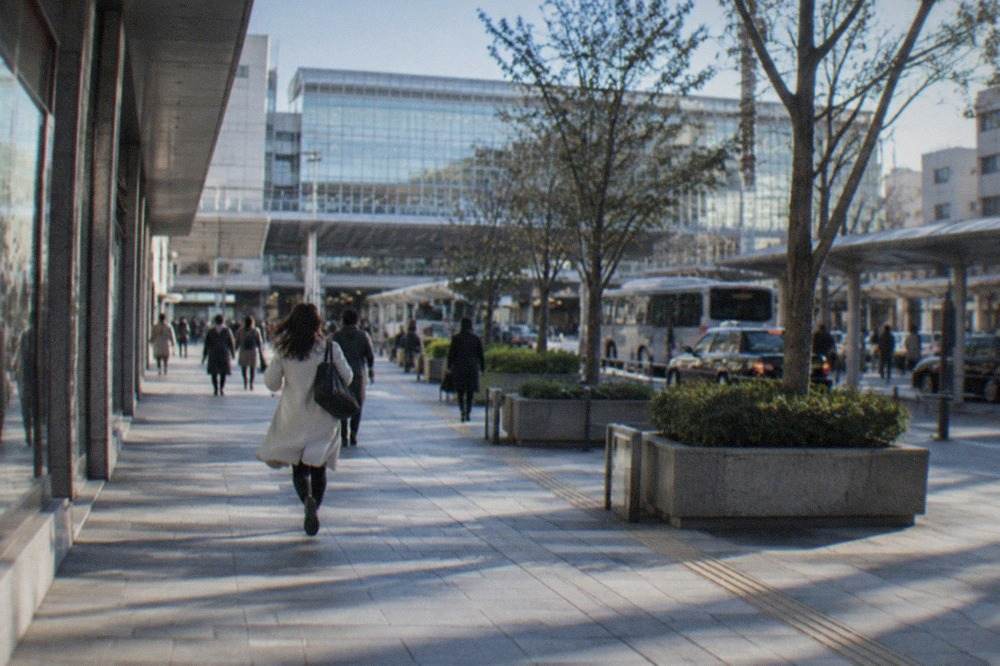
The short version, the one worth memorising before you book anything: Hakata and Fukuoka are the same city. Hakata is a ward of Fukuoka, and the name of its main station. Travelling "from Hakata to Fukuoka" is a phrase that makes no sense on the ground, even though a remarkable number of competing guides print it. This site, Fukuoka Japan Travel Guide, exists partly to fix that.
Is There a Fukuoka Station?
No, there is no JR Fukuoka Station, and no subway station called Fukuoka either. The city's principal rail hub is Hakata Station, in the Hakata ward of Fukuoka City, and every Shinkansen, most JR conventional trains and two subway lines serve it. The only station in the city with the word Fukuoka in its name is Nishitetsu Fukuoka Station, a private railway terminus at Tenjin, roughly 2 km from Hakata, which is a different thing entirely.
That answer sounds blunt, but the reasoning behind it is worth understanding, because it changes how you read timetables, hotel addresses and even restaurant reviews. Fukuoka City was formed by merging two older towns: Fukuoka, the castle town on the west side of the Naka River, and Hakata, the merchant and port town on the east side. The castle town's name won for the city. The port town's name survived in the ward, in the dialect (Hakata-ben), in the local craft (Hakata dolls, Hakata textiles), in the ramen (Hakata tonkotsu), and, decisively for travellers, in the station.
When the railway arrived, the station was built in Hakata ward, and the ward's name went on the sign. So today you arrive at Hakata Station, sleep in hotels "near Hakata", and eat Hakata ramen, all inside Fukuoka City, whose airport is called Fukuoka Airport and whose subway line to that airport is the Kuko, or Airport, Line. The naming is not random. It is just split along an old merger line between the two founding towns, one that most visitors have never heard of.
There is a second trap. Booking sites and some printed timetables use station codes and shortened names, and a reader who does not know the local geography may assume Hakata and Fukuoka are two stops on the same line, or two cities between which they must travel. Neither is true. If a ticket says Hakata, that is the main station in the centre of Fukuoka City, and there is no second, separate "Fukuoka Station" waiting somewhere across town.
Why Is the Main Station Called Hakata Instead of Fukuoka?
Because the station sits in Hakata ward, the old merchant port side of the merged city, and railway naming in Japan follows locality, not the municipal name. When the two towns merged, the castle town's name became the city's, but the station, built on the Hakata side of the Naka River, kept the port town's name. The same logic gave the city's airport the Fukuoka name, which is why the two hubs carry different labels.
The split runs through everyday life here. Locals say Hakata for the station and the area immediately around it. They say Tenjin for the shopping and business district two subway stops west. They say Fukuoka when they mean the whole city or the prefecture of the same name, which surrounds it and has its own capital, also confusingly called Fukuoka City. A hotel listing that says "Fukuoka, near Hakata Station" is not being redundant; it is being precise in the local way.
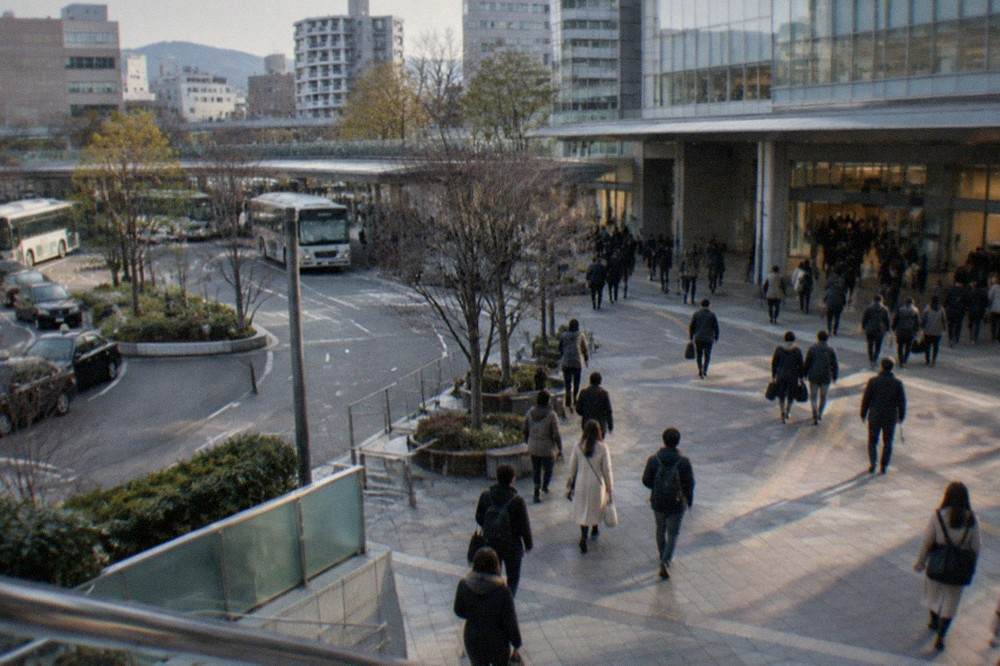
It also explains a pattern in search behaviour that this page is answering directly. People look for "Fukuoka station to Hakata station" expecting an intercity connection, and find nothing, because the distance between the two names is a walkable city centre, not a rail leg. The related question, whether it is better to base yourself in Hakata or Tenjin, is really a question about neighbourhoods inside one city, and it has a proper answer of its own over at is it better to stay in Hakata or Tenjin.
The merger history is the information most first pages of results leave out. Guides simply assert "the station is called Hakata" without explaining why, and without the explanation the naming looks arbitrary, even careless. It is neither. It is an old compromise between two towns that still shapes how the city names its streets, its festivals and its trains, and knowing it makes the rest of the naming fall into place.
For travellers whose plans involve more than trains, the same neighbourhood logic applies to guided experiences. A short city orientation can be worth booking early in a stay, before the naming has fully settled in.
Which Lines Serve Hakata Station?
Hakata Station is the busiest transport node in Kyushu. The Kyushu Shinkansen terminates here, JR Kyushu's conventional and limited express trains fan out across the island, the Fukuoka City Subway's Airport Line runs directly beneath the concourse, and the Nanakuma Line terminates here too. In practice, if you are travelling to, from or through Fukuoka by rail, you are passing through Hakata Station.
The station's reach is what makes the naming worth getting right. From Hakata you can ride the Shinkansen north toward Kokura and onward to Honshu, or south down the Kyushu trunk line toward Kumamoto and Kagoshima. Nishitetsu's private network, which handles the Dazaifu and Yanagawa corridors, runs from its own separate Fukuoka terminus at Tenjin, which is a genuine second station, a different company, and a common source of missed trains.
| Line | Operator type | What it does for a visitor |
|---|---|---|
| Kyushu Shinkansen | Shinkansen | The island's high-speed spine, terminating at Hakata |
| JR conventional lines | JR | Local and limited express trains across Kyushu |
| Subway Airport Line | Fukuoka City Subway | Runs beneath the station, east to Fukuoka Airport, west toward Meinohama |
| Subway Nanakuma Line | Fukuoka City Subway | A second subway line that terminates at Hakata |
| Nishitetsu Tenjin Omuta Line | Private railway | Not at Hakata at all; departs from Nishitetsu Fukuoka Station at Tenjin |
That last row is the one that costs people their morning. A day trip to Dazaifu or Yanagawa does not start from Hakata; it starts from Tenjin, on a different railway, with its own tickets. The city's excellent main station guide covers the concourse, the exits and the department store in detail at the Hakata Station area guide, and the practicalities of the hub itself are in the full Hakata station guide.
If your rail plans extend beyond the city, the same caution applies to passes and tickets: check which company runs the line you intend to ride before you assume a pass covers it. A wrong assumption here usually means buying a second ticket on the platform, which is a minor cost, but a real delay.
Is There Any Station Called Fukuoka at All?
Yes, exactly one, and it is not where most people expect. Nishitetsu Fukuoka Station is the private railway terminus at Tenjin, in the heart of the shopping district, about 2 km west of Hakata Station. It has no Shinkansen, no JR trains and no connection to the national rail network beyond the subway. Anyone asking for "Fukuoka Station" in a taxi or a hotel lobby will, with luck, be redirected to one of these two.
The Tenjin terminus is the Nishitetsu company's flagship station, and the company chose the city's name for it, which is the last twist in the naming story. So the city with no JR Fukuoka Station does have a Fukuoka Station, owned by a private railway, in a different neighbourhood, serving a different network. If you are riding to Dazaifu, that is your station. If you are riding anywhere else in Japan, it almost certainly is not.
Between the two, the area around Hakata Station rewards an unhurried afternoon. The station itself anchors a dense ward of temples, old merchant streets and the Hakata Machiya Folk Museum, and a walk west from the concourse reaches the Naka River and the Nakasu entertainment district in minutes. The old Hakata ward walkthrough is the fuller read.
One craft experience sits particularly well inside a station-centred day. Hakata dolls are the ward's own traditional figurines, and there is a short painting workshop in the city where you finish a doll yourself, an hour and a half, no skill required, and a genuinely local souvenir rather than something bought at an airport shelf. It sits in the Culture category of this site's roster and suits a gap between a morning arrival and an evening train.
How Do You Get from Fukuoka Airport to Hakata Station?
The subway is the answer. Fukuoka Airport sits on the Kuko Line two stops from Hakata, and the adult fare is ¥260, which falls in the official 3 to 7 km fare band. What almost every competing guide prints, a journey time in minutes, is not verified on any official page, so this site does not print it either. The airport is, verifiably, unusually close to the city centre, which is the useful fact.
The fare and the fare structure come straight from the official subway fare table, which bands the whole network by distance: ¥210 for trips up to 3 km, rising to ¥380 at over 19 km. The airport leg lands in the second band. Fares are the same at rush hour and midnight, and IC cards from anywhere in Japan, Suica, PASMO, ICOCA and their local cousins, work at the gates.
Two airport details are worth carrying. First, if you land at the international terminal, a free shuttle bus runs between the terminals, and the airport's own access page puts that transfer at 10 minutes; the official airport access page covers it. Second, the airport's closeness is structural, not luck: it was built on the city's edge and the city grew around it, which is why a subway ride, not an express train, is all you need.
If you are landing and heading onward, the fuller arrival walkthrough, including the tourist passes and where to buy them, is laid out in the airport-to-city guide, which covers every step from the arrivals hall to the station concourse.
Does It Matter Which Name You Use When Booking?
In practice, yes, and the risk is not the fare but the plan. Hotels, tours and restaurant listings use Hakata, Tenjin, Nakasu and other neighbourhood names for locations inside one city, and search tools that only know "Fukuoka" will happily return results from Fukuoka Prefecture, a different city, or a wrong station. Booking "Hakata Station" as your landmark keeps every address in the right ward and every transfer on the right line.
Three practical habits solve most of it. Give Hakata Station, not "Fukuoka Station", as your reference point for anything near the rail hub. Check whether a Nishitetsu itinerary starts at Tenjin before you plan a morning around Hakata. And when a site offers a choice between Fukuoka and Hakata as if they were destinations, treat that as a sign the site does not know the city.
The neighbourhood question underneath all of this, where to actually sleep, has its own answer depending on whether you want station convenience or shopping-street atmosphere, and the fullest treatment of the split, including the castle town merger and what each side of the Naka River kept, is in the Hakata or Fukuoka explainer. Once the story is in your head, the whole city's signage stops looking contradictory and starts looking like a map of its own past.
Before the closing questions, one last look at three ways to spend time around the station if the naming is now settled and the itinerary is not.
Common Questions About Fukuoka Station
Is There A Fukuoka Station?
No JR station named Fukuoka exists in the city. The main hub is Hakata Station, in the Hakata ward of Fukuoka City. The only station carrying the name is Nishitetsu Fukuoka Station, a private railway terminus at Tenjin, about 2 km west.
Is Hakata Station the same as Fukuoka Station?
There is no Fukuoka Station for it to be the same as. Hakata Station is the city's principal station, serving the Shinkansen, JR conventional lines and two subway lines. Locals and listings use Hakata for the station and the district around it, and Fukuoka for the city as a whole.
Which station does the Shinkansen stop at in Fukuoka?
Hakata Station is the Shinkansen terminus for the city and the northern gateway to Kyushu. Trains run north toward Kokura and onward toward Honshu, and south along the Kyushu trunk line toward Kumamoto and Kagoshima.
How much is the subway from Fukuoka Airport to Hakata Station?
¥260 for an adult, ¥130 for a child, from the official distance-band fare table. The airport sits on the Kuko Line two stops from Hakata, and the airport is unusually close to the city centre, which is the verified, useful fact.
Is Tenjin or Hakata better for visitors?
They are neighbourhoods in the same city, not competing cities. Hakata wins for rail access and a dense concentration of old-town sights; Tenjin wins for shopping, dining and the Nishitetsu trains to Dazaifu. Many stays split comfortably between the two, two subway stops apart.
Where does the train to Dazaifu leave from?
Not from Hakata. The Dazaifu corridor runs on the Nishitetsu private railway from Nishitetsu Fukuoka Station at Tenjin, with a transfer along the way depending on the train. Check the Tenjin terminus rather than the main JR station.