Is Fukuoka Worth Visiting in November?
November brings Fukuoka its best weather of the year, autumn colour, the Kyushu Basho sumo tournament and the start of the illuminations season. Here is what a November trip actually looks like.
Is Fukuoka Worth Visiting in November?
Yes, and November may be the single best month to do it. The Japan Meteorological Agency's 1991-2020 normals put November at a mean 14.2°C with only 91.4 mm of rain, drier than every month since March, while the city hosts the November Grand Sumo Tournament, its maple and ginkgo colour peaks, and the first illuminations of the season. Few Japanese cities pack this much into one shoulder-season month.
The case for November rests on three things stacking at once. First, the weather: Fukuoka's summer is famously heavy, with July alone averaging 299.1 mm of rain, but by November the city is into its driest stretch of the year. The same JMA normals that show the wet summer show November with 91.4 mm spread across the month and 137.3 hours of sunshine. Daytime highs of 18.2°C mean you can walk all day without the August furnace or the June downpours.
Second, the calendar. The Kyushu Basho, the November Grand Sumo Tournament, is staged in Fukuoka every year and it is the only time sumo is competitively wrestled in the city. Third, the leaves. Fukuoka's parks hold their autumn colour into early December, so a late-November visit still catches it.
If you are weighing November against other months, the honest comparison is with spring. Cherry blossom season in late March and early April is beautiful and crowded. November gives you comparable photogenic value with thinner crowds and steadier weather. For a broader verdict on the city itself, see is Fukuoka worth visiting.
What Is the Weather Like in Fukuoka in November?
November is Fukuoka's driest comfortable month of the year. The JMA 1991-2020 normals record a mean of 14.2°C, daily highs around 18.2°C, overnight lows of 10.6°C, 91.4 mm of rain and 137.3 hours of sunshine. That is less than a third of July's rainfall, and the humidity that makes Kyushu summers exhausting has gone. Pack layers and a light jacket and you will be comfortable all day.
The month cools steadily as it goes. Early November often still feels mild, with afternoons in the high teens, while the last week can bring crisp mornings closer to 7°C. Rain comes in short spells rather than the all-day soaks of June and July, and typhoon season, which runs roughly July through October, is over by November. That matters more here than in Tokyo or Kyoto: Fukuoka sits on Hakata Bay on the Genkai Sea side of northern Kyushu, and it takes Pacific and East China Sea weather head-on through summer and early autumn. November is the payoff.
| November in Fukuoka | JMA 1991-2020 normal |
|---|---|
| Mean temperature | 14.2°C |
| Average daily high | 18.2°C |
| Average overnight low | 10.6°C |
| Rainfall | 91.4 mm |
| Sunshine hours | 137.3 |
For clothing, think of it as a European autumn. A jumper plus a jacket covers most days. Evenings along the waterfront at Momochi or the Nakasu riverside can feel raw once the sun drops, so an extra layer earns its place in your day bag. If you are continuing into the colder months, our piece on visiting Fukuoka in winter covers what December and January add.
Is the November Sumo Tournament Worth Seeing?
Yes, if your dates line up, it is the best single thing happening in Fukuoka in November. The Kyushu Basho is one of professional sumo's six annual tournaments and the only one held in Kyushu, running roughly two weeks in mid-November at Fukuoka Kokusai Center in Hakata. Tickets go on sale well ahead and the best seats sell out, so decide early whether you want to attend.
The tournament is the reason hotel prices in Hakata tighten in mid-November, so book a room as early as you can. Watching sumo live is nothing like watching it on a screen: the lower-division bouts fill the morning, the top-division wrestlers enter in the late afternoon in a formal ring-entering ceremony, and the day builds to the elite matchups with the whole hall following every gesture. Because the basho is a full 15-day tournament, individual wrestlers' records, and sometimes the championship itself, come down to the final weekend.
You have a few ways in. The most straightforward is buying tournament tickets yourself through official channels, which takes planning and Japanese-language patience. Easier is a guided viewing package that handles the ticket and explains what you are watching, which is where a tour earns its fee: sumo's rituals are opaque on first contact and a guide who can narrate them turns a long afternoon into a story.
The Kyushu Fukuoka Grand Sumo Tournament Viewing Tour, from $112 per person and rated 4.5 from 4 reviews, is built exactly for this: a four-hour escorted viewing with the ticket arranged for you. It suits a first-time spectator who wants the ceremony decoded rather than just a seat. If sumo is the anchor of your trip but you want more of Kyushu around it, the same roster carries options like the Motonosumi Shrine and Kanmon Bridge day trip for coastal contrast, or a full-day private tour with a licensed guide for the days between bouts.
Outside the tournament window, sumo is still visible in Fukuoka in other forms: morning practice viewings and stable visits run at other times of year, and the sumo-themed experiences around Hakata give you a taste of the sport without a basho ticket. But the competitive tournament itself only happens in November, which is a genuine reason to pick this month over another.
Where Are the Best Autumn Leaves in Fukuoka?
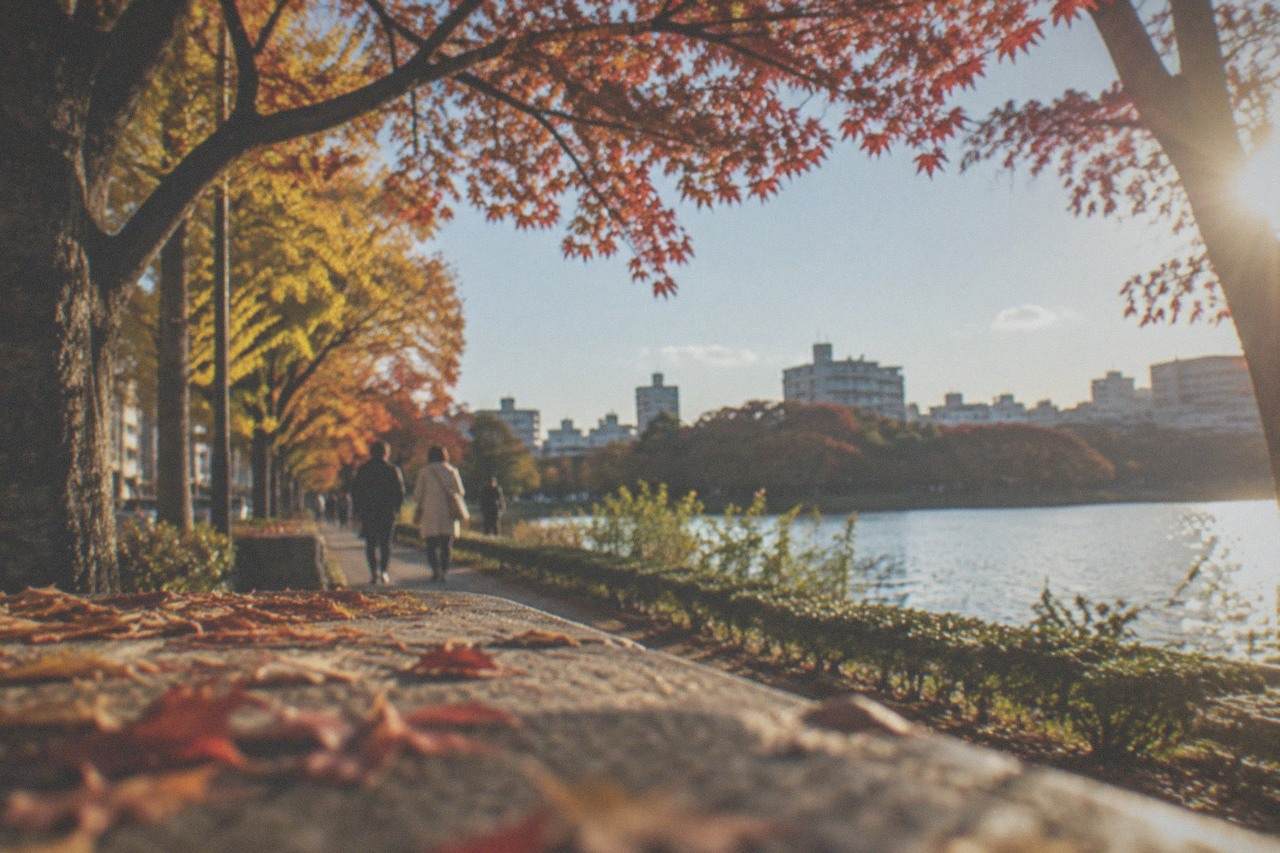
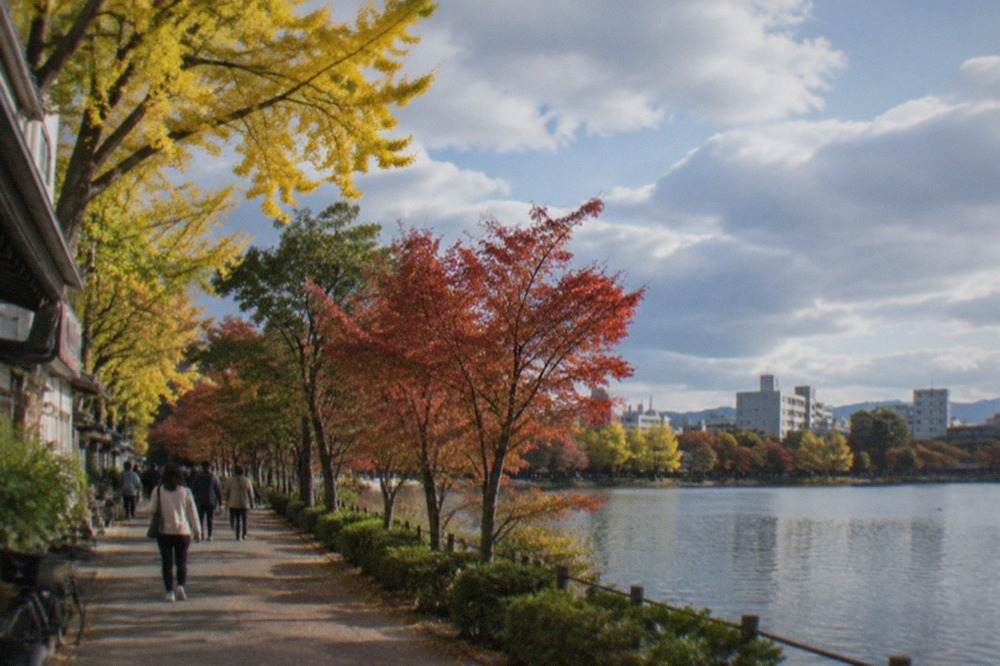
Fukuoka's autumn colour peaks from mid-to-late November into early December, which makes a late-month visit the safest bet. The castle ruins at Maizuru Park, the trees ringing Ohori Park's lake, and Nishi Park's hillside are the headline spots, and the city's museums and gardens give you indoor options on the grey days between them. Dazaifu's maple-and-moss gardens, an easy train ride away, colour up in mid-to-late November too.
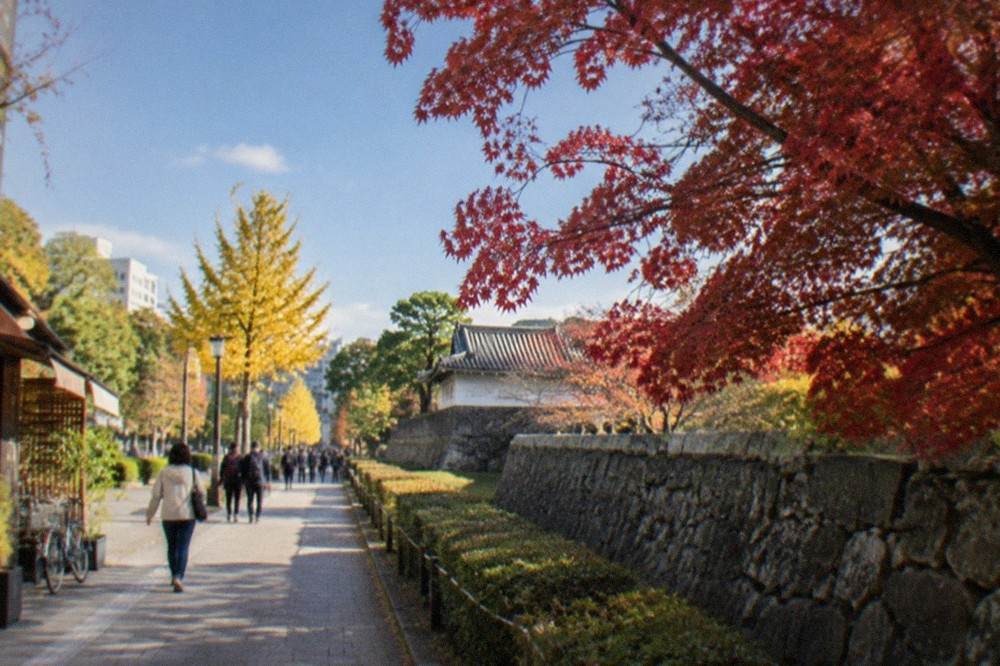
Ohori Park is the easy answer if you are staying centrally. The lake walk takes under an hour at a stroll, and the maples and ginkgos along the water photograph well from several angles; the paid Japanese Garden on the museum side adds a designed landscape for ¥250. A couple of stops away, the Fukuoka Castle ruins in Maizuru Park are the city's main sakura site in spring, and in November the same grounds do autumn colour with far fewer people.
One honest caveat for November 2026 specifically: the castle's Tenshudai, the main keep base, is closed to entry from 26 May until the end of December 2026 for an archaeological excavation. The dig itself has a great backstory, a document found in December 2024 describing a keep that may never have been built, and the city publishes the closure notice on the castle's own site. The rest of the park remains open, so the leaves are unaffected, but do not plan on climbing the keep base this November.
Indoor backups matter in November more than in the guidebook months, because you will get at least one showery day. The Fukuoka Art Museum sits on Ohori Park's edge and charges just ¥200 for its collection, and the Fukuoka Asian Art Museum is free to enter, with only its Asia Gallery charging ¥200. Both are closed one weekday a week, Mondays and Wednesdays respectively, so check which day of the week your rain falls on. teamLab Forest's immersive rooms are another dry-day favourite, and the teamLab Forest page covers what the ticket includes.
What Else Is Going on in Fukuoka in November?
Beyond sumo and leaves, November switches on Fukuoka's illuminations season and opens the Christmas markets, with Fukuoka Tower running seasonal exterior displays from early November into December. The month also sits in the sweet spot for day trips into Kyushu before winter weather makes the mountain routes less appealing. Few visitors realise how much of the city's winter atmosphere actually starts in November.
Fukuoka Tower is the anchor of the early illuminations, with themed light displays on its exterior from early November. The tower itself, 234 m with decks at 123 m, charges ¥1,000 for adults and stays open to 22:00, so an evening visit pairs the illuminations with a night view over Hakata Bay; the Fukuoka Tower page has the full detail. Around the city, the Christmas Advent program of markets and light-ups begins in mid-November, and Nakasu's riverside lighting runs from early November into the new year.
Day trips are at their best in November. The Nishitetsu line puts Dazaifu and its shrine town within half an hour of Tenjin, and the autumn colour there peaks mid-to-late November. Farther afield, a Yufuin day trip gives you an onsen town in the hills whose autumn colour is arguably better than the city's, and the coastal run up to Mojiko and Karatsu is comfortable in the mild weather. The trade-off is that mid-November weekends around the sumo tournament are busier everywhere, so weekday day trips are the smarter play.
For transport, the subway's one-day pass at ¥640 covers all three lines and is sold at station machines and the airport and Hakata tourist offices, which makes a multi-stop day of parks and museums cheap and simple. Short hops are ¥210 to ¥380 depending on distance.
So Is November the Right Month for Your Trip?
For most travellers, yes: November offers Fukuoka's best weather-to-crowds ratio of the year, a once-annual sumo tournament, peak autumn colour and the start of the illuminations. The only visitors who should think twice are those set on cherry blossom, which needs late March or early April, or beach weather, which needs the height of summer. Everyone else, including first-timers who want the city walkable and photographers who want colour, should treat November as a first-choice month.
The honest downsides are small. Mid-November hotel demand around the basho is real, so book early. A few grey, drizzly days are statistically likely, and the castle keep base is off-limits through the end of December 2026. None of that outweighs the month's advantages, and the rain days are exactly what the city's museums, markets and food stalls are for. A bowl of tonkotsu ramen at a yatai tastes better in 14-degree air anyway, and the stalls, about 100 of them across the city, are required by city ordinance to post their prices openly, which makes an evening crawl low-risk.
Whichever way you build the itinerary, this Fukuoka Japan Travel Guide has the detailed pages for every stop named above, from the shrine towns to the sumo venue.
Common Questions About Visiting Fukuoka in November
Is Fukuoka Worth Visiting In November?
Yes. November combines Fukuoka's driest, mildest weather of the year with the November Grand Sumo Tournament, peak autumn colour and the start of the illuminations season. It is arguably the city's best all-round month.
What is the weather like in Fukuoka in November?
The JMA 1991-2020 normals record a mean of 14.2°C, highs near 18.2°C, lows of 10.6°C and 91.4 mm of rain, one of the driest months of the year. Pack layers and a light jacket.
When do the autumn leaves peak in Fukuoka?
Mid-to-late November into early December for the city's parks, and mid-to-late November around Dazaifu. A late-November visit is the safest window for colour.
Can you see sumo in Fukuoka in November?
Yes. The Kyushu Basho, the November Grand Sumo Tournament, runs roughly two weeks in mid-November at Fukuoka Kokusai Center. It is the only time sumo is competitively staged in the city.
Is anything closed in Fukuoka in November?
The Fukuoka Castle Tenshudai is closed from 26 May until the end of December 2026 for an archaeological excavation; the rest of Maizuru Park stays open. Museums close one weekday each, Mondays for the Art Museum and Wednesdays for the Asian Art Museum.