What Is the Best Area to Stay in Fukuoka?
A practical comparison of Hakata, Tenjin, Nakasu and the Ohori and Momochi districts, with verified transit fares and passes, to help you pick the best base for a Fukuoka trip.
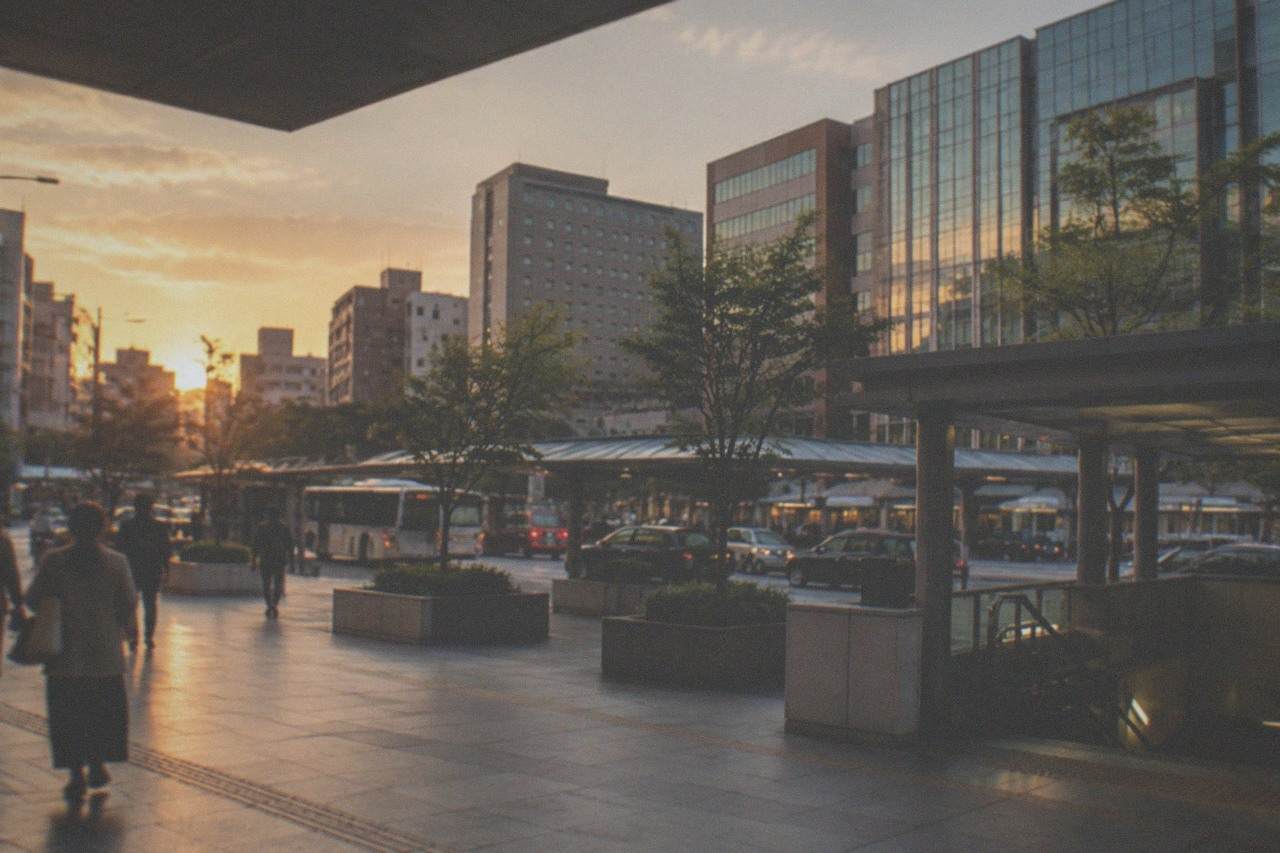
Hakata and Fukuoka are the same city, which is the first thing to get straight, because half the confusion about "where to stay" starts there. Hakata is the ward, the station name and the historic merchant district; Fukuoka is the city that contains it. So the real question is not Hakata versus Fukuoka, but which district inside Japan's fifth largest city centre puts you closest to what you came for: transport, food, shopping, or the bay. This page is part of Fukuoka Japan Travel Guide, the site's full coverage of the city's areas, food and day trips.
What Is the Best Area to Stay in Fukuoka?
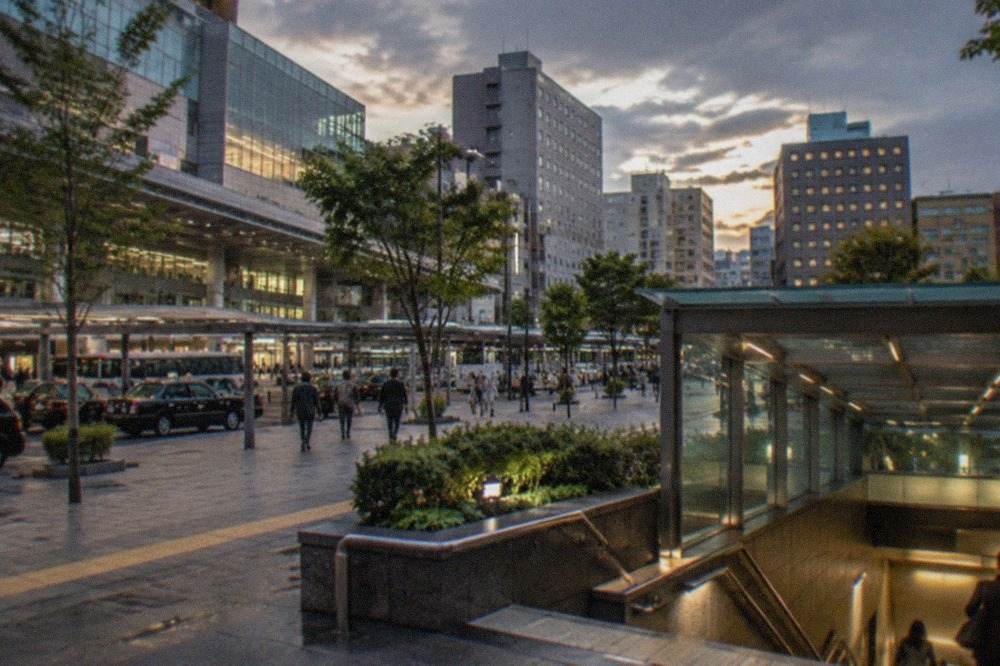
For most visitors the best area to stay in Fukuoka is the Hakata Station area: it is the city's main rail hub, it sits on the subway airport line, and it puts the yatai rows of Nakasu and the shops of Tenjin within a few minutes by subway for a flat ¥210 to ¥260 fare. First-timers who want shopping and nightlife above connectivity should pick Tenjin instead, while Nakasu suits food-focused short stays and the Ohori and Momochi districts suit quieter, longer ones.
That is the short version. The longer version depends on what kind of trip you are planning, because Fukuoka is compact enough that no district is ever more than about twenty minutes from any other, yet each one has a genuinely different character. A business traveller passing through for one night and a family staying five days should not book the same neighbourhood, and this site's own where to stay in Fukuoka guide breaks the districts down hotel by hotel. This page is the decision layer above that: which area, and why, using figures the city and its transit operators actually publish.
One structural point worth knowing before anything else: the city's geography is linear. The subway's three lines run east to west along the back of Hakata Bay, with Hakata Station, Nakasu and Tenjin strung along it like beads, and the airport at the eastern end. Wherever you sleep, you are on that single spine, which is why the choice of district matters less than in Tokyo or Osaka and why the fare table below is the same for everyone.
Where Should First-Time Visitors Book?
First-time visitors should book near Hakata Station or in the Tenjin core, and the deciding factor is transport. Hakata Station is the terminus for the Shinkansen, the Nishitetsu and JR conventional lines, and the subway airport line, so every day trip and airport transfer starts there. Tenjin is the shopping and dining heart, one subway stop or a fifteen minute walk away, and it wins on evenings once the shops close.
The Hakata Station area is the safest default in the city. The station complex itself is a destination: department stores, a ramen street on the upper floors, and the bus terminal for Kyushu's long distance routes. Because the airport sits unusually close to the city centre on the same subway line, arriving visitors can be at their Hakata hotel for a verified ¥260 adult fare, and the station's international tourist office sells the passes that make the rest of the stay cheap. There is no JR Fukuoka Station anywhere in Japan; the station is Hakata, which is one of the most searched and most badly answered questions about the city, and it explains why so much of a first visit routes through this one building.
Tenjin, by contrast, is where the city goes after work. The Tenjin area page describes the underground mall, the department stores and the Daimyo and Imaizumi side streets where much of the best independent shopping and coffee in Kyushu is concentrated. The trade-off is direct: Tenjin has no Shinkansen and no JR hub, so day trips by rail mean a subway hop to Hakata first, which costs a zone 1 or zone 2 fare of ¥210 to ¥260 each way.
For a first visit of two or three days, Hakata Station wins on pure logistics, and the question of how long to stay is one this site's itinerary pages cover in detail. For four days or more, Tenjin's stock of restaurants and bars starts to justify the extra transfer, and the two districts are close enough that some visitors split a stay between them without feeling they moved cities.
Is Hakata Station Area the Best Base for Day Trips?
Yes, and it is not close. Every major day trip from Fukuoka departs from Hakata Station or its bus terminal: Nishitetsu trains toward Dazaifu and Yanagawa, JR trains across Kyushu, and the highway buses to Itoshima, Yufuin and beyond. Staying anywhere else adds a transfer to every excursion, and the station area's hotel stock is the largest in the city.
The arithmetic is simple. A visitor based in Tenjin who books a 9 a.m. day tour to Yufuin still has to reach the departure point, usually Hakata Station or the bus terminal attached to it, and that means an earlier start for every single trip. Dazaifu is the one exception in structure, because the Nishitetsu line to it runs from Tenjin station through Futsukaichi, so Tenjin guests actually board closer to home for the city's most visited shrine. The shrine itself has no entrance fee, per its own FAQ page, and the Dazaifu day trip guide covers the routing in detail.
Hakata's other advantage is food within walking distance of the hotel. The Hakata old town temple cluster of Tochoji and Shofukuji sits south of the station, and the Nakasu yatai rows sit two subway stops north. A traveller who wants to understand how the two downtown halves fit together can do it efficiently on the guided Hakata bike ride, a three and a half hour tour rated 4.7 from 22 reviews that crosses the city from the station side to the merchant streets, which is a useful orientation move on day one.
The station area's weakness is character. Much of the district is functional: office towers, chain dining and the station itself. Visitors who want atmosphere in the evening tend to walk to Nakasu or take the subway to Tenjin, and the honest comparison of the two downtown bases is laid out in is it better to stay in Hakata or Tenjin, a question that comes up in nearly every planning thread about the city.
Is Tenjin Better for Food, Shopping and Nights Out?
Tenjin is the better base if evenings matter more than excursions. The district holds the underground mall, the main department stores, the Daimyo and Imaizumi restaurant and bar streets, and the densest concentration of coffee shops in the city, all walkable from any Tenjin hotel. It loses on rail connectivity: there is no Shinkansen stop and no JR hub, so day trips start with a subway ride to Hakata.
The food argument for Tenjin is strong. The Daimyo side streets hold izakaya and standing bars that stay busy late, and the district sits between the Naka River and Ohori Park, so a morning run or an evening walk is built in. Budget travellers will find the area's mid-range hotels competitive with Hakata's. What Tenjin cannot offer is a one-seat ride to anywhere outside the city: the Nishitetsu Tenjin Omuta line covers Dazaifu and Yanagawa to the south, but JR lines and the Shinkansen are at Hakata.
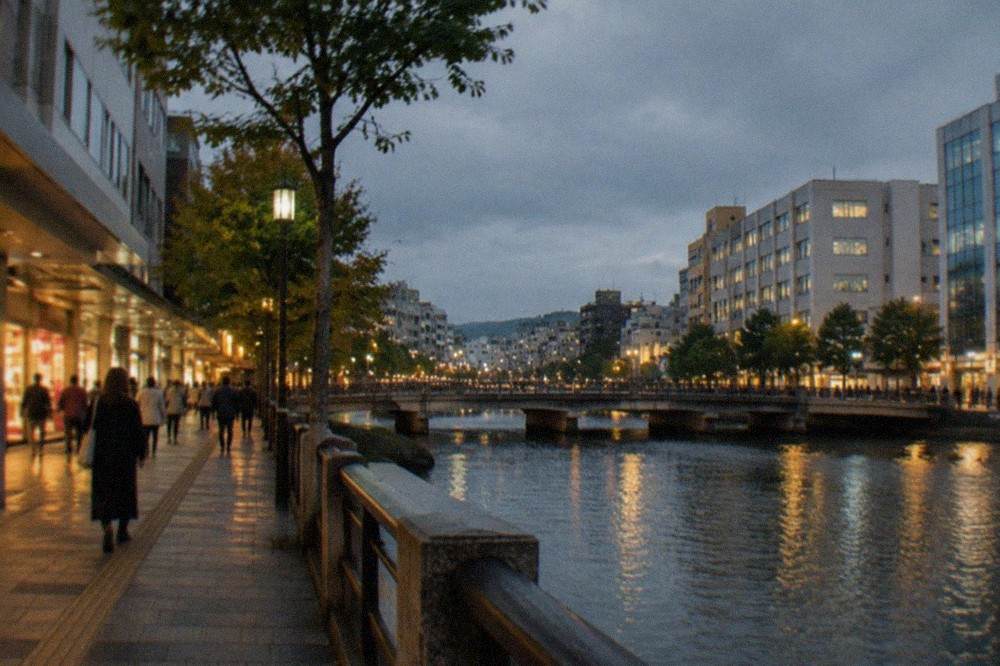
Nakasu deserves a paragraph of its own, because it is the third candidate and it is often overlooked. The entertainment district on the Naka River sandbar holds the city's most photogenic yatai row along Seiryu Park, the Nakasu nightlife core, and a stock of business hotels that are frequently the cheapest central beds in the city. It is one subway stop from Hakata Station and a short walk from Tenjin across the river, which makes it a genuine compromise base for a food-focused short stay. The trade-off is noise, and the Nakasu yatai street guide explains the evening rhythm so you know what you are signing up for.
Where Should You Stay for Parks, Bay Views and a Quieter Trip?
For a calmer stay, book west of Tenjin around Ohori Park or the Ohori Akasaka district, or out at Momochi on the bay. Ohori puts a large park and two art museums at your door, Momochi gives you the beach and Fukuoka Tower, and both sit on the same subway airport line as Hakata Station, roughly a ¥260 to ¥300 fare from the station. The cost is evening life: both districts go quiet after dark.
The Ohori area is the grown-up choice. The park itself is free and open, the Japanese Garden inside it charges ¥250 for adults with children under six free, and both the Fukuoka Art Museum and the Fukuoka Asian Art Museum sit on or beside the park, with collection admission of ¥200 for adults and free entry for junior high age and under. The Ohori Park guide covers the full loop. Momochi, further west on the bay, trades the park for the seaside: the Momochi Seaside Park, Fukuoka Tower at ¥1,000 for adults, and the beach. Fukuoka Tower closes for its annual maintenance on 28 and 29 June 2027, worth knowing if a summer trip is planned.
Neither district suits a first visit built around day trips, because both add a transfer to every departure from Hakata. But for a second visit, a stay with children, or a trip timed to the November Kyushu Basho sumo tournament at the Fukuoka Kokusai Center, the quieter west end is a legitimate answer to this page's question.
What Do Fares and Passes Mean for Your Choice of Area?
Transit costs are low enough that they should not decide your district, but they can sharpen it. The subway charges ¥210 to ¥380 by distance zone, a one day subway pass costs ¥640, and the Nishitetsu one day bus pass costs ¥1,200, so even a stay based in the west end adds only a few hundred yen per journey. Overseas visitors on a short stay visa can buy the ¥2,500 Tourist City Pass with a passport check.
The official fare table from the city subway, published at the Fukuoka City Subway fare page, sets six distance zones. Here is the full table, because it is the same for every traveller in the city and it is the number most guides round off.
| Zone | Distance | Adult fare | Child fare |
|---|---|---|---|
| 1 | up to 3 km | ¥210 | ¥110 |
| 2 | 3 to 7 km | ¥260 | ¥130 |
| 3 | 7 to 11 km | ¥300 | ¥150 |
| 4 | 11 to 15 km | ¥340 | ¥170 |
| 5 | 15 to 19 km | ¥360 | ¥180 |
| 6 | over 19 km | ¥380 | ¥190 |
Most journeys a visitor makes, Hakata to Nakasu, Hakata to Tenjin, Tenjin to Ohori, fall in zones 1 and 2, which is why the choice of area is about character rather than cost. The passes stack on top: the subway one day pass at ¥640 pays for itself after about three zone 2 rides, and the Tourist City Pass, sold at the airport and the Tenjin and Hakata customer centres and detailed at the official city pass page, covers subway, Nishitetsu trains and buses, some JR lines and ferries for one day. Note its restrictions: it is limited to overseas tourists on short stay visas, the passport is checked at purchase, and the Dazaifu version excludes the Tabito liner bus.
| Area | Best for | Main transit link | Typical fare from Hakata Station |
|---|---|---|---|
| Hakata Station area | First visits, day trips, Shinkansen arrivals | Subway airport line, JR, Nishitetsu bus terminal | at the station |
| Tenjin | Shopping, dining, bars, coffee | Subway airport line, Nishitetsu Omuta line | ¥210, zone 1 |
| Nakasu | Yatai, nightlife, budget central hotels | Subway Nakasu-Kawabata stop | ¥210, zone 1 |
| Ohori and Akasaka | Parks, museums, quieter stays | Subway airport line, Ohori Park stop | ¥260, zone 2 |
| Momochi | Beach, Fukuoka Tower, bay views | Subway airport line, Nishijuo or Tojinmachi | ¥260, zone 2 |
One honest caveat on the yatai, since Nakasu's stalls feature in so many booking decisions: the city's own ordinance requires every stall to display its prices visibly, and any dish priced on the day's market must show that day's actual price rather than a vague "market price" tag. The city counts about 100 stalls across Nakasu, Tenjin and Nagahama. Stalls are walk-in only and cannot be reserved, and rain or strong wind closes many of them, so a Nakasu base is a bet on the weather as much as on the location.
Common Questions About Where to Stay in Fukuoka
What Is The Best Area To Stay In Fukuoka?
The Hakata Station area is the best base for most visitors, because it is the city's main rail hub and every day trip and the airport subway line run through it. Tenjin is the better choice for shopping and nightlife, Nakasu for a food-focused short stay, and the Ohori and Momochi districts for quieter, longer visits.
Is Tenjin Or Hakata Better For A First Visit?
Hakata Station is better for a first visit, because the Shinkansen, the JR lines and the long distance buses all terminate there and the subway airport line stops at the station. Tenjin is one subway stop away for ¥210, so you can stay in Hakata and still spend your evenings in Tenjin.
Is Nakasu A Good Place To Stay?
Nakasu suits a short, food-focused stay. The district holds the city's most photogenic yatai row along the Naka River and some of the cheapest central hotel beds, but it is the nightlife core, so expect noise late into the night and a crowd on weekends.
How Far Is Fukuoka Airport From The City Centre?
Fukuoka Airport sits unusually close to the city centre on the subway's airport line, and the adult fare to Hakata Station is ¥260, within the official 3 to 7 km fare band. The airport is close enough that a taxi is a reasonable option for late arrivals, though no official page publishes a journey time in minutes.
Do I Need A Rail Pass If I Stay In Fukuoka City?
Not usually. Most journeys inside the city cost ¥210 to ¥300 by subway, and a ¥640 one day subway pass covers unlimited rides. Overseas tourists on a short stay visa can buy the ¥2,500 Tourist City Pass, which also includes Nishitetsu trains and buses and some ferries, with a passport check at purchase.
Where Should I Stay For The Sumo Tournament?
The November Kyushu Basho is held at the Fukuoka Kokusai Center in the west of the city centre, near Ohori Park and the Momochi side of town. Staying around Ohori or Akasaka puts you within a short subway ride of the venue, while Hakata and Tenjin are about ten minutes further east on the same line.