Yanagawa Day Trip
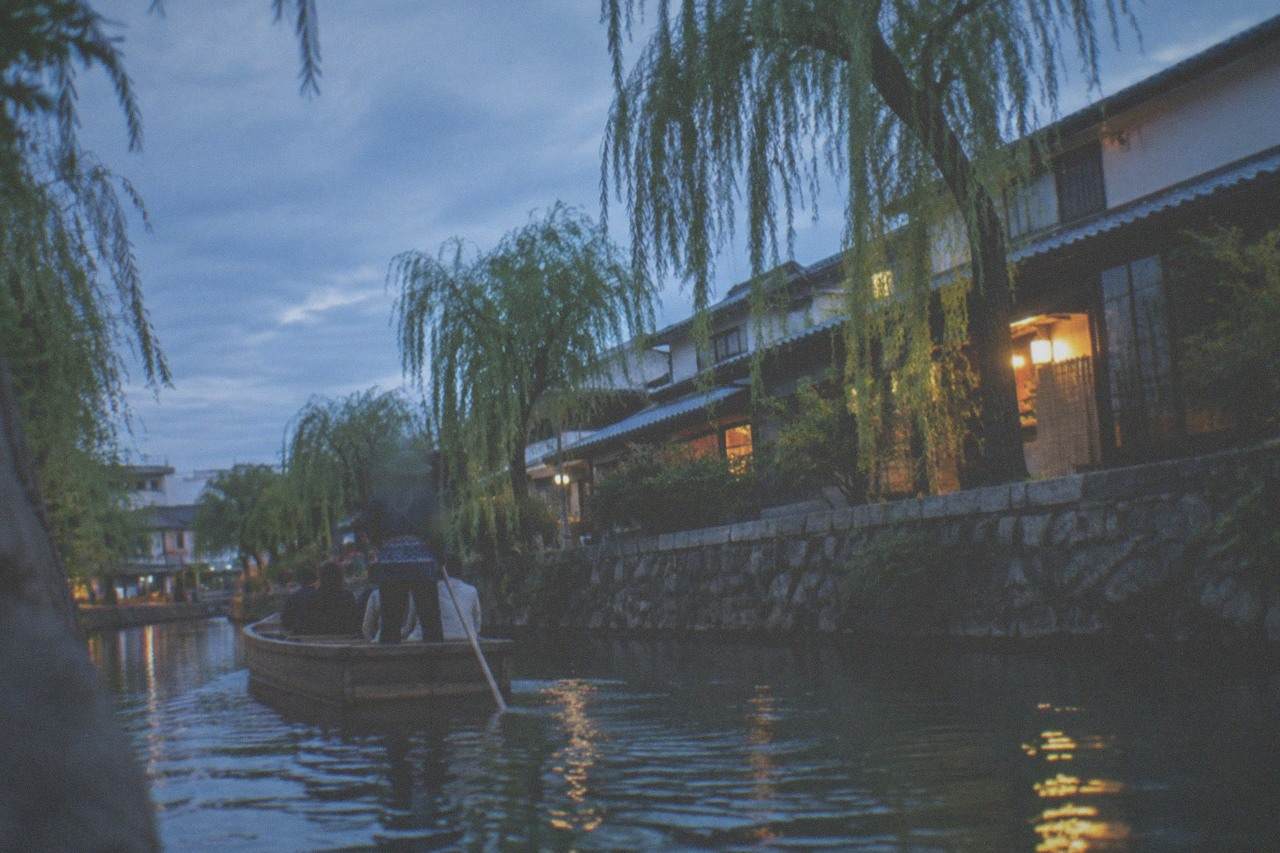
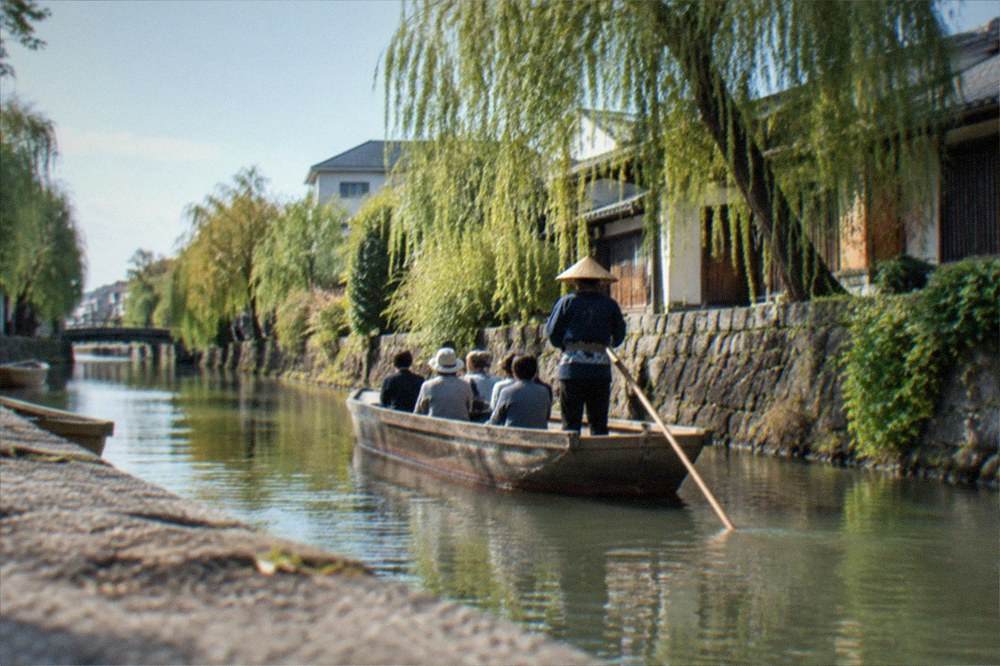
Yanagawa is a small castle town an hour south of Fukuoka where the old moats and canals still work, and the best way to see it is from the water, pushed along by a boatman with a bamboo pole.
Short answer
Yanagawa sits south of Fukuoka on the Nishitetsu line, reachable as a full day trip. Its donkobune canal punts carry you through 400-year-old moats under stone bridges while a boatman poles and sings, and the town adds strolling gardens, grilled eel lunches and a compact old castle-town core to fill the rest of the day.
Yanagawa is the day trip from Fukuoka that most visitors never hear about until they are already here. The town was built as a castle town in the early 17th century, and when the castle itself was dismantled in the Meiji era the water stayed: a 60-kilometre web of moats and drainage channels that still snakes through the residential streets today. Locals still use the canals to get around, and the town's signature experience, the donkobune, is a flat-bottomed punt pushed by a boatman with a bamboo pole, sliding under stone bridges so low that passengers duck. This guide lays out what the ride is actually like, how to get there, what else the town offers, and how to fold it into a wider Kyushu plan using Fukuoka Japan Travel Guide as your base.
Why Yanagawa Makes an Easy Day Trip from Fukuoka
Yanagawa works as a day trip because it is close, compact and completely different from Fukuoka in character. The train ride from Tenjin runs down the Nishitetsu Omuta line through flat rice country, the whole town is walkable once you arrive, and the canal network means the sightseeing happens at walking pace on the water rather than across a sprawl of separate ticketed sites. You can leave Fukuoka mid-morning and still fit a punt ride, a long eel lunch and a garden stroll before the last trains back.
The contrast is the point. Fukuoka is a city of 1.66 million people, growing faster than any other designated city in Japan, with a subway, a Shinkansen terminus and a food scene that runs late into the night. Yanagawa has none of that. It is a market town of a few tens of thousands of people where the loudest thing on a weekday morning is a boatman's folk song echoing off a stone retaining wall. That shift happens within about an hour of travel, which is rare: most of Kyushu's other historic destinations, Dazaifu excepted, demand either a longer ride or a tour bus.
It also fills a gap in the standard itinerary. First-time visitors usually pair the city with Dazaifu and its shrine approach, which is a half-day, and then look for a second, slower day out. Yanagawa is exactly that second day: unhurried, water-bound, and built around a single memorable activity rather than a checklist. If you are working from a three-day Fukuoka itinerary, slotting Yanagawa into day two or three keeps the pace varied.
One practical note shapes the whole day: the punt ride is weather-sensitive in a way a museum is not. The boats run on open water, and heavy rain or strong wind, both real possibilities in a city whose wettest month is July with 299.1 mm of rain on the 1991 to 2020 Japan Meteorological Agency normals, can suspend operations. Build a wet-weather fallback, even if it is just more time over lunch, and check the Fukuoka weather outlook the night before.
What Is a Donkobune Canal Punt Ride in Yanagawa Actually Like?
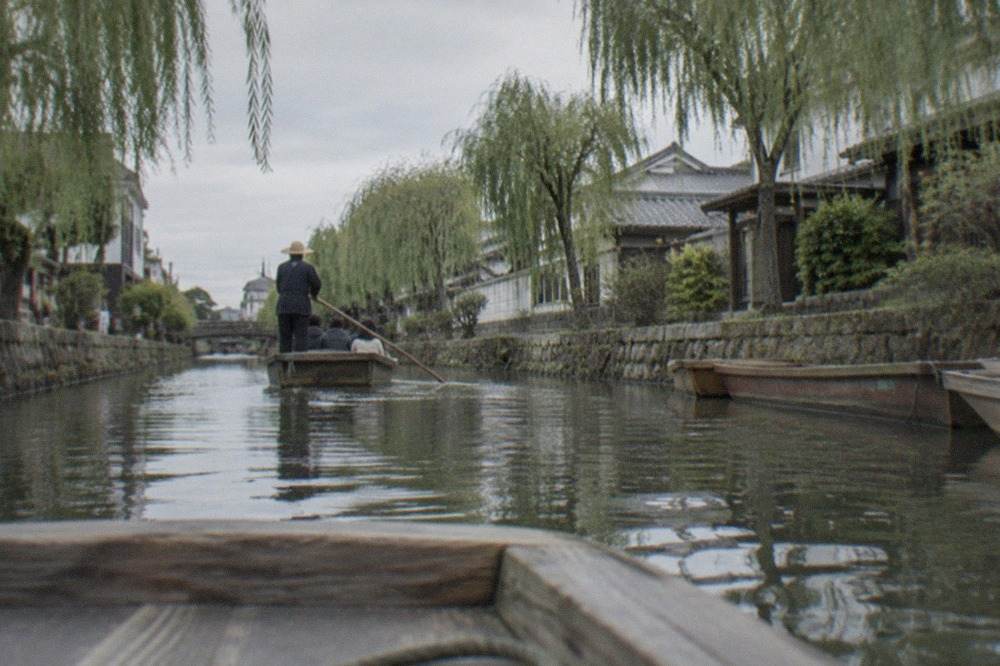
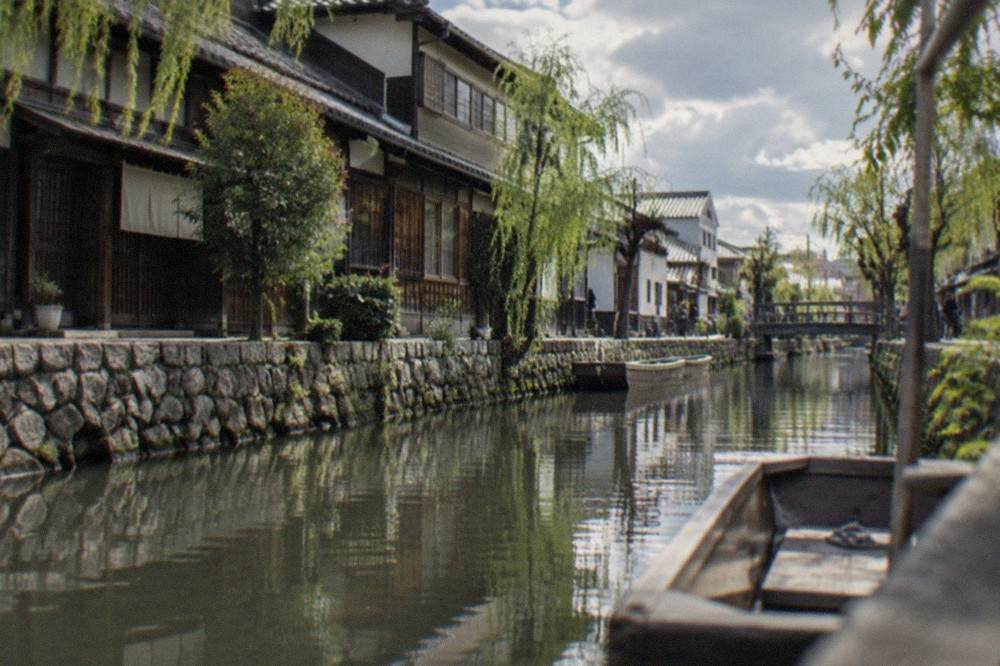
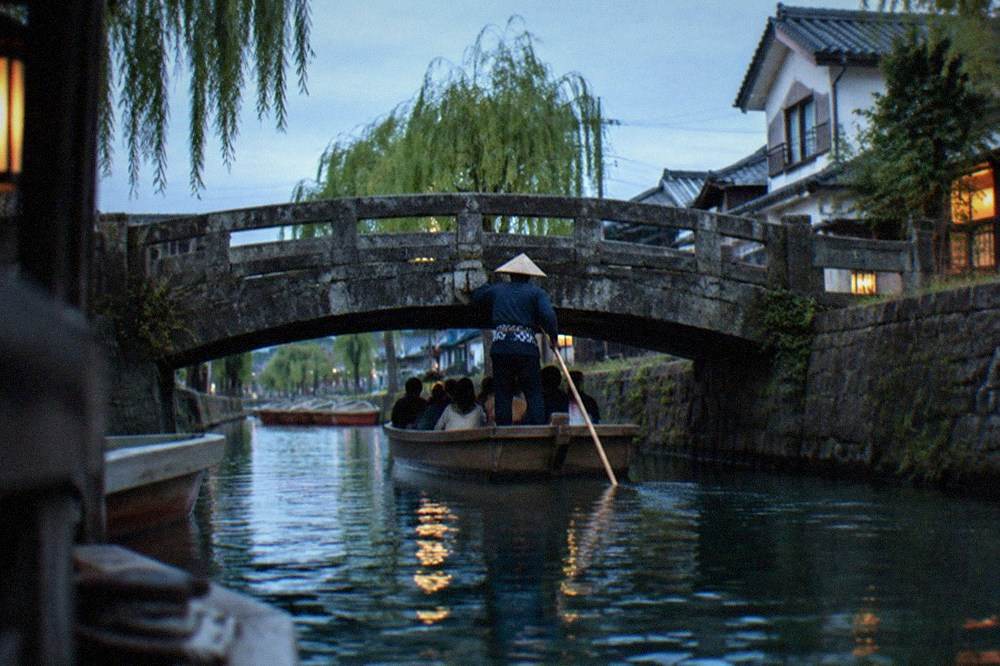
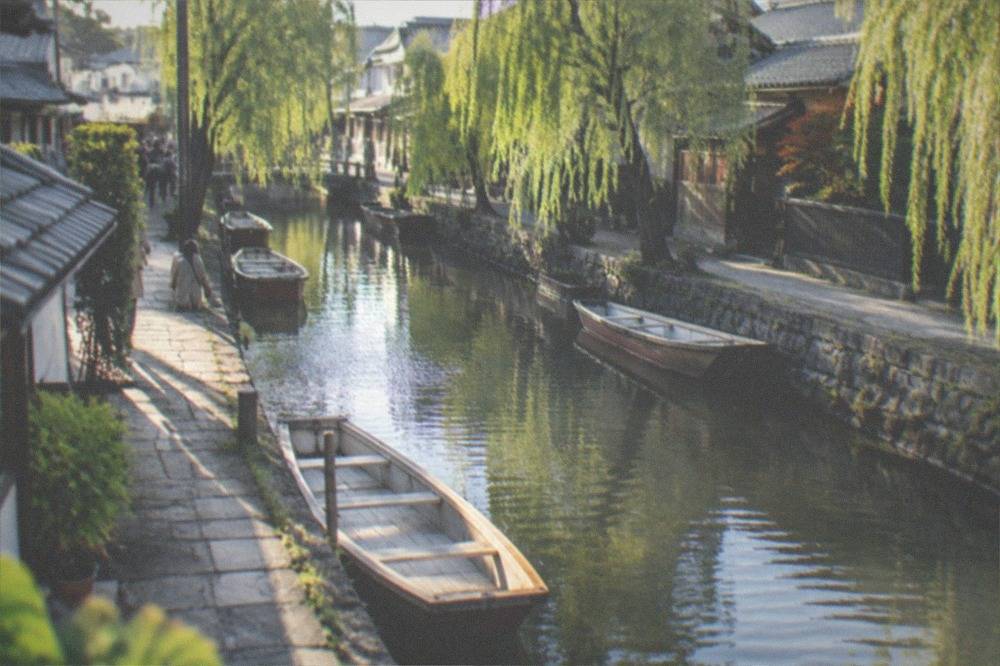
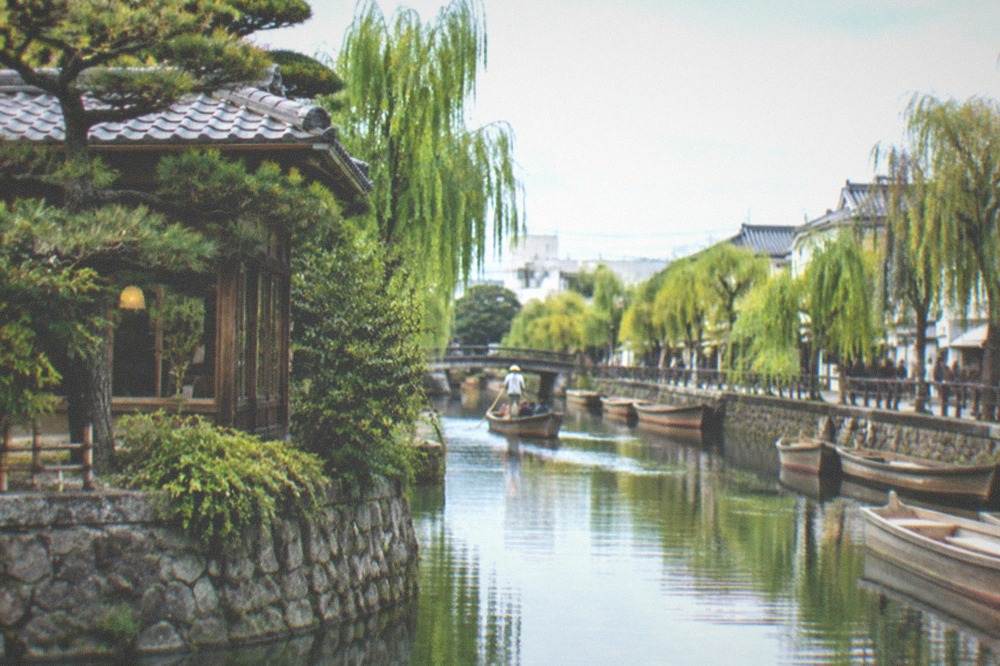
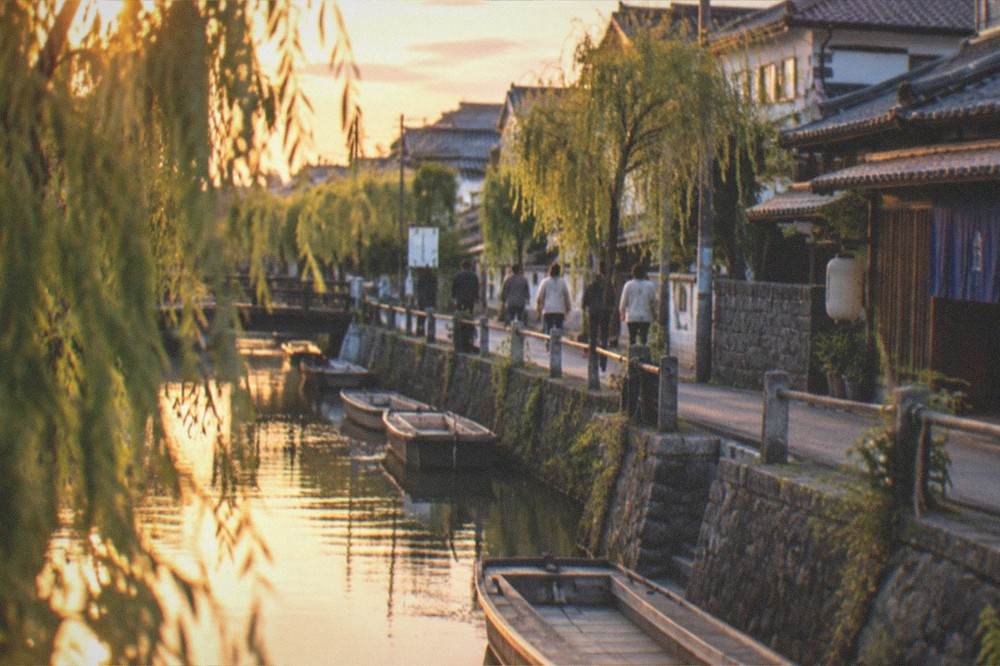
The ride is a slow, low, surprisingly funny hour on the water. A boatman stands at the stern and pushes a flat wooden punt with a bamboo pole along channels dug as castle moats in the early 17th century, steering under bridges with centimetres to spare. Passengers sit on tatami mats at floor level, duck when told to, and listen to the boatman sing Yanagawa's local folk songs as the town slides past: washing lines, garden walls, weeping willows and the backs of ordinary houses.
The mechanics matter more than you would expect. The donkobune is not a pleasure boat with a rail and a roof; it is a working shape, wide and flat, evolved for channels that are sometimes only a few metres wide. Sitting on the floor means your eye level is close to the water surface, which changes how the town looks: you see the stone bases of bridges, the moss lines on the walls, the ducks. The low bridges are the signature moment. The boatman calls out, everyone bends forward, and the punt scrapes quietly under a span of rock that has been there for four centuries.
The singing is not a performance put on for visitors, or at least it did not start as one. The songs are the boatmen's own work songs, and the punt trade descends from the people who used these boats for freight and ferry work. Different boatmen run different commentary, and some English is offered on some departures, but the experience does not depend on understanding every word. If you want the commentary in English and it matters to you, a guided tour that includes the ride solves it, and the roster has two options that pair Yanagawa's canals with the tea country inland.
The ride is one leg of a loop rather than a round trip: most passengers board at one dock and are walked back to the departure area through lanes at the end, so the walk is part of the ticket. Wear shoes you can slip off easily, because you take them off to step onto the tatami, and keep bags small. In the high season there can be a wait between boats, which is where a guide with a timed arrangement earns its fee.
Two honest caveats. First, the ride is the town's whole economy in a way that can feel staged in the busiest weeks, and the quietest, best version of it is a weekday morning in the shoulder season. Second, the canals are working drainage channels, so the water is not a postcard aquarium; what you are looking at is the town itself, its walls, its bridges and its back gardens, which is the entire point.
How to Get from Fukuoka to Yanagawa
The standard route is the Nishitetsu train from Tenjin, Fukuoka's downtown station, down the Omuta line toward Yanagawa, with a change of train along the way at an intermediate junction depending on the departure. It is a single-operator ride the whole way, no JR involved, and the journey is comfortably done as a morning-and-back day. If you would rather not read a Japanese timetable at all, two guided tours from the roster include Yanagawa's river boat in the itinerary.
The Nishitetsu line is the practical detail most guides skip. Fukuoka's main JR hub is Hakata Station, and there is no JR line to Yanagawa; the Nishitetsu network runs from a separate station in Tenjin, so you start from the downtown side rather than the Hakata side. Trains run down the same line that serves Dazaifu, so a very full day can technically pair the two, though doing both properly is a squeeze and most travellers should pick one. The fare is distance-based on Nishitetsu's own table; check the current figure at the Tenjin ticket machines rather than trusting a number printed in an older guide, because Nishitetsu revised fares in April 2026 and many pages still carry the old ones.
| Option | Journey shape | Best for | Watch out for |
|---|---|---|---|
| Nishitetsu train from Tenjin | One operator, one change of train en route | Independent travellers who want to set their own pace | Starts from Tenjin, not Hakata; check the fare at the machine |
| Guided coach tour with river boat | Hotel or station pickup, boat ride included in the itinerary | First-timers and anyone avoiding timetable planning | Fixed schedule; less time wandering on your own |
| Tea-country tour combining Yame and Yanagawa | Full day, two destinations | Visitors who want rural Kyushu, not just a boat | Long day, around nine and a half hours door to door |
| Rental car | Expressway south, then town parking | Families and photographers | Canal lanes are narrow; parking is limited near the docks |
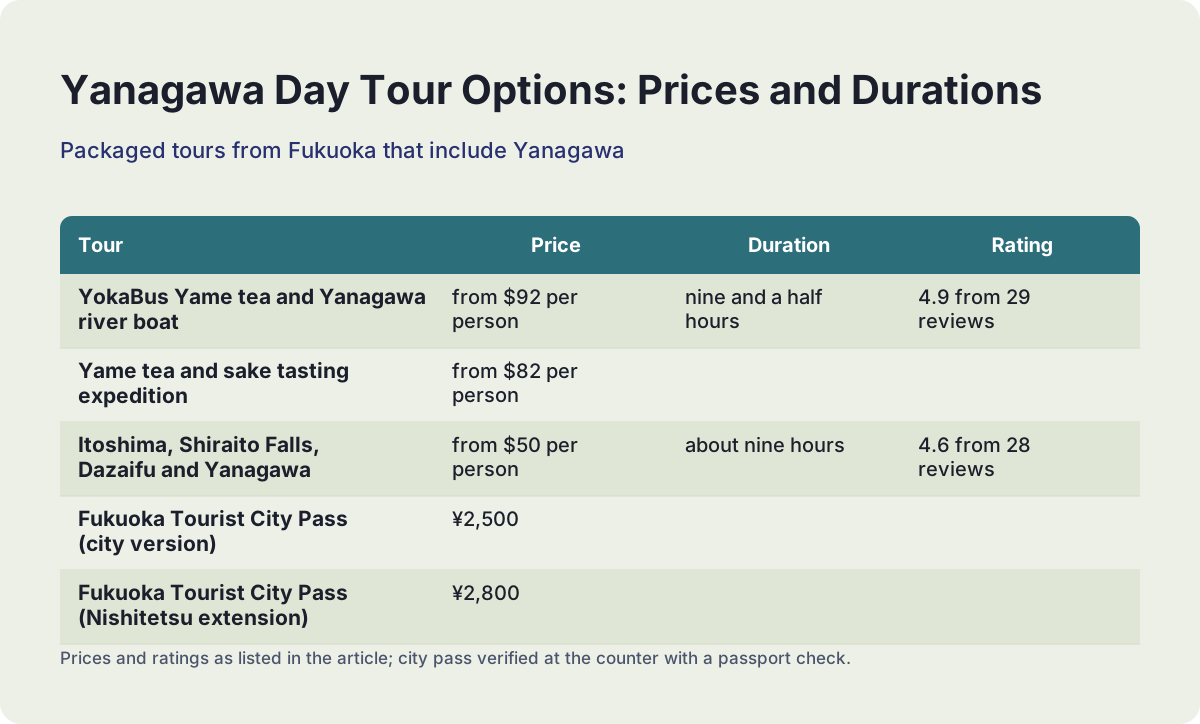
The two roster tours that reach Yanagawa by coach are worth knowing even if you plan to ride the train, because they tell you what a packaged day looks like. The multi-departure YokaBus tour pairs the Yame tea fields with the Yanagawa river boat, from $92 per person, rated 4.9 from 29 reviews, running nine and a half hours. The Yame tea and sake tasting expedition covers similar ground with a tasting focus, from $82 per person, rated 4.9 from 43 reviews, over about nine hours. Both are the easy answer if the transfer logistics sound like homework.
If you are staying in Fukuoka for a week and planning several day trips, it is worth knowing that the city's own tourist pass exists: the Fukuoka Tourist City Pass, verified at ¥2,500 for the city version and ¥2,800 for the version that extends down the Nishitetsu line to Dazaifu, sold only to overseas visitors on short-stay visas with a passport check at the counter, per the official pass page. It covers designated city transport sections; confirm at the counter whether your intended Nishitetsu stretch falls inside the covered zone before relying on it for Yanagawa.
What Else to Do in Yanagawa Beyond the Canals
Yanagawa has enough beyond the boat to fill a full day, and the three anchors are the Ohana villa and its garden, the birthplace of the poet Hakushu Kitahara, and the old castle-town lanes themselves. The Ohana estate was the residence of the Tachibana clan, the family that ruled the domain, and its Shotoen garden uses the moats as part of its design, with pines and stone arrangements reflected in still water.
The Shotoen garden is the one ticketed site that most resembles a conventional attraction, and it rewards the slow pace the town enforces anyway. Because the garden borrows the surrounding water as scenery, it photographs differently through the day, and the villa buildings give you a sense of how the samurai class here actually lived, close to the water they engineered. From there, the lanes do the rest: Yanagawa's street plan survives from the castle town, so aimless walking is genuinely productive, and the town's small museums and sake breweries are scattered through the same grid.
For food-anchored travellers, one roster tour stitches Yanagawa into a bigger Kyushu food day: the Itoshima, Shiraito Falls, Dazaifu and Yanagawa tour, from $50 per person, rated 4.6 from 28 reviews, running about nine hours. It moves fast and covers a lot of ground, which suits visitors who want a sampler of the region south and west of the city rather than a deep day in one town.
If you are building your own day rather than taking a tour, the honest advice is to resist adding a second destination. Yanagawa's pace is the attraction. Travellers who tack on Dazaifu or the Itoshima coast in the same day end up seeing neither place properly, and both are better as their own trips from the full day-trips overview.
Where to Eat in Yanagawa
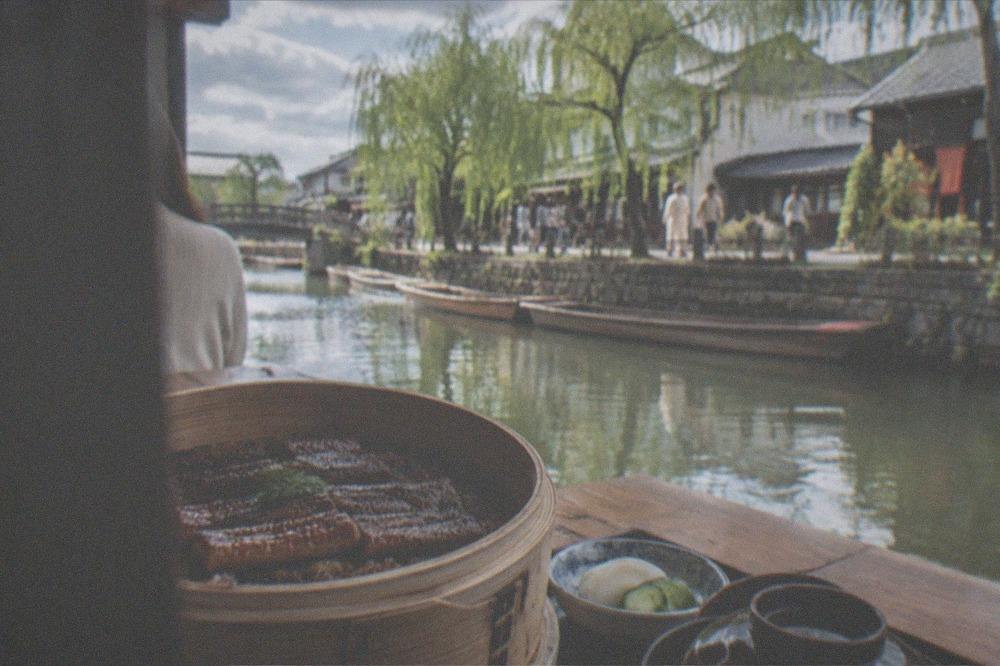
Yanagawa's signature dish is unagi no seiro-mushi, steamed eel over rice in a bamboo seiro, and the town is one of Japan's acknowledged centres for it. The eel is grilled, then steamed with the rice so the fat and sauce soak down through the grains, which makes it softer and less smoky than the Kanto-style grilled version. Dozens of restaurants around the canal district serve it, many in old townhouse buildings, and lunch is the meal that fits a day trip.
Seiro-mushi is not a snack; it is a sit-down, order-one-thing, eat-it-slowly lunch, and that suits the town. The restaurants cluster in the same walkable core as the docks, so the natural day is a morning punt ride followed by a long eel lunch, which is exactly the rhythm the town has been selling to visitors for generations. Book ahead if you are coming on a weekend or in the autumn leaf season, because the famous houses fill by noon.
Beyond eel, Yanagawa sits in a river and coastal plain, so the small restaurants serve sweetfish and other local freshwater and inland-sea fish, and the town has its own sake brewing tradition from the good rice-growing country around it. For a tasting-oriented day out of Fukuoka that stays in this same region, the Yame tea and sake expedition covers the inland side of the same prefectural landscape, from $82 per person with a 4.9 rating from 43 reviews.
| Food | What it is | Where to eat it |
|---|---|---|
| Unagi no seiro-mushi | Steamed eel over rice in a bamboo seiro, the town's signature | Canal-district eel restaurants, best at lunch |
| Sweetfish and river fish | Seasonal freshwater fish from the local rivers | Small izakaya around the old town |
| Local sake | Brewed from Chikugo plain rice | Town breweries and restaurant drink lists |
| Kawataro crab dishes | Cold-river crab, a local specialty served boiled | Traditional restaurants in the castle-town core |
One planning note: dinner in Yanagawa is thin on the ground for visitors, because the town's restaurants largely serve lunch to the tour traffic and close early. Plan to eat your big meal at midday and be back in Fukuoka for dinner, where the Nakasu nightlife and food district runs late and the evening itineraries pick up where Yanagawa leaves off.
Best Time of Year for a Yanagawa Day Trip
Spring and autumn are the best seasons for Yanagawa, and the boat ride is the reason. In late March and April the willows along the canals come into leaf and the town sits in its cherry blossom window, and from mid to late November the maples and ginkgos along the stone walls turn. The JMA normals for Fukuoka, the nearest reference station, show the practical trade: July is the wettest month at 299.1 mm, ahead of June's 249.6 mm despite June being the tsuyu rainy season.
The canal experience changes more with the season than most attractions do, because it is entirely outdoors and the scenery is the vegetation. The shoulder months also dodge the worst of the crowds: the boats run most densely through the spring holidays and the autumn leaf weeks, and a weekday in late April or early December can feel close to private. Winter is workable, the boats run with charcoal braziers and blankets on cold days, which is its own atmospheric experience, but the days are short and the last thing you want is to rush the eel lunch to catch a train.
| Season | Canal conditions | Considerations |
|---|---|---|
| Spring, late March to April | Fresh willow leaf, blossom season | Peak domestic tourism; book lunch ahead |
| Early summer, June | Lush, but tsuyu rain risk | Boats pause in heavy rain; have a flexible day |
| Midsummer, July to August | Full green, hottest water level period | July is statistically the wettest month; typhoon season runs roughly July to October |
| Autumn, mid-November to early December | Maples and ginkgos along the walls | Best colour and comfortable temperatures |
| Winter | Braziers and blankets on the boats | Short days; quiet town, early restaurant closures |
The typhoon note deserves one sentence of respect rather than alarm: typhoon season in northern Kyushu runs roughly July through October, and a day trip planned in that window should have a rain alternative in Fukuoka itself, where the rainy-day itinerary covers museums, malls and the underground city without wasting the day. The rainfall figures above come from the Japan Meteorological Agency's published normals for the Fukuoka station.
How Does Yanagawa Compare with Other Kyushu Day Trips?
Yanagawa is the calm, flat, water-level day trip in a region that otherwise sells mountains and gorges. Where Kumamoto gives you a castle and a volcano skyline, Beppu steaming hot springs and Takachiho a basalt gorge with a rowboat option, Yanagawa offers almost no elevation at all, and that is its niche. Travellers who want scenery and drama should head for the gorge trips; travellers who want history at walking pace should come here.
The boat comparison is worth making honestly, because several Kyushu day trips involve water. Takachiho Gorge's rowboats put you on a river between 80-metre cliffs with a waterfall in front of you; Yanagawa's punts put you in a town's living drainage network with laundry overhead. They are not substitutes. The gorge is the photograph, Yanagawa is the afternoon. The most popular Takachiho-and-Aso coach tour from the roster, from $48 per person, rated 4.7 from 674 reviews, runs about ten hours and is the natural rival for the same day in your itinerary, so choose by temperament rather than by rating alone.
| Day trip | Character | Travel demand | Best for |
|---|---|---|---|
| Yanagawa | Castle-town canals, eel lunch, flat walking | Shortest, Nishitetsu from Tenjin | Slow days, families, food-led visitors |
| Dazaifu | Shrine approach, temple town, museums | Very short, same rail line | First-timers, half-day plans |
| Beppu and Yufuin | Hot springs, steam vents, onsen towns | Long day, coach recommended | Onsen and scenery seekers |
| Takachiho Gorge and Aso | Gorge rowboats, volcano grasslands | Longest day, ten hours plus | Dramatic scenery, photographers |
| Itoshima | Coastline, cafes, beaches | Medium, car or tour | Summer coast days |
A Sample One-Day Yanagawa Itinerary
A comfortable independent plan is: leave Tenjin mid-morning, arrive Yanagawa before noon, take the first available punt ride, have a long seiro-mushi lunch at a canal-district restaurant, spend the afternoon at the Ohana villa garden and the Hakushu birthplace, and catch a late-afternoon train back for dinner in Fukuoka. That fills six to seven hours in the town without rushing, and it front-loads the boat ride so a weather closure still leaves lunch and the gardens salvageable.
The order matters more than it looks. Riding the punt first means the rest of the day is spent recognising what you saw from the water, the walls and bridges make sense as a connected system, and if the boats stop for weather later in the day you have already done the thing you came for. Lunch after the ride, not before, because the eel houses are at their best from midday and a morning boat beats a morning queue.
| Time | Plan |
|---|---|
| Morning, mid-morning departure | Nishitetsu train from Tenjin, change en route |
| Around noon | Arrive, walk to the dock, take a punt ride |
| Early afternoon | Seiro-mushi lunch at a canal-district eel restaurant |
| Mid afternoon | Ohana villa and Shotoen garden, then Hakushu birthplace |
| Late afternoon | Tea or a stroll through the castle-town lanes, train back |
| Evening | Dinner back in Fukuoka; the town's kitchens close early |
If the day runs long and you would rather finish with a night out than an early train, the Fukuoka night itinerary picks up exactly where this one ends, from the yatai stalls through the Nakasu riverside. And if Yanagawa whets your appetite for the rest of the prefecture, the wider Kyushu day-trip index covers everything from Saga to Nagasaki.
Common Questions About a Yanagawa Day Trip
What Is A Donkobune Canal Punt Ride In Yanagawa Actually Like?
It is a slow, low, roughly hour-long ride on a flat wooden punt pushed by a boatman with a bamboo pole, through the old castle moats of the town. Passengers sit on tatami mats, duck under low stone bridges, and listen to the boatman's folk songs as ordinary residential Yanagawa slides past. It is scenic and funny rather than thrilling, and children tend to love the ducking.
How do I get from Fukuoka to Yanagawa?
Take the Nishitetsu train from Tenjin station, not Hakata, down the Omuta line toward Yanagawa, changing trains en route. There is no JR line to Yanagawa. Check the fare at the Tenjin ticket machines, as Nishitetsu revised fares in April 2026 and older guides carry stale figures.
Can I visit Yanagawa and Dazaifu on the same day?
It is possible because both sit on the Nishitetsu network, but it is a squeeze and most travellers enjoy neither place when rushing both. Dazaifu is a half-day and Yanagawa wants a full unhurried one, so pick one, or save Dazaifu for a separate morning.
Do the Yanagawa boats run in the rain?
Heavy rain and strong wind suspend the punts, since they run on open water. The boats do run in drizzle with umbrellas and covers. In midsummer, remember that July is statistically Fukuoka's wettest month at 299.1 mm on the 1991 to 2020 normals, wetter even than the June rainy season, so have a fallback plan.
Is Yanagawa worth it without a guided tour?
Yes. The town is compact, the boat docks and eel restaurants cluster in one walkable core, and the train connection is a single operator with one change. A guided coach tour mainly buys you timetable-free logistics and English commentary on the boat, which matters more for first-time Japan travellers than for confident ones.
What should I eat in Yanagawa?
Unagi no seiro-mushi, steamed eel over rice in a bamboo seiro, is the town's signature dish and the reason many visitors come. Eat it as a long lunch at a canal-district restaurant, because the town's kitchens largely serve the midday trade and close early, and plan dinner back in Fukuoka.