Fukuoka in Three Days
Three days is the sweet spot for Fukuoka: two for the city itself, one for the Kyushu countryside beyond it.
Short answer
A first and second day cover Hakata's temples, Kushida Shrine, Ohori Park and the Nakasu yatai, all reachable on a ¥640 subway day pass. The third day adds Dazaifu or a full-day Kyushu trip such as Takachiho Gorge, from $48 per person with a 4.8 rating across 713 reviews, which is the reason most people add the extra day.
Fukuoka rewards the third day more than most Japanese cities do. Two days will empty the city itself: the shrines and temples of Hakata, the castle ruins, Ohori Park, the yatai rows along the Naka River. The third day buys something else entirely, which is the rest of Kyushu. Dazaifu sits about thirty minutes away by train, and Takachiho Gorge, Beppu's hot springs and the Aso caldera are all reachable as full-day trips from Hakata Station. This itinerary spends two days in the city and one on a day trip, with every fare and admission price below drawn from official sources.
What Does a Third Day in Fukuoka Add?
A third day adds the countryside, the coast or the shrine city that two days cannot reach. Fukuoka's own sights sit inside a compact core between Hakata Station, Tenjin and Ohori Park, so a focused first and second day will clear them. What the city cannot hand you in two days is Dazaifu's approach lined with plum trees, the gorges and onsen towns of inland Kyushu, or the Itoshima coast. Two days in Fukuoka is enough for the city and three is enough for the region.
The split this itinerary follows is deliberate. Day one concentrates on Hakata ward, from Kushida Shrine to the yatai stalls of Nakasu. Day two crosses to the west side of the city for the castle ruins, Ohori Park and the museums along Ohori's shore. Day three leaves the city for Dazaifu or a bigger Kyushu loop.
That structure answers the question is 3 days enough for Fukuoka in practice. The city portion fits comfortably into two days because Hakata and Fukuoka are the same city, one continuous urban core, not two destinations you travel between. Hakata is the ward and the station name. Getting between the two halves takes minutes on the subway.
| Day | Base | Focus | Biggest single cost |
|---|---|---|---|
| Day 1 | Hakata ward | Kushida Shrine, Tochoji, Shofukuji, Nakasu yatai | Dinner at the stalls |
| Day 2 | Tenjin and Ohori | Fukuoka Castle ruins, Ohori Park, art museums, Daimyo | Ohori Japanese Garden ¥250 |
| Day 3 | Out of the city | Dazaifu, or a Kyushu day trip | Day tour from $48 per person |
One planning note that shapes everything: July is Fukuoka's wettest month, 299.1 mm against June's 249.6 mm in the Japan Meteorological Agency's 1991 to 2020 normals, despite June being the tsuyu rainy season. Neither month makes the city unvisitable, but pack for rain if your three days fall then, and keep an indoor option in reserve.
How Should You Spend Day One in Hakata?
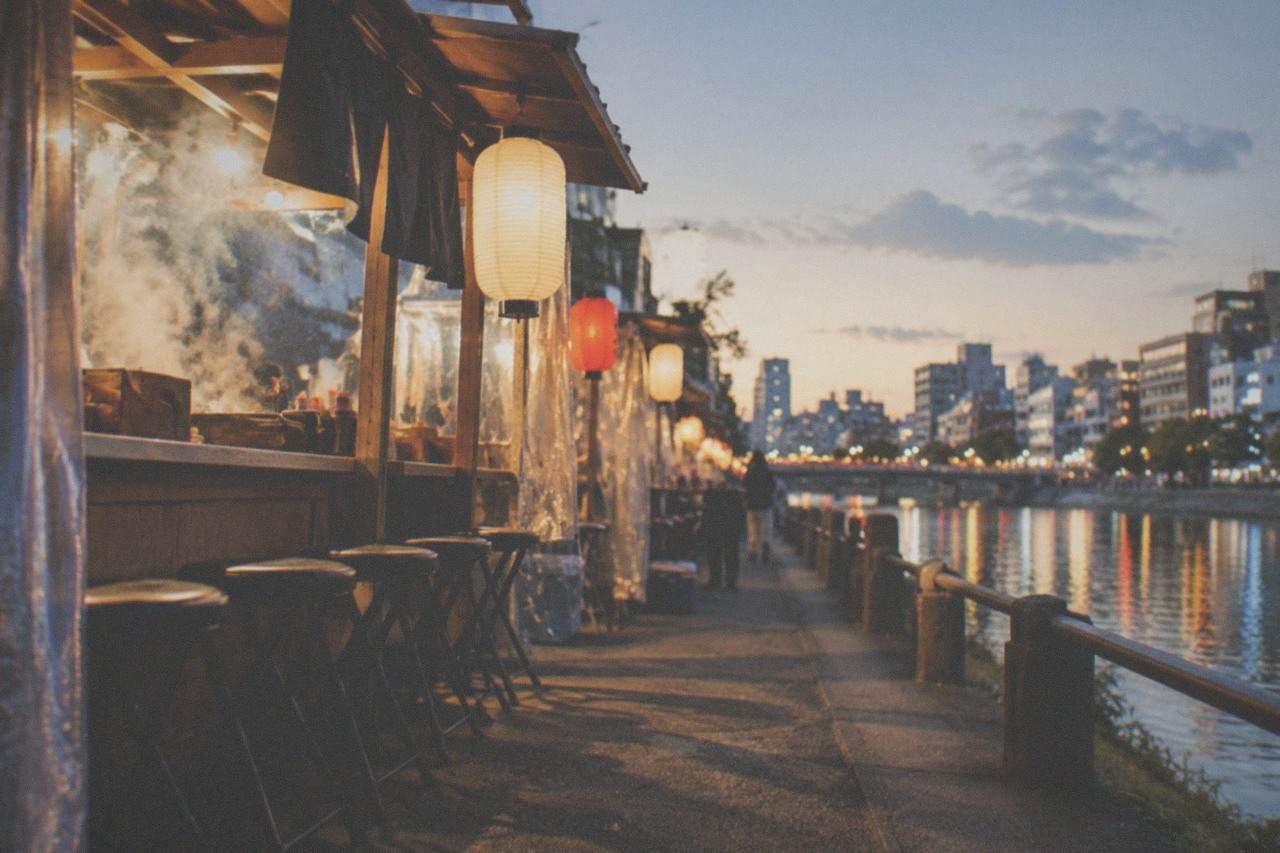
Day one stays inside Hakata ward and costs almost nothing in admission, because the best of it is free. Kushida Shrine's grounds, Tochoji with its great Buddha, and Shofukuji, Japan's first Zen temple, all admit visitors without charge. The day ends at the Nakasu yatai, where about 100 licensed stalls operate across the city, the largest number in Japan, and where a city ordinance requires every stall to display its prices openly.
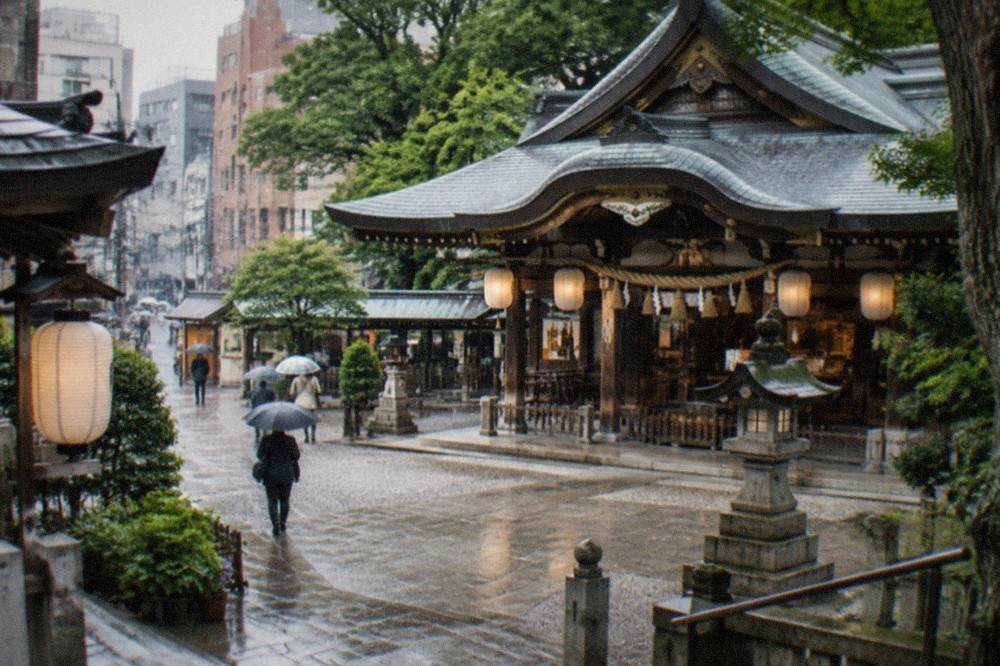
Start at Kushida Shrine, Hakata's guardian shrine and the spiritual home of the Hakata Gion Yamakasa festival each July. The grounds are free, and the festival floats on display give the July race a scale you can stand next to. The shrine's own promotion committee runs the festival's schedule, fixed by tradition across the first half of July. From Kushida it is a short walk to Tochoji temple, home to one of the largest seated Buddha statues in Japan, then to Shofukuji, founded at the end of the twelfth century, whose grounds are always open though the interiors generally are not.
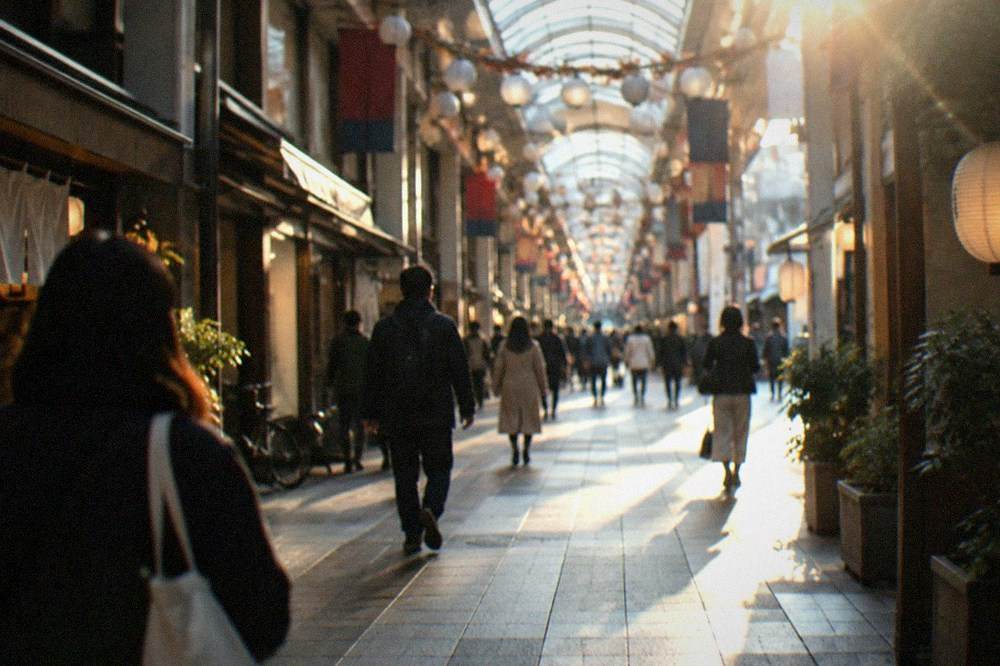
Lunch belongs in Hakata ward: tonkotsu ramen in its birthplace, or motsunabe, the offal hot pot Fukuoka treats as its own. Both are cheap, filling and everywhere within a few blocks of the station. Kawabata Shopping Arcade, running from near Kushida toward the river, stitches the afternoon together with old shops and mentaiko sellers, and the Hakata old town blocks around it hold the Machiya Folk Museum if the weather turns.
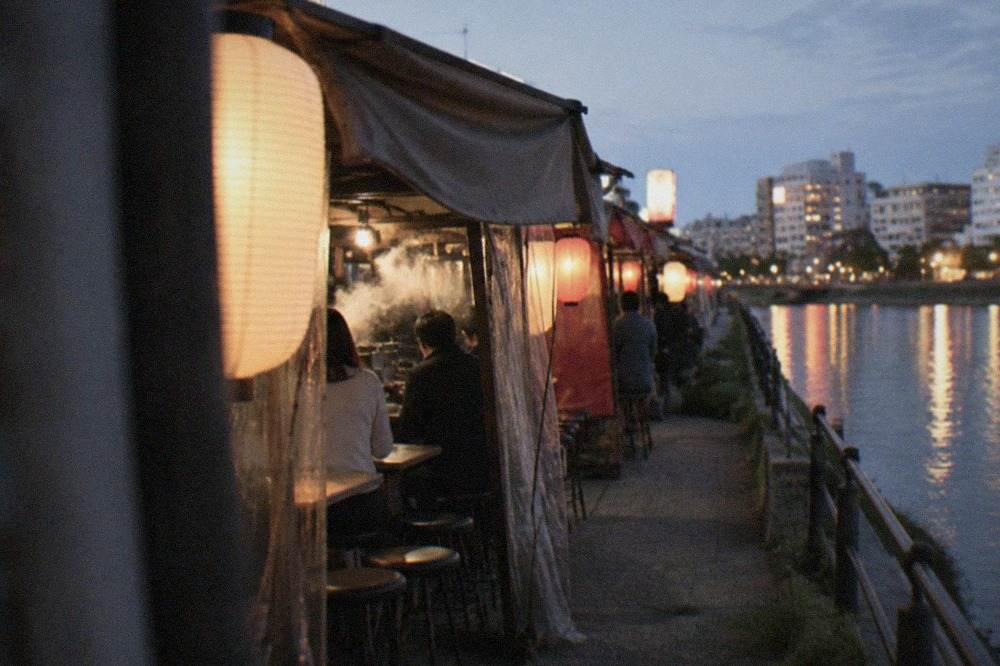
The evening is the reason day one stays in Hakata. Nakasu's yatai row along the Naka River is the postcard version of Fukuoka street food: one counter, a handful of stools, ramen or yakitori cooked in front of you. The city's yatai ordinance bans 時価, "market price", pricing, so a stall must post what each dish costs, and the number you see is the number you pay. City inspectors check periodically. Stalls open from around 18:00 and close in the small hours, and rain or strong wind shuts many of them, so treat a rainy forecast as a signal to move dinner indoors. Cash still rules at most stalls, though some now take cards.
Two honest cautions. A yatai is a walk-in affair; you cannot book a stool, and nobody should tell you otherwise. If you want the stalls with a guide who translates the menu and the etiquette, there are guided yatai crawls, and those are the only bookable version.
What About Day Two: Tenjin, the Castle Ruins and Ohori Park?
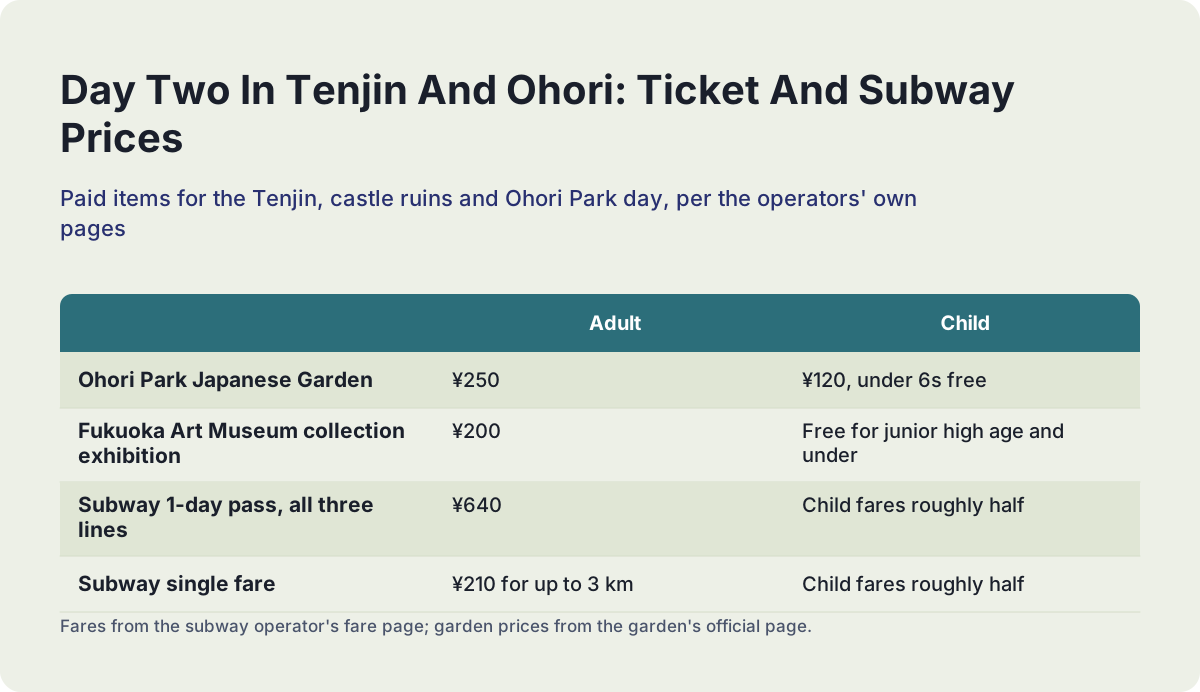
Day two moves west, across the subway's three lines, and pairs Fukuoka's castle ruins with Ohori Park and the city's two art museums. The Ohori Park Japanese Garden charges ¥250 for adults and ¥120 for children, under 6s free, while the castle park and Ohori Park itself cost nothing. The Fukuoka Art Museum's collection exhibition is ¥200, and both museums are free for junior high age and under.
The subway's official fare table runs from ¥210 for up to 3 km to ¥380 beyond 19 km, with child fares roughly half, per the operator's own fare page. A 1-day pass covering all three lines costs ¥640 for an adult, and it also carries discounts at partner facilities on the day of use. If day two involves more than a few single rides across the city, the pass pays for itself. The Fukuoka subway is the backbone of any city day, and the Hakata station area and Tenjin are its two natural anchors.
Fukuoka Castle's ruins in Maizuru Park are free, with one time-limited exception: the Tenshudai, the main keep base, is closed to entry from 26 May 2026 until the end of December 2026 for an archaeological excavation announced by the castle's own site. The dig exists because a document found in December 2024 describes a keep that may never have been built, and the city has tripled the excavation area to find out. Everything else in the park stays open. The castle grounds are also one of the city's best sakura spots, roughly a thousand trees, if your three days fall in late March or early April.
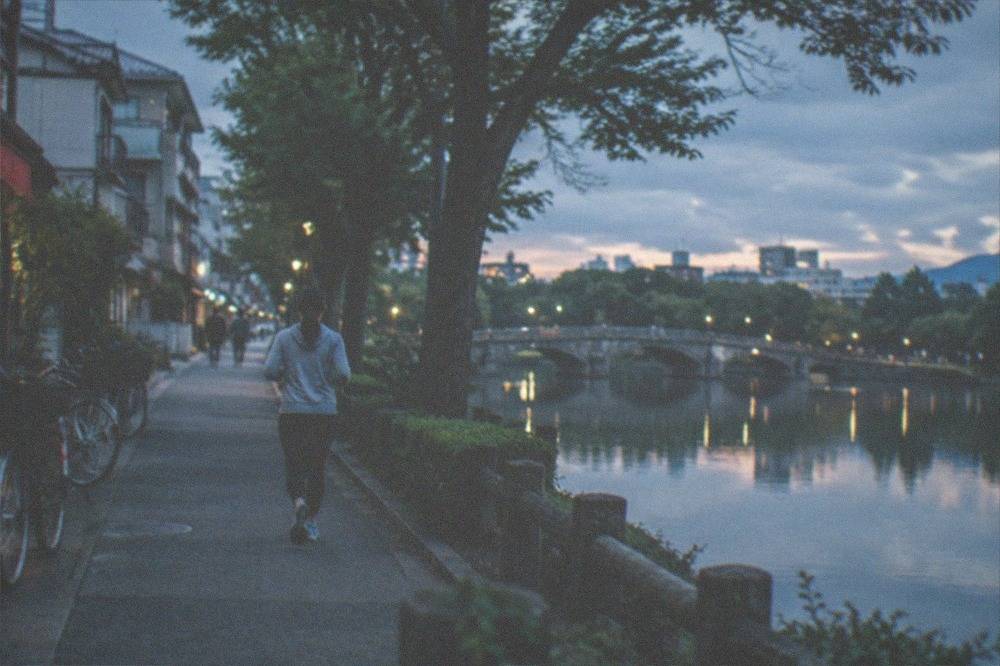
Ohori Park, a former castle moat turned into a pond park, is a kilometre or so west and free to walk. The Japanese Garden on its shore is the one paid element, ¥250 adult and ¥120 child on the garden's official page, and it closes earlier than the park: last entry 17:45 in the May to September season and 16:45 from October to April. The Fukuoka Art Museum and the Asian Art Museum sit within the same short walk. The Asian Art Museum's building is free to enter; only the Asia Gallery charges, ¥200 general, and its collection holds about 5,000 works from 23 countries and regions.
The evening belongs to Daimyo, the restaurant and bar district behind Tenjin, or to a second run at a yatai row you did not finish. If you want the evening solved for you, the food crawl itinerary sequences Nakasu, Daimyo and the stalls into one route.
If a guided hand would help on either city day, there are well-reviewed options across formats and budgets.
The customized private day tour with a licensed guide, from $160 per person with a 4.9 rating across 71 reviews, is the format people book when they want a local to sequence the day and handle the Japanese. Shorter and cheaper walking formats exist too, including a two-hour private walk from $64 at 4.7 across 46 reviews. Whichever you choose, keep the evening free, because day two's dinner is its own event.
Where Should Day Three Go: Dazaifu, the Coast or Inland Kyushu?
Day three splits into three real choices: Dazaifu and Yanagawa to the south, the Itoshima coast to the west, or inland Kyushu for Takachiho Gorge, Aso or the Beppu hot springs. Dazaifu Tenmangu charges no entrance fee, per the shrine's own FAQ, and sits about thirty minutes from Tenjin on the Nishitetsu line with one transfer. The big Kyushu day tours run ten hours or more and start from $48 per person.
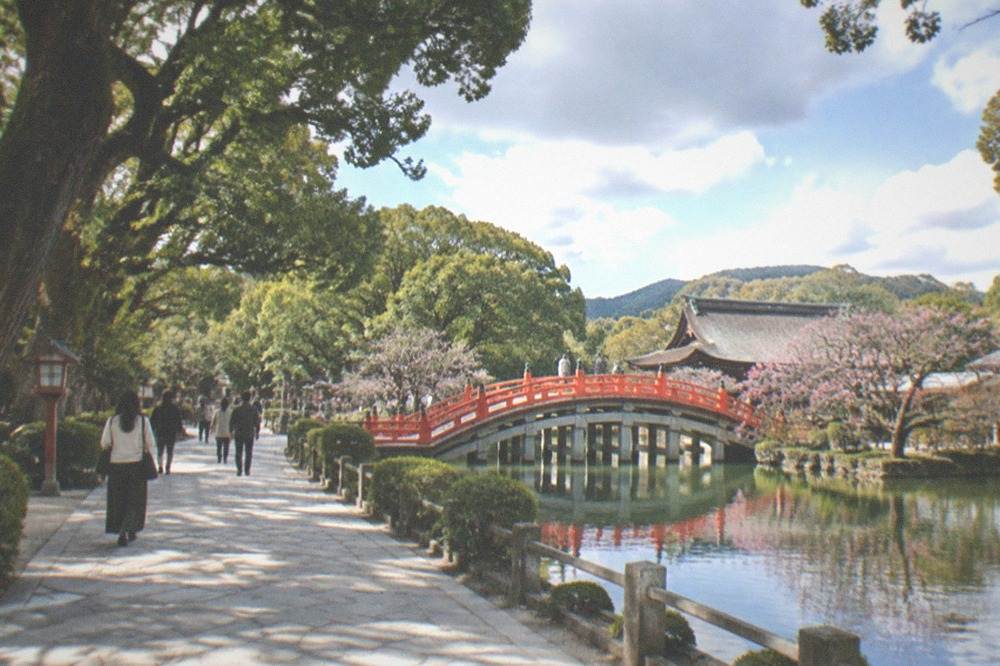
Dazaifu Tenmangu is the easy default and the cheapest third day. The shrine, dedicated to the god of learning, has no entrance fee, its grounds open from 6:00 or 6:30 depending on season and close between 18:30 and 19:30, all stated on the shrine's own frequently asked questions page. The approach is lined with shops selling Umegae mochi, grilled rice cakes with sweet bean paste, and the Kyushu National Museum sits uphill. The Dazaifu day trip guide covers the details.
The Fukuoka Tourist City Pass in its Dazaifu version, ¥2,800 for an adult with a passport check at the counter, covers subway, buses, trams and ferries for a day plus the trip out, though the Tabito liner bus to Dazaifu is excluded from it. The city-only version is ¥2,500. Both are restricted to overseas visitors on a short-stay visa, which is why most competing guides that still quote the old prices miss the point entirely.
The coastal alternative is Itoshima, the peninsula west of the city whose beaches, oyster shacks and Shiraito Falls fill the feeds of everyone who lives in Fukuoka. The Itoshima hidden gems day tour runs from $69 per person, 4.6 across 31 reviews, over eight and a half hours.
The inland choice is the one that most justifies a third day, because Takachiho Gorge and the Aso caldera cannot be done as a half-day trip from Fukuoka, whatever a headline claims. The gorge's columnar cliffs and the Amaterasu railway are a genuine full day out.
After that paragraph, the practical format comparison:
| Third-day option | Travel time each way | Typical format | Price anchor |
|---|---|---|---|
| Dazaifu and Yanagawa | About 30 min to Dazaifu | Train and boat, self-guided or tour | City pass ¥2,800 adult, passport checked |
| Itoshima coast | Under 1 hour by bus or tour | Guided day tour | From $69, 4.6 across 31 reviews |
| Takachiho Gorge and railway | Multi-hour, full day | Guided day tour with optional boat | From $48, 11 hours |
| Beppu and Yufuin | Full day | Guided day tour or rail | From $48 to $59 |
For the inland route, the Takachiho Gorge and Amaterasu Railway tour with optional boat is the strongest value on the roster: from $48 per person, 4.8 across 713 reviews, eleven hours door to door with a gorge boat ride you can add.
If you would rather someone else solve the whole third day, the Yufuin no Mori train and Dazaifu day tour, from $70 per person at 4.7 across 54 reviews, splits the difference between city and countryside, pairing the retro limited express train with the shrine city in eight hours.
Both of these, and the private licensed-guide format, run as small-group or private operations, and the strongest dates go first in cherry blossom season and in mid-November, when the gorge and the Dazaifu area both carry autumn colour. If your third day falls in either window, book the day tour before you book the flight.
How Much Should Three Days in Fukuoka Cost?
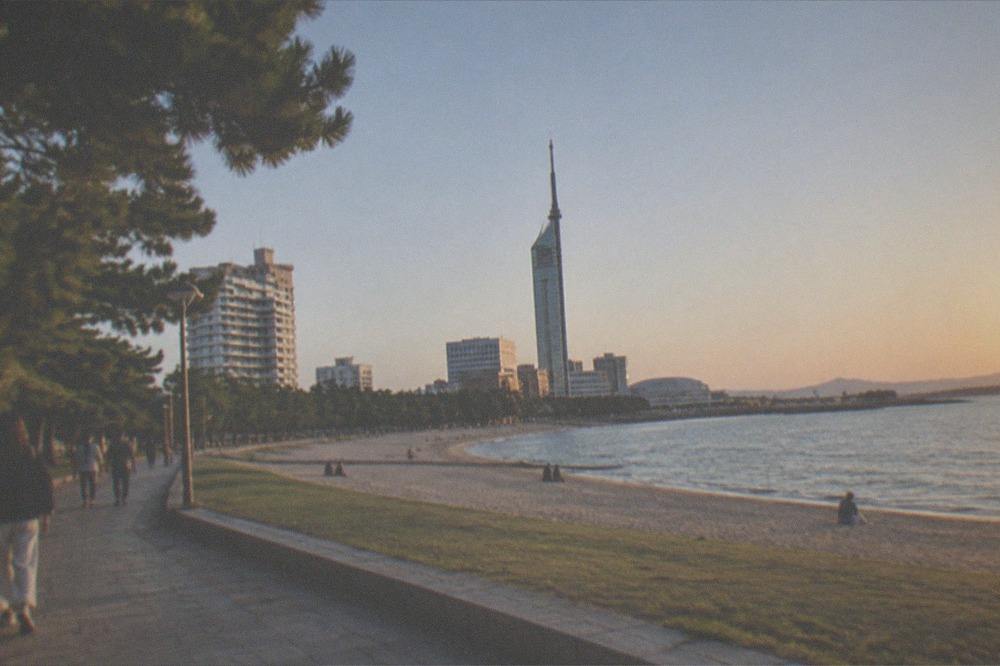
The city days are cheap because nearly every headline sight is free, and the biggest single admission inside the city is Fukuoka Tower at ¥1,000 for an adult. On the ground, expect transport, admission and food to add up modestly: a ¥640 subway day pass, free shrine and park entry, one paid garden or tower, and yatai dinners. The biggest variable is the day tour, from $48 to $160 per person depending on format.
The cheap base is real. Nearly every headline sight in the city is free: Kushida Shrine, Tochoji, Shofukuji, the castle ruins, Ohori Park itself, Dazaifu Tenmangu, and both art museum buildings, with the Asian Art Museum charging only for its Asia Gallery. Uminonakamichi Seaside Park on the bay side charges ¥450 for adults 15 and over, and its gate takes cash only, a detail worth knowing before you arrive.
A sample budget for one person, three days, mid-range spending:
| Item | Per day | Notes |
|---|---|---|
| Subway day pass | ¥640 | All three lines, sold at station machines |
| Admission, city sights | ¥0 to ¥1,250 | Garden, tower or both |
| Meals | Varies widely | Yatai dinner the main variable |
| Day three tour | From $48 | Optional, replaces transport and lunch planning |
| Tourist City Pass | ¥2,500 to ¥2,800 | Overseas short-stay visitors only, passport checked |
On food specifically, the yatai ordinance's price-display rule is your friend: every dish's price is posted, so a stall cannot surprise you with a market-price bill. Individual dish prices still vary stall to stall and the city publishes no average, so read the board before you sit. That transparency is the honest answer to the worry people bring to the stalls, and it comes from the ordinance itself rather than from a reviewer's impression.
If three days is not enough and four is on the table, the 4 day Fukuoka itinerary adds a second day trip; if two is your ceiling, the 2 day itinerary tells you what to cut. The budget itinerary keeps the same skeleton at a lower spend.
What If It Rains on One of Your Three Days?
Rain closes the yatai stalls, the beach days and the castle viewpoints, but it barely dents the itinerary, because Fukuoka's best rainy-day list is long and mostly free: the two art museums, teamLab Forest, the Hakata Machiya Folk Museum, the Asian Art Museum's galleries and Canal City Hakata are all indoors. The subway ties them together without you standing outside for more than a few minutes at a time.
The honest sequencing advice is to hold the day trip flexible and the city day fixed. A rainy forecast is easier to absorb in the city, where you can swap an outdoor block for the museums, than on a gorge or coast trip, where the whole day depends on the light. The full rainy day itinerary does the detailed work if you need it.
| Indoor option | Cost | Hours |
|---|---|---|
| Fukuoka Art Museum, collection | ¥200 | 9:30 to 17:30, closed Mondays |
| Asian Art Museum, Asia Gallery | ¥200 | 9:30 to 18:00, closed Wednesdays |
| teamLab Forest | From $27 | Timed ticket |
| Hakata Machiya Folk Museum | Fee applies | Roughly 10:00 to 18:00 |
| Canal City Hakata | Free | Shops 10:00 to 21:00, restaurants later |
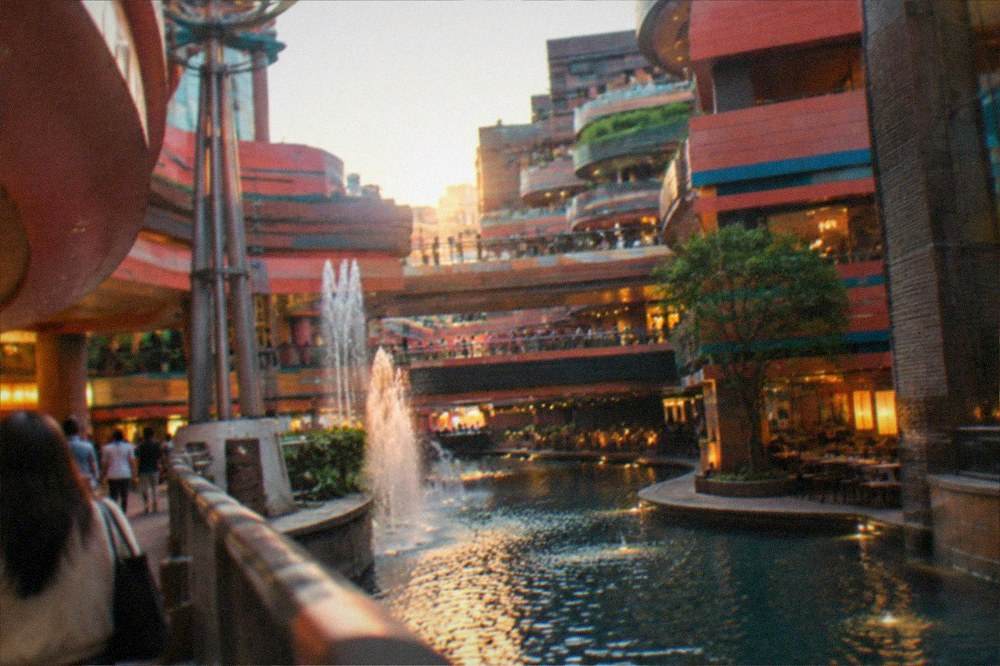
teamLab Forest's ticket starts at $27 per person, and its current rating is 3.8 from 14 reviews, so go for the art, not the review scores. The Canal City complex is open every day of the year, shops 10:00 to 21:00, and its fountain shows are under cover. A rainy day is also the day to move Fukuoka Tower into the plan: the observation deck is indoors, it runs to 22:00 with last admission at 21:30, and on a wet evening the city's lights are the show.
Common Questions About a Three Day Fukuoka Itinerary
What Does A Third Day In Fukuoka Add?
The countryside. Two days clear the city itself; the third buys Dazaifu, the Itoshima coast, or inland Kyushu: Takachiho Gorge, Aso, Beppu or Yufuin. Without the third day you see a good Japanese city. With it you see the reason Fukuoka works as a base.
Is three days enough for Fukuoka?
Yes for the city, and yes for one day trip. Two city days cover Hakata's temples, Ohori Park, the castle ruins, the museums and the yatai, and the third day reaches Dazaifu or inland Kyushu. A fourth day only helps if you want a second day trip.
How much is the subway from Fukuoka Airport to Hakata?
¥260 for an adult, in the official 3 to 7 km fare band. The airport is unusually close to the city centre, but no official English page verifies a journey time in minutes, so plan on a short ride rather than a promised number. There is no JR Fukuoka Station; the station is Hakata, and it is the same city.
Can you visit Dazaifu on a third day without a tour?
Yes, easily. The Nishitetsu line runs from Tenjin toward Dazaifu with one transfer, and the shrine charges no entrance fee. The Tourist City Pass Dazaifu version, ¥2,800 adult with a passport check, covers subway, buses and the trip for a day, though the Tabito liner bus is excluded.
What is the best month for a three day Fukuoka trip?
Late March and early April for the cherry blossoms, or mid to late November for autumn colour around Dazaifu and the parks. July is the wettest month at 299.1 mm, ahead of June's 249.6 mm, but July also carries the Hakata Gion Yamakasa festival, which some travellers plan the whole trip around.
Three days in Fukuoka is the version of the trip where nothing gets rushed. The city fits inside two unhurried days and the third day opens the rest of Kyushu, and that balance is what this Fukuoka Japan Travel Guide is built around. Pick your day trip early, keep a rainy-day block in reserve, and let the yatai handle the evenings.