One Night in Fukuoka
Fukuoka after dark is compact, walkable and built around food. This hour-by-hour itinerary strings together the yatai stalls, the Nakasu riverfront, the late-closing observation deck and the night cruise into one realistic evening.
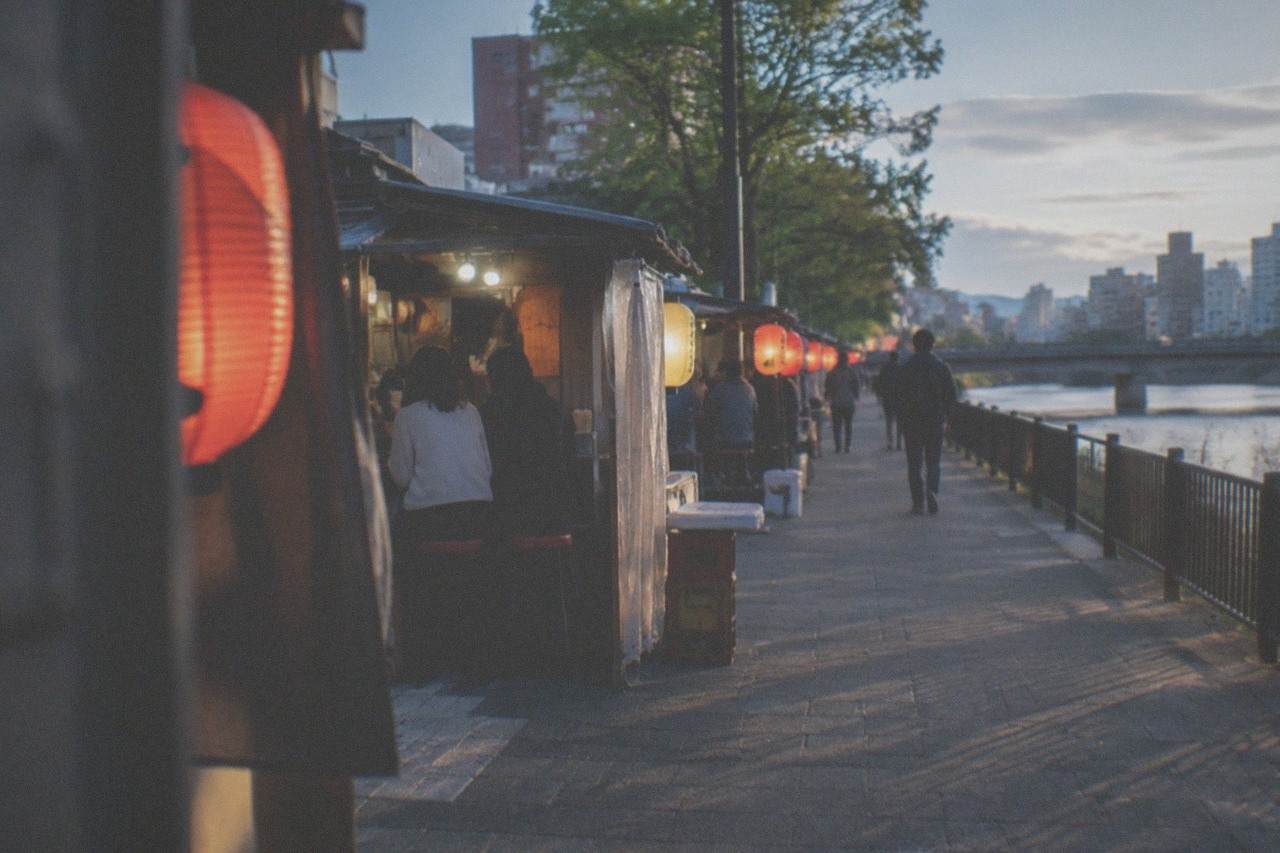
Short answer
One good night in Fukuoka runs from a yatai stall dinner around 18:00, through the Nakasu riverfront and Kushida Shrine grounds, to Fukuoka Tower's deck before its 21:30 last entry, ending with a night cruise or a final ramen stop. The subway runs until late, single fares are ¥210 to ¥380, and most of the evening happens within two kilometres of Hakata Station.
Fukuoka is one of the few Japanese cities where the evening genuinely belongs to the visitor. The food stalls cluster along the river, the observation deck stays open until 22:00, and the whole night-time geography folds into a corridor you can walk end to end between Hakata Station and Tenjin. About 100 licensed yatai operate across the city, more than anywhere else in Japan, and the city's own ordinance requires every stall to post its prices where you can read them before you sit down. That combination of density, transparency and walkability is what makes a single well-planned night here feel like a full day somewhere else.
What Does One Night in Fukuoka Actually Look Like, Hour by Hour?
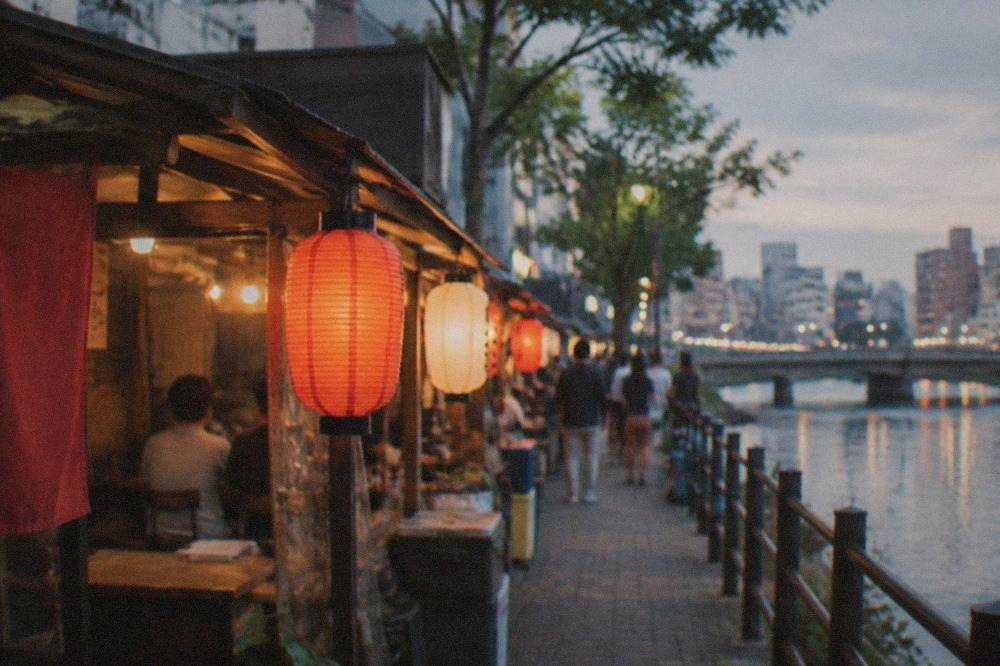
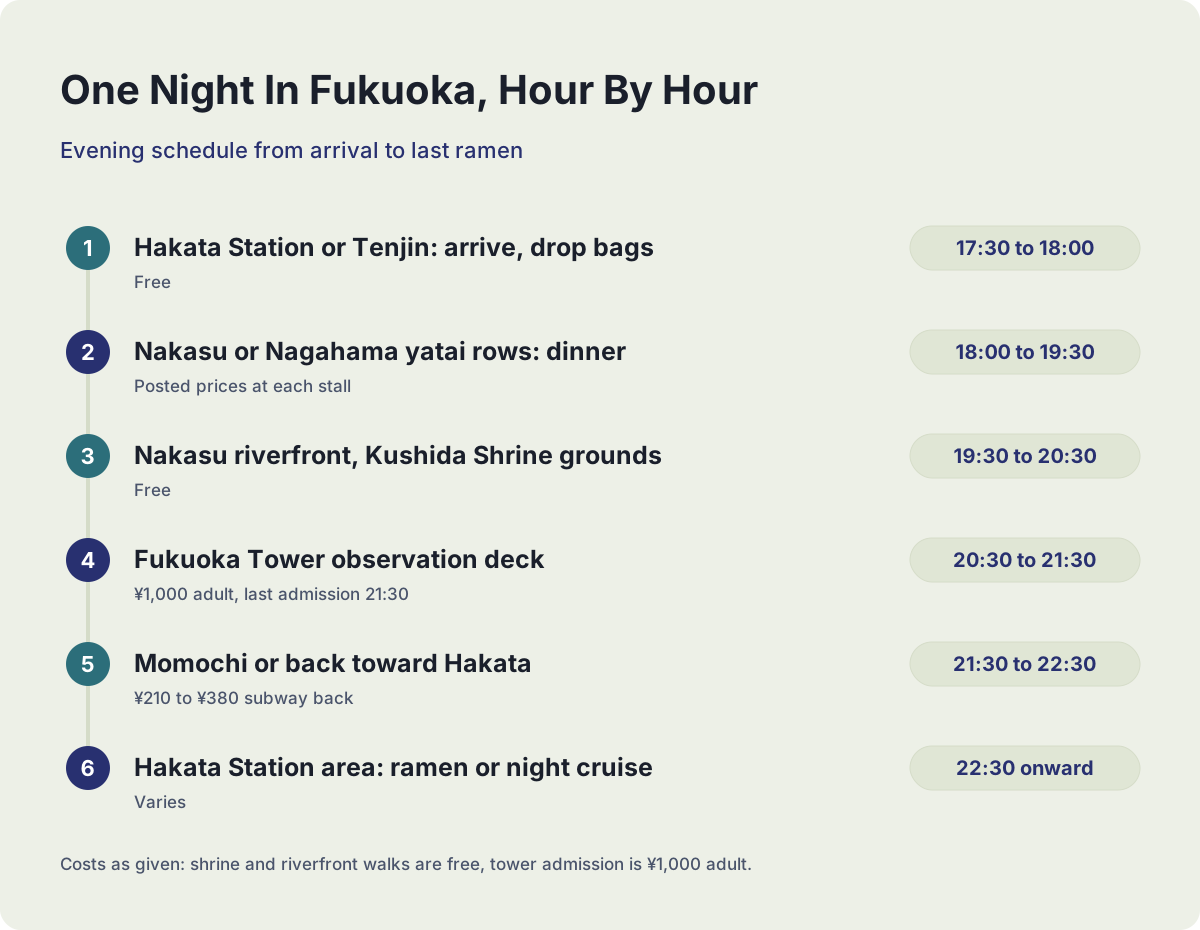
A realistic evening starts with a yatai or izakaya dinner from 18:00, moves to the Nakasu riverfront and the lantern-lit shrine lanes around 20:00, reaches Fukuoka Tower's observation deck before its 21:30 last admission, and finishes with either a night cruise on Hakata Bay or a final bowl of tonkotsu ramen near Hakata Station before the last subway. The whole route sits inside a two-kilometre strip, so no leg of the night takes more than a short walk or two subway stops. Prices are posted at the stalls, the tower costs ¥1,000 for an adult, and the subway fare between any two points on the route is between ¥210 and ¥380.
The skeleton below is the evening this page builds around. Treat the times as a rhythm rather than a timetable: the stalls open when the operators open them, and the tower's last entry is the only genuinely hard deadline in the night.
| Time | Where | What you are doing | Rough cost |
|---|---|---|---|
| 17:30 to 18:00 | Hakata Station or Tenjin | Arrive, drop bags if needed, walk toward the river | Free |
| 18:00 to 19:30 | Nakasu or Nagahama yatai rows | Dinner at a food stall, ramen or yakitori | Posted prices at each stall |
| 19:30 to 20:30 | Nakasu riverfront, Kushida Shrine grounds | Lantern-lit walk, riverside photos | Free |
| 20:30 to 21:30 | Fukuoka Tower | Observation deck, city and bay at night | ¥1,000 adult |
| 21:30 to 22:30 | Momochi or back toward Hakata | Bay-side stroll or subway back to the centre | ¥210 to ¥380 |
| 22:30 onward | Hakata Station area | Final ramen, izakaya nightcap, or a night cruise departure | Varies |
Two things shape the whole plan. First, Fukuoka's night is geographically small: Hakata, Nakasu and Tenjin sit side by side along the Naka River, and the tower is one direct subway ride from the centre. Second, the city's famous airport sits unusually close to the centre, which is why so many visitors can drop bags at a hotel and be at a stall within the hour. If you are arriving that evening rather than already in town, the airport-to-Hakata subway leg costs ¥260, and there is no JR Fukuoka Station to confuse matters: the station is Hakata, and Hakata is a ward of Fukuoka, not a separate city.
Where Should You Eat Dinner on a First Night in Fukuoka?
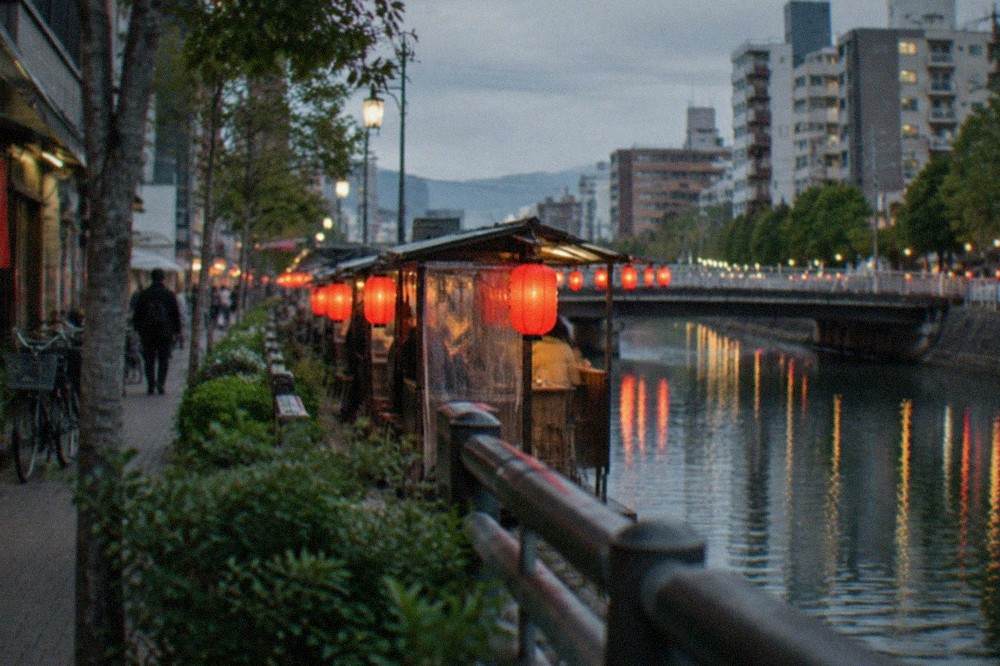
Start at a yatai, one of the roughly 100 licensed street-food stalls the city hosts, concentrated in Nakasu along the Naka River, in Tenjin and near Nagahama, and eat whatever the stall's posted menu tempts you with, most likely tonkotsu ramen, yakitori or oden. Seating is a handful of stools around a shared counter, the city's yatai ordinance requires prices to be displayed where customers can read them rather than left to "market price", and no booking is needed because the stalls take walk-ins only. A stall dinner is the single most Fukuoka thing you can do with your first evening, and it costs nothing to try beyond the dishes you order.
The stalls are not a museum piece, either. Fukuoka City runs a public recruitment system that lets new operators take over plots as older ones retire, which is what holds the count at about 100, and a sixth recruitment round covering 23 plots across Nakasu, Tenjin and Nagahama was run in 2026 for stalls operating from around April 2027. Rain and strong wind close many stalls on any given night, and each operator sets their own hours, so the honest advice is to walk the row, see what is lit up, and read the posted prices. The city's own yatai Q&A page states the count and the price-display rule plainly: the stall system is city-regulated.
What you order matters less than where you order it, but the row's signature dishes are worth knowing before you sit down. Tonkotsu ramen is the city's defining bowl, a milky pork-bone broth that the Nagahama row in particular built its reputation on. Yakitori, oden and grilled fish appear on most stall menus, and mentaiko, the spiced pollock roe Fukuoka exports to the rest of the country, turns up everywhere from small plates to toppings.
| Area | Atmosphere | What it is known for | Best for |
|---|---|---|---|
| Nakasu | Riverside, lantern-lit, the postcard row | Ramen, yakitori, the photogenic stretch along the Naka River | First-time visitors, couples, photographers |
| Tenjin | Scattered along office streets, after-work crowd | Variety, including newer "neo-yatai" concepts | Repeat visitors, solo diners |
| Nagahama | Near the old fish market, ramen-focused | Tonkotsu ramen in its original home territory | Ramen pilgrims, late eaters |
If the thought of reading a stall's menu in Japanese and squeezing onto a shared stool feels like hard work on night one, a guided stall crawl solves exactly that problem. The Nakasu food stall private guided tour with tastings runs about two hours from $94 per person, is rated 4.7 from 70 reviews, and walks you through the stalls with tastings included, which removes both the language friction and the guesswork about what to order. It is a private format, so the pace bends around your group rather than the other way around.
For travellers who want the dinner plus the after-dinner in one package, the evening tours category is worth a look before you commit to a self-guided plan. The Fukuoka evening tours covering yatai, izakaya and karaoke run three to four hours from $99 per person and are rated 5.0 from 29 reviews, folding the stalls, an izakaya and a karaoke room into a single guided evening. That rating comes from a small pool of 29 reviews, so treat it as a promising signal rather than a verdict.
For everyone else, the walk-in route works, and it works well. The three options below cover the main ways to spend the evening: a private local guide who builds the night around you, a boat-based evening on the water, and a guided night-views-and-local-life walk.
What Is There to Do in Fukuoka After Dinner?
After dinner the night splits into three reliable branches: the lantern-lit walk through Nakasu and the shrine lanes, the late-closing commercial side of Canal City Hakata, and the observation deck at Fukuoka Tower, which keeps its doors open until 22:00 with last admission at 21:30. All three are within a short subway ride or a walk of each other, and none of them needs a ticket bought in advance except the tower, where a ¥1,000 adult ticket can also be pre-purchased as an e-ticket from $7.
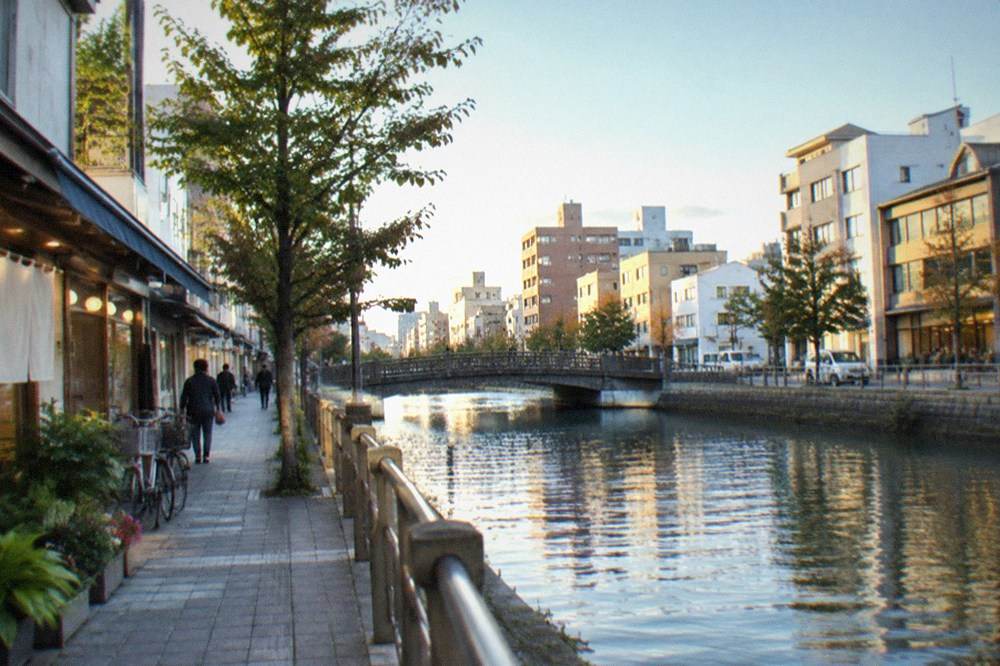
The post-dinner walk is the underrated one. Kushida Shrine sits a few minutes from the Nakasu stalls, and its grounds are free to enter; the shrine is the spiritual home of the Hakata Gion Yamakasa festival, whose climax every July 15 sends teams racing a roughly five-kilometre course with floats from 4:59 in the morning. Walking the shrine grounds at night, with the festival's grand float hall nearby, costs nothing and takes twenty minutes. The surrounding Hakata old town lanes, including the Kawabata Shopping Arcade, stay lit and open into the evening, and the arcade runs parallel to the river just behind the stall rows.
Canal City Hakata is the all-weather branch. The complex is free to enter, open every day of the year, with shops generally running 10:00 to 21:00 and restaurants 11:00 to 23:00, and its canal-side fountain shows run after dark. Because it is indoors, it is also the natural fallback on a rainy night, a point worth remembering in a city where July averages 299.1 mm of rain, more than any other month, including the June rainy season itself. That July figure, from the Japan Meteorological Agency's 1991 to 2020 normals for the Fukuoka station, is one of the city's genuinely counterintuitive facts, and it is why this itinerary keeps a covered option in its back pocket.
The tower is the branch with a deadline. Fukuoka Tower stands 234 metres tall with decks at 123, 120 and 116 metres, and it stays open until 22:00, last entry 21:30, though it may close earlier when busy. Admission is ¥1,000 for adults of high school age and above, ¥500 for elementary and junior high students, and ¥200 for children four and over. The view at night takes in the whole sweep of Hakata Bay and the city grid you have just been walking through, which is the payoff for timing your dinner early. The tower's own site publishes the full admission breakdown: the ticket tiers and hours are listed there.
| After-dinner option | Last practical start | Cost | Vibe |
|---|---|---|---|
| Nakasu riverfront and shrine lanes walk | Anytime before midnight | Free | Lanterns, river reflections, quiet shrine grounds |
| Canal City Hakata | Shops to 21:00, restaurants to 23:00 | Free entry | Bright, indoor, fountain shows |
| Fukuoka Tower observation deck | 21:30 last admission | ¥1,000 adult | Panoramic night view over the bay |
| teamLab Forest, in the mall beside the tower | Check the listing for the day's slots | From $27 per person, rated 3.8 from 14 reviews | Immersive digital art, good with kids |
One combination deserves special mention: the tower and teamLab Forest sit essentially together in the Momochi Seaside Park area, so a 20:00 tower visit pairs naturally with the immersive art space in the same complex. The teamLab Forest ticket starts at $27 per person and carries a 3.8 rating from 14 reviews, a modest pool and a middling score that reflects the venue's variable crowd levels more than the art itself, so go late on a weekday if you can.
If you would rather have a local shape the whole after-dinner stretch for you, the private walking option is the one to weigh. It runs two hours from $64 per person, rated 4.7 from 46 reviews, and because it is private and personalised, the guide can steer you between the shrine lanes, the arcade and the riverfront at whatever pace your evening has left in it. Check availability if that format fits, and read the fuller write-up on the private and personalized walking tour page.
Is Fukuoka Easy to Get Around at Night?
Yes, and mostly on foot: the entire evening geography between Hakata Station, Nakasu and Tenjin is a flat walkable strip of roughly fifteen minutes end to end, with the subway covering the one longer leg out to Fukuoka Tower and Momochi. Single subway fares run ¥210 for journeys up to 3 kilometres and rise to ¥380 at the top of the six-zone table, a one-day pass costs ¥640 if you plan to ride more than twice, and the airport line connects the centre to the terminal for ¥260. Hakata and Fukuoka are the same city, so nothing in this itinerary involves travelling "between" them.
The subway's official fare table is worth having in your head, because it removes any guesswork at the ticket machine. The three lines, Airport, Hakozaki and Nanakuma, cross at Hakata, Nakasu-Kawabata and Tenjin stations, and every destination in this itinerary except the tower sits on the flat ¥210 zone. Other pages covering the same trip are gathered on Fukuoka Japan Travel Guide.
| Subway journey on this itinerary | Zone | Adult fare |
|---|---|---|
| Hakata to Nakasu-Kawabata or Tenjin | Zone 1 | ¥210 |
| Tenjin to Hakata | Zone 1 | ¥210 |
| City centre to Fukuoka Tower (Nishijin or Tojinmachi) | Zone 1 to 2 | ¥210 to ¥260 |
| Fukuoka Airport to Hakata | Zone 2 | ¥260 |
| Anywhere within zone 6 limits | Zone 6 | ¥380 maximum |
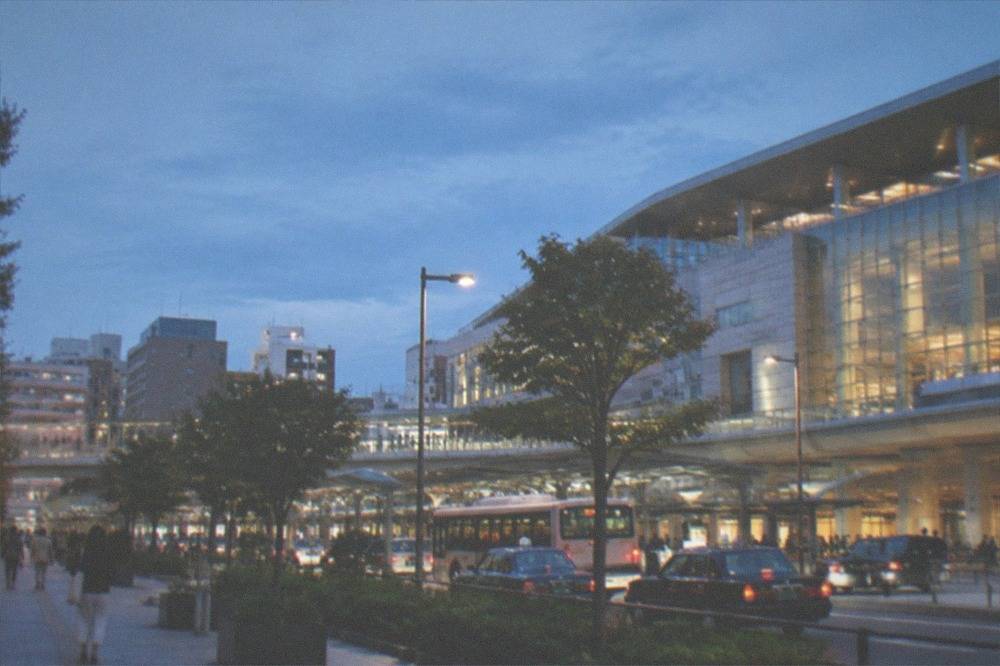
Contactless credit cards work at the subway gates with a daily cap of ¥640, which matches the paper one-day pass price, so a card in your phone covers the whole evening without a ticket machine. The official fare and pass pages publish the full zone table: the subway's own fare page lists every band. Walking remains the better answer for the central stretch, though. From Hakata Station to the Nakasu stall rows is roughly fifteen minutes on foot, the riverfront to Kushida Shrine is five, and the only journey in the whole night that justifies the subway is the run out to the tower.
For a fuller treatment of the transit picture, including the Nishitetsu rail lines that reach Dazaifu, the getting around Fukuoka guide sits on this site, and the Fukuoka weather guide explains the monthly rainfall pattern behind the rain contingency discussed later on this page. If your night is one leg of a longer stay, the three day Fukuoka itinerary shows how this evening slots into a wider plan.
Where Are the Best Night Views in Fukuoka?
The two best night views are the Fukuoka Tower deck at 123 metres, open until 22:00, and the water itself: a night cruise on Hakata Bay, which runs about three hours from $96 per person and is rated 5.0 from a small pool of 4 reviews. The tower gives you the city from above, the cruise gives you the city from the water, and on a clear evening the two together are the most photogenic pairing Fukuoka offers after dark.
The tower needs little more explanation than its numbers: 234 metres tall, three decks, ¥1,000 adult admission, last entry 21:30. The cruise is the more interesting proposition, because it reframes the skyline you have been walking through all evening. The Fukuoka night cruise tour runs three hours, and its perfect 5.0 rating comes from only four reviews, so the score is promising rather than proven; the format, city lights from the bay with the tower and the Momochi shoreline passing the rail, is what sells it.
The third option is a guided night-views-and-local-life walk, which trades the boat for the backstreets. The Experience Fukuoka's Night Views & Local Life tour runs four hours from $100 per person and has no rating published yet, which makes it a genuinely new listing rather than a poorly reviewed one. Four hours is a serious commitment for a single evening, so it suits a night when you have no dinner plans of your own and want the whole after-dark city handed to you in one guided block.
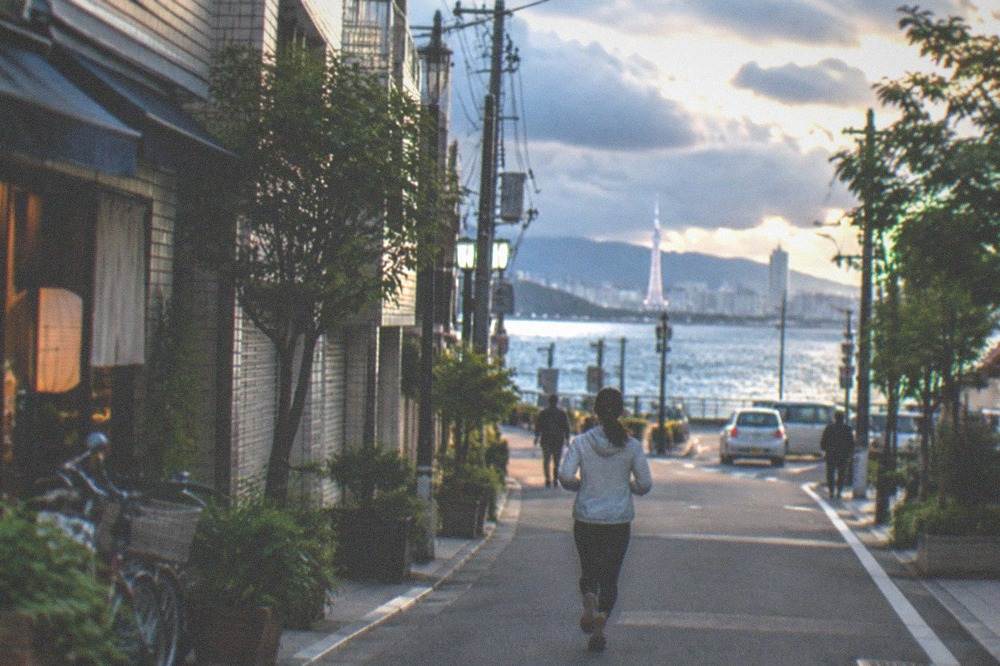
For free views, the Momochi Seaside Park shoreline and the bridges over the Naka River cost nothing and deliver more than most paid decks in larger cities. The river crossings between Nakasu and Tenjin put the stall lanterns in the foreground and the Tenjin office lights behind them, which is the shot most visitors leave with. The Nakasu nightlife guide on this site covers the district's bars and late venues in depth if your night runs past the viewpoint stage.
What If It Rains, or You Only Have a Few Hours?
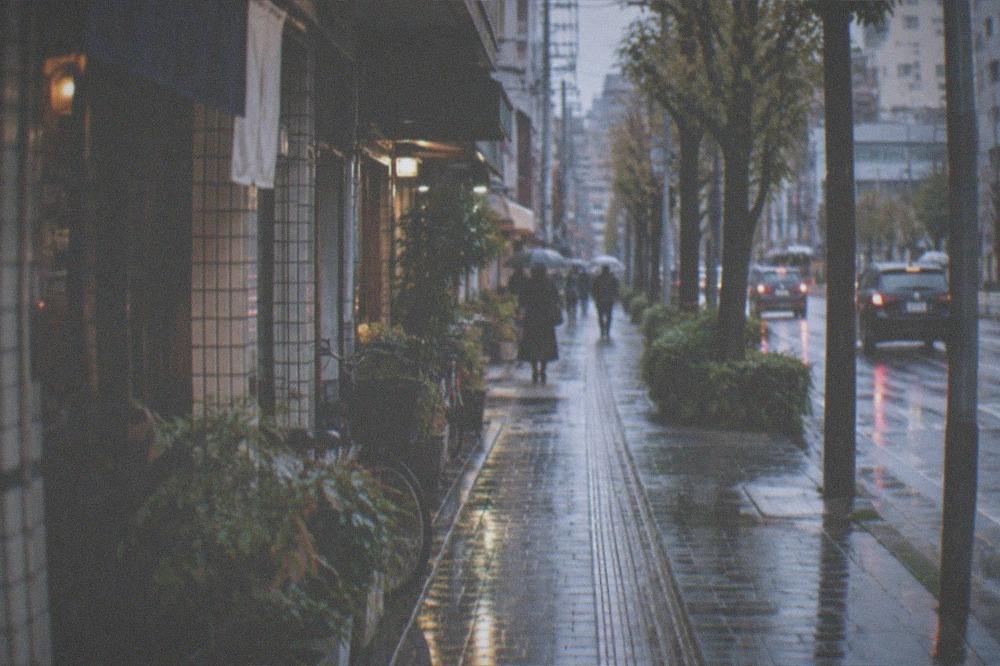
Rain shortens the outdoor half of the night but not the whole thing: Canal City Hakata is indoors and open every day, teamLab Forest is indoors, the tower deck is indoors, and the stalls are the main casualty, since many close in rain and strong wind. A short layover night still works, because the stall rows, the riverfront and Kushida Shrine all sit within fifteen minutes' walk of Hakata Station, and the ¥260 airport subway fare means an arriving transit passenger can be at the stalls within an hour of landing.
The rain plan is straightforward. Dinner moves from a stall to an izakaya or a ramen shop under cover, of which the arcades and station buildings around Hakata hold dozens. The walk moves indoors to Canal City, and the tower visit proceeds regardless, since the decks are enclosed. July is the month to watch, with its 299.1 mm average making it wetter than June despite June being the tsuyu rainy season, and typhoon season runs roughly July through October as a general planning factor, so the indoor branch of this itinerary is worth knowing rather than worrying about.
The short-night plan is its own itinerary, and this site publishes a dedicated version. If you are landing in the evening and leaving the next morning, the Fukuoka layover itinerary compresses exactly this route into a tighter window, and the one day Fukuoka itinerary shows what to do with the daylight hours on either side of it. The honest minimum for the night itself is about four hours: one hour at the stalls, one walking the river and shrine grounds, one at the tower, and one for the ride back and a final bowl.
| Scenario | Keep | Drop | Swap in |
|---|---|---|---|
| Rain | Tower deck, Canal City, teamLab Forest | Most yatai stalls, riverfront walk | Indoor izakaya, arcade ramen shops |
| Layover of 4 hours | Stalls, shrine grounds, tower | Night cruise, extended bar hopping | Direct subway legs only |
| Travelling with kids | Stalls early, teamLab Forest, tower | Late izakaya stops | Marine World area if time allows |
| Second or third night | Tenjin stalls, Daimyo bars, cruise | Repeating the Nakasu row | A different district each night |
How Late Does Fukuoka Actually Stay Open?
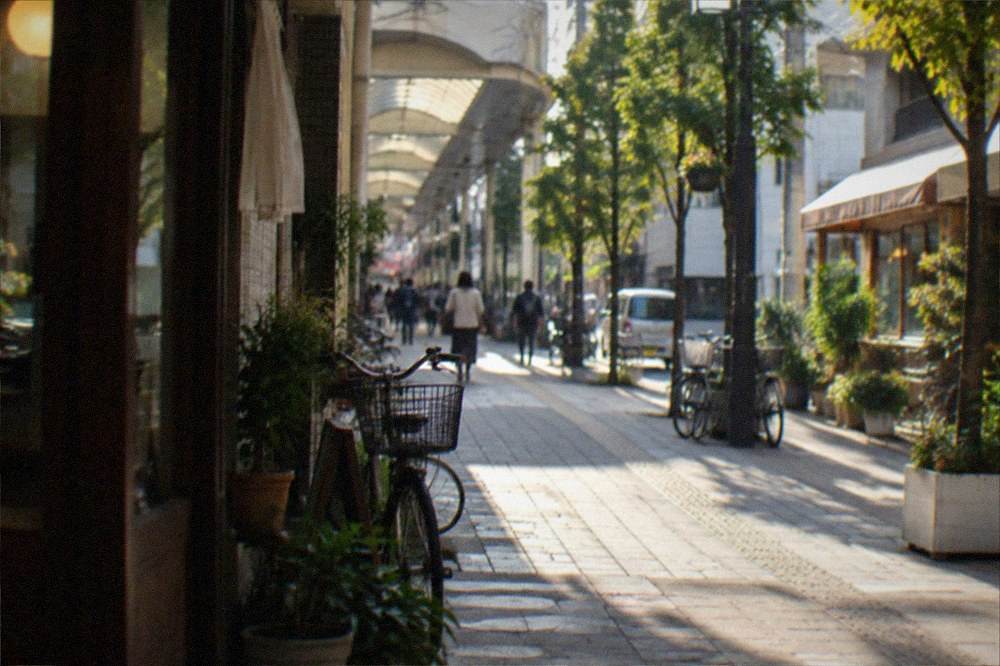
Later than most Japanese cities of its size: the yatai stalls run into the small hours at the operator's discretion, Canal City's restaurants go to 23:00, Fukuoka Tower takes its last entry at 21:30, and the izakaya and bar districts of Daimyo and Nakasu keep going well past midnight. The subway is the constraint to plan around, so know your last train before your second drink, or budget for a short taxi ride across a city where the longest possible night-out journey is a few kilometres.
The stall hours deserve the honest framing. The city permits road occupancy from 17:00 to 04:00 the next day, but each operator chooses their own opening and closing, many open around 18:00 to 18:30, and rain or wind takes whole rows dark. There is no city-mandated weekly closing day, so the answer to "which night is the stall row open" is simply: go and look, or check the city's yatai map tools before heading out. What you get in exchange for that uncertainty is a street-food scene regulated for price transparency, with about 100 stalls and a recruitment system that keeps replenishing them.
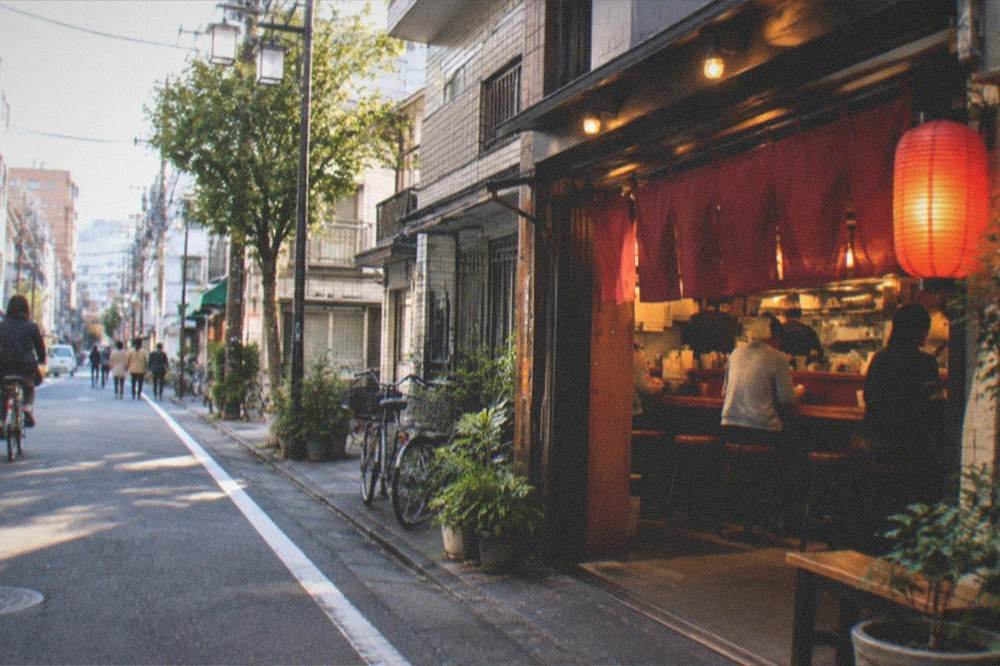
The bar districts run on a different clock. Daimyo, west of Tenjin, holds the city's densest concentration of small bars, and Nakasu is the late-night entertainment district proper, covered in depth on this site's Nakasu nightlife page. If your night is ending near Hakata Station, the station's own ramen floors and the surrounding blocks hold shops that serve past midnight, which is how most one-night visitors actually close the evening: one final bowl of tonkotsu a few hundred metres from the last train.
However you structure it, the evening benefits from a local's eye at least once, and the private walking format is the most flexible way to buy that. The private and personalized walking tour with a local costs from $64 per person, carries a 4.7 rating from 46 reviews, and runs about two hours, which fits as an opening act before dinner or a bridge between dinner and the tower.
Before the final questions, here again are the three strongest ways to spend an evening in the city with a guide rather than without one: the private local walking tour, the night cruise on the bay, and the guided night-views-and-local-life experience.
Common Questions About One Night in Fukuoka
What Does One Night In Fukuoka Actually Look Like, Hour By Hour?
Dinner at a yatai stall from around 18:00, a lantern-lit walk along the Nakasu riverfront and through Kushida Shrine's free grounds by 20:00, Fukuoka Tower's deck before the 21:30 last admission, then either a night cruise on Hakata Bay or a final bowl of ramen near Hakata Station. The whole route fits in a two-kilometre walkable strip plus one short subway leg.
Do I need to book a yatai stall in advance?
No. The yatai take walk-ins only and cannot be booked. Only guided yatai crawls, like the private Nakasu stall tour with tastings, are bookable, and they exist to handle the language and ordering friction rather than to reserve seats.
How much does a night out in Fukuoka cost?
The sightseeing is cheap: the shrine grounds and riverfront are free, the tower is ¥1,000 for an adult, and subway fares run ¥210 to ¥380 per ride. Dinner at a stall is priced per dish on a posted menu, so the total depends on what you order. A guided evening, whether a stall crawl from $94 or a night cruise from $96, is the biggest single line item.
Is Fukuoka walkable at night?
The central strip between Hakata Station, Nakasu and Tenjin is flat, compact and busy, and the whole stretch is walkable in about fifteen minutes end to end. Only the trip out to Fukuoka Tower and Momochi really warrants the subway, at ¥210 to ¥260 a ride.
What happens if it rains on my night out?
Move dinner indoors to an izakaya or an arcade ramen shop, swap the riverfront walk for Canal City Hakata, which is open every day of the year with restaurants to 23:00, and keep the tower visit, since the decks are enclosed. Many yatai stalls close in rain and strong wind, so the outdoor row is the one thing you genuinely lose.
How late can I eat in Fukuoka?
The stalls are permitted on the road from 17:00 to 04:00, but each operator sets their own hours, with many opening around 18:00 to 18:30 and closing in the small hours. Around Hakata Station, ramen shops serve past midnight, which is how most late nights here actually end.