Kumamoto Day Trip
Kumamoto sits south of Fukuoka on the Kyushu Shinkansen line, close enough that a day trip needs no internal flight, no overnight bag and very little planning. This page sets out the honest version: what the ride involves, what is worth the train fare, and where the verified numbers actually come from.
Short answer
The Kyushu Shinkansen runs directly from Hakata Station to Kumamoto with no transfer, and JR Kyushu's own pages are the place to confirm the current timetable. A paired day tour covering Aso and Takachiho Gorge starts from $48 per person, rated 4.7 from 674 reviews. Fukuoka's one-day Tourist City Pass costs ¥2,500 with a passport check.
Kumamoto is the largest city in central Kyushu and one of the easiest destinations to reach from Fukuoka, because the Kyushu Shinkansen was built to connect the two. You board at Hakata Station, the same station that serves Fukuoka's airport subway link and its long-distance buses, and you step off in the heart of a different prefecture with a castle, a volcano skyline and a food culture that has little overlap with Hakata's tonkotsu bowls. A day trip is genuinely practical here, and this page walks through the whole decision: the ride itself, what to do with the hours you have, which guided options make sense, and what the verified costs actually are.
One point of framing before anything else, because it is the mistake nearly every outside guide makes: Hakata and Fukuoka are not two cities. Hakata is a ward of Fukuoka and the name of its main rail station, so "Hakata to Kumamoto" and "Fukuoka to Kumamoto" describe the same journey from the same platform. There is no JR Fukuoka Station, a fact that trips up plenty of visitors and is worth internalising before you look at any timetable. The station you want is Hakata, and the Hakata Station area guide covers where to eat and wait inside it.
How Long Is the Shinkansen Ride from Hakata to Kumamoto?
The Kyushu Shinkansen connects Hakata and Kumamoto directly, with no transfer and no change of line, and the fastest services skip the smaller intermediate stations, which makes them the right choice for a day trip. This site will not print a minute figure for the journey, because no official page verified one during research, and the confident numbers circulating online trace back to nothing at all.
That last sentence is deliberate. Travel writing about Japan is full of journey times that nobody ever checked, and the Fukuoka Airport "five minutes" claim is the classic example: it appears on thousands of pages, and no official source verifies it. This site's policy is to print a number only when a primary source backs it, and to say plainly when a figure is unverified. For the Hakata to Kumamoto leg, the practical planning facts are these: the line runs south through Kurume and onwards toward Kagoshima, Kumamoto is the first major stop region you reach, and seat reservations on the fastest services are worth making on weekends and holiday periods because day-trippers and commuters share the train.
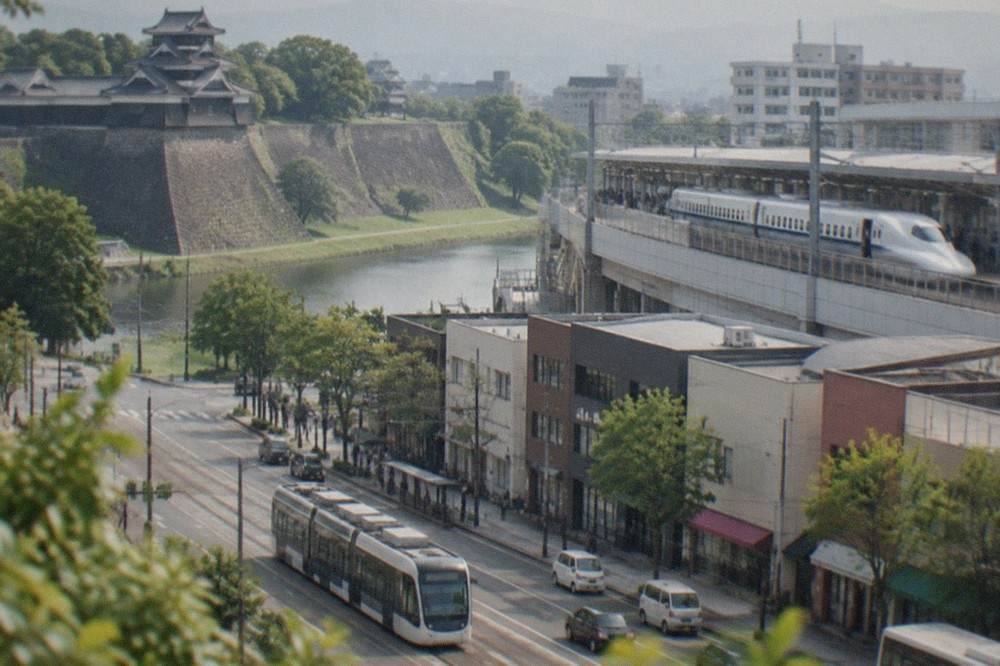
The Shinkansen is not your only option, and it is not always the best one. Highway buses run the same corridor at a lower fare, trading speed for price, and they suit travellers whose budget matters more than their hours. A rental car makes sense only if you plan to loop beyond the city into the countryside, because Kumamoto's core sights cluster tightly and parking is a chore. If you do drive, the wider day trips from Fukuoka overview ranks the destinations that reward a car versus the ones that do not.
For rail pass holders there is one trap worth knowing in advance. The Hakata to Kokura Shinkansen segment runs on JR West's Sanyo line and is not covered by JR Kyushu's passes, but southbound from Hakata toward Kumamoto you are squarely inside JR Kyushu territory. The Northern Kyushu Rail Pass covers this corridor, and its official page lists the current prices and reservation rules; this site treats those prices as something to confirm there rather than reprint from memory, because pass pricing moved recently and stale figures are worse than none.
What to See in Kumamoto on a Day Trip
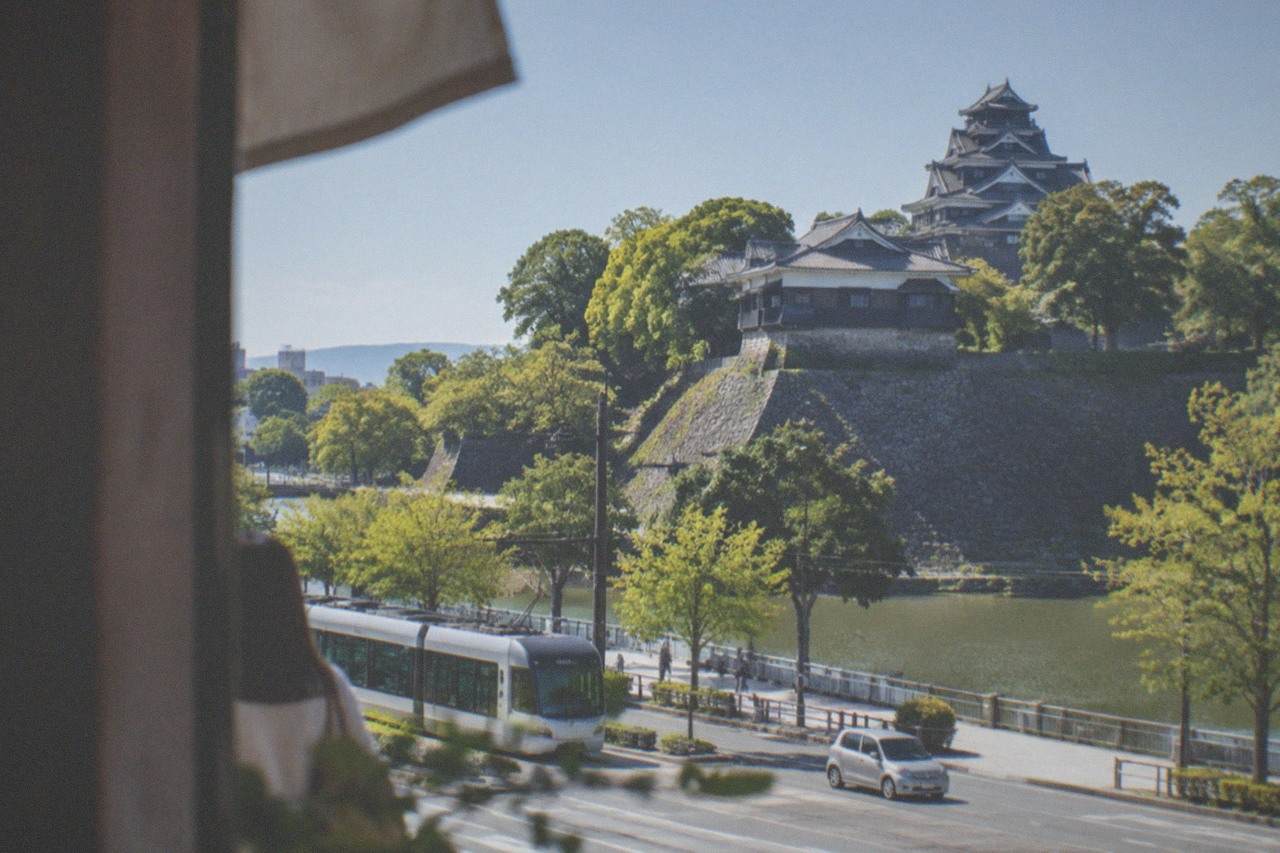
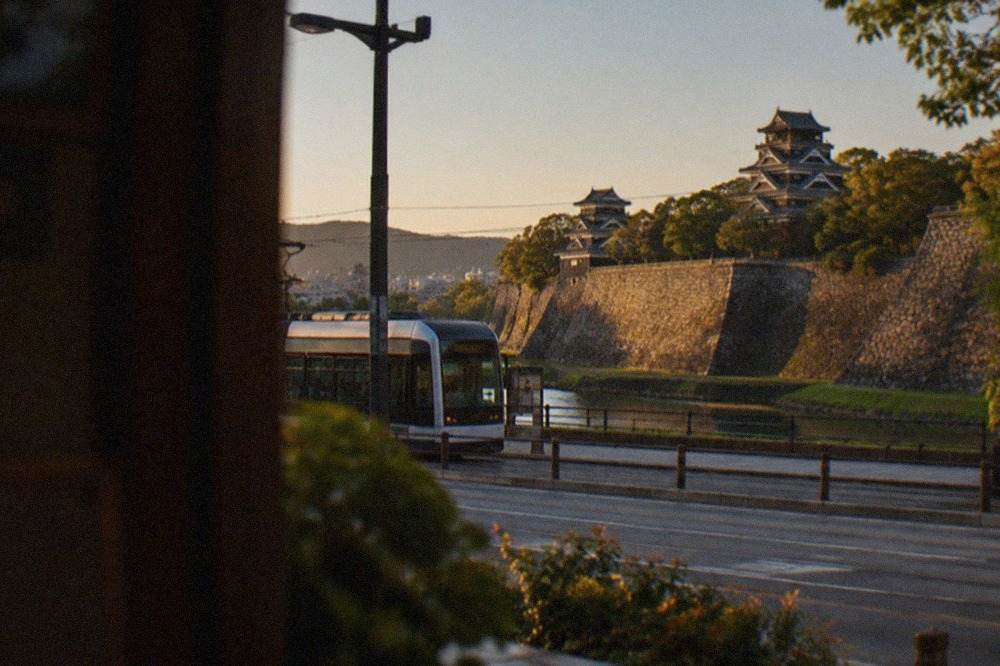
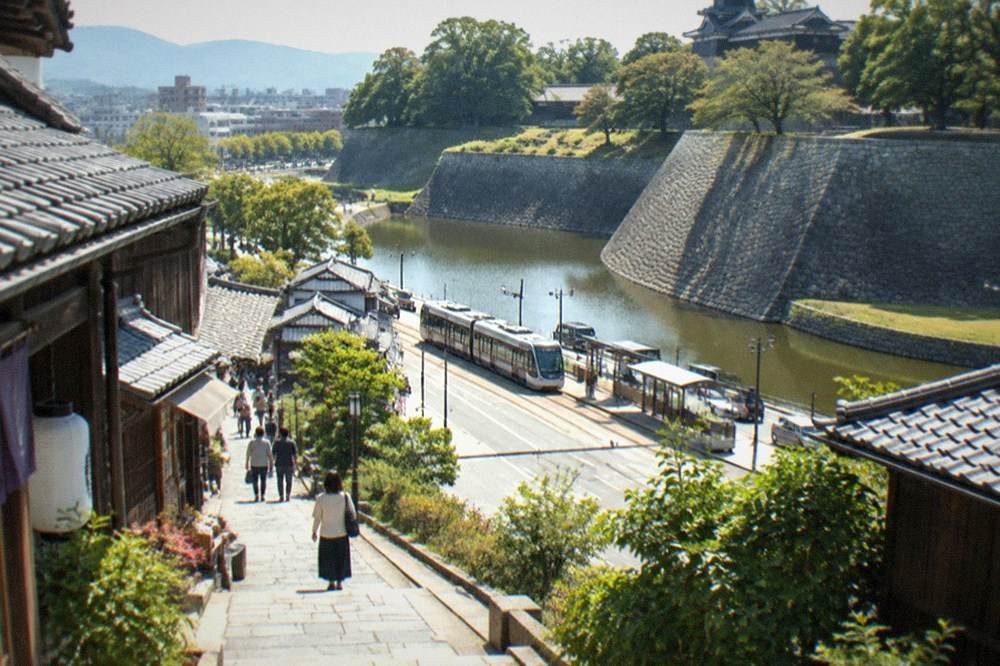
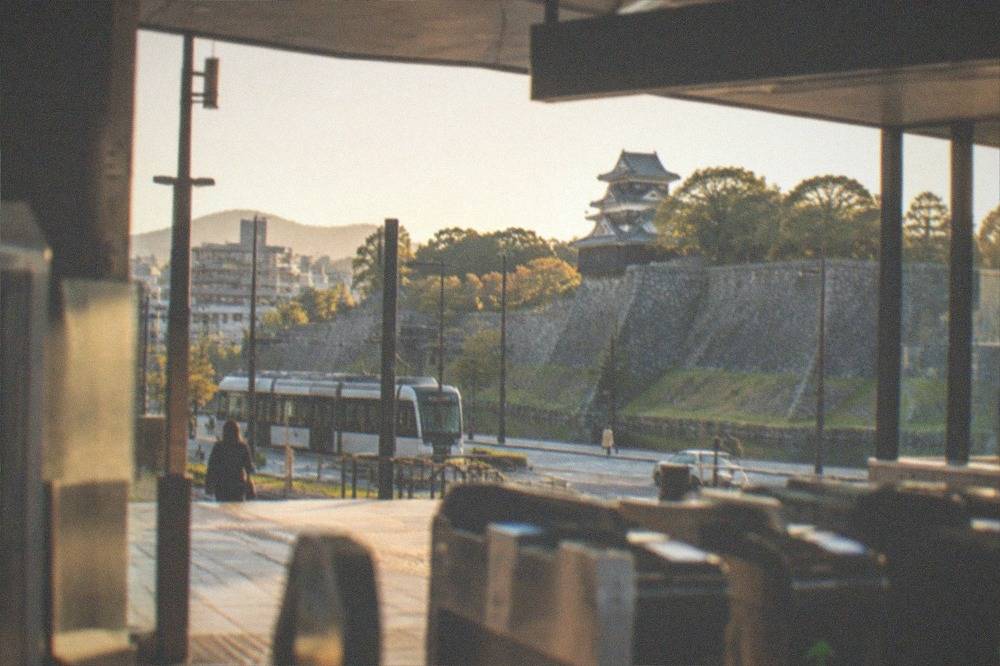
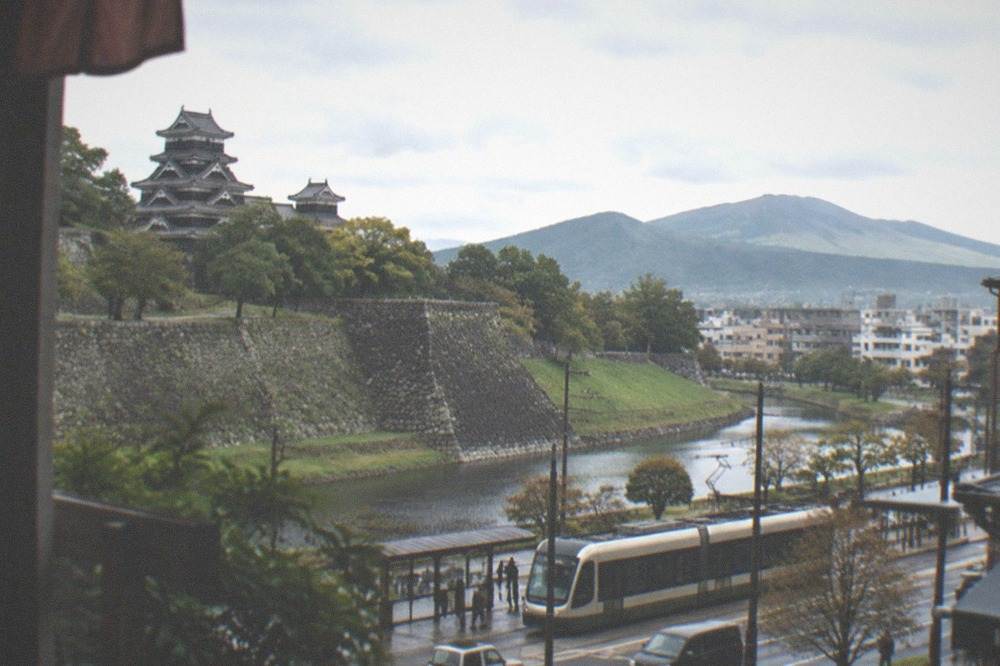
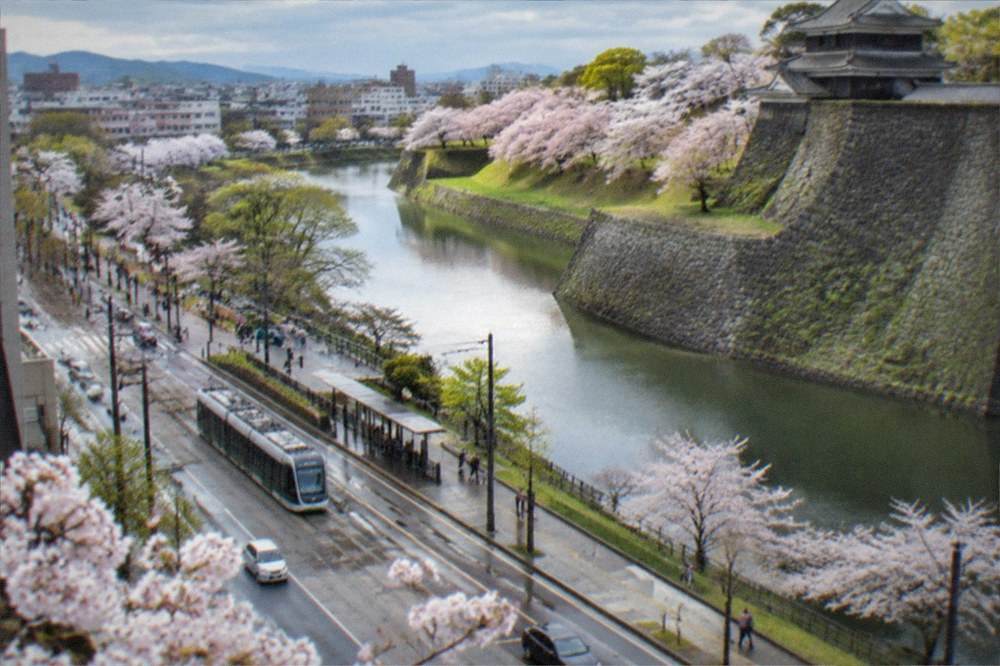
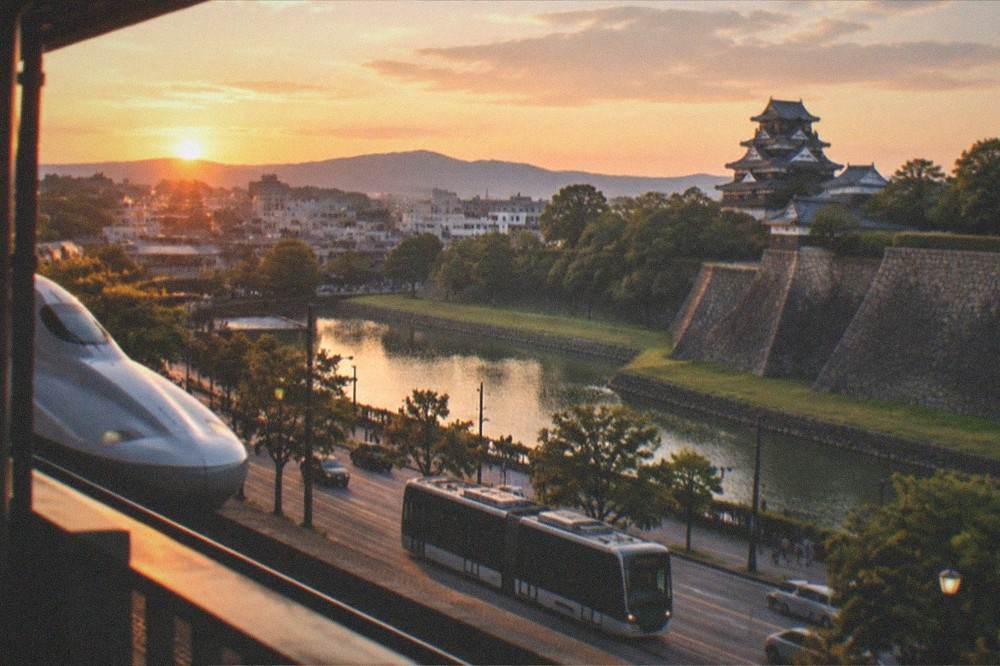
Kumamoto Castle is the headline sight and the reason most visitors make the trip, famous for steep stone walls and the scale of its grounds, and it sits within walking range of the tram network that stitches the city together. Beyond the castle, a day comfortably covers the castle park, the historic Higashi-Machi district and a proper Kumamoto food stop, with Suizenji Garden as the reach goal if your legs hold out.
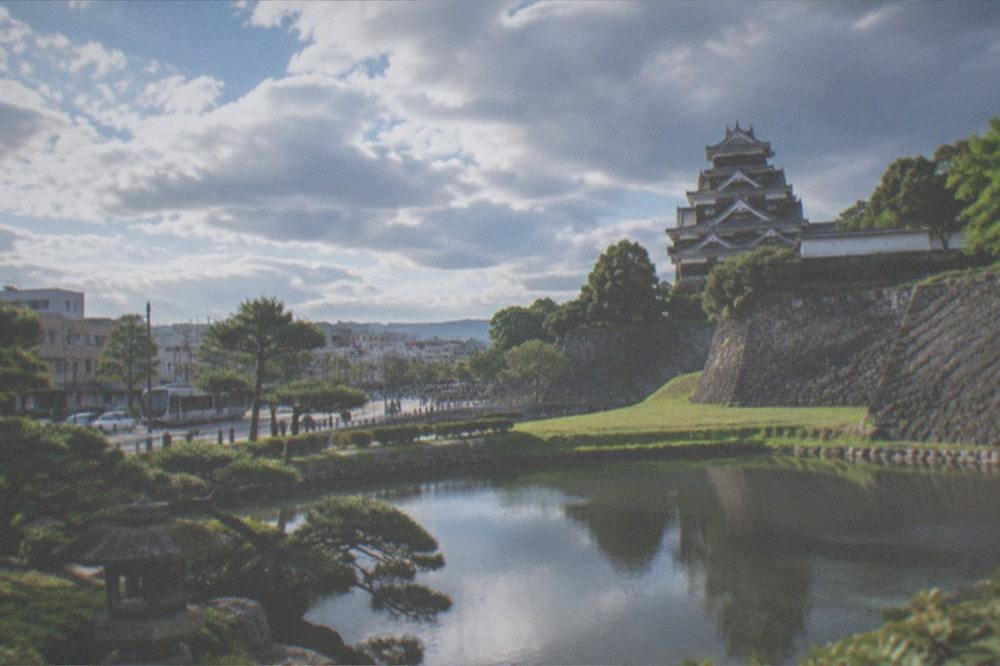
The castle deserves the hours it will take. Its stone ramparts are among the most photographed in Japan, and the reconstruction story is genuinely interesting: the complex was badly damaged in the 2016 earthquakes, and restoration work has proceeded in phases ever since, which means access to individual structures changes over time. This site will not assert which towers or interiors are open on any given day, because that is exactly the kind of detail that goes stale between writing and reading. Check the castle's own site before you travel, and treat any guide that promises full interior access as outdated on arrival.
Food is the other reason to go. Kumamoto's signature is basashi, raw horse sashimi, which is either a draw or a hard pass depending on the traveller, but the city's broader table is strong even without it: local ramen styles built on rich pork broth, karashi renkon lotus root stuffed with mustard miso, and a denser, more rural version of Kyushu's food culture than Fukuoka's yatai scene. If your frame of reference is Hakata's riverside stalls, read up first on yatai etiquette back home, then enjoy the contrast: Kumamoto's dining is indoors, reservation-friendly and built around dishes rather than counter conversation.
Time budgeting matters more here than in most day-trip cities because the castle grounds are large and the tram connections, while reliable, are not instant. A workable shape for the day looks like this:
| Block | Where | What you actually do |
|---|---|---|
| Morning | Kumamoto Castle and grounds | Walk the full stone-wall circuit, enter whatever structures are open, photograph the keep from the lawns |
| Midday | Castle-town district or downtown | Lunch on local ramen or a regional set meal; basashi for the adventurous |
| Early afternoon | Suizenji Garden or a museum | A compact stroll garden laid out to mirror the old Tokaido road, or an indoor option if weather turns |
| Late afternoon | Station area and ride home | Souvenir stop for Kumamoto goods, then the northbound Shinkansen |
Notice what the table does not promise: no opening hours, no minute-by-minute schedule. Hours at Japanese attractions shift seasonally and after restoration work, and a table of invented times is worse than none. Build the shape, confirm the hours on official pages the night before, and you will lose nothing.
Getting from Hakata Station to Kumamoto Without a Car
The default and best option for most travellers is the Kyushu Shinkansen from Hakata Station, direct to Kumamoto Station, with seat reservations made for peak days. Buses undercut it on price, a car only pays off if you are looping into the countryside, and no option requires an overnight stay, because the corridor is built for commuting. Within Kumamoto itself, trams and local buses cover the castle and garden, and the city is walkable between its core districts.
Hakata Station is the single most important transport hub in Kyushu, and if you are arriving in Fukuoka the same morning, the airport connection is unusually painless: Fukuoka Airport sits on the subway's Kuko line, the fare to Hakata is ¥260, and the airport is genuinely close to the centre, which is true and sourced even though the famous "five minutes" claim is not. The airport and station are covered in detail in the Fukuoka Airport guide, and the station confusion, including why there is no JR Fukuoka Station, is answered plainly at is there a Fukuoka Station.
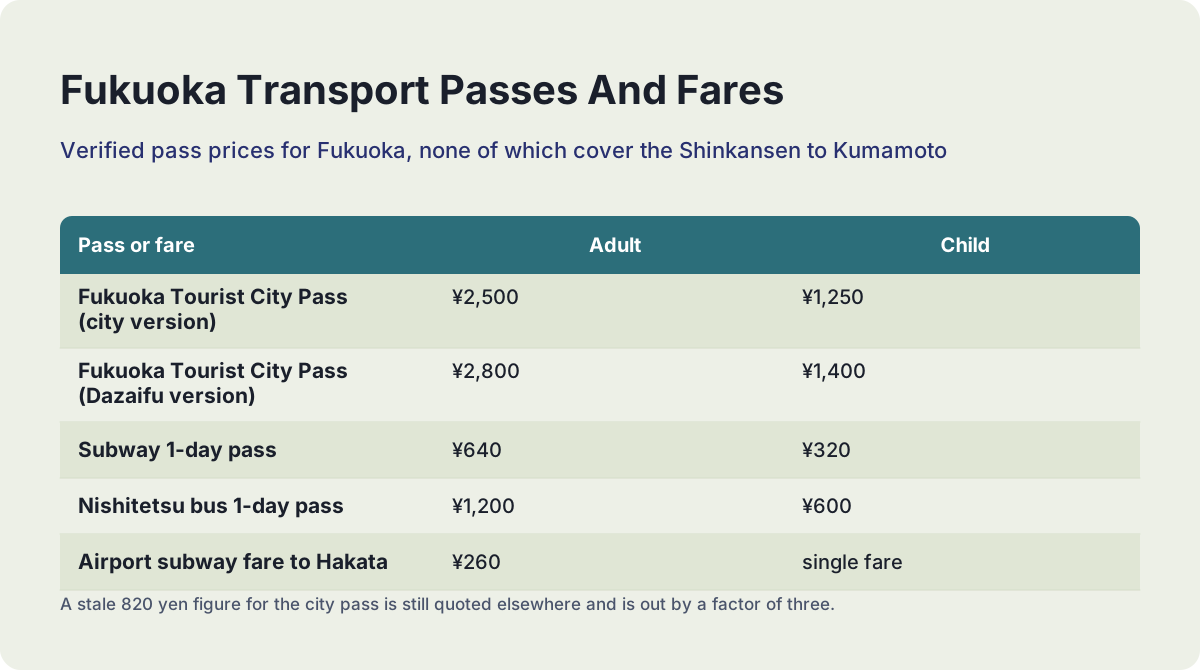
For visitors who want to cover ground in Fukuoka on the same trip, the pass landscape is worth knowing before you spend anything. The Fukuoka Tourist City Pass is the standout deal, and it comes with a restriction most guides miss: it is sold only to overseas tourists on a short-stay visa, and a passport is checked at the counter. The official pass page run by Fukuoka City lists the current terms.
| Pass | Price | What it covers | Who can buy |
|---|---|---|---|
| Fukuoka Tourist City Pass (city version) | ¥2,500 adult, ¥1,250 child | One day of subway, buses, trains and ferries in Fukuoka City | Overseas tourists on short-stay visas, passport checked |
| Fukuoka Tourist City Pass (Dazaifu version) | ¥2,800 adult, ¥1,400 child | As above, plus Nishitetsu coverage to Dazaifu | Same restriction; Tabito liner bus excluded |
| Subway 1-day pass | ¥640 adult, ¥320 child | All three Fukuoka subway lines for one day | Anyone, sold at station machines |
| Nishitetsu bus 1-day pass | ¥1,200 adult, ¥600 child | Local buses across Fukuoka City | Anyone, counter sales |
Those pass prices matter here for one reason: many competing guides still quote a stale ¥820 figure for the city pass, which has been wrong for a while, and a traveller budgeting from that number will be out by a factor of three. Note also that none of these passes cover the Shinkansen to Kumamoto, so treat them as tools for your Fukuoka days, not for this trip.
If you are still shaping the overall trip rather than just this one day, the Fukuoka 2-day itinerary and the Fukuoka 3-day itinerary both leave room for a southern day trip, and the rainy-day itinerary is worth bookmarking because Kyushu weather can and will interrupt plans.
For some travellers, the cleanest version of this day is not to plan it at all, and let a guided tour handle the logistics. Three options from the current roster cover the Aso and Kumamoto corridor, each with a different shape:
Aso, Takachiho and Kurokawa: Tours That Pair with a Kumamoto Day Trip
The strongest guided option in this corridor is the Mt. Aso and Takachiho Gorge tour with optional boat ride, from $48 per person and rated 4.7 from 674 reviews, which packs a volcano, a gorge and a scenic railway into roughly ten hours to a full day. It suits travellers who want the dramatic landscape south of Kumamoto without renting a car, and its review pool is the deepest of the Aso-area tours on the roster.
The distinction matters. Kumamoto City's castle and gardens are easy to reach and easy to walk, so a guided tour adds little there. The Aso caldera, Takachiho Gorge and the onsen towns are the opposite: they sit behind rural bus timetables that punish the unprepared, and a day tour converts a two-transfer headache into a single seat. The Mt. Aso and Takachiho tour is the volume leader for good reason, and its optional boat ride down the gorge is the moment most guests remember; the boat is optional, the gorge views are not. The full index of guides sits on Fukuoka Japan Travel Guide.
Two other roster options cover adjacent ground. The Aso volcano, grassland and onsen day tour, from $58 per person and rated 4.6 from 27 reviews, spends its day inside the caldera landscape and pairs the volcano with Kusasenri's grasslands, a flatter, more pastoral day than the gorge run. The Mount Aso, Kurokawa Onsen and shrine tour, from $58 per person and rated 4.6 from 101 reviews, trades some volcano time for Japan's most photogenic onsen town, and it is the pick for travellers who want a bath in the itinerary rather than a hike. Neither is better in the abstract; they answer different questions.
One honest caveat about Aso specifically: the volcano's crater access depends on volcanic gas conditions on the day, and operators reroute when the alert level rises. Any tour in this region builds in flexibility, and any guide promising crater access on a specific date is promising something nobody can promise. The tours above handle the contingency well, which is part of what you are paying for.
A Sensible One-Day Kumamoto Itinerary
The shape that works is castle in the morning, food and the old district at midday, one garden or museum in the afternoon, and a relaxed station-area evening before the northbound train. Doing the castle first is not negotiable advice so much as arithmetic: it is the biggest time consumer, crowds build after late morning, and everything else in the city can flex around it. Leave Fukuoka early, accept that you will not see everything, and you will board the return train satisfied rather than exhausted.
Early means early. The first Shinkansen services of the day are used by business commuters, which tells you the corridor is built for exactly this kind of timing, and arriving in Kumamoto before the castle grounds fill up buys you the best photographs of the stone walls. The castle park is free to walk at ground level in most areas, with fees applying to specific structures, and the surrounding lawns are where locals spend their lunch hours, which makes the approach as worthwhile as the monument itself.
Midday is for the castle-town streets east of the grounds, where restored buildings and small shops fill the gap between the monument and lunch. This is where Kumamoto feels distinct from Fukuoka: smaller scale, older wood, fewer chains. Afternoon options split by energy. Suizenji Garden is the classic choice, a compact landscape garden laid out in the Edo period to echo scenes from the Tokaido road, and it is tram-reachable. If the weather turns, Kumamoto's museums and covered arcades absorb a wet afternoon well, and the same instinct applies back home, where the Fukuoka rainy-day itinerary exists for exactly this reason.
Even the return leg deserves a sentence. Souvenir shopping in Kumamoto Station is genuinely good, and the city's mascot-driven merchandise culture is a spectacle in its own right. Buy there rather than in Hakata, then enjoy a train ride north with a bag you do not have to think about again.
Best Season and Weather for the Trip
The best times to visit are late March into April for cherry blossoms and mid to late November into early December for autumn colour. Summer trips are possible, but July is the wettest month of the year here, which surprises people who assume the rainy season itself, roughly June, holds that title. Typhoon season runs roughly July through October and is a real planning factor, though not a reason to stay home.
That July statistic deserves its own paragraph because it inverts what most guides say. Fukuoka's JMA 1991 to 2020 normals show 299.1 mm of rain in July against 249.6 mm in June, meaning the wettest month arrives after the rainy season nominally ends, and it coincides with the city's biggest festival fortnight. August, by contrast, is hot but comparatively drier and banks the second-highest sunshine total of the year. For a Kumamoto day trip, the practical reading is simple: summer plans need a weather-flexible shape, and the castle plus museum combination beats the castle plus garden one when the forecast is bad.
| Month | Mean temperature | Rainfall | Verdict for a day trip |
|---|---|---|---|
| March | 10.8 °C | 103.7 mm | Cool, blossoms possible late in the month |
| April | 15.4 °C | 118.2 mm | Peak cherry blossom window, mild days |
| July | 27.4 °C | 299.1 mm | Wettest month; humid, festival season |
| October | 19.6 °C | 94.5 mm | Comfortable and relatively dry |
| November | 14.2 °C | 91.4 mm | Autumn colour, one of the driest months |
Autumn is the quiet champion. November brings 91.4 mm of rain, comfortable daytime highs around 18 °C, and the autumn-colour window that runs mid to late November in the city and around Dazaifu. If you are pairing this trip with other days in the region, the Beppu day trip and the Nagasaki day trip both shine in the same season, and neither needs a car either.
Costs, Passes and Budgeting
Budget the day as three separate lines: the intercity train fare, whatever you spend inside Kumamoto, and lunch, with the train the only line you can fix in advance. Within Fukuoka, the verified baselines are a ¥260 subway fare from the airport to Hakata, a ¥640 subway day pass and the ¥2,500 Tourist City Pass for eligible overseas visitors, none of which apply to the Shinkansen leg. Guided tours in the Aso corridor run from $48 to $58 per person.
The honest framing on train fare is that this site does not print a Shinkansen price for the Hakata to Kumamoto leg, because the research pass did not verify one against a primary source, and a guessed fare is a disservice to anyone budgeting a trip. The JR Kyushu rail pass page linked earlier carries current pass pricing, and the operator's own fare search answers the single-ticket question in seconds. What can be said with confidence is the structural point: the Shinkansen costs meaningfully more than the bus, saves hours, and is the only option that makes a same-day castle visit feel relaxed rather than rushed.
Inside the city, costs are modest. Kumamoto's tram network is cheap by any standard, the castle park's free ground-level access keeps the headline sight affordable, and lunch in the castle-town district costs less than an equivalent meal in Fukuoka's trendiest districts. The souvenirs are where discipline fails, and no budget table will save you from the mascot merchandise.
If the self-guided version is starting to look like work, the guided alternative is the Kurokawa onsen route mentioned above, from $58 per person and rated 4.6 from 101 reviews, which converts the day's transport decisions into a single booking and adds a famous onsen town that is genuinely hard to reach by public transport in a day trip window.
For travellers stacking multiple regional days, the arithmetic changes. The Kyushu itinerary from Fukuoka frames the whole prefecture as a multi-day project, and the Kitakyushu day trip and Saga day trip cover the northern alternatives. Kumamoto earns its southern slot because it is the only one of these reachable by Shinkansen in a single comfortable hop, and because its castle is a genuinely national-class sight rather than a regional one.
Common Questions About a Kumamoto Day Trip
How Long Is The Shinkansen Ride From Hakata To Kumamoto?
The Kyushu Shinkansen runs direct from Hakata Station to Kumamoto with no transfer, and the fastest services skip intermediate stops. This site does not print a minute figure because no official source verified one during research; check the operator's current timetable for exact journey times, and reserve a seat on weekends and holiday periods.
Can you do Kumamoto as a day trip from Fukuoka?
Yes, comfortably. The Shinkansen corridor is built for commuting, the city's main sights cluster together, and a shape of castle in the morning, lunch in the castle-town district, and one garden or museum in the afternoon fits a single day without rushing.
Is Kumamoto Castle worth the trip?
The castle's stone walls and grounds are among the most impressive in Japan, and the surrounding park is free to walk at ground level. Restoration work has proceeded in phases since the 2016 earthquakes, so access to individual structures changes over time; check the castle's official site for what is open on your date.
Do I need a car for a Kumamoto day trip?
No. Trams and local buses cover the castle, the castle-town district and Suizenji Garden, and the city core is walkable. A car only pays off if you plan to loop into the Aso countryside, and even there, guided tours from Fukuoka handle the rural logistics more efficiently.
What is the best month for the trip?
Late March into April for cherry blossoms, or mid to late November into early December for autumn colour. November is one of the driest months in the region at 91.4 mm of rain. July is the wettest month at 299.1 mm, wetter even than the June rainy season, so summer plans need indoor backups.
Are there guided tours that cover Aso and Kumamoto?
Yes. The Mt. Aso and Takachiho Gorge tour with optional boat ride runs from $48 per person, rated 4.7 from 674 reviews, and two other roster options cover the Aso volcano, Kusasenri grasslands and Kurokawa Onsen from $58 per person. All three are bookable through the operator's live listing with free-cancellation terms.