Hakata
Hakata is the old merchant port that grew into Fukuoka's busiest ward, and it gives the city its station name, its ramen style and its festival calendar. Here is what Hakata actually is, what to see and eat there, and how to use it as a base.
Short answer
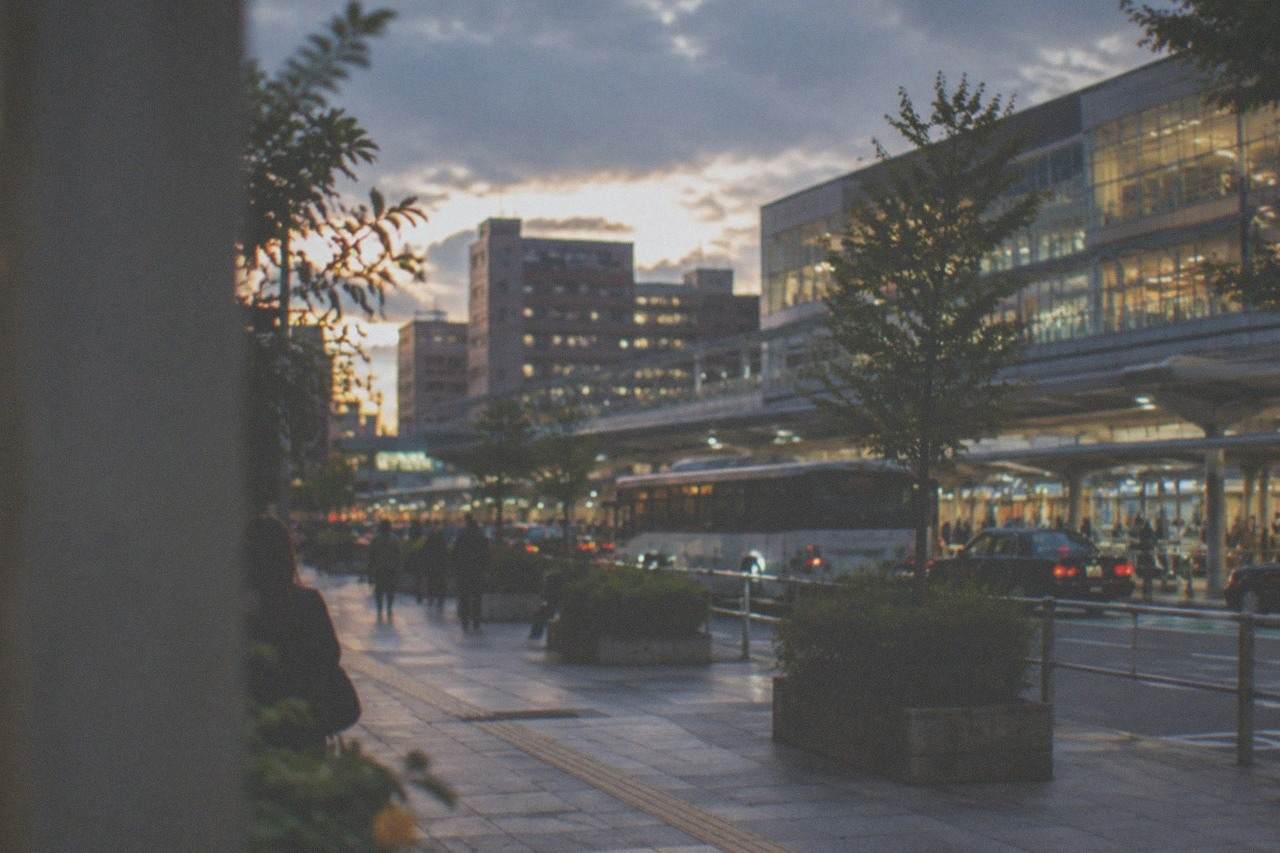
Hakata is a ward of Fukuoka city and the name of its main rail station, not a separate destination. The medieval port town of Hakata merged with the neighbouring castle town to form the modern city, and the station kept the older name. Around it sit Shofukuji, Tochoji, Kushida Shrine and about 100 licensed yatai food stalls.
Hakata is the part of Fukuoka that most visitors actually see first, usually without realising it. The Shinkansen pulls in here, the subway runs through it, and the airport sits a handful of stops away on the city's own subway line, with the airport leg priced in the 3 to 7 km fare band, which is ¥260 for an adult. What confuses plenty of first-time travellers is that the station does not say Fukuoka anywhere on it. It says Hakata.
The short version of the answer, and the reason this page exists, is that Hakata and Fukuoka are the same city. Hakata is the ward and the station, Fukuoka is the city that contains it. Guides that treat them as two destinations, or that tell you how to travel "from Hakata to Fukuoka", are describing a journey that does not exist. The longer version involves a medieval port, a castle town and a merger in the late nineteenth century, and it is genuinely worth knowing, because the two names divide the modern city between them in ways you can still feel on the ground. This Fukuoka Japan Travel Guide page covers the naming question properly, then gets practical: the old town temples, the food, the yatai, the transport, the day trips and the decision of where to sleep.
Why Is Hakata Station Not Called Fukuoka?
The station is called Hakata because the port town of Hakata existed for centuries before the city of Fukuoka did, and when Japan's railways arrived the old port name was already attached to the district. When Hakata and the castle town of Fukuoka merged into a single city, the city took the newer name but the older one survived on the station, the ward, the dialect, the ramen and the festivals. No train will ever take you from one to the other, because they are the same place.
The two-name problem starts in the medieval period. Hakata was a merchant port facing Hakata Bay on the Genkai Sea, a trading hub with Chinese and Korean connections, while Fukuoka was the castle town the Kuroda clan built on the neighbouring hill in the early Edo period. Merchant town on the water, samurai town on the hill, two administrations, one stretch of coastline. They coexisted for centuries.
In the late nineteenth century the two towns formally merged into the city of Fukuoka. The story, told locally, is that the name was decided by a narrow margin and that Hakata's merchants never quite let it go. Whether or not the vote was as close as legend says, the split is real and visible: the city kept the name Fukuoka, but the port kept almost everything else. The station, the bay, the port, the dialect (Hakata-ben), the festival floats, the famous ramen style, the traditional dolls and the ward itself all carry the Hakata name.
If you want the full question and answer in one place, Hakata or Fukuoka, which name applies covers the naming history in more detail, and is there a Fukuoka Station answers the practical follow-up: there is no JR Fukuoka Station anywhere in Japan. The station is Hakata, full stop, and every rail journey to this city ends at a station bearing the port's name.
The practical takeaway for planning is simple. When a hotel, a tour or a train ticket says Hakata, it means the city-centre ward around the station. When it says Fukuoka, it means the city, which includes Hakata and everything around it. There is no transfer between them.
What Is the Difference Between Hakata and Fukuoka?
Today the difference is administrative and atmospheric rather than geographic. Hakata-ku is one ward of Fukuoka city, covering the station, the port, the old merchant quarter and Hakata Bay waterfront, while Fukuoka is the whole city of well over a million people across seven wards. Locals use Hakata for the area around the station and port, and Fukuoka for the city, the prefecture and the airport.
| Name | What it actually refers to | Where you will see it |
|---|---|---|
| Hakata | The ward, the station, the port, the old town | Station signage, rail tickets, the ramen label |
| Hakata-ku | The administrative ward, one of Fukuoka's seven | Addresses, ward office, maps |
| Fukuoka | The city, the prefecture, the airport (FUK) | The city name, the airport code, the Shinkansen destination displays |
| Hakata Bay | The bay on the Genkai Sea the port faces | Geography, cruises, waterfront walks |
| Hakata-ben | The local dialect of the old port town | Local speech, TV, comedy |
The distinction still shapes the city on the ground. Hakata's old quarter, the areas around Kushida Shrine, Shofukuji and Tochoji, preserves the merchant-town street grid, with narrow lanes and temple compounds packed tightly together. Across the Naka River, Tenjin and the districts to the west grew from the castle town's grid, which is broader and more commercial. Hakata is where the port history lives; Tenjin is where the shopping is. The question of which side to sleep on is a real one, and is it better to stay in Hakata or Tenjin works through it.
None of this means you travel between two places. The subway from Hakata to Tenjin is a couple of minutes and a couple of stops, all inside one city, on a network whose adult fares run from ¥210 for the shortest zone up to ¥380 for the longest, per the official subway fare table. The whole point is that the two names describe two halves of one destination that you will cover on foot and by subway in a single day.
What to See in Hakata's Old Town Temples?
Hakata's old town holds the densest cluster of historic temples and shrines in Fukuoka, all within a short walk of the station: Kushida Shrine, the guardian shrine of the Yamakasa festival, Shofukuji, the first Zen temple in Japan, Tochoji with its seated Daibutsu, and Jotenji, associated with the origin of soba and udon noodles in Japan. All four are free to enter, and all four sit in the merchant grid east of the station.
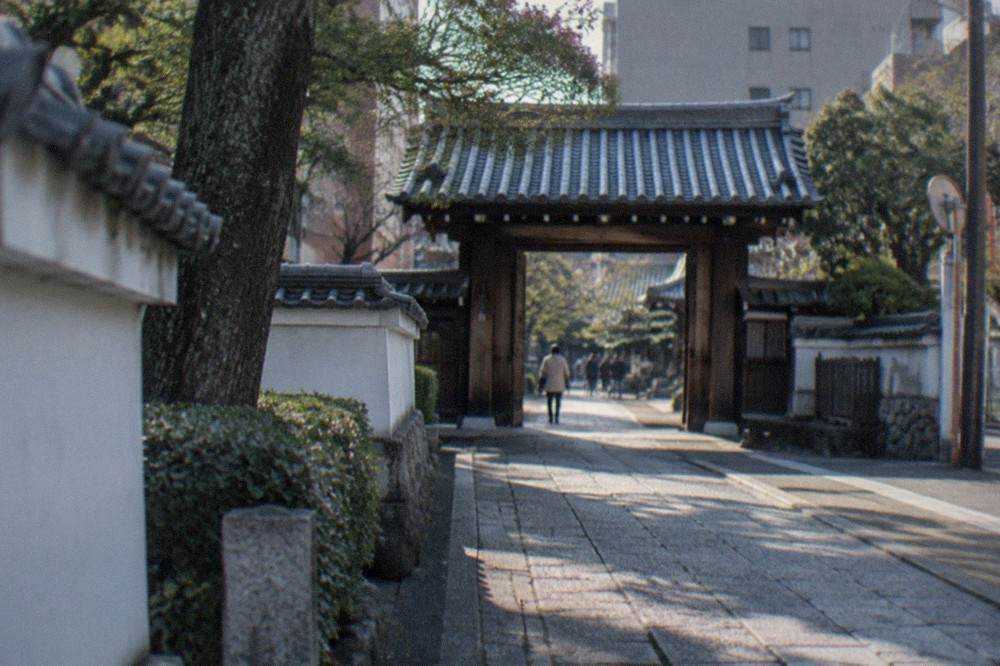
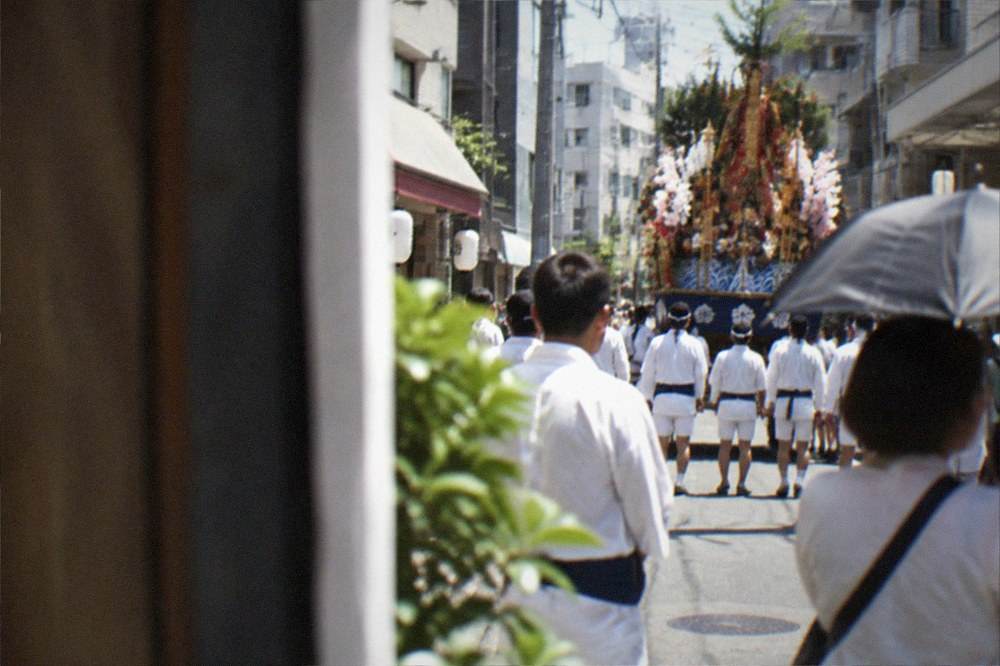
The walk between them is the attraction as much as the temples themselves. Start at Kushida Shrine, Hakata's guardian shrine and the fixed centre of the Hakata Gion Yamakasa festival every July: the festival's kakiyama floats are stored and displayed there, and the whole event, officially run from July 1 to 15 each year, starts and ends at the shrine's grounds. From Kushida, Tochoji is a few minutes east. Its Great Buddha is a major draw, and while the temple grounds are free, the hall's hours and details should be checked on site rather than from secondhand guides. Shofukuji, traditionally credited as the first Zen temple in Japan, sits a little further into the residential lanes, quiet and mostly open-air. Jotenji, a small temple with a large claim, is the spot associated with the legend that soba and udon first arrived in Japan through Hakata's port.
| Site | What it is | Why it matters |
|---|---|---|
| Kushida Shrine | Hakata's guardian shrine | Home base of the Yamakasa festival, July 1 to 15 |
| Shofukuji | Zen temple, Japan's first | Founding seat of Zen in Japan |
| Tochoji | Shingon temple east of the station | Seated Daibutsu, Hakata's largest |
| Jotenji | Small temple near the station | Linked to the soba and udon origin legend |
| Sumiyoshi Shrine | Ancient shrine west of Hakata | Sea and travel deity, sumo connection |
A guided format works well here if you want the stories attached to the lanes, and a couple of the roster's options fit the old town specifically. The Hakata guided bike ride covers the Hakata side of the city on two wheels, from $73 per person, rated 4.7 from 22 reviews, and the morning sumo practice and old town tour puts the temples together with a sumo stable visit. For culture rather than locomotion, the Hakata doll painting experience, from $28 per person and rated 4.9 from 45 reviews, is a 90-minute craft session in exactly this tradition, and a rare chance to handle the craft Hakata is named for locally.
Between the two conversion points above, note that none of these temples requires a ticket. They are working religious sites, free to walk, and the etiquette is the ordinary Japanese one: quiet voice, no shoes inside where indicated, a small offering at the box if you wish. For a deeper run through the city's religious sites generally, Fukuoka temples and shrines maps the ones worth the train fare.
Where to Eat in Hakata: Ramen, Motsunabe and the Yatai?
Hakata is the name attached to Japan's most copied ramen style, tonkotsu, a rich pork-bone broth with thin noodles, and the ward is also the home ground of motsunabe (beef offal hot pot) and the mentaiko (spicy cod roe) that Fukuoka exports everywhere. At night, about 100 licensed yatai food stalls operate across the city, concentrated in Nakasu, Tenjin and Nagahama, and the ones along the Naka River at Nakasu are the classic Hakata evening.
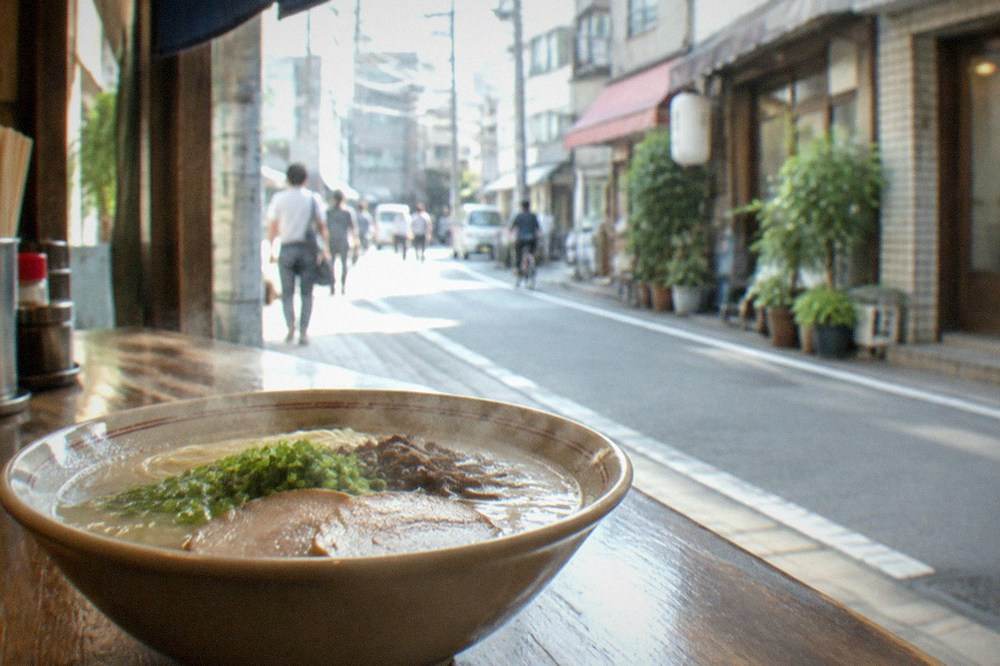
The naming point matters with ramen. "Hakata ramen" means the tonkotsu style: opaque, pork-bone broth, very thin noodles that go soft fast, which is why ordering kaedama (an extra half-portion of noodles dropped into your remaining broth) is standard practice. The style was born in the Hakata and Nagahama area, and the name travels better than the city does. What most of the world calls a Fukuoka ramen, the Japanese call Hakata ramen.
| Dish | What it is | Where to eat it |
|---|---|---|
| Tonkotsu ramen | Pork-bone broth, thin noodles, kaedama extra portions | Ramen shops around the station and throughout the ward |
| Motsunabe | Beef offal hot pot with cabbage and miso or soy broth | Motsunabe specialists in Nakasu |
| Mentaiko | Spicy seasoned cod roe, eaten plain or on rice | Anywhere; the classic Hakata souvenir |
| Goma-saba | Mackerel in sesame-soy dressing | Izakaya menus across the city |
| Mizutaki | Chicken hot pot, the other local classic | Hakata old town restaurants |
The yatai deserve their own paragraph because they are the single most Hakata thing in the city. There are about 100 of them, more than any other Japanese city, licensed by the city and regulated by a municipal ordinance that requires prices to be posted where customers can easily see them, and bans 時価, "market price", pricing on variable dishes. The city's own yatai Q&A page is the primary source on this, and the ordinance is why the honest answer to "will I get overcharged at a yatai" is simply no: the prices are on display by law. Stalls set up from around 17:00 and may occupy their plots until 4:00 the next morning, though each stall opens and closes at the operator's discretion, and rain or strong wind closes many of them. There is no city-mandated closing day.
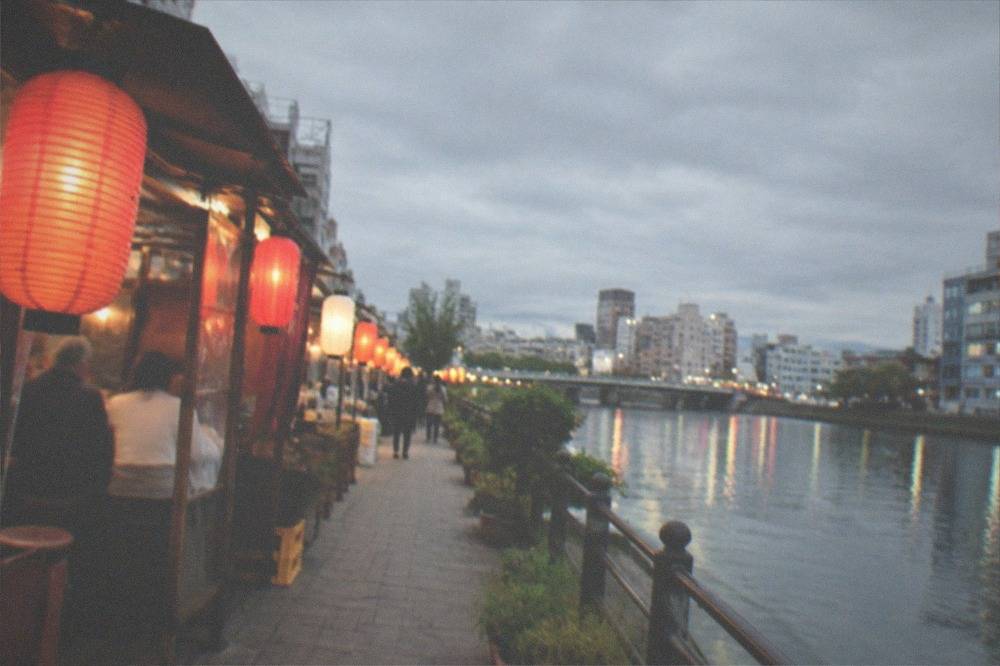
You cannot book a stall, and you do not need to: the yatai take walk-ins, seat roughly six to ten people each, and the whole point is turning up. What you can book is a guided crawl, which solves the language barrier at the counter and usually gets you a stall's signature dishes explained. The private Nakasu stall tour with tastings, from $94 per person and rated 4.7 from 70 reviews, is the roster's dedicated option for the riverside row. For the wider food landscape beyond the stalls, Fukuoka street food covers what to order and how.
If you want to go deeper on the morning side of the ward, ask about setoramen, the leftover-broth-and-noodles breakfast that grew out of the nightlife economy, which is another thing Hakata does that almost nowhere else does.
How Do You Use Hakata Station Itself?
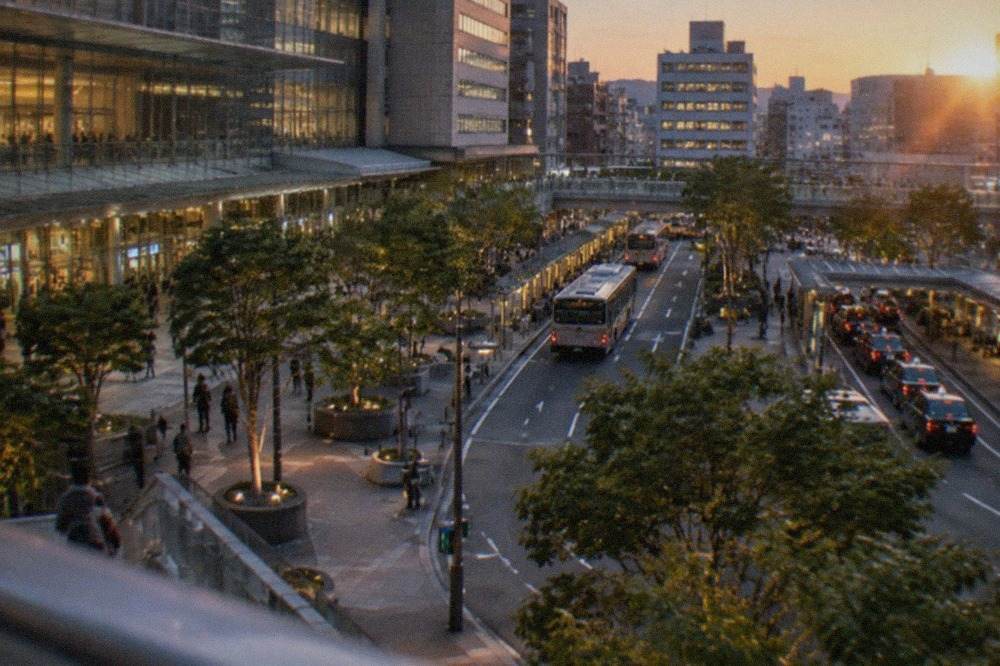
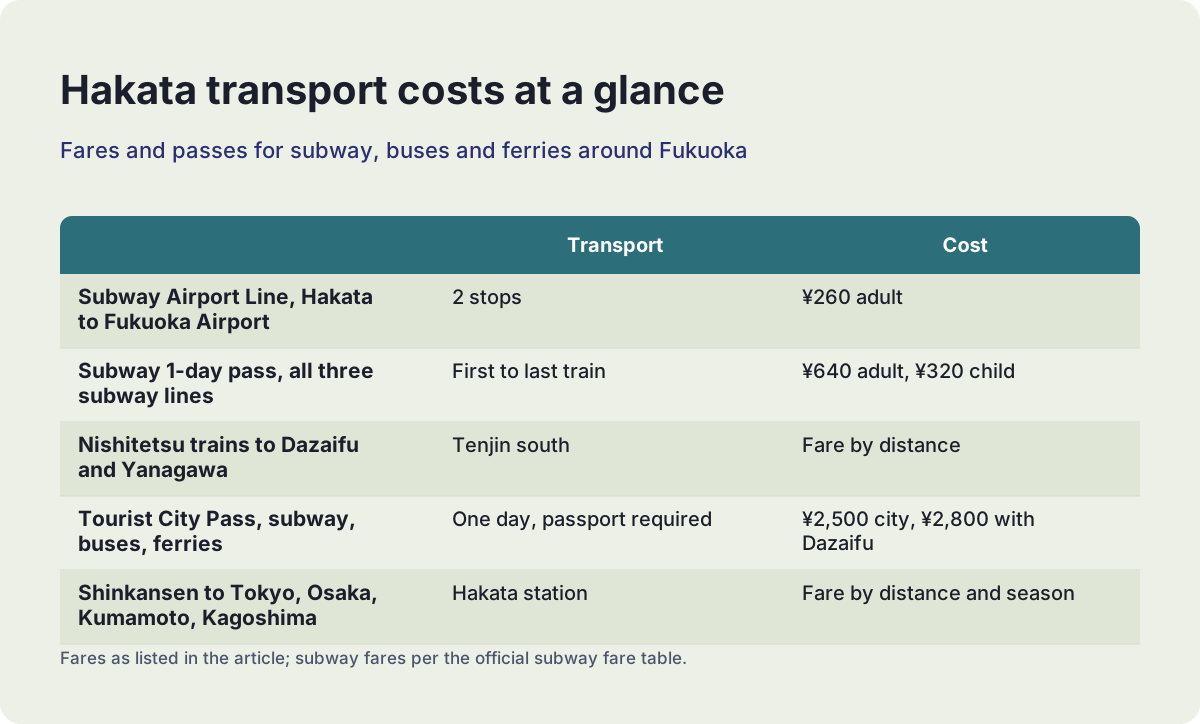
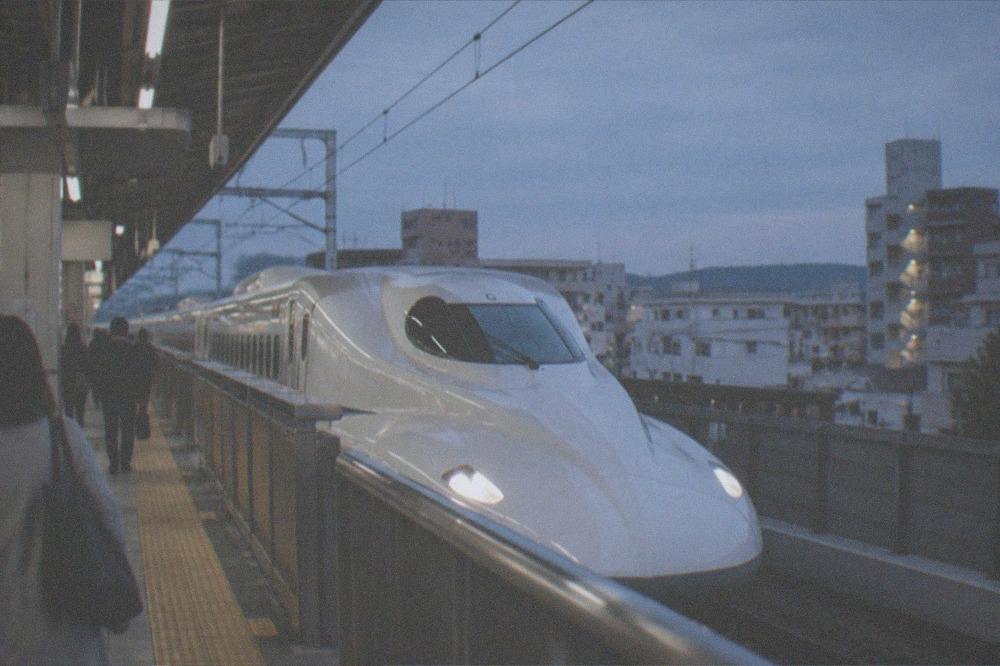
Hakata Station is the largest station on Kyushu and the region's rail hub, carrying the Shinkansen, JR conventional lines, the subway and two big bus terminals, all under one roof. The subway's Airport Line connects it to Fukuoka Airport for ¥260, the city's day pass is ¥640, and the Shinkansen platforms put Tokyo, Osaka and Kumamoto within reach. The station building itself is a shopping and eating destination.
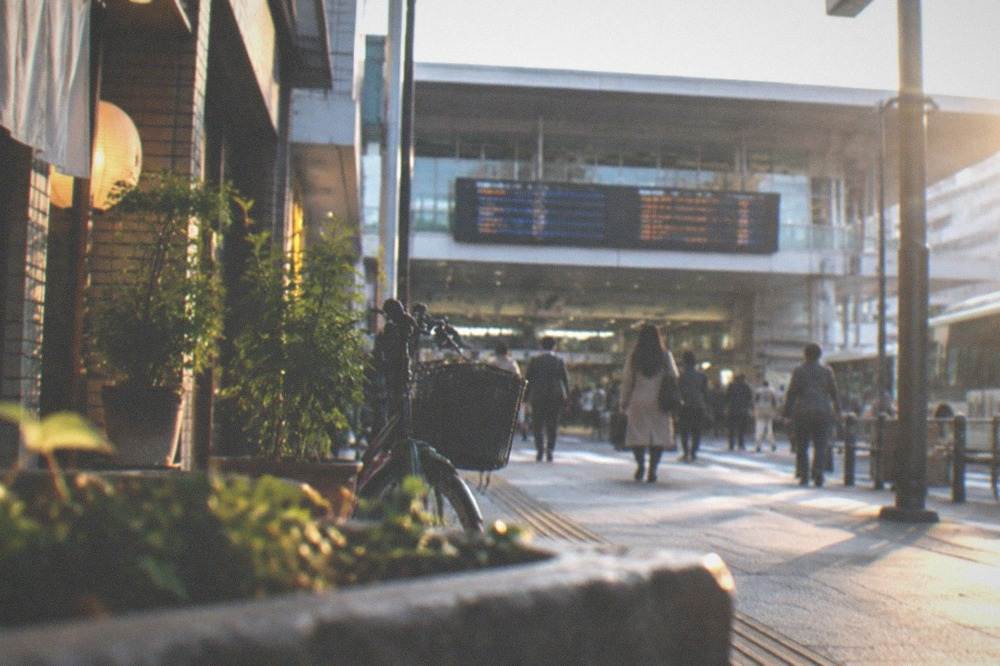
The station matters more than the ward in most itineraries, because it is both the arrival point and the practical base. The building stacks a department store, two underground shopping levels and a rooftop garden on top of the platforms, and the surrounding Hakata station area holds enough hotels and restaurants that plenty of visitors never need to move.
| Transport | What it does | Cost |
|---|---|---|
| Subway Airport Line | Hakata to Fukuoka Airport, 2 stops | ¥260 adult |
| Subway 1-day pass | All three subway lines, first to last train | ¥640 adult, ¥320 child |
| Nishitetsu trains | Tenjin south to Dazaifu and Yanagawa | Fare by distance |
| Tourist City Pass | Subway, buses, ferries, one day, passport required | ¥2,500 city, ¥2,800 with Dazaifu |
| Shinkansen | Hakata to Tokyo, Osaka, Kumamoto, Kagoshima | Fare by distance and season |
The Tourist City Pass line in that table is worth pausing on, because most competing guides still print the old ¥820 and ¥1,340 prices and they are wrong. The verified figures are ¥2,500 for the city version and ¥2,800 for the version that adds Dazaifu, and the pass is restricted to overseas tourists on a short-stay visa, with your passport checked at the counter when you buy it. It covers unlimited subway, buses, trains and ferries for one day, and the Dazaifu Liner bus Tabito is excluded from the Dazaifu version.
On luggage: the station and the airport between them make Hakata unusually convenient for a stopover or a split itinerary, and a station of this size runs its own locker and forwarding options. The airport is unusually close to the centre, which is verified and true, but be wary of any guide printing a journey time in minutes: that figure circulates everywhere and no official page we could read confirms it.
What Day Trips Run from Hakata?
Hakata is the rail gateway for the whole of Kyushu, and the roster's day trips from the station reach Dazaifu and Yanagawa to the south, Beppu and Yufuin over the mountains in Oita, Nagasaki west along the coast, and Kumamoto, Takachiho and Mount Aso as full days. As a rule of thumb: Dazaifu and Yanagawa are half-day-friendly, Beppu, Yufuin, Aso and Nagasaki are full days, and the multi-hour rides out to Takachiho are full days too, without exception.
The day trip roster through tour operators is deep, and the pick depends on what you want from the day. The Beppu day trip is the classic onsen-and-hells outing, from $59 per person with a 5 from 7 reviews rating on the combined itinerary, while the Kumamoto and Aso routes trade ocean for grassland and volcano. A few standouts from the roster:
| Day trip | Roster figures | Best for |
|---|---|---|
| Beppu Hells, Yufuin, animal park | From $59, rated 5 from 7 reviews, 10 hours | Onsen towns and the famous hells |
| YokaBus tea fields, Yame and Yanagawa river boat | From $92, rated 4.9 from 29 reviews, 9 hours 30 minutes | Tea country and a canal boat |
| Akiyoshido cave and Motonosumi shrine | From $65, rated 4.8 from 56 reviews, 10 hours | Caves and the coastal torii |
| Miyazaki, Takachiho gorge, shrine | From $94, rated 4.6 from 78 reviews, 9 to 10 hours | Gorge scenery, furthest reach |
| Aso volcano, grasslands, onsen | From $58, rated 4.6 from 27 reviews, 10 hours | Volcano and grassland |
If you are building the days yourself rather than booking a tour, the region's train and bus routes are straightforward to string together, and the Kyushu-wide itineraries that start from this station string several of these into a week. One honest framing note: organised tours and self-guided trips are not competitors here, they are tools for different terrain. Dazaifu and Yanagawa are easy on your own train tickets. Beppu and the Aso caldera eat most of a day in transit, which is exactly where a coach tour earns its keep, and the Takachiho routes are long enough that most people prefer not to drive them.
When Is the Best Time to Be in Hakata?
The festival calendar is the reason to time a Hakata trip: Hakata Gion Yamakasa runs July 1 to 15 with its Oiyama race on July 15 at 4:59 a.m., Hakata Dontaku fills May 3 and 4, Hojoya runs September 12 to 18 at Hakozakigu, and Tamaseseri takes January 3. Weather-wise, spring and autumn are the comfortable windows, and July, not June, is Fukuoka's wettest month at 299.1 mm in the official normals, which surprises almost everyone who plans around the rainy season.
| Month | Festival or event | Notes |
|---|---|---|
| January 3 | Tamaseseri at Hakozakigu | New Year ball-scramble ritual, around 13:00 |
| May 3 and 4 | Hakata Dontaku | Parades on Meiji-dori, one of Japan's biggest festivals |
| July 1 to 15 | Hakata Gion Yamakasa | Float races, climax Oiyama July 15, 4:59 a.m. |
| September 12 to 18 | Hojoya at Hakozakigu | Hundreds of stalls along the approach |
| Late March to early April | Cherry blossoms | Maizuru Park and Nishi Park nearby |
The Yamakasa deserves its own note because it is the ward's identity in festival form. Teams carry roughly one-ton floats through the old merchant streets, the course is about 5 km, and the whole thing is anchored on Kushida Shrine, a few minutes from the station. There is no ticketing for the festival at all: you show up, ideally before dawn on the 15th, and you watch. What you can book is transport, accommodation early, and nothing else. The Hakata Gion Yamakasa page covers where to stand and how the two weeks build.
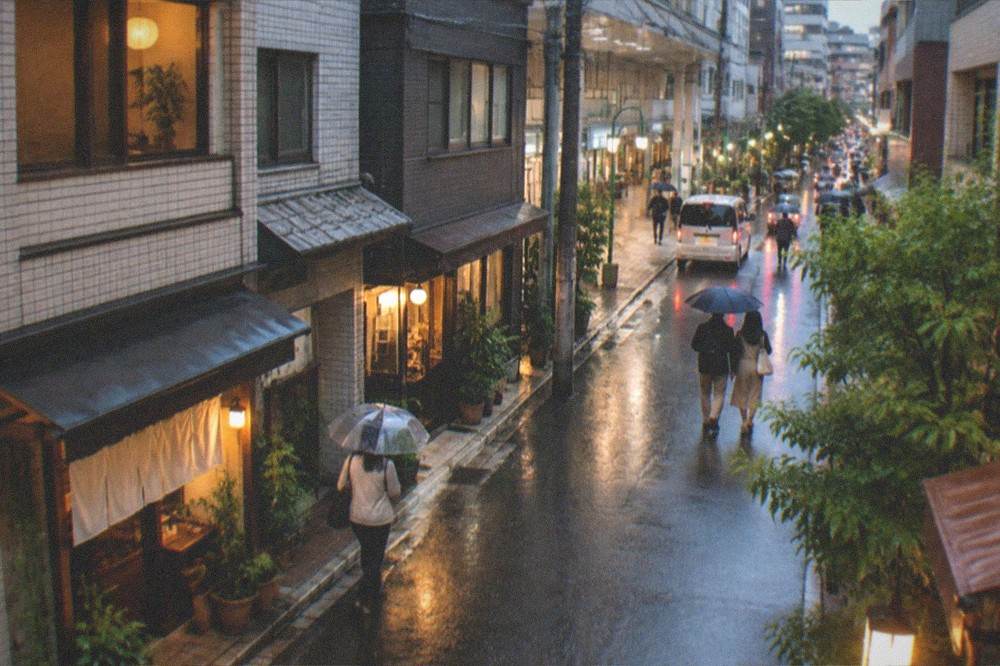
On weather: the JMA's 1991 to 2020 normals put July at 299.1 mm against June's 249.6 mm, so the rainy season's reputation belongs to the wrong month here, and July is also Yamakasa month, which means the city's biggest festival happens in its wettest weather. That is not a reason to avoid it; it is a reason to pack for it. Typhoon season runs roughly July through October and is a genuine planning factor, best read as "check the forecast", not "avoid the city".
Where Should You Stay in Hakata?
Stay in Hakata if you want the station on your doorstep, early trains and late arrivals handled, and the port-side old town in walking distance; stay in Tenjin if you want the shopping and dining district and do not mind a short subway hop to the station. Hakata-ku is the practical choice for rail-heavy itineraries and one-night stopovers, and the ward's hotel stock is built exactly for that.
The honest answer is that the decision is smaller than it looks. The subway connects the two districts in a couple of minutes and a couple of stops, and the choice comes down to which side you want to sleep on: the station and the port, or the shopping and the restaurants. What tilts people toward Hakata-ku: the Shinkansen and JR platforms, the airport subway, the bus terminals, the old town temples, and the fact that a 2-day Fukuoka itinerary built on day trips runs entirely out of this station. What tilts people away: Tenjin's shopping and its underground mall, and Daimyo's restaurant scene on the western side of the river.
For a stopover specifically, Hakata wins outright. The airport link, the station's luggage infrastructure and the ward's late food mean a single night here costs you almost nothing in time, which is why so many Shinkansen and cruise passengers build their whole trip around a Hakata bed.
The essentials half-day tour, from $74 per person and rated 4.9 from 48 reviews, is a good fit if you are on exactly that kind of tight schedule and want the city's core sights covered in one guided block rather than navigated alone.
Common Questions About Hakata
Why Is Hakata Station Not Called Fukuoka?
The station takes its name from the medieval port town of Hakata, which existed for centuries before the city of Fukuoka was formed by merging Hakata with the neighbouring castle town. The city took the castle town's name, but the station, the ward, the port and the ramen all kept the older one.
Is Hakata a different city from Fukuoka?
No. Hakata is a ward of Fukuoka city and the name of its main station. They are the same city, and no transfer, train or journey exists between them because there is nothing to travel between.
Is there a JR Fukuoka Station?
No. The station serving Fukuoka is Hakata Station, on the Shinkansen and JR lines. There is no JR station called Fukuoka anywhere in the city.
How many yatai are there in Hakata?
About 100 licensed stalls operate across Fukuoka, more than any other Japanese city, concentrated in Nakasu, Tenjin and Nagahama. City regulation requires posted prices and bans market-price billing, and stalls take walk-ins only; only guided crawls are bookable.
What is Hakata ramen?
Hakata ramen is the tonkotsu style: a rich pork-bone broth with very thin noodles, born in the Hakata and Nagahama area. Ordering kaedama, an extra half-portion of noodles into your remaining broth, is standard practice because the thin noodles soften quickly.
When is Hakata Gion Yamakasa held?
Every year from July 1 to 15, centred on Kushida Shrine, with the Oiyama finale race on July 15 starting at 4:59 a.m. The festival has no ticketing at all; spectators simply show up, and the climax is before dawn.