Itoshima Day Trip
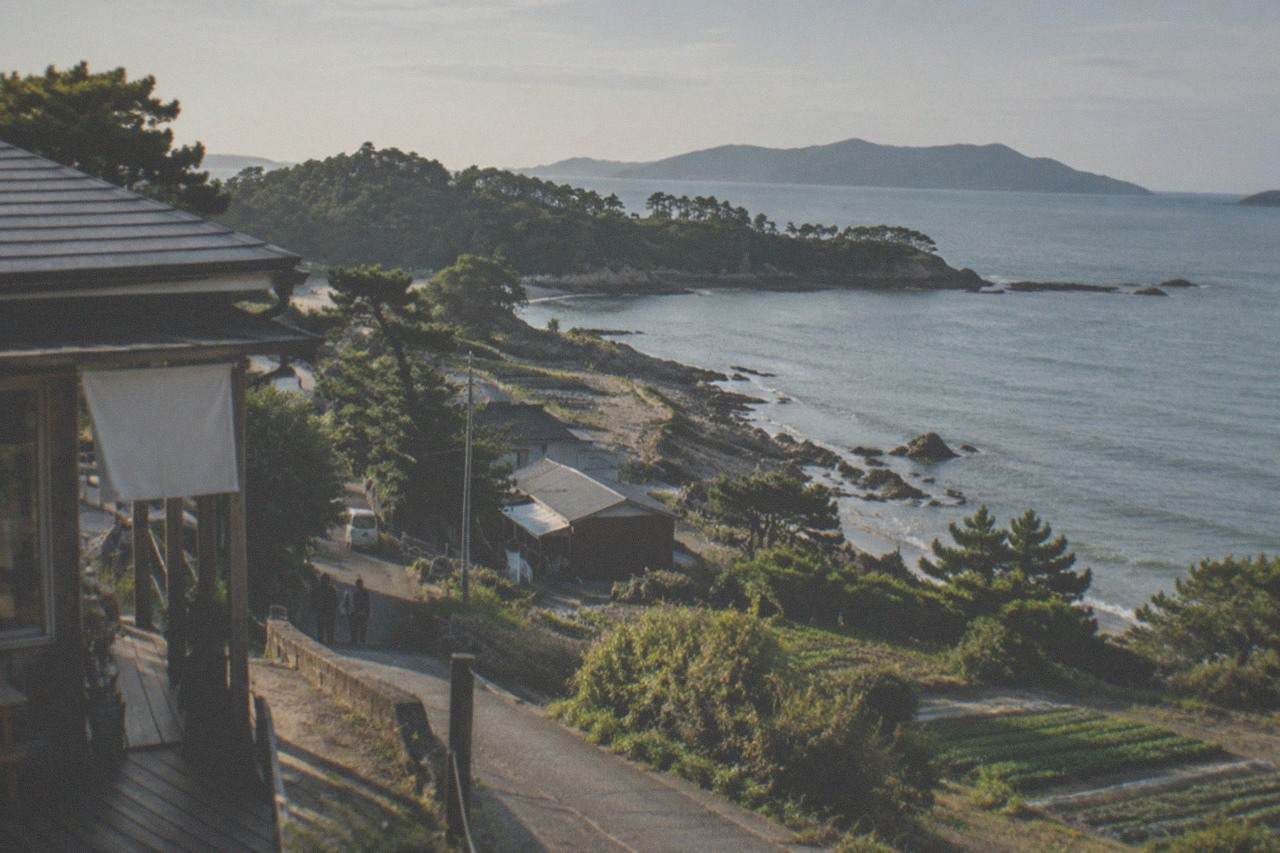
Itoshima is the peninsula west of Fukuoka where the city runs out and the Genkai Sea coastline takes over: fishing harbours, Shiraito Falls, sakura fields and beach cafés. It is a half to full day trip, not a quick hop, and the stops are scattered enough that the plan matters more than the destination.
Short answer
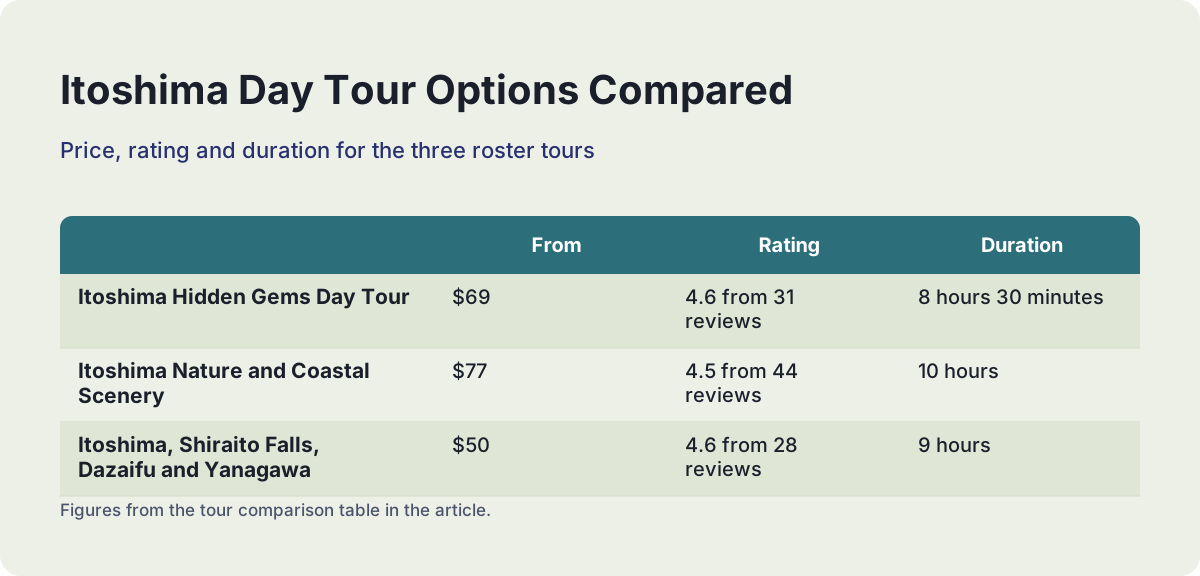
Itoshima sits on the Genkai Sea coast west of Fukuoka and is reached by JR rail plus bus, by car, or on a guided day tour. The Itoshima Hidden Gems day tour runs from $69 per person, rated 4.6 from 31 reviews over 8 hours 30 minutes. Most visitors treat it as a full day, pairing coast stops with Shiraito Falls.
Itoshima is the stretch of coastline that begins where Fukuoka's western suburbs end. The peninsula faces the Genkai Sea, the body of water north of the city that so many guides mislabel as the Pacific, and its whole appeal is low density: rice terraces, fishing harbours, a waterfall that drops beside a cliff road, and beach cafés that appear in every Japanese photo essay about the area. Fukuoka residents treat it as their nearest escape, which is why weekend traffic on the coast road is a real planning factor and why the question of how you will get around shapes the whole day.
This page lays out the transport decision first, because it genuinely determines what you will see, then the stops, the tour options, the honest costs and the seasonal timing. If you are fitting Itoshima into a longer stay, the three day Fukuoka itinerary usually leaves the final day free for exactly this kind of coast run.
Why Does Itoshima Practically Require a Car or a Bus Plan?
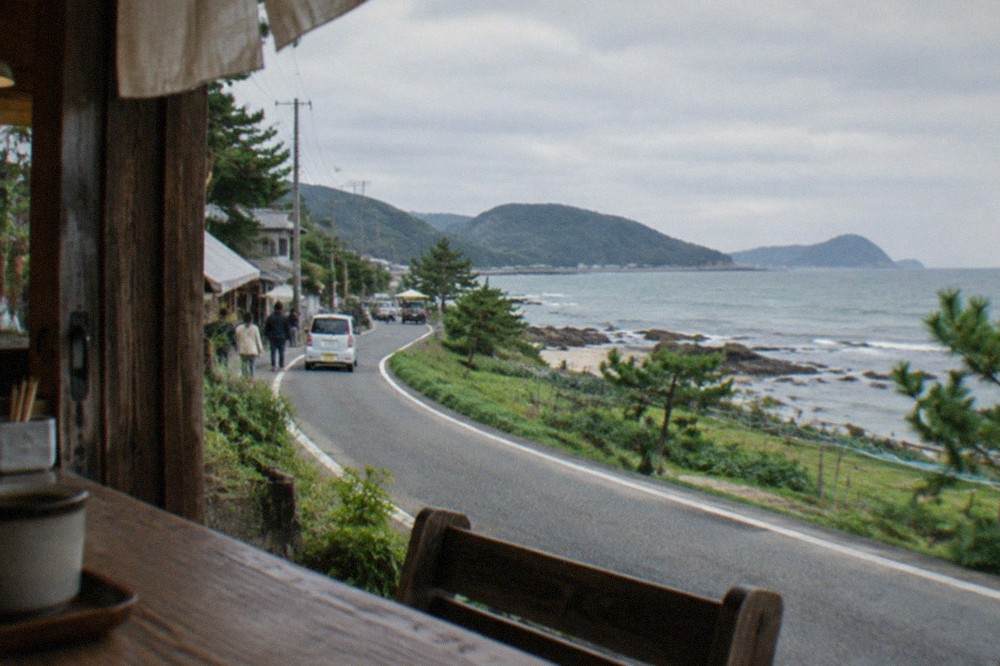
Itoshima's attractions sit along roughly 30 kilometres of coast and inland valley with no single walkable centre, the JR train line only brushes the peninsula's south edge, and every stop worth making sits ten to forty minutes apart by road, so a visitor who arrives at a station and starts walking sees one village and misses the rest. That is the honest answer, and it is why nearly every workable Itoshima plan is built around a rental car, a bus timetable studied in advance, or a tour bus that strings the stops together for you. The transport decision is not a detail of the trip, it effectively is the trip.
Compare this with Fukuoka's other headline day trips. Dazaifu is a shrine town you can walk end to end in twenty minutes, and Yanagawa is a canal town of similar scale. Itoshima is the opposite: a region rather than a town, closer in character to a coastal drive than to a sightseeing street. The comparison matters because it changes what you pack, what time you leave, and whether a tour is a convenience or a necessity.
The rental car question deserves a straight answer. Central Fukuoka is a walk-and-subway city where a car is a liability, and parking there is not worth the trouble. A rental makes sense for Itoshima and for the wider Kyushu loop, not for Hakata or Tenjin. If you hire, pick the car up in the city on the morning of the trip and return it the same evening, which keeps the cost to a single day. There is no parking product this site can sell you, so this is plain advice: the coast road has small paid lots near the major stops and free roadside parking in the villages, and the lots fill by late morning on weekends.
How Do You Get to Itoshima from Fukuoka?
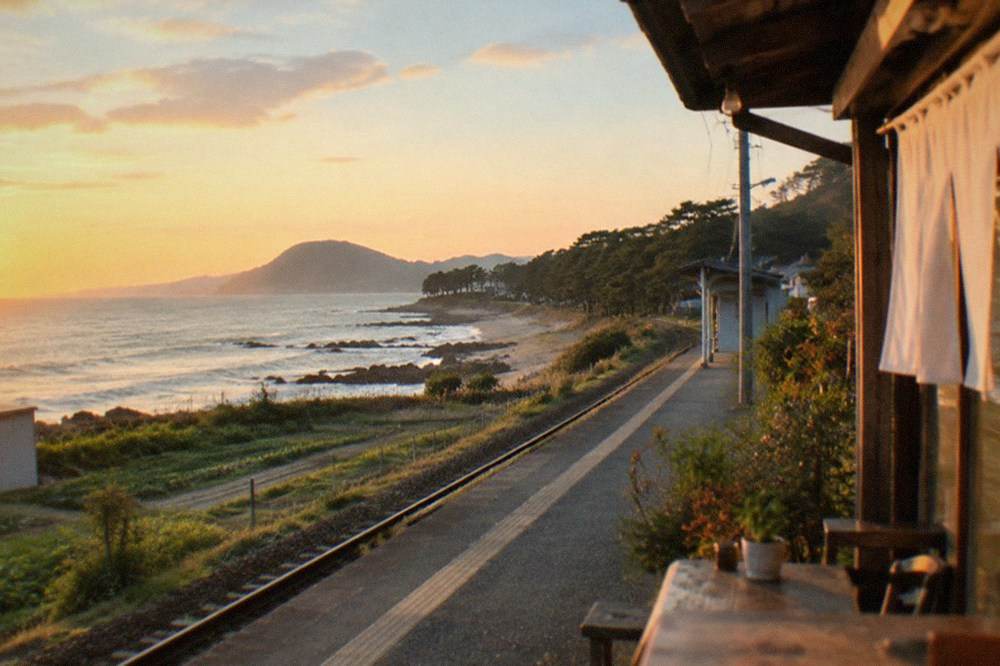
Three workable routes exist: the JR Chikuhi Line from Hakata or Meinohama to stations like Chikuzen Maebara, which puts you on the peninsula's south edge and still needs a bus or taxi for the coast; a rental car out of the city on the Maebaru expressway, roughly an hour to the key stops; or a guided day tour that departs from central Fukuoka and loops the coast in a minibus. There is no direct rail link to the shoreline itself, and that single fact is what catches most visitors out. The train is cheap and reliable, but it is a starting point, not a complete plan.
The rail option suits travellers who want one or two stops rather than the full sweep. Trains run from Hakata, Fukuoka's main station, and the fare is a short-haul JR price, a few hundred yen, though this site has not verified an exact figure so check at the ticket machine. From stations such as Chikuzen Maebara, local buses and taxis cover the remaining distance to the coast, but the bus frequency thins out badly in the afternoon, which is why the morning matters so much on a self-drive-avoidance plan. Anyone relying on buses should plan to be heading back toward the station by mid afternoon.
If you are spending several days in the city and using the subway heavily, note that the subway's own one day pass costs ¥640 for adults and covers all three city lines, per the official subway fare page, but it does not extend to Itoshima, so do not buy one for this trip. The Fukuoka Tourist City Pass, at ¥2,500 for the city version or ¥2,800 with Dazaifu, covers subway, buses, ferries and some rail within its designated zones and requires a passport check at the counter for overseas visitors on short-stay visas, per the official pass page. Whether its rail coverage reaches far enough for your Itoshima plan depends on your exact route, so confirm the zone map before relying on it.
| Option | Best for | The honest catch |
|---|---|---|
| JR Chikuhi Line plus bus or taxi | One or two stops, low cost, no driving | Bus frequency drops sharply after mid afternoon |
| Rental car from central Fukuoka | The full coast loop, maximum stops | Weekend coastal traffic and small lots that fill early |
| Guided day tour from Fukuoka | First-time visitors, no driving, fixed timing | You move on the tour's clock, not your own |
For travellers who would rather not drive and still want the full loop, the guided options are the pragmatic answer, and there are three of them on this site's roster. The one that most directly matches the classic Itoshima itinerary is the Itoshima Hidden Gems day tour, which covers the coast's signature stops in a single 8 hour 30 minute loop, and you can read the full Itoshima Hidden Gems tour page for the stop list, Check availability if the date matters to you.
What Are the Best Stops on an Itoshima Day Trip?
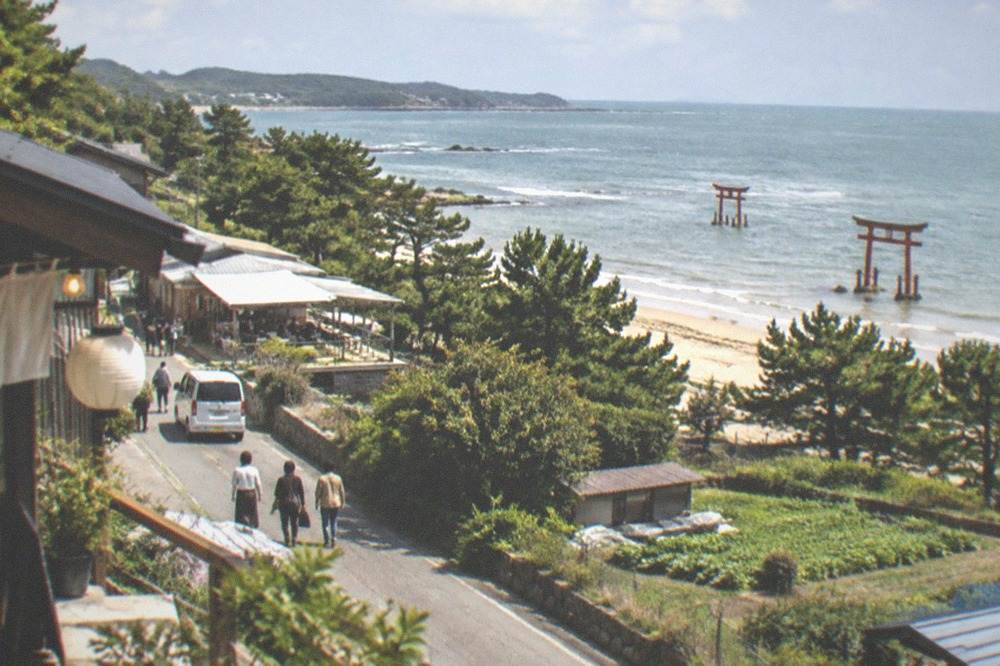
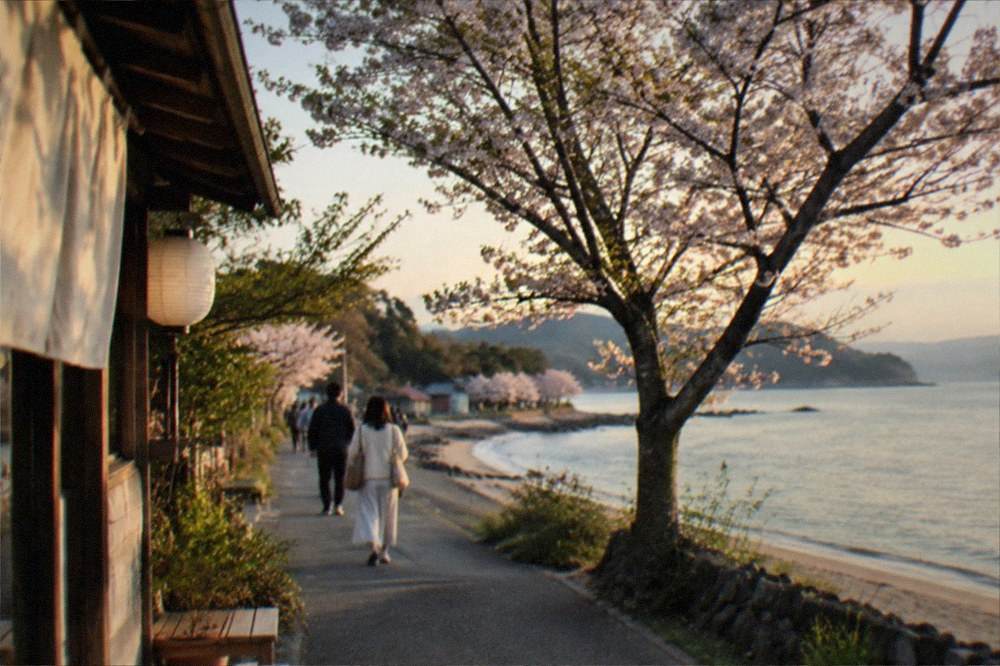
The four stops that define the trip are Shiraito Falls, the Sakurai Futamigaura coast with its sakura fields and photogenic torii pair standing in the sea, the fishing harbour around Keya with its sea cave and village lanes, and the beach café strip around Nijinomatsubara and the white-sand coves further west. A realistic day fits three of the four comfortably by car or tour, and two by rail and bus. Trying for all four on public transport turns the day into a timetable exercise rather than a coast day.
Shiraito Falls is the natural first stop coming from the city. The water drops in thin threads over a mossy cliff face, and the short walk from the parking area keeps it accessible to almost anyone. It sits inland of the coast road, which is exactly the kind of geography that makes the bus plan awkward: the falls and the harbour are close by car but not by any single bus route. Sakurai Futamigaura, by contrast, is the image most people have of Itoshima before they know its name, two torii gates standing in shallow water with the sakura field behind them in spring. There is no ticketing for the site itself; it is a working coastal landscape, so time your visit around the light rather than an opening hour.
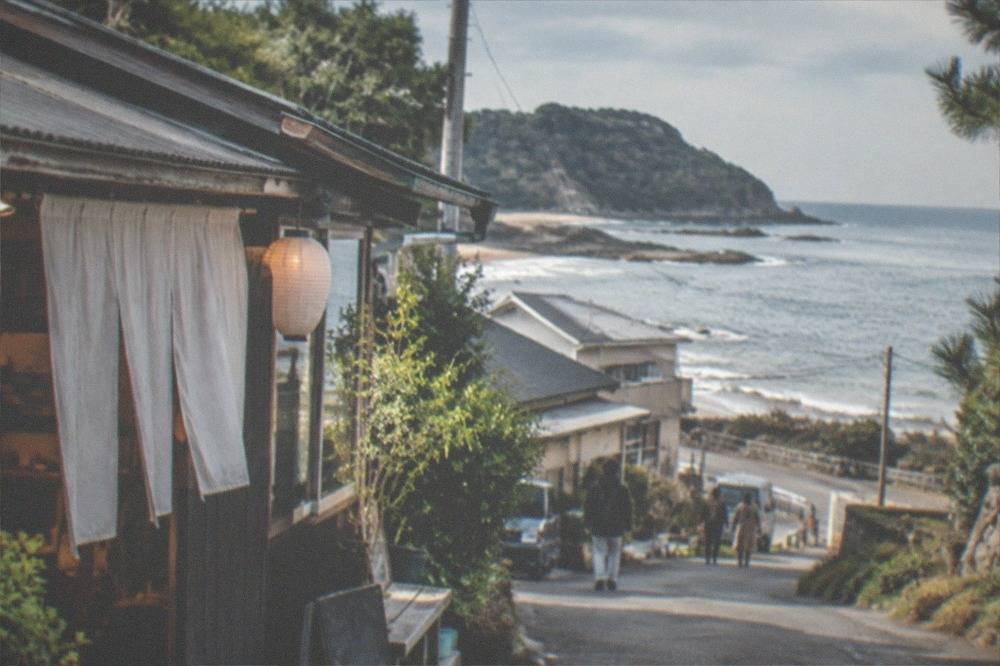
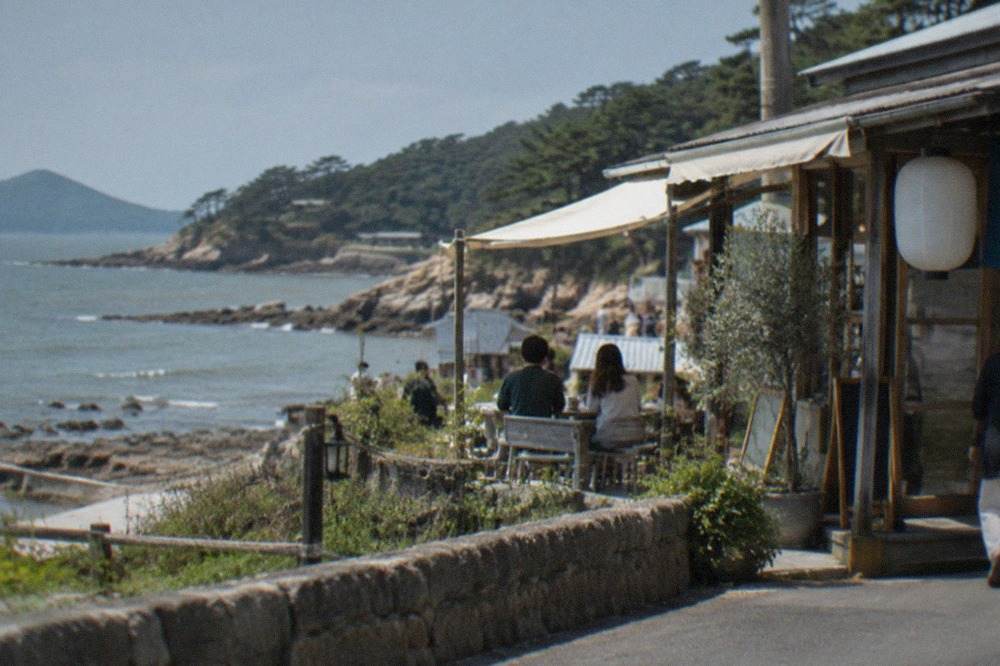
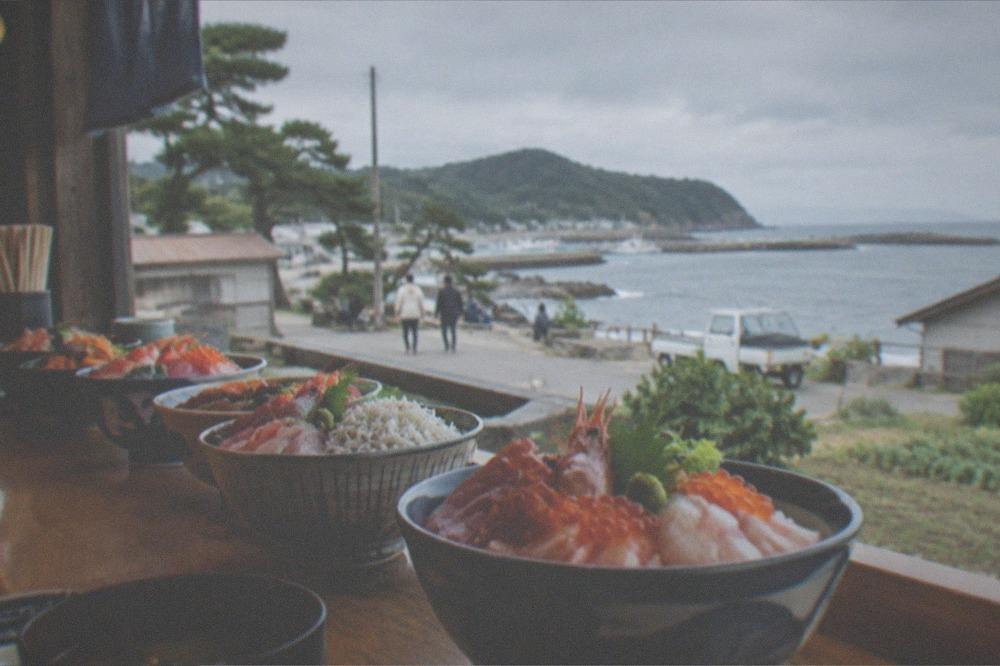
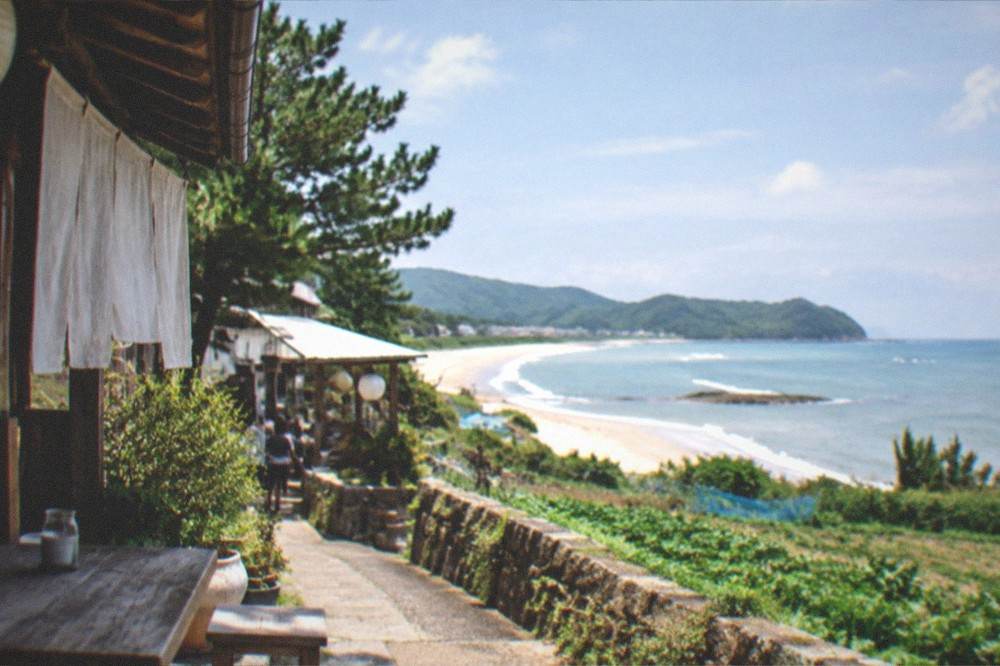
Keya no Oto, the sea cave on the Keya peninsula, is reached by a short ferry ride or coastal path and is the one stop with a genuinely maritime character: a hollowed cliff you can view from a small boat when conditions allow. The villages around it, Keya and the neighbouring harbours, are where the peninsula's food reputation comes from, oysters in winter and seafood bowls year round. The beach café strip is the newest layer, a string of converted containers and timber shacks serving coffee facing the water, and it is the part of Itoshima that has made it a photo destination in the last decade.
| Stop | Character | Realistic time needed |
|---|---|---|
| Shiraito Falls | Cliff waterfall, short easy walk | 45 to 60 minutes |
| Sakurai Futamigaura | Torii in the sea, sakura fields, beach | 60 to 90 minutes |
| Keya no Oto cave and harbour | Sea cave, fishing village, seafood lunch | 2 hours with lunch |
| Beach café strip | Coffee, coastline views, slow afternoon | 60 to 90 minutes |
A sample full-day route by car, and this is the shape most tours follow too, runs the falls first while the lots are empty, then the Futamigaura coast before noon when the torii photographs best, lunch at a harbour, and the café strip on the westward leg before turning back. Leave Fukuoka by 8:30 and you will be ahead of the weekend crowd at every stop. The one day Fukuoka itinerary is the right fallback if the forecast turns, since Itoshima is a poor rainy-day trip and the city is not.
Which Itoshima Tour Is Worth Booking?
For most first-time visitors the Itoshima Hidden Gems day tour is the strongest fit: from $69 per person, rated 4.6 from 31 reviews, running 8 hours 30 minutes and covering the coast's scattered highlights without any driving on your part. Two other roster tours cover Itoshima with different angles and price points. The Itoshima Nature and Coastal Scenery tour, from $77 per person and rated 4.5 from 44 reviews, runs a longer 10 hour loop, and the Itoshima, Shiraito Falls, Dazaifu and Yanagawa tour, from $50 and rated 4.6 from 28 reviews, splits its 9 hours between the peninsula and two inland towns, which suits visitors who want Itoshima folded into a broader sampler rather than given a full day of its own.
The choice between them is really a choice about depth. The Hidden Gems tour spends its whole day inside Itoshima, which is what the region rewards, since the stops are far enough apart that a tour earns its price purely on logistics. The coastal scenery tour's extra 90 minutes buys a more relaxed pace at the western stops. The three-town combination tour is the value pick for travellers with limited days who would otherwise miss Dazaifu or Yanagawa entirely, and it pairs naturally with the Dazaifu day trip guide if you want to go deeper on the inland half.
| Tour | From | Rating | Duration | Best for |
|---|---|---|---|---|
| Itoshima Hidden Gems Day Tour | $69 | 4.6 from 31 reviews | 8 hours 30 minutes | The full coast loop, no driving |
| Itoshima Nature and Coastal Scenery | $77 | 4.5 from 44 reviews | 10 hours | A slower, longer coast day |
| Itoshima, Shiraito Falls, Dazaifu and Yanagawa | $50 | 4.6 from 28 reviews | 9 hours | Itoshima plus inland towns in one day |
Read the tour listings closely for what is included: some cover entry fees at stops like the sea cave boat, others leave those to be paid on the spot, and the difference explains most of the price spread between the three. All three depart from central Fukuoka, so none of them requires you to reach a station on the peninsula yourself.
What Does an Itoshima Day Trip Cost?
Count on the tour option running from $50 to $77 per person depending on the itinerary, a self-drive day costing a single day's car hire plus fuel and small parking fees, and a rail-and-bus day costing a few hundred yen each way plus whatever a taxi leg adds. Food on the peninsula is moderate: harbours serve seafood bowls at prices typical of coastal Japan, and the café strip is priced like a city café rather than a roadside stall. No single figure describes the region because Itoshima has no gate or pass, every cost is transport plus food plus the odd cave or boat fee.
The honest budget comparison is that the tour price and the self-drive cost converge for a solo traveller. One day of car hire plus fuel plus parking lands in the same range as a $69 to $77 tour seat, and the tour adds a driver who knows which lots fill first. For two or more people sharing a car, self-drive becomes clearly cheaper and clearly more flexible, provided the driver is comfortable on the left. The rail-and-bus plan is the cheapest of the three in cash terms but the most expensive in friction, and it buys you the fewest stops.
Two small costs deserve advance warning. The sea cave viewing boat at Keya runs only when sea conditions permit, so budget for it as a maybe rather than a certainty. And the beach cafés, the part of the day people remember longest, are cash-friendly small businesses, so do not arrive at the last one of the afternoon with only a card. Neither is expensive by city standards, but both are the kind of costs that surprise a visitor who planned only for the train fare.
When Is the Best Time to Visit Itoshima?
Late March to mid April brings the sakura fields at Sakurai Futamigaura to their brief peak, May and October are the comfortable shoulder months, and July through early October carries both the best swimming weather and the typhoon-season risk that can close the cave boat and empty the beaches in a single afternoon. The peninsula's appeal shifts with the season rather than disappearing in any of them, but the spring fortnight is the one window that genuinely changes what the photographs look like.
The climate record for Fukuoka, the nearest Japan Meteorological Agency station, explains the shape of the year. July is the city's wettest month at 299.1 mm of rain, wetter even than June's 249.6 mm despite June being the tsuyu rainy season, a fact that surprises most visitors planning around the festival calendar. August is hotter, with a daily mean of 28.4 degrees Celsius, but drier at 210.0 mm and rich in sunshine at 200.9 hours. October drops to 94.5 mm of rain and a mean of 19.6 degrees, which is why it is the coast's second-best window. Typhoon season runs roughly July through October, and it is a real planning factor here, not a footnote, because a storm swell closes the cave boat and turns the torii photographs into a weather report.
| Month | Mean temp | Rainfall | What Itoshima looks like |
|---|---|---|---|
| March to April | 10.8 to 15.4 °C | 103.7 to 118.2 mm | Sakura fields at peak, cool coast walks |
| July | 27.4 °C | 299.1 mm | Hot, wettest month, typhoon risk begins |
| August | 28.4 °C | 210.0 mm | Best swimming weather, crowds at cafés |
| October | 19.6 °C | 94.5 mm | Dry, mild, the shoulder-season sweet spot |
| November | 14.2 °C | 91.4 mm | Quiet coast, oyster season opening |
Winter is the season nobody markets and the harbours quietly love: oyster season runs through the cold months, the cafés stay open, and the torii stand in the water with far fewer lenses pointed at them. A winter Itoshima day is a food day more than a beach day, and visitors who arrive in January expecting the summer photographs should recalibrate toward the harbour lunch.
Is Itoshima a Good Day Trip in Every Season?
Yes, with the caveat that the season changes the trip's centre of gravity: spring is a photography trip, summer is a beach and cave trip with typhoon risk, autumn is a café and coast-walk trip, and winter is an oyster and harbour trip. No month makes the peninsula a bad destination, but the itinerary you plan in April will disappoint in January if you simply repeat it. Match the stop list to the month and the trip works year round.
The practical failure mode is not weather, it is rigidity. A visitor who books a tour for a fixed date in late July may hit a clear, brilliant day or the edge of a storm, and the tour's cave stop is the one that flexes. Self-drive visitors have more freedom to swap the coast for the falls, which hold up in almost any weather short of a typhoon warning. If your Fukuoka dates are fixed and the forecast looks grim, the rainy day itinerary covers the city's indoor core, and Itoshima keeps for your next visit.
One seasonal note that most guides skip: the sakura fields at Sakurai Futamigaura are farmed, not a park. The bloom is a crop with a two-week commercial window, and the parking and access arrangements around it tighten during that window. Arrive early in the morning during peak bloom, both for the light and because the small lots near the coast genuinely fill.
Itoshima or Another Day Trip: Which Suits You?
Choose Itoshima if you want coastline, driving or a tour bus, and a day that feels like leaving the city; choose Dazaifu or Yanagawa for compact walkable towns, Karatsu for a similar coast character further west with castle and pottery, and Nokonoshima for a short ferry hop that delivers island scenery inside Hakata Bay. Itoshima is the biggest commitment of the set, and it repays that commitment with the most varied day.
The distinction worth understanding is bay versus open sea. Nokonoshima and Shikanoshima sit inside Hakata Bay, sheltered, close, and reachable by ferry or bridge. Itoshima faces the Genkai Sea proper, the open water north of Kyushu, which is what gives it surf, swell, and the kind of horizon the bay cannot offer. Fukuoka is not on the Pacific and it is not tropical, and Itoshima is the part of the region where that geography is most visible.
| Day trip | Character | Transport reality | Time needed |
|---|---|---|---|
| Itoshima | Open-sea coast, falls, harbours, cafés | Car, rail plus bus, or tour | Half to full day |
| Dazaifu | Shrine town, museums, walkable | Direct train, easy | Half day |
| Yanagawa | Canal boats, riverside old town | Train plus short walk | Half to full day |
| Karatsu | Castle, beaches, pottery coast | Train or car, further west | Full day |
| Nokonoshima | Island park and beaches in the bay | Ferry from Meinohama | Half day |
For a longer stay, the full day trips from Fukuoka guide ranks every option, and the five day itinerary typically slots Itoshima and Dazaifu onto different days for exactly the contrast described here. If you have energy for only one coast day and no car, the tour decision makes itself.
Common Questions About Itoshima Day Trips
Can you do Itoshima without a car?
Yes, but the plan matters. The JR Chikuhi Line reaches the peninsula's south edge, and buses or taxis cover the coast from there, though bus frequency thins in the afternoon. A guided day tour covers the full loop without any driving, and for most car-free visitors it is the practical way to see more than one stop.
How long does the Itoshima day trip take?
Itoshima is a half to full day, not a quick hop. The signature stops sit up to forty minutes apart by road, so a full coast loop with the falls, the Futamigaura coast and a harbour lunch runs a full day. A half-day version works by car if you cut the western stops.
Is Itoshima worth visiting in winter?
Yes, as a food trip rather than a beach trip. Oyster season runs through the cold months, the harbours are at their best, and the crowds are gone. The sea cave boat and beach café day of summer is not what winter offers, so plan around the harbour lunch instead.
Do I need to book a tour for Itoshima?
You do not need one, but the transport reality means a tour saves the day from becoming a timetable exercise. Tours run from $50 to $77 per person on this site's roster, and the difference between them is mostly how much of the day stays inside Itoshima versus detouring to inland towns.
What is the best base for an Itoshima day trip?
Central Fukuoka, meaning Hakata or Tenjin. Every tour departs from the city centre, the JR line runs from Hakata, and rental cars are cheapest picked up and returned in the city on the same day. Staying near the coast is unnecessary for a day trip.
The longer 10 hour coastal scenery tour suits travellers who want the west coast stops at a slower pace, and its listing carries the current seat prices and departure points. Whichever way you build the day, the principle from the top of this page holds: decide the transport first, and the Itoshima itinerary mostly writes itself. That is the planning habit Fukuoka Japan Travel Guide applies to every coast trip in the region, from this peninsula to the bay islands inside it.
For travellers with only one spare day who want Itoshima plus a taste of inland Kyushu, the combination tour is the pragmatic pick, folding Shiraito Falls, Dazaifu and Yanagawa into a single 9 hour loop at the lowest entry price of the three.
Between them, these three tours cover every way of seeing the peninsula: the full-day loop, the slow coastal sweep, and the sampler that pairs the coast with the shrine towns inland. Compare the stop lists side by side before you choose, since the itineraries genuinely differ.