Dazaifu Day Trip
Dazaifu is the classic half-day escape from Fukuoka: a shrine town dedicated to the god of learning, reached by one Nishitetsu train and one transfer from Tenjin. This guide covers the trains, the timing, the food and the pairings that turn it into a full day.
Short answer
Take the Nishitetsu train from Nishitetsu Fukuoka station in Tenjin, change once at Futsukaichi, and you are in Dazaifu in about half an hour. The shrine grounds are free, a half day covers the approach and the main sights, and adding Yanagawa makes an easy full day.
Dazaifu is the day trip almost every visitor to Fukuoka ends up taking, and for good reason. The town sits just south of the city on the Nishitetsu line, close enough that you can leave Tenjin after a late breakfast and be standing in front of a shrine that has drawn pilgrims for over a thousand years before lunch. It is a small place with an outsized reputation: the head shrine of Tenmangu worship across Japan, a museum of continental scale, and a shopping approach built almost entirely around one grilled rice cake. This guide lays out the trains, the timing, the food and the pairings, so you can decide how much of your Fukuoka budget to spend on Dazaifu.
Why Dazaifu Belongs on Your Fukuoka Itinerary
Dazaifu packs a national-scale shrine, a national museum and a food street into a walkable town that is one cheap train ride from Tenjin. Entry to the shrine grounds costs nothing, the approach is short, and the whole circuit works as a half day or a full one. Few day trips from Fukuoka deliver this much per hour travelled.
The town exists because of one man. Sugawara no Michizane was a scholar, poet and statesman of the Heian period who died in Dazaifu in 903 after political exile. In the centuries that followed, his vengeful spirit was blamed, then appeased, then embraced, and he was deified as Tenjin, the god of learning and calligraphy. Dazaifu Tenmangu stands on the ground associated with his grave, and it is now the head shrine for roughly 12,000 Tenmangu shrines scattered across Japan. That lineage is why students stream through the grounds year round, buying ema plaques and praying for exam luck, and why the approach shops sell calligraphy brushes alongside rice cakes.
The setting adds to the pull. Dazaifu was the administrative seat of Kyushu for centuries, the remote posting that aristocrats dreaded, which means the town carries more history than its size suggests. The shrine's own planning pages state plainly that there is no entrance fee, that the grounds open between 6:00 and 6:30 depending on the season, and that closing time shifts between 18:30 in winter and 19:30 in midsummer, per the shrine's official FAQ at dazaifutenmangu.or.jp. A destination with free entry, honest published hours and a 30-minute train ride is a rare combination, and it is the reason most two-day Fukuoka plans, like the ones in our two-day Fukuoka itinerary, put Dazaifu on day two.
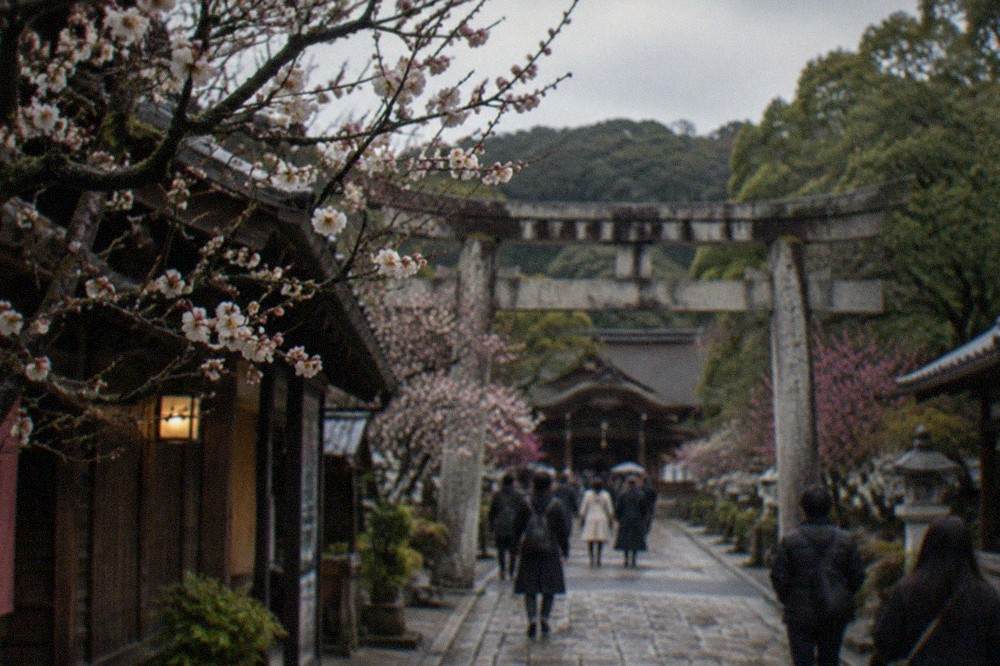
There is also the plum. Michizane loved plum trees, so Dazaifu plants them everywhere, and the shrine's groves flower in late winter when nothing else in Kyushu is blooming. If your trip lands in February or early March, that alone can decide the schedule.
| Quick fact | Detail |
|---|---|
| Main draw | Dazaifu Tenmangu, head shrine of Tenjin worship in Japan |
| Grounds entry | Free, per the shrine's official FAQ |
| Opening | 6:00 or 6:30 depending on season |
| Closing | 18:30 Dec to Mar, 19:30 Jun to Aug, 19:00 otherwise |
| Treasure museum | Last admission 16:00 |
| Typical visit | Half day, or a full day paired with Yanagawa |
How Do You Get to Dazaifu from Tenjin?
Take the Nishitetsu Tenjin Omuta Line from Nishitetsu Fukuoka station, the Tenjin terminus, ride toward Yanagawa or Omuta, and change at Futsukaichi onto the two-stop Dazaifu Line. The whole journey takes about half an hour with one easy transfer. Trains run every few minutes through the day, so no reservation is needed.
The train is the answer for almost everyone. Nishitetsu Fukuoka station sits in the heart of Tenjin, and the Tenjin Omuta Line is one of the busiest private railways in Kyushu, with frequent service down the plain toward Dazaifu and Yanagawa. Futsukaichi is the transfer point: the Dazaifu Line branches off there and runs a short shuttle into the town, and the connection is usually a cross-platform or same-stairs affair. Travellers starting from Hakata station walk or take the subway one stop to Tenjin first, because Nishitetsu does not serve Hakata directly. Our Nishitetsu train guide covers the network in detail if you want the full picture.
If you are planning a wider stay, two passes matter. The Fukuoka Tourist City Pass comes in a Fukuoka City version and a Fukuoka City plus Dazaifu version, and the Dazaifu version covers the Nishitetsu run out to the shrine town along with subway, buses and ferries. It is sold only to overseas visitors on a short-stay visa, and a passport is checked at the counter, with prices published on the city's own pass page at gofukuoka.jp. Separately, Nishitetsu sells the Dazaifu Tabi Kippu, a round-trip rail ticket bundled with an umegae mochi voucher on the approach, which suits anyone who was going to buy the mochi anyway.
| Transport option | How it works | Who it suits |
|---|---|---|
| Nishitetsu train via Futsukaichi | From Nishitetsu Fukuoka station in Tenjin, one transfer, about half an hour | Nearly everyone; cheapest and most frequent |
| Tabito direct bus | Runs from Hakata Bus Terminal to the Dazaifu area | Hakata-based travellers who dislike transfers |
| Fukuoka Tourist City Pass, Dazaifu version | One-day unlimited subway, bus, rail and ferry coverage out to Dazaifu | Visitors doing lots of in-city travel the same day |
| Guided day tour | Coach or train based, departing from central Fukuoka | First-time visitors who want context with the transport |
Two notes on the fine print. The Tabito bus is excluded from the Tourist City Pass even though the pass carries the Dazaifu name, which catches people out. And the Dazaifu Line branch train is short and popular on weekends, so late-morning crowds can mean standing for the last two stops. It is a minor cost for the convenience.
How Much Time Do You Need in Dazaifu?
A half day covers the shrine, the approach and lunch, which is the minimum most travellers want. A full day adds the Kyushu National Museum, the quieter temple gardens and the back streets, and still leaves time to return for dinner in Fukuoka. Rushing Dazaifu in two hours undersells it badly.
The honest answer depends on how much shrine you like. The core circuit, from the station through the approach and over the arched bridges to the main sanctuary and back, is a gentle ninety minutes of walking. Add a treasure museum visit, a sit-down lunch, and time to actually browse the mochi shops instead of walking past them, and the half day is full. The full-day version happens when you add the Kyushu National Museum at the top of the hill, the moss garden at Komyozenji a few minutes from the approach, and the stretch of town around the old Dazaifu government ruins.
One option that compresses everything into a single booking is a guided day tour built around Dazaifu and the scenic Yufuin no Mori train, which pairs the shrine town with a ride on one of Kyushu's best-loved sightseeing trains in a single, well-reviewed outing. For travellers who would rather not work out the transfers themselves, it solves the logistics question completely.
| Sample schedule | Timing | Notes |
|---|---|---|
| Leave Tenjin | Morning | Trains run every few minutes on the line |
| Arrive Dazaifu | About half an hour later | Two stops after the Futsukaichi transfer |
| Approach and mochi | 60 to 90 minutes | The shops open with the shrine crowds |
| Shrine grounds and sanctuary | 60 minutes | Free entry, seasonal closing times |
| Kyushu National Museum | 90 minutes to 2 hours | Uphill walk or short shuttle |
| Back in Tenjin | Late afternoon | Plenty left for a Nakasu evening |
The timing also depends on season, in a way most guides skip. Dazaifu is a walking destination, and the approach offers little shade. Midsummer afternoons in this part of Kyushu are hot and humid, with the region's summer rain peaking in July, so morning arrivals are the local habit. In late November the same schedule flips: the maples around the temple gardens are the reason for the trip, and you want the light of mid-afternoon.
What to See on a Dazaifu Day Trip
The unmissables are the shrine approach, the Taiko Bridge and pond inside the grounds, and the main sanctuary itself. Add the Kyushu National Museum for a full day, the Komyozenji moss garden for the quiet contrast, and the hillside Kamado Shrine for a view most visitors never see. All but the museum are free or nearly so.
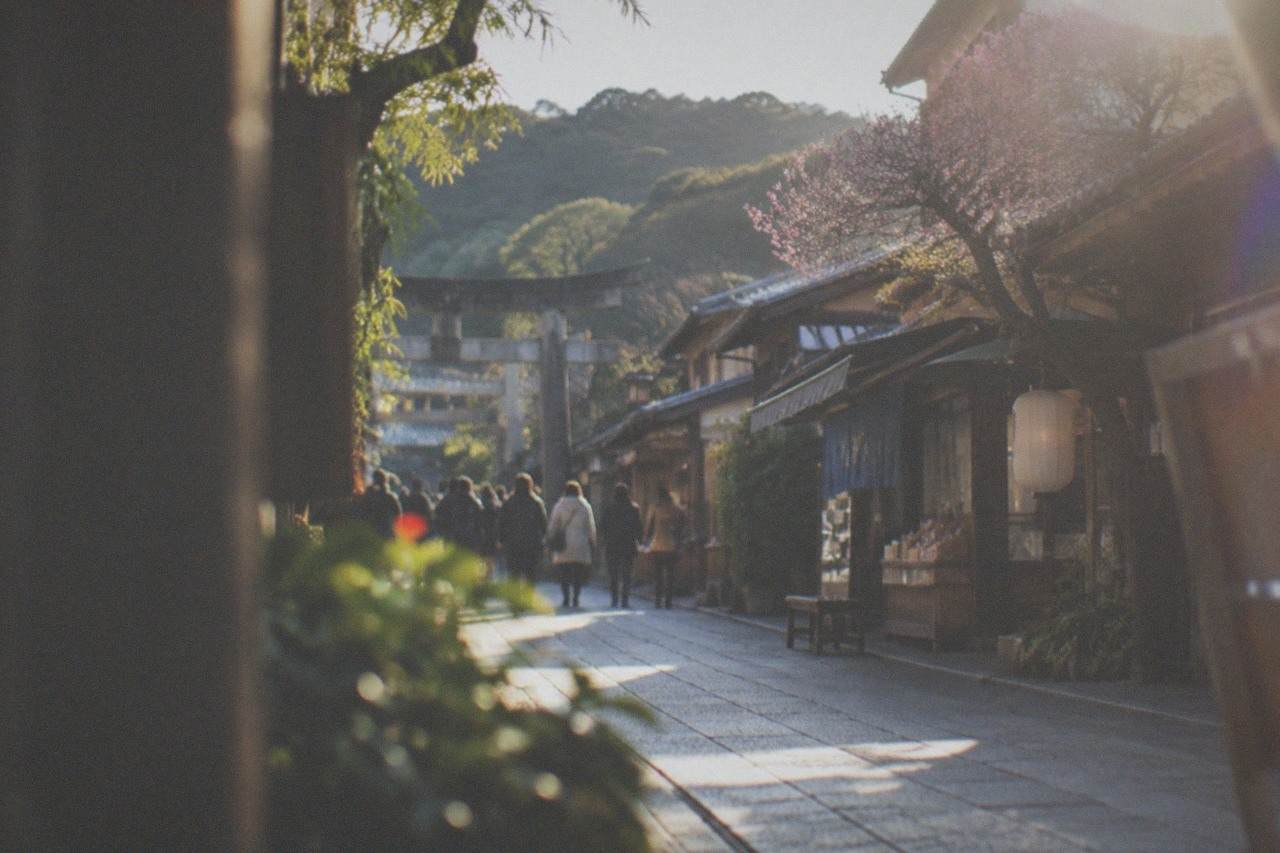
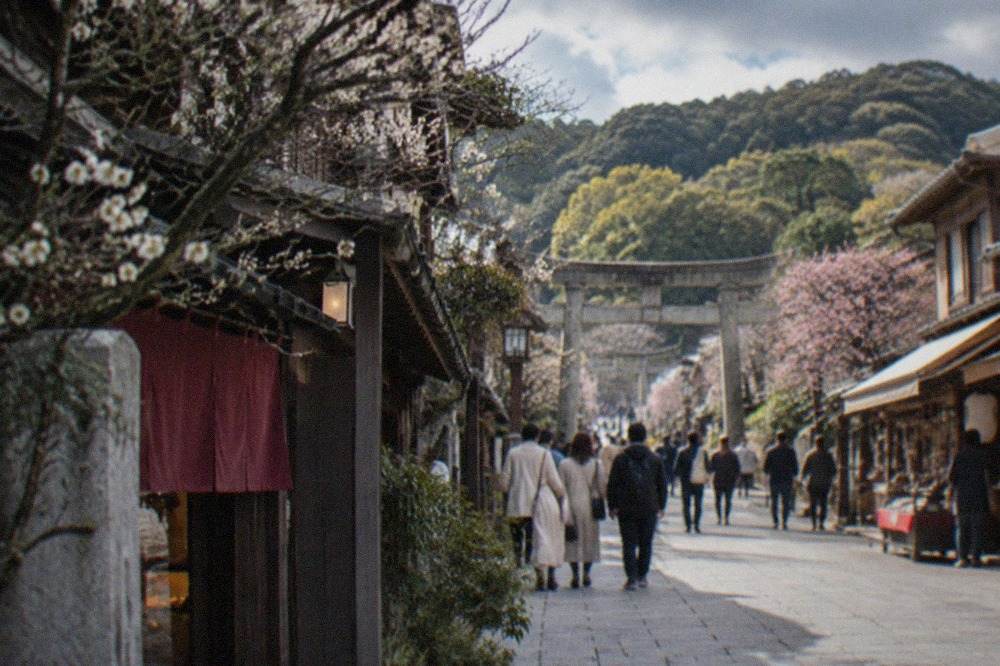
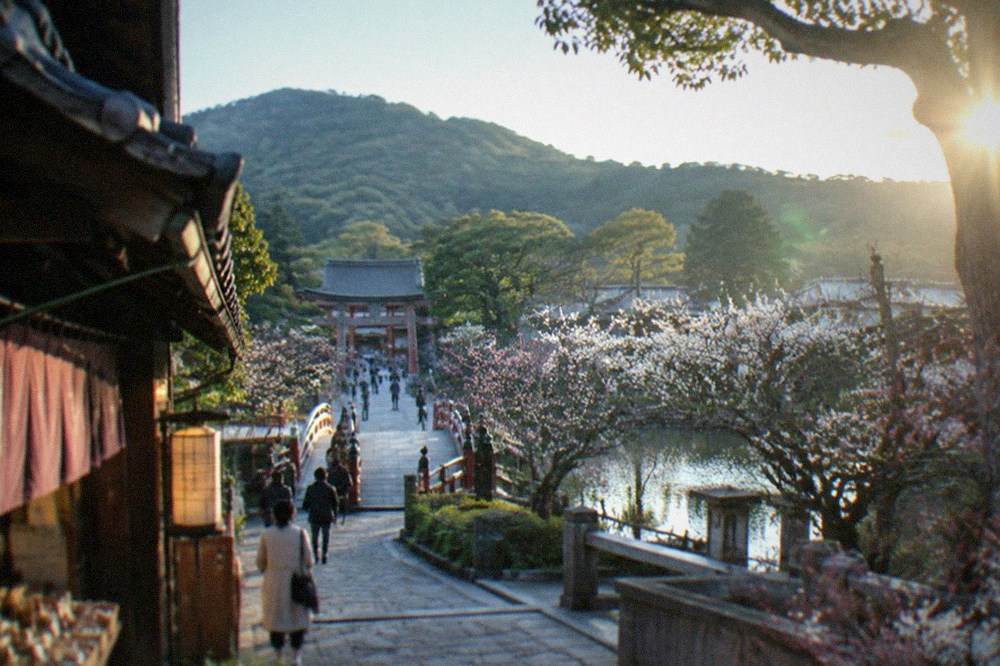
Start with the approach, because you cannot avoid it anyway. The street from the station to the shrine gate is lined with shopfronts in the historical style, and it functions as one long tasting route of umegae mochi, tea, and souvenirs. At the far end, the first torii and the Shinji Reflecting Pond frame the entrance, with the arched Taiko Bridges crossing the water toward the main sanctuary. This pond-and-bridge arrangement is one of the most photographed compositions in Kyushu, and early morning, before the tour groups arrive, is when it looks its best.
The grounds themselves are bigger than the approach suggests. There are two bridges, a grove of plum trees, a large camphor said to be well over a thousand years old, and subsidiary shrines scattered to the sides. The shrine's published hours are the ones to trust for planning: opening at 6:00 or 6:30 depending on the season, closing between 18:30 in winter and 19:30 in summer, with the last admission to the treasure museum at 16:00. Note that we are deliberately not describing the state of the main hall itself: the shrine completed a long-planned renovation of its principal buildings in recent years, and rather than guess at what currently stands where, this guide sticks to what the shrine's own FAQ confirms.
Uphill from the shrine, connected by a broad walk and a short shuttle, the Kyushu National Museum is the surprise of the trip. It is the national museum for the whole island, built on the theme of exchange between Japan and its Asian neighbours, and its modern glass curve against the hillside makes an unexpected photo in a town of wood and stone. Give it at least ninety minutes.
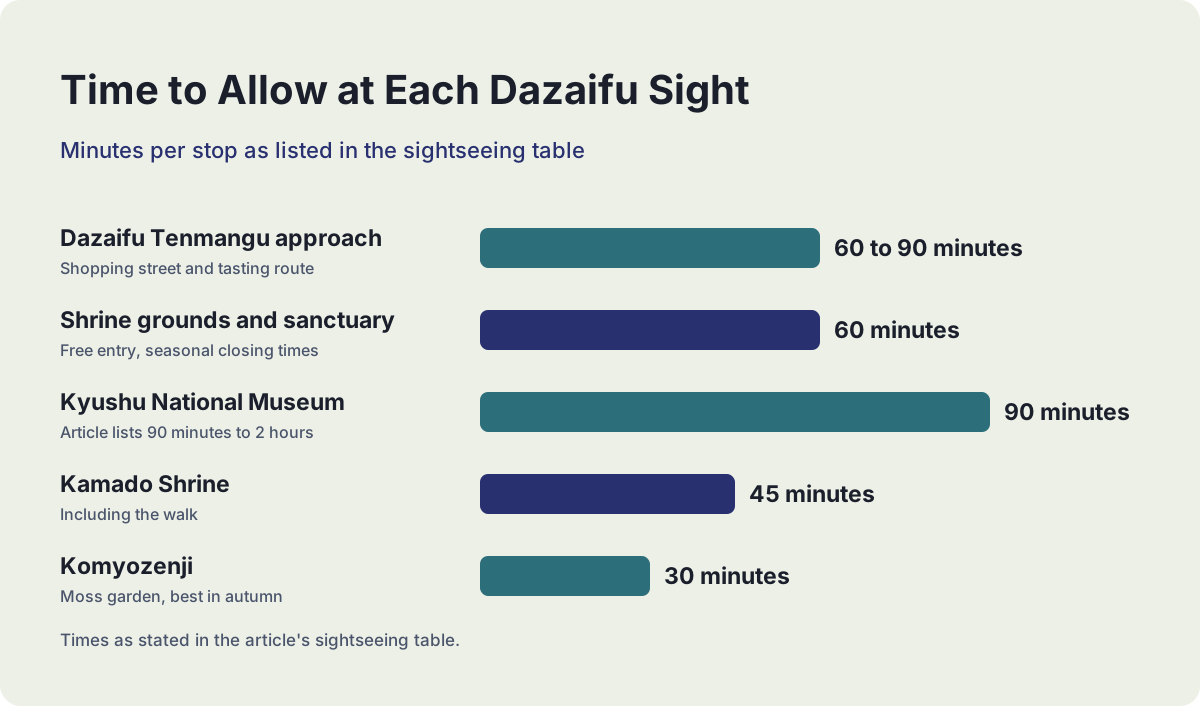
| Sight | Character | Time to allow |
|---|---|---|
| Dazaifu Tenmangu approach | Shopping street and tasting route | 60 to 90 minutes |
| Shrine grounds and sanctuary | Pond, bridges, plum grove, worship halls | 60 minutes |
| Kyushu National Museum | Asian exchange collections, modern building | 90 minutes to 2 hours |
| Komyozenji | Moss garden, quiet, best in autumn | 30 minutes |
| Kamado Shrine | Hillside shrine above town, view over the valley | 45 minutes including the walk |
For travellers who want all of this decoded rather than just walked past, a licensed-guide option exists as a full-day private tour of Fukuoka and its surroundings, which can be shaped around Dazaifu with a national-licensed guide handling the narrative and the logistics. It is the version of the day trip where the Heian exile story, the architecture and the museum all arrive with an explanation attached.
For a full rundown of the guided options that include this town, see our Dazaifu tours guide, and for how the day trip fits among the region's other escapes, the day trips from Fukuoka overview ranks the realistic options by travel time.
Should You Take a Guided Tour to Dazaifu?
A guide is worth it for the story, not the navigation. The train ride is simple and the town is walkable, so the case for a tour is interpretation: the Michizane exile, the architecture and the museum collections reward explanation. Travellers confident with trains and content with signage can skip the guide and lose little.
Dazaifu is the kind of destination where the surface is easy and the substance is layered. Anyone can ride the train, walk the approach and photograph the pond. What a guide adds is the why: why a disgraced aristocrat became the patron god of students, why the shrine's bridges are shaped as they are, why the national museum here talks about sea routes and pottery rather than samurai. That context turns a pleasant stroll into the most legible history lesson in the Fukuoka area.
The strongest format for this is a private day with a national-licensed guide, the qualification Japan issues through a public examination. Licensed guides study the history, the sites and the regulations, and a full-day private tour built around Dazaifu and the city lets you set the pace and the emphasis. Families with exam-age children tend to love the Tenjin angle, while history-minded visitors usually steer toward the government-ruins and museum material.
There is also a practical case. Travellers on a short Fukuoka stop, cruise passengers and anyone who finds Japanese rail transfers stressful all do better with a single booking that includes the transport. Group coach tours trade flexibility for certainty, and in a town where the return train is the only real deadline, certainty has genuine value.
What to Eat in Dazaifu: Umegae Mochi and More
The one food to eat is umegae mochi, a grilled rice cake filled with sweet red bean, made fresh on the approach and sold warm at dozens of shops. Beyond it, the town offers green tea service, soba, curry in the museum's cafe, and enough souvenir food, from mentaiko to sweets, to fill a backpack.
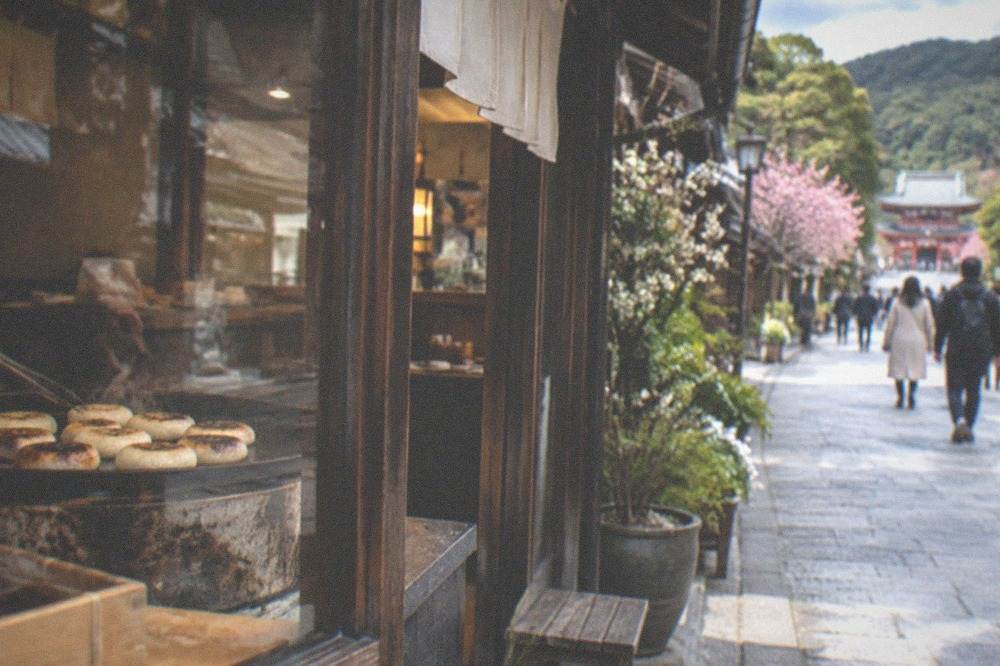
Umegae mochi is less a dish than a local institution. The story credits a woman who offered rice cakes to Michizane during his exile, and the modern version is a round, palm-sized mochi, split and filled with anko, pressed on a griddle until the outside crisps and the inside goes soft. Shops bake them in the window, and the difference between a fresh one off the iron and a boxed souvenir one is considerable. The Tabi Kippu train ticket bundles a voucher for them, which tells you how central the mochi is to the town's economy.
The rest of the eating is lower-key but real. Tea houses along the approach serve matcha with seasonal sweets, a natural pairing with the shrine's calligraphy associations. Small soba and udon shops sit a street back from the tourist strip. The Kyushu National Museum's cafe does a curry that museum-goers queue for. And the souvenir shops sell everything Fukuoka is famous for, mentaiko and sweet potato and regional sake, at prices broadly in line with the city, so there is no need to carry purchases from Tenjin.
| Food and drink | What it is | Where to find it |
|---|---|---|
| Umegae mochi | Grilled rice cake with red bean filling, served warm | Approach shops, baked in the window |
| Matcha and sweets | Tea service with seasonal wagashi | Tea houses on the approach |
| Soba and udon | Noodle lunches, quieter than the mochi strip | Side streets off the approach |
| Museum cafe curry | Reliable lunch stop with a view over the grounds | Kyushu National Museum |
| Souvenir food | Mentaiko, sweets and regional sake | Shops along the main street |
Timing your lunch matters more here than in the city. The approach shops thin out in mid-afternoon, and some close earlier than the shrine, so plan the main eating between late morning and mid-afternoon rather than saving it for the end of the day.
Can You Combine Dazaifu with Another Day Trip?
Yes, and the pairing that works best is Dazaifu with Yanagawa, because both sit on the same Nishitetsu line south of the city. A morning in the shrine town and an afternoon canal boat in Yanagawa is the classic full-day combination. Anything farther afield, Kitakyushu, Itoshima or the coast, means choosing one or the other.
The geometry is friendly. Dazaifu and Yanagawa are both on the southern end of the Nishitetsu network, roughly a 40-minute ride apart, with a connection back through the same Futsukaichi junction. Yanagawa brings canals, river boats and eel lunches, a completely different register from Dazaifu's shrines, so the pair covers both the cultural and the scenic in one ticket. Our Yanagawa day trip guide covers the boats and the eel.
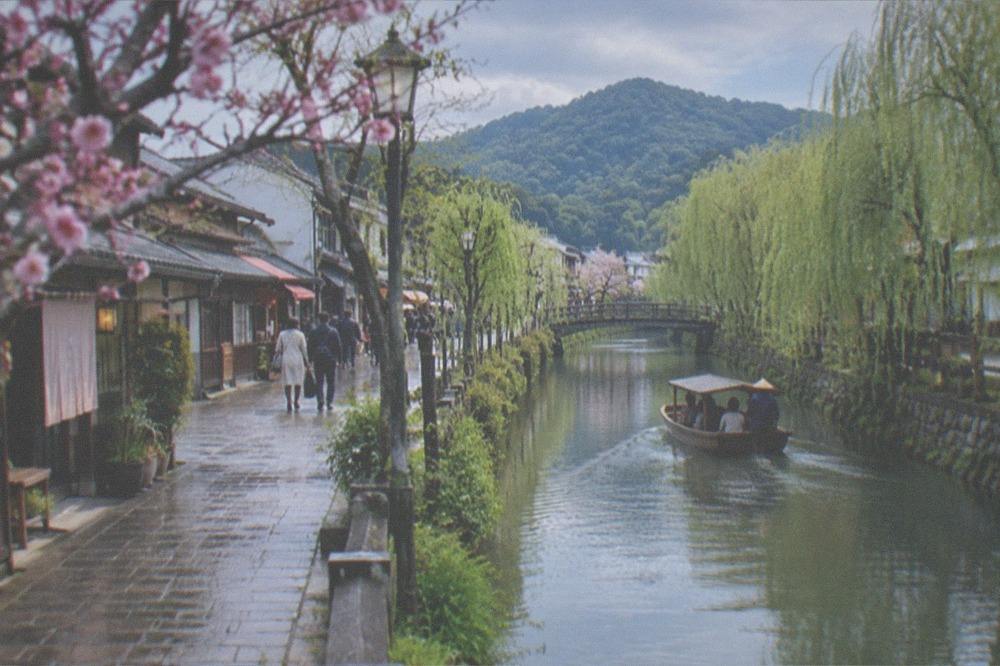
There is also a combined tea-and-canals option on the guided side: a full-day expedition through the Yame tea fields, with tastings, onto the Yanagawa river boats, which fits travellers who want the southern Kyushu countryside handled for them and lands you back in the region's tea culture rather than only its shrines.
Other pairings are weaker. Kitakyushu and Kokura, covered in our Kitakyushu day trip guide, sit on a different railway entirely, and cramming both with Dazaifu means a full day of transport with little time at either end. The same goes for the Itoshima coast. The rule of thumb: Dazaifu plus Yanagawa is a comfortable day, Dazaifu plus anything beyond the Nishitetsu line is two trips pretending to be one.
| Pairing | Feasibility | Verdict |
|---|---|---|
| Dazaifu plus Yanagawa | Same railway, direct connection | The classic full day, works well |
| Dazaifu plus Yame tea fields | Guided tours combine them | Good for tea and sake interest |
| Dazaifu plus Kitakyushu or Kokura | Different railway, cross-city travel | Too much transport, choose one |
| Dazaifu alone | Half day from Tenjin | Ideal for slow mornings and city evenings |
What Does a Dazaifu Day Trip Cost?
Count a Nishitetsu round trip, lunch on the approach and one paid museum, and the day lands well below the cost of most single admission attractions in Japan. The shrine is free, the trains are cheap, and the pass that covers the most ground, the Tourist City Pass Dazaifu version, costs ¥2,800 for adults with a passport check.
The transparent structure of the costs is part of the appeal. Entry to the shrine grounds is free. The train fare is distance-based and modest for a 30-minute regional ride. The one big variable is the museum, and the souvenirs, because the approach is engineered to separate visitors from money politely, one mochi at a time.
| Cost line | Typical spend | Notes |
|---|---|---|
| Nishitetsu train, round trip | Distance-based fare | Buy at the station, IC cards accepted |
| Shrine grounds | Free | Confirmed on the shrine's official FAQ |
| Umegae mochi | Per-piece shop pricing | Baked fresh on the approach |
| Kyushu National Museum | Check the museum's current listing | Admission varies by exhibition |
| Tourist City Pass, Dazaifu version | ¥2,800 adult, ¥1,400 child | Passport required, one day |
| Full-day guided tour | Tour pricing on the listing | Includes transport and guiding |
Budget travellers should note that the cheapest version of the day is also the best one: a morning train, the free shrine, one round of mochi and a museum ticket or not, as finances allow. Dazaifu does not gate its main attraction behind an entry fee, which is increasingly rare for a destination of this rank, and it is the reason the budget Fukuoka planners slot it in so readily.
When Is the Best Time to Visit Dazaifu?
Late February to mid-March brings the plum blossom that defines the shrine, and late November brings the maples that make the temple gardens famous. Between them, the shoulder months, April, May, October and early December, give comfortable walking weather and thinner crowds. Midsummer works if you go early and accept the humidity.
The plum season is the connoisseur's window. Michizane's attachment to plum trees means Dazaifu plants them as a matter of doctrine, and the shrine's groves bloom in late winter, weeks before the cherry line reaches Fukuoka in late March. The festival calendar around the blossoms draws a local crowd, so weekdays in that window are calmer than weekends.
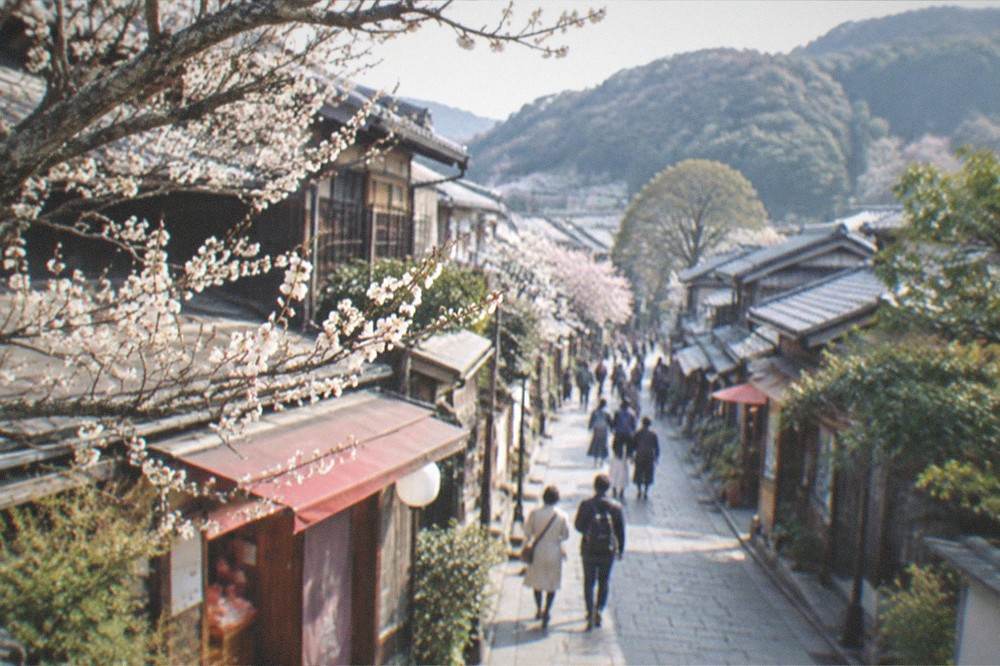
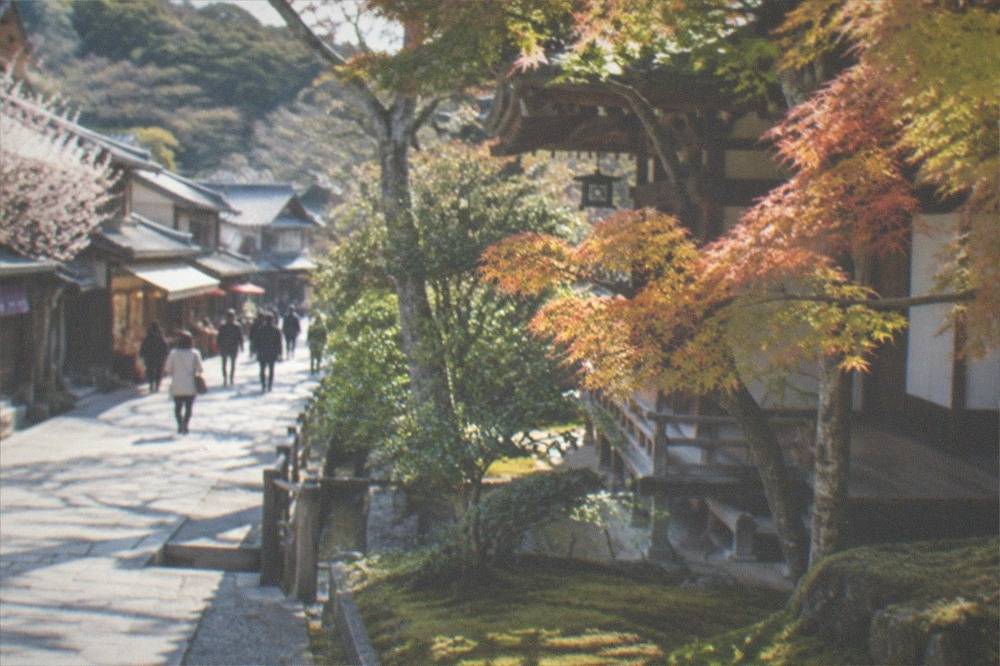
Autumn is the second peak. The moss garden at Komyozenji, a few minutes from the approach, turns with the maples in mid to late November, and it is compact enough that even a half-day arrival catches it. The walk between sights, all outdoors, is the reason to prefer the dry, mild months on either side of summer, and the reason to start early if you do come in July or August, when the region's heat and its heaviest summer rain coincide.
Whatever the month, the return leg deserves a thought. The last thing most travellers want is to race the closing Dazaifu Line back through Futsukaichi, so check the evening timetable at the station when you arrive, then plan the day backwards from it.
Before the trains, one honest summary from this desk at Fukuoka Japan Travel Guide: Dazaifu is the rare day trip that satisfies both the traveller who wants a story and the traveller who wants an easy ride, and both of them get a good mochi on the way out.
Common Questions About a Dazaifu Day Trip
How Do You Get To Dazaifu From Tenjin?
Take the Nishitetsu Tenjin Omuta Line from Nishitetsu Fukuoka station and change at Futsukaichi onto the short Dazaifu Line. The journey takes about half an hour with one transfer, and trains run every few minutes through the day. Travellers starting from Hakata station reach the Tenjin terminus by subway or on foot first.
Is Dazaifu worth a day trip from Fukuoka?
Yes, for almost any traveller. The shrine grounds are free, the approach is one of the best food-and-shopping streets in Kyushu, and the national museum gives the town weight beyond a single photo stop. A half day covers the essentials and a full day does not feel stretched.
How much time do you need in Dazaifu?
A half day covers the approach, the shrine grounds and lunch. Add the Kyushu National Museum and the nearby temple gardens and the day fills naturally. Two hours is too rushed, and most visitors regret the mochi shops they walked past.
Can you visit Dazaifu and Yanagawa in one day?
Yes, it is the classic combination. Both towns sit on the Nishitetsu network south of Fukuoka, roughly 40 minutes apart by train with a connection back through the Futsukaichi junction. A morning shrine visit in Dazaifu and an afternoon canal boat in Yanagawa is a comfortable full day.
What is Dazaifu Tenmangu famous for?
It is the head shrine of Tenmangu worship in Japan, built around Sugawara no Michizane, the Heian scholar deified as the god of learning. Students visit throughout the year to pray for exam success, and the grounds are known for plum trees, the Shinji Reflecting Pond and the arched Taiko Bridges.
Do you need a guide for Dazaifu?
Not for the transport, which is one train and one transfer, and not for the walking. A guide earns the fare on interpretation, because the exile story, the architecture and the museum collections reward explanation. Private day tours with licensed guides cover both the town and the context.