Day Trips from Fukuoka
Fukuoka sits on the northern rim of Kyushu with shinkansen lines, private railways and a ferry port within a short subway ride of the centre, which makes it one of the best bases for day trips in western Japan. Dazaifu, the Itoshima coast, Karatsu and even Takachiho are all reachable without changing hotels.
Short answer
Fukuoka reaches Dazaifu, Yanagawa, Itoshima, Nokonoshima, Shikanoshima, Karatsu, Mojiko and Kitakyushu easily as day trips, and Yufuin, Beppu, Mount Aso, Takachiho, Kumamoto and Nagasaki as full days. Local transport starts at ¥210 per subway ride, and a 1-day subway pass costs ¥640.
Fukuoka is quietly one of the best day-tripping cities in Japan. It sits on Hakata Bay, on the Genkai Sea side of northern Kyushu, with a shinkansen terminus, two private railway operators, a subway and an international airport all packed into the same corner of the city. From Hakata, the region's main rail hub, you can be walking a shrine approach in Dazaifu in the morning, standing on a sandy Itoshima beach by early afternoon and back at a yatai stall in Nakasu for dinner. Very few Japanese cities give you that spread without ever checking out of your hotel.
The catch is choosing. Kyushu is large, mountainous in the middle, and the headliners are not interchangeable. A day trip to Beppu's hot spring ponds is a completely different day from a day on the quiet fishing coast of Itoshima, and neither works well if you try to bolt on a second destination. This guide sorts the region's day trips into the ones close enough for a relaxed half day, the full-day classics that justify their early starts, and the guided options that solve a transport problem you may not want to solve alone. The 3-day Fukuoka itinerary shows how several of these fit together across a longer stay.
Which Day Trips from Fukuoka Can You Reach in Under an Hour?
Yes, several, and they are genuinely good. Dazaifu, Yanagawa, Itoshima, Nokonoshima and Shikanoshima all sit close enough to Fukuoka that you can leave mid-morning and still have a full day at the destination. Dazaifu Tenmangu has no entrance fee at all, which makes it one of the cheapest major sights in Japan, and the coastal peninsula trips cost little more than the fare out. If you want a short day, these five are the pool to draw from.
The near group splits into two kinds of day. Dazaifu and Yanagawa are inland and historic: one is a shrine town dedicated to the god of learning, approached along a shopping street of steamed mochi stalls, the other a canal town where punting boats drift past the weeping willows of a former merchant quarter. Both sit on or near the Nishitetsu network, the private railway that runs south from Tenjin, and both reward an unhurried pace over a checklist.
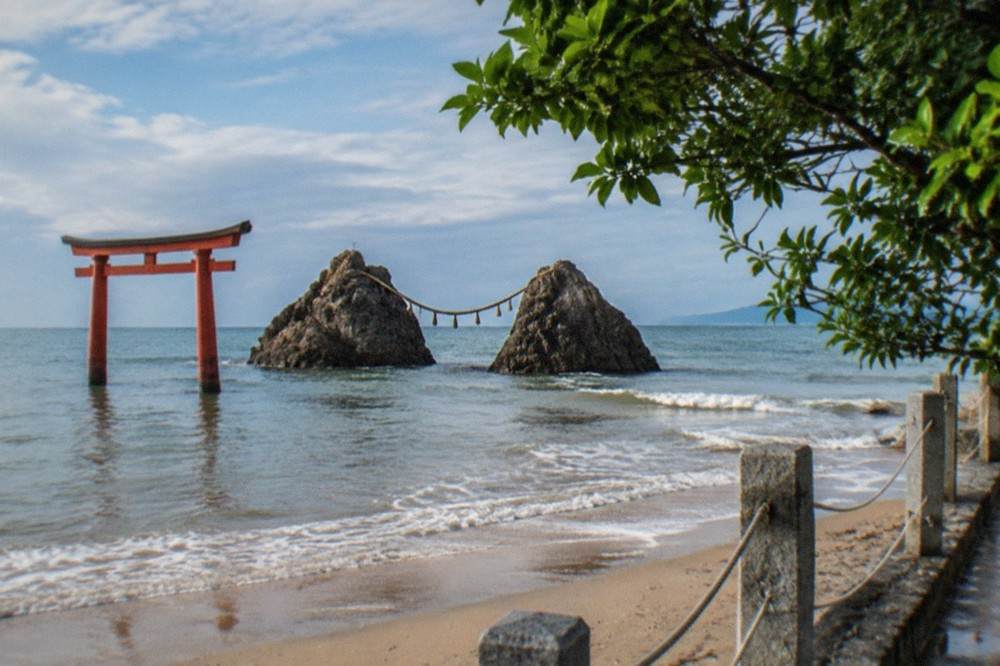
The coastal near group is different. Itoshima is the peninsula west of the city, a low-rise stretch of fishing harbours, oyster shacks, beaches and the photogenic twin rocks at Sakurai Futamigaura. Shikanoshima sits in Hakata Bay itself, a thin island connected by road where you can stand on the sand and still see the city skyline, and the Shikanoshima planning page covers its beaches and shrines in detail. The headline for both is that neither needs an early alarm.
The Short-trip Shortlist
| Destination | Character | Best for | Half-day viable |
|---|---|---|---|
| Dazaifu | Shrine town, Kyoto-style approach street | First-time visitors, history | Yes |
| Yanagawa | Canals, boat rides, old merchant houses | A slower, older Kyushu | Yes, tight |
| Itoshima | Coastline, oyster huts, beaches | Food and sea air | Yes |
| Nokonoshima | Island park with seasonal flower fields | Families, photographers | Yes |
| Shikanoshima | Bay island beach and shrines | A cheap beach day | Yes |
One warning that saves a wasted morning: Nokonoshima Island Park's opening details and the ferry fare from Meinohama were still unverified against the operator's own site at the time this guide was written, so check the current schedule before you commit a beach day to it. The same caution applies to any precise sailing times on the bay. Plan from what you can confirm on the day.
Dazaifu deserves one specific correction that most competing guides get wrong. The shrine itself publishes that there is no entrance fee, on its own FAQ page, and its grounds open between 6:00 and 6:30 depending on the season, closing at 18:30 in winter and 19:30 in midsummer. Do not assume anything about the main hall's current state: a long renovation has been reported complete by some sources and is not mentioned by the shrine itself, so go expecting the grounds, the approach and the museums, not a guaranteed interior view. The full Dazaifu day trip guide covers what is verified.
What Are the Best Full-Day Trips Into Kyushu?
The full-day classics are Yufuin, Beppu, Mount Aso, Takachiho, Kumamoto and Nagasaki, plus the northern trio of Karatsu, Mojiko and Kitakyushu. All of them justify a full day, and Takachiho, Aso and Nagasaki punish visitors who try to compress them into a half. Guided day tours into the region run from about $46 per person, and the strongest-reviewed one, a Takachiho gorge and railway tour, carries a 4.8 rating across 713 reviews.
Start with the geography. Yufuin and Beppu sit inland in Oita Prefecture on the eastern side of the island, roughly two and a half to three hours from Fukuoka by train or highway bus, so most travellers treat them as one destination for the day rather than two. Yufuin is the gentler of the pair: a small onsen town under Mount Yufu with a lake at its centre and a stretch of shops and coffee stalls that feel closer to a mountain resort than a spa city. Beppu is louder and steamier, famous for its "hells", the brilliantly coloured hot ponds that have been shown to visitors for over a century. The Beppu day trip guide and the Yufuin planning page split them properly.
Takachiho, in Miyazaki Prefecture, is the most spectacular day trip and the hardest to do independently. The gorge is a slot canyon of sheer basalt walls where rowing boats drift under a thin waterfall, and it sits in the mountains with awkward bus connections from the nearest rail line. That awkwardness is exactly why the guided tours dominate this route. The Takachiho Gorge and Amaterasu Railway tour runs about 11 hours, from $48 per person, rated 4.8 across 713 reviews, with a small-train ride through the gorge highlands and an optional boat rental at the canyon floor.
Kumamoto and Nagasaki are the two big-city day trips, both on fast rail lines south and west. Kumamoto pairs one of Japan's great castles with a modern city centre; Nagasaki brings a harbour, a layered foreign-quarter history and a sombre peace site. Both work as day trips from Fukuoka, but both also reward staying overnight instead, so weigh them against the pace of your trip. The Nagasaki day trip guide and the Kumamoto day trip page give the details.
The northern group is the one international visitors most often miss, and it is the easiest of all. Kitakyushu, Mojiko and Karatsu all sit in the far north of the island, close to the Honshu strait, and the retro-port architecture of Mojiko and the castle and beaches of Karatsu make a relaxed contrast to the mountain days further south. The Kitakyushu day trip guide and the Karatsu planning page cover a region that many travellers pass through by shinkansen without ever stopping.
If you would rather have the itinerary, the transport and the timing handled for you, these are the three day tours that best cover the region's range.
Should You Take a Guided Tour or Travel Independently?
Travel independently for Dazaifu, Itoshima, Kitakyushu and anything on a simple rail line, because the public transport is frequent and the destinations are compact. Take a guided tour for Takachiho and Mount Aso, where buses are sparse and the scenic payoff is remote, and for any trip where you want a licensed guide rather than a timetable. A customized full-day private tour with a licensed guide runs from about $160 per person and carries a 4.9 rating across 71 reviews.
The honest test is not "is a tour worth it" but "what does this specific route cost in hassle if I do it alone". Takachiho is the clearest case for a tour: the gorge sits deep in the mountains, the boat rental window closes by mid-afternoon, and the return leg to Fukuoka leaves little margin for a missed connection. Mount Aso is similar, with volcanic-area access rules and rural bus timings that change with conditions. Both routes are sold as tours for good reason, and the strongest of them, the Mt. Aso and Takachiho tour from $48 per person, rated 4.7 across 674 reviews, covers both headliners in a single long day for travellers who only have one to spare.
The private format deserves its own sentence. A customized private tour in one day with a licensed guide, from $160 per person and rated 4.9 across 71 reviews, is not a hop-on bus: it is a six-hour itinerary built around what you ask for, with a guide who holds a national licence. For a family, a first-time visitor who wants questions answered in English, or a traveller with a specific interest such as crafts or architecture, that format converts a transport day into an actual explanation of the place. The broader private tours overview compares the private options across the city.
Then there is the middle category: the themed day tours that package something you could technically do alone but would rarely actually do. The Yufuin no Mori and Dazaifu day tour is the best example. It pairs the reserved-seat sightseeing train to Yufuin with an afternoon in Dazaifu, from about $70 per person, rated 4.7 across 54 reviews over roughly 8 hours. Both halves are reachable independently, but the train's reserved seats sell out in high season, and the tour removes the morning scramble to secure them.
Between the private and the package formats sit the small-group day trips into the coast and countryside. The Itoshima hidden gems day tour, from $69 per person and rated 4.6 across 31 reviews, runs about eight and a half hours through the peninsula's fishing ports, shrines and shoreline, which is a day that is genuinely awkward by bus because the points of interest are scattered along a rural road with thin service. If Itoshima is your day, weigh that tour against a rental car, not against the train.
Guided Tour or Self-guided, by Destination
| Destination | Best done | Why |
|---|---|---|
| Dazaifu | Self-guided | Direct train, compact town |
| Itoshima | Guided or rental car | Scattered sights, thin buses |
| Takachiho | Guided | Remote, tight timings |
| Mount Aso | Guided | Rural transport, access rules |
| Yufuin and Beppu | Either | Easy trains, long distances |
| Kitakyushu and Mojiko | Self-guided | Frequent rail, walkable ports |
| Nagasaki | Self-guided | Fast rail line |
| Kumamoto | Self-guided | Fast rail line |
The full comparison of what is bookable, including food-led and evening formats, sits in the day tours overview, and the question of which single trip suits which traveller is answered head-on in which is the best day trip from Fukuoka.
How Do You Plan the Transport for a Fukuoka Day Trip?
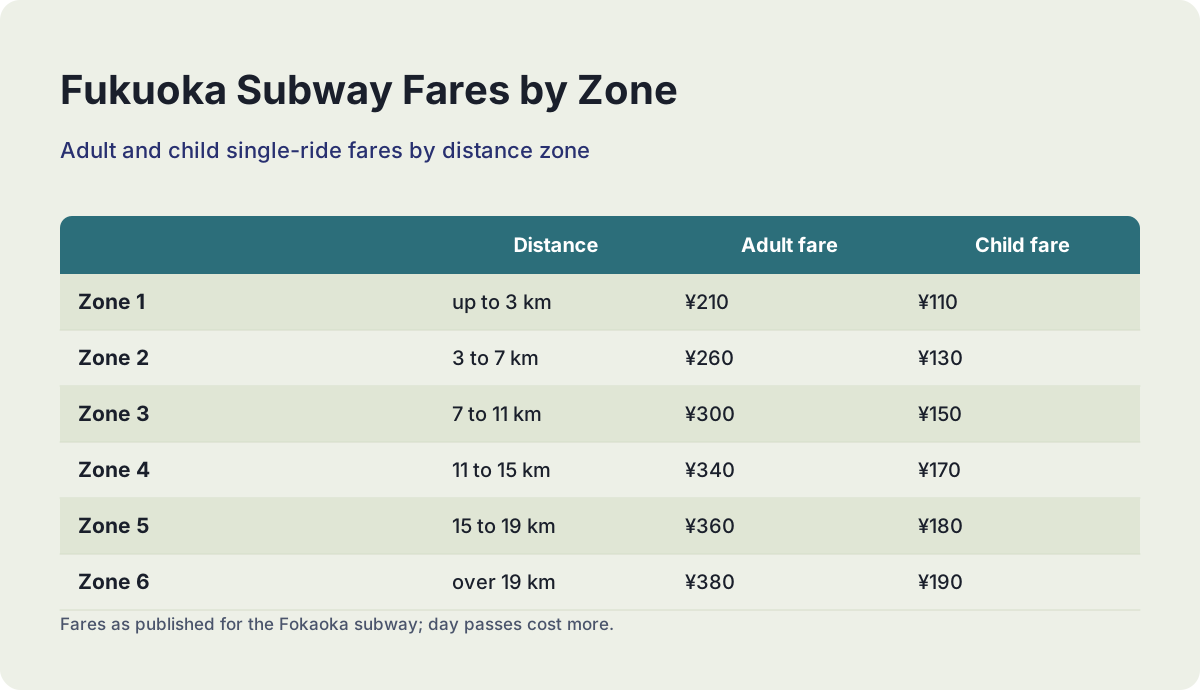
Start from the subway zone fares: a single adult ride costs between ¥210 and ¥380 depending on distance, the 1-day subway pass is ¥640, and a 1-day Nishitetsu bus pass is ¥1,200. Short-stay foreign visitors can buy the Fukuoka Tourist City Pass for ¥2,500, or ¥2,800 with Dazaifu included, but a passport check is required at the counter. Rail passes into Kyushu exist but their current prices should be confirmed on the operator's own page before you budget around one.
The subway is the spine of the city, and you will use it to reach the departure points. The official fare table is distance-based, and the full zone structure looks like this.
| Subway zone | Distance | Adult fare | Child fare |
|---|---|---|---|
| Zone 1 | up to 3 km | ¥210 | ¥110 |
| Zone 2 | 3 to 7 km | ¥260 | ¥130 |
| Zone 3 | 7 to 11 km | ¥300 | ¥150 |
| Zone 4 | 11 to 15 km | ¥340 | ¥170 |
| Zone 5 | 15 to 19 km | ¥360 | ¥180 |
| Zone 6 | over 19 km | ¥380 | ¥190 |
All three lines are covered by the ¥640 1-day pass, which pays for itself on the third or fourth ride and is sold at station machines and the tourist information desks at Tenjin, Hakata Station and the airport. The airport line fare into Hakata is ¥260, which falls out of the same 3 to 7 km band, and the airport's closeness to the centre is real: no official page in this guide's research confirms the famous five-minute figure, so the honest framing is that the airport sits unusually close to downtown for a major city, and the fare table proves it.
The subway fares page on the operator's own site carries the full distance table if you want to price a specific pair of stations before you go.
The Fukuoka Tourist City Pass is the one most competing guides get wrong, because most of them still quote prices from years ago. The verified figures are ¥2,500 for the city version and ¥2,800 for the version that adds Dazaifu, with children at half price. It covers a day of unlimited subway, bus, train and ferry rides within the designated zones, plus discounts at listed attractions, and the official pass page states the restriction plainly: it is sold only to overseas visitors on a short-stay visa, with a passport checked at the counter. If you are eligible, it is one of the better city passes in Japan. If you are not, the plain subway and bus day passes do most of the same work.
For the full-day trips, the maths changes. Trains to Yufuin, Beppu, Nagasaki and Kumamoto cost real money, and highway buses are often the cheaper alternative for Yufuin and Beppu in particular. The JR Kyushu rail passes for northern Kyushu are real products with real current prices, but the figures reported in casual sources were not verified against the operator's own page while this guide was researched, so check the Kyushu rail pass page rather than trusting a round number from a blog. One structural fact worth knowing: the shinkansen between Hakata and Kokura runs on JR West's Sanyo line, not a JR Kyushu line, so a JR Kyushu pass does not cover that segment.
Which Day Trip Should You Pick for Your Interests?
Pick by interest, not by ranking. For onsen and hot springs, take Yufuin or Beppu; for dramatic scenery, Takachiho; for coastline and seafood, Itoshima or the northern ports; for history and shrines, Dazaifu, Kumamoto or Nagasaki; for castles, Kumamoto or Karatsu; and for a city contrast with no nature at all, Kitakyushu. Every one of those is a full or near-full day, so a week in Fukuoka fits two or three of them comfortably.
Scenery seekers should start with Takachiho, and the reason is not just the gorge. The Amaterasu railway component of the top tour threads through the highlands, and the gorge itself, with rowing boats under a thin drop of waterfall, is the kind of landscape that carries a whole day's reputation on its own. That tour is the strongest-reviewed day trip in the region's roster, 4.8 across 713 reviews, and its 11-hour span explains why: it packs a gorge, a train ride and a long drive into one tidy package. This is also the tour this site points to first when a traveller asks for a single guaranteed-landmark day out.
Hot spring travellers have a straight choice of mood. Yufuin is quiet, rural and built for slow walking; Beppu is dense, steaming and urban, with the coloured ponds as its signature. Doing both properly takes two days, or one very long one, and most people should choose the mood rather than compressing both. Food-led travellers, meanwhile, should look at the coast: Itoshima's oyster shacks in season, the fish markets of the northern ports and the Itoshima tour formats that build the day around eating.
Families and photographers have the loosest constraint, because the near group works so well. Nokonoshima's seasonal flower fields, the beaches of Shikanoshima and the approach street of Dazaifu are all low-effort, low-cost days where the disappointment risk is close to zero, and the peninsula's swimming options sit on the same stretch of coast. Travellers counting yen should price the self-guided coastal days against the private full-day tours before committing, because that gap is the single biggest variable in a Fukuoka trip budget.
What Should You Know Before You Book a Day Trip from Fukuoka?
Know three things: the season, the day of the week and the closure calendar. July through October is typhoon season, roughly, and coastal and mountain days are the ones that break when a storm tracks near; several museums and gardens close on a fixed weekday; and one specific closure in late 2026 affects Fukuoka Castle, whose Tenshudai is shut for excavation until the end of December. None of these kills a trip, but any of them can quietly waste one.
The weather point deserves precision rather than alarm. The Japan Meteorological Agency's 1991 to 2020 normals for Fukuoka show July as the wettest month at 299.1 mm, ahead of June's 249.6 mm even though June carries the rainy-season reputation, and August as hotter than July but drier and sunnier. The practical reading for day trips: a July or August plan should assume some rain and carry a mountain or gorge backup, because boat rentals and open-air sights pause in bad weather, and an autumn plan is the steadiest of the year. Typhoon season runs about July through October, and it is a planning factor, not a reason to avoid the region.
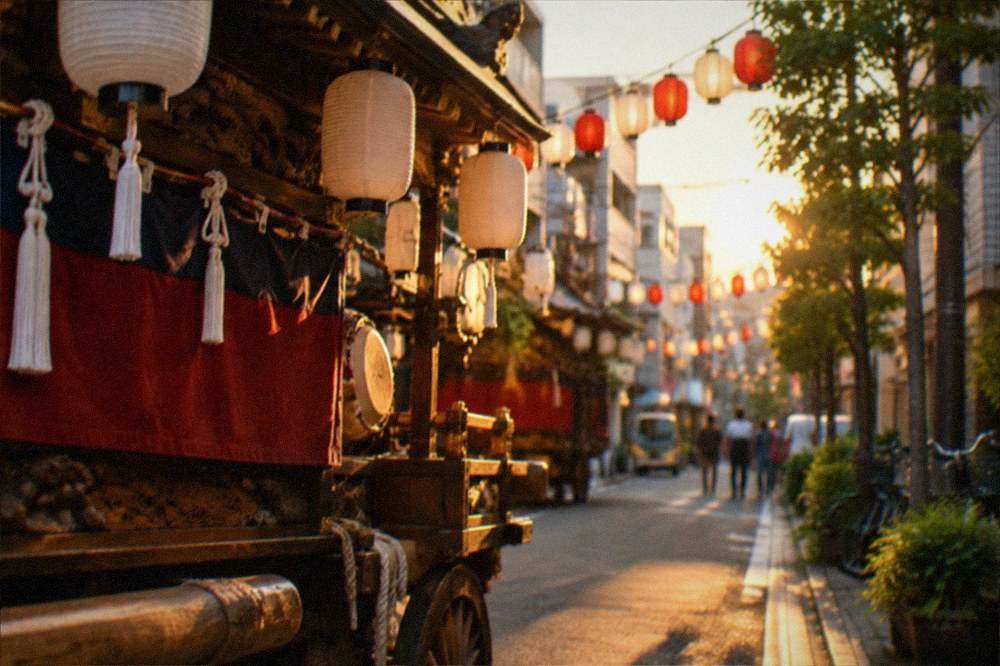
The festival calendar can either anchor your trip or collide with it. Hakata Gion Yamakasa runs the first half of July every year, with the famous float race on the morning of the 15th, and Hakata Dontaku fills the centre for May 3 and 4; both bring enormous crowds and both have no ticketing at all, so they are not bookable experiences, they are weather you walk into. If either falls inside your dates, expect central hotels and transport to tighten around them and plan your day trips around the edges of your stay.
Then the closures. Inside Fukuoka itself, Fukuoka Castle's Tenshudai, the stone base of the keep, is closed to entry from 26 May 2026 until the end of December 2026 for an archaeological excavation, and the story is better than a hoarding: a document found in December 2024 describes a keep that records had long said never existed, and the city is now digging to find out. Out on the day-trip routes, Dazaifu Tenmangu's grounds are free and open, but do not build a day around any specific claim about its main hall while the renovation reporting is unresolved. The Dazaifu planning page keeps the honest current version.
Finally, timing. Every full-day trip in this guide wants an early start, and the ones beyond two hours of travel want the earliest train you can comfortably catch. Book guided days with the weather window in mind rather than months ahead, use free cancellation where a listing offers it, and leave your heaviest luggage at a station locker or your hotel rather than hauling it onto a mountain bus. If you are stretching a Fukuoka stay into a wider Kyushu loop, the 5-day Fukuoka itinerary sequences several of these day trips into a single coherent route, and this Fukuoka Japan Travel Guide keeps every one of the destination pages listed above current as schedules change.
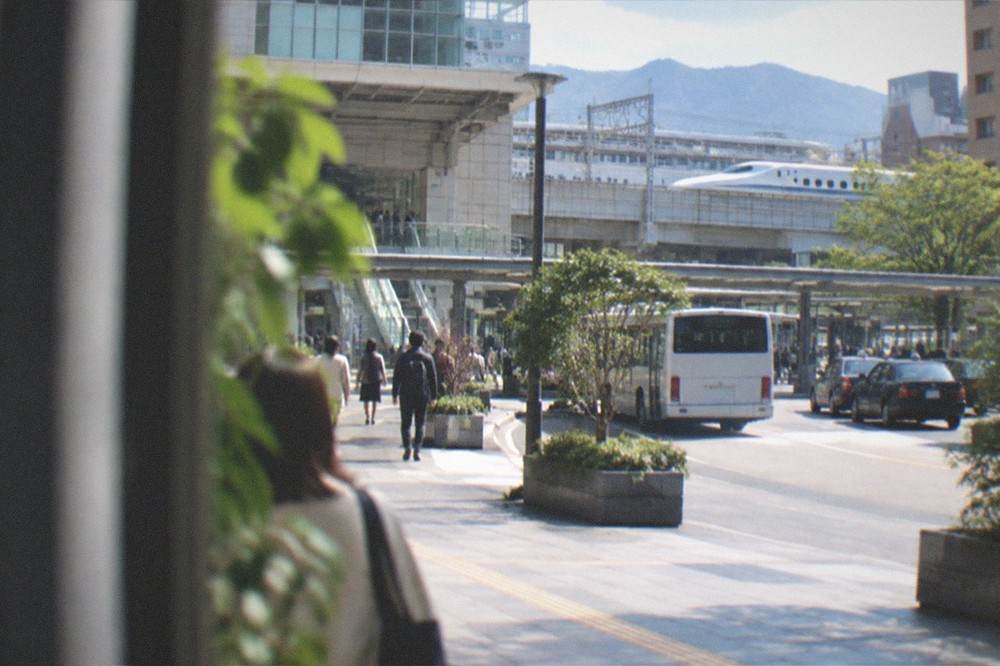
Before you settle the plan, here are the three day tours that best cover the region's range, from the gorge headliner to the fully private format to the reserved-seat sightseeing train.
Common Questions About Day Trips from Fukuoka
Which Day Trips From Fukuoka Can You Reach In Under An Hour?
Dazaifu, Yanagawa, Itoshima, Nokonoshima and Shikanoshima are the near group, all close enough for a mid-morning start. Dazaifu Tenmangu charges no entrance fee, the Itoshima coast is a low-cost day, and Shikanoshima needs little more than the fare across the bay. Half of them are peninsula or island days, so check the current weather before you commit.
Is Dazaifu worth a day trip from Fukuoka?
Yes, and it is the easiest of the region's big names. The shrine has no entrance fee, the approach street is one of the best shrine approach walks in Japan, and the town is compact enough that a relaxed half-day covers it with time to spare. Confirm nothing about the main hall's interior before you go, because the renovation reporting is unresolved, and let the grounds and the approach carry the day.
Can you do Beppu and Yufuin in one day?
Physically yes, but it is a compromise day. Both sit inland in Oita Prefecture, so most travellers pick one mood: gentle mountain onsen town in Yufuin, or the dense steam and coloured ponds of Beppu. If both matter to you, the guided day tours that combine them, including the animal park and hells route, solve the transport problem that combining them creates.
Do you need a car for Itoshima?
Not necessarily, but it helps. The peninsula's highlights, the oyster huts, beaches and coastal shrines, are scattered along a rural road with thin bus service, so the realistic options are a rental car, a bicycle plan, or one of the Itoshima day tours, from about $69 per person, which handles the route for you. A train day to the peninsula's main towns works, but the famous spots are not clustered at the stations.
Is Takachiho doable without a tour?
It is doable but fragile. The gorge sits deep in the mountains of Miyazaki Prefecture, the boat rental window closes in the afternoon, and the return journey to Fukuoka leaves little margin for error. The guided Takachiho tours from around $48 per person, led by the gorge and railway option rated 4.8 across 713 reviews, exist precisely because the independent version risks arriving after the boats stop.
What is the cheapest way to do day trips from Fukuoka?
Stay on local transport. Subway rides run ¥210 to ¥380, the 1-day subway pass is ¥640, and a 1-day Nishitetsu bus pass is ¥1,200. If you are a short-stay overseas visitor, the Fukuoka Tourist City Pass at ¥2,500, or ¥2,800 with Dazaifu, covers a full day of buses, trains, subway and ferries, with a passport check at the counter. The self-guided near destinations are the budget winners; the full-day tours are the splurge.