Nagasaki Day Trip
Nagasaki sits close enough to Fukuoka for a comfortable day trip, and the Kamome Shinkansen has made the run from Hakata Station far easier than it was a few years ago. Here is how the route works, what a single day there can realistically hold, and when a guided tour beats going alone.
Short answer
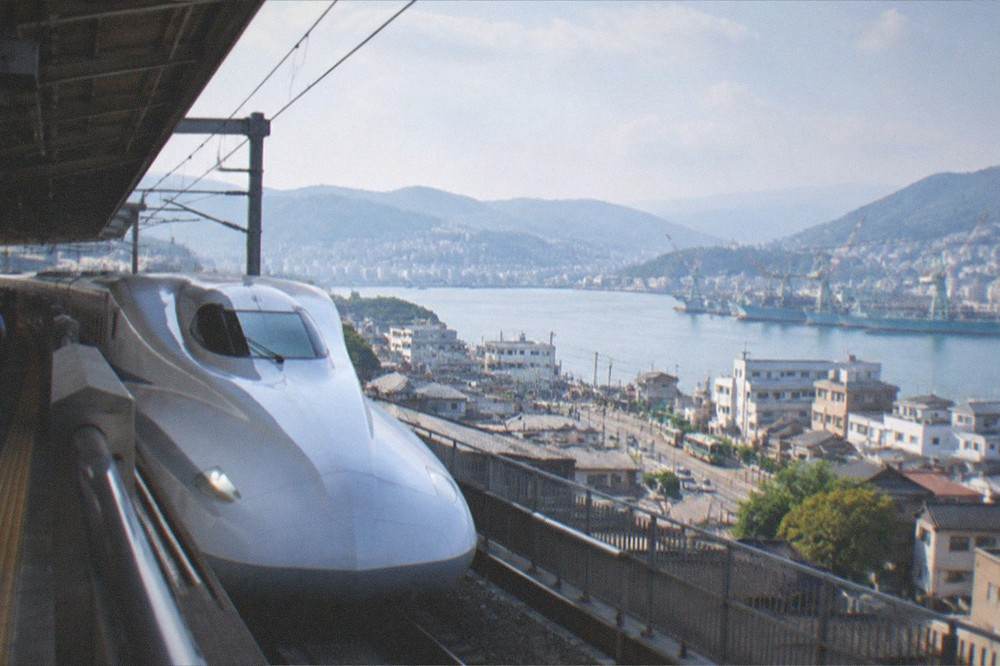
The Kamome Shinkansen runs from Hakata Station, Fukuoka's main JR terminal, directly to Nagasaki with no transfers, so the trip is a simple reserved-seat ride each way. A day trip gives you roughly a full daylight window in Nagasaki: the Peace Park area, the harbour-side historic districts, and Chinatown are all reachable without a car.
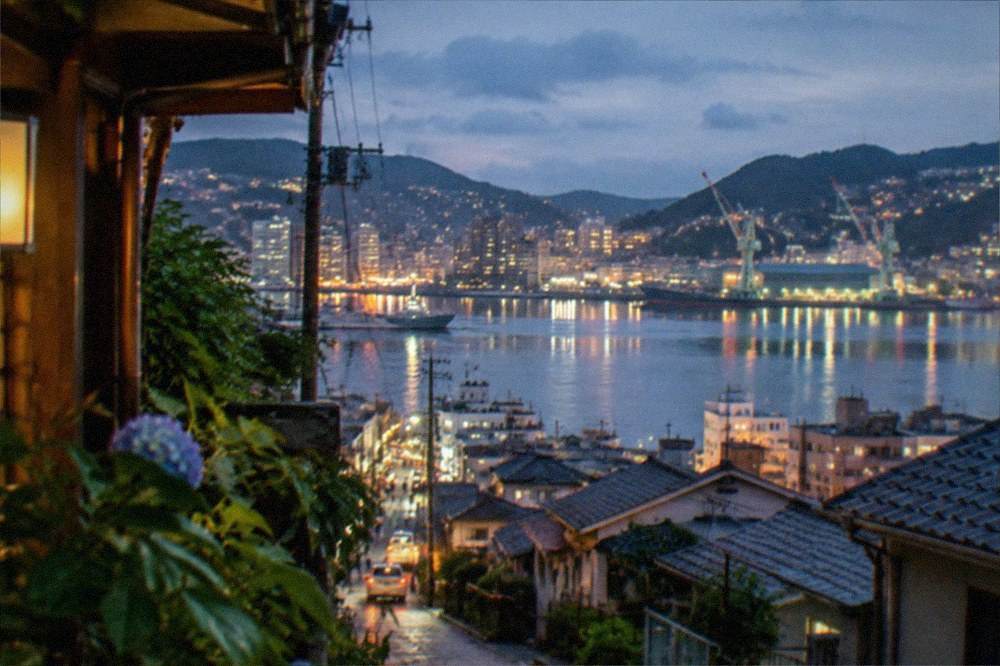
Nagasaki is the day trip from Fukuoka that feels least like a day trip. The city folds a harbour, layered foreign-trading history and somber 20th-century memorials into a compact stretch of coastline, and the direct Shinkansen link from Hakata Station means you never change trains or deal with a transfer in an unfamiliar city. One long day is genuinely enough to see the essential Nagasaki, provided you start early and are honest about what fits.
Why Nagasaki Works as a Day Trip from Fukuoka
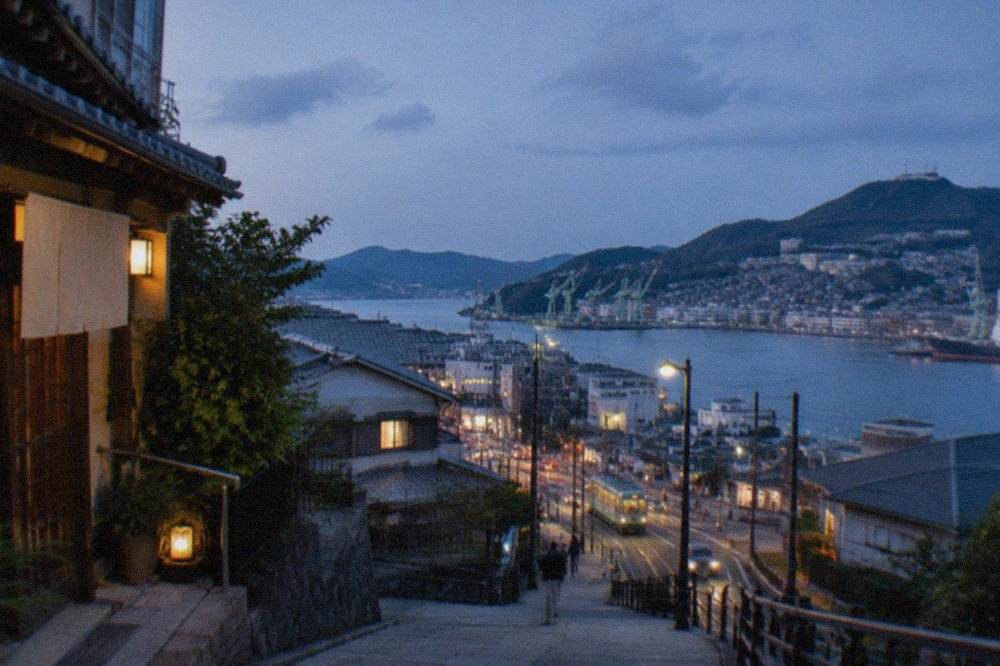
Nagasaki is one of the farthest named day trips from Fukuoka, yet it is also one of the easiest, because the entire journey is a single reserved-seat train ride from Hakata Station with no transfers, no buses and no navigation. That single fact changes the arithmetic: a destination that would otherwise demand an overnight becomes a long but comfortable day, and the city's main sights cluster tightly enough that you spend your hours sightseeing rather than commuting between districts.
The psychology of a day trip matters as much as the timetable. When a destination needs two legs, a transfer and a local connection, travellers tend to arrive already tired and to start rationing their energy. Nagasaki avoids that. You board at Hakata, you sit down, and you step off in the centre of a walkable, tram-served city. The return leg is the same in reverse, which means the last decision of your day is simply when to walk back to the station.
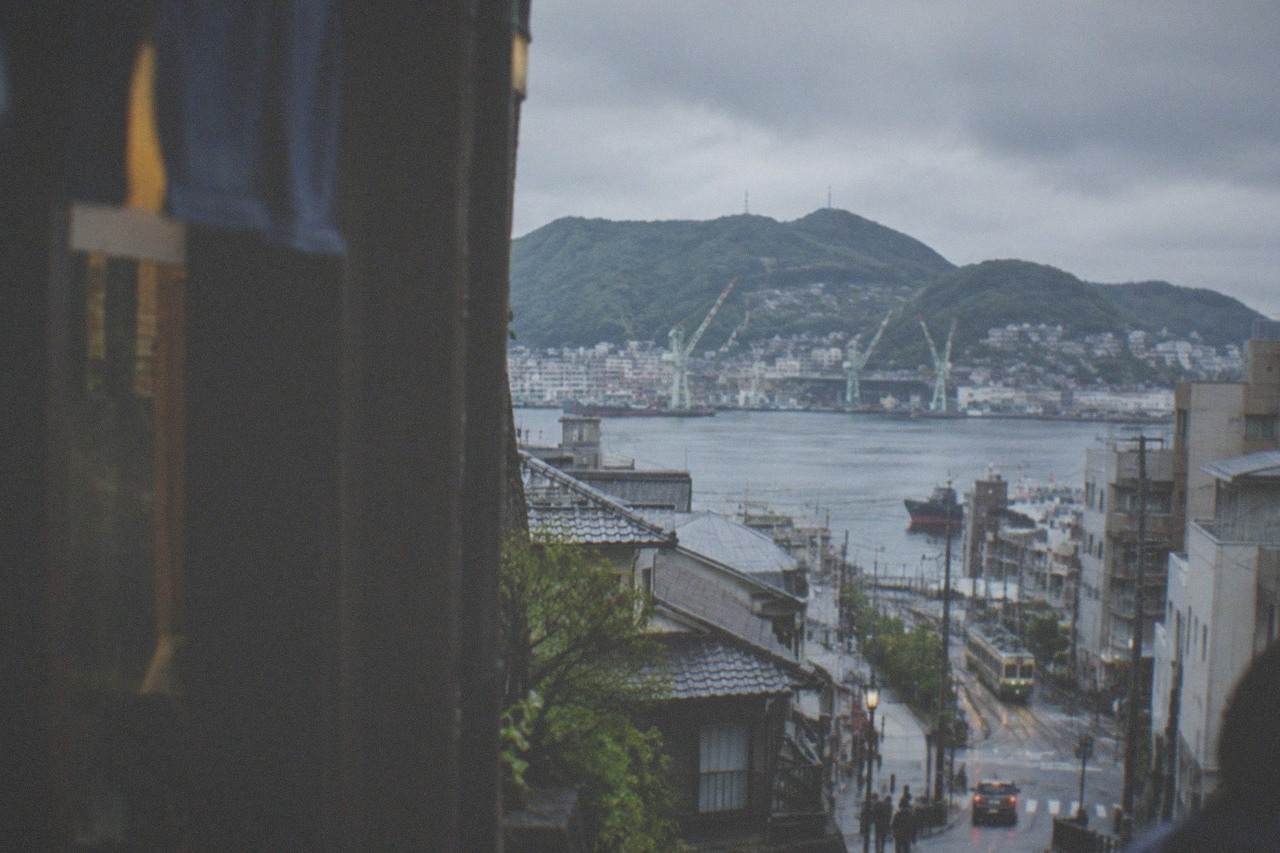
It also helps that Nagasaki rewards concentration rather than breadth. The Peace Park and the atomic bomb hypocentre area sit a short tram or taxi ride from the station district. The harbour, Dejima and Chinatown are closer still. Glover Garden and the hillside western residences take a little more effort but sit on the same tram spine. A visitor with one day does not need to choose between regions of a sprawling city, because Nagasaki is not sprawling. It is a narrow strip of city between hills and water, and the sightseeing infrastructure was built for exactly the kind of visitor who arrives by train with limited time.
The trade-off is real, though, and it should be stated plainly. A day trip means you see Nagasaki's core and you skip its depth: the island day trips from Nagasaki itself, the slower museums, the evening harbour atmosphere after the day-trippers have gone home. If your interest is the Peace Park, the historic trading districts and a proper Nagasaki-style lunch, one day delivers all of it. If you want the city at leisure, plan two days and stay over. This page is about the one-day version, and it assumes you know the difference.
For context on how this trip fits a wider plan, our full round-up of day trips from Fukuoka ranks the realistic options by travel effort, and a three-day Fukuoka itinerary shows how a Nagasaki day can anchor the middle of a longer stay.
How Do You Get to Nagasaki from Fukuoka by the Kamome Shinkansen?
You board the Kamome Shinkansen at Hakata Station, which is Fukuoka's main JR terminal, and ride it directly to Nagasaki Station with no transfer along the way. Seats are reserved, so the practical steps are: buy or collect a ticket covering the Shinkansen fare and the seat reservation, board the correct car, and ride to the last stop. There is no JR station called Fukuoka on this route, and Hakata is not a separate city from Fukuoka, it is the ward and station within it.
First, the naming point that trips up almost every first-time visitor. There is no JR Fukuoka Station. Fukuoka's principal rail terminal is Hakata Station, and Hakata is a ward of Fukuoka, not a neighbouring city. Guides that describe travelling "from Hakata to Fukuoka" as though they were two places are describing something that does not exist. Once that is clear, the instruction becomes simple: make your way to Hakata Station, which sits on the subway's Airport Line two stops and ¥260 from Fukuoka Airport, a fare derivable directly from the subway operator's official 3 to 7 km fare band, which you can verify on the city subway fare page. The airport is unusually close to the centre, which is a genuine advantage on the morning of a day trip: an early international arrival can, in principle, connect to a same-day Nagasaki run.
The Kamome is the dedicated Shinkansen service on the Hakata to Nagasaki line, introduced when the route was extended through to Nagasaki. Before that extension, reaching Nagasaki meant the relay arrangement of a Shinkansen to Takeo-Onsen and a limited express for the final stretch. The through service removed that transfer, and it is the reason a Nagasaki day trip became a comfortable proposition rather than a punishing one. Trains run several times a day in each direction, so the plan is less about catching a rare departure and more about choosing a morning slot that leaves you a full daylight window in Nagasaki. Check the operator's own timetable for the current schedule rather than relying on any printed figure, because service patterns adjust seasonally.
Tickets are sold at the JR ticket offices and machines at Hakata Station, and overseas visitors can also book through JR's own online reservation system before arrival. If you are holding a JR Kyushu rail pass, confirm on the pass terms whether the Hakata to Nagasaki Shinkansen is covered and whether a separate seat reservation is needed, because pass coverage rules are specific to each pass type and change with fare revisions. Anyone planning several long rail days across Kyushu should weigh a pass against individual fares before assuming the pass wins.
| Option | Where you board | What the ride involves | Best for |
|---|---|---|---|
| Kamome Shinkansen | Hakata Station, Fukuoka | One reserved-seat train, no transfers, ends at Nagasaki Station | Almost every day-tripper |
| Highway bus | Hakata Bus Terminal | One coach, no transfers, a much longer road journey | Tightest budgets |
| Rental car | Central Fukuoka | Expressway driving both ways, parking in Nagasaki | Groups wanting rural stops en route |
| Guided private tour | Hotel or agreed pickup in Fukuoka | Door-to-door transport with a guide, no rail logistics at all | Visitors who want interpretation at the sights |
The bus deserves one honest sentence: it is the cheap option and it costs you daylight, which is the one currency a day trip cannot print more of. The car buys flexibility on the way, but Nagasaki itself is a tram-and-walk city where a vehicle is a burden by early afternoon. For most travellers the Kamome is not merely the fastest choice, it is the one that protects the day.
If reading a rail timetable in a second language while managing a family sounds like the least appealing part of the trip, a guided option removes that layer entirely.
What to Do with One Day in Nagasaki
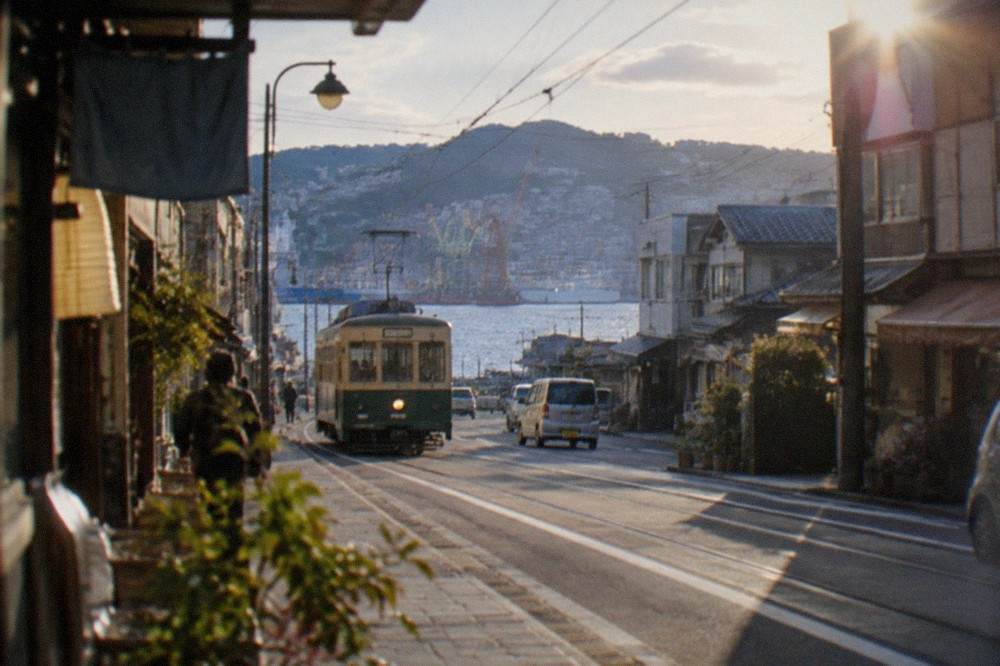
A realistic single day holds three blocks: the Peace Park and hypocentre area in the morning, when your energy is highest and the memorials deserve it; the harbour-side historic belt of Dejima and Chinatown around lunch; and one hillside highlight, Glover Garden or a nearby viewpoint, in the afternoon before the return train. Trying to add a fourth block is the mistake that turns a good day into a rushed one.
The Peace Park and the atomic bomb hypocentre are the reason many visitors make this trip at all, and they should come first, not last. The park sits on a hill north of the hypocentre, and the walk between them passes through the memorial zone deliberately, which is how the site is meant to be experienced. Give this area unhurried time. It is the one part of the day where moving faster buys you nothing, and visitors consistently report that the morning light and the quiet make a real difference to how the place lands. The adjacent museum tells the story of the atomic bombing and the city's reconstruction, and it is the depth stop of the day: if you have to cut something later to give the museum proper time, cut something later.
From there, drop back toward the harbour. Dejima, the fan-shaped island where Dutch traders were confined during the centuries of national isolation, is now a reconstructed open-air museum a short tram ride from the station district, and it explains Nagasaki better than anything else in the city: this was Japan's narrow window to the west, and everything else about the place, the churches, the western houses, the Chinese quarter, flows from that history. Chinatown sits beside it, and it is the obvious lunch stop, one of the oldest Chinese quarters in Japan and a compact grid of restaurants rather than a sprawling district.
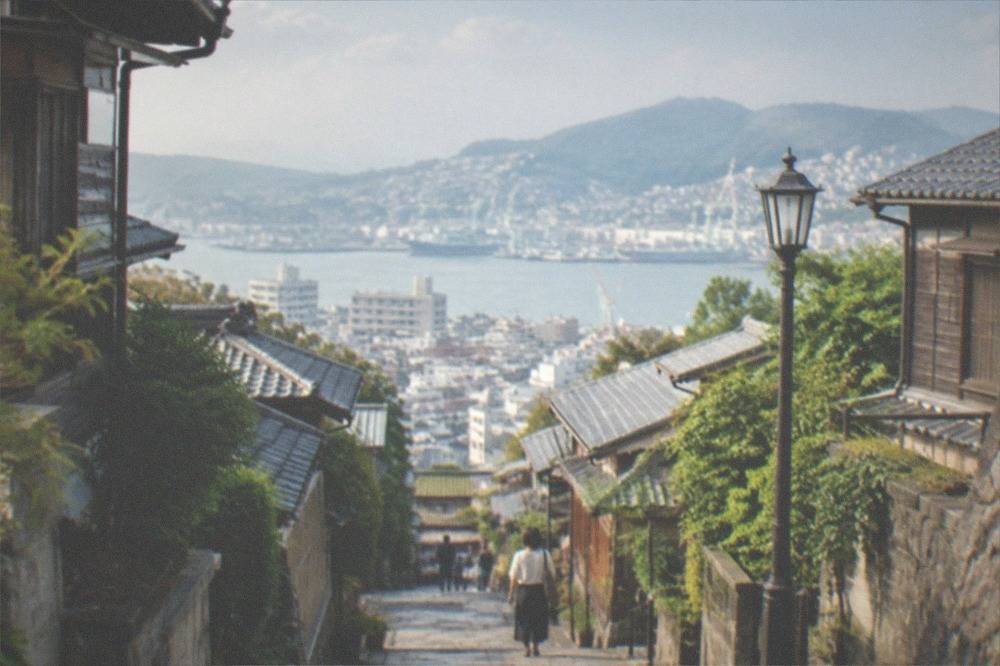
The afternoon belongs to the southern hillside. Glover Garden and the surrounding western residences sit above the harbour on slopes reached by escalators, paths and a short tram hop, and they deliver the postcard view of the city that day-trippers remember on the train home. If gardens and historic houses matter less to you than the view itself, the hillside walkways around the area give a similar payoff for less time. Either way, aim to be back at Nagasaki Station with margin to spare, because the evening leg back to Hakata is the one appointment of the day you cannot renegotiate.
| Part of the day | District | What it holds | How long to give it |
|---|---|---|---|
| Early morning | Peace Park and hypocentre area | Memorials, the hypocentre marker, the museum | The longest block of the day |
| Midday | Harbour station district | Dejima, Chinatown, lunch | Two to three hours |
| Early afternoon | Southern hillside | Glover Garden, western residences, harbour views | Two hours |
| Late afternoon | Nagasaki Station area | Tram back, coffee, buffer for the train | Whatever remains |
Two practical notes. Nagasaki's tram network is the workhorse of every itinerary above, and it is cheap and frequent, but carry coins or a compatible IC card, because not every tram handles every payment method. And on the Fukuoka end, if your day starts from the airport rather than a city hotel, the subway fare from Fukuoka Airport to Hakata is ¥260, a figure you can check against the official fare table, and the airport's closeness to the centre is one of the quiet reasons an early start is achievable.
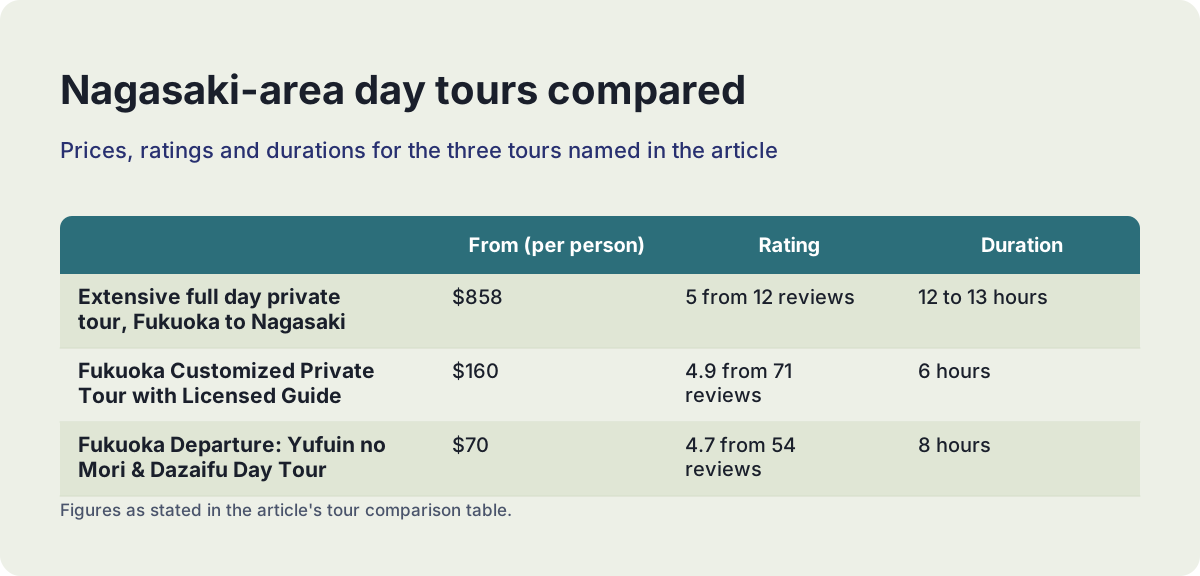
The guided route through the same day is worth naming here. The extensive full-day private tour from Fukuoka to Nagasaki runs 12 to 13 hours, is rated 5 from 12 reviews, and starts from $858 per person, and its value is precisely the two things a rail day trip cannot give you: a guide who explains the Peace Park and Dejima while you stand in them, and a door-to-door schedule that never depends on your own timetable discipline. For visitors who want the history interpreted rather than just visited, that difference is the whole decision.
For anyone weighing that option, the reassurance is that the tour's own listing carries the full itinerary, inclusions and cancellation terms, so you can confirm the pickup point and the day's shape before committing. It is a long day at 12 to 13 hours, and knowing exactly what is included, transport, guiding and which admissions, is what makes the price legible rather than just large.
Is a Guided Tour Better Than Going Independently?
Going independently on the Kamome wins on cost and freedom, and a guided tour wins on everything that happens after you step off the train: interpretation, pacing and logistics. The honest test is not price, it is whether you want Nagasaki explained or just visited. If the Peace Park and Dejima are boxes to tick, ride the train. If the history is the point of the trip, a guide earns the fare.
The independent day is cheaper, and it is not close. Your costs are the rail fare both ways, tram rides in Nagasaki, lunch and whatever admissions you choose, and every one of those is under your control. The independent day is also the only version where you can linger, skip the garden for a second coffee, or extend the museum visit when something in it catches you. Travellers who already know what they want from Nagasaki, or who have been before, should go this way without hesitation.
The guided day answers a different need. A first-time visitor standing in Dejima sees pretty reconstructed buildings; a guide with the group sees the isolation policy, the trade ledgers and the reason Nagasaki has a Chinatown at all. The same applies at the Peace Park, where context turns a memorial into an education. Guided tours also absorb the failure modes of a day trip: the missed connection, the wrong tram, the afternoon that quietly runs out of time. You are paying for the day to be managed, and on a 12-hour outing to an unfamiliar city, that management is a real product.
| Tour | Format | From (per person) | Rating | Duration |
|---|---|---|---|---|
| Extensive full day private tour from Fukuoka to Nagasaki | Private, door to door | $858 | 5 from 12 reviews | 12 to 13 hours |
| Fukuoka Customized Private Tour in 1 Day with Licensed Guide | Private, city-focused, licensed guide | $160 | 4.9 from 71 reviews | 6 hours |
| Fukuoka Departure: Yufuin no Mori & Dazaifu Day Tour | Small-group, train-based day out | $70 | 4.7 from 54 reviews | 8 hours |
The licensed-guide option in that table is a Fukuoka city day rather than a Nagasaki one, but it belongs in the comparison because it is the natural fallback when the weather or the timetable kills the Nagasaki plan: a licensed guide building your day around Fukuoka's own temples, shrines and food streets is a strong substitute, and at 4.9 from 71 reviews it is one of the most review-proven private products in the roster.
The third row is the honest alternative for visitors who realize, reading this, that a 12-hour day is more Nagasaki than they want. The Yufuin no Mori and Dazaifu tour is a gentler 8 hours built around a famous sightseeing train and the region's most popular shrine town, rated 4.7 from 54 reviews and starting from $70, and it makes a good pairing decision: Nagasaki for the history-driven day, Yufuin and Dazaifu for the scenery-driven one.
How Much Does a Nagasaki Day Trip Cost?
Count four cost layers: the Shinkansen fare both ways, which is the largest single item and should be confirmed on the operator's own fare table at booking time; local transport in Fukuoka and Nagasaki, which is small; lunch, which in Nagasaki can be a street-snack lunch or a proper restaurant meal; and admissions at the sights you choose. The rail fare dominates, so every other decision is a rounding error by comparison.
Start on the Fukuoka end, because those figures are firmly verified. The subway fare from Fukuoka Airport to Hakata Station is ¥260, sitting in the official 3 to 7 km fare band, and the subway's 1-day pass is ¥640 adult if you are moving around the city before or after the trip. If you are a short-stay overseas visitor, the Fukuoka Tourist City Pass is worth knowing about even though it does not cover the Nagasaki run: it costs ¥2,500 for the city version and ¥2,800 for the city plus Dazaifu version, it is checked against your passport at the counter, and it covers a day of subway, bus, train and ferry rides inside Fukuoka. The official details are on the city's pass page. Many competing guides still quote the old, much cheaper prices for this pass, so treat any figure dramatically lower than those with suspicion.
| Subway zone | Distance | Adult fare | Child fare |
|---|---|---|---|
| 1 | Up to 3 km | ¥210 | ¥110 |
| 2 | 3 to 7 km | ¥260 | ¥130 |
| 3 | 7 to 11 km | ¥300 | ¥150 |
| 4 | 11 to 15 km | ¥340 | ¥170 |
| 5 | 15 to 19 km | ¥360 | ¥180 |
| 6 | Over 19 km | ¥380 | ¥190 |
The Nagasaki end is cheaper than the rail fare suggests it should be. The trams are inexpensive, the Peace Park itself is a public park, and the paid stops, the museum, Dejima and Glover Garden, each charge separately, so a visitor controls the total by choosing how many of them to enter. Lunch is the flexible variable: Chinatown can feed you cheaply and well, or you can spend properly on the local dishes Nagasaki is known for, the castella sponge cake trade, the champon noodles that were invented here for Chinese students, and the shippoku cuisine that layers Chinese, Dutch and Japanese influences onto one table. None of those need a booked table to be enjoyed on a day trip. The rest of the planning pages sit on Fukuoka Japan Travel Guide.
The guided tours reprice the day differently. The private Nagasaki tour from $858 per person is the premium end of the roster, and for a couple or a family it should be read as buying the entire day, transport and guiding included, rather than comparing it line by line against a train ticket. The cheaper guided options in the table above sit in the $70 to $160 range and cover different destinations, so the real comparison for Nagasaki specifically is the private tour against the independent rail day, and the honest answer is that both are defensible depending on what the trip is for.
When Should You Make the Trip?
Any month works, but the best windows are spring and autumn, when walking the hillside districts and the memorial park is comfortable and the light is generous. Midsummer is the season to be careful with, and not only for heat: July is statistically Fukuoka's wettest month, wetter than the June rainy season, and typhoon season runs roughly July through October, so a mid-summer day trip carries a real cancellation risk that a spring or autumn one does not.
The climate point deserves its own explanation because it is genuinely counterintuitive. Most guides tell you June is the wet month in Japan, and for much of the country that is true. Fukuoka's official meteorological records tell a different story: July averages 299.1 mm of rain against June's 249.6 mm, making July the wettest month of the year, even though June carries the tsuyu rainy-season label. A July Nagasaki trip therefore faces the double risk of the year's heaviest rain and the Yamakasa festival fortnight filling central Fukuoka, which is a spectacle worth seeing but a complication if your day trip and the festival collide. The festival runs July 1 to 15 annually, with its famous early-morning float race on the 15th.
| Month | Mean temperature | Rainfall | Day-trip verdict |
|---|---|---|---|
| March | 10.8 °C | 103.7 mm | Cool but clear, good walking weather |
| April | 15.4 °C | 118.2 mm | Excellent, peak cherry blossom season |
| May | 19.9 °C | 133.7 mm | Excellent, the sunniest month of the year |
| July | 27.4 °C | 299.1 mm | Wettest month of the year, festival crowds |
| October | 19.6 °C | 94.5 mm | Excellent, comfortable and dry |
| November | 14.2 °C | 91.4 mm | Very good, early autumn colour in the hills |
Typhoon awareness is planning, not alarm. The season runs roughly July through October, and a typhoon anywhere on the approach to Kyushu can suspend Shinkansen services for a day or more, which for a day trip means the trip simply does not happen. The practical defence is to keep the Nagasaki day flexible within your week rather than fixed to a single date, and to check the rail operator's service notices the evening before. Travellers building a longer stay can slot the trip into a rainy-day-aware plan, and our Fukuoka rainy day itinerary exists for exactly the days the forecast takes away.
Winter, for what it is worth, is an underrated version of this trip. Temperatures in January average 6.9 °C, mild by the standards of northern hemisphere winters, and the city's illumination season gives the harbour a different character. The trade-off is earlier darkness, which shortens the hillside afternoon, so winter visitors should flip the plan and do the viewpoints at midday.
How Does Nagasaki Compare with Other Day Trips from Fukuoka?
Nagasaki is the history and reflection trip, and it competes for the same day as Kumamoto's castle city, Beppu's hot spring spectacle, and the coastal drives of Itoshima and Karatsu. If your trip to Kyushu only allows one long day out, the choice is between Nagasaki's memorials and trading-port past, or Kumamoto or Beppu for castles and onsen. Nagasaki is the most emotionally substantial of the three, and the only one reached by a direct Shinkansen.
The comparison matters because day trips compete for the same finite days. Kumamoto is the closest peer: a historic castle city with a famous garden, covered in our Kumamoto day trip guide, and a strong choice for visitors who want grand architecture rather than somber history. Beppu, covered in our Beppu day trip guide, is the sensory option, famous for steaming hot spring districts and the "hells" tour circuit, and several Beppu and Yufuin products in the tour roster run from $48 to $96, making it the budget-friendly guided day out. Nagasaki sits apart from both because its core experiences, the Peace Park and Dejima, are about understanding rather than seeing.
For visitors whose appetite runs to several day trips, the geography is friendly. Saga and Karatsu make a lighter coastal day, described in our Saga day trip guide and Karatsu day trip guide, and the long-haul options, Hiroshima from Fukuoka and even Kagoshima from Fukuoka, are possible for travellers with a JR pass and stamina. Nagasaki earns its slot in any shortlist because no other destination in reach combines the direct Shinkansen convenience with sights that are genuinely singular in Japan.
What Should You Know Before You Go?
Three things decide whether the day goes well: an early start that buys you the full daylight window, a reserved seat on the first sensible Kamome departure, and a plan that puts the Peace Park first rather than leaving it to a tired afternoon. Everything else, lunch, trams, the hillside, flexes around those three fixed points. Pack for walking, carry coins for the Nagasaki trams, and leave margin at the end for the return train you cannot miss.
On packing and practicalities: this is a walking day on hills, more walking than any Fukuoka city day involves, so shoes matter more than they would for, say, a Dazaifu day trip or a Nokonoshima day trip, which are gentler on the feet. Carry a coin purse, because Nagasaki's trams are the transport of the day and cash remains the friction-free way to ride them. Charge your phone, since the station signage and translation apps earn their keep in a city whose museums carry dense Japanese text. And eat a real breakfast: the temptation on an early Shinkansen is to skip it, and the Peace Park deserves better than a hungry visitor.
On the emotional side, be honest with yourself about what kind of traveller you are. The Peace Park and the museum are heavy, and they are heavy in a way that rewards preparation. Some visitors want a guide for exactly that reason, someone to carry the narrative so they can absorb it. Others prefer to walk it alone and process it privately. Neither is wrong, but knowing which you are before you arrive is the difference between a meaningful visit and an awkward one.
Finally, keep the day trip in perspective within the wider trip. Nagasaki is the flagship day out, but a Kyushu visit that also makes time for the quieter coastal and onsen destinations, the Kurokawa onsen trip for hot springs or the Beppu day trip for the steaming hells, gives the region its full range. And if you are arriving in Fukuoka from the west of Japan rather than the airport, our Kyoto to Fukuoka guide covers the rail approach and how to fold a Nagasaki day into an arrival schedule.
The guided options, once more, for anyone weighing them against the rail day:
Common Questions About a Nagasaki Day Trip
How Do You Get To Nagasaki From Fukuoka By The Kamome Shinkansen?
Board the Kamome Shinkansen at Hakata Station, Fukuoka's main JR terminal, and ride it directly to Nagasaki Station with no transfers. Buy your ticket and seat reservation at the JR ticket office or machines at Hakata, or book through JR's own online system in advance. There is no JR Fukuoka Station, the station is Hakata, and Hakata is a ward of Fukuoka, not a separate city.
Can you really see Nagasaki in one day?
Yes, for the core sights. One day covers the Peace Park and hypocentre area, Dejima, Chinatown at lunch, and one hillside highlight such as Glover Garden. What one day cannot cover is Nagasaki's own outlying islands, its slower museums, or its evening atmosphere. If those matter to you, stay overnight instead.
Is Nagasaki the best day trip from Fukuoka?
It depends on what you want. Nagasaki is the most substantial history destination within day-trip range and the only one on a direct Shinkansen line. Kumamoto and Beppu are the other flagship options, offering a castle city and a hot spring spectacle respectively. Visitors with two spare days often do Nagasaki plus one of those.
Do you need a guided tour for Nagasaki?
Not for transport, the train handles that. A guided tour earns its price through interpretation at the Peace Park and Dejima and by managing the day's pacing. The extensive private tour from Fukuoka runs 12 to 13 hours, is rated 5 from 12 reviews, and starts from $858 per person. If you prefer to move at your own pace and read as you go, the independent rail day is entirely workable.
What should you do first in Nagasaki on a day trip?
The Peace Park and hypocentre area, in the morning. It is the most demanding part of the day emotionally, it deserves your full energy, and the light is better for it early. Save the harbour districts and Chinatown for midday and the hillside viewpoints for the afternoon, then keep firm margin for the return train.
When is the worst time to do this day trip?
Mid-July. July is statistically Fukuoka's wettest month, wetter than June despite June being the rainy season, typhoon season is active from roughly July through October, and the Hakata Gion Yamakasa festival fills central Fukuoka from July 1 to 15. Spring and autumn are the reliable windows.