Nakasu at Night
Nakasu is the island where Fukuoka stops pretending to be an office town. Between the Naka River and the Hakata canal, the district stacks yatai rows, multi-floor izakaya buildings, host bars, jazz stages and late ramen counters into a few walkable blocks, and it stays loud well past midnight.
Short answer
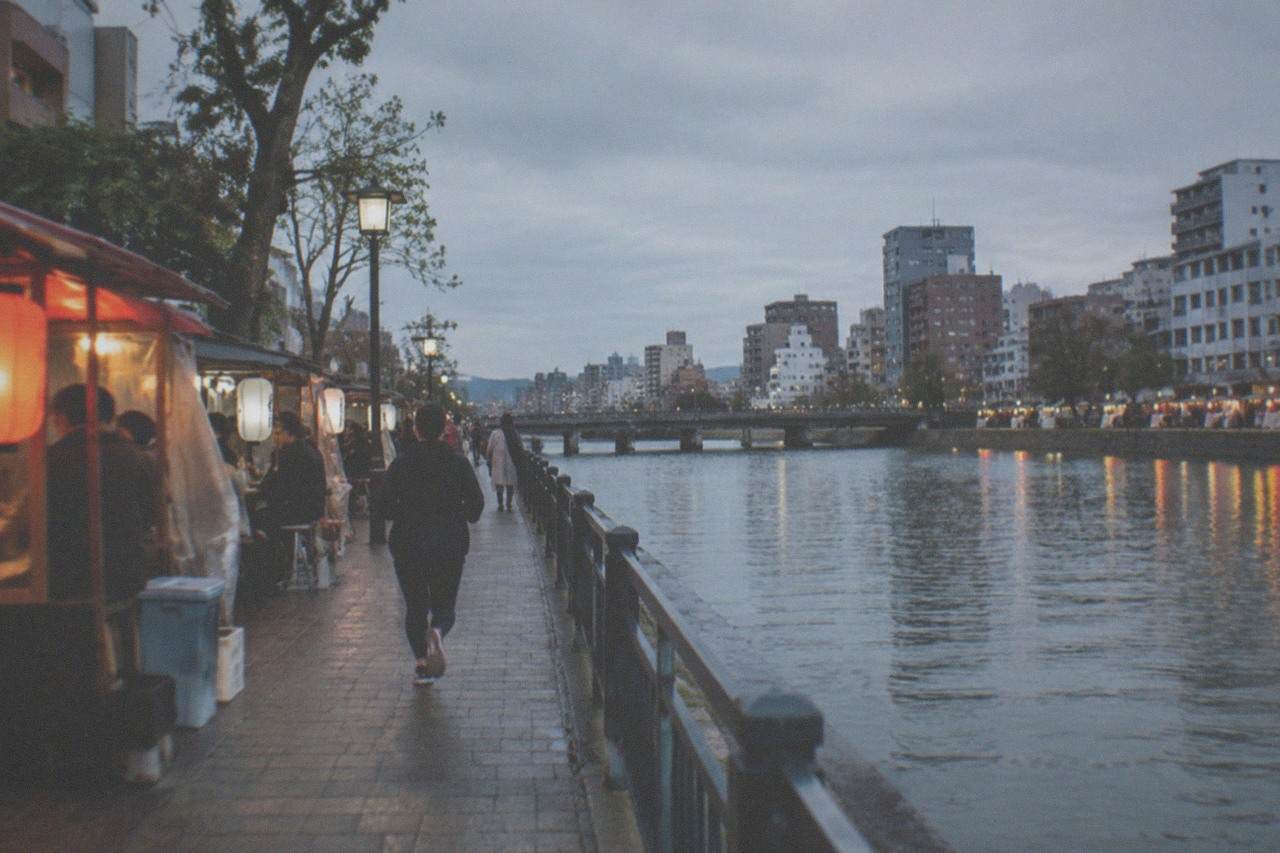
Nakasu after dark is a compact entertainment island between two rivers, anchored by the photogenic yatai row along the Naka River and hundreds of bars stacked in tower buildings. Stalls set up from around 17:00 and may serve until the small hours; entry to the district is free and everything is walkable from Nakasu-Kawabata subway station.
Nakasu sits on a sandbank between the Naka River and the Hakata canal, and for most of the day it behaves like any other central business district. Around five in the evening the character flips. Lanterns come up along the river, the roughly 100 licensed yatai the city counts across Fukuoka start wheeling into position, and the tower buildings around the Nakasu area switch their signs on floor by floor. This guide walks the district as it actually operates after dark: where the drinking happens, how the stalls work, what a night costs, and where the edges are.
What Is Nakasu Actually Like After Dark?
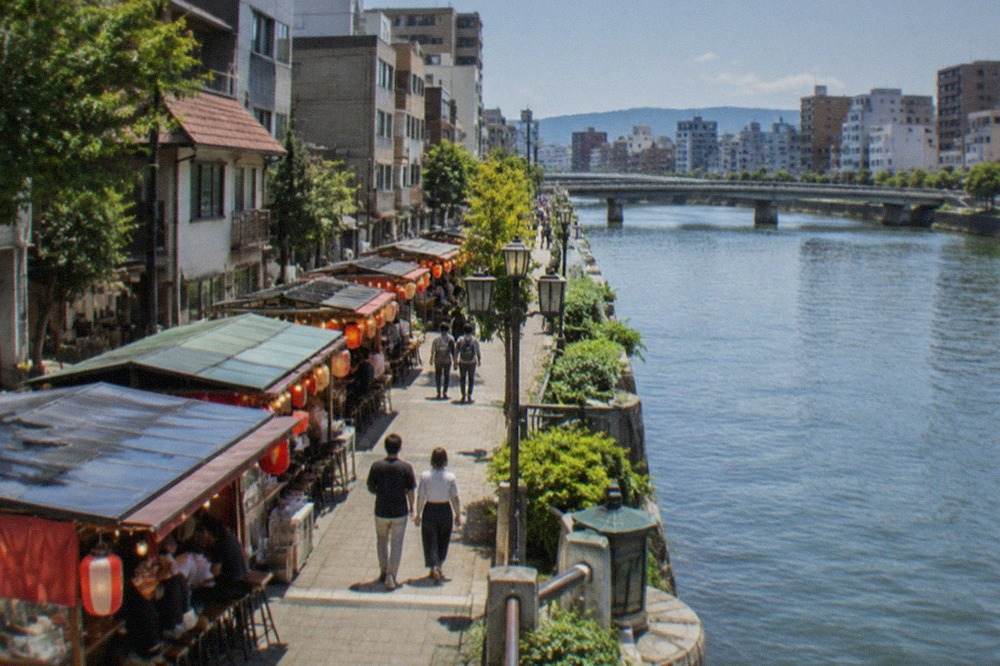
Nakasu after dark is a single walkable island of neon, food stalls and stacked bars between two rivers, and it runs on a rhythm most visitors misread. The riverside yatai row is the postcard, but the bulk of the drinking happens indoors in narrow tower buildings packed with tiny bars. The district peaks between about 20:00 and midnight, thins sharply after the last trains, and never fully sleeps.
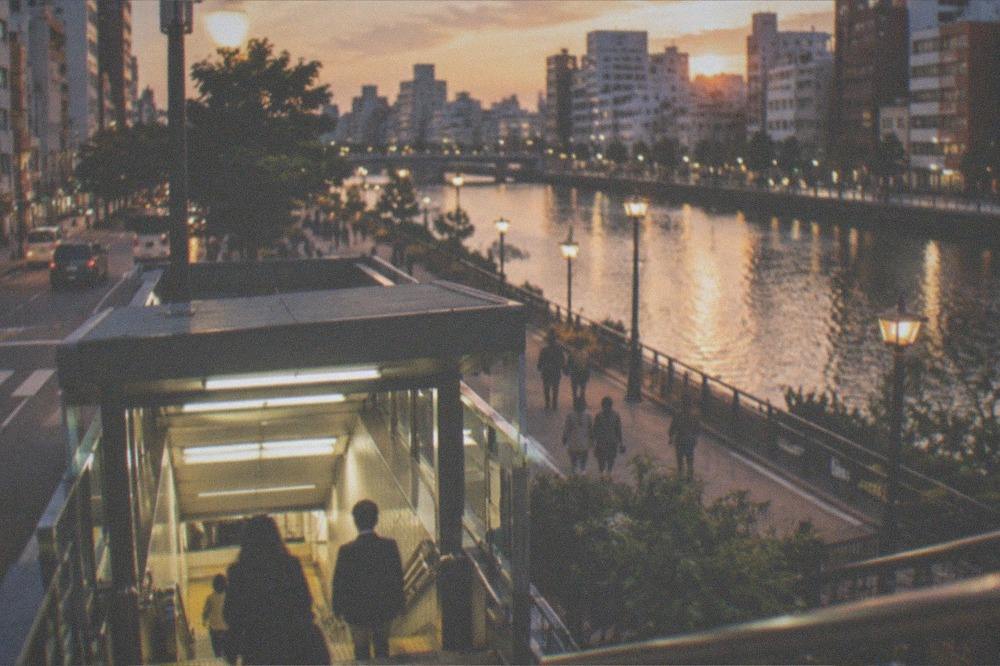
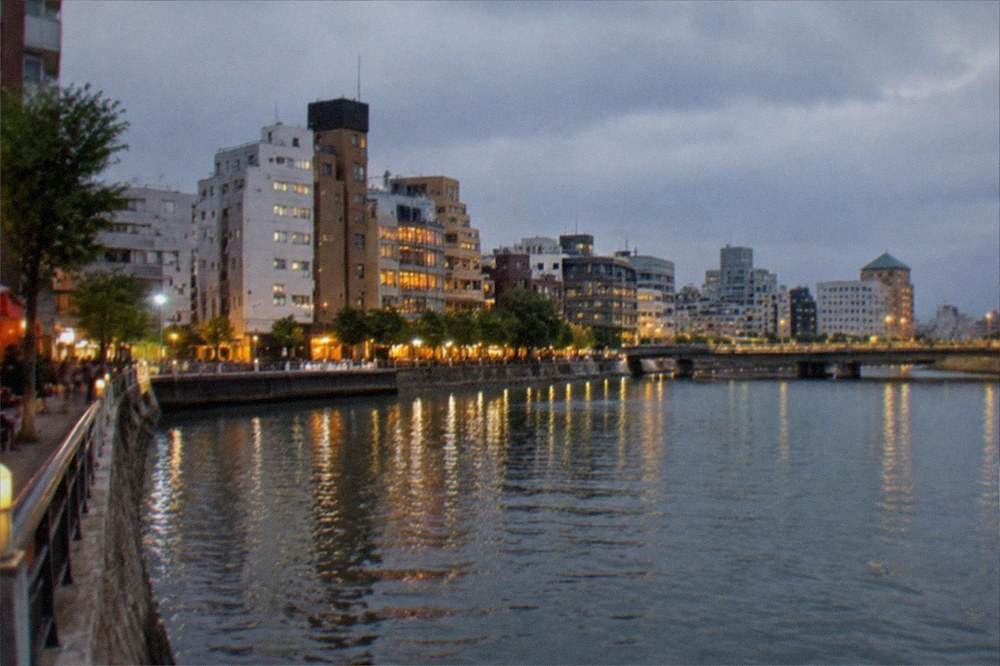
The geography is simpler than it looks. One long road, Taihaku-dori, runs the spine of the island, with the Nakasu yatai street along the western edge facing the Naka River and Seiryu Park. East of the spine, the blocks toward the canal hold the entertainment buildings: whole towers where each floor is a different bar, some with room for six customers and a bartender. West of the river you can see the Tenjin skyline lit across the water, which is why the riverside walk is one of the most photographed stretches in the city.
The crowd changes through the night. Early evening belongs to after-work office groups and tourists working the stalls. From around 21:00 the balance tips toward locals doing a nijikai, the second round of a work party that has already been through a first izakaya elsewhere. After the last trains the district empties to a harder core: karaoke basements, late ramen counters and the stalls still serving whoever is left. Understanding those waves matters, because a bar that is dead at 19:00 can have a line at 23:00.
It is also worth saying what Nakasu is not. It is not a red-light district in the sense some travel forums imply, though a stretch of the island does host host and hostess clubs behind discreet entrances, and you should know they exist so you can walk past them without confusion. The great majority of the island is ordinary eating and drinking, and a visitor following the food will never brush against the rest.
Where Are the Best Bars and Izakaya in Nakasu?
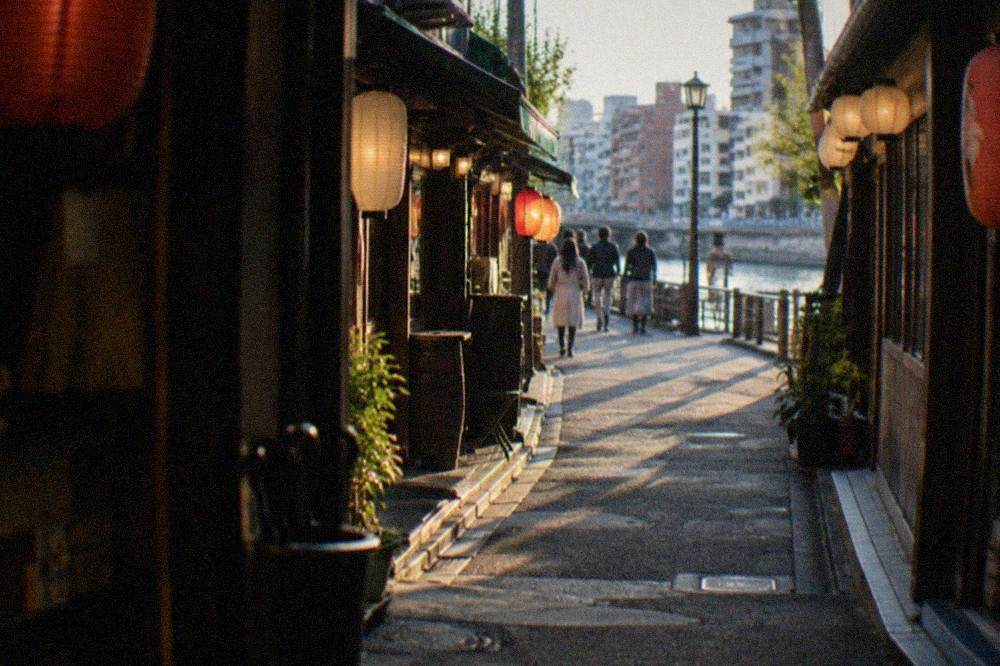
The best drinking in Nakasu splits into three zones: the riverside stalls for atmosphere, the Taihaku-dori tower buildings for small counter bars, and the back blocks toward the canal for izakaya where groups actually sit down. A good night uses all three. Start at a stall, move indoors for a second round, and finish at a late counter. There is no single best bar; the district is built for bar-hopping.
The tower buildings are the part first-timers miss. From the street they look like office blocks, but the directory board beside the elevator lists dozens of independently run bars, many specializing in one thing: a shochu list, natural wine, craft gin, whisky. Cover charges are not universal but they exist, so ask before you sit if a place looks plush. A bar with six seats and one bartender pouring from a shelf of local Kyushu shochu is a completely different experience from the riverside stalls, and it is the reason Fukuoka nightlife rewards a second night.
For visitors who want the structure handled, two guided formats work well here. The evening tours combining yatai, izakaya and karaoke run three to four hours and move a small group through the district's three formats in one night. There is also a private Nakasu food-stall tour with tastings, two hours with a guide who handles ordering at the stalls, which matters more than people expect because a few stall owners speak limited English and the menus are handwritten.
A guided crawl is not a requirement, to be clear. Every bar and stall in Nakasu takes walk-ins, and plenty of visitors have a superb night with nothing but a map and a willingness to point at what the next table is eating. What a guide adds is access: the stalls they know, the bars without English menus, and the arithmetic of a multi-stop night already solved. If you would rather build the night yourself, the Fukuoka bar hopping guide lays out a do-it-yourself route through the same blocks.
The third zone, the sit-down izakaya, is where groups land after the stalls. Around the back streets east of Taihaku-dori you will find motsunabe specialists doing a steady evening trade, plus the mentaiko and goma-saba dishes the region is known for. Motsunabe in particular is a cold-month food, and a bubbling pot of it at 21:00 in January is one of the defining Nakasu experiences. Reservations matter more here than at the stalls, because a popular izakaya fills its tables with office parties by 19:30 and keeps them all night.
| Zone | What it is | Best for | Watch out for |
|---|---|---|---|
| Riverside yatai row | About a dozen stalls facing the Naka River | First drink, photos, ramen | Small seats, cash often preferred |
| Taihaku-dori tower bars | Multi-floor buildings of tiny counter bars | Second round, specialist drinks | Possible cover charge, ask first |
| Canal-side izakaya blocks | Sit-down restaurants, motsunabe pots | Group dinners, longer stays | Book ahead on weekends |
| Karaoke basements | Private and open rooms by the hour | The 23:00 onwards crowd | Timed charges, check the rate |
How Do the Nakasu Yatai Work After Dark?
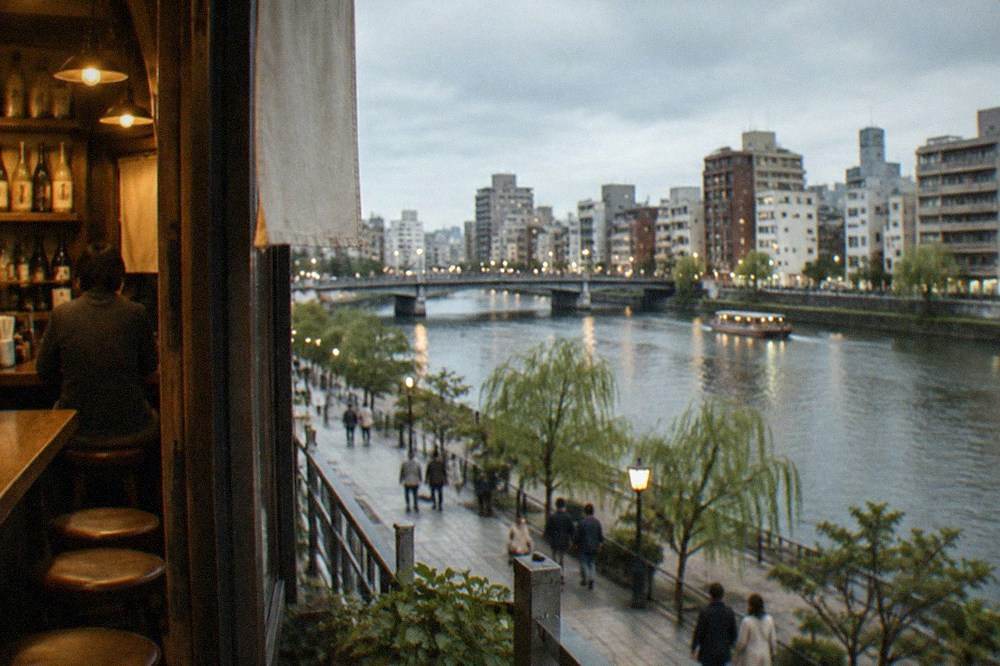
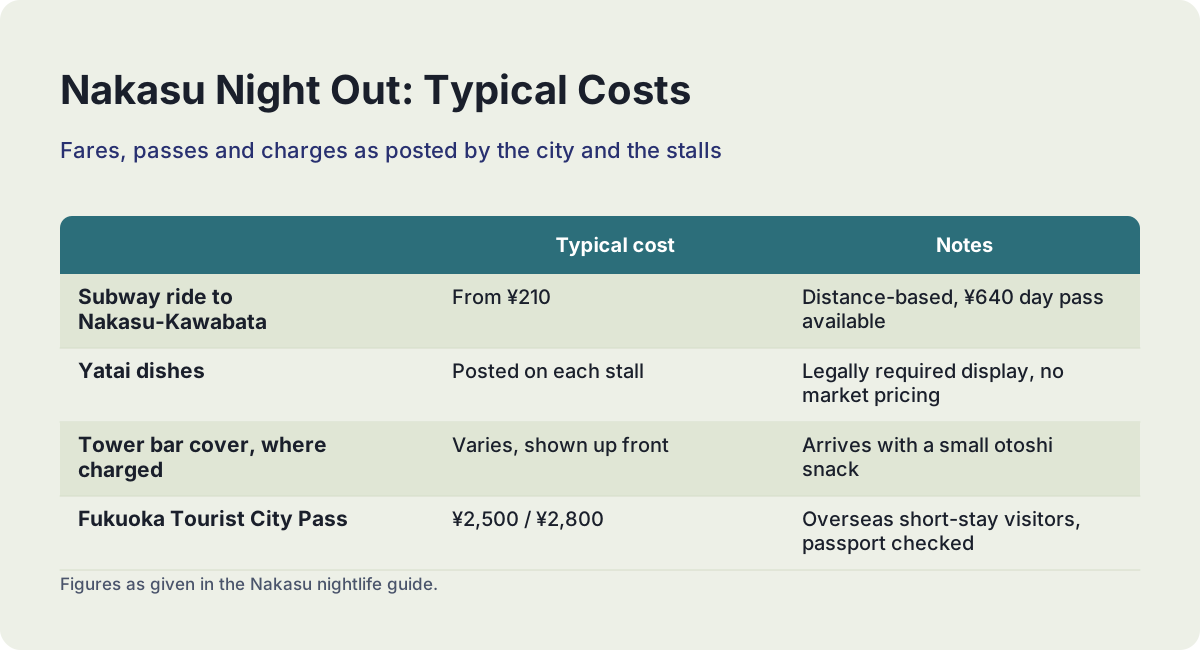
The Nakasu yatai are walk-in food stalls that set up along the Naka River from around 17:00, with operation permitted until 04:00 the next day under city rules. No stall takes reservations and none needs one; you queue, you sit where there is space, and you order from prices the stall is legally required to display. Seats are tight, parties of two work far better than parties of six.
The mechanics are worth knowing because most guides either romanticize or scaremonger. On the scaremongering side, the persistent myth is that yatai are a rip-off risk. Fukuoka's own yatai ordinance bans 時彩, "market price", pricing: a stall must post its prices where customers can easily see them, and any dish priced on the day's market cost must show that day's actual figure. City inspectors check periodically. The city's own yatai Q&A is the source for this, and it is the honest answer to "will I get ripped off at a stall": you will not, because the price is on the wall.
On the romanticizing side, the myth is that every stall is open every night. It is not. Stalls close for rain, strong wind and the operator's own reasons, and there is no city-mandated closing day, so a Tuesday can be lively and a rainy Sunday can be half dark. The practical move is to treat the row as a first-choice plan with a tower-bar fallback, not a guaranteed spectacle. Nakasu's row is the most tourist-facing of the city's three clusters, with Tenjin's scattered stalls skewing toward after-work locals and Nagahama's row near the old fish market keeping its ramen identity.
Seating is the real constraint. A typical stall holds seven or eight customers on benches, elbow to elbow, and the owner cooks in the same footprint. Parties of two slide in easily; a group of five will usually be turned away or asked to split. The etiquette is light but real: order a drink fairly promptly, do not linger over a single dish for an hour, and expect conversation with strangers, which is half the point of the format. The full set of customs is covered in the site's Fukuoka yatai guide.
If the stalls appeal but the language does not, the private guided stall tour with tastings is the middle path: two hours, a guide who translates, and a route through stalls chosen for quality rather than convenience. It is one of the three guided yatai experiences on this site's roster, and the only one built specifically around Nakasu's row.
What Time Does Nakasu Get Busy, and When Does It End?
Nakasu builds slowly from about 18:00, peaks between 20:00 and midnight, and thins sharply after the last trains, but it does not close on a schedule. Stalls may serve until the small hours under the city's 17:00-to-04:00 operating window, karaoke runs later still, and the district's rhythm depends more on weather and weekday than on any official closing time.
The early evening is the sweet spot for visitors. Between 18:00 and 20:00 the stall row is fully set up but not yet crowded, the light on the river is at its best for photographs, and you can move between a stall and a counter bar without waiting. By 21:00 the office-party wave arrives, and the riverside benches fill. Weekends shift everything about an hour earlier and make it busier; Sundays are the quietest night, when some operators simply do not open. The wider set of guides lives on Fukuoka Japan Travel Guide.
The last-train effect is the thing to plan around. Hakata and Tenjin are one or two subway stops away, and the subway stops running before 01:00, so the district empties in a wave when it does. What remains after that wave is the deep-night layer: the stalls still lit, the karaoke basements, and the ramen counters that exist precisely for people who missed the train. A taxi back to a Hakata hotel is a short, cheap hop across the river, which is one reason staying in the Hakata station area pairs so well with a Nakasu night.
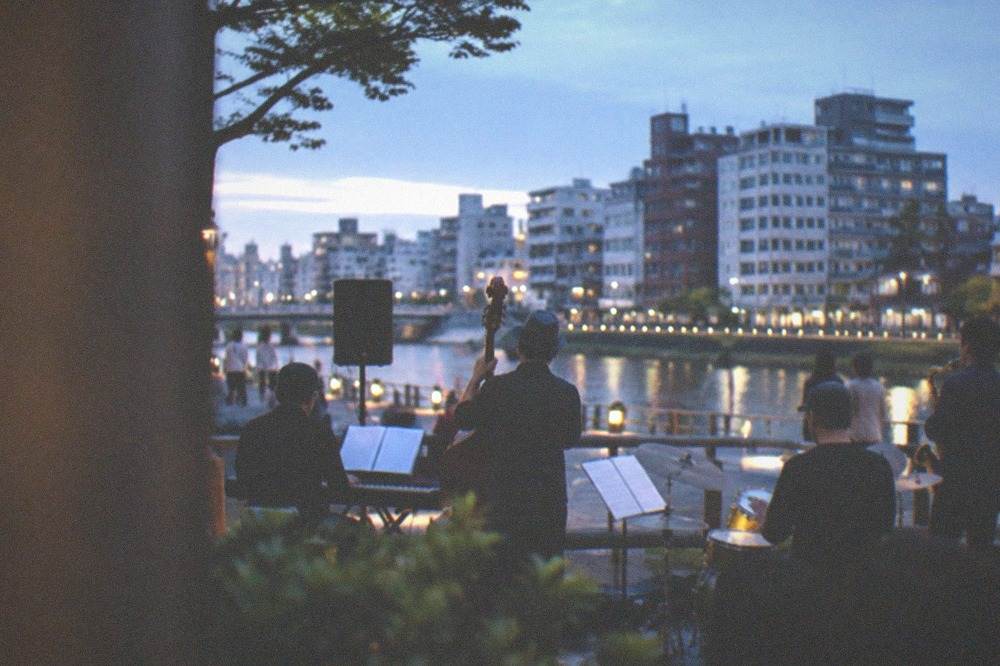
Season changes the calendar as much as the clock. Mid-September brings Nakasu Jazz, a free street jazz festival across multiple stages in the district, which in 2026 ran on September 12 and 13. Across the river at Hakozakigu, the Hojoya festival from September 12 to 18 adds hundreds of food and game stalls along the shrine approach, a five-minute subway hop that pairs naturally with a Nakasu evening. In July the whole city reorients around Hakata Gion Yamakasa, whose climax race on July 15 starts before dawn, so the serious nights out happen earlier in that fortnight.
| Time | What Nakasu looks like | Good move |
|---|---|---|
| 17:00 to 18:00 | Stalls wheeling in, setting up | Walk the river, pick your first stall |
| 18:00 to 20:00 | Row fully lit, crowds building | Eat at a stall, photograph the river |
| 20:00 to midnight | Peak: office parties, bar lines | Tower bars, izakaya, karaoke |
| After last train | Thins to stalls and basements | Late ramen, taxi home |
How Much Does a Night Out in Nakasu Cost?
There is no fixed price for a Nakasu night, and the city publishes no average, but the structure is predictable: stall and bar food is posted openly by law, subway rides across the district cost a few hundred yen, and the big variables are how many stops you make and whether a bar charges a cover. Budget the same as any Japanese nightlife district and let the posted prices do the work.
The honest position on stall prices is that no official average exists, and any guide quoting a per-head figure is inventing it. What is verified is the mechanism: every dish's price is displayed where you can see it before you order, so your best tool is your eyes. Scan the board, pick accordingly, and the risk of surprise is close to zero. Drinks at a stall are priced the same way. Cash is still the safest assumption at the stalls, though some now take cards and QR payments; the city-supported digital push has been expanding acceptance, but it varies stall to stall.
Getting there and back is cheap and exactly knowable. The city subway charges by distance, from ¥210 for a zone-one ride up to ¥380 at the far end of the network, and a one-day pass costs ¥640 adult if you plan to ride more than a couple of times. Nakasu-Kawabata station, the district's stop, sits in the lowest fare bands from both Hakata and Tenjin, and the subway operator's fare page carries the full distance table. Overseas visitors on a short-stay visa can also buy the Fukuoka Tourist City Pass at ¥2,500 for the city version or ¥2,800 with Dazaifu included, which covers subway, buses, trains and ferries for a day; a passport is checked at the counter, which most competing guides still fail to mention.
The cover-charge question deserves a straight answer. Some tower bars charge a seat fee, often arriving as a small otoshi snack you did not order; that snack is the cover, and it is normal, not a scam. If a bar looks upscale and you cannot see a menu, ask about a charge before sitting. Izakaya in the canal-side blocks mostly run posted menu prices with no cover. Karaoke charges by the hour per room, and the rate card is always displayed at the desk.
| Item | Typical cost | Notes |
|---|---|---|
| Subway ride to Nakasu-Kawabata | From ¥210 | Distance-based, ¥640 day pass available |
| Yatai dishes | Posted on each stall | Legally required display, no market pricing |
| Tower bar cover, where charged | Varies, shown up front | Arrives with a small otoshi snack |
| Fukuoka Tourist City Pass | ¥2,500 / ¥2,800 | Overseas short-stay visitors, passport checked |
For planning the wider trip around the night out, the site's Fukuoka trip cost guide and the night itinerary both break a full day's spending into blocks, which is more useful than any per-head nightlife average.
Is Nakasu Safe at Night, and Is It Foreigner-Friendly?
Nakasu is a mainstream entertainment district that operates with ordinary city-night caution rather than any special alarm, and no verified safety statistic for the area exists, so this guide will not invent one. The practical risks are the mundane ones: touts on the street, cover charges you did not expect, and the last train. Foreigners are ordinary customers across the stalls and most bars.
Start with what is checkable. No official crime statistic for Nakasu exists in any source this site was able to verify, and the site's policy is to write around gaps rather than fill them with folklore. What can be said from the district's own structure is that it is a dense, well-lit, heavily policed entertainment area with steady foot traffic until late, which is the environment Japanese cities generally maintain in such districts. The Fukuoka Japan Travel Guide approach here is the same as everywhere: specific, sourced advice over vibes.
The touts are the one real nuisance. Men on the street inviting you into a bar are the classic setup for an inflated bill, and the correct response is the same as in any nightlife district worldwide: keep walking, and drink where you chose to drink. A bar worth entering does not need a recruiter. This is distinct from the perfectly legitimate staff standing at their own doorway handing out menus, which is normal practice.
On the language question, the district handles foreigners constantly. Stall owners deal with pointing, phone translation and a tourist-heavy clientele every night of the year, and many of the tower bars have at least an English menu or a patient bartender. The places where English thins out are the small neighborhood izakaya in the back blocks, and even there, a translation app and good humor cover most orders. The site's Fukuoka walking tours overview is relevant if you would rather start the evening with a guide who can hand you off to the district with context.
One structural note that doubles as safety advice: the riverside is dark and the riverbank edge is unfenced in stretches, so the late-night walk along Seiryu Park deserves the sobriety you have left. It is a beautiful stretch and it is the district's best photo spot, which is exactly why people walk it distracted.
What Comes After the Night Out in Nakasu?
The smart recovery from a Nakasu night is a slow morning somewhere greener, and the region around Fukuoka is unusually good at this. Within a short ride of the hangover you have Ohori Park, the onsen towns inland, and full-day trips to the coast at Itoshima or the canal town of Yanagawa, which is why many visitors alternate one big Nakasu night with one quiet day beyond the city.
This is where the trip shape matters. Nakasu rewards you with a heavy night, and the best following day is not another city crawl but the countryside an hour or so away. The Itoshima peninsula west of the city delivers coastal scenery, Shiraito Falls and fishing-village lunches; Dazaifu adds the shrine and its approach of teahouses; Yanagawa is a canal town where poled boats drift past storehouse walls. There is a combined day tour that strings Itoshima, Shiraito Falls, Dazaifu and Yanagawa together in one nine-hour loop, and it is a genuinely well-matched antidote to the district: zero decisions, a bus seat, and green in every direction.
The same logic scales up. If one night in Nakasu has sold you on the region, the where to go after Fukuoka guide maps the onward options, and the Yanagawa day trip page covers the canal town in depth for anyone who wants to plan that leg independently. Closer to home, a morning at Ohori Park is the local's recovery walk, a loop of water, pines and the Japanese garden, with admission of ¥250 for adults.
Weather deserves the final word on timing, because it decides your stall night more than any calendar. Fukuoka's summers are wet: the Japan Meteorological Agency's 1991 to 2020 normals put July at 299.1 mm of rain, wetter than June's 249.6 mm despite June being the tsuyu rainy season, and rain closes stalls. Typhoon season runs roughly July through October, and neither fact makes the city unvisitable; both just mean you check the sky before you promise yourself the riverside row. The site's Fukuoka weather guide and the best time to visit page carry the full month-by-month picture.
| If your night was... | The matching next day | Why it works |
|---|---|---|
| Stall-heavy and early | Ohori Park loop, Japanese garden | Flat, green, minutes from Nakasu |
| Long, multi-bar | Itoshima, Shiraito Falls, Yanagawa tour | Bus seat, no decisions, coastal air |
| Karaoke until late | Slow morning, then Dazaifu | Train ride, teahouse mochi, gentle walking |
| Rained off the stalls | Onsen towns inland | Indoor soaking, covered by the onsen guide |
Common Questions About Nakasu Nightlife
What Is Nakasu Actually Like After Dark?
A compact entertainment island between two rivers: riverside yatai stalls, tower buildings full of tiny bars, sit-down izakaya blocks and late karaoke, peaking between 20:00 and midnight and thinning after the last trains without ever fully closing.
Do I need a reservation to eat at a Nakasu yatai?
No. The stalls take walk-ins only and cannot be booked. You queue, take the seat you are offered, and order from prices the stall is legally required to display. Only guided yatai crawls are bookable, and those are a guide service, not a stall reservation.
What time do the Nakasu stalls open and close?
Stalls set up from around 17:00, with city rules permitting operation until 04:00 the next day, and most open their shutters around 18:00 to 18:30. Closing is at each operator's discretion, and rain or strong wind closes many, so there is no guaranteed nightly lineup.
Is Nakasu expensive at night?
No official average exists, and any per-head figure you read is invented. Prices are posted openly at stalls and most bars, subway rides to the district start at ¥210, and the main variables are cover charges at some tower bars and how many stops you make.
Can you drink in Nakasu without speaking Japanese?
Yes, comfortably at the stalls and in most tower bars, where translation apps and pointing are routine. Expect thinner English in the small back-block izakaya, and expect the posted prices to remove most of the guesswork everywhere.
What is the best night of the week for Nakasu?
Friday and Saturday are the busiest, with the office-party wave arriving from around 21:00. Weeknights are easier for stall seating, and Sunday is the quietest night, when some operators do not open at all. Weather matters more than the day of the week.