Fukuoka Food Crawl Itinerary
Fukuoka eats like a port city that never learned to slow down: tonkotsu ramen from stalls the size of a garden shed, cod roe piled on rice, beef offal hot pot shared with strangers. This itinerary strings the city's signature dishes into one crawl you can walk, subway and stagger home from.
Short answer
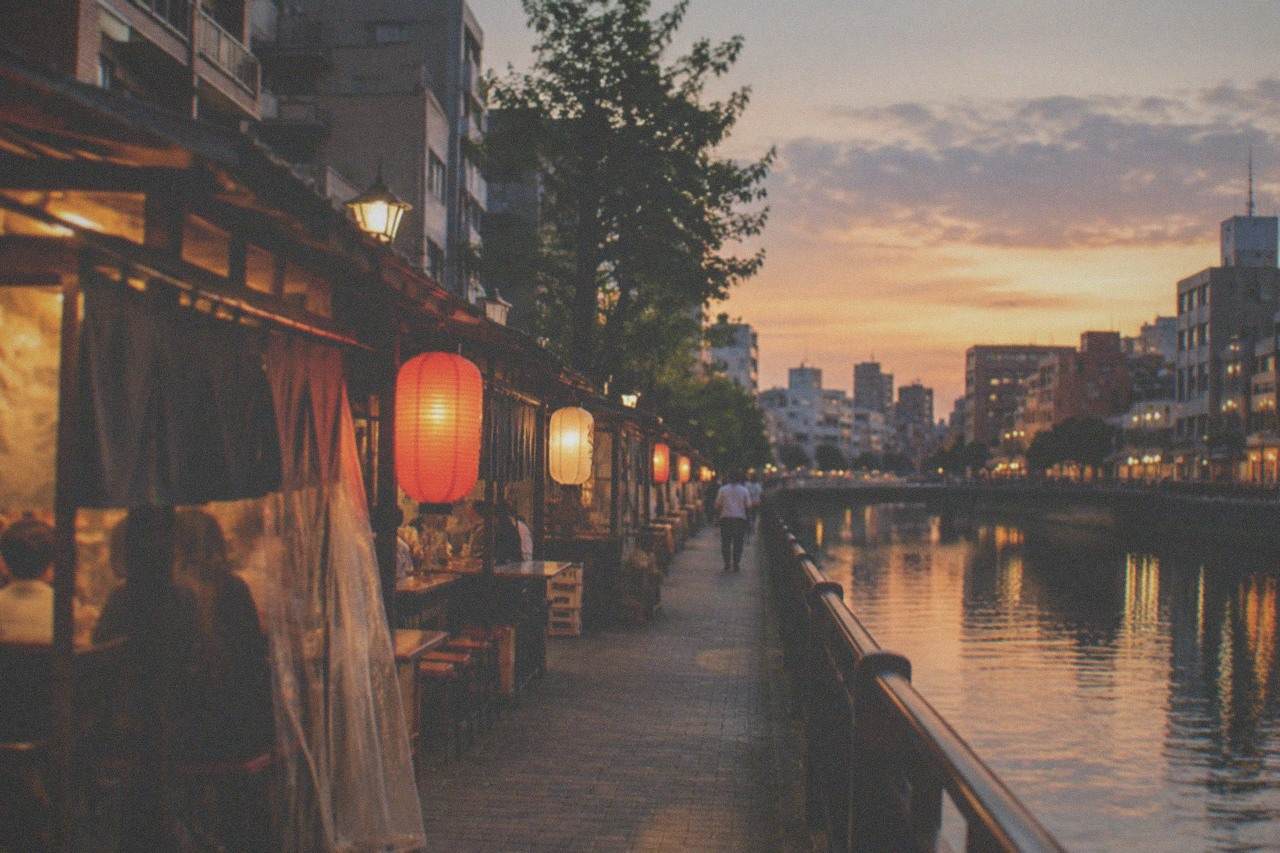
Fukuoka is famous for tonkotsu ramen, yatai street stalls, motsunabe hot pot, mentaiko cod roe and goma-saba mackerel. A workable crawl starts in Hakata for ramen, moves through Tenjin for izakaya snacks, finishes among the Nakasu yatai along the Naka River, and stretches to Dazaifu for umegae mochi if you have a second day.
Fukuoka has roughly 100 licensed yatai, more than any other city in Japan, and that single fact shapes the way you should eat here. Most food cities send you indoors, behind doors and menus. Fukuoka pushes half its signature cooking onto the pavement, into stalls with seven or eight seats, where the chef stands close enough to hear you slurp. The rest of the city's food culture sits within a short subway ride of those stalls, which makes a food crawl not just possible but the natural way to see the place.
This itinerary works as a single hungry day or as a loose two-day structure. It assumes you are based near Hakata Station or Tenjin, both of which sit on the subway lines that connect every stop below. One note on names before the eating starts: Hakata is a ward of Fukuoka and the name of its main station, not a separate city. You will read guides that treat them as two destinations. They are not, and no train ride exists between them.
What Food Is Fukuoka Famous For?
Fukuoka's signature dishes are tonkotsu ramen in a milky pork-bone broth, motsunabe offal hot pot, mentaiko spicy cod roe, goma-saba sesame mackerel, and the small hitokuchi gyoza dumplings that pair with them. The city also claims the yatai stall itself as a food tradition, serving ramen, yakitori and oden from about 100 licensed street kitchens. Dazaifu, an hour away by train, adds umegae mochi rice cakes.
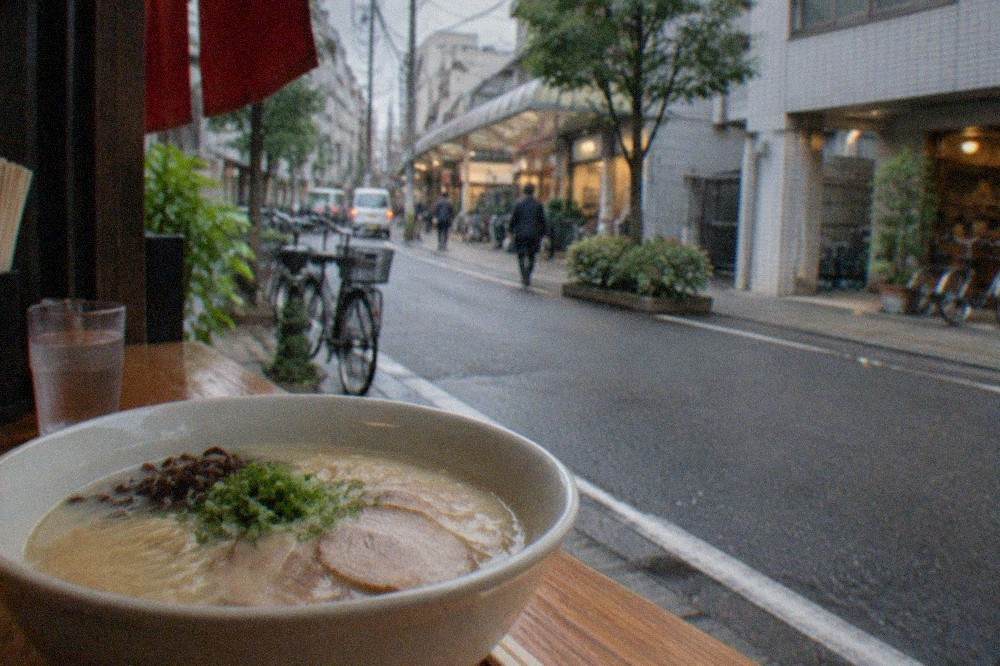
Hakata ramen is the headliner. The broth is boiled from pork bones for hours until it turns opaque white, then served with thin, straight noodles that cook in seconds. The thin noodles go soft quickly, which is why local shops offer kaedama, a cheap noodle refill dropped into your remaining broth. Order it by holding up your chopsticks when the bowl is nearly empty.
Motsunabe is the winter counterpart: beef or pork offal simmered at your table with cabbage, garlic and chili in a rich stock. It started as a Hakata working-class dish and climbed to the point where visitors plan trips around it. Goma-saba is its summer opposite, fresh mackerel cured in sesame and vinegar, usually ordered as a drinking snack. Mentaiko, pollock roe seasoned with chili, appears at breakfast on rice as much as at dinner.
The full background on each dish, including where each one came from and how to order without embarrassment, sits in the Fukuoka food guide, and the short answer to what food is Fukuoka famous for covers the same ground in brief. The table below is the working version: what to eat, what it is, and where the crawl finds it.
| Dish | What it is | Where the crawl finds it |
|---|---|---|
| Tonkotsu (Hakata) ramen | White pork-bone broth, thin noodles, sliced pork topping | Ramen shops around Hakata Station and Nagahama |
| Motsunabe | Beef or pork offal hot pot cooked at the table | Nakasu and Hakata specialty restaurants |
| Mentaiko | Chili-seasoned cod roe, often on rice | Breakfast buffets, izakaya, souvenir shops |
| Goma-saba | Mackerel cured in sesame and vinegar | Izakaya menus across Tenjin and Daimyo |
| Hitokuchi gyoza | Small one-bite fried dumplings | Ramen shops and izakaya citywide |
| Yatai ramen, yakitori, oden | Stall cooking of every kind | The yatai rows in Nakasu, Tenjin and Nagahama |
| Umegae mochi | Grilled rice cake with sweet red bean, a Dazaifu specialty | The approach road to Dazaifu Tenmangu |
Where Should a Food Crawl Start in Hakata?
Start in Hakata in the late morning, because the district around Hakata Station and the old temple quarter concentrates the city's ramen culture and its oldest food streets within a fifteen-minute walk of each other. Eat a first bowl of tonkotsu before noon, graze the shopping arcades through the afternoon, and you will reach the evening yatai genuinely hungry, which is the whole point of pacing a crawl.
Hakata Station itself is a food destination before you step outside. The station building stacks restaurant floors devoted to tonkotsu ramen, and the depachika food hall in the basement sells mentaiko by weight, which is the souvenir most visitors end up carrying home. If your hotel is near the station, breakfast here solves itself.
Walk east from the station and you reach the old temple quarter. Tochoji, with its large seated Buddha, and the Zen grounds of Shofukuji, the oldest Zen temple in Japan, sit inside a grid of narrow streets that has held its layout for centuries. The streets between the temples and the Kawabata shopping arcade are where the crawl's afternoon belongs: coffee kissaten that have been roasting their own beans since the postwar years, and small shops selling goma-saba and hitokuchi gyoza alongside the ramen counters. The Hakata old town page maps the temple stops in detail if you want history between meals.
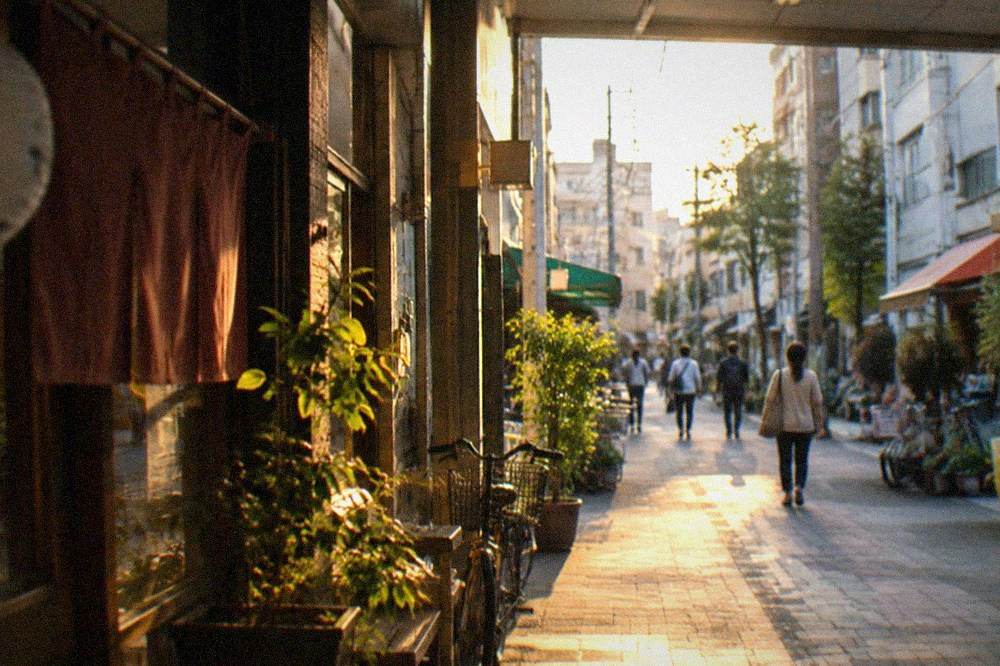
Kawabata, the covered arcade that runs parallel to the Naka River, is the afternoon's spine. It connects the temple quarter to Nakasu on foot, and its side streets hide the kind of unmarked ramen shops that locals queue for after work. Pace yourself here. The evening section of this crawl is the heaviest, and the yatai experience depends on arriving with room left.
A guided start is worth considering if the crawl is your first night in the city. A private local guide can route you past the tourist-facing stalls and into the shops that suit your pace, and the food-focused options below cover the three most useful formats.
Where Are the Best Evening Stops in Nakasu and Tenjin?
The evening belongs to Nakasu, the entertainment district on its own island in the Naka River, where the photogenic yatai row lines the water beside Seiryu Park. Tenjin's stalls, scattered along Watanabe-dori and Showa-dori, run more local and varied. Nagahama, near the old fish market, is the traditional ramen row. All three areas sit within a short subway or river-crossing walk of each other.
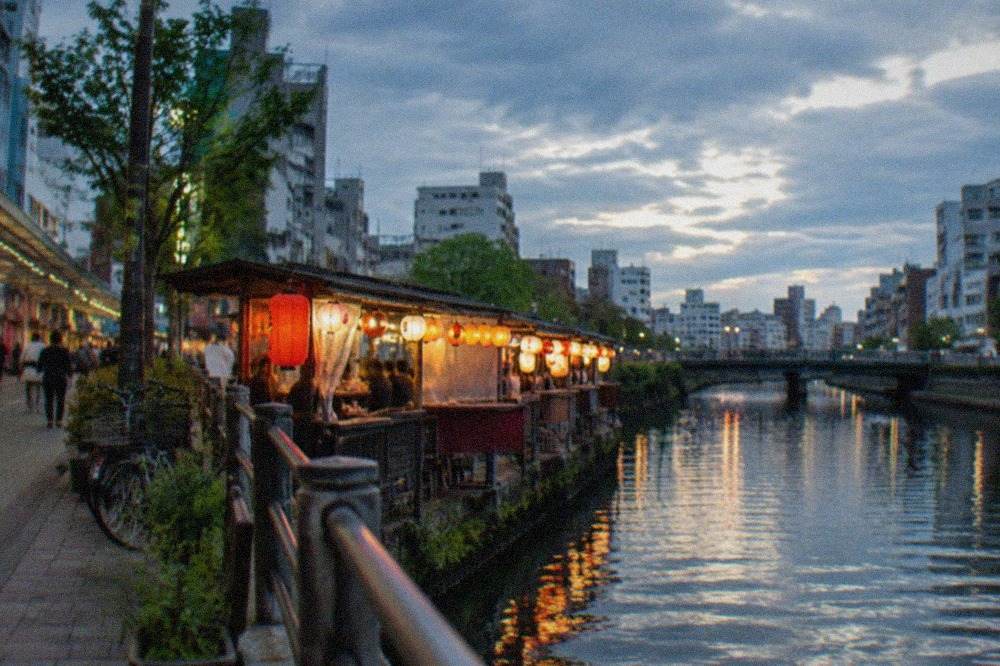
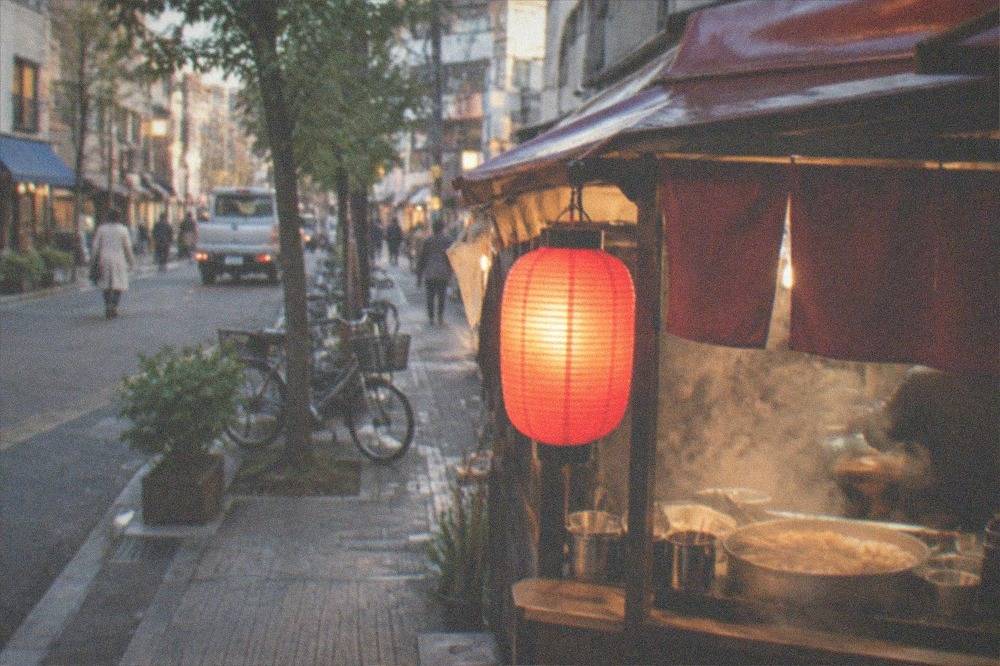
The Nakasu row is the one on every postcard: lanterns reflected in the Naka River, steam rising off broth pots, seats so close to your neighbour that conversation happens whether you planned it or not. This is where most first-time visitors want their yatai night, and the setting earns that attention. Stalls concentrate along the riverside, and a slow walk across the bridges gives you the full lit-up view before you commit to a seat.
Tenjin works differently. The stalls are spread through the business district rather than lined up, the crowd skews toward after-work locals, and the cooking ranges wider than ramen, including newer stalls doing things the old rows never attempted. If you eat one stall meal in Nakasu, eat the second in Tenjin, and you will see both faces of the tradition. Nagahama rounds out the three: the historic ramen row near where the fish market used to sit, tonkotsu territory in its purest form.
The city's own yatai guide covers the stall rows street by street, and the wider Fukuoka street food page extends the list beyond the stalls. For the crawl itself, the practical move is a guided first night. The Nakasu food stall tour runs about two hours, rated 4.7 from 70 reviews, and walks a small private group through several stalls with tastings included, which removes the two hard parts of a yatai visit: choosing a stall and reading a menu written for locals. Details and current pricing are on the tour's own page, or Check availability directly.
A word on expectations before you commit the evening. Yatai are small, seats number single digits, and the point is the counter conversation as much as the bowl. Arrive early if you want a seat without waiting, and treat the stall as a single course rather than a full dinner. Two stalls in a night is a normal, comfortable pace.
The district split, in short:
| District | Character | Best time | Signature stop |
|---|---|---|---|
| Nakasu | Riverside yatai row, most photogenic, most visitor-facing | 6 p.m. to midnight | The Naka River stall row by Seiryu Park |
| Tenjin | Scattered stalls, after-work local crowd, wider menus | 7 p.m. onward | Watanabe-dori and Showa-dori stalls |
| Nagahama | Historic ramen row near the old fish market | Late evening | Tonkotsu specialists on Nagahama-dori |
| Daimyo | Izakaya and bar district, west of Tenjin | 8 p.m. to late | Izakaya lanes off Meiji-dori |
How Do You Build a One-Day Food Crawl Schedule?
A one-day crawl runs: breakfast mentaiko on rice near Hakata Station, a first ramen bowl before noon in the station district, goma-saba and hitokuchi gyoza as afternoon snacks in the Kawabata arcade and old town, an early evening izakaya stop in Daimyo, then two yatai in Nakasu from around 7 p.m. The whole route stays inside the city centre and costs almost nothing in transport.
The schedule below assumes a start near Hakata Station. If you are staying in Tenjin, flip the middle of the day and the logic still holds, because the subway connects every stop for ¥210 to ¥260 per single ride. The one day in Fukuoka itinerary adds the non-food sights if your travel partner needs temples between meals.
| Time | Stop | What to eat |
|---|---|---|
| 9 a.m. | Hakata Station basement food hall | Mentaiko on rice, tamagoyaki |
| 11 a.m. | Ramen shop near the station | First bowl of tonkotsu, with kaedama if hungry |
| 1 p.m. | Tochoji and Shofukuji streets | Coffee and a light snack, walk it off |
| 3 p.m. | Kawabata shopping arcade | Goma-saba, hitokuchi gyoza, street snacks |
| 6 p.m. | Daimyo izakaya lane | One drinking snack and a small beer |
| 7 p.m. | Nakasu yatai row | Yatai ramen or yakitori at the first stall |
| 9 p.m. | Second Nakasu or Tenjin stall | Oden or a second bowl, slower pace |
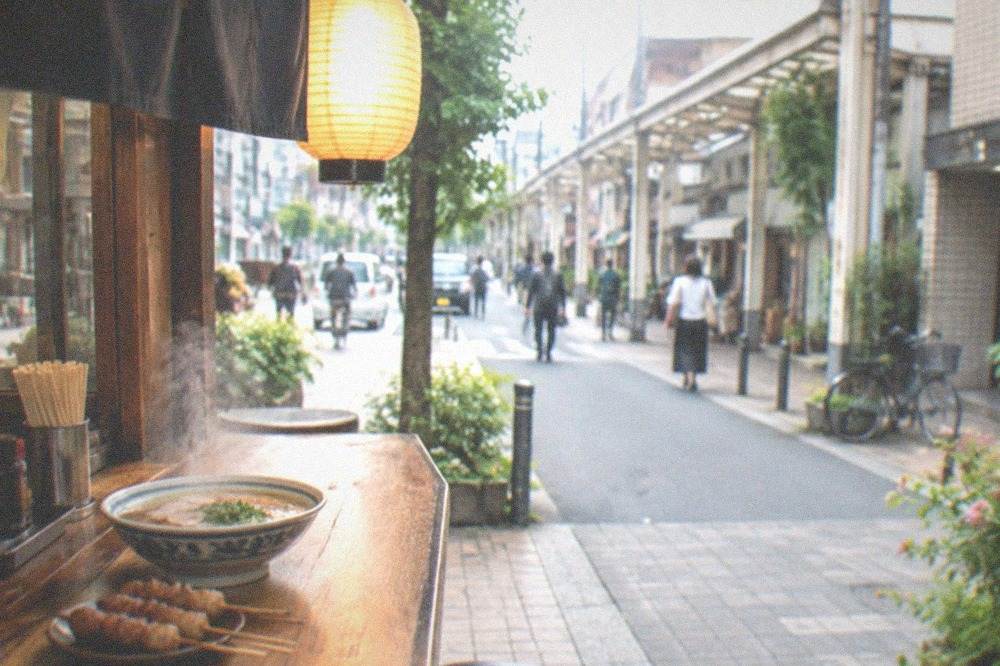
Two pacing rules make the day work. First, order less than you think you want at each stop: the crawl is seven small meals, not three large ones, and tonkotsu broth is heavier than it looks. Second, keep the walking segments genuine walking. The distance from Hakata Station to Kawabata is an easy flat stroll, and the arcades to Nakasu cross the river on foot. You burn very little of it, but the rhythm matters more than the calories. More of these guides are collected on Fukuoka Japan Travel Guide.
What Are the Rules of Eating at a Yatai?
Sit, order, eat and leave within about an hour, because a yatai seat is shared space and the queue behind you is standing in the weather. The city's yatai ordinance requires every stall to display its prices where customers can see them, so you will not face a mystery bill. Cash is still the safe assumption, though some stalls now take cards and QR payments. Rain and strong wind close many stalls, so check before you walk.
The price-display rule is worth knowing because it answers the question every visitor quietly has. Fukuoka's yatai ordinance, in force since 2013, requires prices to be posted visibly and bans the vague "market price" label on anything whose cost changes daily; if a dish is priced on the day's market, the stall must show that day's actual figure. City inspectors check. A stall with no visible price list is out of compliance, and in practice you will rarely see one.
Seating is the other thing to understand before you sit. A typical stall seats seven or eight people around a single counter, and the operator cooks in front of you. That makes the seat both a table and a conversation, and regulars treat it that way. Order a drink, order a dish, talk to whoever is beside you, and settle up when you are done rather than lingering through a second hour. The full etiquette, including how to handle the bill and what not to do with your chopsticks, is in the yatai etiquette guide.
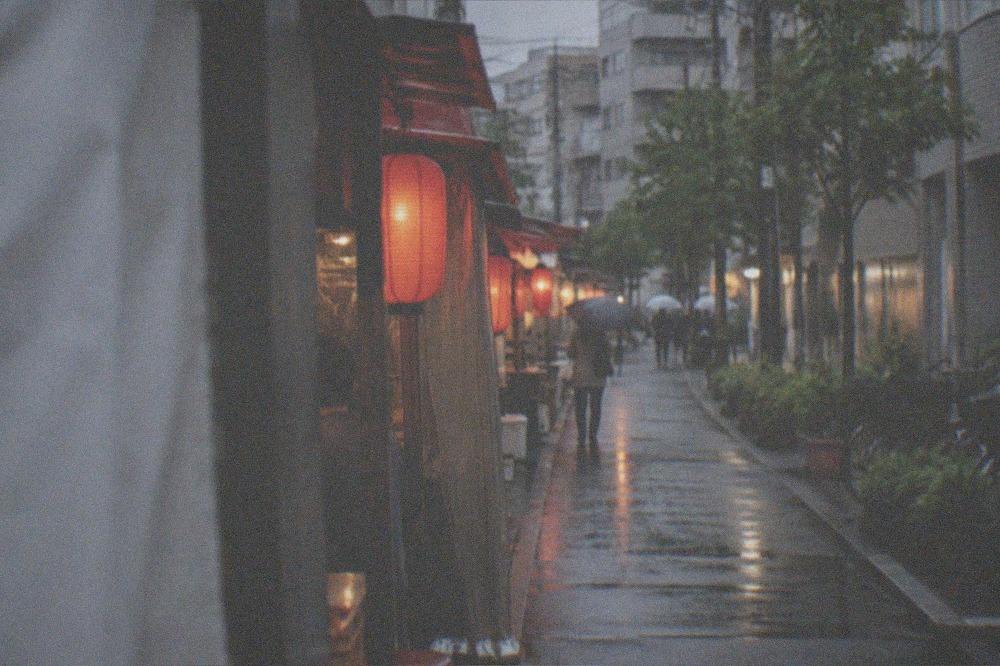
Stalls set up in the early evening and pack up in the small hours, but there is no city-mandated closing day, so a stall that looks shut on a Tuesday is shut because the operator chose to be, or because the weather turned. That weather dependency is the one real risk in a crawl built around stalls. The fallback is simple: Nakasu and Daimyo are dense with izakaya and ramen shops that never close for rain, and a wet night just moves the crawl indoors.
If you would rather have the stall experience handled for you, an evening tour does the choosing and the translating. The Fukuoka evening tour format, from $99 per person and rated 5.0 from 29 reviews, moves a small group through yatai, izakaya and even karaoke over three to four hours, which suits travellers who want the night led rather than navigated.
How Much Does a Food Crawl Cost?
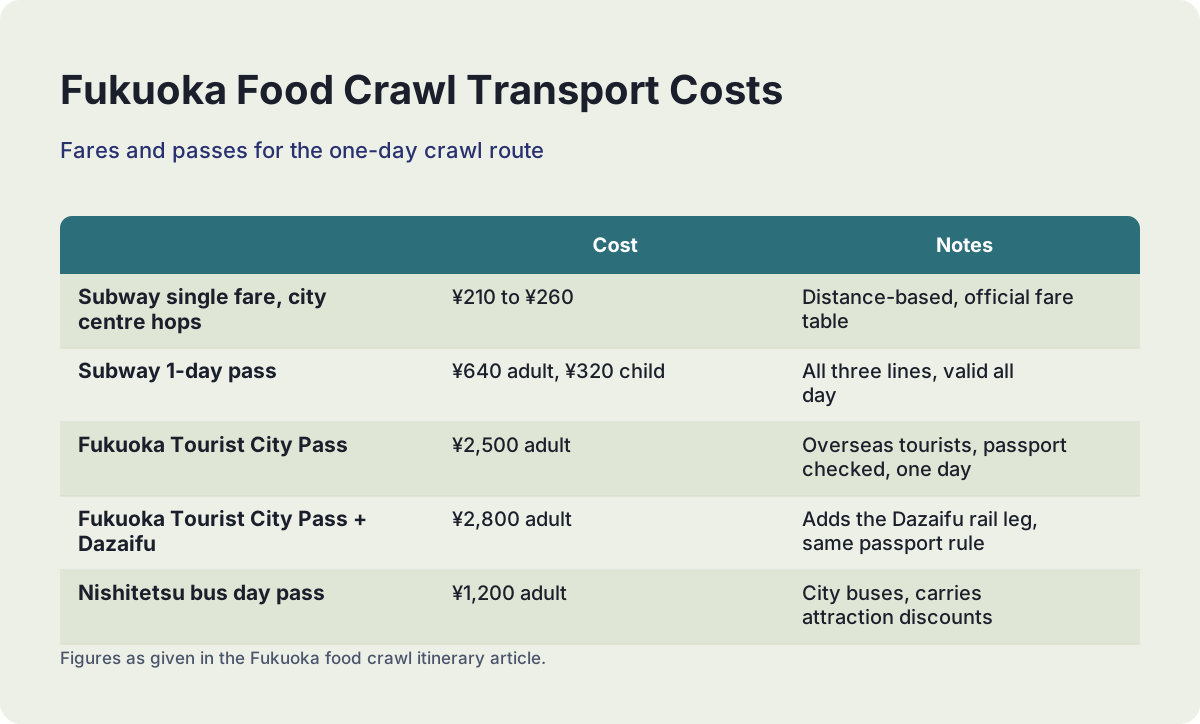
Transport for a full crawl day costs almost nothing: subway single fares run ¥210 to ¥260 for the hops this itinerary uses, and a subway day pass is ¥640 if you ride more than three times. Overseas visitors on a short-stay visa can buy the Fukuoka Tourist City Pass for ¥2,500, or ¥2,800 with Dazaifu included, with a passport check at the counter. Food costs vary by stall and shop, and every yatai posts its prices.
The honest answer on food spending is that no official average exists, and any guide quoting one is guessing. What you can plan is the transport and the fixed costs around the eating, all of which are verified and listed below. The Fukuoka trip cost guide and the budget itinerary build the wider picture, including accommodation.
| Item | Cost | Notes |
|---|---|---|
| Subway single fare, city centre hops | ¥210 to ¥260 | Distance-based, official fare table |
| Subway 1-day pass | ¥640 adult, ¥320 child | All three lines, valid all day |
| Fukuoka Tourist City Pass | ¥2,500 adult | Overseas tourists, passport checked, one day |
| Fukuoka Tourist City Pass + Dazaifu | ¥2,800 adult | Adds the Dazaifu rail leg, same passport rule |
| Nishitetsu bus day pass | ¥1,200 adult | City buses, carries attraction discounts |
The Tourist City Pass deserves a specific warning, because most competing guides still quote prices from years ago. The current figures are ¥2,500 for the city version and ¥2,800 with Dazaifu, sold only to overseas tourists on a short-stay visa, and staff check your passport at the counter. The pass covers subway, Nishitetsu trains and buses in the designated areas, some JR lines and ferries, plus discounts at partner attractions. The city's own Tourist City Pass page lists the current terms and every sales point.
The weather maths matters more here than in most food cities, because your dinner venue may be a stall with no roof. The Japan Meteorological Agency's published normals are the source behind the rainfall figures below, and they are the reason a July crawl needs a rain plan more than a June one.
How Do You Extend the Crawl Across Two or Three Days?
Give the crawl a second day and Dazaifu becomes the afternoon trip, an hour each way on the Nishitetsu line from Tenjin, where the approach road to the shrine sells umegae mochi hot off the griddle. A third day opens the Kyushu countryside: the Yame tea region south of the city runs full-day tea and sake tasting tours, and the coast west at Itoshima pairs seafood with the shoreline.
Day two keeps the same evening structure, because the yatai are worth a second night, but swaps the daytime. Dazaifu Tenmangu has no entrance fee, and the walk from the station to the shrine passes a street of shops grilling umegae mochi in front of you. The Dazaifu day trip page covers the rail route, and the two day Fukuoka itinerary and three day itinerary slot the food stops into full sightseeing plans if you need more than eating on the schedule.
Day three is where the crawl leaves the city. The YokaBus tea and sake expedition runs nine hours into the Yame tea fields, from $82 per person and rated 4.9 from 43 reviews, and it is the food tour that most surprises visitors who came for ramen: tea fields, a tasting room and a brewery in one long loop. It pairs naturally with a lighter city evening afterwards, since you will not be hungry again until late.
| Day | Theme | Anchor meals |
|---|---|---|
| Day 1 | City crawl: Hakata to Nakasu | Station ramen, arcade snacks, two yatai |
| Day 2 | Dazaifu afternoon, Tenjin evening | Umegae mochi, izakaya in Daimyo |
| Day 3 | Kyushu countryside | Tea and sake tasting, seafood back in the city |
The longer formats have their own pages if the crawl is one strand of a bigger trip: the four day itinerary and five day itinerary both keep the food nights intact while adding Itoshima, Yanagawa and the museums. And if any part of this plan sounds like more deciding than you want on a holiday, the guided options below cover the stall crawl, the countryside day and a private local lead.
Common Questions About a Fukuoka Food Crawl
What Food Is Fukuoka Famous For?
Tonkotsu ramen, motsunabe, mentaiko, goma-saba, hitokuchi gyoza and the yatai stall culture itself, with umegae mochi in nearby Dazaifu. The city's signature dish is the pork-bone broth ramen served with thin noodles and kaedama refills.
Do I need to book a yatai in advance?
No. Yatai take walk-ins only, with a handful of seats per stall, so you queue on the street if the counter is full. Arrive before 7 p.m. for the shortest waits. Only guided yatai crawls are bookable, and those reserve your route, not a stall.
Will I get ripped off at a yatai?
The city's yatai ordinance requires every stall to display its prices visibly and bans "market price" labelling, so the menu you can read is the bill you will pay. City inspectors enforce the rule. Carry cash as a safe default, since card acceptance varies by stall.
Is a food crawl in Fukuoka doable without speaking Japanese?
Yes, with modest patience. Menus in the stall rows are often handwritten and Japanese-only, but the price display rule means you can point and order by number. A guided first evening solves the rest, and the stalls around Nakasu see enough visitors that basic English works.
How many days do I need for a Fukuoka food crawl?
One long day covers Hakata, the arcades and the Nakasu yatai. Two days adds Dazaifu's umegae mochi and a second stall night, and three lets a tea and sake day trip into the Yame countryside. The crawl rarely needs more than three days.
What if it rains on my yatai night?
Many stalls close in rain or strong wind, at the operator's discretion, and there is no city-mandated closing day. The fallback is easy: Nakasu, Tenjin and Daimyo are dense with izakaya and ramen shops that stay open, so a wet night moves the crawl indoors rather than cancelling it.