How Much a Fukuoka Trip Costs
Most cost guides for Fukuoka recycle the same stale numbers, including a subway pass price that changed years ago and a five-minute airport claim no official source confirms. This one uses figures read directly from the operators and the city, so you can build a real budget.
Short answer
A day in Fukuoka can run from almost nothing to well over ¥10,000 per person. Subway rides cost ¥210 to ¥380, the top attractions charge ¥200 to ¥1,000, and the Tourist City Pass is ¥2,500 with a passport check. Food is the swing factor: shrine grounds and parks are free, while guided tours run from $18 to $160 per person.
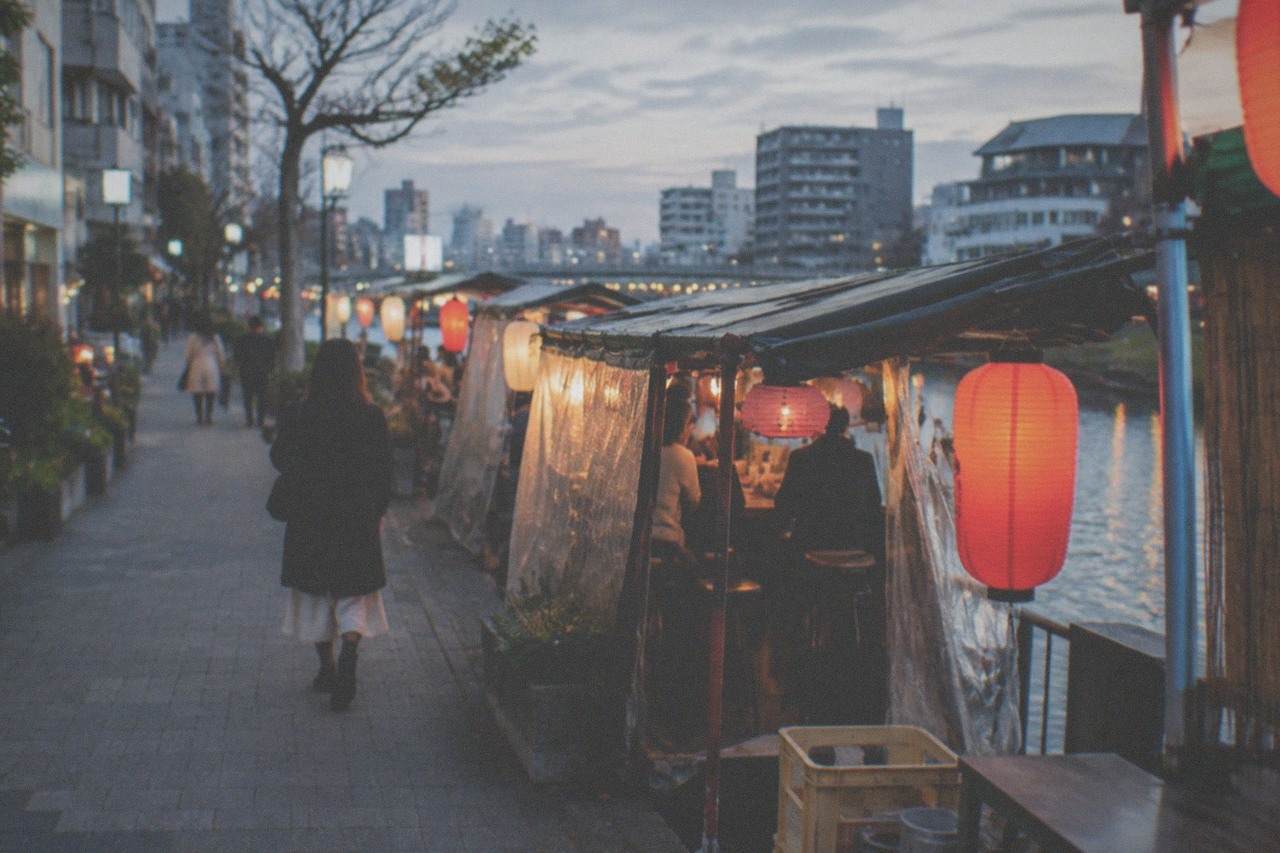
Fukuoka has a reputation as Japan's bargain gateway, and mostly it earns it, but the numbers floating around online are a mess. Half the cost guides still quote a Tourist City Pass price that was replaced years ago, and the famous claim that the airport is five minutes from the city centre appears on page after page without a single official source behind it. This guide sticks to figures the city, the transit operators and the venues actually publish, and says plainly where a number does not exist.
One framing note before the arithmetic: Hakata and Fukuoka are the same city. Hakata is the ward and the station name, Fukuoka is the city, so nothing in this budget involves travelling "between" them, and there is no JR Fukuoka Station to buy tickets at. Getting that straight saves visitors real confusion, and it saves money too, because half the city's biggest attractions are free to walk into.
How Much Does a Day in Fukuoka Cost?
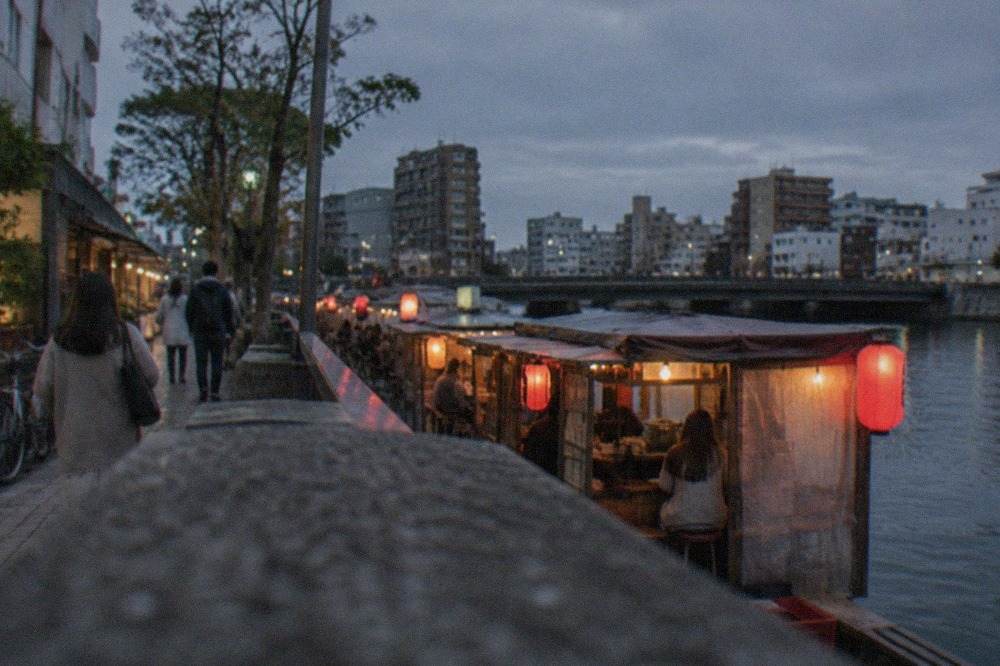
A bare-bones day, walking everywhere and paying only for food, can come in under ¥3,000 per person, because the shrine grounds, temple halls, castle ruins, Ohori Park and Canal City all cost nothing to enter. A comfortable day with subway rides, one paid attraction such as Fukuoka Tower at ¥1,000, museum entry at ¥200 and an evening at the yatai might land between ¥5,000 and ¥10,000. Add a guided tour and the ceiling moves fast.
The honest way to budget Fukuoka is to separate the three layers. The first layer is transport, which is cheap and precisely priced: every subway trip in the city costs between ¥210 and ¥380 depending on distance, and the one-day pass is ¥640. The second layer is admission, and Fukuoka is unusually generous here, because the headline sights, Kushida Shrine, Tochoji, Shofukuji, Dazaifu Tenmangu, the castle ruins and both of the big parks, charge nothing at the gate. The paid layer is thin: the tower, two art museums, the Japanese garden, the zoo and the seaside parks.
The third layer is food and experiences, and that is where two visitors spending the same day can part company by a factor of five. A bowl of tonkotsu ramen at a counter and an evening yatai crawl are different economies from a motsunabe dinner for two or a private guide. The sections below price each layer with verified figures only.
What Does Eating in Fukuoka Cost?
Food is the line item you control most, and Fukuoka's own rules make it unusually transparent: the city's yatai ordinance requires every stall to post its prices where customers can easily see them, and bans vague "market price" pricing on dishes that vary by the day. The city publishes no average spend per person, so any guide quoting one made it up. Counter ramen and street food sit at the cheap end; motsunabe restaurants and izakaya climb from there.
Start with the yatai, because they are the city's signature and the pricing question everyone asks. About 100 licensed stalls operate across the city, concentrated in Nakasu along the Naka river, in Tenjin and in Nagahama. The city's Basic Ordinance, in force since 2013, does two things a visitor should know about: it forces visible price display, and it requires that any dish priced off the day's market shows the actual day's price, not the word "market price". City inspectors check periodically. In plain terms, you will see the menu before you sit, and nobody can quietly double the oyster price because the catch was good.
Stalls are walk-in only; you cannot book a seat at one, and you never need to. They set up from 17:00, most open around 18:00 to 18:30, and rain or strong wind closes many of them, so a wet evening is better spent indoors. Payment still leans towards cash, though some stalls now take cards and QR codes. If you want the stalls decoded rather than discovered, guided crawls exist, and the Fukuoka: Nakasu Food Stall Private Guided Tour with Tastings walks the riverside row with a guide who handles the ordering.
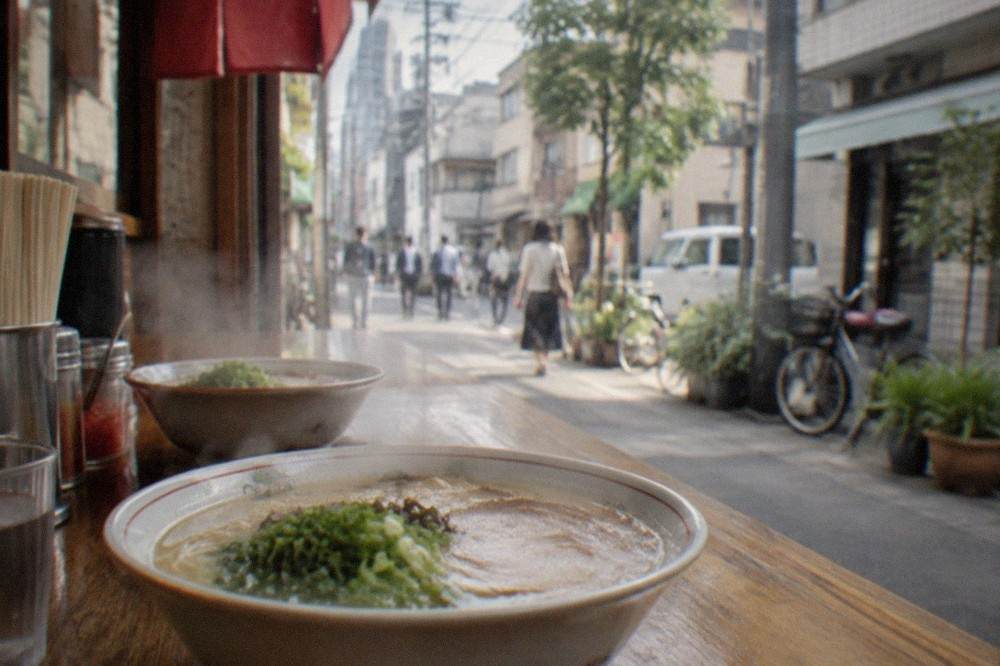
Beyond the stalls, the cheap end of Fukuoka eating is genuinely cheap: Hakata is the home of tonkotsu ramen, served at fast, counter-only shops, and the city's street-food canon, ichigo-ichie not included, runs from mentaiko-topped rice balls to hitokuchi gyoza. What no official source will tell you is a per-dish average, because none is published, so treat any number you see online as somebody's single dinner, not a statistic. A reasonable planning move is to budget a counter lunch and a stall dinner separately from one sit-down dinner, and to put the sit-down dinner where it counts: motsunabe, the Hakata offal hot pot, is a shared dish and priced accordingly.
How Much Does Getting Around Fukuoka Cost?
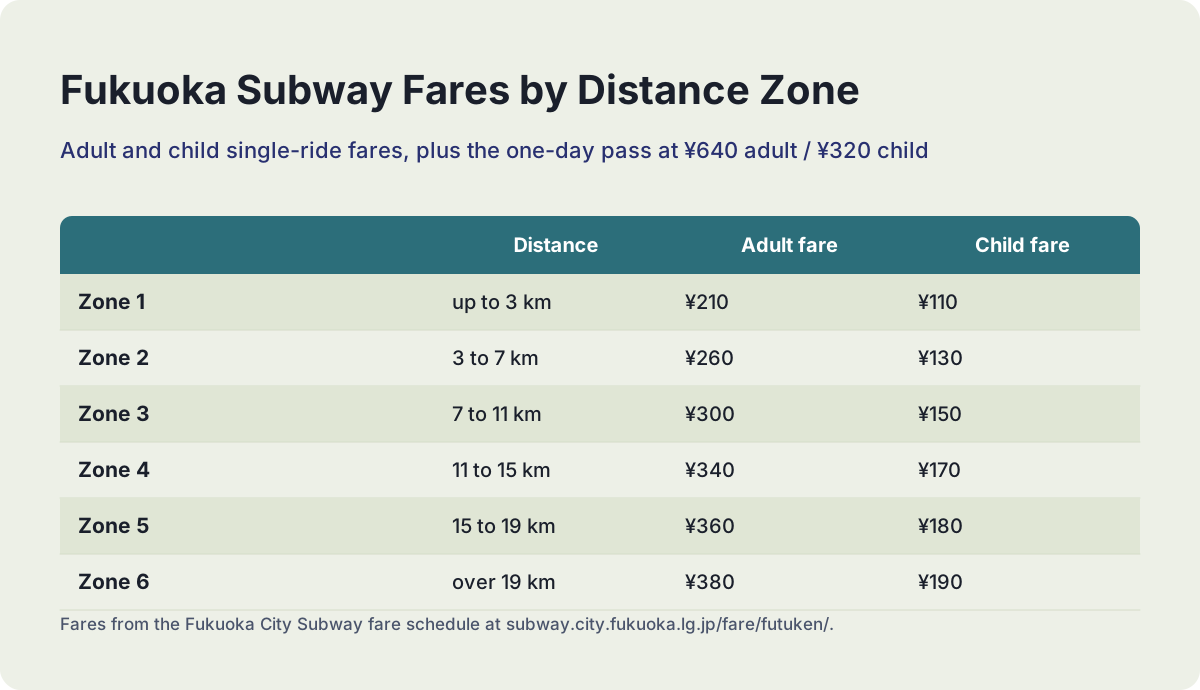
Every adult subway ride in the city costs ¥210 to ¥380 by distance zone, with children at half fare, and the all-lines one-day pass is ¥640. The Fukuoka Tourist City Pass, which covers subway, Nishitetsu trains and buses, some JR lines and ferries, is ¥2,500 for the city or ¥2,800 with Dazaifu, sold only to overseas tourists on a short-stay visa with a passport check. Most guides still quote the old ¥820 price; that figure is years out of date.
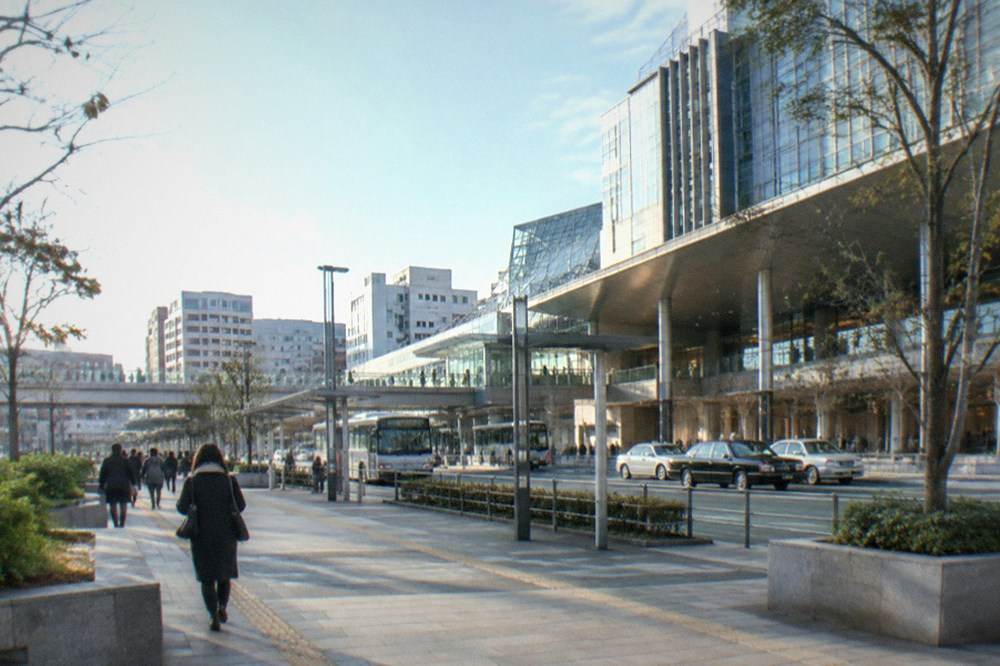
The subway fare table is published by the operator, and it is short enough to memorise. Fares are zoned by straight-line distance, and the airport-to-Hakata leg sits in the 3 to 7 km band, which is why the ¥260 airport fare is solid. What is not solid, despite appearing in nearly every English guide, is a journey time in minutes: the official pages do not state one, so this guide does not either. What can be said, and is worth saying, is that the airport is unusually close to the city centre, closer than almost any other Japanese city's airport, which is a real budget factor because the transfer costs less than a coffee.
| Subway zone | Distance | Adult fare | Child fare |
|---|---|---|---|
| Zone 1 | up to 3 km | ¥210 | ¥110 |
| Zone 2 | 3 to 7 km | ¥260 | ¥130 |
| Zone 3 | 7 to 11 km | ¥300 | ¥150 |
| Zone 4 | 11 to 15 km | ¥340 | ¥170 |
| Zone 5 | 15 to 19 km | ¥360 | ¥180 |
| Zone 6 | over 19 km | ¥380 | ¥190 |
The full zone table is on the operator's own fare page at the Fukuoka City Subway fare schedule. The one-day pass, ¥640 adult and ¥320 child, covers all three lines from first to last train on the day of use, and it breaks even at about three longer rides, so it only pays if you are genuinely zipping across the city. It is sold at station machines and customer centres, not through any affiliate channel, and holders get small discounts at partner facilities on the day.
The Tourist City Pass is the one worth planning around, and the details matter. The city's own page at the official Fukuoka Tourist City Pass guide states the current prices, ¥2,500 city and ¥2,800 with Dazaifu, and the restrictions: it is limited to overseas visitors on short-stay status, a passport is checked at the counter, and the Dazaifu version excludes the Tabito liner bus. If you are doing Dazaifu plus a full day of city rides, the ¥2,800 version usually wins; if you are mostly walking, single fares beat both.
| Pass | Price | What it covers | Catch |
|---|---|---|---|
| Subway 1-day pass | ¥640 adult / ¥320 child | All three subway lines, one day | Counter and machine sales only |
| Nishitetsu bus 1-day pass | ¥1,200 adult / ¥600 child | City buses for one day | Cheaper digital versions exist |
| Tourist City Pass | ¥2,500 adult / ¥1,250 child | Subway, Nishitetsu, some JR, ferries | Passport check, short-stay visa only |
| Tourist City Pass + Dazaifu | ¥2,800 adult / ¥1,400 child | The above plus Dazaifu rail coverage | Tabito liner bus excluded |
For the arrival itself, the airport-to-city transfer guide walks every option with the verified fares, and the Fukuoka airport guide covers the terminal layout. IC cards work everywhere here: local Hayakaken, nimoca and SUGOCA, plus the nationwide Suica, PASMO and ICOCA family, so there is no need to buy anything special before you land.
What Do Fukuoka's Main Attractions Cost to Enter?
The headline sights cost nothing: Kushida Shrine, Tochoji, Shofukuji, Dazaifu Tenmangu, the Fukuoka Castle ruins, Ohori Park and Canal City Hakata are all free to enter. The paid tier is short and cheap: both city art museums charge ¥200, the Ohori Park Japanese Garden ¥250, Fukuoka Tower ¥1,000, the zoo ¥600 and Marine World ¥2,500. A full sightseeing day of paid entries still costs less than a single ticket in most Western cities.
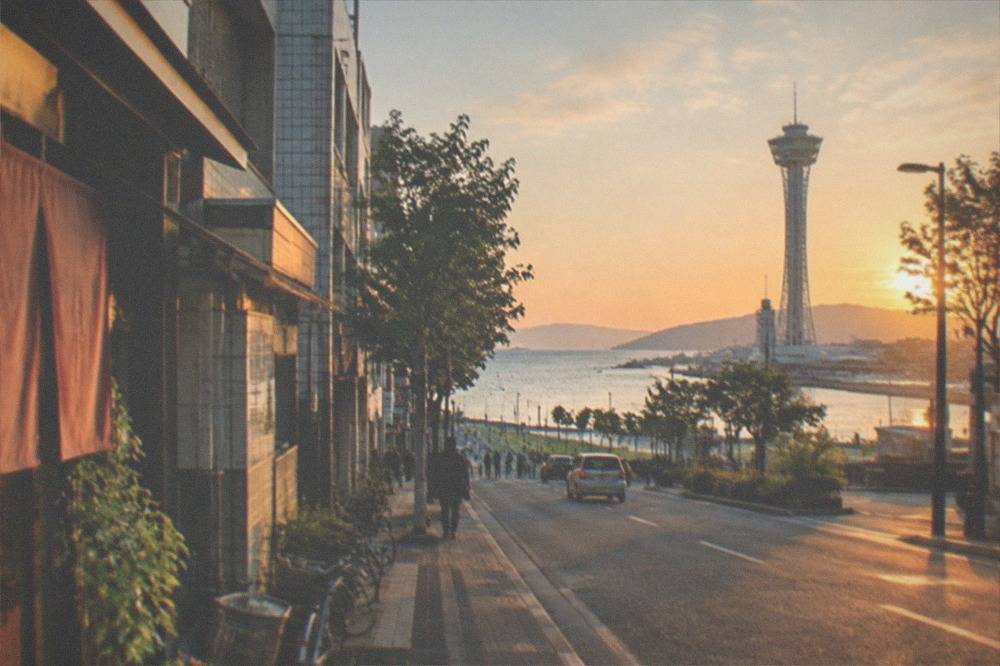
Fukuoka Tower is the priciest standard ticket, at ¥1,000 for high school age and above, ¥500 for elementary and junior high, and ¥200 from age four, with hours 9:30 to 22:00 and last entry 21:30. It closes for two days each year, 28 and 29 June 2027 being the next closure. The art museums are the opposite of a splurge: the Fukuoka Art Museum's collection exhibition is ¥200 general and ¥150 for high school and university, free for junior high and under, and the Fukuoka Asian Art Museum is free to enter, with only the Asia Gallery charging, again ¥200 and ¥150. Both waive fees for residents over 65 from a list of designated cities with ID.
| Attraction | Adult price | Free for | Notes |
|---|---|---|---|
| Fukuoka Tower | ¥1,000 | Ages 3 and under | Closes 28-29 June 2027 |
| Fukuoka Art Museum (collection) | ¥200 | Junior high and under | Closed Mondays |
| Fukuoka Asian Art Museum (Asia Gallery) | ¥200 | Junior high and under | Building entry free |
| Ohori Park Japanese Garden | ¥250 | Under 6, and 65+ | Closed Mondays |
| Fukuoka City Zoo | ¥600 | Junior high and under | Free days 3-4 October 2026 |
| Uminonakamichi Seaside Park | ¥450 | Junior high and under | Gate is cash only |
| Marine World Uminonakamichi | ¥2,500 | Ages 2 and under | Hours vary by date |
Two practical warnings sit inside that table. Uminonakamichi Seaside Park's gate takes cash only, which almost no guide mentions and which strands card-only visitors at a family park on a sunny afternoon. And the park closes on selected Tuesdays that shift by season, so never assume it is open daily. The castle ruins deserve their own note: the Tenshudai, the main keep base, is closed to entry from 26 May until the end of December 2026 for an archaeological excavation, prompted by a document found in December 2024 that describes a keep historians thought might never have been built. The rest of Maizuru Park remains free and open, and the excavation itself is a genuine sight.
For a rainy-day plan built around the indoor options, the Fukuoka rainy day itinerary sequences the museums, arcades and Canal City in a workable order, and the free things angle shows how much of the city you can see without paying a single admission.
How Much Do Tours and Guided Experiences Cost?
Guided experiences in Fukuoka run from about $18 for a one-hour tea ceremony or calligraphy session to $160 for a full day with a licensed private guide, with most half-day options in the $60 to $100 range. The cheapest tickets, such as Fukuoka Tower admission at $7 or a teamLab Forest entry at $27, are pre-booking conveniences rather than guided experiences. A tour is the single biggest line item you can add to a Fukuoka day.
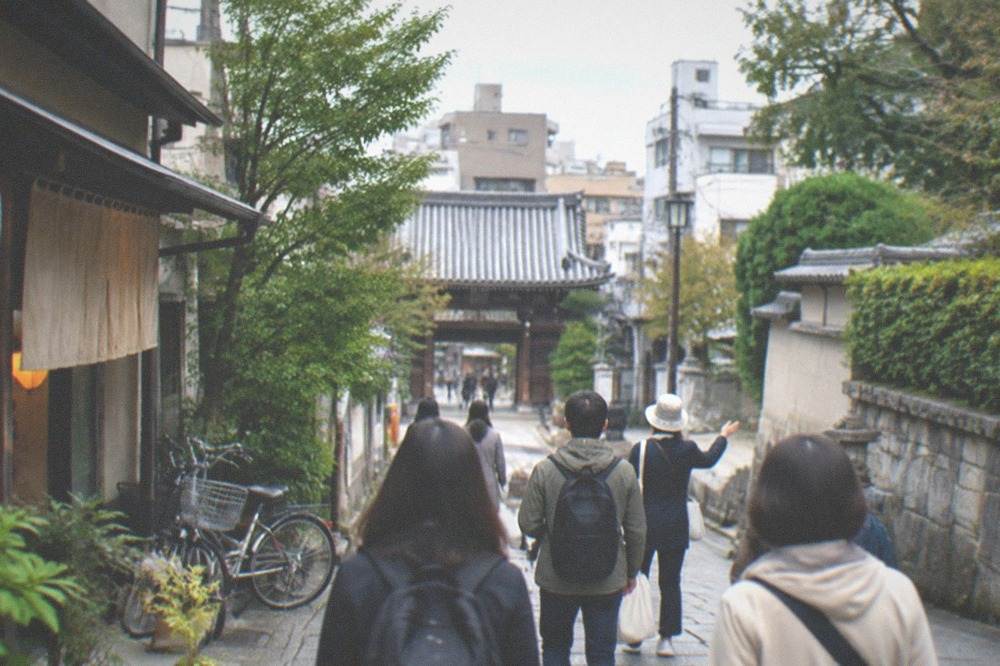
The private-guides category spans a wide band. The entry point is a customisable private walk with a local, from $59 to $65 per person, rated 4.9 across 164 reviews and 106 reviews for the two main options, running two to eight hours depending on the format. At the top, a full day with a government-licensed guide is from $160 per person for six hours, rated 4.9 from 71 reviews. The gap between those is not quality, it is depth: the licensed-guide day covers more ground and carries the national licence, while the shorter walks are a local showing you their city. The Fukuoka private tours guide compares the formats in detail.
Walking and cycling options fill the middle. A city essentials walk covering history and culture runs from $74, rated 4.9 from 48 reviews, and a guided Hakata bike ride is from $73, rated 4.7 from 22 reviews. Food experiences cluster tightly: an evening yatai, izakaya and karaoke tour from $99, rated 5.0 from 29 reviews, and the Nakasu stall tour from $94, rated 4.7 from 70 reviews. Cultural sessions are the cheapest structured experiences in the city, a maiko tea ceremony at $18 and a shisa amulet workshop at $18, a calligraphy session at $32 and Hakata doll painting at $28, all rated 4.9 or 5.0 from small review pools, so read the recent reviews rather than trusting the number alone. The wider set of guides lives on Fukuoka Japan Travel Guide.
One honesty note the roster itself forces: two products, the sumo stable show and the night views tour, publish no rating at all, which means they are genuinely new listings rather than poorly reviewed ones. Treat a missing rating as missing information, not as a red flag, and weigh those two on their descriptions.
How Do Day Trips Change Your Budget?
Day trips are where a Fukuoka budget stretches or snaps. Bus and minibus day tours into Kyushu start from $46 per person for a Mount Aso volcano day, with most full-day options between $48 and $96, and the premium tier, a private 12-hour Nagasaki tour, at $858. Rail-and-boat combinations such as the Takachiho gorge trip with the Amaterasu railway cost from $48 and run 11 hours, rated 4.8 from 713 reviews.
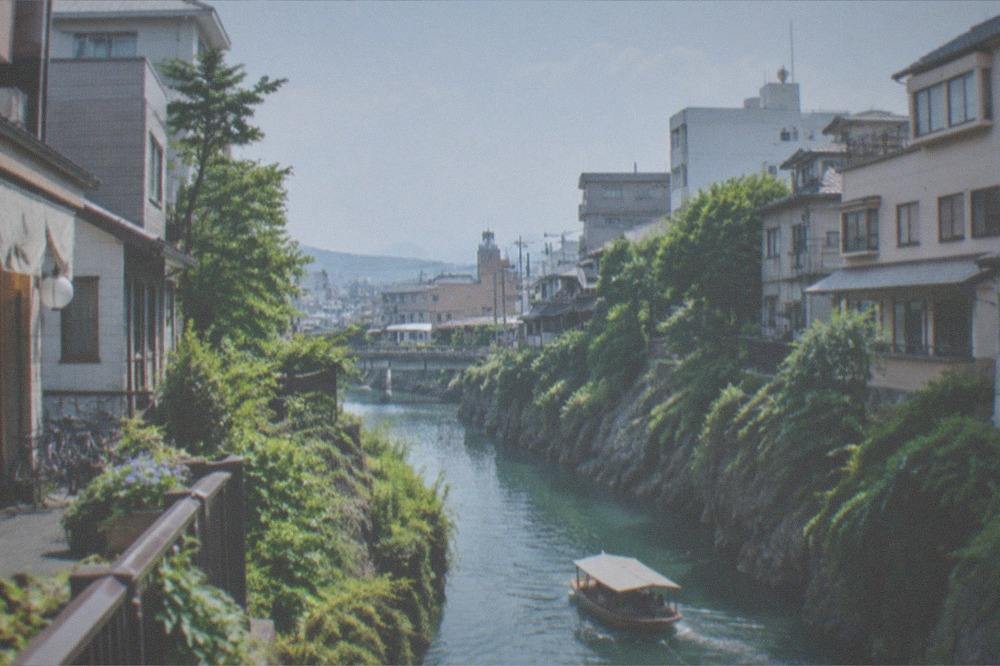
The Takachiho trip deserves its popularity and its place in a cost guide, because it bundles a lot of day into one ticket: the gorge, the Amaterasu railway, and an optional boat ride on the water. It is from $48 per person, rated 4.8 across 713 reviews, over 11 hours from Fukuoka, which makes it one of the longest days per dollar in the roster. The Takachiho gorge tour has its own page with the full itinerary, and you can Check availability at the operator's live listing.
The broader day-trip menu splits cleanly by price. The volcano-and-countryside tier runs $46 to $94: Mount Aso and the Kusasenri grasslands from $46, the Aso volcano, onsen and shrine day from $58, and the Miyazaki and Takachiho shrine tours from $59 to $94. The Beppu and Yufuin cluster, hells, hot springs, the frog temple and the Sapporo brewery museum, runs $48 to $96. Coastal and heritage runs, Itoshima, Motonosumi shrine, Akiyoshido cave and the Kanmon bridge, sit between $50 and $77. Two notes on planning: the day trips from Fukuoka guide compares all of them, and the Fukuoka day tours guide covers the guided subset.
| Day trip tier | Typical price | Examples | Hours |
|---|---|---|---|
| Volcano and countryside | $46 to $94 | Mt Aso, Kusasenri, Miyazaki, Takachiho | 9 to 11 |
| Onsen towns | $48 to $96 | Beppu hells, Yufuin, Kurokawa | 9 to 10 |
| Coast and heritage | $50 to $77 | Itoshima, Motonosumi, Akiyoshido cave | 9 to 10 |
| Tea country | $82 to $92 | Yame tea fields, Yanagawa river boat | 9 to 9.5 |
| Private full day | from $858 | Nagasaki with a private guide | 12 to 13 |
The YokaBus tea-country options are the sleeper pick for a food-motivated traveller: a tea and sake tasting expedition from $82, rated 4.9 from 43 reviews, and a combined tea fields and Yanagawa river boat day from $92, rated 4.9 from 29 reviews. And the Yufuin no Mori sightseeing train paired with Dazaifu, from $70 and rated 4.7 from 54 reviews, spends the money on the train ride itself, which is the experience.
What Time of Year Is Fukuoka Cheapest?
Fukuoka does not have a rip-off season the way resort cities do; prices are stable and the real variable is weather and festivals. The wettest month is July, at 299.1 mm against June's 249.6 mm, despite June being the rainy season, and July is also Yamakasa festival month. Late autumn into winter is the drier, quieter window, with November seeing 91.4 mm and December 67.5 mm, and the same free attractions all year.
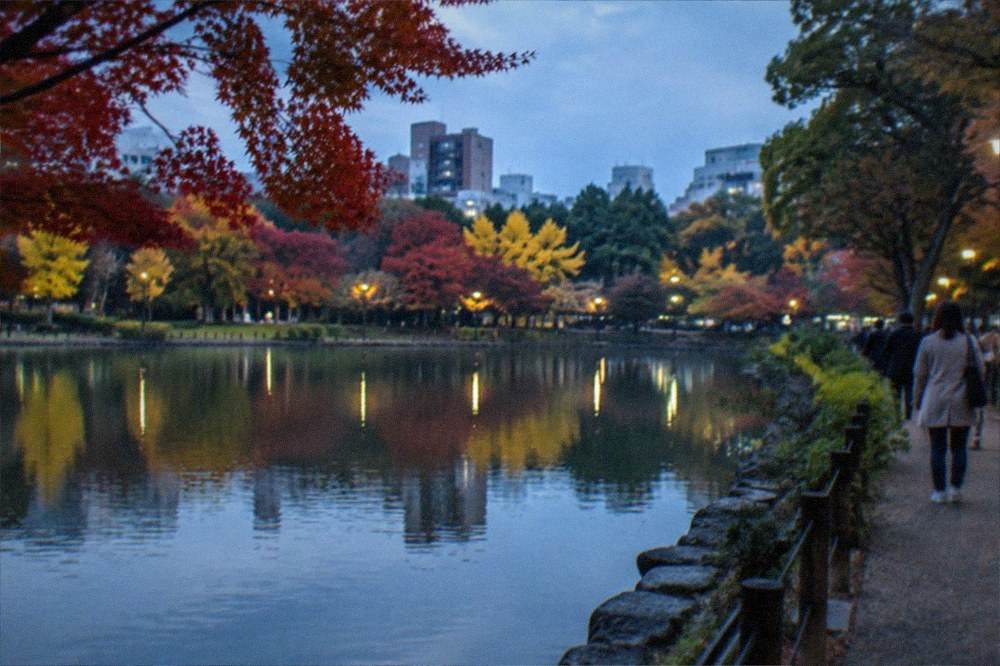
That July figure surprises people, and it is the single most useful weather fact for a budget: the Japan Meteorological Agency's 1991-2020 normals show July, not the June tsuyu season, as the wettest month in Fukuoka. August is hotter and drier, at 210.0 mm with 200.9 sunshine hours, the second sunniest month after May. If your plan is outdoor-heavy, yatai evenings, the seaside park, the Ohori Park loop, the shoulder months win: October at 94.5 mm of rain and 175.9 sunshine hours is arguably the city's best value window, and November's 91.4 mm brings the autumn colour to Maizuru and Ohori parks for free.
Typhoon season runs roughly July through October and is a real planning factor, but it does not make the city unvisitable and it does not change prices; it changes plans, sometimes overnight. The honest budgeting move is to keep one indoor-heavy day in reserve, and the rainy-day itinerary above is exactly that. Festival weekends are the opposite: Hakata Dontaku on May 3 and 4 and the Yamakasa finale on July 15 fill the centre, and neither has any ticketing at all, they are free street events, but accommodation around them behaves like any big-event city, so book early rather than pay more.
Cherry blossom season, with first bloom typically in late March and full bloom from the end of March into early April, is the other demand spike, and the main viewing spots, Maizuru Park, Nishi Park and Tenjin Central Park, are all free. The cheapest time to visit, then, is not a month, it is the weeks outside those three spikes, and the savings show up in lodging rather than in anything you pay at a gate.
Which Money-Saving Moves Work in Fukuoka?
The biggest savings in Fukuoka are structural, not coupons: walk the free core instead of riding, because the shrine-and-park circuit costs nothing; buy the ¥640 subway day pass only on genuinely ride-heavy days; use the ¥2,500 Tourist City Pass with your passport if you are doing Dazaifu; and eat your splurge meal at lunch. Under-15s get free or half admission almost everywhere, and both art museums are free for local over-65s with ID.
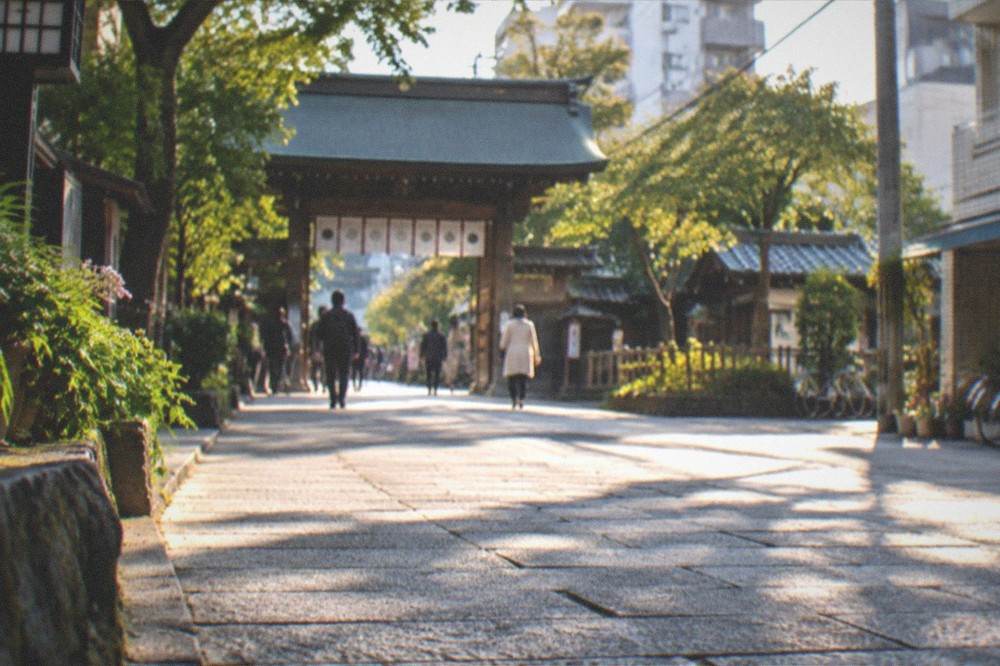
The free core is bigger here than in almost any comparable Japanese city, and it is walkable in a day: Kushida Shrine to Tochoji to Shofukuji is a short loop through Hakata old town, Canal City sits on the way to the river, and Ohori Park and the castle ruins pair naturally. That loop costs one or two subway rides at most, and the one-day itinerary strings it in order. Stretch to the two-day itinerary or the three-day itinerary and you can leave the paid attractions for the hours when the weather turns.
On the paid tier, the maths is simple. The Ohori Park Japanese Garden at ¥250 is one of the best-value paid entries in the city, a designed landscape for the price of a convenience-store lunch. The Asian Art Museum's building is free, so you can walk in, look at the lobby and the shop, and only pay the ¥200 if the Asia Gallery appeals. Uminonakamichi's ¥450 gate is cheap for a full seaside park day, but remember the cash-only gate and the Tuesday closures before you ride out there. Marine World at ¥2,500 is the one admission that behaves like a theme park ticket; the e-ticket option in the roster is from $16, which is the pre-booking route if the aquarium is on your list.
Two final structural notes. First, the airport transfer is so cheap, ¥260 on the subway, that no private transfer is needed unless you are a group with luggage, and the roster's private arrival transfer at from $149 per person only makes sense in specific cases. Second, tipping is not part of the economy here, so the number on the posted menu is the number you pay, which loops back to the yatai ordinance: visible prices, no market-price surprises, and a city that checks. Budget for what you want to eat and how far you want to ride into Kyushu, and Fukuoka will hold the line.
Common Questions About Fukuoka Trip Costs
How Much Does A Day In Fukuoka Cost?
Between almost nothing and well over ¥10,000 per person before tours. The free sights, shrines, temples, parks and the castle ruins, cost nothing, subway rides run ¥210 to ¥380, the priciest standard attraction is Fukuoka Tower at ¥1,000, and food is the variable. A guided tour or day trip adds $46 to $160 per person on top.
Is Fukuoka expensive compared to Tokyo or Kyoto?
Fukuoka is generally the cheaper of the three on the basics that are priced publicly: a subway ride tops out at ¥380, the top observation deck is ¥1,000, and both city art museums charge ¥200. No official source publishes a city-to-city cost index, so treat that as a reading of the price points above rather than a statistic.
What does the Fukuoka Tourist City Pass cost?
¥2,500 for adults for the city version and ¥2,800 with Dazaifu coverage, half price for children, sold with a passport check to overseas visitors on short-stay status. Many guides still quote ¥820 or ¥1,340, which are years out of date. The Dazaifu version excludes the Tabito liner bus.
How much is the subway from Fukuoka Airport to the city?
¥260 for an adult to Hakata, in the official 3 to 7 km fare band, with children at ¥130. The airport is unusually close to the city centre. No official page states a journey time in minutes, so this guide does not print one, despite how widely the five-minute claim is repeated.
Are the main attractions in Fukuoka free?
Most of them, yes. Kushida Shrine, Tochoji, Shofukuji, Dazaifu Tenmangu, the Fukuoka Castle ruins, Ohori Park and Canal City Hakata all cost nothing to enter. The paid tier is short: ¥200 for either art museum collection, ¥250 for the Japanese garden, ¥1,000 for Fukuoka Tower, ¥600 for the zoo and ¥2,500 for Marine World.
Do I need to book yatai food stalls in advance?
No. The yatai take walk-ins only, and there is no booking system for a stall seat. The city's ordinance requires every stall to post its prices visibly, so you can see the menu before you sit. Only guided yatai crawls are bookable, and those are tours with a guide, not reservations at a stall.