Hakata Old Town
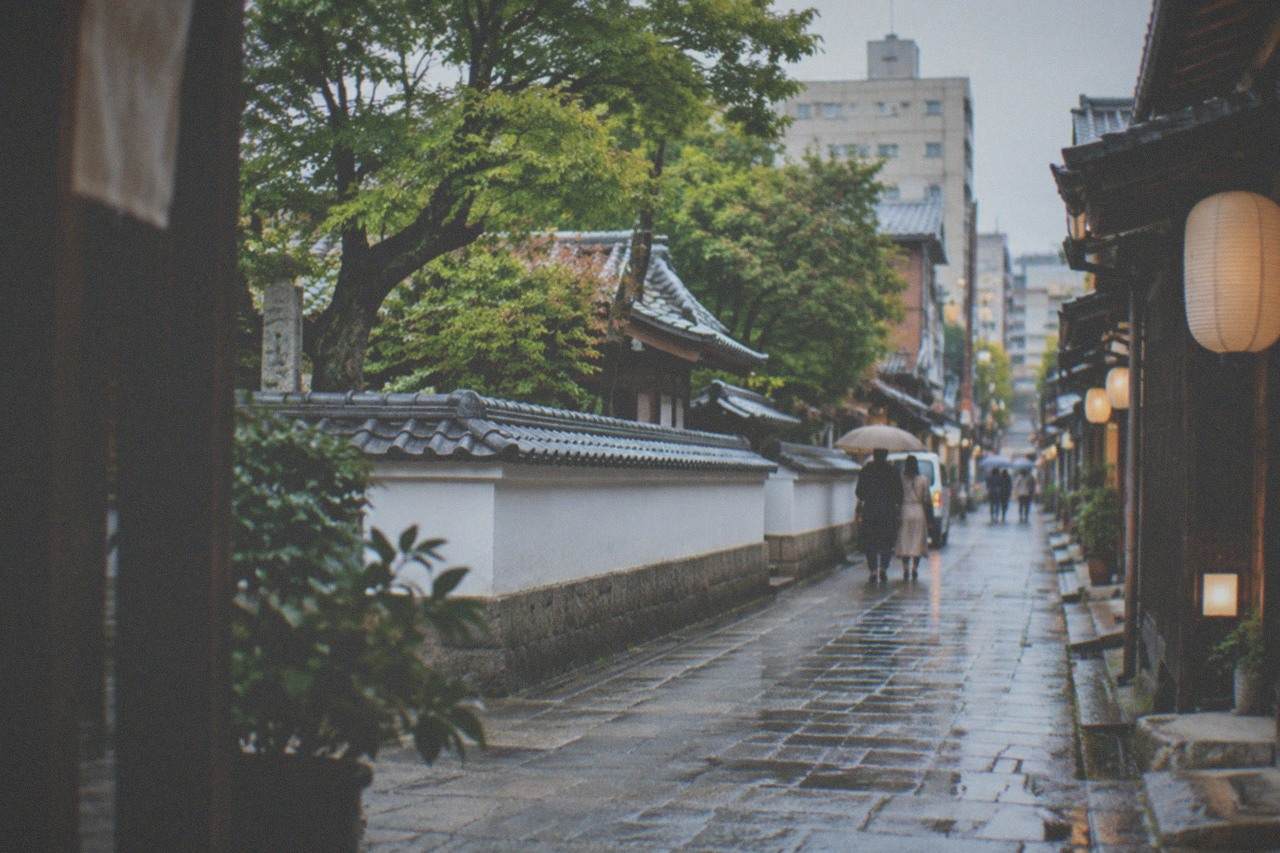
Hakata Old Town is the merchant quarter that predates the city around it: a compact grid of temples, shrines and food streets a few minutes from Hakata Station. Here is what is actually in it, how long it deserves, and how to plan a visit.
Short answer
Yes. Hakata Old Town packs Tochoji and its Great Buddha, Shofukuji, Jotenji, Sumiyoshi Shrine and Kushida Shrine into a walkable core beside the Kawabata Shopping Arcade, all free to enter. Two to three hours covers the main sights on foot; half a day if you add the Hakata Machiya Folk Museum and an evening yatai meal along the Naka River.
Hakata Old Town is the layer of Fukuoka that predates the skyscrapers, the shopping malls and the bullet trains. It sits in the eastern half of the city centre, around the temples and shrine streets that made Hakata a merchant port for centuries, and it is small enough that the whole quarter can be walked in a couple of hours. First, one correction that matters for every plan you make: Hakata is not a separate city from Fukuoka. Hakata is a ward of Fukuoka and the name of its main station, so nothing in this guide involves travelling between two destinations. Everything described here is inside the same city, mostly inside the same square kilometre.
Is Hakata Old Town Worth Visiting?
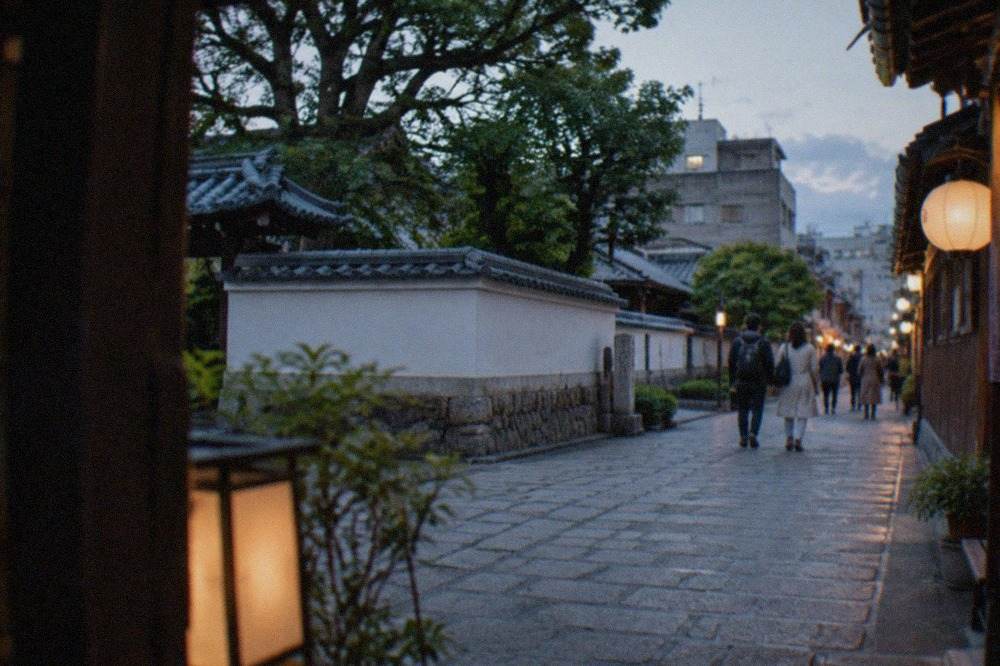
Yes, for almost every traveller, because it concentrates more of old Fukuoka into a walkable area than anywhere else in the city: five free temple and shrine sites, a preserved machiya museum, a retro shopping arcade and the riverside yatai stalls, all within fifteen minutes on foot of Hakata Station. If your time in the city is short, this quarter and a bowl of tonkotsu ramen are the two things most worth prioritising. It is also free at the point of entry, which almost nothing else in central Fukuoka can say. The quarter rewards a slow pace more than a checklist: the streets between the big sights are the actual attraction.
The honest caveat is atmosphere. Hakata Old Town is a living business district, not a museum district. Office towers stand a block from temple gates, and the quarter's charm comes from that collision rather than from preserved streetscapes. Visitors expecting Kyoto's Higashiyama or Kurashiki's canal quarter sometimes find it scruffy. Visitors who like their history mixed with a working city tend to love it.
What you get for your effort is density. Tochoji, Shofukuji, Jotenji Temple, Sumiyoshi Shrine and Kushida Shrine sit within a few hundred metres of one another, with the Kawabata Shopping Arcade and the Naka River alongside them. That line-up is the reason the quarter earns a half day, and the reason a guided walk here is one of the better-value tour purchases in the city.
What Can You See in Hakata Old Town?
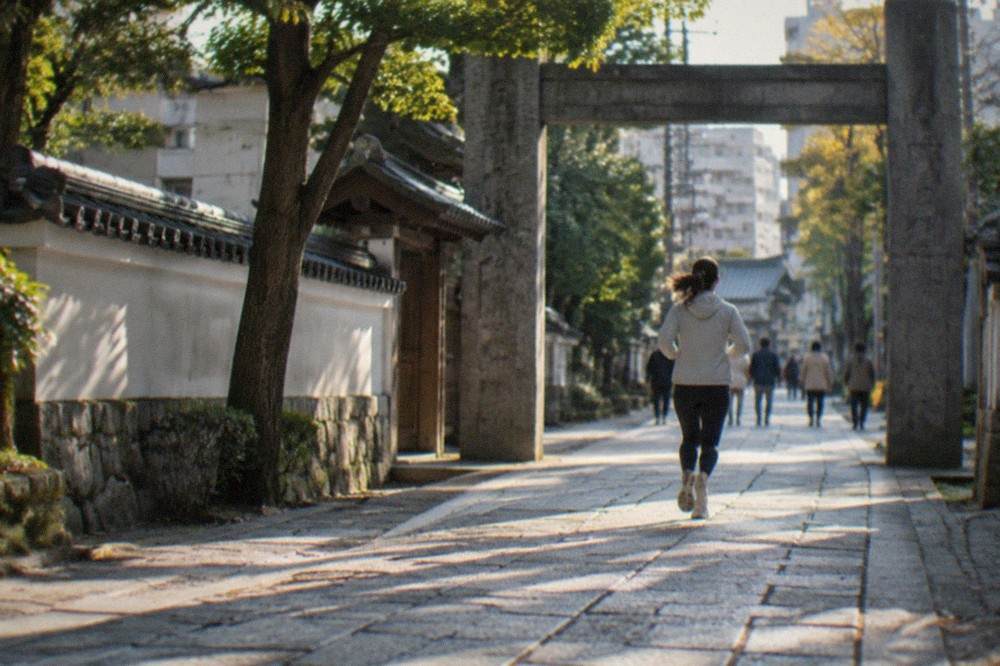
The quarter's core sights are Tochoji with its Great Buddha, Shofukuji, the city's first Zen temple, Jotenji, said to be the birthplace of Hakata's famous udon and soba, Sumiyoshi Shrine, and Kushida Shrine, the spiritual home of the Hakata Gion Yamakasa festival, plus the Hakata Machiya Folk Museum on the same streets. Every one of them is free to enter, though the folk museum charges admission. All five can be linked into a single loop of under two kilometres, and none requires more than twenty or thirty minutes unless you linger.
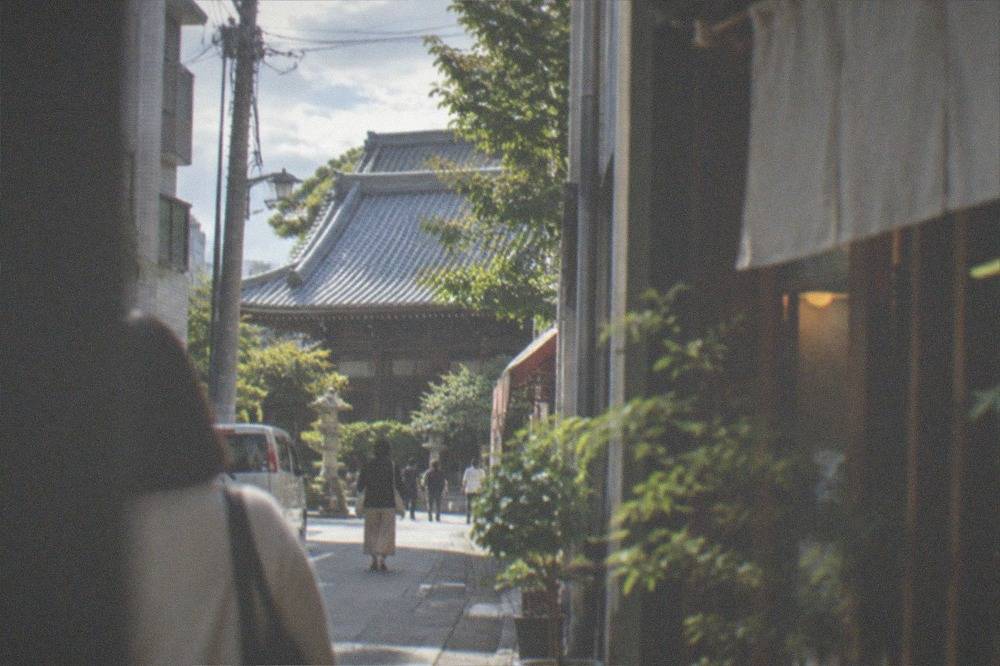
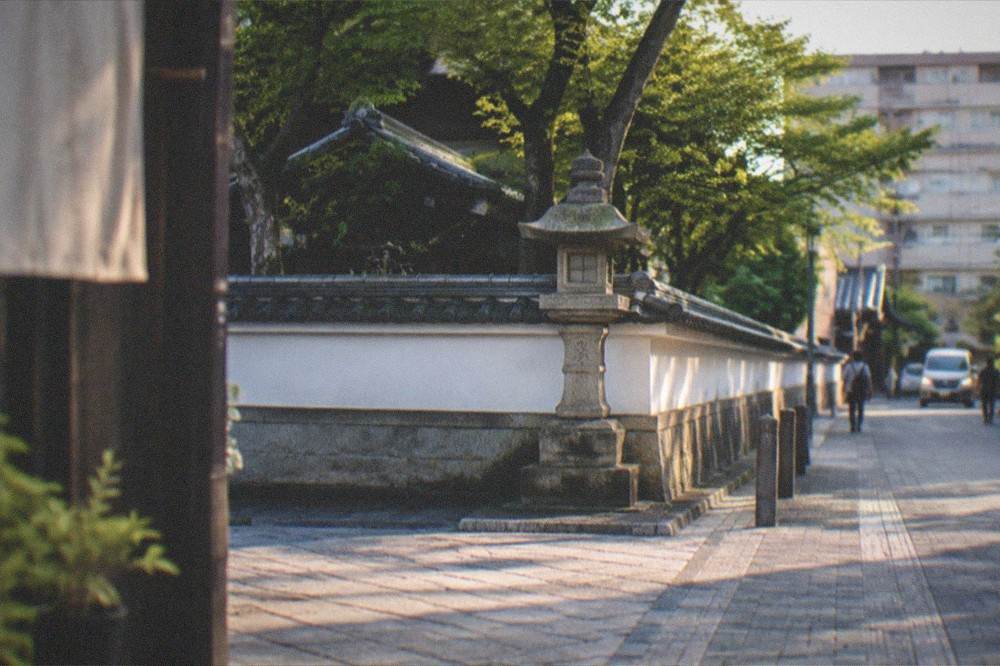
Tochoji is the usual starting point, closest to the station side of the quarter. Its Fukuoka Daibutsu is one of the largest seated Buddha statues in Japan and the temple's main draw. The temple is free to enter. Shofukuji, a short walk east, was the first Zen temple in Japan, founded in the twelfth century, and its grounds are open while the interiors generally are not, which suits a quiet ten-minute wander under the trees. Jotenji is smaller and easy to miss, but its claims are large: the stone monuments in its grounds credit it as the origin of udon, soba and manju in Japan. Sumiyoshi Shrine, with its distinctive unconsecrated bridge, sits near the eastern edge of the quarter.
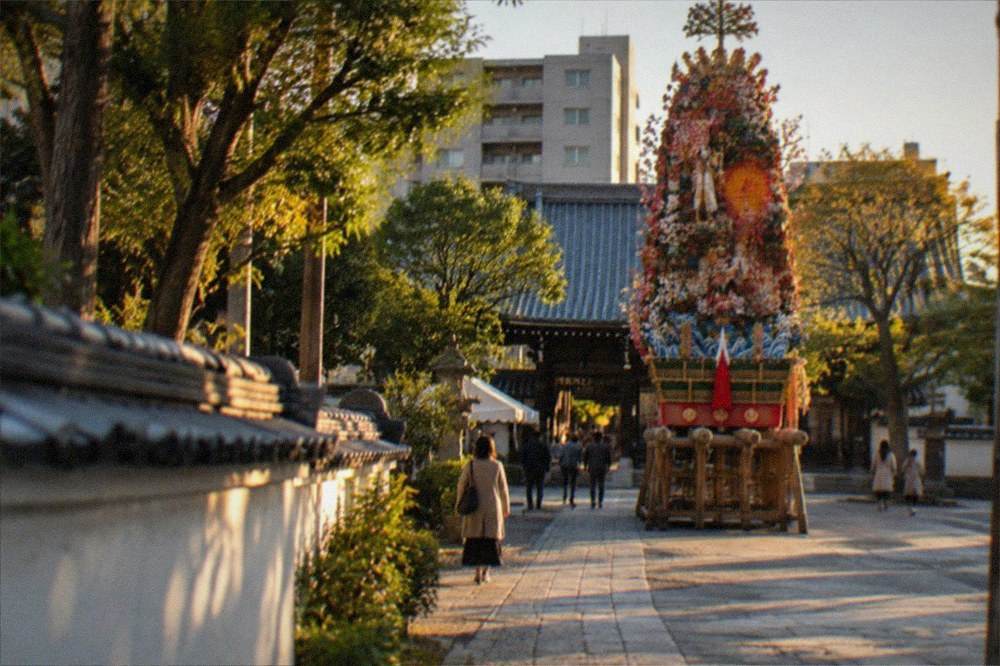
Kushida Shrine anchors the north of the area and matters far beyond its size. It is the focus of the Hakata Gion Yamakasa festival each July, when the shrine's grounds fill with the festival's towering kazariyama floats and thousands of runners. The Fukuoka tourism board's page for Kushida Shrine covers the shrine's layout and festival role. A full guide to the shrine and its festival calendar is on our Kushida Shrine attraction page, and the temple side of the quarter is covered in detail on the Tochoji Temple page and the Shofukuji Temple page. Jotenji and Sumiyoshi also have their own pages, listed in the table below.
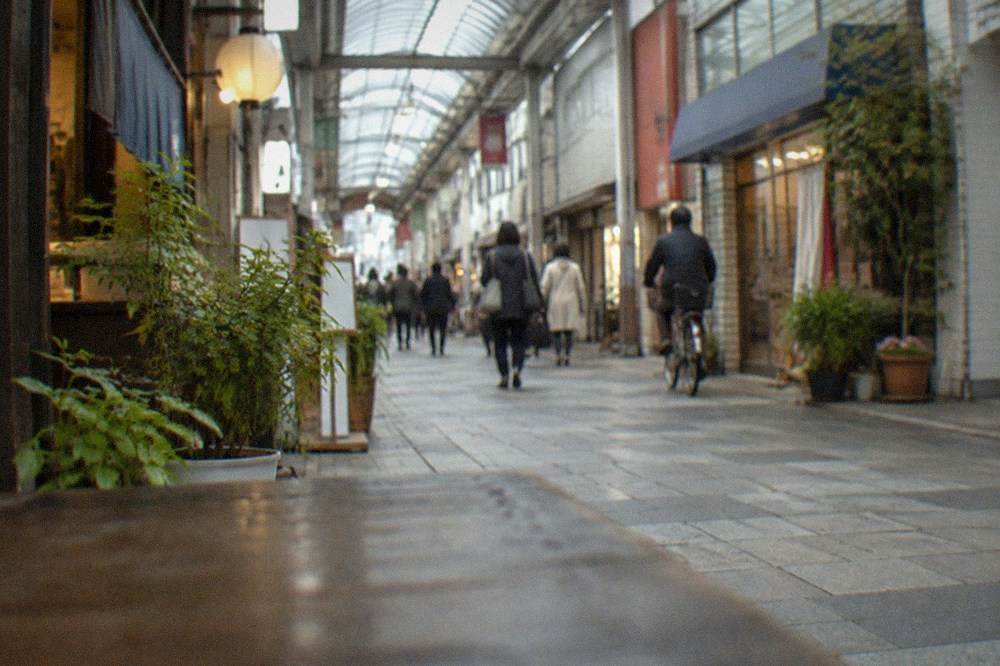
The Hakata Machiya Folk Museum sits on the same streets and shows how a Hakata merchant house looked in the Meiji era, with demonstrations of traditional crafts on some days. Admission applies. It is the one indoor stop in the quarter worth making in rain, and it pairs naturally with the Kawabata Shopping Arcade directly opposite, a covered postwar-vintage arcade of small shops that runs the length of the quarter toward the river.
| Sight | What it is | Entry | Time needed |
|---|---|---|---|
| Tochoji | Buddhist temple with the Fukuoka Daibutsu, one of Japan's largest seated Buddha statues | Free | 20 to 30 minutes |
| Shofukuji | Japan's first Zen temple, quiet wooded grounds | Free | 15 to 20 minutes |
| Jotenji | Small temple credited as the birthplace of udon, soba and manju in Japan | Free | 10 to 15 minutes |
| Sumiyoshi Shrine | Historic shrine with an unusual unconsecrated bridge | Free | 15 minutes |
| Kushida Shrine | Guardian shrine of Hakata, centre of the July Yamakasa festival | Free | 20 to 30 minutes |
| Hakata Machiya Folk Museum | Preserved Meiji-era merchant house and craft displays | Admission charged | 30 to 45 minutes |
One planning note: the temples and shrines here do not publish uniform opening hours, and confident-looking times circulate on other sites without any official source behind them. Mornings between roughly nine and mid-afternoon are the safe window for all of them, and Kushida's grounds in particular are open long hours. Build the loop around Kushida and Tochoji and treat the others as flexible stops.
If you would rather have a local put this quarter in context, three walks in the roster fit well, and the morning sumo option is the one most specific to this neighbourhood.
How Long Do You Need and How Do You Get Around?
Two to three hours walks the full temple and shrine loop at a relaxed pace; half a day adds the folk museum, the arcade and a proper food stop, and a full day only makes sense if you fold in Canal City Hakata and the riverside yatai after dark. The quarter is entirely walkable and almost entirely flat, so the only transport decision is how you arrive. Hakata Station sits at its northern edge, Gion station on the subway's Hakozaki line serves Kushida Shrine directly, and Nakasu-Kawabata station serves the arcade and river side.
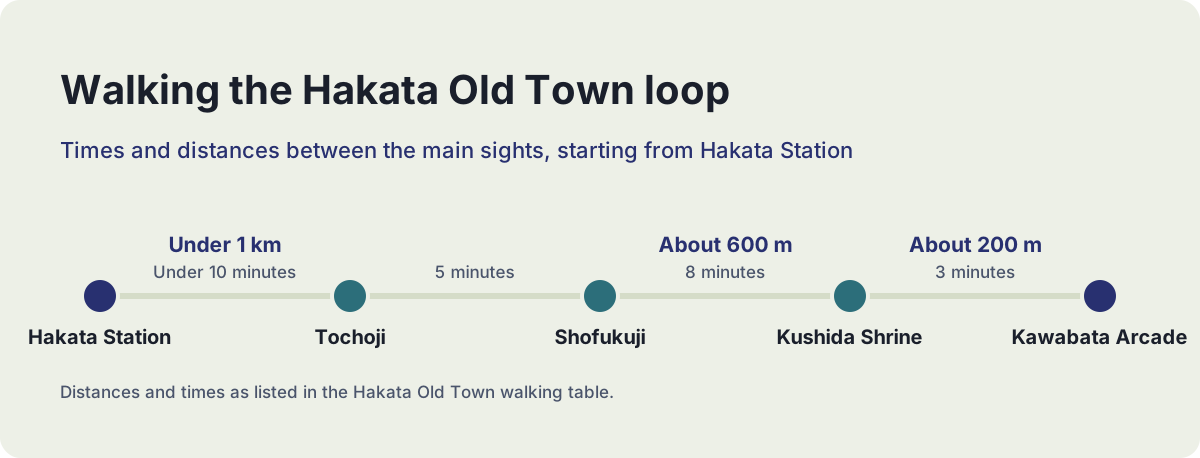
From Hakata Station the walk to Tochoji is under ten minutes, and from there the loop runs south to Shofukuji, west to Jotenji and Sumiyoshi, then north to Kushida and the arcade. Nothing in that circuit is more than a few hundred metres from anything else. The subway is only worth using to arrive: single fares run from ¥210 for the shortest zone up to ¥380 for the longest, and a one-day pass at ¥640 only pays off if you are riding elsewhere in the city afterwards. Our Fukuoka subway guide covers fares and passes in full.
Arriving from the airport, the subway fare to Hakata is ¥260, and the airport's closeness to the centre is genuinely unusual among Japanese cities. What that means practically is that the old town is a realistic stop even on a layover, which is exactly the scenario our Fukuoka layover itinerary is built around.
The morning sumo practice walk is the one tour that spends its whole route inside this quarter, pairing the temple streets with a visit to watch morning practice, and it suits travellers who want the old town explained rather than just located. If you are travelling in November, the Kyushu Basho tournament is staged in Fukuoka, and it is the only time of year sumo is competitively staged in the city; practice visits are the option the rest of the year.
| Route | Distance | Time on foot | Notes |
|---|---|---|---|
| Hakata Station to Tochoji | Under 1 km | Under 10 minutes | Flat, signposted |
| Tochoji to Shofukuji | A short walk | 5 minutes | Backstreet walk |
| Shofukuji to Kushida Shrine | About 600 m | 8 minutes | Passes Jotenji and Sumiyoshi Shrine |
| Kushida Shrine to Kawabata Arcade | About 200 m | 3 minutes | Arcade runs to the Naka River |
| Full loop including all sights | Roughly 2 km | 2 to 3 hours | Add the museum for a half day |
What Is the History Behind Hakata Old Town?
Hakata was a separate merchant port town long before it merged with the castle town of Fukuoka on the other side of the Naka River, and the old town preserves the merchant side of that pairing: temples funded by trade guilds, shrine festivals run by neighbourhood districts, and an arcade that still trades on the same street as its postwar predecessor. The merger of the two towns in the late nineteenth century is why the modern city carries both names, and it is why the station says Hakata while the city says Fukuoka. No other large Japanese city has this double identity baked into its geography.
The temples tell the merchant story best. Shofukuji was founded with the support of the shogunate and a Hakata merchant in the twelfth century, at the moment Zen Buddhism was arriving from China, and Hakata's trade links with the Asian mainland are the reason it landed here first rather than in Kyoto. Jotenji was rebuilt repeatedly by the same kind of merchant patronage after the fires and wars that regularly levelled medieval Hakata. Kushida Shrine, meanwhile, has been the guardian shrine of the Hakata merchant districts for centuries, and its July festival is still organised by the old neighbourhood boundaries rather than by the modern city's administrative map.
The quarter's survival is itself notable. Hakata burned repeatedly in the medieval period and was heavily damaged again in the twentieth century, so almost nothing here is original fabric. What survives is the street pattern, the shrine and temple sites, and the institutions on them. That is a different kind of old town from a preserved one, and it is worth setting expectations accordingly: you are walking a medieval street plan with mostly postwar buildings on it.
Where to Eat Around Hakata Old Town?
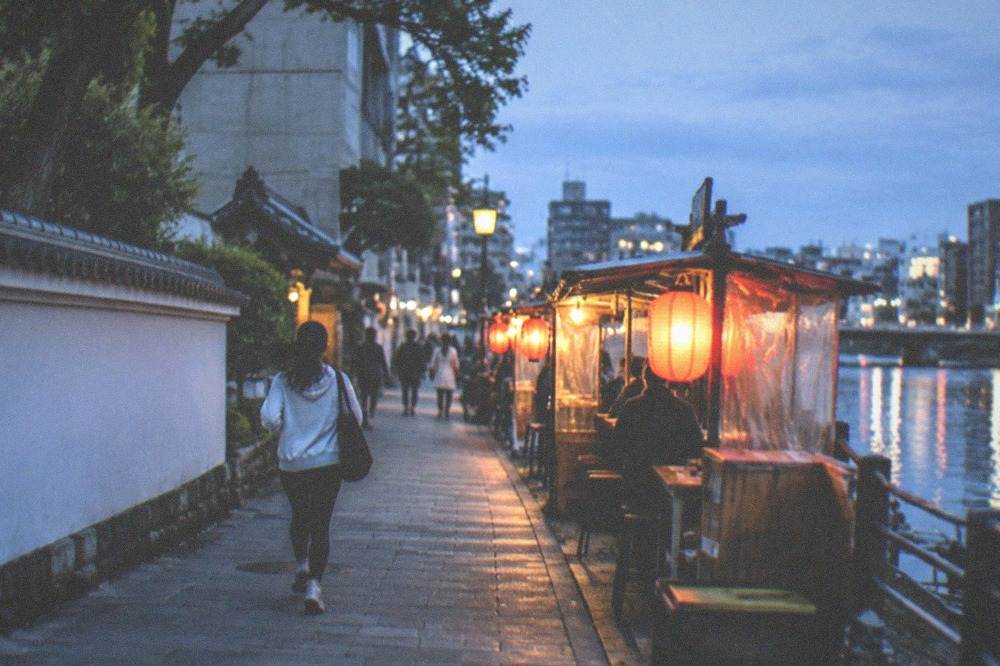
The eating around the old town divides into three layers: the Kawabata Shopping Arcade for quick daytime stops and sweets, the blocks between the arcade and the station for sit-down Hakata cooking, and the yatai food stalls along the Naka River for the evening, with about 100 licensed stalls across the city and the riverside rows the closest to this quarter. None of the yatai take bookings, so the honest answer is simply to walk out after dark and take the first stall with a free seat. Only guided yatai crawls are bookable, and there are three in the city's roster.
The yatai are the signature evening here, and Fukuoka has more of them than any other Japanese city. Two things worth knowing before you sit down. First, the city's yatai ordinance requires every stall to display its prices where customers can easily see them, and any dish priced on the day's market cost must show that day's actual price rather than a vague "market price" label, with city inspectors checking periodically. Second, the stalls are weather-sensitive: rain or strong wind closes many of them, and there is no city-mandated closing night, so a stall being shut is an operator's decision, not a schedule. The riverside rows near Nakasu Yatai Street are the photogenic ones, a short walk across the river from the arcade's end.
Daytime eating gravitates to the arcade, where the specialities are the ones Hakata claims as its own: hitokuchi gyoza, mentaiko on rice, Hakata-style udon in a clear dashi, and umegae mochi, the grilled red bean cake associated with nearby Dazaifu but sold across the city. The blocks immediately south of the station carry the sit-down versions of the same food culture, including the motsunabe restaurants the city is famous for. Our Fukuoka food guide maps the specialities, and the etiquette of eating at a stall is covered in full on the yatai etiquette page.
| Eating layer | Where | Best for | Notes |
|---|---|---|---|
| Yatai stalls | Naka River banks, Nakasu side | Evening tonkotsu ramen, yakitori, oden | No bookings, prices posted by law, weather-sensitive |
| Kawabata Shopping Arcade | Runs from Kushida Shrine to the river | Daytime snacks, hitokuchi gyoza, sweets, coffee | Covered, good in rain |
| Station-side blocks | South of Hakata Station | Motsunabe, sit-down Hakata ramen, izakaya | Bookable, English menus more common |
| Canal City Hakata | Ten-minute walk west | Food court with regional dishes, restaurants to 23:00 | Free entry, open every day of the year |
Canal City Hakata deserves its line here because it is the old town's most useful bad-weather fallback: the complex is free to enter, open every day of the year, with shops from 10:00 to 21:00 and restaurants from 11:00 to 23:00. Its canal-side food options are a ten-minute walk from Kushida Shrine, and the full rundown is on our Canal City Hakata page.
What Tours Work Well from the Old Town?
The tours that fit this quarter best are a half-day city essentials walk, a short private walking tour, and a customisable private tour with a local, all of which route through the temple streets; the morning sumo practice walk is the most old-town-specific option, and day tours into Kyushu depart from Hakata Station at the quarter's edge. Because the station is the departure hub for the whole region, the old town doubles as a sensible base: you can walk the quarter in the morning and be on a bus to the mountains by nine.
The essentials walk covers the old town alongside the castle ruins and Ohori Park, which suits first-time visitors who want the city's full story in one outing. The two-hour private walking tour is the compressed version for tight schedules, and the customisable private option lets you weight the route toward food, history or shopping depending on what brought you to Hakata. For travellers using the old town as a base, the Mount Aso and Kurokawa Onsen day tour is the strongest single-day excursion into rural Kyushu, pairing the volcano's grasslands with one of Japan's most attractive onsen towns.
The customisable private tour earns its slot here for one practical reason: the old town rewards knowing what you are looking at. A guide who can point at a machiya facade and explain the merchant guild system, or date a temple gate by its construction, turns two hours of pleasant wandering into something you remember. Travellers who prefer a fixed itinerary and a lower price point do fine on the group essentials walk instead.
When Is the Best Time to Visit the Old Town?
Mornings are the best time of day, and spring and autumn are the best seasons: the temple grounds are quietest before ten, the July Yamakasa festival fills Kushida Shrine with spectacle but also with crowds, and the summer months bring both the heaviest rain and the highest heat of the year. The quarter has almost no indoor capacity beyond the folk museum, so weather matters more here than in mall-anchored districts. If you are choosing a month rather than a time of day, late March into early April for the cherry blossoms and mid to late November for the autumn colour are the two windows that flatter the old town most.
The festival calendar is the quarter's biggest seasonal draw. The Hakata Gion Yamakasa runs July 1 to 15 every year, centred on Kushida Shrine, with the decorative kazariyama floats on display from the start of the month and the carrying events intensifying from around July 10. The climax is the Oiyama race on the morning of July 15, when teams carry floats along a roughly five kilometre course. The festival's own promotion committee publishes the schedule at the official Yamakasa site. It is a genuinely dramatic thing to watch, and the old town is where it happens. Hakata Dontaku, on May 3 and 4, parades through Meiji-dori on the quarter's western side. Neither festival has any ticketing at all; you simply turn up.
The counterintuitive weather fact worth planning around: July, not June, is Fukuoka's wettest month. The Japan Meteorological Agency's 1991 to 2020 normals for the city show 299.1 mm of rain in July against 249.6 mm in June, even though June is the tsuyu rainy season month. July is also Yamakasa month, which means the festival runs through the wettest weather the city gets. Typhoon season runs roughly July through October, and it is a real planning factor rather than a reason to avoid the city.
| Season | Conditions | What it means for the old town |
|---|---|---|
| Late March to early April | Cherry blossom season, mild | Best photo conditions; Maizuru Park nearby is the main hanami spot |
| May 3 and 4 | Hakata Dontaku | Parades on Meiji-dori, very crowded, no ticketing |
| July 1 to 15 | Hakata Gion Yamakasa, wettest month | Festival spectacle at Kushida Shrine; expect rain and crowds |
| Mid to late November | Autumn colour peaks | Temple grounds at their best; Dazaifu's maples a short train away |
| December to February | Cool, drier, illuminations | Quiet quarter, evening illuminations toward the river |
What Else Should You Know Before You Go?
Carry some cash, expect the temples and shrines to have no posted uniform hours, plan the visit for the morning, and treat the quarter as a walking circuit rather than a list of ticketed attractions, since almost everything in it is free and the only real costs are food, the folk museum and any tour you add. The old town asks very little of its visitors, which is precisely why it suits first-timers, families and tight layovers alike.
Cash matters more here than in the malls. The yatai remain primarily cash operations, with only some stalls now accepting cards or QR payments, so a few thousand yen in coins and small notes covers an evening at the stalls. The temples and shrines are free, so the only cash decisions are offerings, omikuji fortunes and the museum ticket. Our Fukuoka money and cash guide covers what to carry and where the ATMs are.
Families and short-stay visitors both do well here. The quarter's compactness means no one gets tired, the shrine grounds give children space to run, and the arcade provides a covered fallback. If the old town fills half your day, the natural extensions are Ohori Park and the castle ruins to the west, or Fukuoka Tower and the Momochi waterfront for the afternoon light. Travellers with a full day to spare after the old town often head to Dazaifu, and our Dazaifu day trip guide covers the Nishitetsu route from Tenjin.
For a one-page version of all of this, the Fukuoka 1-day itinerary routes the old town into a full first day in the city, and this Fukuoka Japan Travel Guide is the hub for every temple, food and day-trip page referenced above.
If the old town is your anchor for the trip, these are the three bookings that fit it best.
Common Questions About Hakata Old Town
Is Hakata Old Town worth visiting?
Yes. It concentrates five free temple and shrine sites, a merchant-house museum, a covered arcade and the riverside yatai into a walkable quarter beside Hakata Station, and two to three hours covers the loop on foot.
How far is Hakata Old Town from Hakata Station?
The quarter begins within a ten-minute walk of the station, with Tochoji the closest major sight. The full temple and shrine loop is roughly two kilometres end to end.
Is Hakata Old Town free to visit?
The temples and shrines, including Tochoji, Shofukuji, Jotenji, Sumiyoshi Shrine and Kushida Shrine, are all free to enter. Only the Hakata Machiya Folk Museum charges admission among the core sights.
Can you book a yatai food stall in Hakata?
No. The yatai take walk-ins only and cannot be reserved. Only guided yatai crawls are bookable, and the stalls themselves work on a first-come basis, with prices required by city ordinance to be posted visibly.
What is the best time of day to walk the old town?
Mornings, roughly from nine until the lunch crowds arrive. The temple grounds are quietest, the light is best for photographs, and you finish with time to eat in the arcade before the afternoon.
Is Hakata the same city as Fukuoka?
Yes. Hakata is a ward of Fukuoka and the name of its main station. The two were separate towns until their merger in the late nineteenth century, which is why the station and the city carry different names today.