Fukuoka Yatai Food Stalls
About 100 licensed yatai food stalls operate in Fukuoka, more than any other city in Japan, and they take walk-ins. Here is what they are, where the three clusters sit, and what the city's own rules say about prices.
Short answer
Fukuoka has about 100 licensed yatai stalls, concentrated in Nakasu, Tenjin and Nagahama, and they take walk-ins with no booking. A city ordinance bans market-price menus, so every stall must post its prices where you can see them. Stalls set up from about 17:00 and run into the small hours, and rain closes many of them.
Fukuoka runs more licensed street food stalls than any other city in Japan. The city's own yatai Q&A page puts the number at about 100, and that figure has held steady for years because a public recruitment system replaces retiring operators instead of letting the count slide. A yatai is a mobile food stall, typically a small wheeled cart with a counter and a handful of seats, serving ramen, yakitori, oden, tempura or motsunabe to people who simply walk up and sit down. You cannot book a stall and you never need to. What follows is a full guide to what they are, where the three clusters sit, what the city's rules actually require, and how to plan a night around them.
What Is a Yatai and Why Does Fukuoka Have About 100 of Them?
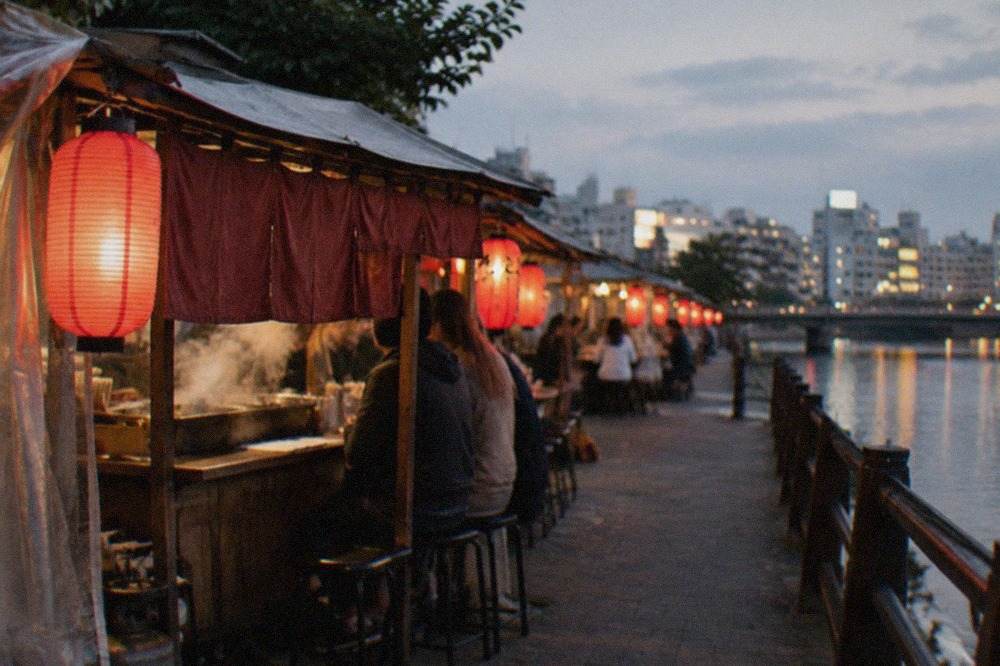
A yatai is a licensed mobile food stall: a compact cart with a counter, a few seats and a short menu, cooking everything in front of you. Fukuoka has about 100 of them because the city deliberately keeps the number there, using a public recruitment system that has filled vacancies since around 2016. When an operator retires, the city opens the plot to new applicants, so the count neither collapses nor balloons. No other Japanese city has anything close.
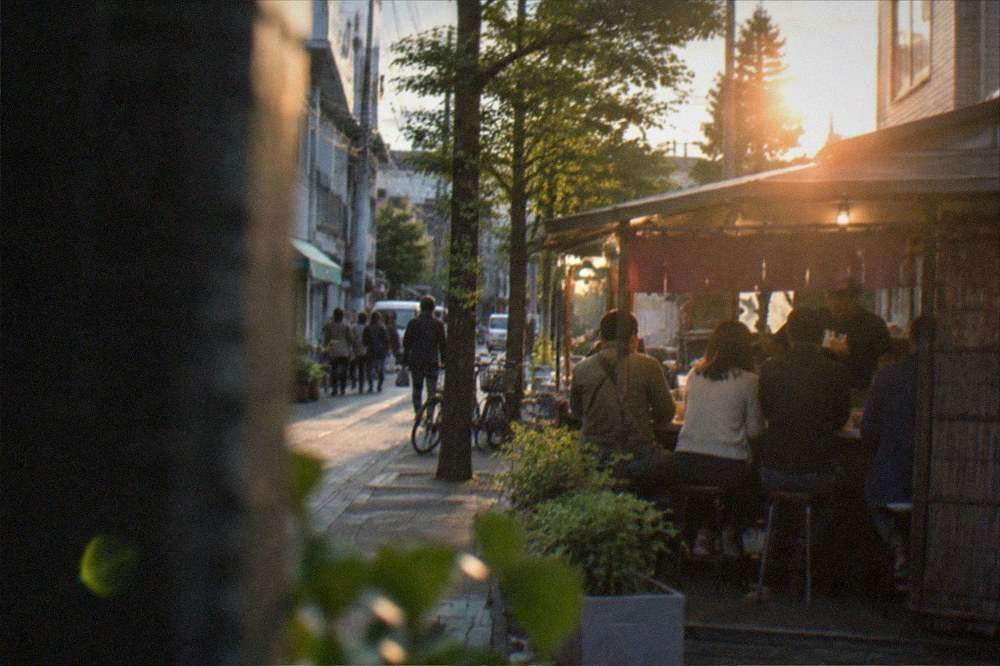
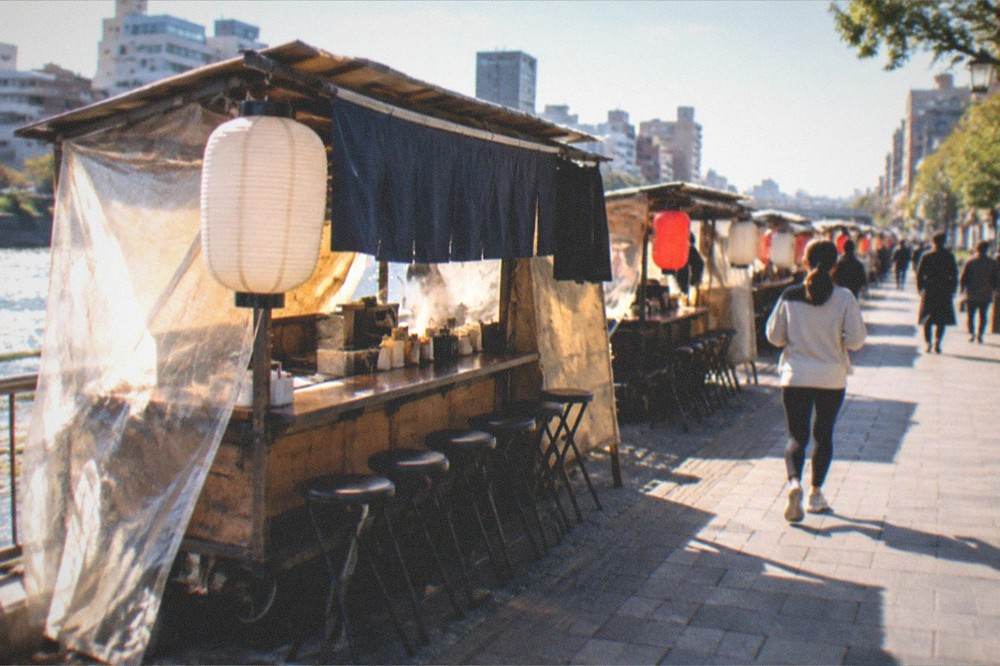
The word itself is straightforward. Yatai means a stand or stall, and the Fukuoka version has become a genre of its own: a cart a few metres long, half kitchen and half counter, towed into place in the late afternoon and towed away before dawn. Seating is tight by design. You sit elbow to elbow with strangers, you order from a short menu, and the cook is close enough that conversation happens whether you intended it or not. Tonkotsu ramen is the signature order, but yakitori grills, oden pots, tempura and even French and Italian neo-yatai have joined the scene, especially around Tenjin.
Why here and not Tokyo or Osaka is part history and part policy. Hakata's merchant culture kept street eating alive through the twentieth century, and the stalls became part of the city's identity rather than a leftover from it. Then, in 2013, Fukuoka City passed a yatai basic ordinance that formalised the whole trade: it set out responsibilities for the city, the operators and the customers, cracked down on name-lending, and created the framework that the recruitment rounds now run on. Rather than regulating the stalls into extinction, the city regulated them into stability. The sixth recruitment round ran in 2026, covering 23 plots across Nakasu, Tenjin and Nagahama, with new operators due to start from around April 2027.
The count matters more than it sounds. Cities that lose their yatai lose them permanently, because the carts, the plots and the licences all disappear together. Fukuoka's is the only large population in Japan where the numbers went the other way, and the city publishes its rules openly. If you want the primary source rather than a paraphrase, the Fukuoka City yatai policy page states the about-100 figure and the display rule in the city's own words.
Where Are Fukuoka's Yatai and How Do the Three Areas Differ?
The stalls cluster in three areas: Nakasu along the Naka River, Tenjin around Watanabe-dori and Showa-dori, and Nagahama near the old fish market. They are not interchangeable. Nakasu is the photogenic riverside row facing visitors, Tenjin is the after-work business-district scene with the most variety, and Nagahama is the historically ramen-first, most local of the three. Picking the wrong one for your mood is the most common mistake visitors make.
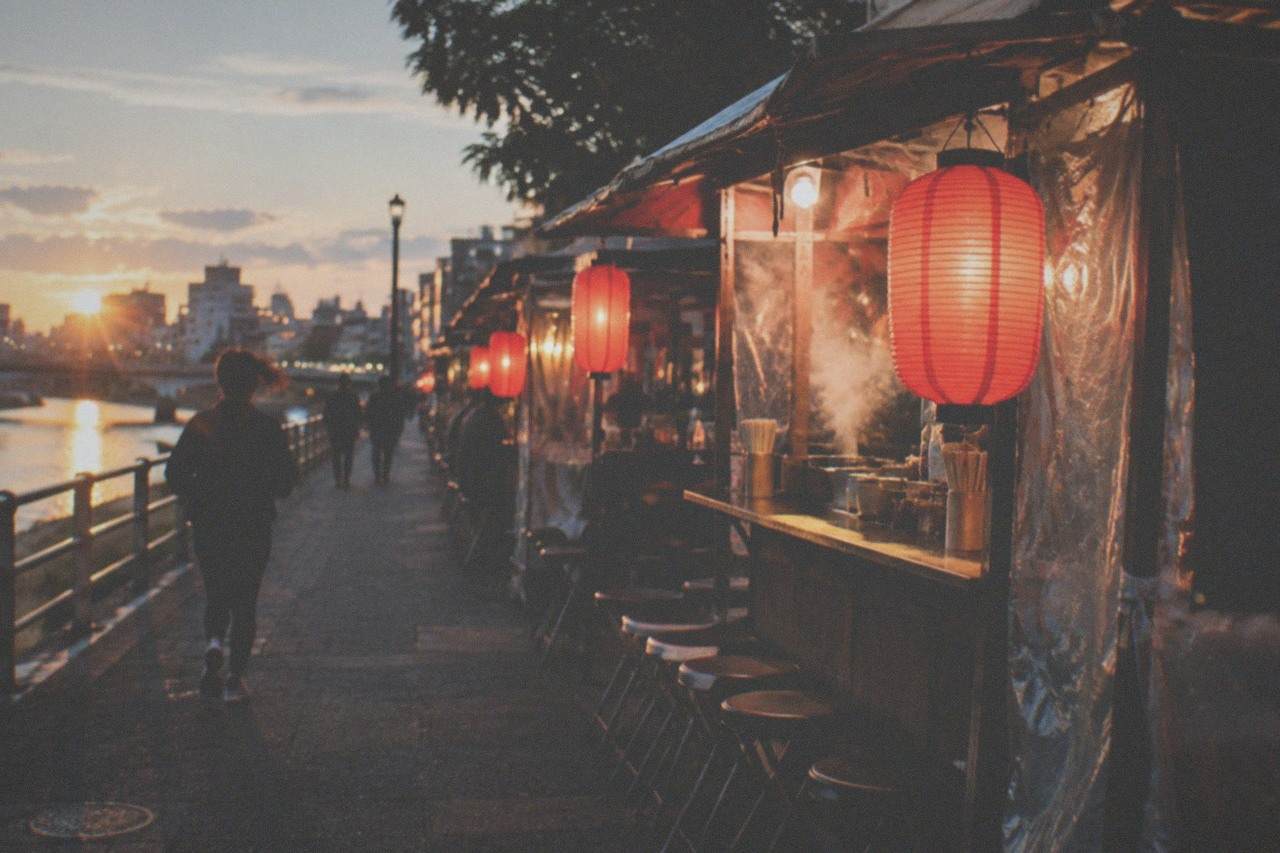
Nakasu is the row you have already seen, even if you do not know it yet. The stalls line the Naka River by Seiryu Park, and the reflection of the lanterns in the water is the image on half the postcards of Fukuoka sold anywhere. Because it is the most tourist-facing cluster, it is also the most crowded and the most English-tolerant, though seating is as tight as anywhere. Come here for the atmosphere first and the food second, and come early by yatai standards, before the queues form along the water.
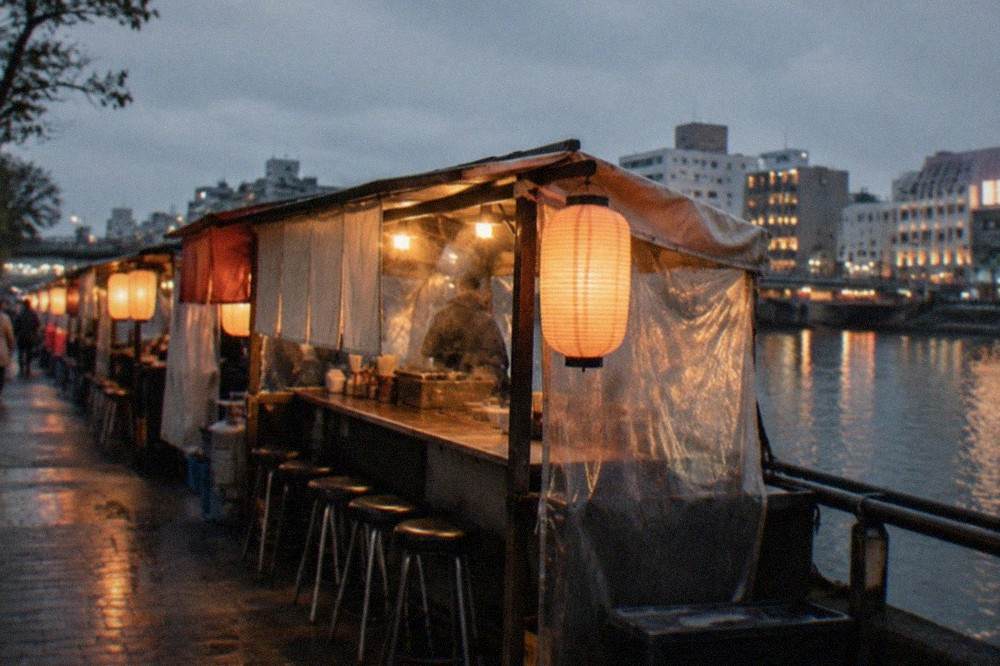
Tenjin, the business and shopping core a short walk or one subway stop away, is scattered rather than lined up. Stalls sit along Watanabe-dori and Showa-dori, mixed into the nightlife of the district, and the crowd skews local: office workers on their way home, students, people who eat at yatai weekly rather than once a trip. This is also where the neo-yatai live, the newer carts with shorter track records and sometimes non-Japanese menus. If your priority is variety over the postcard view, Tenjin is the stronger pick.
Nagahama, near the site of the old fish market, is the ramen row by tradition. Tonkotsu broth was born in this food culture, and the stalls here have historically been where the local ramen identity is thickest. Older guides describe the area as shrinking; the more recent reporting says it was revived around 2023 with new stalls added. The honest summary is that the area is active and ramen-first, while the city's own figure, about 100 stalls city-wide, is the only count you should rely on.
| Area | Location | Character | Best for |
|---|---|---|---|
| Nakasu | Along the Naka River by Seiryu Park | The postcard row, most visitor-facing, lantern reflections on the water | Atmosphere, photography, a first yatai night |
| Tenjin | Watanabe-dori and Showa-dori | Scattered carts, after-work locals, most menu variety including neo-yatai | Repeat visitors, food-first nights, non-ramen options |
| Nagahama | Near the old fish market | Historically the ramen row, most local in feel | Tonkotsu purists, a quieter, more domestic scene |
If you are building a whole eating day around the stalls, the Fukuoka food crawl itinerary sequences Nakasu with the daytime markets and the other signature dishes of the city, and the wider Fukuoka food guide covers what to eat the rest of the time.
Do You Need to Book a Yatai, and What Do the City Rules Say About Prices?
No, and the booking question has a clean answer: yatai take walk-ins and cannot be reserved, so no reader ever needs a booking to eat at one. Only guided yatai crawls are sold as products. On prices, the city's ordinance bans market-price menus outright: every stall must display its prices where customers can easily see them, and anything priced on the day's market cost must show that day's actual figure. Posted prices are the law, not a courtesy.
This is where Fukuoka inverts the usual street-food advice. The standard warning you read about hawker stalls in much of Asia, watch out for unlisted prices and a surprise bill at the end, does not apply here, because the 2013 ordinance makes the posted menu a licensing requirement. City inspectors check periodically. A stall that hides its prices is out of compliance with the rules that keep its plot, which is a strong incentive to keep the board legible and current.
| What the rule says | What it means at the counter |
|---|---|
| Prices must be displayed where customers can easily see them | Read the board before you sit down; it is there by law |
| Market-price items must show the day's actual figure, never "market price" | No surprise bill, even on a dish priced daily |
| Road occupancy runs from 17:00 to 04:00 the next day | Carts appear in the late afternoon and vanish by early morning |
| About 100 plots maintained through public recruitment | Retiring operators are replaced; new stalls start from around April 2027 |
The ordinance's own background is published by the city, and the yatai ordinance page sets out the responsibilities it created. Before the ordinance, the trade ran on informal arrangements, including name-lending, where a licence holder rented their licence to someone else. The city replaced that with a formal system and then, from around 2016, with the recruitment rounds that now keep the plots filled.
Payment is worth one sentence of caution. Traditionally these were cash businesses, and some still are, but others now accept cards, IC cards and QR payments; it varies stall to stall, so carry cash and you will never be stuck. The cash and cards guide covers how much to withdraw and where the ATMs that accept foreign cards are.
How Do You Get to the Yatai Areas?
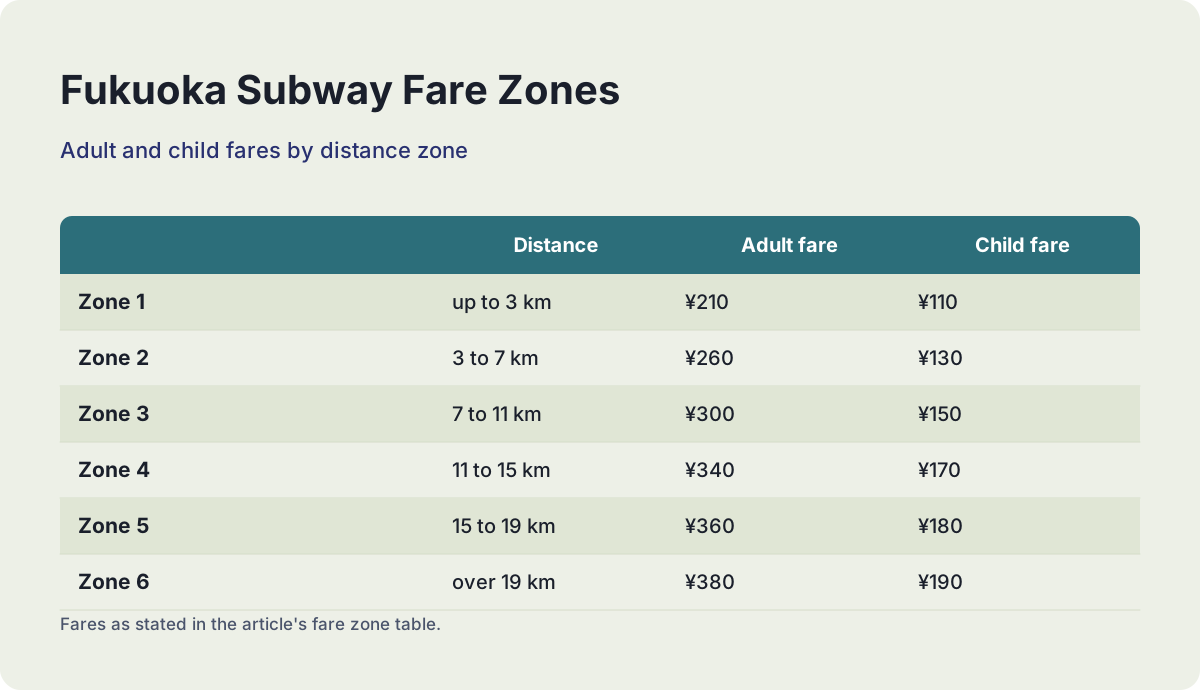
All three clusters sit on or beside the Fukuoka City Subway, and a single fare costs between ¥210 and ¥380 depending on distance, with the airport-to-Hakata leg at ¥260 in the 3 to 7 km band. A 1-day pass costs ¥640 adult and ¥320 child if you plan more than two or three rides. Nakasu-Kawabata station serves the riverside row, Tenjin serves the business-district stalls, and Nagahama's row is a short walk from the Nakasu side or reachable by bus.
One point of orientation that trips up a lot of first-time visitors: Hakata and Fukuoka are the same city. Hakata is the ward and the name of the main station; Fukuoka is the city. You never travel "from Hakata to Fukuoka", and there is no JR Fukuoka Station, the station is Hakata. The subway's three lines, Airport, Hakozaki and Nanakuma, connect all of it, and the yatai areas are inside a ¥210 to ¥300 ride of almost any downtown hotel.
| Zone | Distance | Adult fare | Child fare |
|---|---|---|---|
| 1 | up to 3 km | ¥210 | ¥110 |
| 2 | 3 to 7 km | ¥260 | ¥130 |
| 3 | 7 to 11 km | ¥300 | ¥150 |
| 4 | 11 to 15 km | ¥340 | ¥170 |
| 5 | 15 to 19 km | ¥360 | ¥180 |
| 6 | over 19 km | ¥380 | ¥190 |
If you are arriving at Fukuoka Airport, the subway connects straight into the system and the fare into Hakata is ¥260. The airport sits unusually close to the city centre, which is one of the genuinely convenient things about this destination. Resist the urge to quote a journey time in minutes, though: the famous five-minute figure appears in nearly every guide on the internet and no official page verifies it. The fare and the short distance are sourced; the minutes are folklore. The airport to city guide covers the transfer in full.
IC cards work on the subway and on Nishitetsu buses, and the contactless credit card tap gates cap a day's travel at the same ¥640 as the paper pass, so you do not need to buy anything in advance. Buses serve the Nagahama side well and run alongside the subway rather than replacing it.
When Are the Stalls Open, and What Closes Them?
Stalls set up from about 17:00 under the road-occupancy rules, and most open for customers around 18:00 to 18:30, running into the small hours and packing up before the 04:00 limit. There is no city-mandated closing day of the week. What closes a stall is weather and the operator's own discretion: rain and strong wind shut many carts, and individual owners simply do not open every night. The honest answer to "which night is guaranteed" is that none is.
This is a point where the planning advice differs from what you might expect. You cannot write "go on a Tuesday, it's quieter" or "avoid Sundays" with any confidence, because the city imposes no weekly rhythm. Each stall keeps its own schedule. The practical consequences are simple: go early in your trip rather than on your last night, so a rained-off evening leaves you a second chance, and treat any specific stall as a bonus rather than the plan itself.
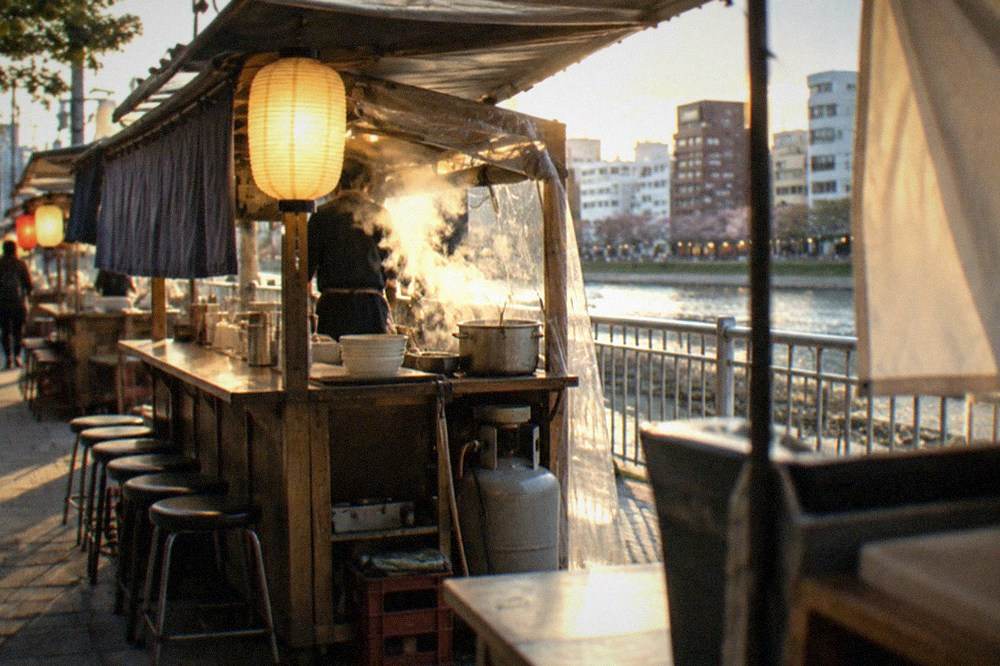
Season matters more than day of the week. Fukuoka's climate is real: July is the wettest month on the 1991-2020 normals published by the Japan Meteorological Agency, at 299.1 mm, ahead of June's 249.6 mm even though June is the tsuyu rainy season, and typhoon season runs roughly July through October. Neither makes the city unvisitable, but a July or August evening has a materially higher chance of a wet stall front than an October one. The best time to visit guide breaks the year down month by month.
| Question | Honest answer |
|---|---|
| Do I need a reservation? | No. Stalls take walk-ins and cannot be booked |
| What time do they open? | Setup from about 17:00; most serve from around 18:00 to 18:30 |
| What time do they close? | Into the small hours, packed up before the 04:00 limit |
| Is there a weekly closing day? | No city-mandated one; each operator keeps their own schedule |
| What if it rains? | Many stalls close; check the area again the next evening |
| How many seats? | Usually around seven to ten per cart, tight by design |
What Is Yatai Etiquette, and What Should You Order?
Sit, order from the posted menu, eat and move on, because the seats behind you are the whole business model. The etiquette is compact: do not linger long after eating, do not spread bags across the counter, ask before photographing people, and expect to share the space with strangers rather than claim it. On ordering, tonkotsu ramen with a kaedama noodle refill is the canonical Fukuoka move, but yakitori, oden and tempura carts are equally legitimate.
The single most useful behavioural rule is pace. A cart with eight seats turns over its whole income several times a night, and regulars know the rhythm. Order promptly, eat while it is hot, settle up, and go. That is not inhospitality, it is how the format works, and in exchange you get food cooked metres away by someone whose name you will know by the end of the bowl. The yatai etiquette guide covers the finer points, including the kaedama custom of ordering a second noodle serving to drop into your remaining broth.
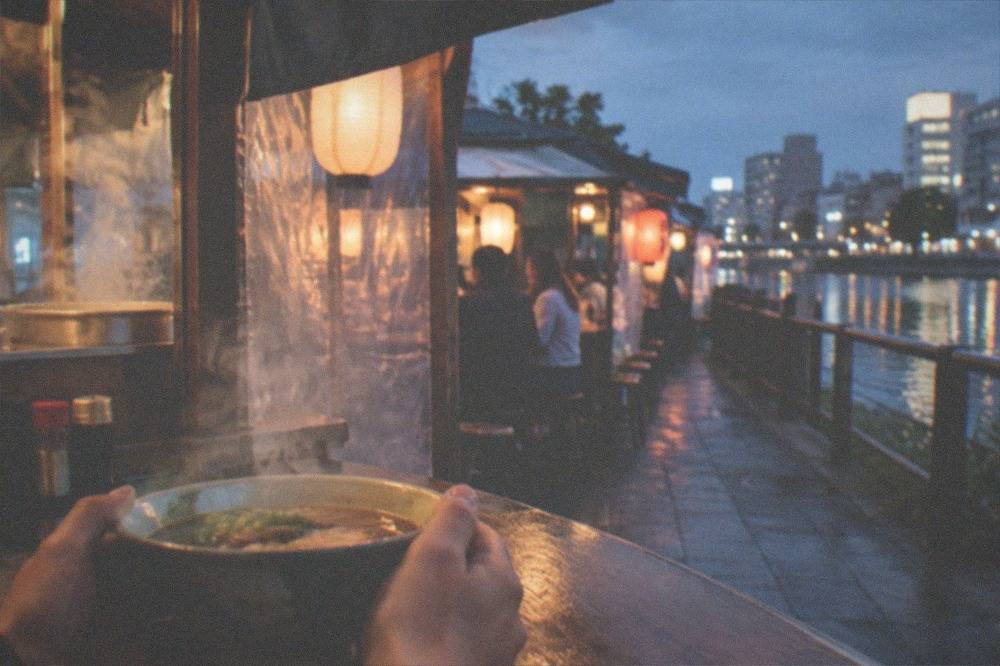
Dietary needs are workable with a caveat. Short menus mean short flexibility, and a stall cooking one broth all night cannot adapt it. Vegetarian and vegan diners can read the vegetarian and vegan guide for which stalls and which dishes fit, and halal travellers have a separate page; both are more constrained than a restaurant district but not hopeless. Language is less of a barrier than you might fear: pointing at the posted menu, which the ordinance requires to be visible, does most of the work.
For context on the dishes themselves, the street food guide maps what a yatai serves onto the rest of the city's casual eating, and the question of what food Fukuoka is famous for places tonkotsu, mentaiko and motsunabe in order of importance.
How Does a Yatai Night Fit Into a First Trip?
Build the evening as a crawl rather than a single meal: one dish per stall, walking between two or three carts across Nakasu and the edges of Tenjin. A first trip needs one full evening for this and nothing else competing with it, because the stalls only exist from about 18:00 and the best plan fails if you are hungry at 17:00 and impatient by 18:30. Stay anywhere on the subway, ideally Hakata or Tenjin, and both clusters are within a short ride or walk.
Geography makes this easy. Hakata Station, Kushida Shrine, the Kawabata shopping arcade, Canal City and the Nakasu river row sit inside a walkable rectangle, which is why the Hakata area guide and the Nakasu guide both treat the yatai as the evening layer of a district you already walked by day. The nightlife guide picks up after the last bowl with the bars and izakayas of Daimyo and Nakasu.
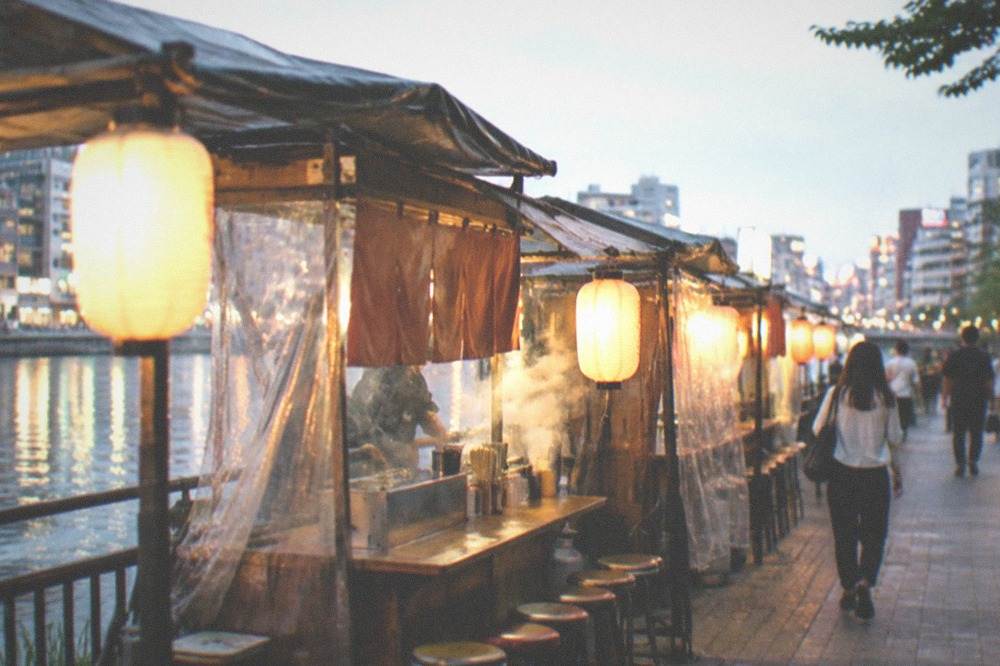
First-timers with a guide have one structural advantage: the guide walks you past stalls with long queues to the ones worth the wait, and handles the ordering conversation. The city's three sellable crawls are evening tours rather than bookings of the stalls themselves, and the yatai tours page compares them against each other in full, alongside the wider food tours overview.
What Does a Yatai Night Look Like Through the Year?
Spring and autumn are the comfortable seasons, with April averaging 15.4 °C and October 19.6 °C mean on the JMA normals, and both carry lower rain than summer. July and August are the festival months but also the wettest: July averages 299.1 mm of rain, more than June's 249.6 mm despite tsuyu nominally belonging to June. Winter is cold at the counter, with January means of 6.9 °C, but the stalls run all year and a hot broth is arguably better then.
The calendar adds texture. July is Yamakasa month: Hakata Gion Yamakasa runs July 1 to 15, centred on Kushida Shrine, with the Oiyama race on July 15 in the small hours, and the festival shares its month with the peak rain. The stalls are part of the same food culture the festival celebrates, though the race itself belongs to the teams and the shrine. In September, the Hojoya festival at Hakozakigu runs September 12 to 18 with hundreds of stalls of its own along the approach, a different species of street food from the licensed carts.
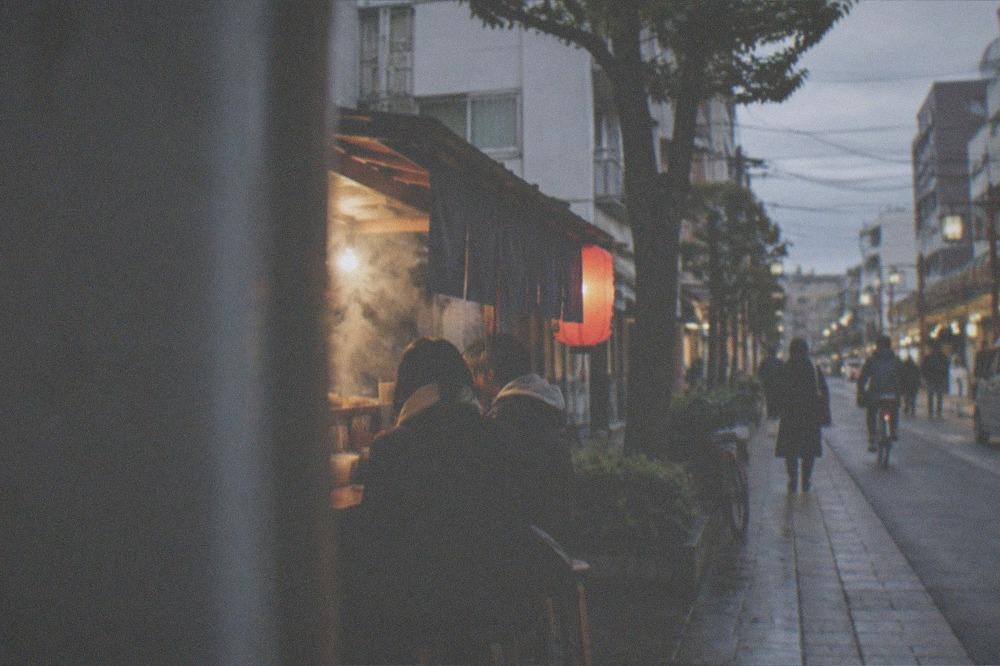
| Month | Mean temp | Rainfall | Yatai-night verdict |
|---|---|---|---|
| April | 15.4 °C | 118.2 mm | Comfortable evenings, stalls easy to catch |
| July | 27.4 °C | 299.1 mm | Yamakasa month but the wettest of the year |
| August | 28.4 °C | 210.0 mm | Hot and lively, humidity at the counter |
| October | 19.6 °C | 94.5 mm | Arguably the best all-round month |
| December | 9.1 °C | 67.5 mm | Cold at the counter, hot broth in hand |
The full seasonal breakdown, including the illumination and festival calendar that fills the winter evenings, is in the Fukuoka weather guide, which carries the month-by-month temperature and rainfall figures behind the table above.
Are Guided Yatai Tours Worth It If the Stalls Take Walk-ins?
A guided crawl is worth it when you want the ordering handled and the stalls pre-chosen, not because the stalls require a booking, because they do not. The city's crawls run as evening tours with a guide who picks the carts and translates, which converts a night of guesswork into a night of eating. The honest framing on this site is simple: walk in on your own with confidence, or pay for a guide if you want the shortcut, and neither choice is wrong.
The sellable products are distinct from the stalls. Three evening crawls exist in the city's roster, one of them a private Nakasu stall tour with tastings that runs about two hours and holds a 4.7 rating across 70 reviews, another a broader evening tour covering yatai, izakaya and karaoke rated 5.0 from 29 reviews, and a third a night-views-and-local-life walk that is a genuinely new listing with no rating published yet. All of them are guides to the stalls, never bookings of the stalls.
| Tour | Format | Length | Rating |
|---|---|---|---|
| Private Nakasu stall tour with tastings | Private guided crawl, tastings included | 2 hours | 4.7 from 70 reviews |
| Evening yatai, izakaya and karaoke | Small-group evening crawl plus karaoke | 3 to 4 hours | 5.0 from 29 reviews |
| Night views and local life | Evening walk, food and city views | 4 hours | New listing, no rating yet |
For travellers who want the same insider handling across a whole day rather than one evening, the private tours guide covers the city's customisable options, several of which fold a stall stop into a broader route.
What Should You Know Before Your First Yatai Night?
Carry cash, go early in your trip, expect to share a counter, and read the posted menu before sitting, because the price board is a legal requirement rather than a suggestion. Wear something you can sit in on a high stool in a narrow space. Do not plan a stall by name, plan the area. And give the evening two chances if your dates allow, because rain closes carts without ceremony and the replacement evening is part of the deal.
A few closing practicalities round it out. Buses and the subway both run past midnight on the core lines, but check your last train if you are staying far from the centre; the where to stay guide helps you pick a base that keeps the clusters close. Solo travellers eat at yatai more naturally than at almost any restaurant format in Japan, since the counter makes one person unremarkable. Families should weigh the tight seating and hot surfaces for small children, and a yatai night is often better swapped for an early dinner on a trip with under-eights.
The last thing worth knowing is the frame for the whole experience. This is a licensed, inspected, municipally supported trade with about 100 stalls and a 2013 ordinance behind it, in the city that gave tonkotsu ramen to the world. Eating at one is not an act of adventurous street food bravery; it is sitting down to a regulated local institution with the prices posted on the wall. That is what makes it easy, and it is also, on a good night with a bowl in front of you and strangers on either side, what makes it memorable. This Fukuoka Japan Travel Guide site covers the rest of the city, from the shrines of Hakata to the day trips across Kyushu.
Common Questions About Fukuoka Yatai
What Is A Yatai And Why Does Fukuoka Have About 100 Of Them?
A yatai is a licensed mobile food stall, a small cart with a counter and a handful of seats, serving things like tonkotsu ramen, yakitori and oden. Fukuoka has about 100 because the city keeps the number there through a public recruitment system that replaces retiring operators, a policy running since around 2016. No other Japanese city has a comparable population of stalls.
Do I need to book a yatai in Fukuoka?
No. Yatai take walk-ins and cannot be booked. Only guided yatai crawls, which are evening tours led by a guide, are sold as bookable products. If a stall is full, you queue or move to the next cart.
Are yatai prices posted, or can a stall charge market price?
Prices are posted, and this is required by law. Fukuoka's yatai ordinance bans market-price pricing, so every stall must display its prices where customers can easily see them, and any dish priced on the day's market cost must show that day's actual figure. City inspectors check periodically.
Where are the yatai areas in Fukuoka?
Three clusters: Nakasu along the Naka River by Seiryu Park, the photogenic and most visitor-facing row; Tenjin along Watanabe-dori and Showa-dori, scattered carts with an after-work local crowd and the most variety; and Nagahama near the old fish market, historically the ramen-first row.
What time do yatai open and close?
Stall setup is permitted from about 17:00 and most carts serve from around 18:00 to 18:30, running into the small hours and packing up before the 04:00 road-occupancy limit. There is no city-mandated weekly closing day; rain and the operator's own schedule decide which carts open.
Can I pay by card at a yatai?
It varies stall to stall. Traditionally cash-focused, some stalls now accept cards, IC cards or QR payments. Carrying cash is the reliable option, and the Fukuoka money guide covers where to withdraw it.