Nakasu
Nakasu is the strip of land between two branches of the Naka River, and after dark it becomes the loudest, brightest, most photographed square kilometre in the city. Here is what it is known for, how to plan an evening there, and what nobody tells you about the food stalls.
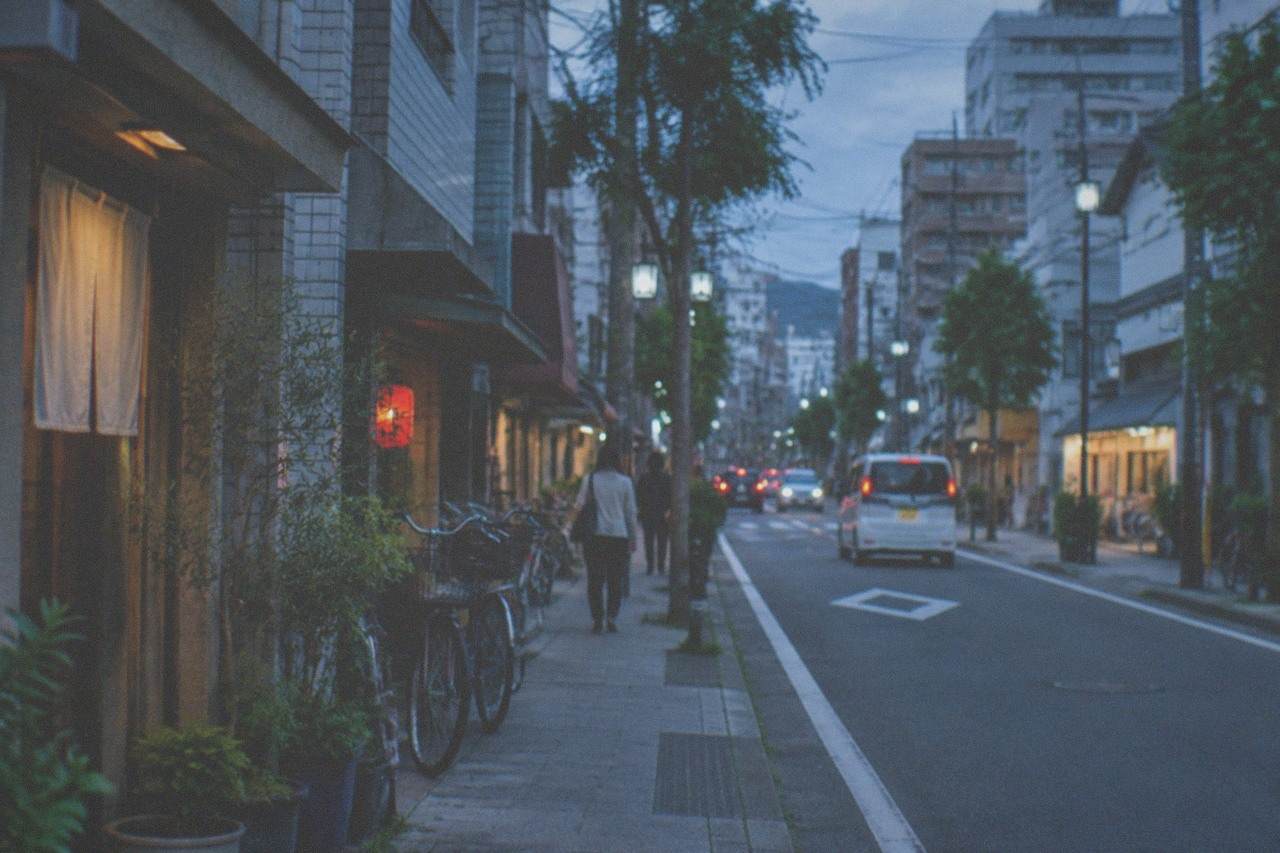
Short answer
Nakasu is known for its riverside yatai food stalls along Seiryu Park, its dense cluster of bars and entertainment venues, and its neon reflected in the Naka River. Fukuoka runs about 100 licensed stalls city-wide, and Nakasu is the most tourist-facing of the three clusters, alongside Tenjin and Nagahama.
Nakasu sits on a sandbank. That is the plain geographic fact underneath everything else: the district occupies the island between the Naka River's two branches, with Hakata on one side, Tenjin on the other, and the water wrapping around all four edges. The name itself means "middle island". What the sandbank became, over four centuries, is the most concentrated entertainment district in northern Kyushu: a stack of bars, izakaya, restaurants, arcades and love hotels, fronted on its western riverbank by the yatai stalls that have made this stretch of water one of the most photographed night scenes in Japan.
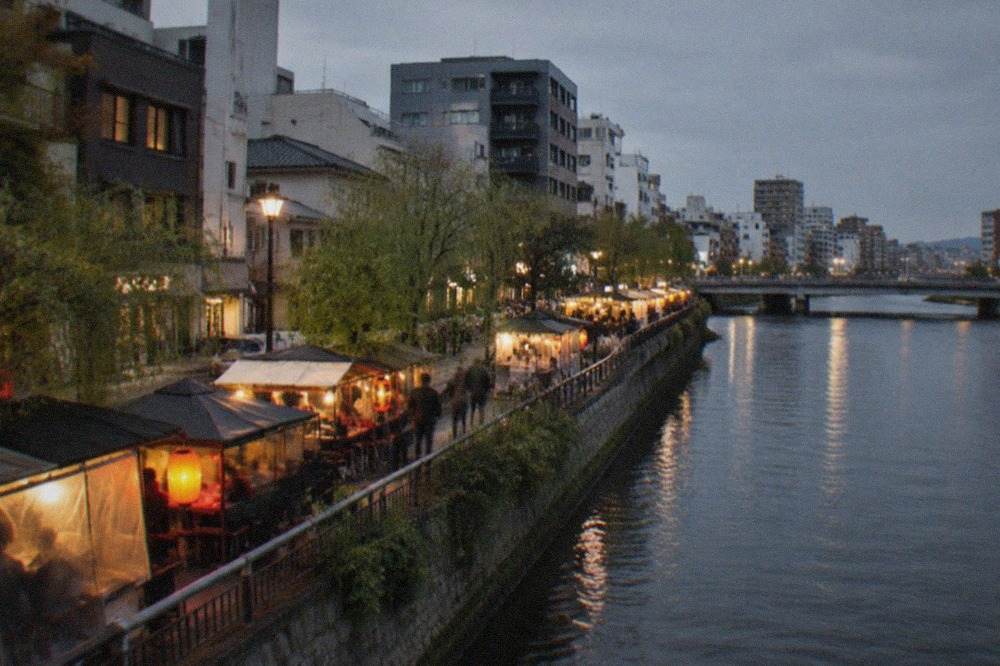
This page covers the whole picture: what Nakasu actually is, how the yatai scene works, what an evening there costs in time and transport, and how the district fits into a first visit. One correction before anything else, because competing guides get it constantly wrong. Hakata and Fukuoka are not two places. Hakata is a ward and a station inside the city of Fukuoka, and you will walk between the so-called "Hakata side" and the rest of the city without ever crossing anything that resembles a boundary. Nakasu is in Hakata ward, in the city of Fukuoka, and that is one sentence most guide pages will not give you.
What Is Nakasu Known For?
Nakasu is known as Fukuoka's premier nightlife and entertainment district, famous for its dense cluster of restaurants, bars, and food stalls called yatai. Built on an island between two branches of the Naka River, it sits a short walk from both Hakata Station and Tenjin, making it a lively spot for evening dining and drinking in the heart of the city. Its signature sights are the riverside yatai food stalls glowing along Seiryu Park, the wall of neon above the Naka River, and a nightlife strip that runs from inexpensive standing bars to high-end dining. The district is also the city's postcard at night, the image that anchors most first visits, and it does that job for good reason: no other square kilometre in northern Kyushu packs this much after-dark energy into so walkable a space.**
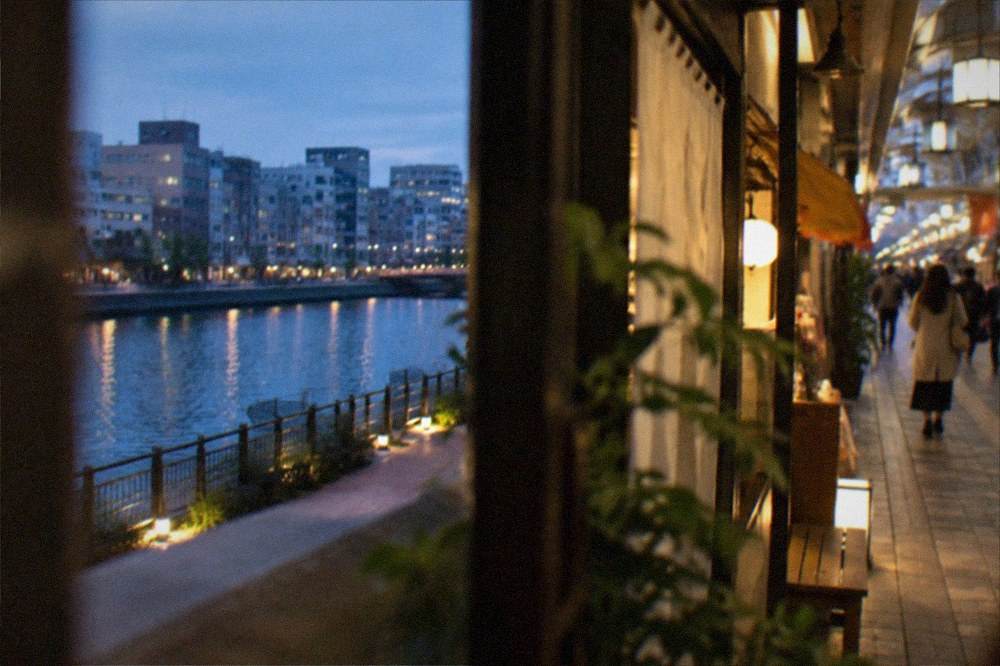
The postcard image is accurate. After sunset the riverside stalls light their lanterns, the bridges switch on their illumination, and the reflections run the full width of the water. Stall lights begin their setup window in the late afternoon, with typical service starting in the early evening and running into the small hours, weather permitting. Rain and strong wind close stalls, and there is no city-mandated closing day, so any given night differs from the last.
But Nakasu is more than a photo opportunity. The district is the city's traditional pleasure quarter, and that history shapes its present layout: the entertainment venues sit in the blocks behind the riverfront, the food stalls face the water, and the shoppers and sightseers move through the edges. Nakasu also hosts a free street jazz festival each mid-September across multiple stages, which briefly turns the whole island into an open-air venue. If your dates line up, that weekend is one of the easiest good-luck accidents a trip can deliver.
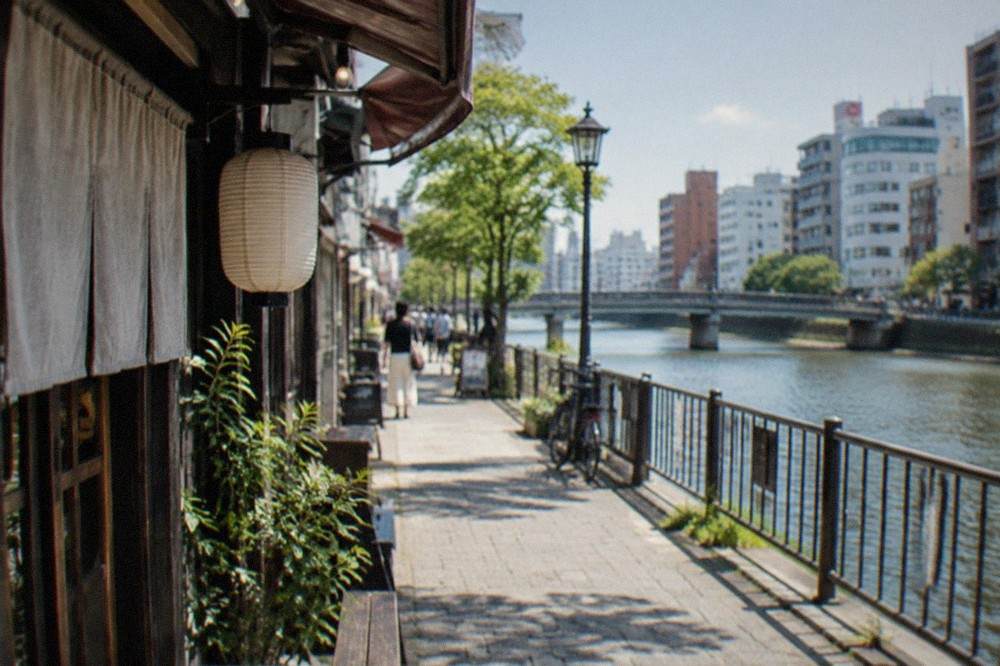
Where Exactly Is Nakasu, and How Do You Get There?
Nakasu sits on the narrow island between the Naka River's main channel and its Hakata-side branch, making it one of Fukuoka's most central districts. The area is bridged at both ends, and the easiest way in is by subway: Nakasu-Kawabata station on the Hakozaki line puts you right at the edge of the entertainment district, with the lantern-lit streets just a short walk from the exits. You can walk it from Hakata Station in roughly fifteen minutes or from Tenjin in under ten, which means most evenings in Nakasu need no vehicle at all. When you do ride, single adult subway fares run from ¥210 up to ¥380 depending on distance zone, and a one-day pass covering all three subway lines costs ¥640, with child fares at roughly half.**
That walkability is the district's real convenience. Nakasu-Kawabata station sits on the Hakozaki line, one stop from Hakata on the Kuko line interchange, and the station exits deliver you straight into the covered Kawabata shopping arcade that runs the island's eastern edge. From the airport side, the subway reaches Hakata or Tenjin cheaply, and both are an easy walk or one stop onward. Fukuoka Airport is unusually close to the city centre by Japanese standards, which is a genuine, verified advantage of this city, though the "five minutes to Hakata" claim printed in many guides has no official timetable behind it and is best ignored in either direction.
The island is small enough that orientation takes minutes. The Naka River runs along the west and north; the arcade and the Hakata side lie to the east; Tenjin faces you across the water to the west. Bridges stitch it all together, and the walk along Seiryu Park on the western bank, where the yatai cluster, is the stretch that matters most to visitors.
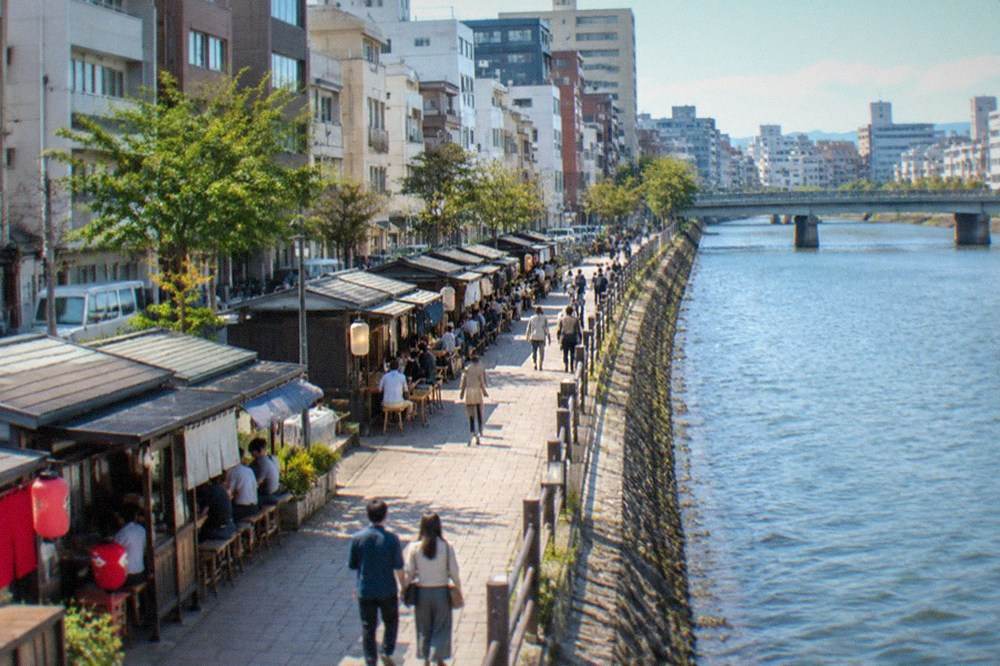
For a sense of how the neighbourhoods compare, the table below places Nakasu against the other districts a first-time visitor will hear about:
| District | Character | Best for |
|---|---|---|
| Nakasu | Entertainment island, riverside yatai, neon | Nightlife, food stalls, night photography |
| Tenjin | Business and shopping core, department stores, underground mall | Shopping, daytime, dining variety |
| Hakata | Station district, traditional merchant roots | Transport hub, ramen, historic temples |
| Daimyo | Low-rise boutiques and cafes, old residential lanes | Coffee, indie shopping, slow afternoons |
Hakata and Nakasu share a ward, which is worth internalising early: the walk from Hakata Station to the Nakasu stalls passes the covered arcade, crosses the river, and delivers you into the entertainment district without a single noticeable transition. The Hakata merchant old town sits on the far side of the arcade, and several of the city's oldest temples and shrines, including Kushida Shrine, the traditional heart of the Hakata Gion Yamakasa festival, sit within an easy stroll of the island's southern end.
The Yatai: What Eating at a Nakasu Stall Actually Means
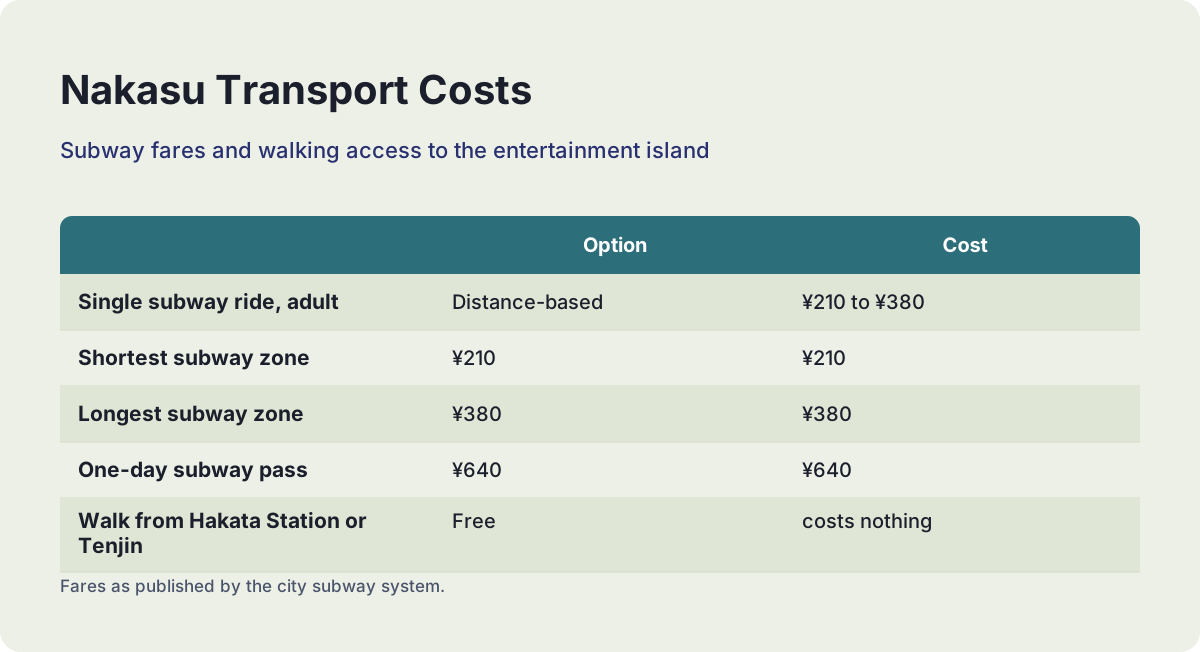
A yatai is a licensed, mobile food stall, and eating at one means squeezing into a tiny seat at a narrow counter, usually shared with strangers, while ordering noodles, skewers, and drinks from a cook working inches away. Nakasu's riverside row along Seiryu Park is the most famous cluster of roughly 100 such stalls across Fukuoka, the largest yatai population of any Japanese city. Stalls take walk-ins, cannot be reserved, and typically seat only a handful of guests at a counter, which makes the meal a shared, social thing rather than a restaurant sitting. The city ordinance requires every stall to display its prices clearly where customers can see them, so you order from a posted menu rather than negotiating or guessing, which flips the biggest fear most first-timers arrive with.**
That last point deserves emphasis, because most English-language guides warn vaguely about being overcharged at food stalls, and in Fukuoka the warning is simply out of date. The city's yatai ordinance bans pricing marked as "market price": any dish whose cost varies must show that day's actual figure, plainly visible to the customer, and city inspectors check periodically. You can read the rules yourself on the Fukuoka City yatai Q&A page. The honest answer to "will I get ripped off at a yatai" is that the stall must post its prices, which is the opposite of the stereotype.
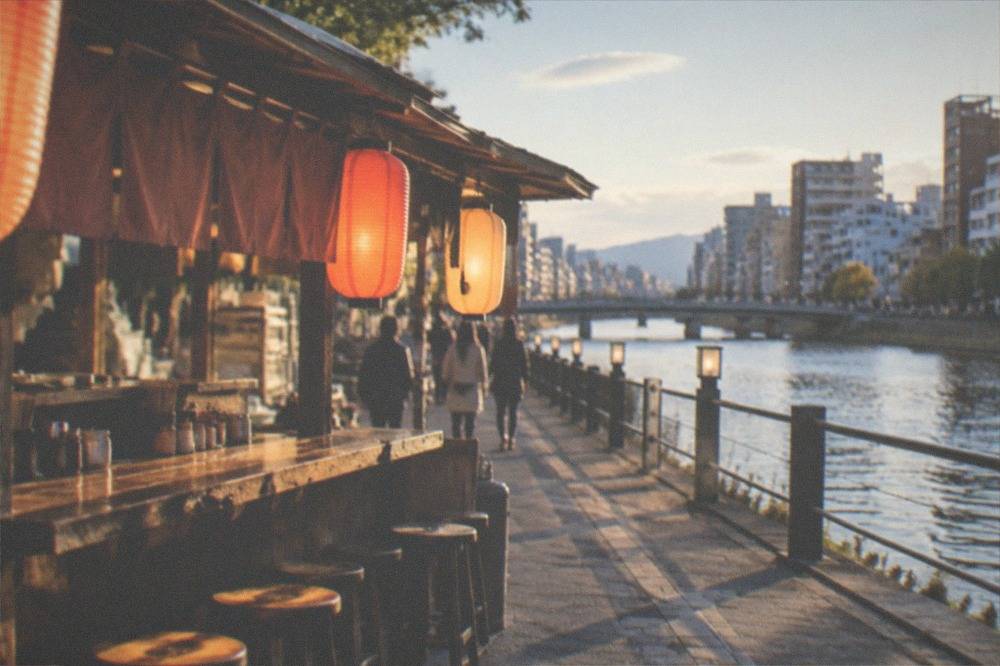
Practical stall etiquette is mostly a matter of scale. A stall seats a small number of people, often around ten, so a full stall means a wait or a walk to the next one. Ordering is visual and easy: the posted menu is the menu, ramen and yakitori are standards, and one dish plus a drink is a normal first visit. The stalls are social by design, you sit shoulder to shoulder with strangers, and a friendly openness goes further than any phrasebook. Cash has traditionally ruled, though some stalls now accept card and QR payment; carry yen and you will never be stuck.
The three clusters differ, and treating them as interchangeable is a common planning error. Nakasu's row along Seiryu Park is the photogenic, riverside, tourist-facing cluster, the one on every postcard. Tenjin's stalls sit scattered in the business district, with a more after-work local crowd and some newer-style stalls. Nagahama, near the old fish market, has historically been the ramen-focused local row. The clusters are distinct experiences, not duplicates.
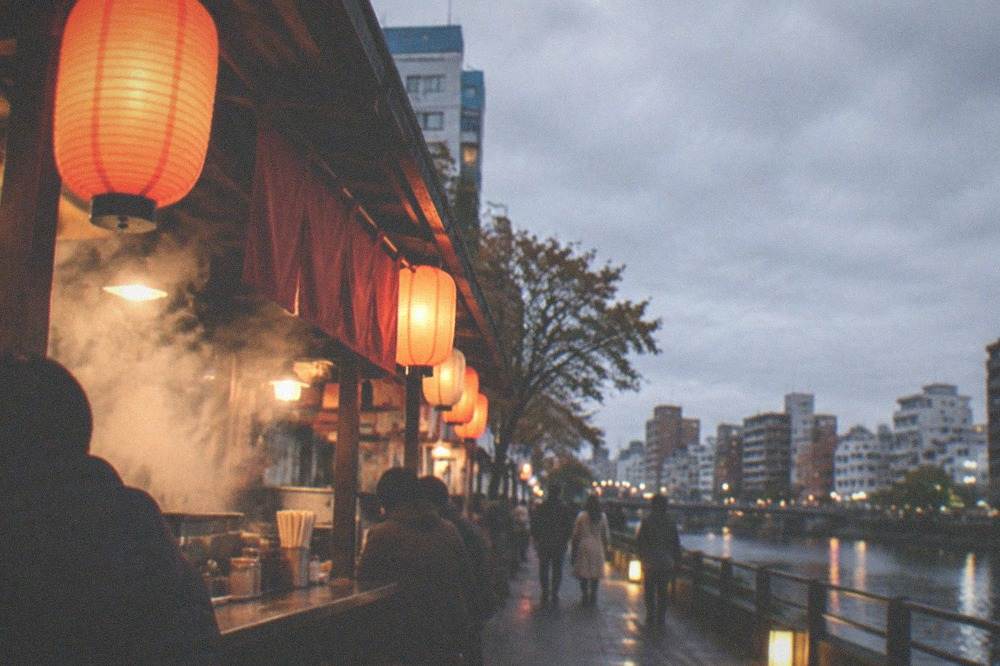
For the many travellers who want the stall experience without the language friction, a guided crawl is the sellable version of something that is otherwise walk-in only:
The strongest fit for this district is the private guided Nakasu stall tour with tastings: a local guide leads you stall to stall, the tastings are included, and the whole point is that you are not guessing at a counter alone. It also has its own dedicated page on this site if you want the full detail before committing. The Takachiho option in that band is a full-day contrast, a gorge and railway expedition far outside the city, and the customisable private tour is the flexible city-wide alternative. Each suits a different kind of traveller, and the trio is deliberately built that way.
For the evening itself, three more things are worth knowing before you go:
| Question | Honest answer |
|---|---|
| Can I book a yatai? | No. Stalls take walk-ins only; guided crawls are the only bookable version. |
| Is there a closing day? | No city-mandated one. Stalls close for weather and at the operator's discretion. |
| When do stalls run? | Setup from late afternoon, service from early evening into the small hours, per city occupancy rules. |
| How many stalls are there? | About 100 city-wide; Nakasu is one of three main clusters. |
What Does an Evening in Nakasu Cost to Plan?
Transport is the easy part of the budget: a single subway ride runs ¥210 to ¥380 for an adult, a one-day subway pass costs ¥640, and crossing to Nakasu from Hakata or Tenjin is often free because it is a walk. The stall meal itself is not something this site quotes a figure for, because the city publishes no average, and any number you read elsewhere is somebody's estimate dressed up as a fact. The posted menu at each stall is the real price list, and that is where to look. Add a drink or two in the back blocks and the evening's remaining spend is entirely a matter of which doorways you choose.**
Start with the crossing, which costs nothing. The bridges into Nakasu are pedestrian-friendly and the walk from either Hakata Station or central Tenjin is short. If you are arriving from further out, the subway's fare structure is distance-based: ¥210 for the shortest zone, up to ¥380 for the longest. A day of multiple rides is where the ¥640 one-day pass earns its price, and the same cap now applies to contactless credit card taps at the subway gates.
The rest of an evening budget depends entirely on what you do after the stalls. Drinks in the entertainment blocks span a wide range from cheap standing bars upward, and the Fukuoka nightlife guide covers that spectrum in detail. Souvenir and convenience spending across the arcade is covered in the city shopping guide. What Nakasu itself adds is concentration: more options per square metre than almost anywhere else in the region, which means both budget and splurge evenings are available on the same street.
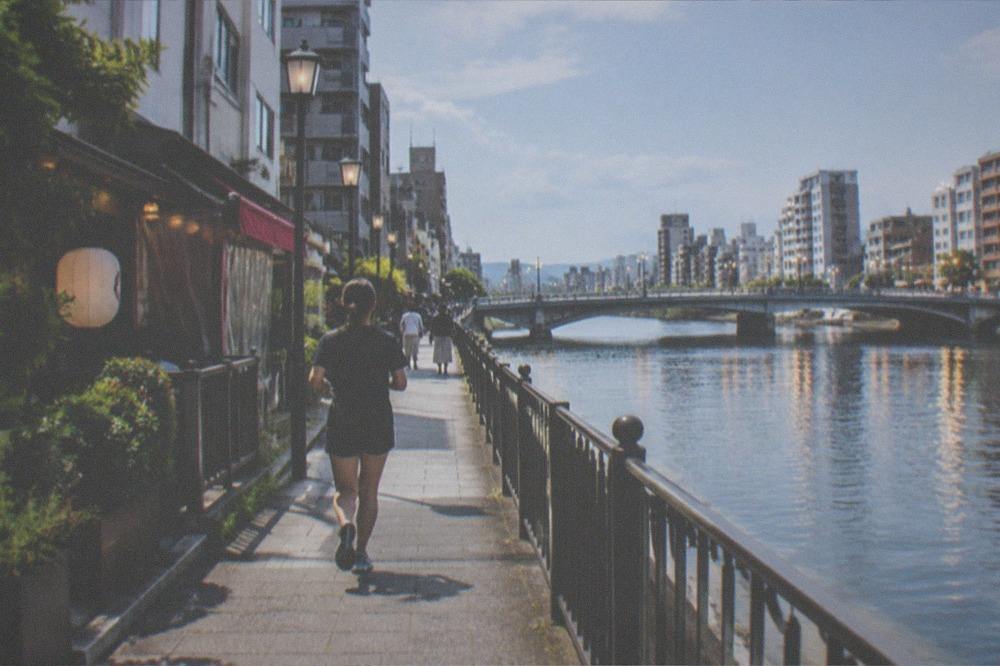
Locking the guided stall evening in early is genuinely useful here, because the stalls themselves cannot be booked and a guide's small group size means the walk-in experience, minus the guesswork. Free cancellation is offered on the tour, so an early booking costs you nothing if your plans change.
Nakasu After the Stalls: Bars, Views, and the River Loop
Once the stall meal is done, Nakasu keeps going: the entertainment blocks behind the riverfront hold bars and izakaya deep into the night, the bridges make a natural photo loop, and the neon reflections on the Naka River are at their best after full dark. The district is compact enough that a post-dinner wander needs no plan, but a direction helps, and the river itself is the organising line that everything else hangs from. Walk it first, drink second, and the evening arranges itself.**
Walk the river first. The bridges above the Naka River carry the district's best night views, and the reflections are the shot that made Nakasu famous. A simple loop, stalls to bridges and back along the opposite bank, takes under half an hour at photo pace and delivers the whole scene. From the bridges, the wall of light above the water reads as a single composition, and it is the image most visitors leave with. More of these guides are collected on Fukuoka Japan Travel Guide.
The blocks behind the stalls are the district's other half. This is classic Japanese entertainment-district geography: lanes of small bars, izakaya and music venues stacked over a few short blocks, running from inexpensive to extravagant. It works best without an agenda. Pick a lane, pick a doorway with a menu you half understand, and see what happens. For structure rather than serendipity, a guided bar-hopping format exists and is covered on the Fukuoka bar hopping tour guide.
If you would rather float past the neon than walk beneath it, a night cruise option runs on the bay and river routes around the city, a three-hour format that puts the waterfront lights from a different angle.
A second evening-centred option pairs the night views with local life in a four-hour guided format, which suits travellers who want the after-dark city interpreted rather than merely found.
How Much Time Should You Give Nakasu?
Most visitors need one evening, and one evening is enough: arrive in the last hour of daylight, eat at a stall as the lanterns come on, walk the river loop once the reflections peak, and finish with a drink in the back blocks before a short walk home. Two evenings only earn their keep if one is a guided crawl and the other is independent, or if a September visit catches the jazz festival and adds a free afternoon of stages. Daytime Nakasu is a shopping and errands district, and the district's real personality switches on with the lights, so budget your hours accordingly.**
That switch is the reason to time your arrival. Before dusk, Nakasu is a working shopping area with a covered arcade, offices and lunch spots. After dusk, the same streets are the postcard. The stalls begin setup in the late afternoon, service typically starts in the early evening, and full dark brings the reflections. Aiming to arrive in the last hour of daylight captures the transition, which is the district's most interesting hour.
A sample evening, hour by hour, looks something like this:
| Time | What happens |
|---|---|
| Late afternoon | Stalls begin setup along the riverbank; arcade still in daytime mode |
| Dusk | Lanterns light, first seating fills, bridges switch on |
| Full dark | Peak reflections on the Naka River; the photo hour |
| Late evening | Bars and izakaya in the back blocks; the crowd shifts local |
| Small hours | Stalls wind down one by one; the district empties toward the bridges |
The autumn festival calendar adds one more timing consideration. The Hakata Gion Yamakasa festival, held July 1 to 15 each year and centred on Kushida Shrine at the edge of the district, culminates in the Oiyama race on July 15 starting at 4:59 a.m., when teams carry roughly one-ton floats over a course of about five kilometres. The official Hakata Yamakasa site carries the schedule. Mid-September brings the free Nakasu Jazz stages, and the Hojoya festival at Hakozakigu runs September 12 to 18 each year, a short subway ride east. Each of these floods the district with a different crowd than the ordinary weekend, and none of them requires a ticket.
Daytime Nakasu: What the Island Offers Before Dark
Daytime Nakasu is modest but not empty: the Kawabata covered arcade runs the island's length with old-school shops and low-cost lunches, Yanagibashi Market sits at the southern end for seafood, and the river walk is a quiet, cheap way to cross the city on foot. Treat the daytime as a practical stop, not a destination, and save the island for after sunset. The stalls are the reason to come, the stalls run at night, and everything else in the district is either a lead-in to that or a way to fill the hours before it.**
The arcade is the daytime spine. Kawabata Shopping Arcade, one of the older covered arcades in the region, stretches along the island's eastern side with the station and the Hakata old town beyond it. The shops skew traditional: confectioners, dry goods, small restaurants, the kind of storefront that has outlasted several waves of retail change. It is the natural corridor between Hakata Station and Nakasu, which means most visitors walk it without planning to.
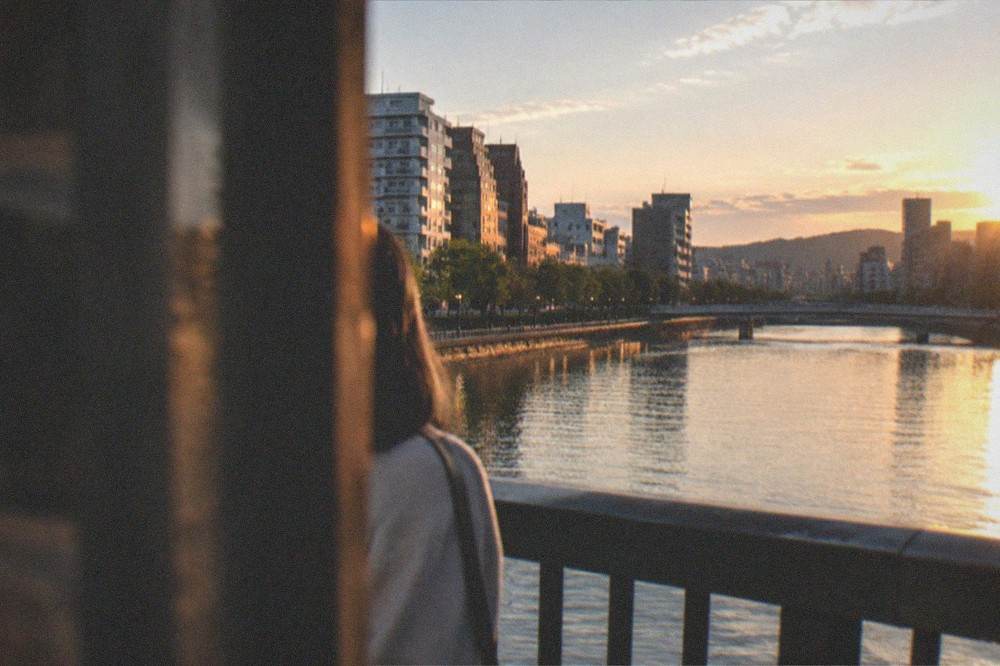
Yanagibashi Market, at the island's southern approach, is the working food market of the district: stalls and counters selling seafood and local produce, aimed at locals and worth a look for anyone who likes markets as a genre. The river walk, in daylight, is a different animal from its night self: quiet, flat, and a useful car-free link between Tenjin and the Hakata side. This is the hour to see the district's structure, the bridges and the two river channels, before the neon flattens it all into one glowing wall.
Which Area Should You Actually Stay in: Nakasu or a Neighbour?
Stay in Nakasu if nightlife is your priority, since the district's bars and entertainment run late into the night and you will be steps from the action. Choose a neighbouring area instead if you want quieter streets, a wider choice of hotels, or easier access to daytime sights, as Nakasu's accommodation options are limited and the atmosphere stays lively well past midnight. Most first-time visitors sleep better near Hakata Station for transport, or in Tenjin for shopping and dining, and visit Nakasu for the evening rather than living inside it. The trade-offs are simple and the distances are short: whichever area you pick, the other two are a walk or one subway stop away, and the stall row stays reachable from all of them after dark.**
The honest comparison is about noise and purpose. Nakasu's accommodation stock skews toward the entertainment-district reality: business hotels and smaller properties amid the bars, some excellent, few quiet before midnight. Hakata Station offers the region's best transport connections and the largest hotel supply. Tenjin offers shopping and dining depth and a slightly earlier bedtime. Daimyo and the quieter residential areas west of Tenjin suit travellers who want cafe culture over neon.
For a one-evening visit, none of this matters much: from any of the three cores you reach the stalls on foot, and the last walk home is the only real constraint. The guided options below cover the district's two best formats, the stall crawl and the flexible private tour, plus a full-day Kyushu excursion for the day after.
Common Questions About Nakasu
What Is Nakasu Known For?
Nakasu is known for its riverside yatai food stalls, its concentration of bars and entertainment venues, and its neon reflected in the Naka River. It is Fukuoka's traditional entertainment district, built on an island between two river channels, and it is the most photographed night scene in the city.
Can you book a yatai stall in Nakasu?
No. The stalls take walk-ins only and cannot be reserved. The bookable version of the experience is a guided crawl, where a local guide leads you between stalls and handles the ordering; this site lists three such tours.
How many yatai are there in Fukuoka?
About 100 licensed stalls city-wide, the largest number of any Japanese city. Nakasu is one of three main clusters, alongside Tenjin and Nagahama, and each has a different character.
Is Nakasu safe at night?
Nakasu is a busy, well-lit entertainment district, and the stalls sit on the public riverbank in constant view of passers-by. As with any nightlife area anywhere, ordinary urban care applies, and no specific safety statistics for the district are published.
Do the yatai stalls take cards?
Payment varies stall to stall. Cash has traditionally been the default, and some stalls now accept card or QR payment. Carrying yen is the reliable approach.
When is the best time to visit Nakasu?
Early evening through the night. Stalls begin service in the early evening, and the neon and river reflections peak after full dark. Arrive in the last hour of daylight to catch the transition.