Fukuoka Art Museum
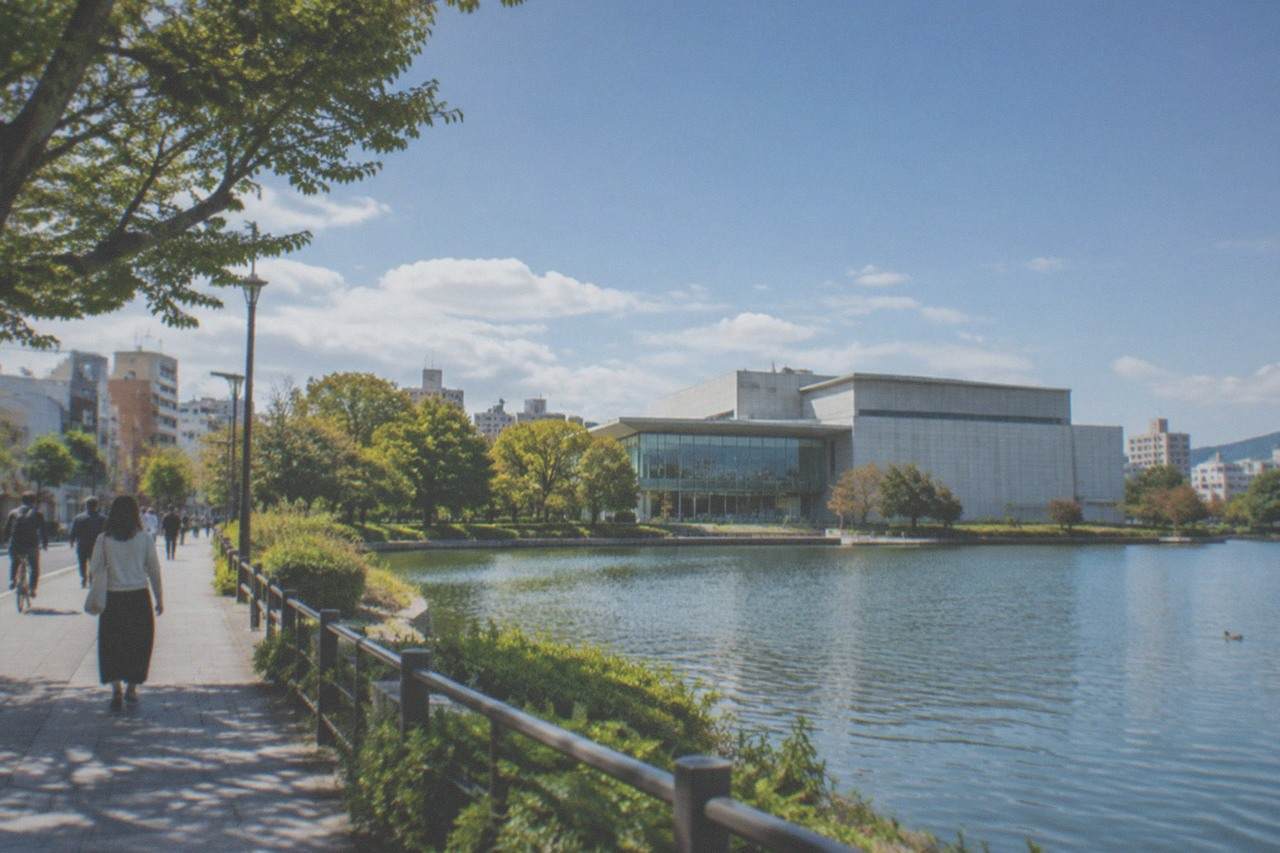
The Fukuoka Art Museum sits on the shore of Ohori Park, charges ¥200 for its collection galleries, and stays open late on summer weekends. Here is what to expect, what it costs, and how to fit it into a day in the city.
Short answer
The Fukuoka Art Museum is worth visiting for most travellers. Collection admission is ¥200 for adults, under-15s enter free, and the building sits inside Ohori Park, one of the city's best-loved green spaces. Plan on one to two hours for the collection, more if a special exhibition is running.
Fukuoka's principal art museum reopened after a full renovation, and it now anchors the western edge of Ohori Park, the large pond-side park that was once part of the Fukuoka Castle grounds. The building holds a collection gallery priced at ¥200, a rotating schedule of special exhibitions, and one of the more agreeable museum settings in Japan: you walk out the door and you are on a lakeside path. This guide covers the verified hours and admission prices, what the collection actually contains, how the museum compares with its sister institution across town, and how to fold a visit into a day around Ohori Park and the castle ruins.
What Is the Fukuoka Art Museum?
The Fukuoka Art Museum is the city's main general-art museum, located inside Ohori Park in the Chuo ward of Fukuoka, and it is the older and larger of the two city-run art museums. Its collection galleries cost ¥200 for general admission, with junior high school age and younger admitted free, and the museum closes on Mondays. It sits a short walk from the Ohori Park subway station on the city subway network, making it one of the easiest major cultural sights to reach.
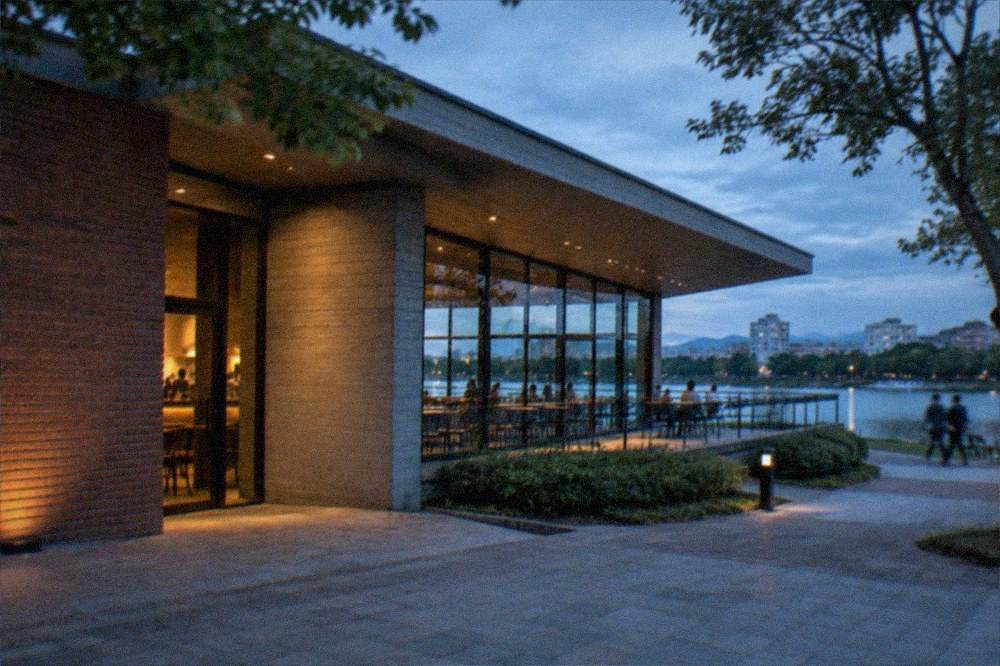
The museum closed for several years for a sweeping renovation before reopening in its renewed form. The redesign reworked the entrance sequence and public spaces while keeping the museum's position hard against the park's waterline. The setting is the point as much as the art: the pond, the reed beds and the jogging loop around it are all visible from the approach, and many visitors combine a gallery hour with a full circuit of the park.
The museum's remit is broad. Where the Fukuoka Asian Art Museum, its sister institution across the Naka River, collects contemporary work from across Asia, the Fukuoka Art Museum holds a general collection that spans Japanese and Western art, modern and older, alongside touring special exhibitions that range from European masters to contemporary design. That division of labour matters when you are deciding which of the two to visit, and there is a full comparison further down this page.
For a city of 1.66 million that is growing faster than any other designated city in Japan, Fukuoka supports its cultural infrastructure seriously. The museum is a short subway ride from either Hakata or Tenjin, and it shares its park with the Japanese garden, the castle ruins and the Nishi Park hillside beyond. Very few visitors run out of things to do in this corner of the city.
Is Fukuoka Art Museum Worth Visiting?
For most travellers, yes, the Fukuoka Art Museum is worth visiting, chiefly because the cost of finding out is very low. Collection admission is ¥200, under-15s pay nothing, and the museum sits inside a park you will probably visit anyway. Travellers with a deep interest in a specific period should check the special exhibition schedule before deciding, since the temporary shows, which charge separately, are where the museum puts its biggest efforts.
The honest framing is this: the collection gallery is a modest, well-presented sweep rather than a world-class encyclopaedic collection, and the museum makes no claim otherwise. What you get for ¥200 is a calm hour or two of Japanese and Western painting, sculpture and decorative art in a pleasant building, followed by a park. If your alternative is another hour of shopping in Tenjin, the museum wins easily. If you have three days in the city and are weighing it against a day trip to Dazaifu or the Itoshima coast, the calculus is closer, and the answer in our guide to whether Fukuoka is worth visiting covers that trade-off in more detail.
Two kinds of visitor get the most out of it. The first is the art-interested traveller who checks the exhibition calendar and times a visit to a major touring show; the museum has hosted internationally significant exhibitions, and tickets for headline shows sell in advance. The second is the park visitor who wants an hour of air conditioning and quiet between a morning at Fukuoka Castle Ruins and an afternoon elsewhere. Both leave happy. The visitor who arrives expecting the Tokyo National Museum will not, and no honest guide should pretend otherwise.
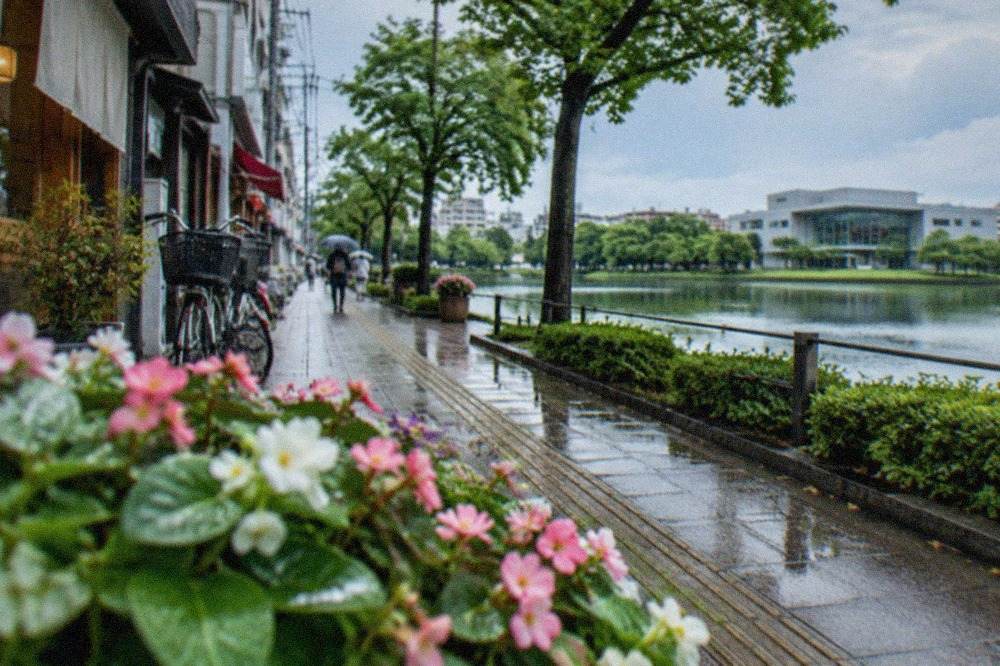
One more point in the museum's favour: it is one of the cheapest rainy-day options in the city. Fukuoka's wettest month is July, not June, with 299.1 mm of rain against June's 249.6 mm in the Japan Meteorological Agency's 1991 to 2020 normals, and a ¥200 indoor attraction next to a covered park loop earns its place in any wet-weather plan.
Opening Hours, Admission and Free Entry
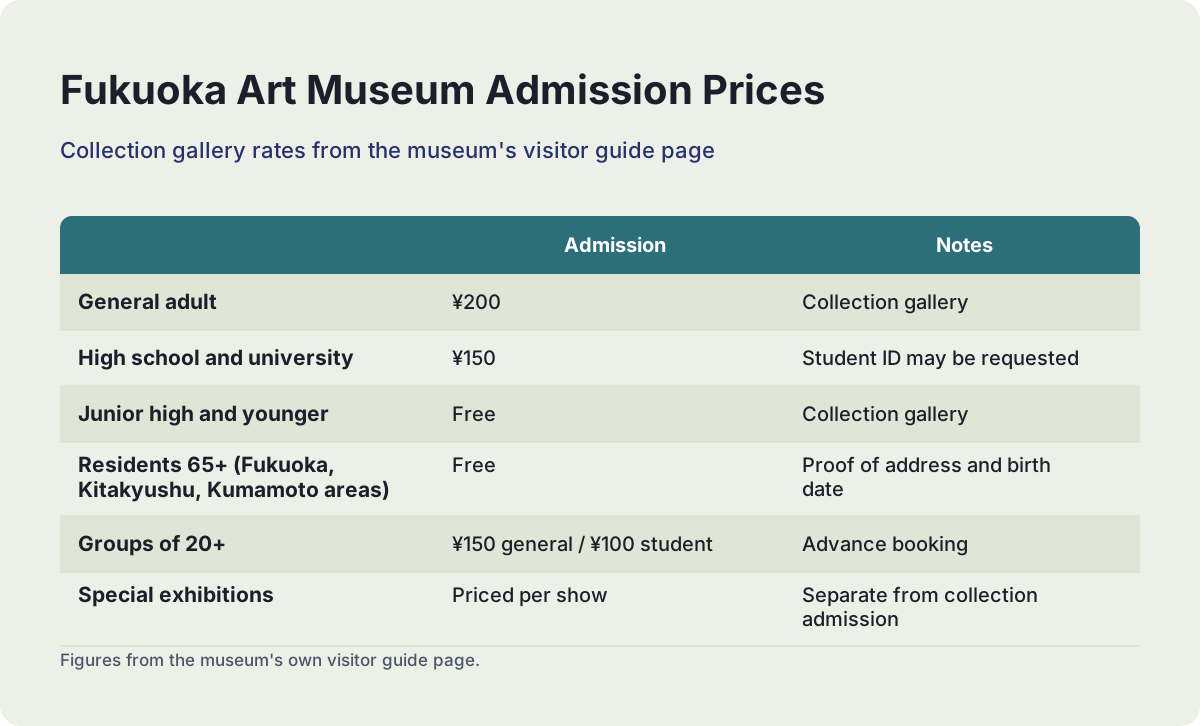
The Fukuoka Art Museum is open 9:30 to 17:30 with last entry at 17:00, and stays open until 20:00, last entry 19:30, on Fridays and Saturdays from July through October. It closes on Mondays, or the next weekday when Monday is a public holiday, and annually from December 28 to January 4. Collection admission is ¥200 for general visitors, ¥150 for high school and university students, and free for junior high school age and under.
Those figures come from the museum's own visitor guide page, which also carries the detail most guides miss: residents of Fukuoka, Kitakyushu, Kumamoto or Kagoshima aged 65 and over enter free with proof of address and date of birth. Groups of 20 or more pay ¥150 and ¥100 respectively. Special exhibitions are priced separately for each show, so the ¥200 figure applies only to the collection galleries.
| Category | Admission | Notes |
|---|---|---|
| General adult | ¥200 | Collection gallery |
| High school and university | ¥150 | Student ID may be requested |
| Junior high and younger | Free | Applies to collection gallery |
| Residents 65+ (Fukuoka, Kitakyushu, Kumamoto, Kagoshima) | Free | Proof of address and birth date |
| Groups of 20+ | ¥150 general / ¥100 student | Advance booking |
| Special exhibitions | Priced per show | Separate from collection admission |
| Period | Hours | Last entry |
|---|---|---|
| Sunday to Thursday, all year | 9:30 to 17:30 | 17:00 |
| Friday and Saturday, July to October | 9:30 to 20:00 | 19:30 |
| Closed | Mondays (next weekday if a holiday) | Also Dec 28 to Jan 4 |
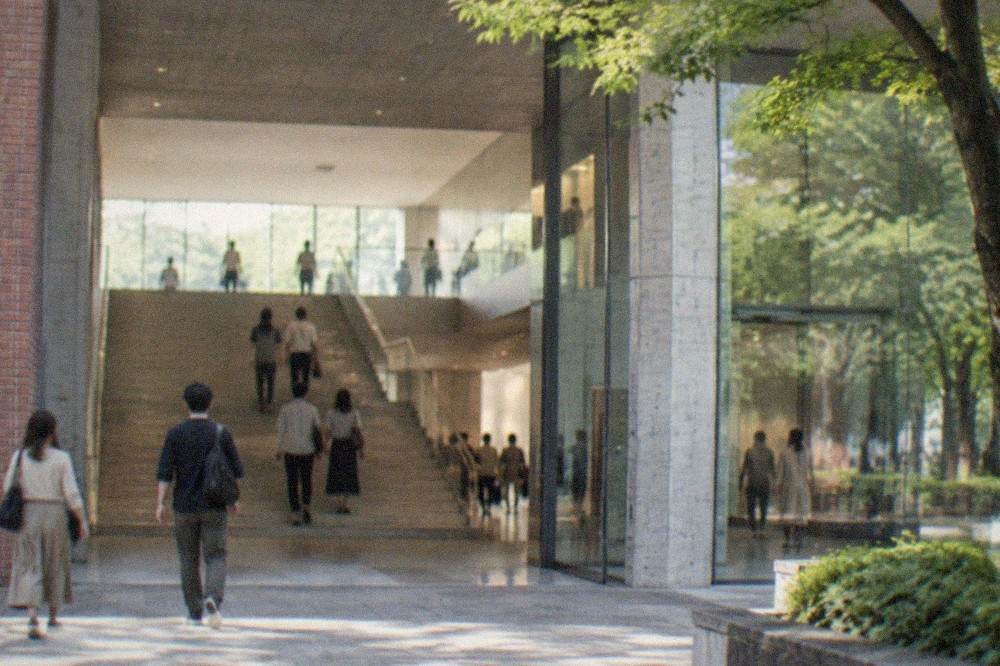
The Friday and Saturday evening hours from July to October are the scheduling detail worth building a day around. In midsummer the city is hot and humid, with an average daily maximum of 32.5 degrees Celsius in August, and Ohori Park is at its best after the heat breaks. An evening entry lets you do the park circuit at dusk and the galleries after, which is a genuinely better sequence than dragging yourself through both at noon.
The one caution is exhibition-change days. Galleries rotate and the museum occasionally closes individual rooms between shows, so if a specific work or exhibition is the reason for your visit, confirm it is on display that week. The museum's official site carries current exhibition dates, and the front desk will tell you what is open on the day.
What to See: The Collection and the Galleries
The permanent collection spans Japanese and Western art across several floors, anchored by modern Japanese painting and a notable holding of works associated with Fukuoka and Kyushu, plus a programme of large touring special exhibitions that changes several times a year. Most visitors spend between one and two hours in the collection galleries, and longer when a special exhibition is running. Expect a mix of nihonga and yoga, Japanese-style and Western-style painting, sculpture, prints and decorative arts.
The collection's strength is its range rather than its depth in any single school. The museum collects across periods, which means a single visit can move from older Japanese works to twentieth-century Western painting without leaving the floor. Labelling in the collection galleries includes English, and the museum provides an English language guide service for groups with advance booking; solo visitors should not count on a guided tour being available on the day, but the wall text carries the essentials.
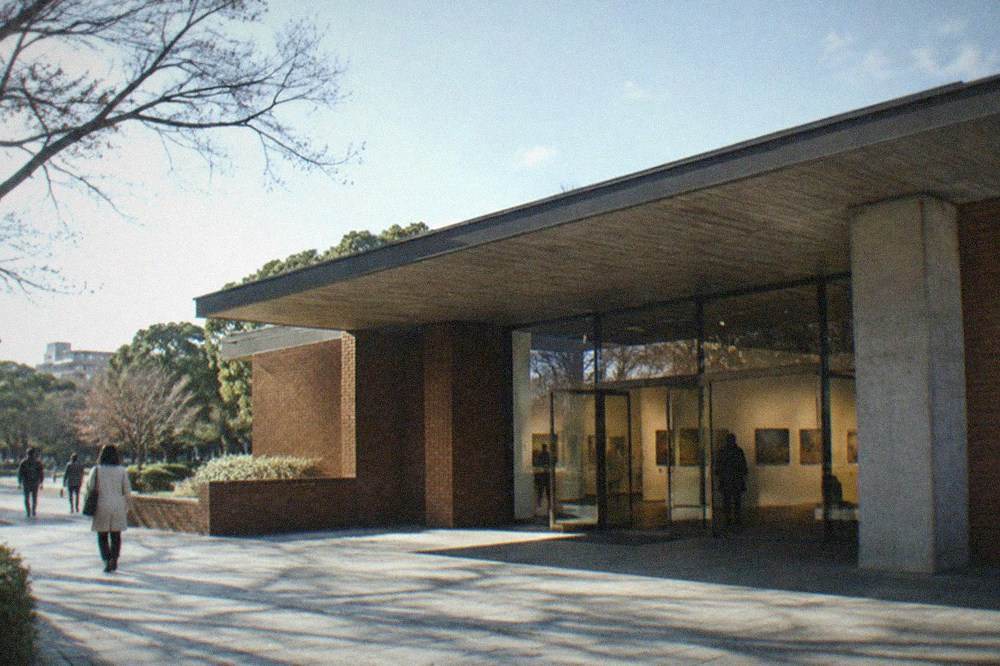
The special exhibition programme is where the museum competes nationally. Touring blockbusters arrive here partly because Fukuoka is the population and transport hub of Kyushu, and the museum's special exhibition hall is built to hold them. Ticket prices for these shows are set per exhibition and are higher than the collection rate, and headline shows sell timed tickets in advance. If you are visiting during a major exhibition, book ahead rather than gambling on a same-day slot.
For travellers whose real interest is contemporary and immersive art rather than painting, it is worth knowing that the city has a second, very different option: teamLab Forest Fukuoka, the digital art installation at the Bossa Cube mall near the stadium. The two are complements, not substitutes, and the contrast between a ¥200 painting gallery and a full-body digital forest is a fair snapshot of how wide Fukuoka's art offering is.
Fukuoka Art Museum vs Fukuoka Asian Art Museum
The Fukuoka Art Museum in Ohori Park shows a general collection of Japanese and Western art; the Fukuoka Asian Art Museum, on the 7th and 8th floors of the Riverain Center building in Hakata, shows only Asian contemporary art, with about 5,000 works from 23 countries and regions. Entry to the Asian Art Museum building is free and only its Asia Gallery charges, at the same ¥200 and ¥150 rates, so the pair can be visited in one day for very little combined cost.
The two museums are run by the same city administration and deliberately do not overlap. The Ohori Park museum is the older, broader institution; the Asian Art Museum is the specialist, founded to collect work no other Japanese museum was systematically collecting. Its location inside the Riverain building above the Nakasu riverbank puts it in the middle of the nightlife district, which makes it an easy add-on to an evening in Nakasu territory, while the Ohori Park museum pairs with green space and daylight.
| Fukuoka Art Museum | Fukuoka Asian Art Museum | |
|---|---|---|
| Location | Ohori Park, Chuo ward | Riverain Center, Hakata ward |
| Focus | Japanese and Western art, all periods | Contemporary Asian art |
| Collection size | General collection, rotating display | About 5,000 works, 23 countries |
| Building entry | Charged with gallery | Free; only Asia Gallery charges |
| Gallery admission | ¥200 / ¥150 | ¥200 / ¥150 |
| Closed | Mondays | Wednesdays |
| Best paired with | Ohori Park, castle ruins | Nakasu, Kawabata arcade |
Note the different closing days: Mondays for Ohori Park, Wednesdays for Hakata. That quirk is genuinely useful, because it means one of the two is open on any weekday you choose, and a traveller who arrives on a Monday can still get a museum fix by crossing the river. The Asian Art Museum also runs later on Fridays and Saturdays, to 20:00, which fits an evening itinerary in Nakasu. Other pages covering the same trip are gathered on Fukuoka Japan Travel Guide.
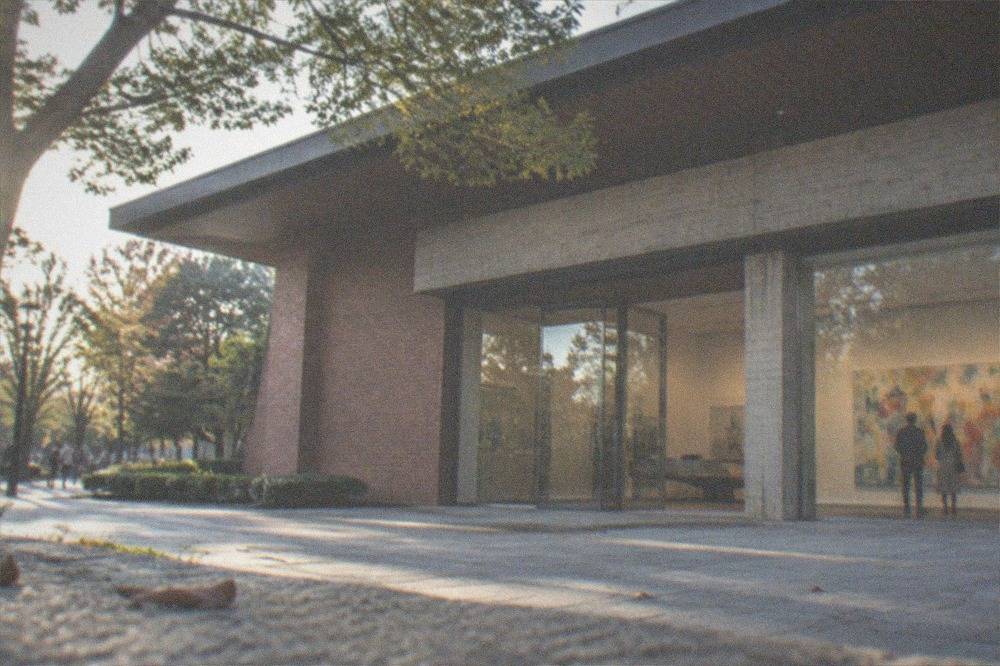
Which should you pick if you only have time for one? If your taste runs to contemporary art, photography and installation, the Asian Art Museum is the sharper, more distinctive choice, and it is the one with no real equivalent elsewhere in Japan. If you want the classic museum afternoon, the park setting and the wider historical sweep, Ohori Park wins. Families with children lean Ohori Park, since the park itself is half the attraction.
Getting There from Hakata or Tenjin
The nearest subway station to the Fukuoka Art Museum is Ohori Park Station on the city subway, and a single adult fare from Hakata costs ¥260, the official 3 to 7 km band. From Tenjin the ride is shorter and cheaper still, in the ¥210 to ¥260 range depending on the exact station. The museum is roughly a five-minute walk from the station's park exit, and the whole journey from Hakata Station needs no transfers.
The city subway's fare table is distance-banded: ¥210 for up to 3 km, ¥260 for 3 to 7 km, ¥300 for 7 to 11 km, and so on up to ¥380 beyond 19 km. Children pay roughly half. A one-day pass, the Chikamaru-kun, costs ¥640 for adults and covers all three subway lines for the day, which starts to pay off on a museum-and-park day if you are also heading to Fukuoka Tower or the Momochi waterfront afterwards.
| From | Route | Adult fare | Notes |
|---|---|---|---|
| Hakata Station | Subway, direct | ¥260 | 3 to 7 km band |
| Tenjin | Subway, direct | ¥210 to ¥260 | Shortest hop on the network |
| Fukuoka Airport | Subway, one line | Within ¥300 | Unusually close to the centre |
| Ohori Park Station | 5-minute walk | Free | Follow park exit signs |
Hakata and Fukuoka are the same city, and the station is called Hakata, not Fukuoka; there is no JR Fukuoka Station, a point that catches out first-time visitors searching timetables. The airport is also unusually close to the city centre, on the subway's Kuko line, so a museum stop on the way into or out of town is entirely realistic with luggage stored at a station locker.
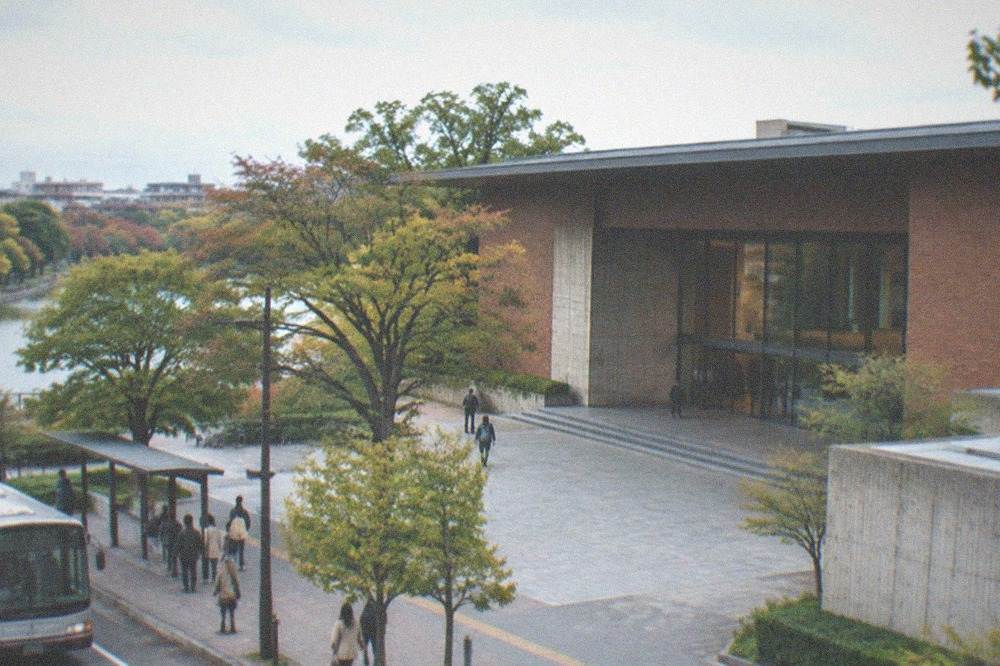
If you are staying near the park already, in the Ohori or Akasaka or Nishijin areas, the museum is a pleasant walk along the pond path, and the Ohori Park circuit is flat, shaded and popular with joggers. Cyclists will find the museum sits directly on the lakeside loop, and the city's public bike-share docks cluster near the station exits.
Combining the Museum with Ohori Park and the Castle Ruins
The Fukuoka Art Museum is the natural anchor for a half-day in the Ohori Park and Maizuru Park area, pairing with the Japanese garden, the castle ruins and the pond loop. The Japanese garden charges ¥250 for adults and ¥120 for children, the castle grounds are free, and the whole cluster is walkable in three to four hours at a relaxed pace. The one time-sensitive item is the castle Tenshudai, closed to entry from May 26, 2026 until the end of December 2026 for an archaeological excavation.
The excavation is the best story in the district. A document discovered in December 2024 described a keep at Fukuoka Castle that may never have existed, the city began digging in 2025, and in 2026 it tripled the excavation area. Whether the phantom keep was real is still an open question, which is why the Tenshudai viewing platform is fenced off through the end of 2026. The rest of the castle grounds in Maizuru Park remain open and free, and the stone walls alone justify the walk.
| Sight | Admission | Time needed | Notes |
|---|---|---|---|
| Fukuoka Art Museum | ¥200 | 1 to 2 hours | Closed Mondays |
| Ohori Park | Free | 45 to 60 minutes | Pond loop, about 2 km |
| Ohori Park Japanese Garden | ¥250 adult / ¥120 child | 45 minutes | Closed Mondays |
| Fukuoka Castle ruins | Free | 60 to 90 minutes | Tenshudai closed to end of 2026 |
| Nishi Park | Free | 30 minutes | Hilltop cherry blossom spot |
A sensible sequence: start at the museum when it opens at 9:30, walk the pond loop while the light is still good, take the Japanese garden before its last entry, then climb into the castle grounds. The garden's last entry is 17:45 in the May to September season and 16:45 from October to April, and it also closes Mondays, so a Monday visit to this district means the museum is out but the garden is too; shift the whole plan to a Tuesday.
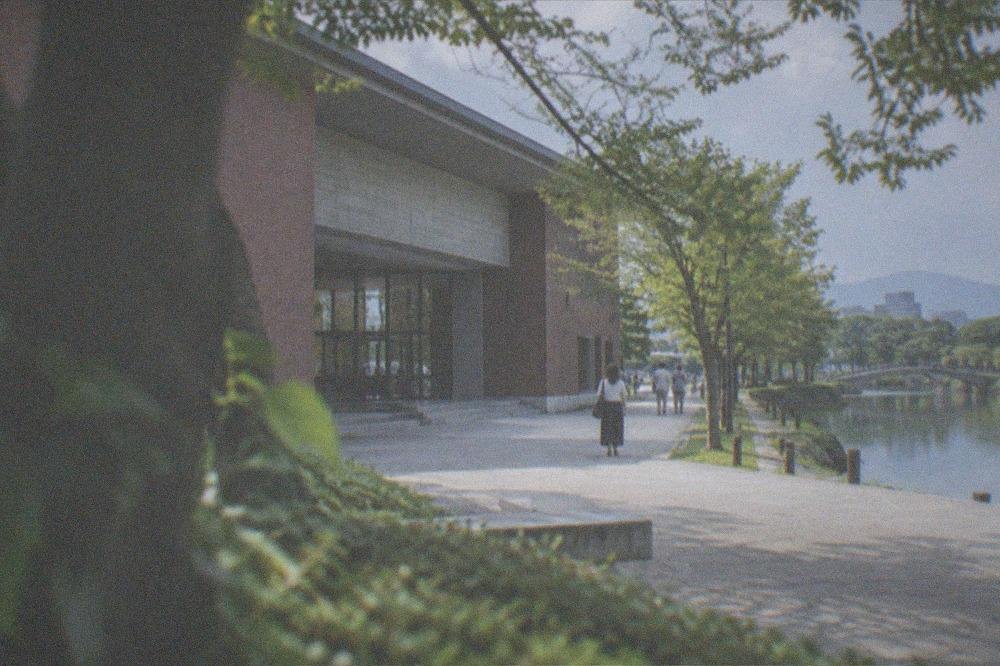
In late March and early April this walk doubles as one of the city's best cherry blossom routes, since Maizuru Park holds around a thousand trees and lights them during the blossom festival. In autumn, the same paths carry the mid-to-late November colour that makes Ohori and Maizuru the city's most reliable leaf-viewing parks. The museum is the all-weather insurance for both seasons: blossom and leaves are weather-dependent, the galleries are not.
Practical Tips for Visitors
Arrive at opening or use the summer evening hours, buy collection tickets on the day but book major special exhibitions in advance, and plan the museum as part of the park rather than as a standalone destination. Photography rules vary by gallery and are posted at each entrance, so check before shooting. There is no need to pre-book the ¥200 collection gallery on an ordinary day.
A few specifics that make the visit smoother. The museum's cafe and museum shop sit near the entrance and face the park, which makes them a legitimate coffee stop even for people skipping the galleries. Lockers are available for backpacks, and large luggage is better left at Hakata Station. English signage in the building is adequate for navigation, though exhibition wall text in temporary shows is sometimes Japanese-heavy; the free exhibition pamphlets usually carry an English summary.
For travellers building a wider culture-heavy itinerary, the museum is also a sensible departure point for Kyushu's bigger cultural draws. A guided tour can bundle the region's highlights without you having to untangle the rail and bus networks yourself, and the Yufuin and Beppu tour with the Sapporo Brewery and AoT museum stops is one of the roster's most popular culture picks, running from $55 per person with a 4.7 rating from 51 reviews. It pairs a museum day in the city with an onsen town day in the mountains, which is a balanced way to see northern Kyushu in a short trip.
Families should note that the museum is stroller-friendly and that under-15s enter free, which makes it one of the cheapest indoor activities in the city with children in tow. The park playground and the zoo across town round out a family day, and the Fukuoka Zoo and Botanical Garden charges ¥600 for adults with free entry for junior high age and under.
What Is Nearby If You Finish Early?
If the museum and park leave you with a spare afternoon, the closest major sights are the Fukuoka Tower and Momochi Seaside Park to the west, the Nishi Park hilltop to the north, and the Tenjin shopping district to the east, all reachable in under twenty minutes by subway or a short taxi ride. The castle grounds and the Japanese garden are already on your doorstep.
Tenjin's underground mall is the default rainy-day fallback, and it connects directly to the Tenjin subway stations, so the transition from museum to mall involves almost no outdoor walking. In the other direction, the Momochi waterfront gives you the tower, the beach and the stadium in one strip, and the tower's observation deck at 123 metres is open until 22:00 with last admission at 21:30, so it works as an evening finish.
Travellers with a full spare day should look outward rather than inward: Dazaifu's shrine and the Kyushu National Museum make the region's best-known cultural pairing, and the Takachiho Gorge and Amaterasu Railway tour, from $48 per person with a 4.8 rating from 713 reviews, is the roster's most-reviewed day trip for travellers who want a landscape rather than another city block. Both are full-day commitments, so plan them on a day you are not also trying to see the museum.
Whichever direction you take after the galleries, the museum itself asks very little of your itinerary: a couple of hours, a coin's worth of admission, and a Monday avoided. That low bar is exactly why it earns a place on so many Fukuoka days.
Common Questions About the Fukuoka Art Museum
Is Fukuoka Art Museum Worth Visiting?
Yes, for most travellers. Collection admission is only ¥200, under-15s enter free, and the museum sits inside Ohori Park, so the visit combines naturally with one of the city's best public spaces. Travellers with a strong interest in a specific period should check the special exhibition schedule first, since the temporary shows are the museum's headline programming.
How much does the Fukuoka Art Museum cost?
Collection gallery admission is ¥200 for general visitors and ¥150 for high school and university students. Junior high school age and younger enter free, and residents of Fukuoka, Kitakyushu, Kumamoto or Kagoshima aged 65 and over also enter free with proof of address and date of birth. Special exhibitions are priced separately for each show.
What are the Fukuoka Art Museum's opening hours?
The museum is open 9:30 to 17:30, with last entry at 17:00. From July through October, Fridays and Saturdays extend to 20:00 with last entry at 19:30. It closes on Mondays, or the next weekday when Monday is a public holiday, and annually from December 28 to January 4.
How do I get to the Fukuoka Art Museum?
Take the city subway to Ohori Park Station. A single adult fare from Hakata Station is ¥260, and the museum is about a five-minute walk from the station. The ride is direct from both Hakata and Tenjin with no transfers.
Is the Fukuoka Art Museum or the Fukuoka Asian Art Museum better?
They collect different things. The Ohori Park museum shows a general collection of Japanese and Western art; the Asian Art Museum in Hakata shows only contemporary Asian art, with about 5,000 works from 23 countries. Entry to the Asian Art Museum building is free, with only its Asia Gallery charging ¥200. Note their different closing days, Mondays and Wednesdays respectively.
Can I combine the museum with Ohori Park?
Yes, and you should. The museum sits on the park's shore, the pond loop takes under an hour, and the Japanese garden charges ¥250 for adults. The Fukuoka Castle ruins in the adjoining Maizuru Park are free, though the Tenshudai keep base is closed to entry until the end of December 2026 for an archaeological excavation.