Fukuoka Subway Guide
Fukuoka runs one of Japan's simplest subway systems: three lines, one flat fare structure and a station at the airport. This guide covers the lines, the ticket prices, the passes worth buying and the ones to skip.
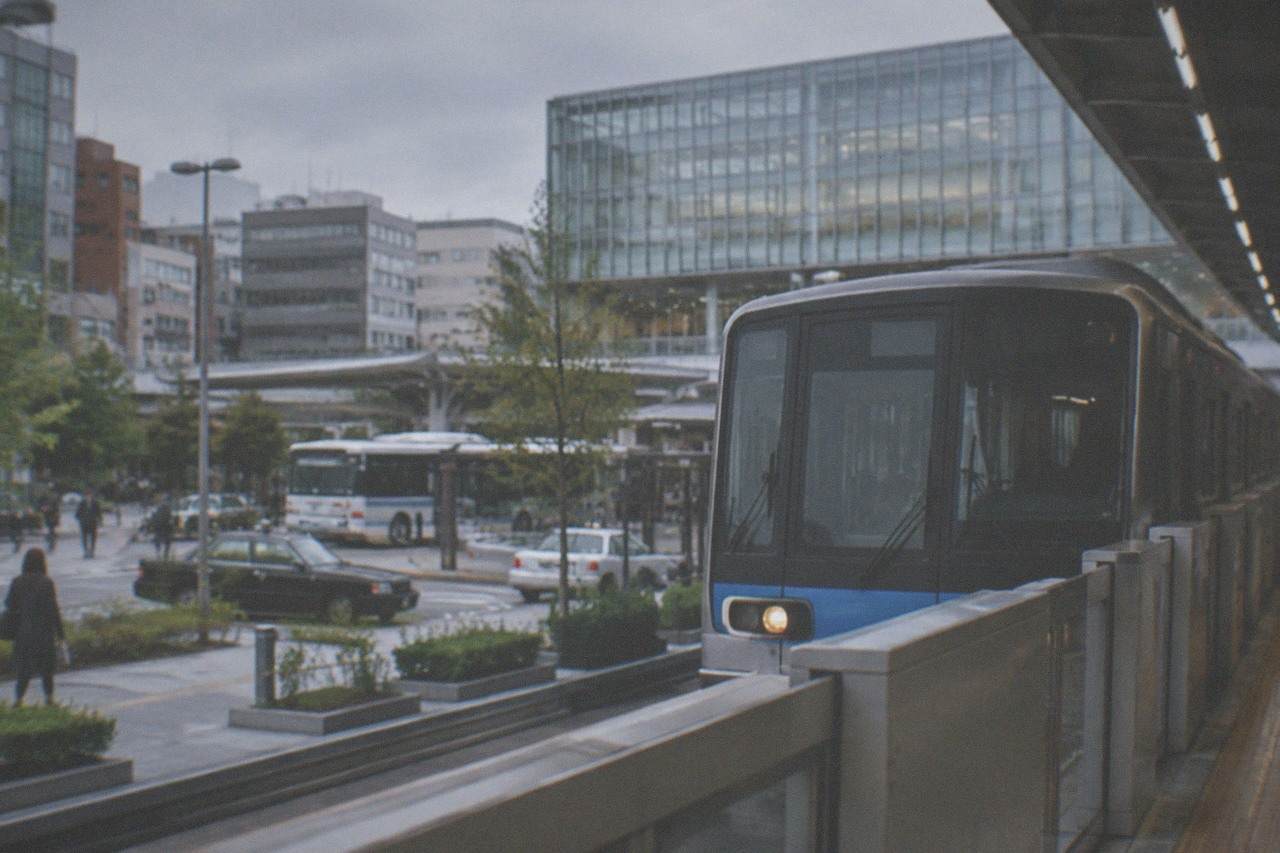
Short answer
The Fukuoka City Subway has three lines: the Airport Line from Meinohama to Fukuoka Airport, the Hakozaki Line from Nakasu-Kawabata to Kaizuka, and the Nanakuma Line from Hashimoto to Hakata. Single fares run from ¥210 for up to 3 km to ¥380 beyond 19 km, and a one-day pass costs ¥640. The ride from Fukuoka Airport to Hakata costs ¥260.
Fukuoka's subway is small by Tokyo standards and that is exactly its charm. Three lines, a single distance-based fare table and clean, punctual trains make it the fastest honest answer to getting around Japan's fifth-largest city. The system connects the airport to the main station at Hakata, threads through Tenjin's shopping district, and reaches the coast at both Uminonakamichi and Meinohama. If you are planning a first visit, the pages on getting around Fukuoka and the Hakata station guide sit alongside this one, but the subway itself deserves its own walkthrough.
One thing to clear up before anything else: Hakata and Fukuoka are the same city. Hakata is the ward and the name of the main station, and there is no such place as JR Fukuoka Station. Guides that treat them as two destinations are wrong, and the subway map is where that confusion usually starts, because the airport station is called Fukuoka Airport while the city's main rail hub is called Hakata. They are two subway stops apart on the same line.
Why the Subway Is the Best Way Around Fukuoka
The subway reaches nearly everything a first-time visitor wants: the airport, Hakata Station, Tenjin, Nakasu, Ohori Park and the Fukuoka Castle ruins all sit within a short walk of a station. Three lines cover the central city in about 20 minutes end to end, trains run every few minutes through the day, and the fare table tops out at ¥380, so a ride almost never costs more than a coffee.
Buses compete in the centre, and the Nishitetsu train is the right answer for Dazaifu, but for everything inside the city proper the subway wins on predictability. It does not sit in Fukuoka's traffic, it is fully underground in the densest districts, and signage in English, Korean and Chinese is consistent across all stations. The Fukuoka airport to city connection alone is a reason to learn the system, because the subway is the cheapest and most reliable way from the terminal to the centre.
The network is also short. You can hold the whole map in your head after a day. That matters more than it sounds for a visitor, because the mental effort of riding transit is usually the map, not the ride. Three lines, one interchange behaviour to learn at Meinohama and one at Nakasu-Kawabata, and you have the system.
Which Three Lines Make Up the Fukuoka Subway?
The three lines are the Airport Line (Meinohama to Fukuoka Airport), the Hakozaki Line (Nakasu-Kawabata to Kaizuka) and the Nanakuma Line (Hashimoto to Hakata). The Airport Line is the workhorse: it passes through Ohori Park, Tenjin, Nakasu-Kawabata, Hakata and Gion before ending at the airport. The Hakozaki Line serves the eastern waterfront, and the Nanakuma Line runs southwest through Ropponmatsu and Yakuin to Tenjin and Hakata.
The Airport Line is the one almost every visitor rides. Meinohama, at the western end, is the stop for Ohori Park and the Fukuoka Art Museum; Tenjin is the shopping and business core; Nakasu-Kawabata serves the nightlife and yatai district; Hakata is the main rail station; and Fukuoka Airport is the terminus. Roughly a dozen stations cover nearly every headline sight in the city.
The Hakozaki Line branches east from Nakasu-Kawabata toward Kaizuka, serving Hakozaki, home of Hakozakigu Shrine, and connecting toward the Uminonakamichi area via transfer at Chihaya or Kaizuka to JR. The Nanakuma Line is the newest of the three, running from Hashimoto through the university district and Yakuin into the centre. It is the line you are most likely to ride if you stay in the southwest of the city.
| Line | Route | What You Reach On It |
|---|---|---|
| Airport Line | Meinohama to Fukuoka Airport | Ohori Park, Tenjin, Nakasu, Hakata Station, the airport |
| Hakozaki Line | Nakasu-Kawabata to Kaizuka | Hakozakigu Shrine, the eastern waterfront, JR transfer toward Uminonakamichi |
| Nanakuma Line | Hashimoto to Hakata | Yakuin, Ropponmatsu, the university district, Tenjin |
For a sense of how the lines slot into a visit, the three-day Fukuoka itinerary leans almost entirely on the Airport Line, while the five-day itinerary adds Nanakuma Line stops most visitors never see.
If you would rather have a local shape the first day than decode a transit map on arrival, a private custom tour is a reasonable shortcut, and the subway makes meeting points easy: any guide will suggest a station exit.
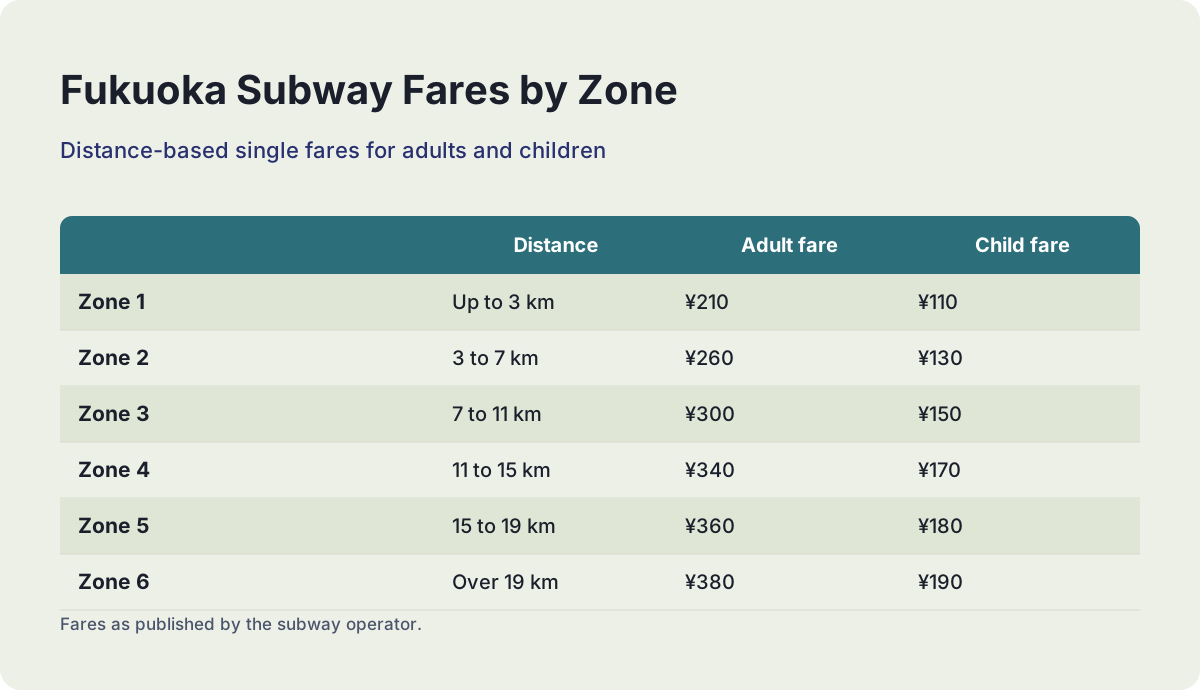
How Much Do Fukuoka Subway Tickets Cost?
Single fares are distance-based and run from ¥210 for a zone 1 trip of up to 3 km to ¥380 for zone 6, beyond 19 km. Child fares are roughly half, from ¥110 to ¥190. The airport-to-Hakata ride sits in the 3 to 7 km band and costs ¥260 for an adult, ¥130 for a child, making it one of the cheapest airport transfers in Japan.
The full fare table is published by the operator at the official subway fare page, and it is worth a look before you buy anything, because the zones are generous. Most trips a visitor takes, Tenjin to Hakata, Nakasu to Ohori, the airport to anywhere central, fall in zones 1 to 3, so ¥210 to ¥300 covers nearly the whole city.
| Zone | Distance | Adult fare | Child fare |
|---|---|---|---|
| 1 | Up to 3 km | ¥210 | ¥110 |
| 2 | 3 to 7 km | ¥260 | ¥130 |
| 3 | 7 to 11 km | ¥300 | ¥150 |
| 4 | 11 to 15 km | ¥340 | ¥170 |
| 5 | 15 to 19 km | ¥360 | ¥180 |
| 6 | Over 19 km | ¥380 | ¥190 |
Buy single tickets from the machines, which have an English mode, or tap a stored-value card at the gates. If you make a mistake and buy the wrong fare, the fare adjustment machines at the exits sort it out in seconds; this is a normal operation in Japan, not a fine.
Should You Buy the Fukuoka Subway One-Day Pass?
The one-day pass costs ¥640 for an adult and ¥320 for a child, and it pays for itself once you take three or more zone 2 rides in a day. It is valid on all three lines from first train to last train on the day you first pass it through a gate, and it is sold at station ticket machines, customer service centres and the international tourist information offices at Tenjin, Hakata Station and Fukuoka Airport.
The arithmetic is simple. Three zone 2 rides cost more than the pass on its own, so the ¥640 pass saves money on a day built around Ohori Park in the morning, Tenjin at midday and Nakasu in the evening. Two rides never justify it, and a day that stays in one district does not either. The pass also carries discounts at partner facilities on the day of use, which the operator lists alongside the pass itself.
Unused passes are refunded at ¥220, so the risk in buying one and not using it is small. For a typical visitor pattern, one pass day for a packed sightseeing day and single tickets the rest of the trip is the sensible split. Families should note the child rate of ¥320 and that the same pass day works for everyone in the group, which makes a museum-and-park circuit with children one of the strongest use cases for the ticket.
| Ticket | Price | When It Wins |
|---|---|---|
| Single fare, zone 1 | ¥210 | One or two short hops a day |
| Single fare, zone 2 | ¥260 | Airport to Hakata or Tenjin |
| One-day pass, adult | ¥640 | Three or more rides across the city in a day |
| One-day pass, child | ¥320 | Same, for a child, with under-6s riding free |
A pass day is also a good day to hand the navigation to somebody else. A customisable private tour with a local guide, from $59 per person and rated 4.9 from 106 reviews, can start at whichever station exit suits your hotel, and the guide folds the subway into the route so you are not standing at maps between stops.
How Do You Ride from Fukuoka Airport to the City Centre?
The Kuko Line, the eastern end of the Airport Line, runs from Fukuoka Airport station direct to Hakata for ¥260 and on to Tenjin for the same fare. The airport is unusually close to the city centre, which is one of Fukuoka's genuine travel advantages, and the subway is the cheapest way to exploit it. Two stops separate the international terminal's station from Hakata.
The airport's international and domestic terminals are linked by a free shuttle bus, and the subway station serves the domestic side, so arriving international passengers take the shuttle first and then the train. You do not need to plan the transfer in advance; the shuttle is signed in English and runs through the day.
What this guide will not do is print a journey time in minutes for the airport ride, even though nearly every competing guide does. The official pages do not state one, and the fare, ¥260, is the figure that is actually verified. In practice the ride is short enough that the subway beats a taxi for most central hotels once you count waiting time, and the Fukuoka airport guide covers the terminal layout in detail.
What Is the Fukuoka Tourist City Pass?
The Fukuoka Tourist City Pass is a one-day pass for overseas tourists on short-stay visas, sold with a passport check at the counter: ¥2,500 for the Fukuoka City version and ¥2,800 for the version that adds Dazaifu. It covers unlimited rides on the subway, Nishitetsu trains and buses in designated areas, some JR lines and ferries, plus discounts at attractions.
The passport requirement is the detail most competing guides miss, and several still quote prices from an older fare era. The pass is sold at the Nishitetsu Tenjin Expressway Bus Terminal, the Hakata Bus Terminal, Fukuoka Airport, the Tenjin and Hakata subway customer centres and online. A digital app version exists but is restricted to visitors from South Korea, Taiwan and Thailand; everyone else buys the paper pass, according to the official city pass page.
| Pass | Adult | Child | Covers |
|---|---|---|---|
| Fukuoka Tourist City Pass, city version | ¥2,500 | ¥1,250 | Subway, Nishitetsu, some JR, ferries, discounts |
| Fukuoka Tourist City Pass, Dazaifu version | ¥2,800 | ¥1,400 | The above plus Nishitetsu coverage to Dazaifu |
| Subway one-day pass | ¥640 | ¥320 | Subway only, no passport needed |
Is it worth it? Only if your day genuinely spans systems. A day that rides the subway, a Nishitetsu train and a ferry can clear the ¥2,500 price; a day inside the city will not, and the ¥640 subway pass wins. Note that the Dazaifu version excludes the Tabito liner bus, so check your exact route before committing. The where to stay in Fukuoka page pairs well here, because a hotel near Hakata or Tenjin shrinks the number of rides you need at all.
Where Do the Lines Take You Beyond the Centre?
The subway's stations put you within walking distance of Ohori Park, the Fukuoka Castle ruins, Kushida Shrine, Canal City Hakata, Tenjin's underground mall and the Nakasu yatai stalls, all on the Airport Line alone. The Hakozaki Line reaches Hakozakigu Shrine, and transfers from the eastern end connect toward Uminonakamichi's seaside park and aquarium on JR.
Mapping sights to stations is the practical way to plan. Ohori Park and Maizuru Park sit near Ohori Park and Tojinmachi stations. Kushida Shrine and Canal City are a walk from Gion or Nakasu-Kawabata. Tenjin station opens directly into the underground mall, and Hakata station sits under the city's main rail hub. The Fukuoka viewpoints and Fukuoka yatai pages both assume this station geography, and rightly so.
| Station | Line | Walkable Sights |
|---|---|---|
| Ohori Park | Airport | Ohori Park, Fukuoka Art Museum, castle ruins |
| Tojinmachi | Airport | Maizuru Park, Fukuoka Castle ruins |
| Tenjin | Airport / Nanakuma | Underground mall, Tenjin shopping, Tenjin Central Park |
| Nakasu-Kawabata | Airport / Hakozaki | Nakasu yatai stalls, Kawabata arcade, Canal City Hakata |
| Gion | Airport | Kushida Shrine, Hakata old town |
| Hakata | Airport / Nanakuma | Hakata Station, city centre hotels |
| Hakozaki-miyamae | Hakozaki | Hakozakigu Shrine |
For trips beyond the subway's reach, Dazaifu, Yanagawa and Itoshima all start with a transfer to Nishitetsu at Tenjin, and the Kyushu guide covers the longer journeys. Within the city, though, the honest answer is that the Airport Line plus comfortable shoes covers a full visit.
What Are the Practical Tips for Riding Like a Local?
Ride basics are the same as anywhere in Japan: stand left on escalators, keep phone calls off the train, and let passengers off before boarding. The Fukuoka-specific habits are these: buy from machines with the English button rather than the counter, carry some cash because not every facility in the city takes cards, and note that the subway's day pass is validated at the gate rather than at a machine, so keep it handy rather than deep in a wallet.
Quiet carriages are not enforced here the way some visitors expect; the norm is simply low voices and no calls. Rush hour, roughly 8 to 9 a.m. and 6 to 7:30 p.m., is crowded but orderly, and luggage on the Airport Line is normal, so you will not be the only person with a suitcase. Trains run frequently enough through the day that timetable planning is unnecessary; show up and board.
If you are staying near Hakata, most of your rides will be short hops to Tenjin or Ohori, and a stored-value card saves the fare-machine step entirely. If a day looks rainy, the underground connections at Tenjin and Hakata let you move between malls, stations and the underground city without surfacing, which is a genuinely useful trick in a city whose wettest month is July, not June, despite the rainy season falling in June.
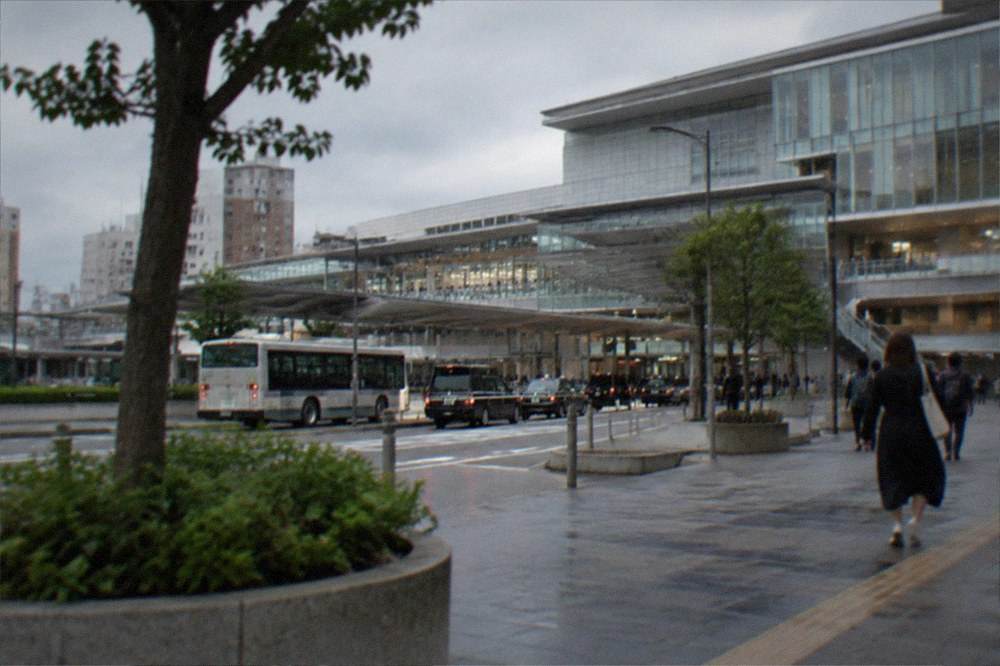
A half-day city essentials tour, from $74 per person and rated 4.9 from 48 reviews, is one way to see the station-to-sight geography demonstrated rather than explained: the guide walks the same exits you would use alone the next day, and the orientation sticks.
Should You Combine the Subway with a Guided Day Out?
Yes, and the combination is efficient: use the subway for the city and hand the longer legs to a tour. Fukuoka's best day trips, Motonosumi Shrine, Takachiho Gorge, Mount Aso and the Beppu hells, sit beyond any city pass, and a guided bus or van tour removes the transfer maths entirely. Inside the city, a two-hour private walking tour from $64 per person, rated 4.7 from 46 reviews, pairs naturally with a subway day pass.
The split that works for most visitors is two or three self-directed days on the subway, then one or two tour days for Kyushu's farther reaches. The subway gets you to the meeting point, usually Hakata Station or a central hotel lobby, and the tour handles everything past the city limits. That is also the pattern the Fukuoka private tours page is built around.
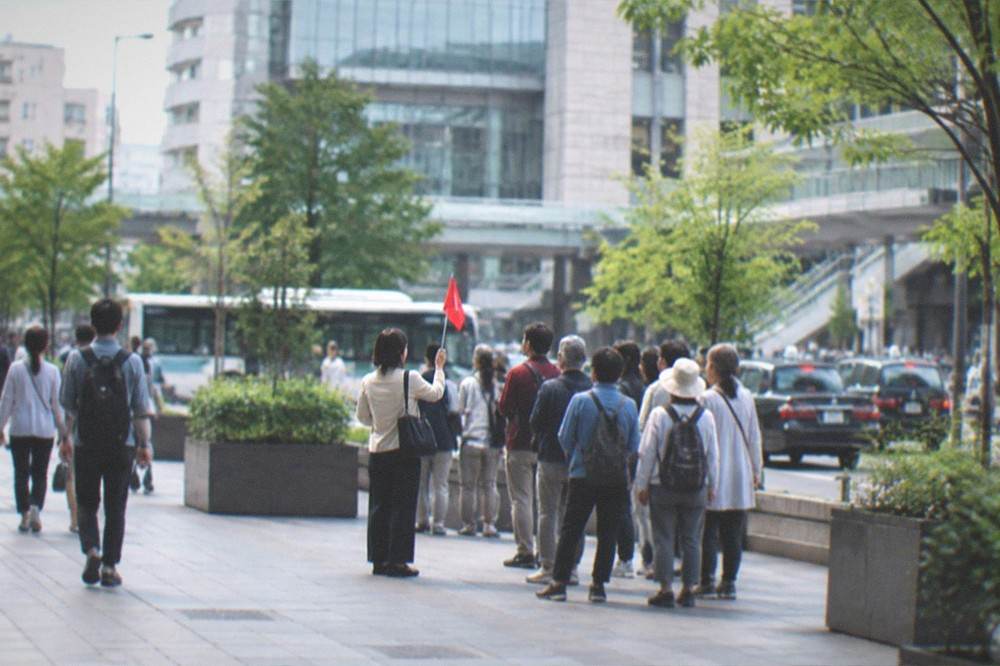
The subway is the skeleton of a Fukuoka trip, not the whole body. Three lines, a ¥640 ceiling on a day of riding, and an airport station at one end of the map: once those facts are in your head, the rest of the city arranges itself around them, and this Fukuoka Japan Travel Guide covers the districts, day trips and food walks that hang off each stop.
Common Questions About the Fukuoka Subway
Which Three Lines Make Up The Fukuoka Subway?
The Airport Line from Meinohama to Fukuoka Airport, the Hakozaki Line from Nakasu-Kawabata to Kaizuka, and the Nanakuma Line from Hashimoto to Hakata. The Airport Line carries most visitors, passing Ohori Park, Tenjin, Nakasu-Kawabata, Hakata and the airport.
How much is the subway from Fukuoka Airport to Hakata?
¥260 for an adult and ¥130 for a child, placing the trip in the 3 to 7 km fare band. The airport is unusually close to the city centre, and the subway is the cheapest way into town.
Is the Fukuoka subway one-day pass worth it?
At ¥640 for adults it pays off with three or more zone 2 rides in a day. A day that stays in one district is cheaper on single tickets.
Can I use Suica or another IC card on the Fukuoka subway?
Stored-value IC cards are accepted at the gates, and local cards exist for the subway, Nishitetsu and JR Kyushu. If your card does not tap, ticket machines sell single fares and day passes in English.
Does the subway go to Dazaifu?
No. Dazaifu is reached on the Nishitetsu railway from Tenjin, or through the Dazaifu version of the Fukuoka Tourist City Pass, which costs ¥2,800 with a passport check.
What time does the Fukuoka subway run until?
Trains run from early morning until around midnight, with the one-day pass valid from first to last train on the day of first use. Frequency drops late, so check the last train if you are out in Nakasu past midnight.