Tochoji Temple
Tochoji sits a few minutes from the noise of Nakasu, holding one of the largest indoor seated Buddha figures in Japan and a slice of Hakata history that costs nothing to walk into.
Short answer
Yes, Tochoji is worth visiting, and entry to the temple is free. It is a short walk from Gion or Nakasu-Kawabata subway stations in Hakata ward, it holds a very large seated wooden Buddha, and it combines naturally with Kushida Shrine, Jotenji Temple and the Kawabata arcade in a single half day.
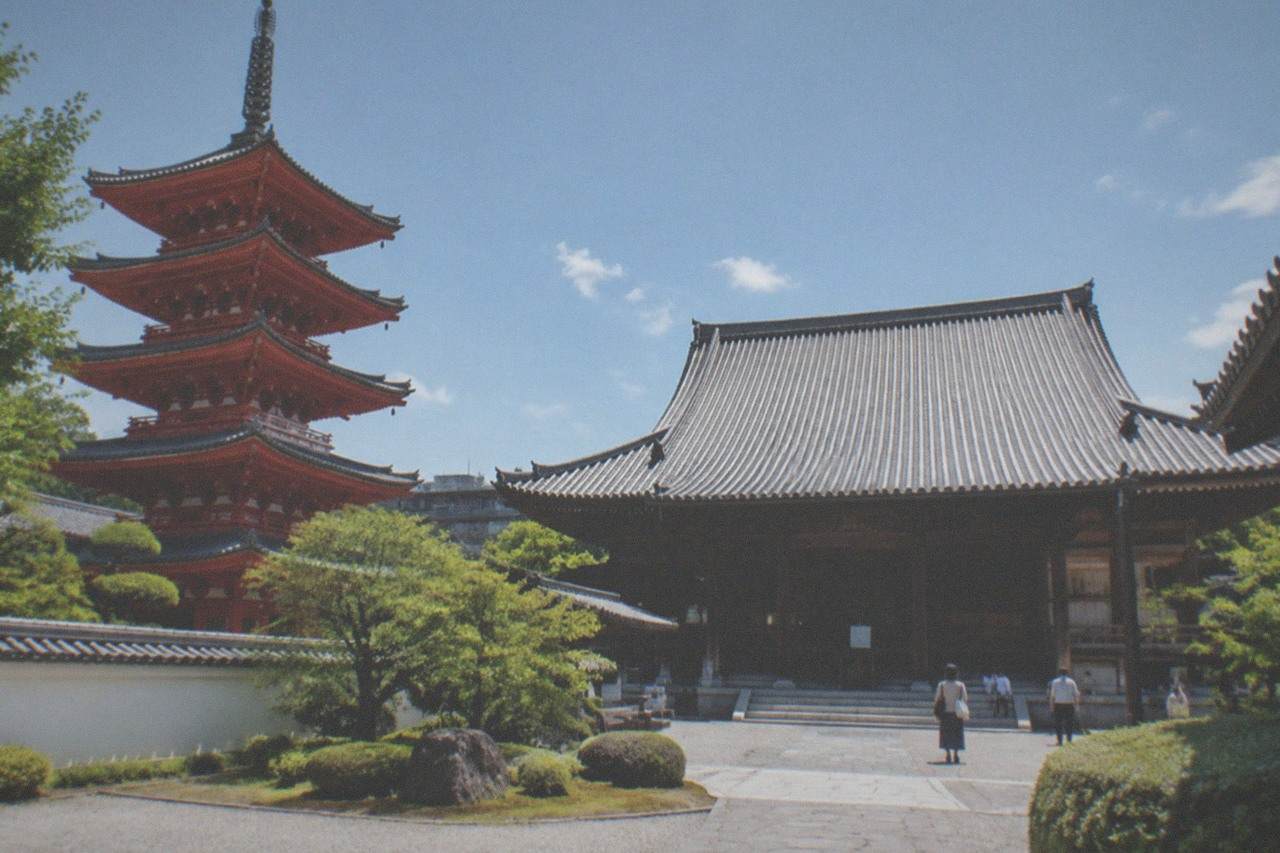
Tochoji is one of the quiet anchors of Hakata old town. The temple sits just inland from the Naka River, a few minutes on foot from Kushida Shrine and the Kawabata shopping arcade, and it is best known for the enormous seated Buddha that fills its main hall. Entry to the temple costs nothing, which surprises first time visitors who expect a heritage site of this weight to charge admission. Fukuoka's compact city core means you can reach it on foot from most Hakata hotels, and the temple pairs naturally with the surrounding old town in a single half day of walking.
The temple belongs to the Shingon school of Buddhism, the same tradition founded by Kobo Daishi, whose statue stands on the grounds alongside a memorial pagoda. The Fukuoka Daibutsu inside the Great Buddha Hall is the draw most people come for, and the hall's scale, with a richly decorated ceiling and walls, is as much a part of the experience as the figure itself. Around it, Hakata old town stretches in every direction, one of the few districts of central Fukuoka that survived the wartime destruction that erased so much of the city's older fabric.
What Is Tochoji Temple?
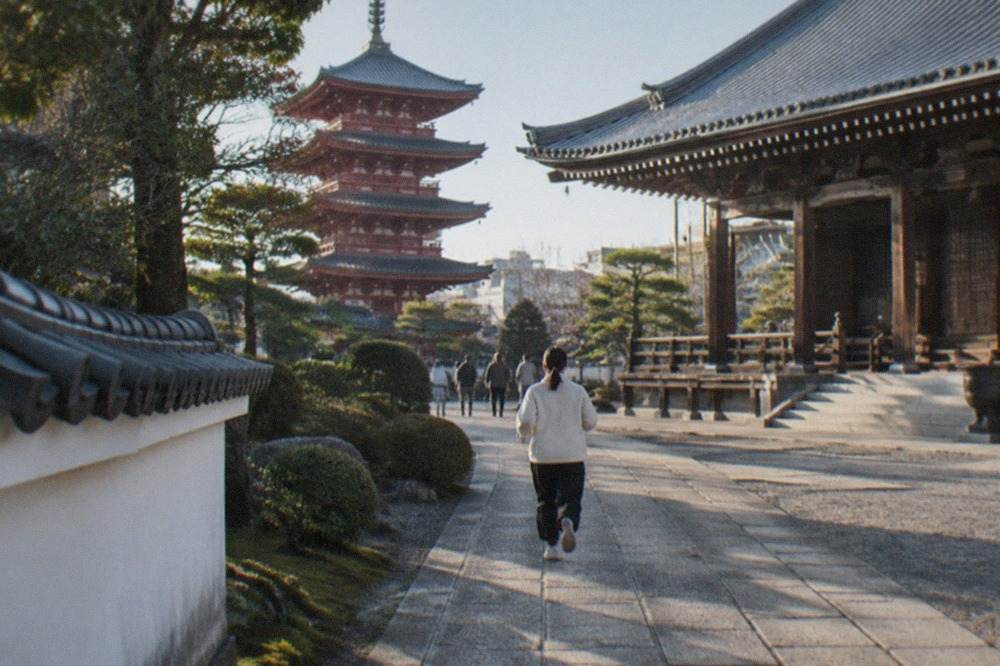
Tochoji is a Shingon Buddhist temple in Hakata ward, Fukuoka, best known as the home of the Fukuoka Daibutsu, a very large seated wooden Buddha, and as a temple associated with Kobo Daishi, the founder of Japanese Shingon Buddhism, whose statue and memorial pagoda stand on the grounds. Entry is free, the temple is genuinely old by Hakata standards, and it sits inside the small cluster of historic streets around Kushida Shrine that makes up Hakata old town.
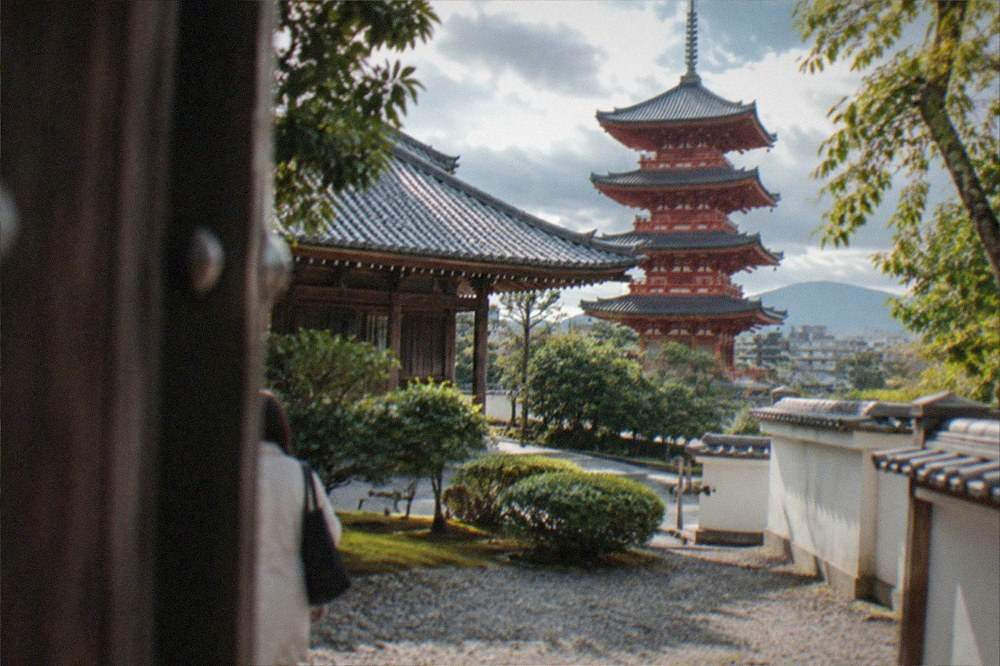
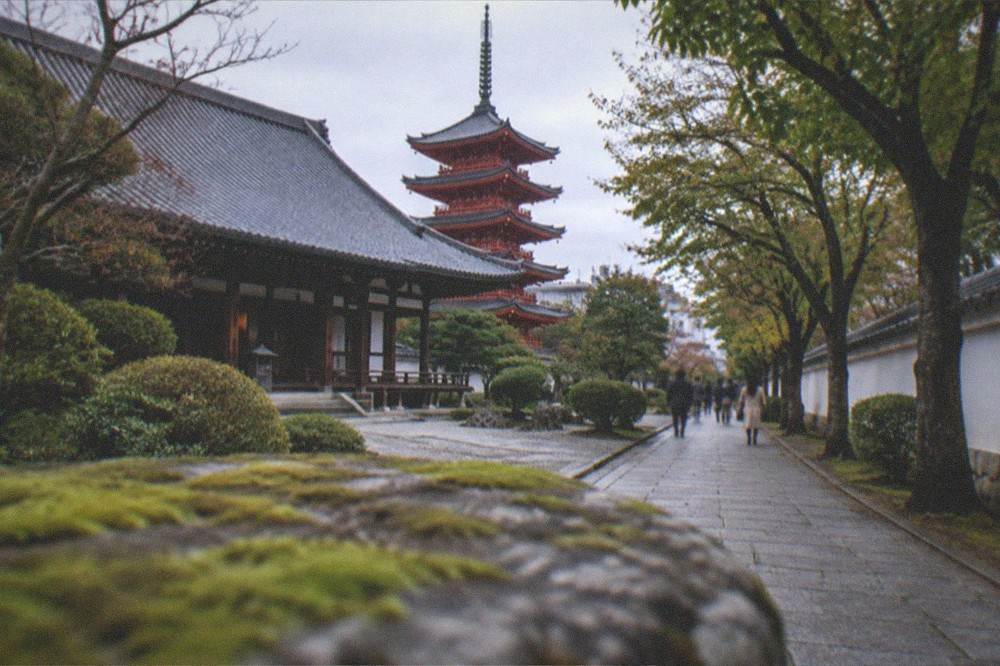
Hakata grew as a merchant port long before Fukuoka the castle town existed next to it, and the temples of this district are among the oldest religious institutions in the city. Tochoji's claim to great age is part of why it matters locally: this is not a modern reconstruction in a business district, it is a working temple embedded in a neighbourhood that has been continuously inhabited for centuries. The pagoda on the grounds is a memorial to Kobo Daishi, and pilgrims visiting on the Shingon circuit treat it as a serious stop rather than a photo opportunity.
The practical appeal for a visitor is simpler. The temple is small, walkable in a relaxed half hour, free to enter, and located in the one part of central Fukuoka where history is concentrated rather than scattered. You are not travelling to see it. You are walking past it on a route that already includes Kushida Shrine, Jotenji Temple and the shopping arcade, and it rewards the detour. The Fukuoka Japan Travel Guide covers the rest of that old town route in detail if you want to build the full walk around it.
One clarification worth making before anything else, because competitor guides get it wrong constantly: Hakata and Fukuoka are the same city. Hakata is the ward and the name of the main station, Fukuoka is the city that contains it, and Tochoji sits in that old merchant ward. Nothing in this article requires you to travel between two places, because there is only one place.
Is Tochoji Temple Worth Visiting?
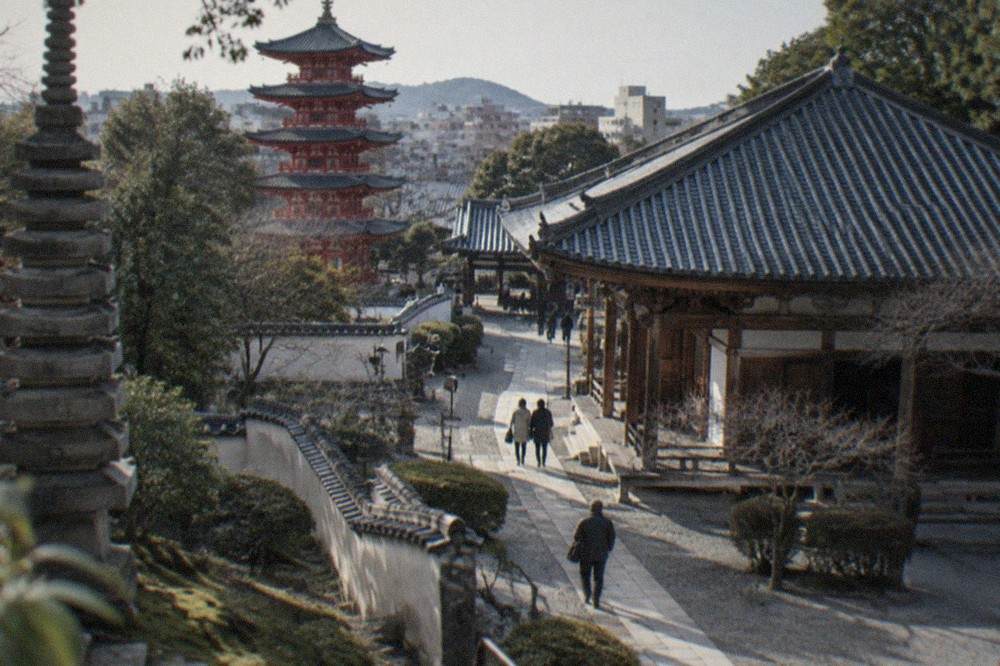
Yes, for most visitors it is worth visiting, provided you set expectations correctly. This is a free, compact temple with a genuinely impressive Buddha hall, best treated as a thirty minute stop inside a half day exploring Hakata old town. If you want a full morning of grand religious architecture you will be disappointed, but as a piece of the old town circuit it earns its place easily, and the Great Buddha alone justifies the walk from the subway station.
The honest framing matters here because reviews of small temples often suffer from mismatched expectations. Tochoji is not Dazaifu Tenmangu, which is a major pilgrimage destination with its own dedicated day trip culture, and it is not built around gardens the way Ohori Park is. It is a city temple. Its value comes from the Daibutsu, from the Kobo Daishi associations, and from the fact that it costs you nothing but a detour.
Where it becomes a clear yes is in combination. The walk from Gion station takes you past the edge of Kushida Shrine, through Jotenji Temple's gate, and into Tochoji within about fifteen unhurried minutes. A visitor doing that loop has seen the spiritual core of old Hakata without spending a yen on admission. That is a strong proposition for a free stop, and it explains why locals route visiting friends through this district rather than toward the paid towers.
The other honest consideration is time. If you have two days in the city, Tochoji slots into day one's old town walk without any planning. If you have one day, the temple competes directly with a full day tour into the rest of Kyushu, and some visitors should pick the tour. These three options below are the kinds of full day trips that fill that role, and they are the natural comparison point once the old town circuit is done.
How Do You Get to Tochoji Temple?
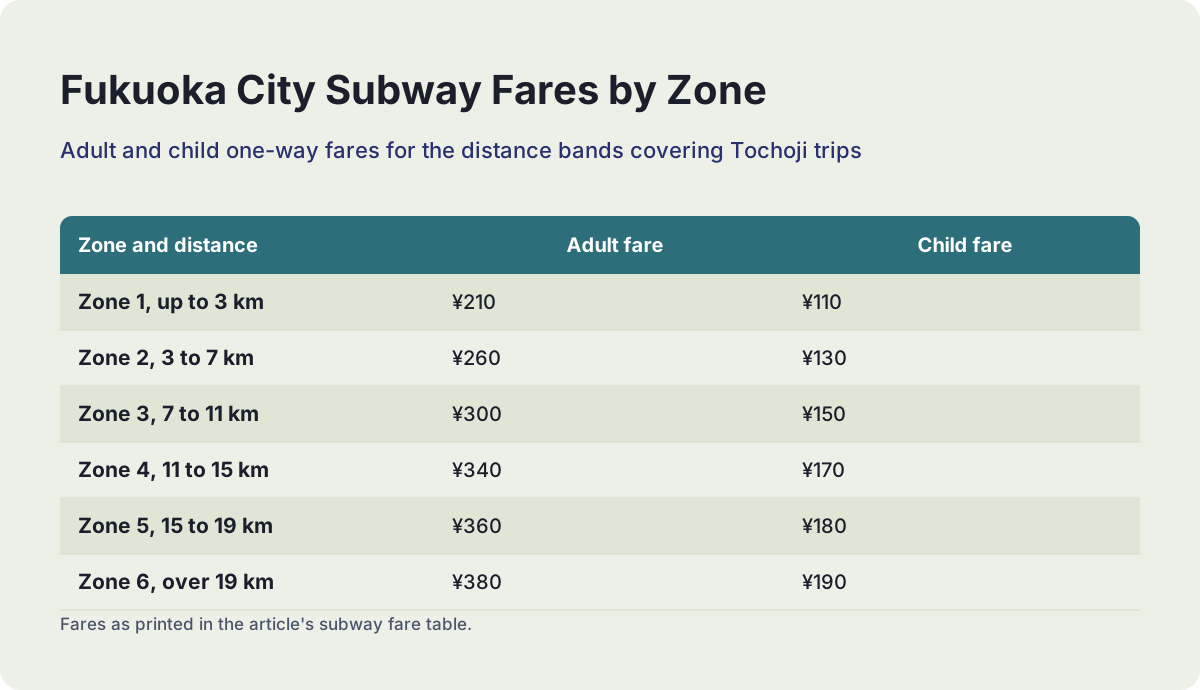
The simplest route is the Fukuoka City Subway to Gion station on the Hakozaki line, the closest stop to the temple, followed by a walk of a few minutes through Hakata old town. Nakasu-Kawabata station is also close and sits on the same line, one stop from Gion. An adult subway fare costs ¥210 to ¥260 for this distance depending on where you board, and Tochoji needs no transfers, no buses and no planning beyond picking the right station.
The Hakozaki line runs from Nakasu-Kawabata through Gion toward Kaizuka, and both stations serve the old town equally well. Gion is marginally closer for Tochoji itself, while Nakasu-Kawabata drops you right beside the Naka River and the yatai stalls, which is the better start if your route goes river first, temple second. Either way you are inside the ¥210 zone one fare band or just into the ¥260 band, per the city subway's published fare table on the official subway fare page.
| Journey on the Fukuoka City Subway | Adult fare | Child fare |
|---|---|---|
| Zone 1, up to 3 km | ¥210 | ¥110 |
| Zone 2, 3 to 7 km | ¥260 | ¥130 |
| Zone 3, 7 to 11 km | ¥300 | ¥150 |
| Zone 4, 11 to 15 km | ¥340 | ¥170 |
| Zone 5, 15 to 19 km | ¥360 | ¥180 |
| Zone 6, over 19 km | ¥380 | ¥190 |
Coming from the airport, the same subway network connects through to the Hakozaki line with a single transfer, and the airport to Hakata leg is a ¥260 fare within the official 3 to 7 km band. Fukuoka Airport is genuinely unusually close to the city centre, which is one of the reasons travellers like landing here, but this site does not print a minutes figure for that journey because no official page states one. What is verifiable is the fare and the fact that the Kuko line feeds directly into the network you will use all week.
If you plan a heavy day of subway hops around Tochoji, the temples and the waterside parks, the 1-day pass at ¥640 for adults pays for itself quickly. It covers all three lines, the Airport, Hakozaki and Nanakuma lines, from first train to last train on the day of use, and holders get partner facility discounts on the same day. For a single round trip to the old town, plain tickets are cheaper, so do the arithmetic for your own itinerary rather than buying the pass by reflex.
What Can You See Inside Tochoji Temple?
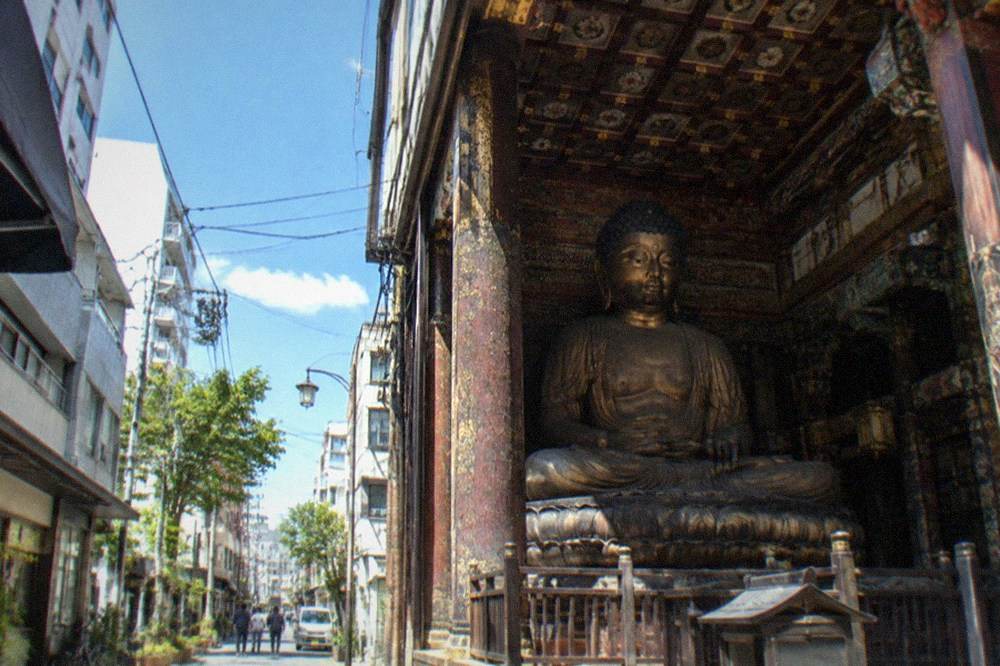
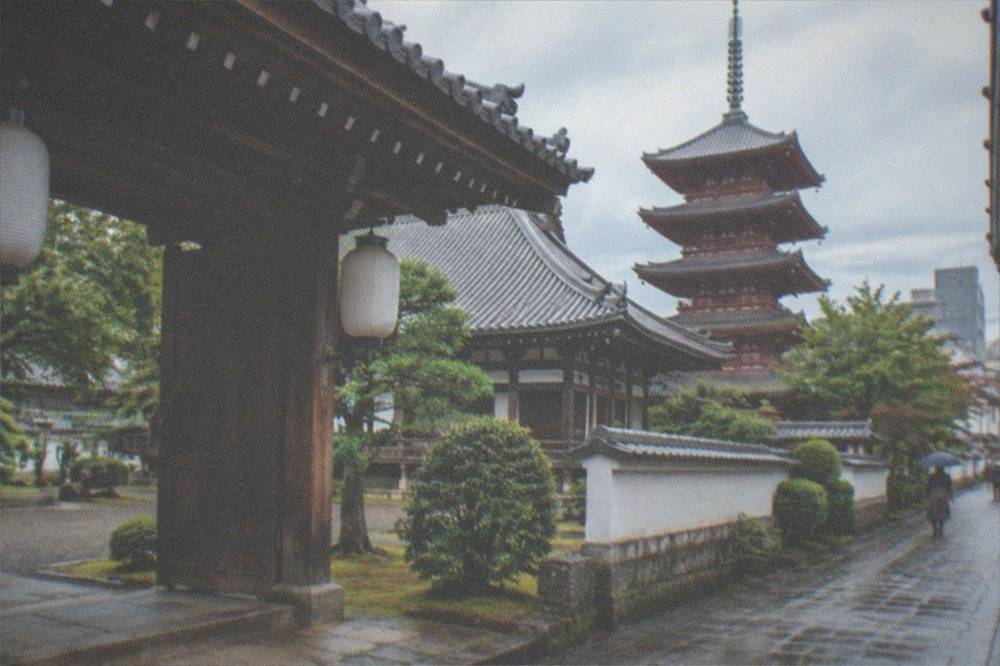
The main sight is the Fukuoka Daibutsu, a very large seated wooden Buddha that fills the Great Buddha Hall, alongside a richly decorated interior that rewards slow looking. Outside, the grounds hold a stone pagoda dedicated to Kobo Daishi, his statue, and the ordinary working fabric of a neighbourhood temple: gates, halls, incense and the trees around them. Entry to the temple is free, and you should budget a relaxed half hour rather than a rushed ten minutes.
The Great Buddha Hall is the moment most visitors remember. The figure dominates the room, and the hall around it carries painted and carved decoration on ceiling and walls, which is unusual for a city temple of this size. Photography rules inside religious halls vary by temple and by day, so follow the signage in the hall rather than assuming either way. The inner halls of Buddhist temples commonly shut to visitors slightly earlier than the grounds themselves, so aim for a midday or afternoon arrival rather than planning the visit for the last hour of daylight.
The pagoda outside is a quieter object but a meaningful one. Kobo Daishi is the single most important figure in Japanese Shingon Buddhism, and temples holding a memorial pagoda in his name attract a steady trickle of pilgrims alongside tourists. Watching that mix, devotees and sightseers sharing the same path, is part of what makes a working temple different from a museum piece. The temple also sits close to the streets where Hakata's merchant history is most visible, which you can read more about in the Hakata old town and temple walking routes covered elsewhere on this site.
What Tochoji does not offer is extensive gardens, large grounds or a museum. The comparison with the city's bigger sights is worth being blunt about, because it shapes what you should expect from the visit:
| Sight in central Fukuoka | What it offers | Admission |
|---|---|---|
| Tochoji | Seated Great Buddha, pagoda, old town setting | Free |
| Shofukuji | Zen temple grounds, Japan's first Zen temple claim | Free |
| Kushida Shrine | Hakata's guardian shrine, festival floats | Free |
| Ohori Park Japanese Garden | Designed strolling garden, pond and teahouse | ¥250 adult |
| Fukuoka Tower | 234 m tower, observation decks at 123 m and 116 m | ¥1,000 adult |
Note the pattern: nearly everything worth seeing in this city is either free or cheap, and the paid items are gardens, towers and museums. That makes Tochoji an easy inclusion, because the marginal cost of adding it to your day is the walk, not the ticket. Even the paid items on that list are modest by international standards, with the Ohori Park Japanese Garden at ¥250 for adults and the Fukuoka Tower at ¥1,000, so a full day of sightseeing in Fukuoka rarely costs what a single museum entry costs in other major cities.
How Does Tochoji Compare with Fukuoka's Other Temples?
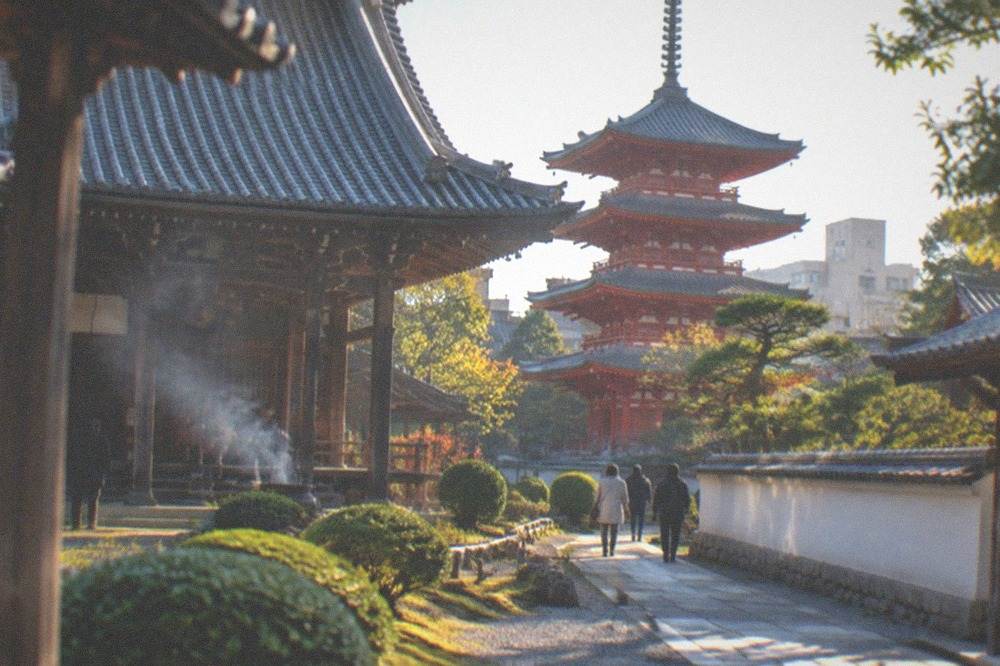
Tochoji is the Buddha temple of the set: its identity rests on the Daibutsu hall and its Shingon lineage. Shofukuji, a short walk west, is the Zen temple, quieter and less decorated, while Jotenji next door is the small neighbourhood temple most people pass through without noticing. All three are free to enter, all three sit inside the same few blocks, and the serious comparison is not which to visit but whether you will walk the full circuit.
Shofukuji carries the historical weight. It is associated with the founding of Zen Buddhism in Japan, which gives it a scholarly gravity that Tochoji's colourful halls do not attempt. Its grounds are free and its interiors are generally not the point; the gardens and trees are. Shofukuji Temple deserves its own unhurried visit rather than a rushed tag-on, though the two temples are close enough that a determined walker can manage both in one morning.
Jotenji, between the two, is the modest one. Its gate and grounds appear constantly in photos of Hakata old town because the streets around it are atmospheric, but the temple itself is a small presence. That is not a criticism. The three temples together give you a slice of what Hakata's religious life looked like across different schools and centuries, and you can walk the whole set without transport. Opening hours for Kushida Shrine, Tochoji and Shofukuji are not published on official English pages in a form this site can verify, so plan around daylight hours and check locally on the day, rather than trusting a single printed time from a search result.
If you want the biggest Buddha figure in the region rather than a seated one, the game changes entirely. The Nanzoin reclining Buddha lies in the eastern hills of the city, a full outing by train rather than a walk, and its scale dwarfs anything inside the old town. That is the honest trade: central Hakata gives you density, the outskirts give you spectacle, and a visitor with three days can reasonably do both.
For travellers who prefer a guide over self navigation, a half day walk with a local covers this whole circuit with context attached, and it is the format that suits visitors who do not want to read a guide's worth of temple history on their phone while standing in a temple hall.
What Else Is Near Tochoji Temple?
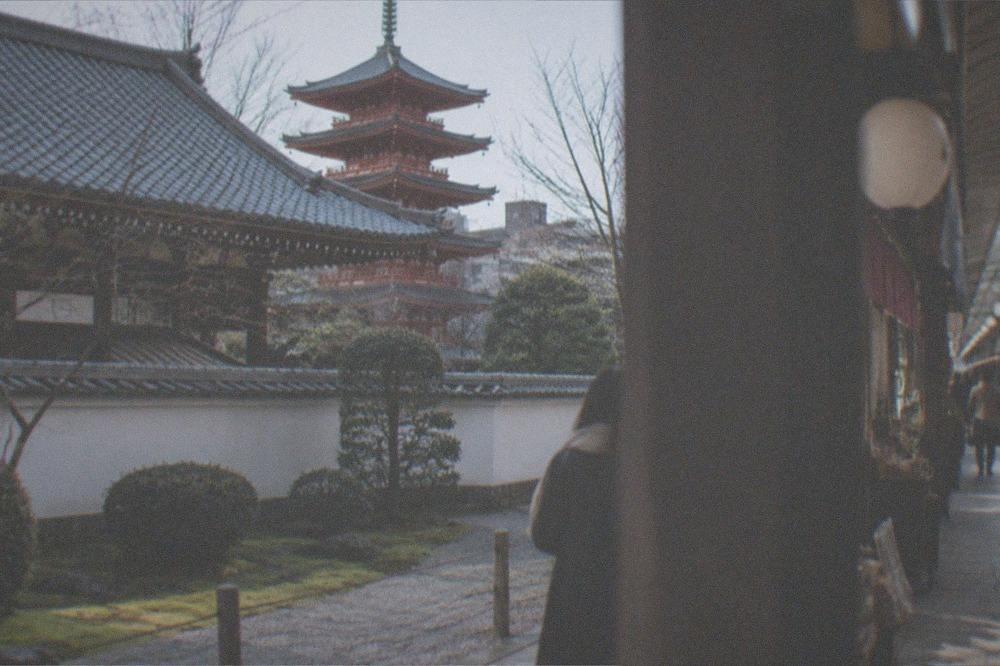
The old town walk around Tochoji packs Kushida Shrine, Shofukuji, Jotenji and the Kawabata shopping arcade into a compact loop you can finish in half a day, and the Naka River yatai stalls run along the eastern edge of it in the evenings. Everything on that list is free to enter except the museum and folk museum stops, and the whole district is flat, compact and walkable without transport.
Start with Kushida Shrine, Hakata's guardian shrine and the anchor of the district. The shrine grounds are free, and the festival floats displayed there connect directly to the Hakata Gion Yamakasa, the July festival whose teams race through these exact streets. From Kushida it is a couple of minutes to Jotenji's gate, then a few more to Tochoji, then west to Shofukuji, and the whole walk rarely exceeds fifteen minutes of actual movement between temples.
South of the temples, the Kawabata shopping arcade runs a covered stretch of old shops toward the river, one of the few traditional arcades left in the city centre, and the Yanagabashi market sits at its river end. North along the Naka River, the Nakasu entertainment district and its yatai stalls take over after dark. The city counts about 100 licensed yatai across Fukuoka, and the riverside row near Nakasu is the most photogenic of them, though the stalls are weather sensitive and open at each operator's discretion rather than to a fixed schedule.
The river edge is where the evening half of the district lives. Yatai stalls set up along the Naka from late afternoon, with the city's road occupancy rules permitting stall operation from 17:00 into the small hours of the next morning, though individual stalls open and close at their own discretion and rain closes many of them. If your temple day ends at Tochoji around dusk, the walk back toward Nakasu-Kawabata station takes you right along the stall row, which is the natural end to this route. More on the stalls themselves, including etiquette and how the price rules work in practice, is in the Fukuoka yatai guide and the etiquette page on this site.
For visitors who would rather have a local walk them through the district's food and history in one guided pass, a private walking format exists for exactly this, and it fits neatly into the same half day:
When Is the Best Time to Visit Tochoji Temple?
Morning through mid afternoon is the best window for Tochoji, because inner Buddhist halls commonly close to visitors earlier than the grounds and the surrounding old town shops shut in the early evening. Spring and autumn are the most comfortable seasons for the walk, with cherry blossom typically arriving in late March and autumn colour peaking mid to late November into early December, and both seasons cost nothing extra at this temple.
The practical constraint is that the Great Buddha Hall is the whole point of the visit, and it is the part of the temple most likely to have a shorter daily window than the grounds. Plan the temple for the middle of the day and leave the river stalls and Nakasu nightlife for after dark, and you have used the district the way it is actually laid out. The Kawabata arcade shops and the temple neighbours keep conventional daytime hours, so a late afternoon arrival risks finding the walk atmospheric but the interiors finished.
Seasonally, the JMA's 1991 to 2020 normals for Fukuoka put March at a 10.8 °C mean and November at 14.2 °C, which makes spring and autumn the comfortable walking months, and you can see the full monthly breakdown on the JMA normals page. One fact that surprises visitors: July, not June, is Fukuoka's wettest month in the official normals, 299.1 mm against June's 249.6 mm, even though June carries the rainy season label. July is also the month the Hakata Gion Yamakasa takes over these streets, which makes it dramatic but crowded and wet. Typhoon season runs roughly July through October, and neither it nor the June rains make the city unvisitable, they just make an umbrella the better packing choice.
Winter is the underrated option. The Fukuoka in winter guide covers the season in full, but the short version is that the old town is quieter, the yatai soup stalls feel earned rather than picturesque, and the December mean of 9.1 °C is mild by Japanese winter standards. Tochoji's indoor hall is also, bluntly, a good rainy day stop, since the main sight is inside. If the weather forces you indoors mid trip, the temple, the Fukuoka Art Museum at Ohori Park and the Asian Art Museum make a workable rainy day trio.
Should You Combine Tochoji with a Day Trip Beyond Fukuoka?
Yes, if you have three or more days, because the old town circuit only fills a half day and the rest of Kyushu is unusually reachable from Hakata. Dazaifu and Yanagawa are easy half day additions, while Yufuin, Beppu, Mount Aso and Takachiho are full day trips from the city, and the JR and Nishitetsu networks put all of them within range without a car. The combination that works best is the temples on day one, a full day tour on day two.
The geographic fact that makes this work is that Fukuoka sits on Hakata Bay on the Genkai Sea side of northern Kyushu, facing the Asian continent, which is why the city grew as a port in the first place. Everything inland from it, the volcanoes, the onsen towns and the gorges, is a day trip network that most Japanese cities would envy. A visitor who only sees the old town temples and heads home has seen maybe a tenth of what the region offers.
The trade-off is time. Takachiho gorge alone runs about eleven hours as a tour day, and the Beppu and Yufuin circuits run ten. That is a full day committed, so the honest advice is to do the free old town circuit first, confirm the city suits you, then spend a day on the bigger excursion. These three tours are the natural picks for that second day:
Common Questions About Tochoji Temple
Is Tochoji Temple Worth Visiting?
Yes, for most visitors. It is free to enter, holds the Fukuoka Daibutsu, one of the largest seated wooden Buddha figures in Japan, and sits inside Hakata old town within a short walk of Kushida Shrine, Jotenji Temple and the Kawabata arcade. Treat it as a half hour stop inside a half day old town walk rather than a standalone destination.
How much does it cost to enter Tochoji Temple?
Entry to the temple is free. The temple grounds, the Great Buddha Hall and the pagoda are all free to visit, which is consistent with most temples and shrines in central Fukuoka. The paid sights nearby are gardens, towers and museums, not temples.
How do I get to Tochoji Temple?
Take the Fukuoka City Subway to Gion station on the Hakozaki line, which is the closest stop, or Nakasu-Kawabata station one stop away. The fare is ¥210 to ¥260 for an adult depending on the boarding point within the city centre, and the walk from either station is a few minutes through the old town. No transfers or buses are needed from anywhere on the subway network with one change of line.
What are Tochoji Temple's opening hours?
This site does not publish opening hours for Tochoji, because no official English page states them in a form that can be verified. Plan around daylight hours, aim for midday or mid afternoon since inner Buddhist halls commonly close to visitors earlier than the grounds, and check locally on the day of your visit rather than trusting a single printed time from a search result.
What is the Fukuoka Daibutsu?
The Fukuoka Daibutsu is the very large seated wooden Buddha that fills Tochoji's Great Buddha Hall and is the temple's main attraction. The hall around it carries decorated ceiling and wall work that rewards slow looking, and it is the single sight most visitors remember from the temple.
Can you combine Tochoji with other sights in one day?
Yes, easily. Kushida Shrine, Shofukuji, Jotenji and the Kawabata arcade all sit within a few minutes' walk of Tochoji, forming a compact old town loop you can finish in half a day, and the Naka River yatai stalls take over the eastern edge of the district after dark. A full day adds Ohori Park or the bay area by subway.