Tokyo to Fukuoka
Every route from Tokyo ends at the same place: Hakata Station, the main station of Fukuoka, a single compact city on Hakata Bay. Here is how to choose between flying and the train, what the arrival costs, and what to do with the days after.
Short answer
Tokyo to Fukuoka means a flight into Fukuoka Airport or a shinkansen ride that terminates at Hakata Station, the city's main station: Hakata and Fukuoka are one city, not two. The airport subway into Hakata costs ¥260 and a one-day subway pass costs ¥640. Of Japan's two biggest metro areas, Osaka is the closer starting point.
Every long-distance route from Tokyo ends at the same address: Hakata Station. There is no JR Fukuoka Station, because Hakata is a ward of Fukuoka and the station carries the ward's name, and the city around it sits on Hakata Bay, on the Genkai Sea side of northern Kyushu. Hakata and Fukuoka are the same city, not two places you travel between, and getting that straight before you book is the single most useful thing this page can do for you. The rest is choosing how to cross western Japan, what the arrival costs, and what to do with the days that follow.
Which Is Closer to Fukuoka, Tokyo or Osaka?
Osaka is closer, and by a wide margin. Fukuoka sits on Hakata Bay on the Genkai Sea side of northern Kyushu, so every route from Japan's two biggest metro areas runs west along the same rail corridor, and Osaka is simply the earlier stop on it. Trains from Tokyo terminate at Hakata Station, which is Fukuoka's main station: there is no JR Fukuoka Station, because Hakata and Fukuoka are the same city.
Geography does most of the explaining here. Tokyo anchors the Kanto plain at the eastern end of Honshu; Osaka sits at the western end, within reach of the Kyushu rail lines that run down to Hakata. A traveller starting in Osaka has already crossed the mountainous middle of the country, while a traveller starting in Tokyo still has all of it ahead. If your itinerary allows a choice of entry city, the comparison pages on Fukuoka versus Osaka and Fukuoka versus Tokyo break down what each pairing offers beyond raw distance.
That said, plenty of visitors start in Tokyo, and the trip is a normal, well-served one rather than an expedition. The full answer, including the reasoning and the common mistakes, lives in Which Is Closer To Fukuoka, Tokyo Or Osaka?, and there is a separate planning guide for the Osaka to Fukuoka run if that is your actual starting point.
How Do You Get from Tokyo to Fukuoka?
There are three practical ways: fly into Fukuoka Airport (FUK) and ride the subway into the centre, take the shinkansen all the way to Hakata Station, or ride a highway bus into the Hakata Bus Terminal. All three finish inside the same compact city, and none of them requires a transfer to a second urban area. The decision is really about budget, luggage and how much of Honshu you want to see from a window.
Fukuoka Airport is unusually close to the city centre for a major Japanese airport, which is a genuine, sourced advantage and the reason the flight option lands softer than it does in Tokyo or Osaka. The international and domestic terminals are linked by a free shuttle bus, and the airport's own access page states the shuttle takes about 10 minutes, so a connection between terminals is a small chore rather than a panic. From the domestic side, the city subway runs straight into town. For the details of that last leg, the step-by-step guide to Fukuoka Airport to the city covers ticket machines, IC cards and the airport station itself, and the broader Fukuoka Airport guide covers terminals and facilities.
| Option | Where it delivers you | What you sort out first |
|---|---|---|
| Flight to FUK | Fukuoka Airport, on the subway's Kuko line | Terminal transfer, then a ¥260 subway ride to Hakata |
| Shinkansen | Hakata Station, Fukuoka's main station | Nothing: you arrive in the city centre |
| Highway bus | Hakata Bus Terminal, next to the station | Luggage tags at boarding, usually |
The rail route is the one most visitors picture: a seat on a bullet train, a corridor of Honshu sliding past, and a final arrival in the heart of the city with no transfer at all. The bus is the slow, cheap-looking option, though its price advantage has narrowed as Japanese transport costs have risen generally. Between the two, the train buys you the city of Fukuoka from the moment you step off, which matters more than it sounds when you are carrying everything you own for the trip.
If arriving with a plan already in hand appeals to you, these three services cover the practical first hours in the city, from the airport doorstep to the first evening and the first day trip out.
Flying or Taking the Train from Tokyo: Which Suits You?
Flying suits tight schedules and anyone connecting through another Japanese airport, because Fukuoka Airport sits unusually close to the centre on the subway's Kuko line. The train suits travellers who want to arrive walking-distance from their hotel, watch Honshu go by, and skip every airport process. Cost decides it for many people, and on that front the two options trade blows depending on how far ahead you book.
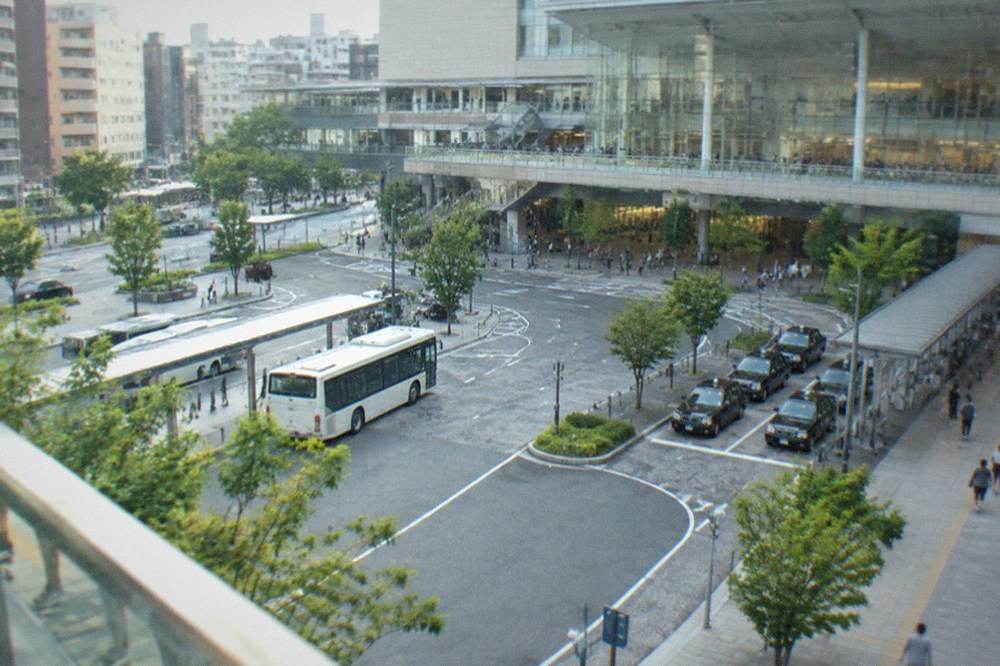
The honest case for the flight is the shape of the day. You leave Tokyo in the morning and are in the middle of Fukuoka before lunch, with the airport leg at the end reduced to a single subway ride. The airport-to-Hakata fare is ¥260, which falls in the official 3 to 7 km fare band of the city subway, and the airport's own access information is the place to confirm anything terminal-specific before you fly. Competing guides love to quote a journey time in minutes for that subway leg; no official page verifies one, and this site will not print an unverified number.
The honest case for the train is the arrival. The shinkansen terminates at Hakata Station, which puts you inside the city from the first step: the subway, the bus terminal, the Nakasu entertainment district and a good share of the city's hotels are all within a short walk or a couple of stops. There is no second leg to plan, no terminal shuttle, and no anxiety about a domestic connection. For anyone whose trip includes stops along the way, the train also wins on flexibility, since you can break the journey in Osaka or Hiroshima without repricing the whole itinerary.
For travellers who land tired, or with children, or at an unfamiliar hour, there is a third small decision: how to cover the last kilometres from the airport to the hotel door. A private arrival transfer meets you inside the airport and takes you to your accommodation in the city, running from $149 per person for a vehicle booked to your flight, and it is rated 5 from a small pool of 2 reviews, so treat the score as an early signal rather than a verdict. It covers 30 minutes to an hour of driving, which is the honest span of any airport-to-city run in Fukuoka.
The public alternative needs no booking at all. The subway runs from the airport through Hakata to Tenjin and beyond, IC cards such as Suica and PASMO are accepted on it, and a single fare anywhere in the central zones costs no more than a few hundred yen. Between the two, the private transfer is a comfort purchase, not a necessity, and the subway is what most arrivals actually use.
Where Does the Shinkansen Arrive in Fukuoka?
Every shinkansen from the east terminates at Hakata Station, and that station is Fukuoka's main station. There is no JR Fukuoka Station anywhere in the city: Hakata is the historic ward name, Fukuoka is the city, and the two refer to one place. Visitors who plan a leg "from Hakata to Fukuoka" have invented a journey that does not exist.
This is the error that quietly wrecks more Tokyo-to-Fukuoka itineraries than any other, and it deserves a few lines of plain correction. Hakata was a merchant town; Fukuoka was the castle town beside it; the two merged centuries ago into the modern city, and the station kept the older name while the city kept the newer one. So a hotel "in Hakata" and a hotel "in Fukuoka" are both hotels in the same city, generally a few minutes apart by subway. The practical station guide, covering the ticket gates, the subway interchange, the bus terminal and the eating floors upstairs, is the Hakata Station area guide.
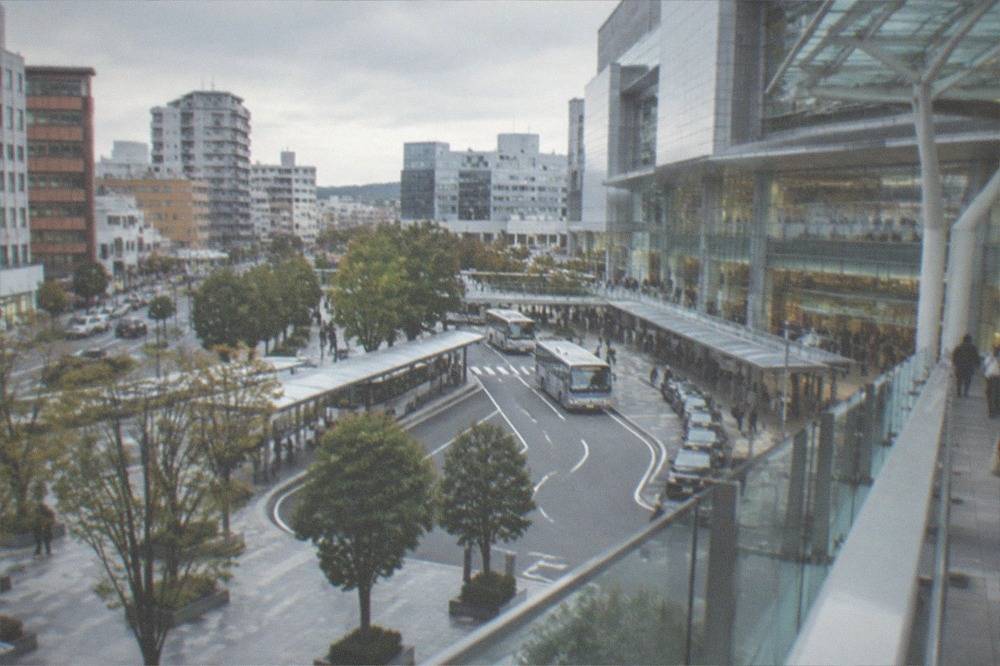
Once the naming is straight, the station itself is easy. The shinkansen platforms sit on the eastern side, the city subway connects on the same footprint, and the bus terminal attached to the complex is the departure point for day trips down the Kyushu coast. Arriving by bullet train therefore costs you nothing in planning: you walk off into the middle of the destination.
How Much Does Local Transport Cost Once You Arrive?
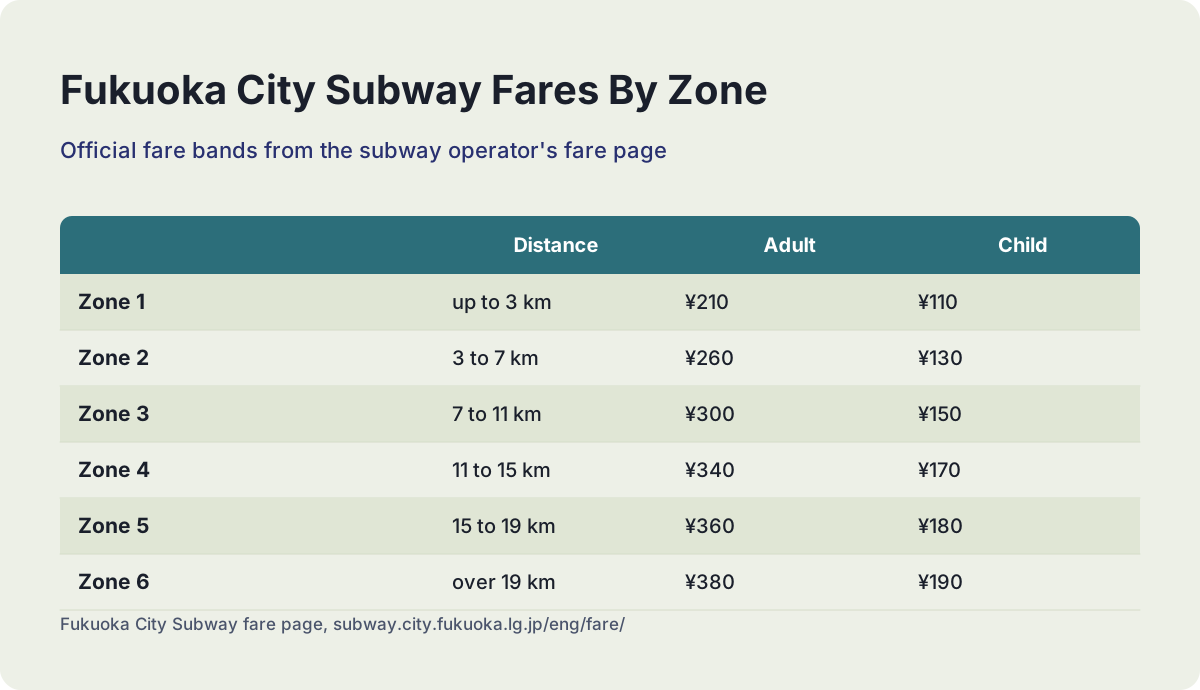
The city subway charges by distance, from ¥210 for up to 3 km to ¥380 beyond 19 km, with children at half fare. A one-day subway pass costs ¥640 and covers all three lines. Overseas visitors on a short-stay visa can buy the Fukuoka Tourist City Pass for ¥2,500, or ¥2,800 with Dazaifu included, but a passport is checked at the counter, so bring it.
The zone table below is the official one from the subway operator, published on the Fukuoka City Subway fare page, and it is the only fare table you need for travel inside the city. The airport leg into Hakata sits in the ¥260 band, and most tourist movements, Hakata to Tenjin, Tenjin to Ohori Park, stay in the two lowest bands.
| Zone | Distance | Adult | Child |
|---|---|---|---|
| 1 | up to 3 km | ¥210 | ¥110 |
| 2 | 3 to 7 km | ¥260 | ¥130 |
| 3 | 7 to 11 km | ¥300 | ¥150 |
| 4 | 11 to 15 km | ¥340 | ¥170 |
| 5 | 15 to 19 km | ¥360 | ¥180 |
| 6 | over 19 km | ¥380 | ¥190 |
Beyond single fares, three passes matter. The subway day pass is sold at station machines and at the tourist information desks in Tenjin, Hakata Station and the airport, and it pays for itself after roughly three rides. The Nishitetsu bus day pass covers the city bus network. The Fukuoka Tourist City Pass is the interesting one: it bundles subway, Nishitetsu trains and buses, some JR lines and ferries for a day, at ¥2,500 for the city or ¥2,800 with Dazaifu added, and it is restricted to overseas visitors on short-stay entry, with a passport checked at purchase. Plenty of guides still quote prices from an older era; the figures here are the current official ones.
| Pass | Adult | Child | What it covers |
|---|---|---|---|
| Subway 1-day pass | ¥640 | ¥320 | All three subway lines, first to last train |
| Nishitetsu bus 1-day pass | ¥1,200 | ¥600 | City buses within Fukuoka |
| Fukuoka Tourist City Pass | ¥2,500 | ¥1,250 | Subway, Nishitetsu, some JR, ferries; passport check |
| City Pass, Dazaifu version | ¥2,800 | ¥1,400 | As above, plus Nishitetsu coverage to Dazaifu |
For moving beyond the city, the Fukuoka subway guide and the general getting around Fukuoka page carry the detail, and the JR Kyushu rail pass guide is worth reading before any multi-stop Kyushu itinerary. Note one trap the official pages make clear: the Sanyo Shinkansen between Hakata and Kokura is a JR West line and sits outside JR Kyushu's own passes.
What Should You Do on Your First Evening in Fukuoka?
Eat at a yatai. Fukuoka runs about 100 licensed food stalls, more than any other Japanese city, and a city ordinance requires every stall to display its prices where customers can see them, with anything priced on the day's market shown at that day's actual figure rather than a vague "market price". The stalls cluster in Nakasu, Tenjin and Nagahama, open from early evening into the small hours.
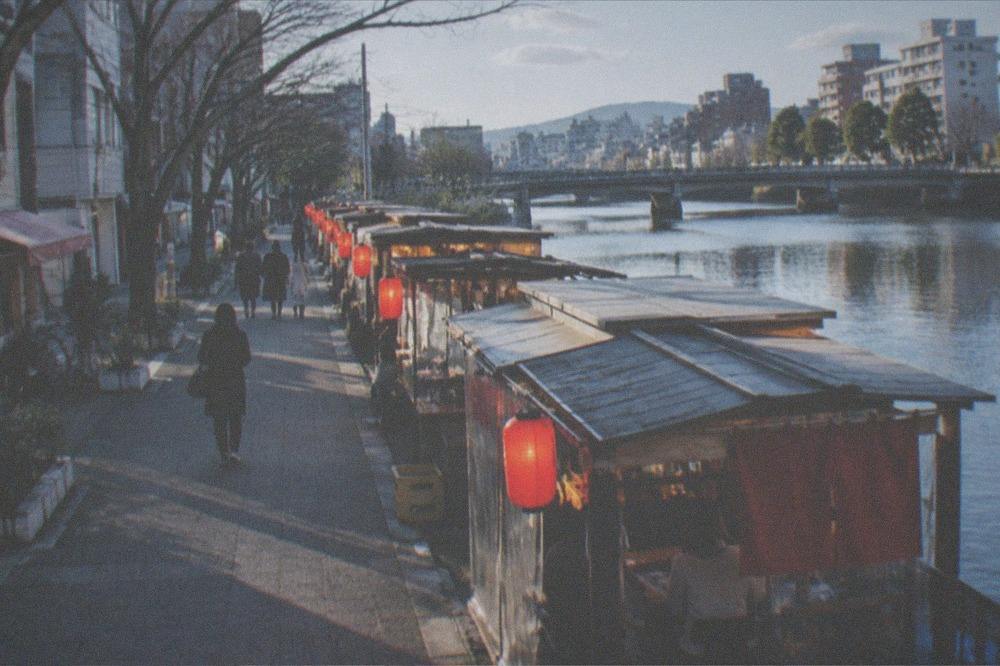
The price-display rule is worth dwelling on, because it answers the question every first-timer actually has: will I be overcharged at a stall with a foreigner's face? No. The ordinance exists, city inspectors check periodically, and any dish whose cost varies with the market must show the day's real price. The rule is published on the city's own yatai Q&A page. The honest planning advice is different from what most guides give: bring cash, because acceptance of cards and QR payment varies stall to stall, expect a seat squeezed in beside strangers, and go early in the evening, because rain and strong wind close a lot of stalls and nothing is guaranteed. The dedicated Fukuoka yatai guide maps the three areas, and the wider Fukuoka food guide covers tonkotsu ramen, motsunabe and mentaiko, the dishes the city is known for.
The first evening has a second act if you have the energy. Fukuoka Tower stays open until 22:00, with last admission at 21:30, and admission is ¥1,000 for adults, ¥500 for elementary and junior high students and ¥200 for children four and over. A skip-the-line admission ticket is sold from $7 per person, rated 5 from a single review, so read that rating as one happy customer rather than a consensus, but the ticket itself is a genuine time-saver on busy evenings. From the 123-metre deck the whole of Hakata Bay and the city you have just crossed a country to reach are laid out together. The city's full viewpoint list, including free ones, is in the Fukuoka viewpoints guide.
One practical note for the evening: the tower's deck is the classic end-of-day stop, but Nakasu and the riverside stalls are close enough to combine on foot if you would rather not commit to a set order. The Fukuoka nightlife guide lays out how the districts connect after dark.
When Is the Best Time to Make the Trip?
Late autumn and spring are the comfortable windows, but the surprise in the official data is the rain: July is Fukuoka's wettest month at 299.1 mm, wetter than June's 249.6 mm even though June is the tsuyu rainy season. Typhoon season runs roughly July through October, so late-summer travellers should hold flexible plans rather than a rigid schedule, without treating either season as a reason not to come.
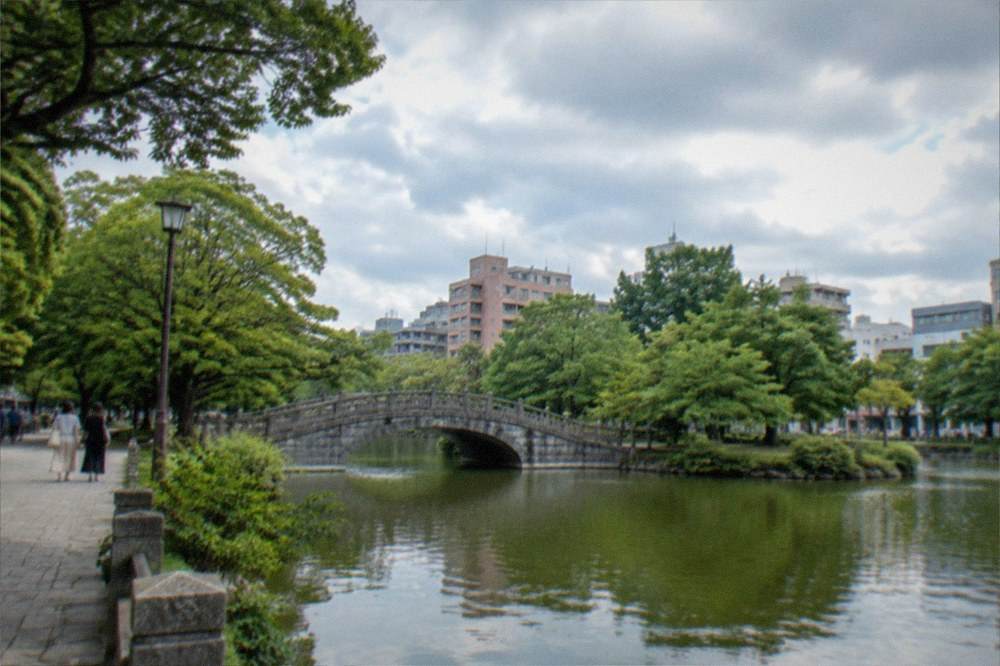
The table below is drawn from the Japan Meteorological Agency's 1991 to 2020 normals for the Fukuoka station, and it quietly contradicts the received wisdom that June is the month to avoid and July the month to embrace. July carries the Yamakasa, the city's great float festival, and it also carries the heaviest rain of the year. August, by contrast, is hotter, drier than either early-summer month, and the second sunniest month of the year after May.
| Month | Mean °C | Rain mm | Sunshine hours |
|---|---|---|---|
| May | 19.9 | 133.7 | 204.1 |
| June | 23.3 | 249.6 | 145.2 |
| July | 27.4 | 299.1 | 172.2 |
| August | 28.4 | 210.0 | 200.9 |
| October | 19.6 | 94.5 | 175.9 |
| November | 14.2 | 91.4 | 137.3 |
The planning pages that go with this are the best time to visit Fukuoka and the Fukuoka weather guide, which break the year down month by month.
That last item is a story worth retelling at the castle itself. The city tripled the excavation area in 2026 after the document surfaced, and whether the "phantom keep" ever stood is still an open question. The closure is temporary and expires at the end of December 2026, so check before you build an itinerary around climbing it.
What Day Trips Can You Add Around a Fukuoka Stay?
Dazaifu, Yanagawa, Itoshima, Nokonoshima and Shikanoshima are easy day trips from the city, close enough to feel like half-day outings. Yufuin, Beppu, Mount Aso, Takachiho, Kumamoto and Nagasaki are full days, and should be planned as such. The dividing line is real: booking a full-day destination into a half-day slot is the classic way to end a Kyushu itinerary exhausted.
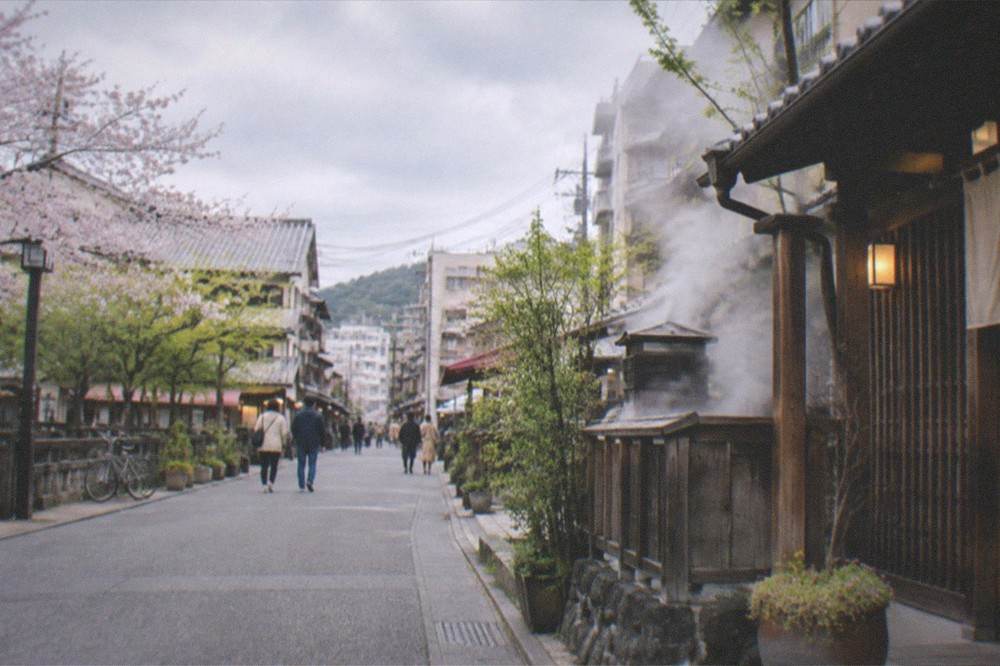
Dazaifu is the headline: the Tenmangu shrine has no entrance fee, its grounds open early in the morning, and the whole town sits a short train ride from Tenjin. Yanagawa adds canal boats, Itoshima adds a coastline of beaches and oyster shacks, and Nokonoshima is a ferry hop to an island park in the middle of the bay. The pattern across all of them is that Fukuoka works as a base: you sleep in one place and radiate outward.
| Destination | Trip length | What it is known for |
|---|---|---|
| Dazaifu | Easy day trip | Tenmangu shrine, approach street, no entrance fee |
| Yanagawa | Easy day trip | Canal boats through the old town |
| Itoshima | Easy day trip | Coastal scenery, beaches, seafood |
| Nokonoshima | Easy day trip | Island park a ferry ride from the city |
| Yufuin and Beppu | Full day | Hot spring towns, the Beppu "hells" |
| Nagasaki | Full day | History, harbour, a long round trip |
Beppu and Yufuin reward a booked seat rather than a self-drive gamble, since the trains are slow and the roads are unfamiliar. A day tour from Fukuoka covering the Beppu hot springs, the frog temple Nyoirinji and Yufuin runs from $96 per person, rated 4.4 from 106 reviews, over about 10 hours, which tells you honestly what kind of day it is: a full one, with the driving handled. The broader picture of the island beyond the city, including the rail-pass maths for stringing several of these together, is in the Kyushu overview.
Where Should You Stay After the Long Ride from Tokyo?
Hakata is the practical first-night choice: the shinkansen, the subway, the bus terminal and the airport link all converge there, so an arrival-day hotel near the station removes every transfer from a long travel day. Tenjin is the alternative, closer to the eating and shopping districts and a few subway stops inland. Neither is a wrong answer, and the two areas are minutes apart, not hours.
The distinction matters mainly on the first evening and the last morning. In Hakata you trade a slightly more businesslike streetscape for the ability to roll off a train and walk to your room, and to reach the airport without a connection when the trip ends. In Tenjin you wake inside the city's best dining cluster, with the underground mall and the Daimyo side streets on the doorstep. The full breakdown of districts, price characters and family-specific advice is in where to stay in Fukuoka, and there is a dedicated angle in the Fukuoka with kids guide if children are part of the plan.
Travelling with children changes the calculus toward Hakata more than most guides admit: a station-side hotel means a tired child is indoors within minutes of arrival rather than facing a second leg across the city. Solo travellers usually lean the same way for the same reason, though the food-tour options in the Fukuoka food tours guide give Tenjin evenings a strong counterweight.
Whatever the base, the shape of a Tokyo-to-Fukuoka trip ends up the same: one long crossing, then a compact city that rewards walking, a base for day trips, and a food culture that starts at stalls you cannot book and do not need to. For planning the whole stay around that arrival, this Fukuoka Japan Travel Guide is the parent page, with itineraries from one day to five and every district broken out on its own.
These three services close the loop: the transfer that handles the airport, the ticket that handles the first evening, and the day tour that handles the first excursion.
Common Questions About Tokyo to Fukuoka
Which Is Closer To Fukuoka, Tokyo Or Osaka?
Osaka is closer. Fukuoka sits on Hakata Bay at the northern tip of Kyushu, so routes from both cities run west along the same corridor and Osaka is the earlier stop on it. All shinkansen from either direction terminate at Hakata Station, Fukuoka's main station, since there is no JR Fukuoka Station and Hakata and Fukuoka are the same city.
How Do You Get From Fukuoka Airport To Hakata?
Take the city subway's Kuko line from the airport station. The fare to Hakata is ¥260, which sits in the official 3 to 7 km fare band, and children pay half. Fukuoka Airport is unusually close to the city centre for a major Japanese airport. A journey time in minutes is often quoted online, but no official page verifies one, so check the timetable rather than trusting a number copied between guides.
Is There A Fukuoka Station?
There is no JR Fukuoka Station. The city's main station is Hakata Station, named for the historic Hakata ward that merged with Fukuoka centuries ago. The subway and JR lines all converge on Hakata, and any itinerary referencing "Fukuoka Station" is describing a station that does not exist.
Is Fukuoka Cheaper Than Tokyo?
Generally, yes, in the ways a visitor feels it: mid-range meals, city transport and day-trip travel in Fukuoka tend to cost less than their Tokyo equivalents, and the subway fare tops out at ¥380 for a single ride anywhere in the zones. The full comparison, including where the gap narrows, is in the dedicated answer page on whether Fukuoka is cheaper than Tokyo.
Is Fukuoka Worth Visiting?
Yes, and for reasons that differ from Tokyo's. It is a compact, walkable city built on a bay, with about 100 yatai food stalls, a shrine-and-temple district in Hakata's old town, an unusually central airport, and a position that makes it the natural base for day trips across Kyushu, from Dazaifu to Beppu and Yufuin.
Can You Visit Fukuoka As A Stop Between Tokyo And Osaka?
Yes, and the geography makes it natural: the shinkansen corridor from Tokyo runs through Osaka on its way to Hakata, so Fukuoka can sit at either end of a one-way itinerary. Arrive from Tokyo, spend two or three days in the city and its day-trip ring, then continue or return. The rail-pass arithmetic for that kind of routing is covered in the JR Kyushu rail pass guide.