JR Kyushu Rail Pass
Fukuoka is the natural gateway to Kyushu by rail, and the JR Kyushu Rail Pass is the product most visitors reach for first. Choosing the wrong zone is the mistake that costs money, because most of the island's headline day trips from Hakata sit inside the Northern Kyushu zone.
Short answer
Most visitors based in Fukuoka need the Northern Kyushu zone, which covers the JR lines radiating from Hakata toward Kokura, Karatsu, Nagasaki and Beppu. The Southern and All Kyushu zones only pay off if your route reaches Kumamoto, Kagoshima or the east coast. Hakata to Kokura by Shinkansen is JR West and is not covered by any JR Kyushu pass.
Fukuoka sits at the top of Kyushu's rail network, and almost every long-distance train on the island starts or finishes at Hakata Station. That makes the city the natural base for a rail pass decision, and it also makes it the place where the wrong choice is easiest to make. The JR Kyushu Rail Pass is sold in zones, and the zone you pick determines whether your ticket opens the island or strands you at a fare gate two hours from where you meant to be.
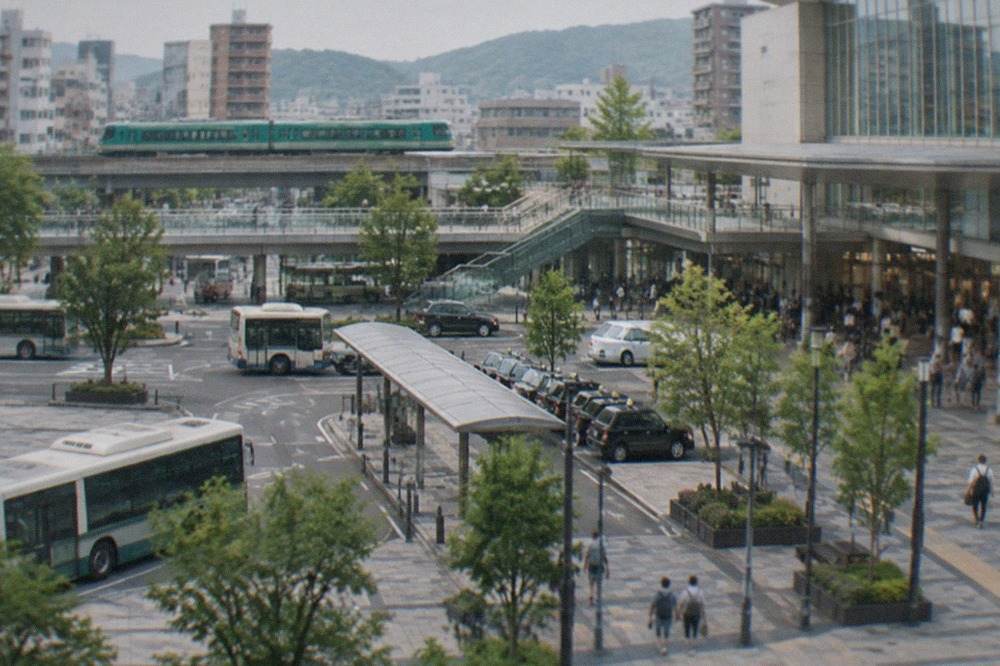
One clarification before anything else, because it trips up nearly every first-time visitor. There is no JR Fukuoka Station. The station is Hakata, inside the city of Fukuoka, and Hakata is a ward of that same city. Guides that treat Hakata and Fukuoka as two places you travel between are describing a journey that does not exist. Every JR long-distance departure in the region leaves from Hakata Station, which is also where you exchange a rail pass voucher for the actual pass.
The pass itself is a product of JR Kyushu, the railway that operates almost all conventional and express services on the island, plus the Kyushu Shinkansen south of Hakata. The operator publishes the current zones, prices and conditions on its official rail pass page, and that page is the only place a price should ever be checked, because the figures have moved in recent years and older guides still quote retired numbers. This guide works through the decision itself: which zone, when the pass pays off, and where JR coverage stops.
Which JR Kyushu Rail Pass Zone Do You Need from Fukuoka?
Most Fukuoka-based visitors need the Northern Kyushu zone. It covers the JR lines radiating from Hakata toward Kokura and Kitakyushu, the Karatsu and Itoshima coast, the Saga and Nagasaki routes, and the express corridors down to Yufuin, Beppu and Kumamoto. The Southern Kyushu zone is aimed at travellers entering via Kagoshima or Kumamoto, and the All Kyushu zone only earns its price when one trip genuinely spans the whole island.
The logic is simple: a pass priced for an entire island is wasted on someone whose furthest excursion is Beppu. Northern Kyushu contains the overwhelming majority of what a Fukuoka visitor actually reaches in a week, including the hot spring towns, the west coast, the strait towns of Kitakyushu and the Nagasaki run. If your plan is three or four day trips out of Hakata and evenings back at the yatai, the northern zone is the product designed for you.
The counter-case is the loop itinerary. A traveller doing Fukuoka, Kumamoto, Kagoshima and the east coast, then returning overland, is riding premium express trains every day for a week, and that is the profile the All Kyushu zone exists for. Our Kyushu travel overview breaks the island into sensible chunks if you are still sketching the route, and the Kyushu itinerary from Fukuoka lays out exactly that loop with travel times between stops.
A third profile barely needs a rail pass at all. If Fukuoka is your base and you are taking one or two trips, single tickets may cost less than the cheapest zone, especially when two of the best excursions, Dazaifu and Yanagawa, are not on JR metals in the first place. That case is worth its own section further down.
What Does Each JR Kyushu Rail Pass Zone Actually Cover?
The zones split the island geographically: Northern Kyushu covers everything within express range of Hakata, Southern Kyushu covers the Kagoshima and Miyazaki end of the island, and All Kyushu covers both. All zones include the Kyushu Shinkansen between Hakata and Kagoshima-Chuo where the geography allows, plus JR Kyushu's limited express and local trains, and reserved seating. None of them include the Hakata to Kokura Shinkansen run, which belongs to a different railway.
That last exclusion is the detail that catches people. The Sanyo Shinkansen between Hakata and Kokura is operated by JR West, not JR Kyushu, so no JR Kyushu pass of any zone covers it. The conventional JR line between the same two cities is covered, and it is slower but scenic along the strait. A traveller planning a Kitakyushu or Mojiko day trip by Shinkansen with a JR Kyushu pass will be buying that leg separately.
| Zone | Headline coverage | Best fit for a Fukuoka base |
|---|---|---|
| Northern Kyushu | Express and local JR lines around Hakata: Kokura, Karatsu, Saga, Nagasaki, Yufuin, Beppu, Kumamoto | Almost everyone on a 3 to 7 day Fukuoka trip |
| Southern Kyushu | JR lines around Kumamoto, Kagoshima and Miyazaki | Travellers starting mid-island, not from Fukuoka |
| All Kyushu | The whole JR Kyushu network, both halves | One-way loop itineraries spanning the island |
Day counts and current prices differ by zone and by where you buy, with online purchase generally cheaper than buying at a counter in Japan, and the operator's pass page lists the live figures for each product. Treat any price printed anywhere else, including in older search results, as unreliable. Child discounts apply, and the pass is only sold to visitors entering on short-stay tourist status, with the passport checked at exchange.
If you are still deciding whether a rail holiday or a bus-and-tour holiday suits you better, these are the three Fukuoka departures that best show the range of what is possible without touching a timetable.
When Does a JR Kyushu Rail Pass Pay Off from Fukuoka?
A rail pass pays for itself when you are riding limited express trains on most days, not when you are making one long trip and staying put otherwise. From Fukuoka the break-even profile is roughly two or more long-distance round trips inside the pass window, or a multi-day loop with a hotel change every night or two. A single day trip to Beppu or Nagasaki is usually cheaper as two tickets.
The arithmetic is about frequency, not distance. JR Kyushu's limited express trains are excellent and not cheap, so three of them in three days puts real money on the board. Someone taking the Beppu day trip, the Nagasaki day trip and the Kumamoto day trip out of Hakata inside one week is the textbook pass customer. Someone taking the Beppu trip and otherwise eating ramen in the city for five days is not.
Weather is a genuine input here too. Typhoon season runs roughly July through October, and a typhoon day can suspend express services island-wide, which burns a pass day while you sit in a museum. The typhoon season planning guide covers how to build slack into a Kyushu rail itinerary. July is also Fukuoka's wettest month on the Japan Meteorological Agency's 1991 to 2020 normals, at 299.1 mm against June's 249.6 mm, despite June being the tsuyu rainy season, so summer pass buyers should expect at least one washout.
There is also a middle path that many visitors miss: use the pass for the days it earns and use guided tours for the places rail does not serve well. The best example is Takachiho Gorge, in Miyazaki, which sits far from any JR trunk line and takes most of a day to reach by rail with connections. The Takachiho Gorge and Amaterasu Railway tour runs there directly from Fukuoka, from $48 per person, rated 4.8 from 713 reviews, with an optional boat ride on the gorge itself. For that destination a bus tour beats a rail pass outright, and it is the single most-booked Kyushu excursion in this site's roster for a reason.
Which Day Trips from Fukuoka Can You Reach by JR?
From Hakata, JR covers Kokura, Mojiko and the Kitakyushu strait towns, Karatsu and the west coast, Saga, Nagasaki, Yufuin, Beppu and Kumamoto, plus the Kyushu Shinkansen south to Kagoshima. It does not cover Dazaifu, Yanagawa or Itoshima, which run on the private Nishitetsu railway and buses, and it does not cover the offshore islands, which run on ferries.
The JR-served list is long enough that a Northern zone pass can fill a full week without repetition. Kokura and Mojiko make an easy strait-side pair. Karatsu puts you on the Genkai Sea coast. Nagasaki is the marquee run. Yufuin and Beppu are the onsen classics, and the Yufuin day trip guide covers the famous Yufuin no Mori resort train, which is exactly the kind of reserved-seat express that makes a pass feel worth having.
| Destination from Hakata | Rail route | Pass note |
|---|---|---|
| Kokura / Kitakyushu | JR conventional line along the strait | Covered; the Shinkansen leg is not |
| Mojiko | JR via Kokura, short final hop | Covered |
| Karatsu | JR Chikuhi line | Covered |
| Nagasaki | JR limited express via Saga | Covered, one of the longest runs |
| Yufuin | JR Yufuin no Mori or Hitoyoshi express | Covered, reserved seat recommended |
| Beppu | JR limited express via Kokura | Covered |
| Kumamoto | JR limited express or Kyushu Shinkansen | Covered |
| Dazaifu | Nishitetsu from Tenjin, not JR | Not covered |
| Yanagawa | Nishitetsu | Not covered |
| Itoshima | Nishitetsu train and bus | Not covered |
| Nokonoshima | Ferry from Meinohama | Not covered |
The non-JR half of that table is where pass buyers lose money without noticing. Dazaifu Tenmangu, the region's most visited shrine, is reached by the Nishitetsu railway from Tenjin, with a transfer at Futsukaichi, and no JR pass touches that line. The shrine itself charges no entrance fee, which softens the blow. The Dazaifu day trip guide covers the Nishitetsu options including the combined round-trip sightseeing ticket sold with an Umegae Mochi voucher.
Itoshima is the other gap worth flagging. The peninsula is Fukuoka's weekend coast, but its beaches and oyster shacks are scattered along roads, not rail corridors, and a pass does nothing for you there. The Itoshima coastal scenery tour handles it as a 10-hour guided loop from $77 per person, rated 4.5 from 44 reviews, which is the practical way to see Shiraito Falls and the coast in one day without a rental car.

How Do You Buy and Activate a JR Kyushu Rail Pass?
You buy a voucher online before travel, or in person at designated counters, then exchange it for the live pass at a JR office in Japan, most conveniently the ticket office at Hakata Station. The pass does not start when you buy it; you nominate a start date at exchange, and it then runs consecutive days from that date. Bring the passport used for the purchase, because it is checked at the counter.
The exchange step is the one people underestimate. On a busy morning the Hakata Station JR ticket office has a queue, and a traveller with a Shinkansen to catch learns this the hard way. Build in half an hour on arrival day, or exchange the evening before your first long ride. The international tourist information desks at Hakata Station and Fukuoka Airport can point you to the right window even when they cannot do the exchange themselves. More of these guides are collected on Fukuoka Japan Travel Guide.
The airport connection is painless, which helps the timing. Fukuoka Airport is unusually close to the city centre, and the subway run from the airport into Hakata costs ¥260, inside the official 3 to 7 km fare band. Do not trust the widely repeated journey time for that leg; no official page states one, and the airport's own access material gives times only for the inter-terminal shuttle. The Fukuoka Airport guide covers the arrival sequence end to end.
Seat reservations matter more in Kyushu than in most of Japan, because the famous trains are few and popular. The Yufuin no Mori resort express and the coastal runs to Nagasaki fill up in high season, and a pass holder who shows up without a reservation can wait for the next train. Reserve the moment you exchange the pass, and re-check reservations whenever a typhoon is in the forecast, because cancellations ripple through the whole island's timetable.
What Can a JR Kyushu Rail Pass Not Do?
It cannot ride the Hakata to Kokura Shinkansen, which is JR West. It cannot ride Nishitetsu trains or any bus, subway or ferry in Fukuoka, so the city itself is entirely outside the pass. It cannot reach Dazaifu, Yanagawa, Itoshima or the islands, and it does not cover hotel transfers or admission anywhere. Inside Fukuoka you will still be paying subway fares, which start at ¥210 for the shortest zone.
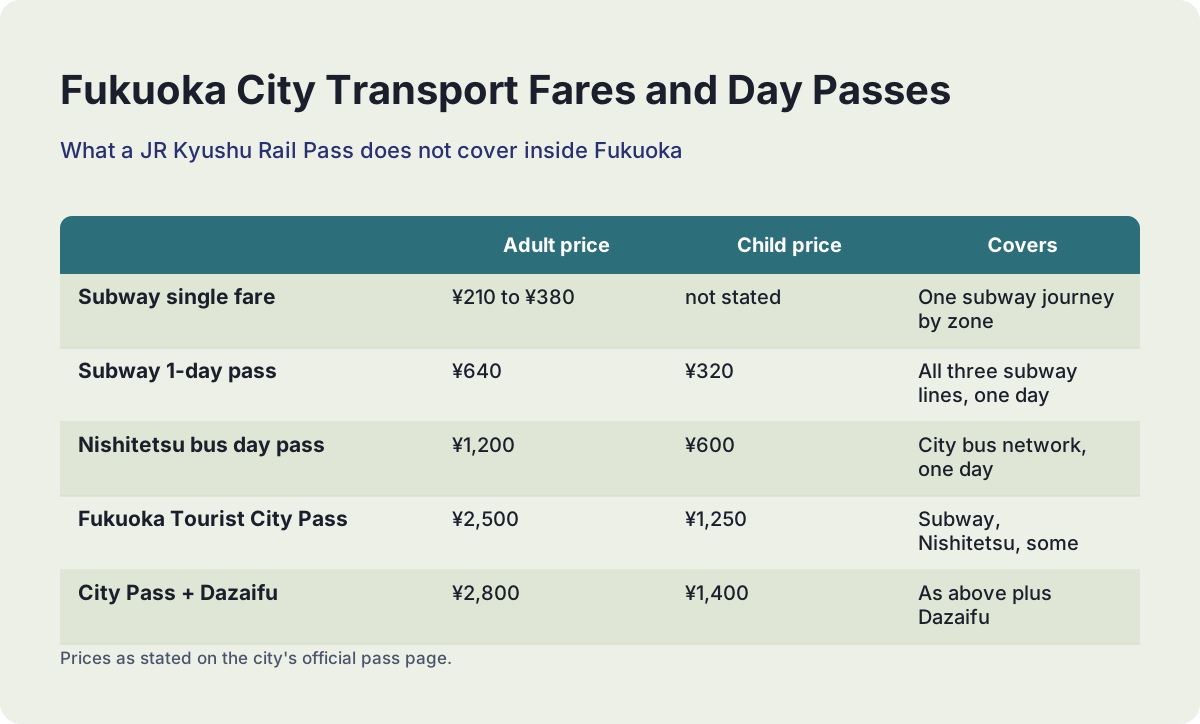
City transport is the quiet cost. The Fukuoka City Subway charges ¥210 to ¥380 per adult single depending on distance, and its own one-day pass, sold at station machines and customer centres, costs ¥640 for unlimited travel on all three lines. Nishitetsu's bus day pass is ¥1,200 for the city network. A rail pass covers none of this, so a week in Fukuoka still needs a small transport budget, usually handled with an IC card.
| Pass or fare | Price | What it covers | Who checks |
|---|---|---|---|
| Subway single fare | ¥210 to ¥380 adult | One subway journey by distance zone | Fare gate |
| Subway 1-day pass | ¥640 adult, ¥320 child | All three subway lines, one day | Fare gate |
| Nishitetsu bus day pass | ¥1,200 adult, ¥600 child | City bus network, one day | Driver |
| Fukuoka Tourist City Pass | ¥2,500 adult, ¥1,250 child | Subway, Nishitetsu, some JR and ferries, one day | Counter, passport required |
| City Pass + Dazaifu | ¥2,800 adult, ¥1,400 child | As above plus the Dazaifu corridor | Counter, passport required |
| JR Kyushu Rail Pass | Current prices on the operator's pass page | JR Kyushu trains island-wide by zone | Ticket office |
The Fukuoka Tourist City Pass deserves its own sentence because most competing guides still quote retired prices for it. The verified figures are ¥2,500 for the city version and ¥2,800 for the city plus Dazaifu version, and the pass is restricted to overseas tourists on a short-stay visa, with a passport checked at the counter, as stated on the city's official pass page. It is a one-day city product, not a competitor to a multi-day JR zone, but for a single heavy sightseeing day it beats individual fares.

One more event belongs in the "not covered" column, and it is a big one. The November Kyushu Basho, Fukuoka's annual grand sumo tournament, is staged at the Fukuoka Kokusai Center a short walk from Hakata Station, and no rail product has anything to do with it. The 2026 Kyushu Grand Sumo Tournament viewing tour handles tickets and guidance from $87 per person, rated 4.8 from 13 reviews. If your rail pass week happens to overlap the tournament, that is the one non-rail booking worth making early, because the November basho is the only time all year sumo is competitively staged in the city.
How Does a JR Kyushu Rail Pass Compare with the Alternatives?
Against the national Japan Rail Pass, the JR Kyushu pass wins on price for anyone staying inside the island, but loses the moment you add Tokyo, Osaka or Hiroshima to the route. Against Fukuoka's local passes there is no comparison at all, because they solve different problems: the city passes move you around Fukuoka for a day, the JR Kyushu pass moves you around the island for a week.
The national pass question is really an itinerary question. If Fukuoka is one stop on a Tokyo to Kyoto to Fukuoka run, the Japan Rail Pass from Fukuoka guide works through that decision, and the long corridors from Tokyo and Osaka are covered on their own pages elsewhere on this site. If the island is the whole trip, buying national coverage to ride one island's trains is money burned, and the Kyushu zone pass is the correct product.
| Alternative | Strength | Weakness from a Fukuoka base |
|---|---|---|
| Japan Rail Pass | Covers the whole country, Shinkansen included | Overpriced for an island-only trip |
| JR Kyushu Rail Pass, Northern zone | Cheap, covers most Fukuoka day trips | No Shinkansen to Kokura, no Nishitetsu |
| Guided day tours | Reach rail-poor spots like Takachiho and Itoshima | Fixed schedule, per-person pricing |
| Rental car | Total freedom on the coast and mountains | Parking and expressway tolls add up |
The guided-tour row is not a throwaway. Some of Kyushu's best destinations are structurally awkward by rail, and mixing a rail pass with two or three tours is a genuinely good plan rather than a compromise. The where to go after Fukuoka guide ranks the onward options, and the Kyushu map makes the geography obvious at a glance, which is usually the moment the right zone becomes self-evident.
For a second opinion on the same decision, the itinerary planner for Fukuoka trips builds day-by-day plans and flags which excursions suit rail and which suit a bus, and the best time to visit Fukuoka guide pairs the rail seasons with the festival calendar. Between them and this page, the zone decision usually resolves in a few minutes.
Whichever way you land, these three departures cover the coast, the gorge and the tournament, and they all run from central Fukuoka.
Common Questions About the JR Kyushu Rail Pass
Which JR Kyushu Rail Pass Zone Do You Need From Fukuoka?
For most visitors the Northern Kyushu zone. It covers the express and local JR lines around Hakata, including the runs to Kokura, Karatsu, Nagasaki, Yufuin, Beppu and Kumamoto. The Southern zone suits travellers based around Kagoshima or Kumamoto, and the All Kyushu zone only pays for an itinerary that genuinely spans both halves of the island.
Does the JR Kyushu Rail Pass cover the Shinkansen from Hakata to Kokura?
No. That section of the Sanyo Shinkansen is operated by JR West, not JR Kyushu, so no JR Kyushu pass covers it. The conventional JR line between Hakata and Kokura is covered and runs along the strait, but it is slower. Budget for a separate ticket if the Shinkansen leg matters to you.
Can you use a JR Kyushu Rail Pass to get to Dazaifu?
No. Dazaifu is reached on the Nishitetsu railway from Tenjin with a transfer at Futsukaichi, and no JR pass covers Nishitetsu lines. Dazaifu Tenmangu charges no entrance fee, so the only cost is the private railway fare, and combined round-trip sightseeing tickets with an Umegae Mochi voucher are sold at Nishitetsu stations.
Where do you exchange a JR Kyushu Rail Pass voucher in Fukuoka?
At the JR ticket office at Hakata Station, which is the main exchange point in the city. The pass does not activate at purchase; you nominate a start date when you exchange the voucher, and it then runs consecutive days. Bring the passport used for the order, because it is checked at the counter.
Is a JR Kyushu Rail Pass worth it for day trips only?
Usually not for one or two trips. The pass pays off when you ride limited express trains on most days of the pass window, for example a week that includes Beppu, Nagasaki and Kumamoto. A single long round trip is generally cheaper as two ordinary tickets. Compare the pass price against your actual planned rides before buying.
Does the JR Kyushu Rail Pass work on Fukuoka's subway and buses?
No. The pass covers JR Kyushu trains only. Fukuoka's subway costs ¥210 to ¥380 per single ride, with a ¥640 all-line day pass, and Nishitetsu buses and trains are separate again. Overseas visitors can also buy the Fukuoka Tourist City Pass at ¥2,500 for the city version or ¥2,800 with Dazaifu, with a passport check at the counter.