Fukuoka vs Tokyo
Two Japanese cities, two completely different trips. This guide compares Fukuoka and Tokyo on cost, transport, food, sights and day trips so you can decide which one deserves your days, or in what order.
Short answer
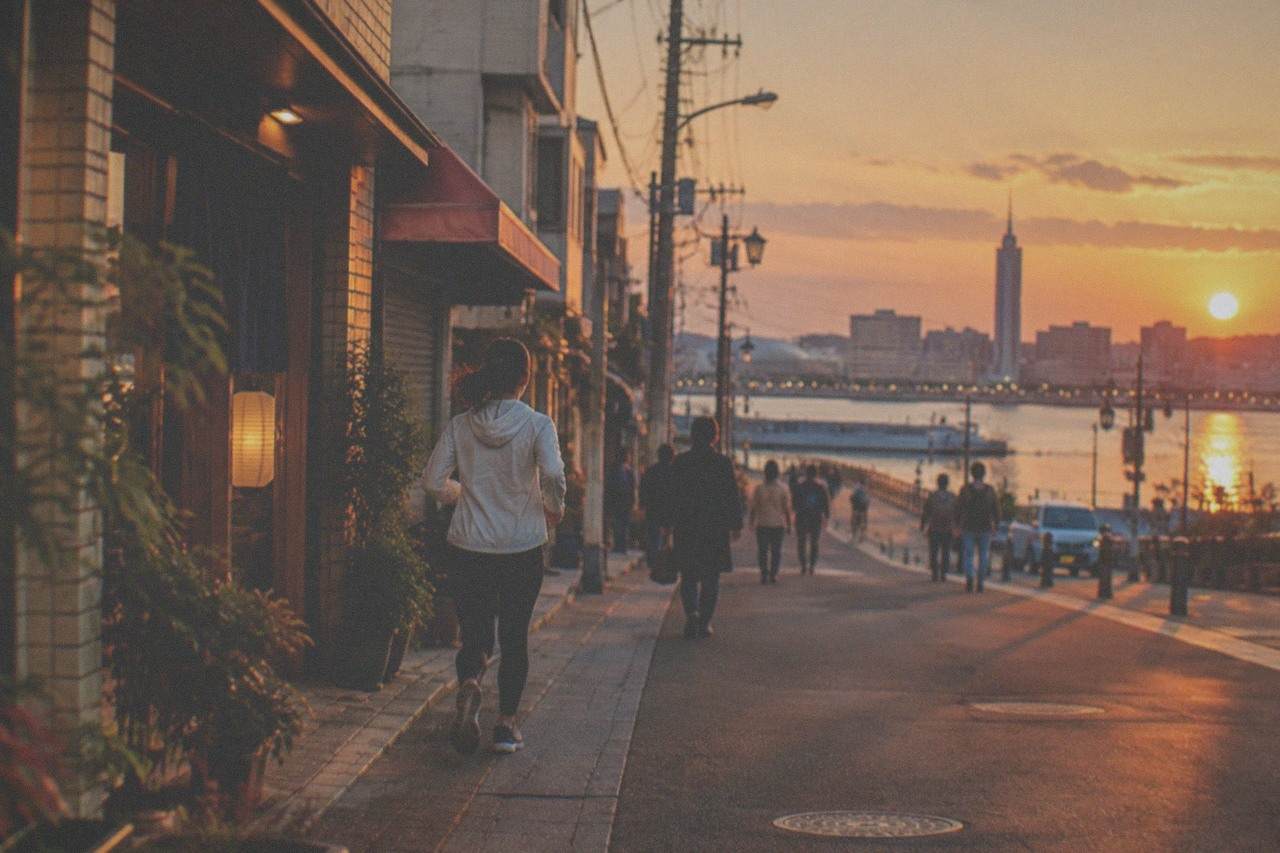
Fukuoka is generally the cheaper city: subway fares run ¥210 to ¥380, major shrines and castle grounds are free, and a one-day tourist pass covering subway, trains, buses and ferries costs ¥2,500 with a passport check. Tokyo offers far more sights but at higher prices and with much more time lost to distance.
Roughly 4.33 million foreign travellers entered Japan through Fukuoka Airport and Hakata Port in 2025, a two-year record, and a growing share of them were choosing Fukuoka over Tokyo for at least part of the trip. The comparison is a fair one. Fukuoka is Japan's fifth largest city, the capital of Kyushu, and a genuinely urban destination with a population of 1,663,892 as of the October 2025 census, growing 3.2 percent since the previous count, the fastest rate of any designated city in the country. Tokyo is a different order of magnitude entirely. The question is not which city is better, because they are not competing on the same terms. The question is which one fits your days, your budget and your appetite for scale.
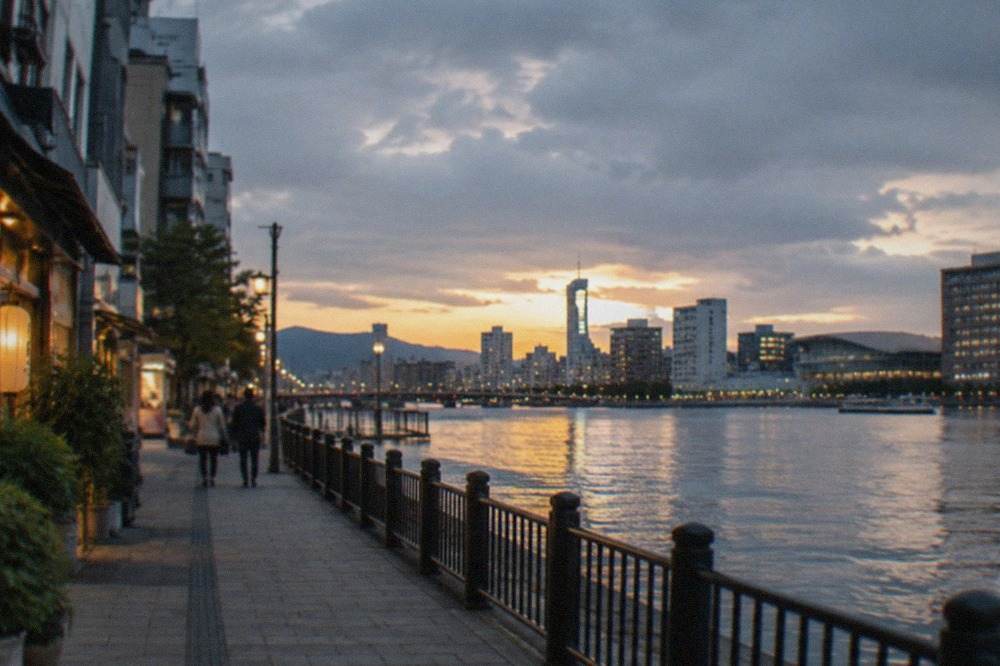
This page compares the two city by city block: money, arrival, sights, food, day trips, accommodation and seasons. Every Fukuoka price printed here comes from an official source, and where a Tokyo figure cannot be verified, the comparison is made on structure rather than an invented number. For the narrower money question, the companion answer page is Fukuoka cheaper than Tokyo covers the budget case in detail.
How Different Are Fukuoka and Tokyo Really?
Fukuoka is a compact bay city of 1.66 million people where the airport, the main station and the biggest nightlife district sit within a few kilometres of each other. Tokyo is a metropolis of 23 wards where a single day of sightseeing can involve ninety minutes on trains. Fukuoka trades scale for intimacy; Tokyo trades intimacy for an almost unlimited supply of things to do. Neither is a small town and neither is a substitute for the other.
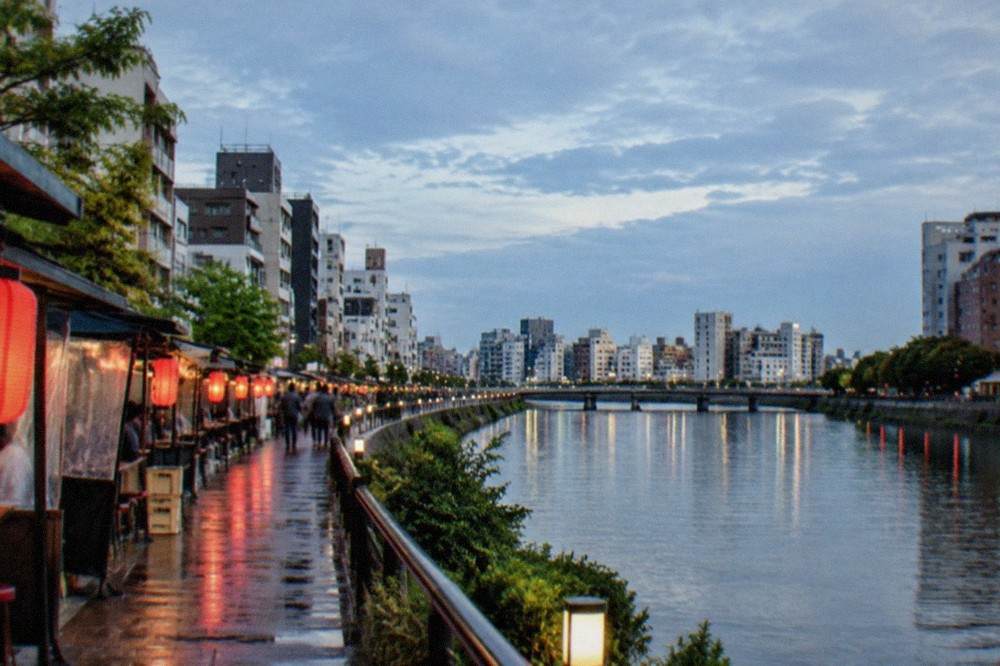
The practical difference shows up in how you spend your hours. In Fukuoka, the walk from a Hakata hotel to the yatai stalls along the Naka River takes about fifteen minutes, and the subway ride from the airport into the centre costs ¥260, a fare derivable directly from the operator's official 3 to 7 km fare band published by the Fukuoka City Subway. In Tokyo, the equivalent arrival from Narita is a project in itself, and even Haneda, which is genuinely close, feeds you into a rail network designed to move millions of people a day.
Scale also changes the rhythm of eating and drinking. Fukuoka's famous yatai, about 100 licensed food stalls according to the city's own figures, concentrate in three areas you can walk between in an evening: Nakasu along the river, Tenjin in the business district, and Nagahama near the old fish market. Tokyo has more restaurants in total, obviously, but they are scattered across a region where a single dinner plan can mean a forty-five minute cross-city ride. The Hakata and Tenjin area guide on this site explains the Fukuoka layout street by street.
One correction worth making early, because competitor guides get it wrong constantly: Hakata and Fukuoka are not two cities. Hakata is a ward of Fukuoka and the name of its main station. There is no JR Fukuoka Station. If a timetable or a blog tells you to travel "from Hakata to Fukuoka", it is describing a journey of zero kilometres.
Is Fukuoka Cheaper Than Tokyo?
Yes, in most categories that a short-trip traveller actually pays for. Fukuoka's subway fares run ¥210 to ¥380 by distance, its two city art museums charge ¥200 for adults, its major shrines and temple grounds are free, and its one-day tourist pass costs ¥2,500 with a passport check. Tokyo is not uniformly expensive, but its attraction prices, transit costs and hotel rates run higher across the board, and the distances multiply every fare.
The honest version of this comparison is that both cities can be done cheaply and both can absorb money endlessly. What differs is the floor. In Fukuoka the floor is low: you can spend a full day walking Ohori Park, the Fukuoka Castle grounds, Kushida Shrine and the yatai streets without buying a single ticket, and the city's list of free things to do is long because its core sights genuinely cost nothing. Tokyo's free sights exist too, but its headline attractions, the teamLab venues, the observation decks, the themed museums, are more often ticketed and more often priced in tiers.
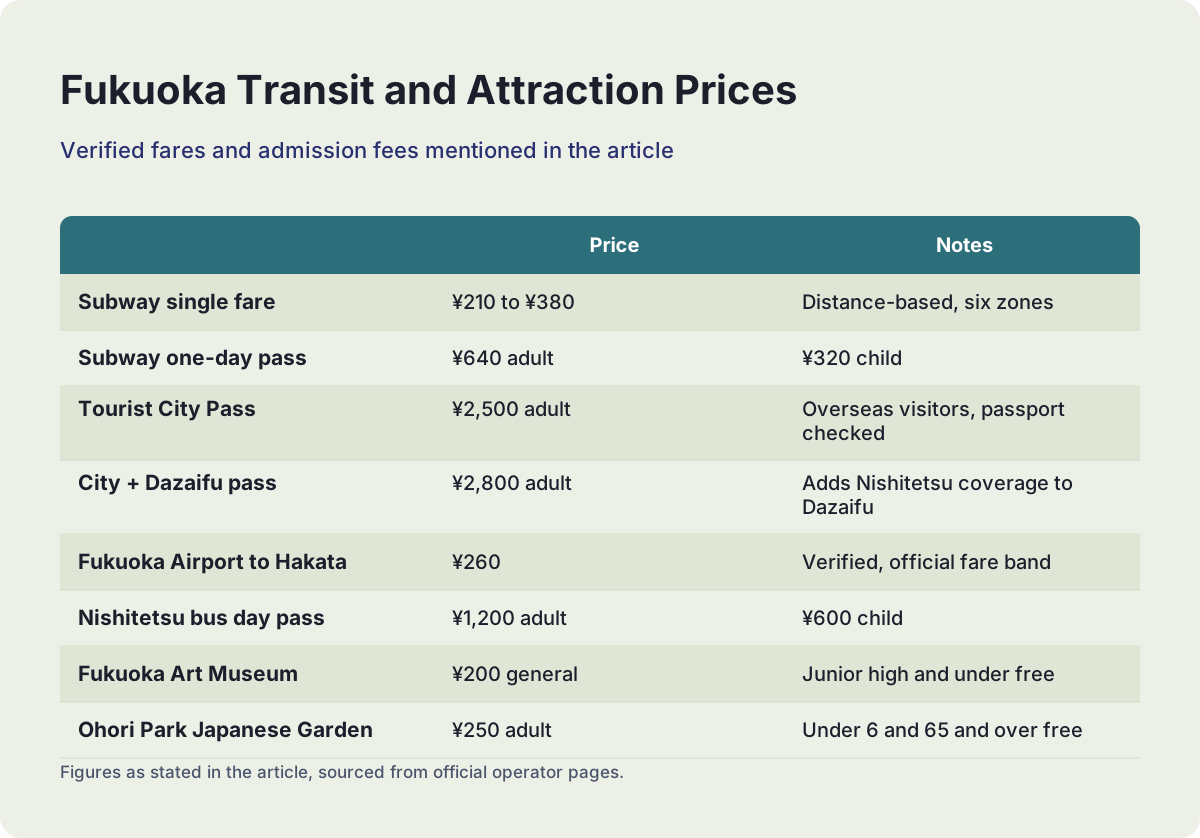
A few verified Fukuoka numbers to anchor the budget, all from official sources:
| Item | Fukuoka price | Notes |
|---|---|---|
| Subway single fare | ¥210 to ¥380 | Distance-based, six zones |
| Subway one-day pass | ¥640 adult | All three lines, purchase day only |
| Tourist City Pass | ¥2,500 adult | Overseas visitors, passport checked |
| City + Dazaifu pass | ¥2,800 adult | Adds Nishitetsu coverage to Dazaifu |
| Fukuoka Art Museum | ¥200 general | Junior high and under free |
| Ohori Park Japanese Garden | ¥250 adult | Under 6 and 65 and over free |
| Fukuoka Tower | ¥1,000 adult | Elementary and junior high ¥500 |
| Major shrines and castle grounds | Free | Dazaifu Tenmangu, Kushida, Tochoji |
Two warnings. The Tourist City Pass prices above are the current verified figures, ¥2,500 and ¥2,800 with a passport check at the counter, and many older guides still quote stale prices. And the pass is restricted to overseas tourists on a short-stay visa, so it is not an option for residents. The getting around Fukuoka guide on this site breaks down when the pass pays for itself and when a plain IC card is the better buy.
Cost also depends on what kind of traveller you are. A family with children benefits from Fukuoka's under-15 free admission at the city museums and the zoo, and from attractions like Marine World that sell discounted e-tickets in advance. A shopper or a fine-diner will find Tokyo's ceiling far higher, but its floor is higher too. If budget is the deciding factor, the Fukuoka on a budget guide on this site shows how low the floor actually goes.
If you are already leaning Fukuoka, these are the three purchases worth settling early: a family attraction ticket, a culture experience, and the ride in from the airport.
Which City Is Easier to Arrive in and Get Around?
Fukuoka wins this one decisively. Its airport sits unusually close to the city centre, the subway fare from the airport to Hakata Station is a verified ¥260, and the entire rail network is three lines that fit on a coffee-shop napkin. Tokyo's airports are efficient but far flung, and its transport network, thirteen-plus subway lines plus the JR Yamanote loop, rewards study and punishes improvisation.
Fukuoka Airport (FUK) sits on the subway's Kuko line, and its closeness to the centre is one of the city's real structural advantages: no other major Japanese city puts an international airport this close to its main station district. The fare into Hakata is ¥260, which falls inside the operator's official 3 to 7 km fare band, and the airport's own access pages confirm a free shuttle between the international and domestic terminals. What almost every competing guide prints, a journey time in minutes, is not verified on any official page, so this guide does not print one either. The Fukuoka Airport to city guide covers the transfer options in full.
| Journey | Fares and figures | Source status |
|---|---|---|
| Fukuoka Airport to Hakata | ¥260 adult | Verified, official fare band |
| Subway single fares, all zones | ¥210 to ¥380 | Verified, official table |
| Subway one-day pass | ¥640 adult, ¥320 child | Verified |
| Nishitetsu bus day pass | ¥1,200 adult, ¥600 child | Verified |
| Free inter-terminal airport shuttle | Runs between terminals | Verified, airport site |
Tokyo's arrival math is different in kind. Narita sits well outside the city, and even Haneda, which is closer, connects into a network where the average visitor changes lines twice before reaching the hotel. The comparison is not that Tokyo is hard, millions of first-timers manage it, but that Fukuoka removes the problem. You can land, ride a few stops, drop your bags and be eating ramen within the hour, without ever consulting a route map.
For travellers who want the arrival to cost zero thought at all, a private transfer from Fukuoka Airport into the city can be booked ahead. The listing is rated 5 from 2 reviews, a small pool because the product is new, and it runs thirty minutes to an hour depending on your destination address.
Once you are inside the city, the Fukuoka subway guide explains the three lines and the day-pass math, and the fare table above already covers the numbers. Contactless credit card tap-to-ride is also reported to work with a daily cap matching the one-day pass price, though that detail comes from a source not yet fully verified, so treat it as a bonus rather than a plan.
What Do You Actually See and Do in Each City?
Tokyo has more sights than any trip can consume, from world-class museums to themed districts that each deserve a day. Fukuoka has fewer headline attractions but a higher hit rate per hour, because its shrines, castle ruins, bayside parks and food streets sit close together and most cost nothing to enter. Choose Tokyo for volume and spectacle, Fukuoka for depth and walkability.
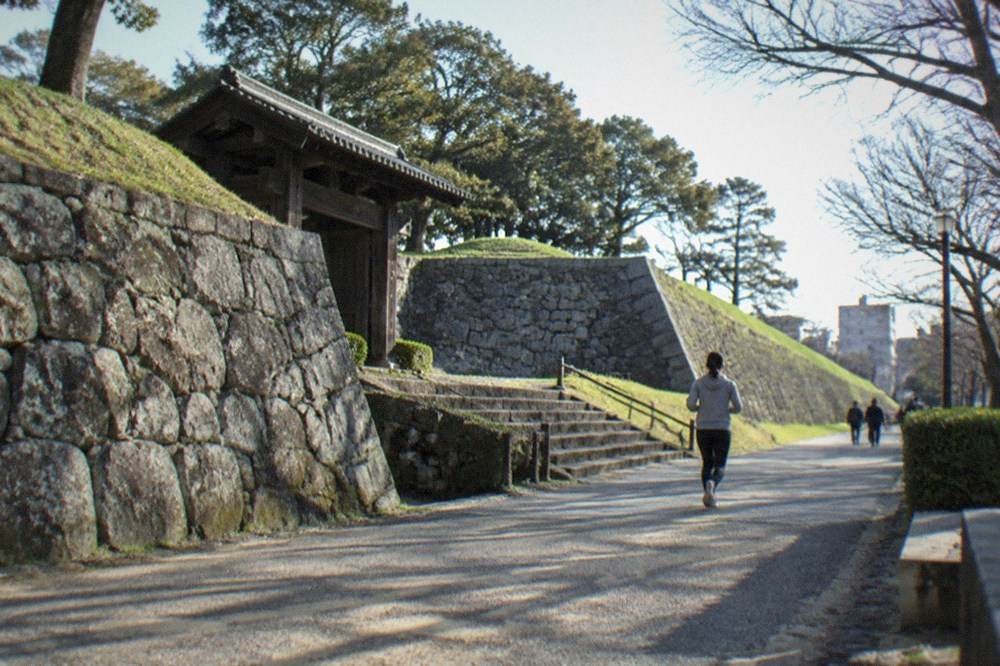
Fukuoka's sightseeing core is unusually free. Dazaifu Tenmangu states plainly on its own FAQ page that there is no entrance fee, and the same is true of Kushida Shrine, Tochoji with its Great Buddha, Shofukuji, Ohori Park, the Fukuoka Castle grounds in Maizuru Park, Momochi Seaside Park and Canal City Hakata. The Fukuoka Asian Art Museum goes further: entry to the building is free and only the Asia Gallery charges, ¥200 for adults. The city's museum collections are covered in their own guide elsewhere on this site.
One time-limited item to know if you are visiting in 2026: the Tenshudai, the main keep base at the Fukuoka Castle ruins, is closed to entry from 26 May 2026 until the end of December 2026 for an archaeological excavation. The story is genuinely good: a document found in December 2024 described a keep that may never have existed, the city dug in 2025, and in 2026 it tripled the excavation area. The rest of the castle grounds and Maizuru Park stay open and free regardless.
Tokyo counters with sheer inventory: a national museum complex in Ueno, teamLab installations, the Shibuya crossing, historic Asakusa, and dozens of districts that are attractions in themselves. The fair framing is that Tokyo's sights are destinations you travel to within the city, while Fukuoka's sights are mostly things you walk past on the way to dinner. Families notice the difference most. The Fukuoka with kids guide lists the child-friendly core, and one of the strongest entries is Marine World on Uminonakamichi, the aquarium on the bay side of the city, which sells e-tickets in advance and sits next to a seaside park where junior high students and younger enter free. Note one practical quirk if you go to the park itself: the entrance gate takes cash only.
The aquarium's e-ticket is the single most useful advance purchase for a family day in Fukuoka, and it can be reserved with free cancellation before you commit to the rest of the itinerary.
For a calmer contrast, a traditional tea ceremony with a maiko in a Fukuoka teahouse is the kind of culture experience Tokyo also offers, but at Fukuoka's price level it costs less than a Tokyo dinner. The listing is rated 4.9 from 11 reviews and runs about an hour, which pairs well with an afternoon in the Hakata old town. The temples and shrines of the city are mapped in their own guide on this site.
Is the Food Better in Fukuoka or Tokyo?
Tokyo has more of everything, including more Michelin stars than any other city on earth. Fukuoka argues quality per yen and a food culture you can walk through: the yatai stalls, the birthplace claims of tonkotsu ramen, motsunabe hot pot and mentaiko cod roe. A food-focused traveller should treat the two as different experiences rather than rivals, and Fukuoka is the easier city to eat well in without reservations.
Fukuoka's signature is accessibility. About 100 licensed yatai operate across the city, more than any other Japanese city, and the city's own ordinance requires every stall to display its prices where customers can easily see them, banning vague "market price" pricing on variable dishes. That last fact answers the question every first-time visitor quietly has: you will not be handed a mystery bill at a stall. The Fukuoka yatai guide covers the three areas, and the etiquette of the counter, which matters more than the prices, is covered in its own page on this site.
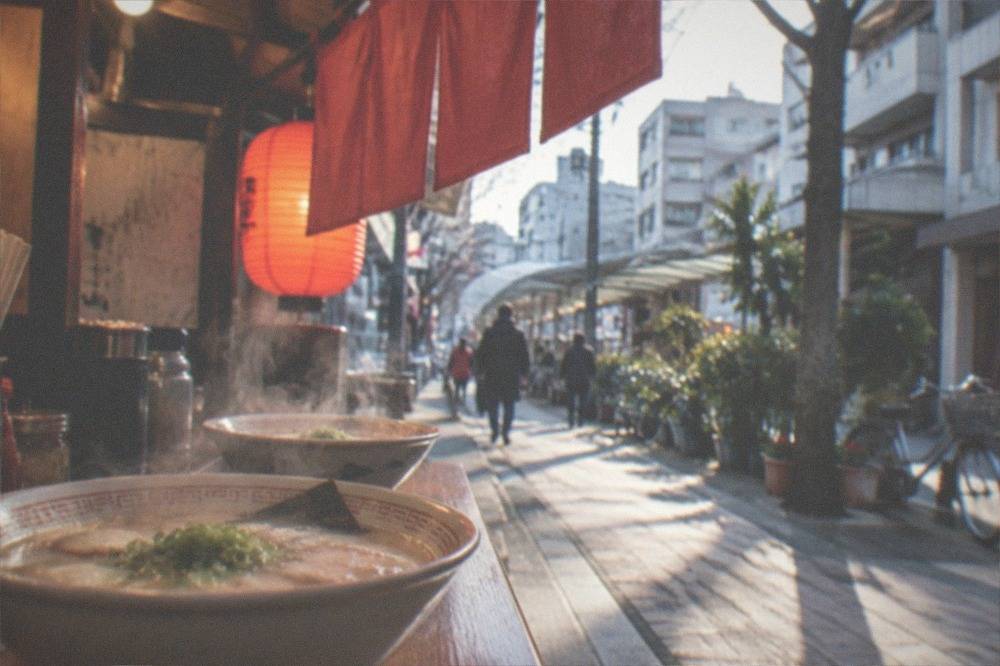
The dishes Fukuoka claims as its own:
| Dish | What it is | Where to eat it |
|---|---|---|
| Tonkotsu ramen | Rich pork-bone broth noodles, the Hakata style | Yatai stalls and ramen shops citywide |
| Motsunabe | Beef or pork offal hot pot with cabbage and garlic | Nakasu and Hakata restaurants |
| Mentaiko | Spiced cod roe, served plain or on rice | Markets, breakfast buffets, izakaya |
| Hakata hitokuchi gyoza | Small one-bite pan-fried dumplings | Yatai and izakaya |
| Udon with goma saba | Young mackerel and sesame over udon | Traditional restaurants in Hakata |
Tokyo's food scene needs no advocacy here: it is the deepest restaurant market in the world, from standing sushi bars to reservation-only counters booked months ahead. The structural difference is that Tokyo rewards planning, while Fukuoka rewards wandering. You can arrive in Fukuoka with no reservations, follow the lanterns along the Naka River, and eat a genuinely local dinner within an hour of landing, something Tokyo makes possible only in a few neighbourhoods and with more luck. The Fukuoka food guide goes dish by dish if you want to plan anyway.
For visitors who want the stalls explained rather than merely found, a guided evening tour of the yatai and izakaya costs from $99 per person and is rated 5 from 29 reviews, and the Fukuoka food tours guide compares it with the other options. The stalls themselves take walk-ins, always, and no booking is needed or possible for an individual stall.
Which City Has Better Day Trips?
Fukuoka wins this comparison comfortably. Within ninety minutes you can reach the shrine town of Dazaifu, the canal city of Yanagawa, the beaches of Itoshima and the islands of Nokonoshima and Shikanoshima, and full-day trips reach Beppu, Yufuin, Mount Aso, Takachiho, Kumamoto and Nagasaki. Tokyo's day trips, Hakone, Nikko, Kamakura, are excellent but fewer and farther.
The geography explains it. Fukuoka sits on the Genkai Sea coast of northern Kyushu, and the island's rail and bus network radiates from Hakata Station. The day trips from Fukuoka are covered in their own guide on this site, and the Kyushu overview explains the island's shape, but the headline is that a Fukuoka base gives you volcanic landscapes, onsen towns and two other major cities within a single day's return.
| Day trip from Fukuoka | Character | Travel time class |
|---|---|---|
| Dazaifu | Shrine town, plum trees, museums | Short, half to full day |
| Yanagawa | Canal boats and old merchant streets | Half to full day |
| Itoshima | Beaches, coastline, cafe scene | Half to full day |
| Nokonoshima | Island park and ferry crossing | Half day |
| Yufuin and Beppu | Onsen towns and the "hells" | Full day |
| Mount Aso | Volcano, grasslands, shrine | Full day |
| Takachiho | Gorge, railway, shrines | Full day |
| Nagasaki or Kumamoto | History and city sights | Full day |
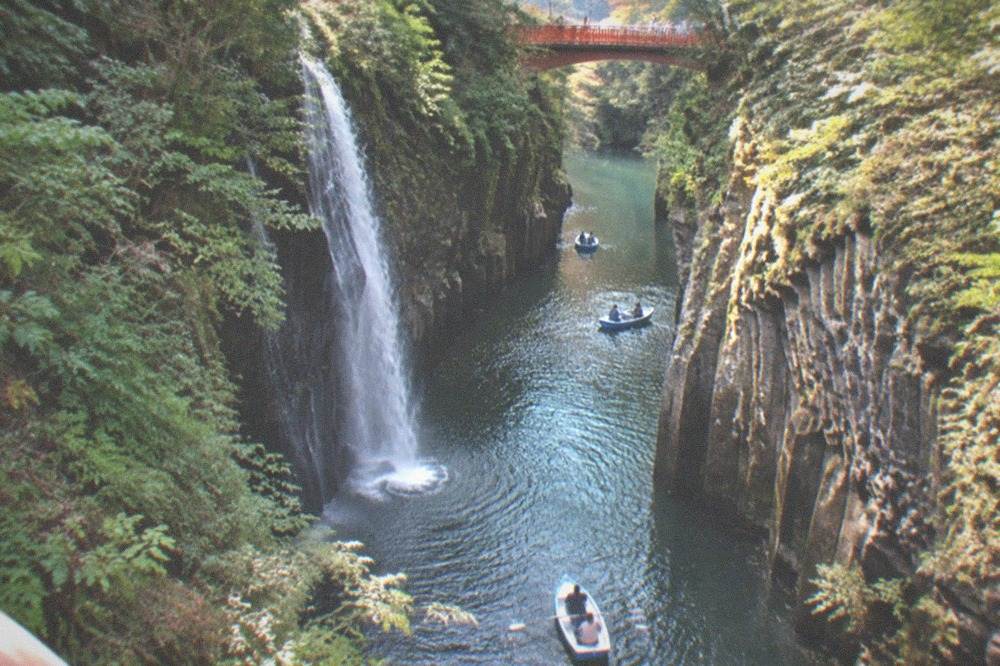
Tokyo's day trips are not weak. Nikko's shrines, Hakone's lake-and-views circuit and Kamakura's temples are all world class. But each involves an hour or more of committed travel each way, and the choice is essentially three or four strong options rather than a dozen. Fukuoka's spread is wider and cheaper to use: the Nishitetsu line to Dazaifu and Yanagawa, the JR lines into the Kyushu interior, and the ferries across Hakata Bay all start from the city centre. If your ideal trip alternates city days with countryside days, Fukuoka is the stronger base, and the multi-day itineraries on this site show how to chain them.
Where Should You Stay in Each City?
In Fukuoka, stay in Hakata for transport convenience, Tenjin for shopping and nightlife, or Nakasu for the riverside food scene, all within a short subway ride of each other. In Tokyo, the choice of district matters far more because districts are an hour apart, and a wrong choice costs you time every single day. Fukuoka's hotel rates also run below central Tokyo's.
The Fukuoka decision is genuinely low-stakes. Hakata Station area puts you on the Shinkansen, the subway and the airport line; Tenjin puts you in the shopping and bar district; Nakasu puts you beside the yatai and the nightlife. Pick wrong and you are a five-minute, ¥210 subway ride from fixing it. The where to stay in Fukuoka guide compares the districts properly, and the Hakata versus Tenjin question is the one most visitors ask first.
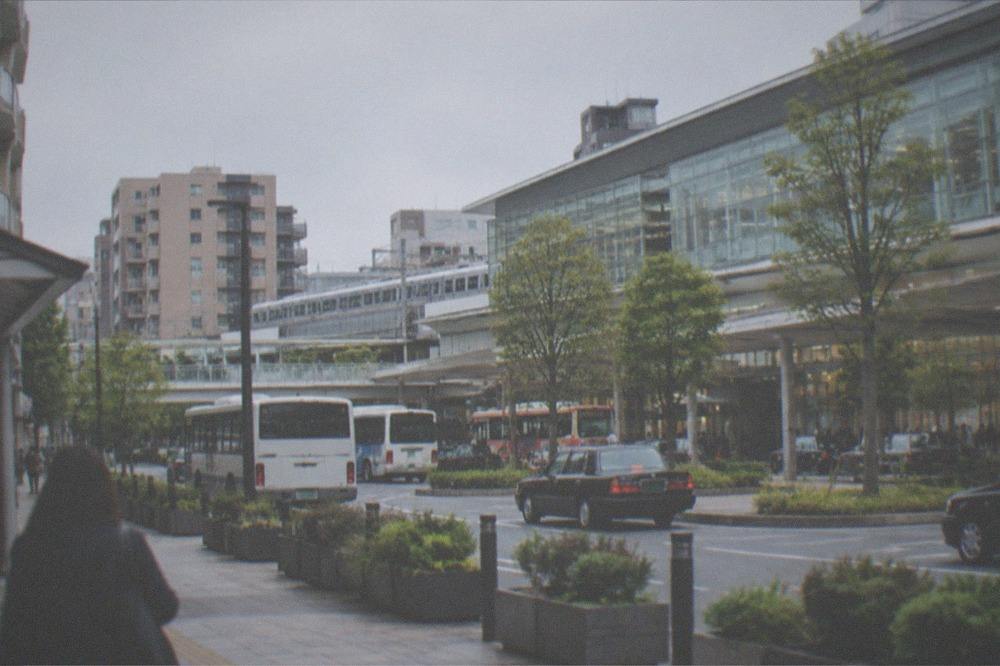
In Tokyo the district decision shapes the whole trip. Staying in Shinjuku suits a nightlife-and-shopping trip; Asakusa suits the temple-and-old-town itinerary; Shibuya suits the pop-culture route. None of these are close to each other, and none are close to the airports. The practical contrast is that a Fukuoka visitor rarely plans a hotel around transport, while a Tokyo visitor almost has to.
One Fukuoka quirk worth knowing: the city's fastest-growing reputation is as a startup and food city, which has pushed central hotel demand up even as new supply has grown with it. Rates still trail central Tokyo's, but the gap is narrower than it was a few years ago, and booking ahead matters more in high season than it used to. The best time to visit Fukuoka guide identifies the crowded weeks, including Golden Week and the July festival period.
When Is the Best Time to Visit Each City?
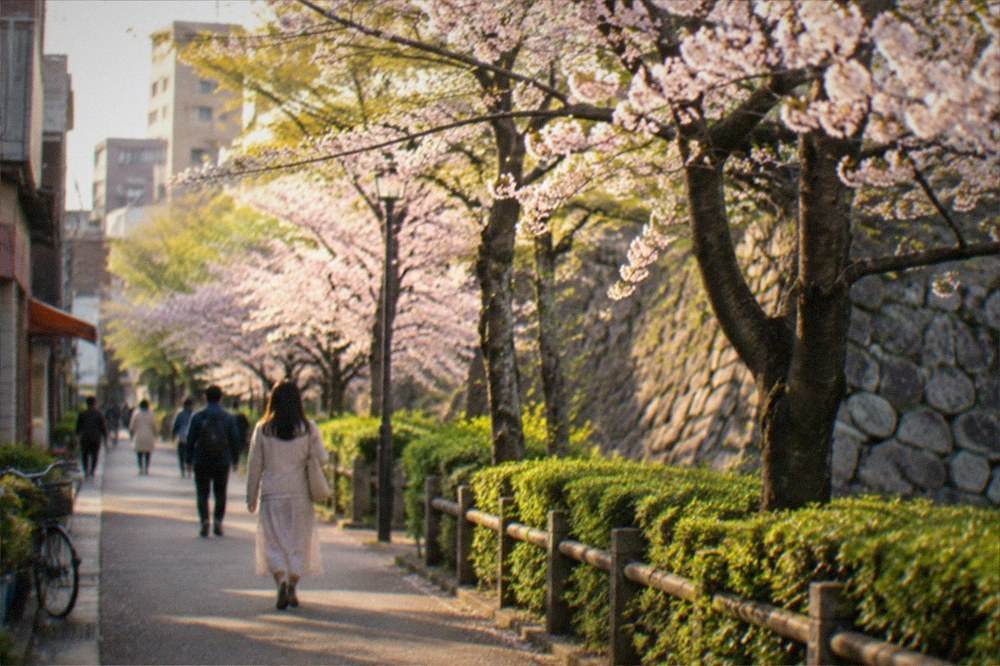
Both cities share Japan's seasonal rhythm: cherry blossoms in late March and early April, a rainy period in early summer, heat in July and August, and crisp autumn leaves from mid-November. Fukuoka's winters are milder, with January means around 6.9 degrees Celsius against Tokyo's colder snaps, and Fukuoka's July is wetter than most guides admit, because July, not June, is its wettest month.
The climate detail that almost every guide gets wrong is worth stating plainly: Fukuoka's wettest month is July, with 299.1 mm of rain in the 1991 to 2020 normals published by the Japan Meteorological Agency, against June's 249.6 mm, even though June is the tsuyu rainy season. July is also the month of Hakata Gion Yamakasa, the city's great float festival, which runs July 1 to 15 with its famous race in the pre-dawn of the 15th. Rain and festival are not in conflict here, they arrive together. The Fukuoka weather guide carries the full month-by-month table.
Tokyo's calendar has the same shape with sharper edges: colder winters, hotter headline summers, and the same Golden Week and Obon crowds. The practical difference for a chooser is that Fukuoka's compactness makes a wet day recoverable, since the subway connects the museums, the underground mall in Tenjin and Canal City without stepping outside. A rainy day itinerary for the city is built for exactly that and sits elsewhere on this site.
Fukuoka or Tokyo: Which Should You Choose?
Choose Tokyo if this is a first trip to Japan and you want the maximum-density version of the country, or if your interests are fashion, pop culture or fine dining. Choose Fukuoka if you want a walkable city, a lower daily spend, easy day trips into Kyushu, and a food culture you can access without reservations. Many travellers should do both, and Fukuoka is the easier city to add on.
The strongest argument for Fukuoka is not that it beats Tokyo, it is that it complements Tokyo. The Shinkansen connects the two, and the Tokyo to Fukuoka guide covers the rail and flight options, with the journey a single comfortable day or a short hop by plane. Fukuoka Airport handled about 28.38 million passengers in 2025, a record year helped by its second runway entering service in March 2025, so the flight schedule is deep and competitive.
A reasonable frame for the decision:
| If your priority is... | The better base is... | Why |
|---|---|---|
| Maximum sights per trip | Tokyo | Sheer inventory, unmatched |
| Lowest daily spend | Fukuoka | Free core sights, low transit costs |
| Food without reservations | Fukuoka | Yatai, ramen, walk-in izakaya |
| Day trips into countryside | Fukuoka | Kyushu rail and bus network radiates out |
| Fashion, pop culture, nightlife scale | Tokyo | Districts that define those scenes |
| Travelling with children | Either, Fukuoka cheaper | Free under-15 museum entry, compact days |
| A short stopover or layover | Fukuoka | Airport to centre in a few subway stops |
If you are weighing Fukuoka against other regional cities rather than the capital, the site also compares Fukuoka versus Osaka, Fukuoka versus Kyoto and Fukuoka versus Nagasaki, and the Hakata or Fukuoka naming question clears up the one piece of terminology that confuses every new visitor. The getting from Fukuoka Airport to Hakata guide handles the arrival itself. Whatever you decide, this Fukuoka Japan Travel Guide carries the full sightseeing, food and day-trip detail for the Kyushu side of the trip.
Before you go, the same three advance purchases that made sense at the top of this page are worth a final look: the family aquarium ticket, the tea ceremony, and the airport transfer.
Common Questions About Fukuoka vs Tokyo
Is Fukuoka Cheaper Than Tokyo?
Yes, in most categories a short-trip traveller pays for. Fukuoka's subway fares run ¥210 to ¥380, its major shrines and castle grounds are free, its city museums charge ¥200, and the one-day Tourist City Pass costs ¥2,500 with a passport check. Tokyo's attractions and hotels run higher, and its distances multiply every fare.
Is Fukuoka worth visiting if I have already seen Tokyo?
Yes. Fukuoka offers a different pace: a compact bay city with about 100 yatai food stalls, free shrine and castle grounds, and day trips across Kyushu that Tokyo cannot replicate, including Beppu, Yufuin, Mount Aso and Takachiho.
How do I get from Tokyo to Fukuoka?
The Shinkansen connects the two cities in a single day's comfortable ride, and flights arrive at Fukuoka Airport, which sits unusually close to the city centre, with the subway fare into Hakata at ¥260. The Tokyo to Fukuoka guide on this site compares the options in detail.
Is Hakata the same city as Fukuoka?
Yes. Hakata is a ward of Fukuoka and the name of its main station. There is no JR Fukuoka Station, and you never travel "from Hakata to Fukuoka" because they are the same place.
Which city is better for a first trip to Japan?
Tokyo, for most first-timers, because it concentrates the widest range of Japan's famous experiences. Fukuoka is the better second trip, or the better choice for travellers who prioritize food, walkability, lower costs and day trips over sheer volume.
Does Fukuoka have enough to fill four or five days?
Yes. Two days cover the city core, and the rest of the week fills easily with Dazaifu, Yanagawa, Itoshima, the bay islands and full-day trips into Kyushu. The itineraries on this site run from one to five days.