Fukuoka Airport to the City Centre
Fukuoka Airport sits inside the city it serves, on the subway's Kuko line, and the ride to Hakata costs a verified ¥260. Here is what each option from the terminals actually costs, which passes are worth buying, and the one famous claim about this journey you should not believe.
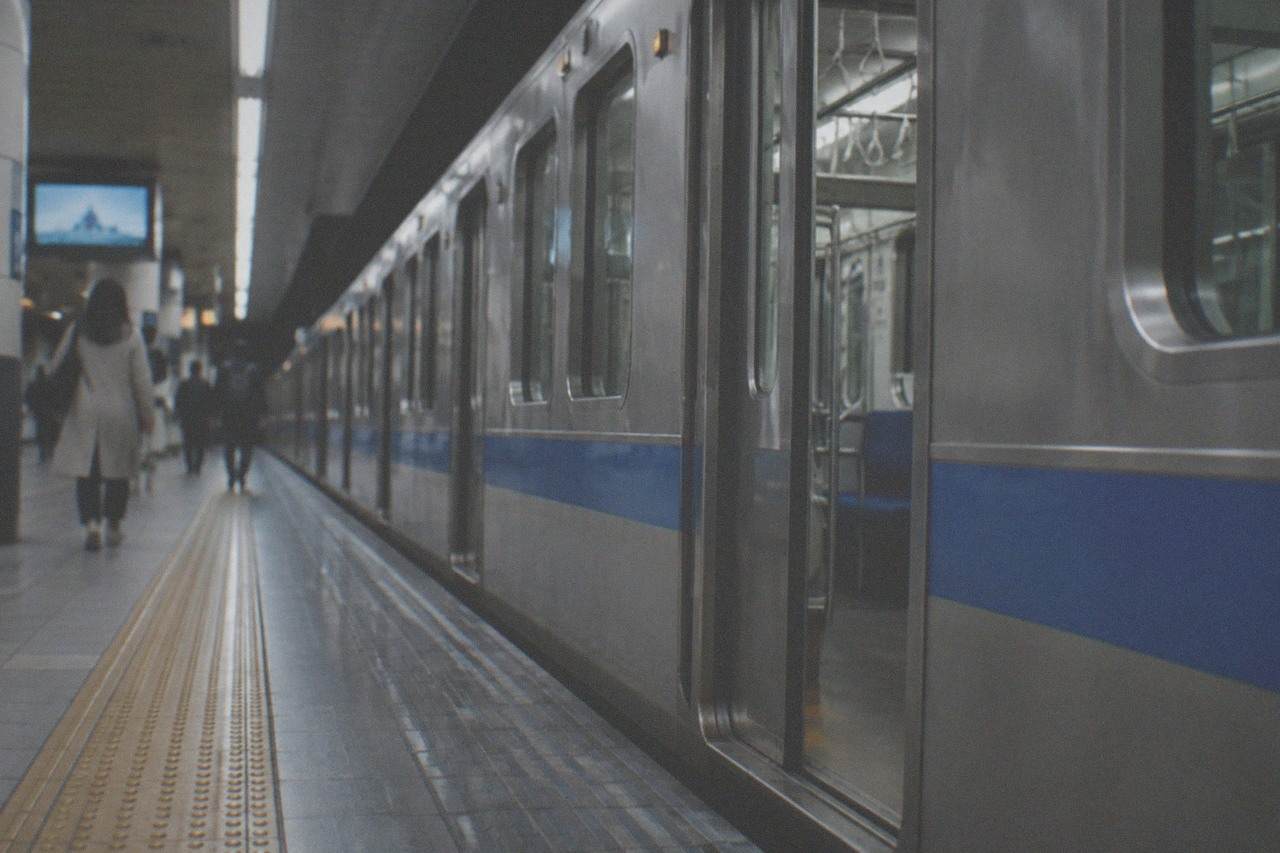
Short answer
The subway from Fukuoka Airport to Hakata Station costs ¥260 per adult, a two-zone fare on the Kuko line, and the subway day pass is ¥640. The Fukuoka Tourist City Pass costs ¥2,500 for the city version and ¥2,800 with Dazaifu, with a passport check at the counter. Buses and taxis are alternatives, but no official source verifies the famous five-minute journey time.
Fukuoka Airport is one of the very few major Japanese airports that sits inside the city it serves. The domestic and international terminals sit on the city's subway network, the Kuko line, and the border between airport and city is a matter of a couple of stops rather than an hour of expressway. That geography shapes every decision on this page: the run into town is short, the subway is the obvious default, and the real questions are about fares, passes and what to do with your bags. This Fukuoka Japan Travel Guide page covers the airport-to-city run; for the terminals themselves, check-in and the inter-terminal shuttle, the Fukuoka Airport guide goes deeper.
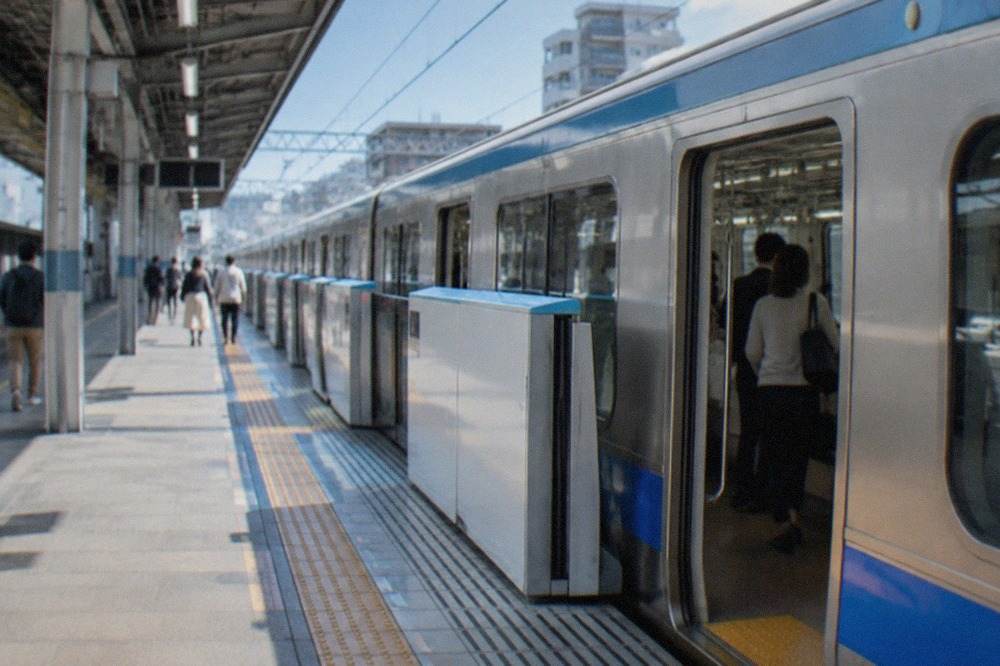
One clarification before anything else, because competing guides get it wrong constantly. Hakata and Fukuoka are not two places. Hakata is a ward of Fukuoka and the name of the city's main rail station; Fukuoka is the city. You never travel "from Hakata to Fukuoka", and there is no JR Fukuoka Station: the Shinkansen and JR terminus for the whole city is Hakata Station. The Hakata or Fukuoka explainer unpacks the history if you are curious why one city carries two names.
Why Fukuoka Airport Is Unusually Close to the City Centre
Fukuoka Airport sits on the Kuko subway line inside the city limits, roughly two stops from Hakata Station, which makes it one of Japan's most central major airports. The official subway fare table puts the airport-to-Hakata leg in the 3 to 7 km band at ¥260 per adult. No official page publishes a journey time in minutes, and this site does not print one either, because the famous five-minute claim has never been verified against an official timetable.
That last point deserves a sentence of its own, because "five minutes to Hakata" appears in almost every English-language guide to this city. The airport's own access pages and the subway's English fare pages do not state a journey time. What is verified is the fare, the line and the fact that the airport is unusually close to the centre, which is true and sourced. Treat any minute figure you read elsewhere, including in otherwise careful guides, as unconfirmed.
The airport handled roughly 28.38 million passengers in 2025, a record year, and its second runway, 2,500 m long, entered service in March 2025, which modestly increased capacity. Those are city-published figures. The practical effect for a visitor is simpler: an airport this close to downtown changes how you plan. You can land, drop bags, and be eating tonkotsu ramen before you would have cleared the expressway at Tokyo's Narita.
A free shuttle bus runs between the international and domestic terminals, and the airport's own access page puts that transfer at about 10 minutes. If you arrive internationally and your hotel is near Hakata Station, you take the shuttle to the domestic terminal side, where the subway station sits, then ride the Kuko line toward the city. The getting around Fukuoka overview places the subway in the wider context of buses, the Nishitetsu railway and JR.
How Much Does the Subway from Fukuoka Airport to Hakata Cost vs a Bus or Taxi?
The subway from Fukuoka Airport to Hakata costs ¥260 per adult and ¥130 per child, a two-zone fare on the Kuko line, and it runs from the station attached to the domestic terminal. A bus covers the same ground at a different price and with more stops, and a taxi or private transfer costs more again but takes you door to door. None of these options requires booking ahead except a private transfer, and the subway wins for most travellers on both cost and simplicity.
The subway fare is not a rounded guess. Fukuoka City's official fare table prices the network in six distance zones, and the airport-to-Hakata leg falls in the 3 to 7 km band. Here is the full official table, because you will use the same subway for everything else in the city and knowing the zones helps you sanity-check every fare you are charged.
| Zone | Distance | Adult fare | Child fare |
|---|---|---|---|
| 1 | up to 3 km | ¥210 | ¥110 |
| 2 | 3 to 7 km | ¥260 | ¥130 |
| 3 | 7 to 11 km | ¥300 | ¥150 |
| 4 | 11 to 15 km | ¥340 | ¥170 |
| 5 | 15 to 19 km | ¥360 | ¥180 |
| 6 | over 19 km | ¥380 | ¥190 |
The same fare table answers the Tenjin question. Tenjin, the shopping and business district, is a few stops further along the Kuko line and then a transfer at Nakasu-Kawabata or a short walk, and the fare lands in the same ¥260 band. In other words, whether you are staying near Hakata Station or in Tenjin, the subway from the airport costs the same ¥260, and the Fukuoka subway guide maps all three lines, the transfer points and the tourist offices that sell passes.
Buses from the airport run to Hakata Station, Tenjin and other districts, and they are a real option if your hotel sits on a direct route, since a bus spares you a transfer with luggage. Taxis queue at both terminals and are metered; this site does not print a taxi fare, because no official figure exists for the airport-to-city run, and a guessed number would be exactly the kind of claim the rest of this page exists to correct. Ask the driver's desk for an estimate to your specific address if cost matters.
If you are travelling with a group, heavy bags or small children, a pre-booked private transfer removes the transfer-and-platform problem entirely. The roster's Private Arrival Transfer, Fukuoka International Airport to Fukuoka City, is rated 5.0 from 2 reviews, a small pool but a perfect one so far, and it runs 30 minutes to an hour door to door. It is the one option on this page worth reserving before you land.
For a sense of how the three main options compare on the things that actually decide it, this table keeps to what is verified and marks what is not.
| Option | Verified cost | Where it starts | Best for |
|---|---|---|---|
| Subway (Kuko line) | ¥260 adult, ¥130 child to Hakata | Station at the domestic terminal | Almost everyone; cheapest and simplest |
| Airport bus | Varies by route; confirm at the stop | Both terminals | Hotels on a direct bus route |
| Taxi | Metered; no official airport figure published | Both terminals | Late arrivals, door-to-door needs |
| Private transfer | Bookable in advance on the operator's listing | Meet and greet at arrivals | Groups, families, heavy luggage |
The Day Passes and the Tourist City Pass Most Guides Price Wrongly
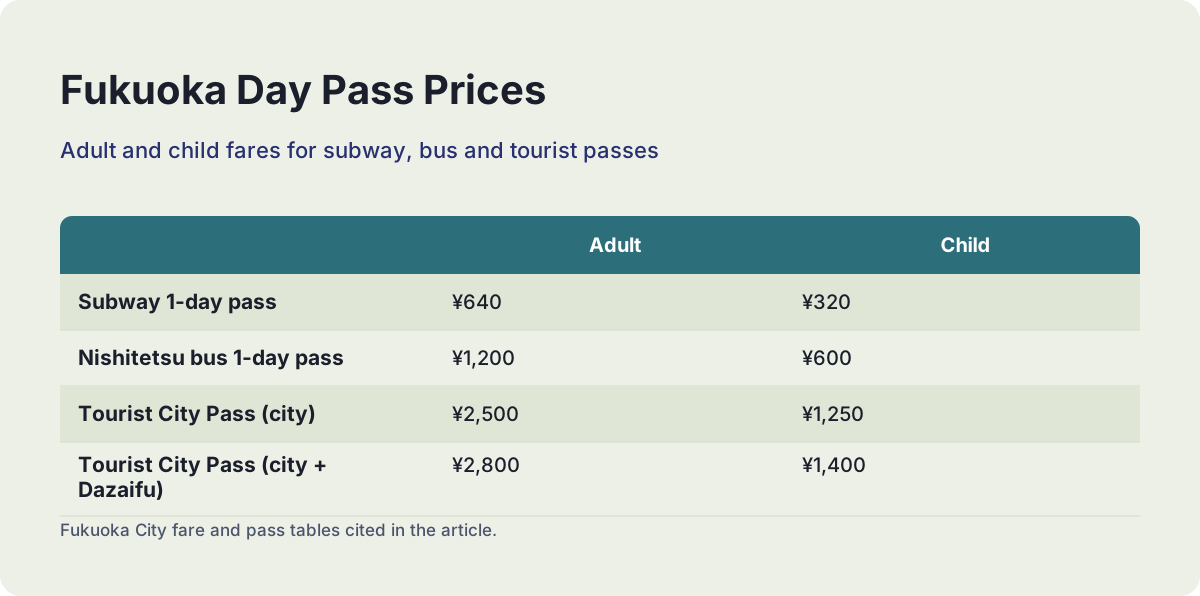
The subway-only day pass costs ¥640 for adults and ¥320 for children, the Nishitetsu bus day pass costs ¥1,200 and ¥600, and the Fukuoka Tourist City Pass costs ¥2,500 for the city version or ¥2,800 with Dazaifu included, sold only to overseas tourists on a short-stay visa with a passport check at the counter. Most competing guides still quote a stale ¥820 or ¥1,340 for the Tourist City Pass, which is wrong.
The subway day pass, the Chikamaru-kun, covers all three lines from first train to last on the day you first pass it through a gate, and it is sold at station ticket machines, customer service centres and the tourist information offices at Tenjin, Hakata Station and Fukuoka Airport. That last detail matters here: you can buy it in the airport's international arrivals area before you even ride. An unused ticket is refunded at ¥220, and the pass carries discounts at partner facilities on the day of use.
| Pass | Adult | Child | What it covers |
|---|---|---|---|
| Subway 1-day pass | ¥640 | ¥320 | All three subway lines, one day |
| Nishitetsu bus 1-day pass | ¥1,200 | ¥600 | City buses, one day, plus listed attraction discounts |
| Tourist City Pass (city) | ¥2,500 | ¥1,250 | Subway, Nishitetsu trains and buses, ferries, some JR lines |
| Tourist City Pass (city + Dazaifu) | ¥2,800 | ¥1,400 | The above plus Nishitetsu coverage to Dazaifu |
The Tourist City Pass is the one worth slowing down for, because the pricing error in other guides is widespread and getting it right is genuine information gain. The pass is operated by Fukuoka City, it covers a day of unlimited subway, Nishitetsu trains and buses, some JR lines and ferries, plus attraction discounts, and the Dazaifu version adds the Nishitetsu coverage out to the shrine town. Two restrictions shape whether it is for you: a passport is checked at the counter, because it is sold only to overseas visitors on short-stay visas, and the digital app version is currently restricted to visitors from South Korea, Taiwan and Thailand, so everyone else buys paper. The Dazaifu Liner Bus "Tabito" is excluded even from the Dazaifu version.
Is the Tourist City Pass worth ¥2,500? Only if you will ride a lot. Four subway trips alone do not clear it, since single fares top out at ¥380. Where it pays back is a heavy day that mixes subway, Nishitetsu trains and buses, a ferry, and the attraction discounts, or any day that includes Dazaifu on the Nishitetsu line. For a quieter plan, the plain ¥640 subway pass plus single fares is the cheaper arithmetic, and the Fukuoka trip cost guide works through the full budget picture.
What to Expect When You Arrive at Hakata Station
Hakata Station is the city's main rail hub, the terminus of the Shinkansen and JR lines as well as a subway interchange, and the airport subway deposits you a short walk from its ticket gates. There is no JR Fukuoka Station anywhere in Japan; Hakata is the station, and every JR and Shinkansen journey to or from this city starts or ends there. Inside you will find tourist information, luggage storage, the bus terminal and the Gion and Nakasu districts within walking distance or one stop.
The station complex is large but logically arranged. The subway platforms sit beneath the JR lines, the Hakata Bus Terminal sits above and beside them, and the tourist information centre inside the station handles pass sales and maps. If you are connecting onward to Osaka, Tokyo, Kyoto or anywhere on JR, you do it here, and the Hakata Station guide covers platforms, ticketing and the shopping inside the building.
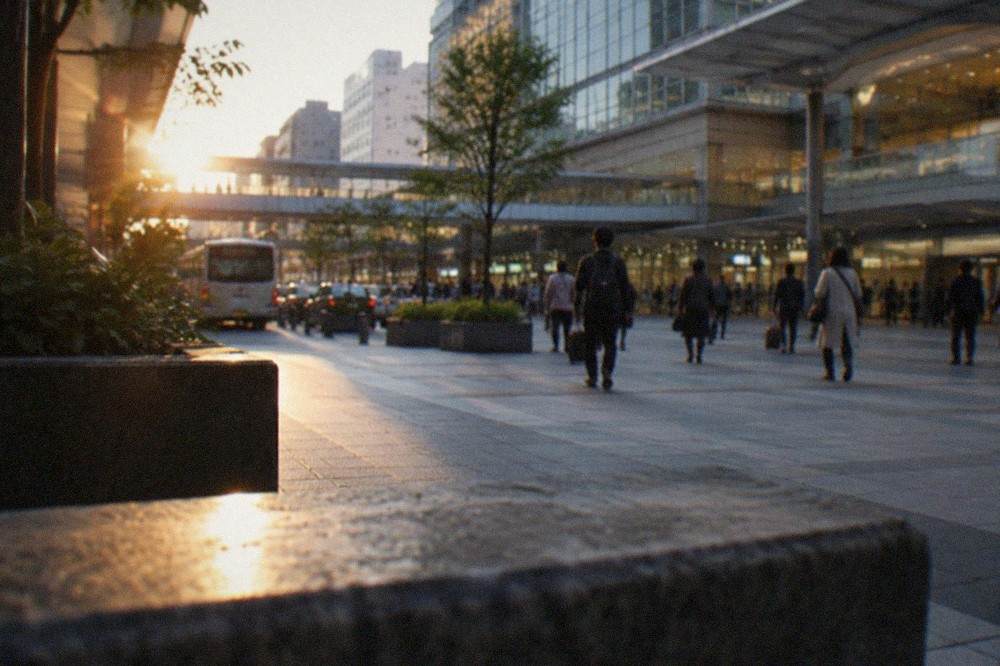
Once your bags are sorted, the city opens up fast. Kushida Shrine, Tochoji and the Hakata old town streets cluster south and east of the station, the Nakasu yatai stalls line the Naka River a couple of subway stops or a 15-minute walk away, and Canal City Hakata sits between them. The temples and shrines overview ranks the ones worth your first afternoon.
A bike is a genuinely good way to take that first afternoon in, because Hakata's old districts are flat, compact and better stitched together by bicycle than by subway stops. The roster's guided Hakata bike ride, Bike is Life, spends three and a half hours on exactly this ground with a local guide, and it is rated 4.7 from 22 reviews. Riders meet in the city centre, so it slots neatly into the day you land or the morning after.
If the weather is wet, and this page will talk about that below, the indoor options around Hakata and Tenjin are strong enough that a rainy arrival day is not a lost day. The rainy day itinerary sequences museums, arcades and the Tenjin underground mall for exactly this situation.
Arriving with Luggage, Kids or a Group
The subway handles rolling luggage well, with lifts at every station and a short platform-to-gate distance, but a transfer with bags is where the airport's closeness stops being convenient and starts being work. Coin lockers and staffed storage at Hakata Station solve the bag problem for a few hundred yen, and a private transfer solves it completely by meeting you at arrivals. Families with small children and groups of four or more should weigh the transfer against four subway fares plus the hassle factor.
Start with the bags. Hakata Station has coin lockers across multiple sizes and a staffed luggage service, and the luggage storage guide covers locations, sizes and how lockers work with large suitcases. The practical pattern for a landing day: ride the subway in, drop the bags at the station, and sightsee hands-free until check-in opens, which in Japan is usually mid-afternoon.
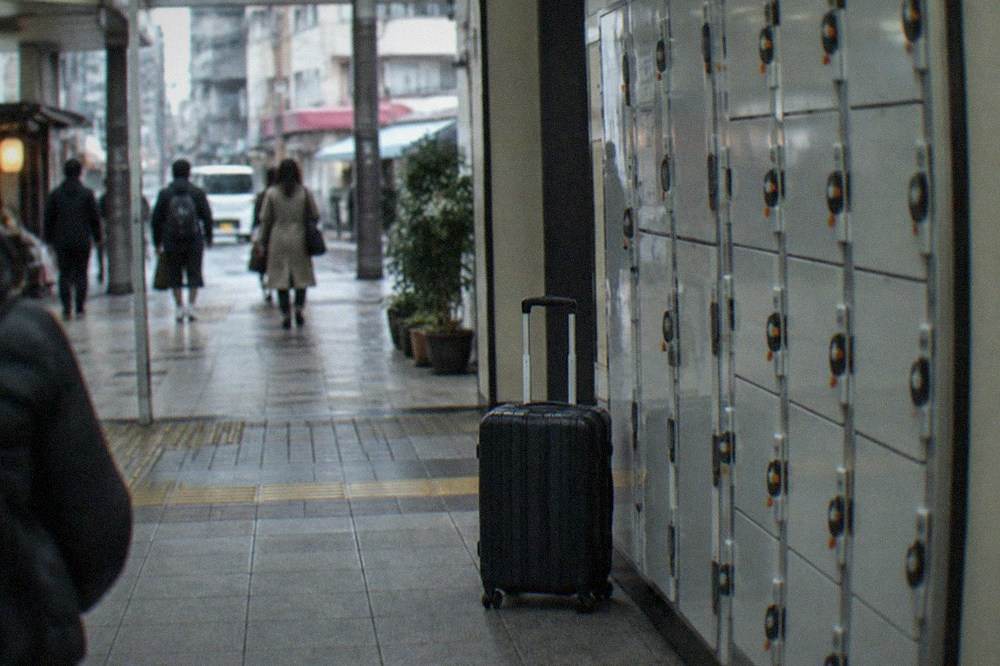
For the ride itself, the Kuko line platforms at the airport are reached by lift from the terminal floor, and every station on the network has step-free routes from platform to street. The airport station is at the domestic terminal, so international arrivals take the free inter-terminal shuttle first; with more than one large bag per person, that shuttle-plus-platform sequence is the moment a taxi or transfer starts earning its price.
The private arrival transfer is the roster's answer for exactly that case. It meets arrivals with a name board, runs 30 minutes to an hour door to door, and is rated 5.0 from 2 reviews, which is a small pool, so treat it as a promising new listing rather than a proven quantity. For a family of four it competes on arithmetic as well as comfort, and for anyone landing late at night it removes the last uncertainty of the day.
Buses, Taxis and the Options Beyond the Subway
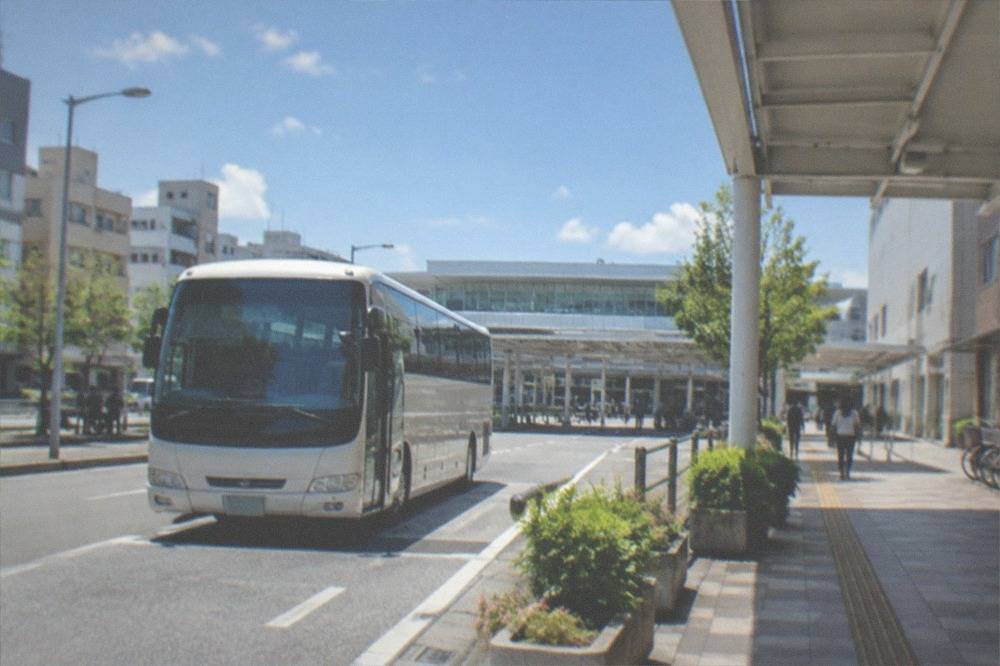
Buses from Fukuoka Airport serve Hakata Station, Tenjin and further districts on set routes with fares confirmed at boarding, taxis queue at metered ranks at both terminals, and the free inter-terminal shuttle connects the international and domestic sides in about 10 minutes. None of the bus or taxi prices for the airport run are published on an official page this site could verify, so this section explains how each works rather than quoting numbers other guides invent.
The bus is underrated for one specific case: a hotel on a direct airport route. If your accommodation sits on a bus corridor, you trade the shuttle-to-subway walk and any transfer for a single vehicle from kerb to kerb. Routes and timetables are posted at the terminal stops, and the driver or the airport's ground transportation desk can confirm the fare before you board. For the general visitor, though, the subway's frequency and the ¥260 fare win.
Taxis are straightforward: ranks at both terminals, metered fares, and drivers who handle addresses in Japanese without fuss. What this site will not do is print a fare for the airport-to-city run, because no official source publishes one, and every yen figure you see elsewhere for this trip is an estimate dressed as a fact. A rough sense of scale comes from the subway's own fare bands: the distance is short, so a metered fare reflects a short urban ride, not an airport expressway haul.
Two more options complete the picture. If you are staying near Hakata Station, the airport is close enough that some visitors walk out of arrivals and simply take the first thing that moves, and that is a legitimate strategy in a city this compact. And if you are heading straight onward, the how do you get from Fukuoka Airport to Hakata answer page gives the short version of everything above for skimmers.
| Situation | Best option | Why |
|---|---|---|
| Staying near Hakata Station | Subway, ¥260 | Two stops on the Kuko line, no transfer |
| Staying in Tenjin or Daimyo | Subway, ¥260 | Same fare band, one transfer or short ride |
| Hotel on a direct bus route | Airport bus | Kerb to kerb, no platform changes |
| Four or more people, or lots of bags | Private transfer or taxi | Splits the cost, removes the transfers |
| Landing late at night | Taxi or pre-booked transfer | Runs when everything else thins out |
When You Land: Weather, Timing and Season
The best time to land and go is any time outside the July-to-October typhoon window and the June tsuyu rains, though neither makes the city unvisitable, and July is actually Fukuoka's wettest month at 299.1 mm against June's 249.6 mm, a fact that surprises most visitors. The subway runs from first to last train regardless of weather, which is why it is the reliable default. Flights, on the other hand, are the thing typhoons actually disrupt, so watch the forecast before you watch the fare table.
The Japan Meteorological Agency's 1991 to 2020 normals for Fukuoka put July's rainfall at 299.1 mm, ahead of June's 249.6 mm even though June carries the tsuyu label. July is also Yamakasa month, when the city's biggest festival fills the streets, so the wettest month is also one of the most compelling to visit. The honest framing is that a summer landing may be damp and glorious at once, and the weather guides elsewhere on this site work through every month in turn.
Typhoon season runs roughly July through October, and an active system in the western Pacific can close an airport afternoon or a ferry day. The subway keeps running through ordinary rain, which is the quiet advantage of an airport on a city metro line: your fallback plan and your primary plan are the same vehicle. If a typhoon is forecast for your arrival day, the airline will rebook before you ever need this page's fare tables.
Timing within the day matters less here than at most airports. Because the airport is urban, there is no last-express-bus cliff edge to fall off; the subway runs a full schedule into the evening, taxis are always at the ranks, and hotels around Hakata Station are used to late international arrivals. Land at midnight and the plan still works, just with a taxi instead of a train.
First Stops Once You Are in the City
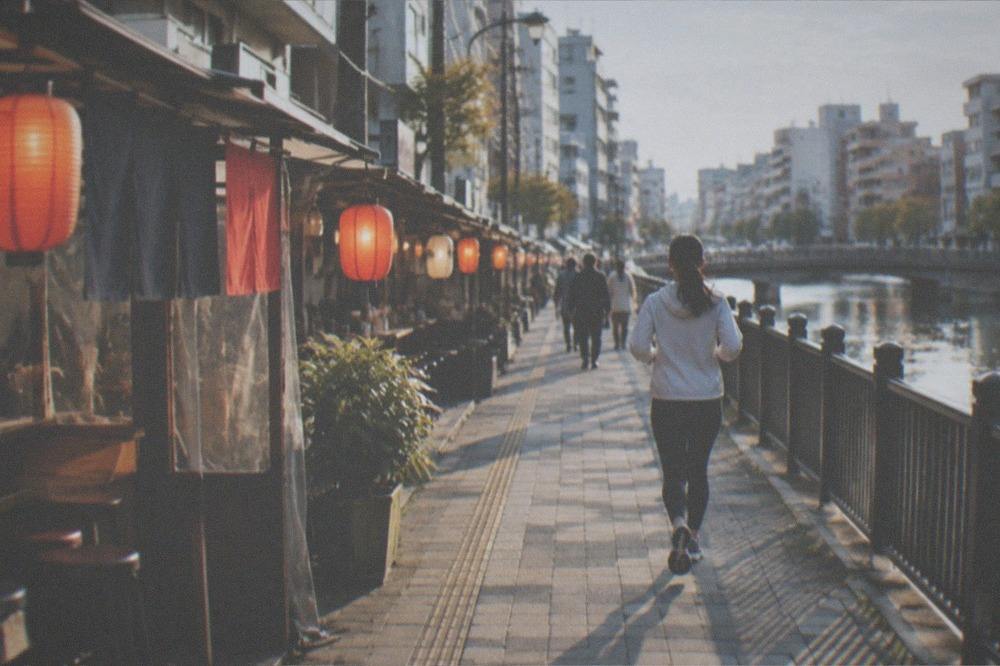
The best first stops from Hakata Station are the Kushida Shrine grounds and Hakata old town for a first walk, the Nakasu yatai stalls along the Naka River for an evening meal, and Canal City Hakata as an indoor fallback, all within a couple of subway stops or a 15-minute walk of the station. Shrine and temple grounds are free to enter, and the yatai take walk-ins, with about 100 stalls across the city and prices required by city ordinance to be posted where you can see them.
That ordinance detail is worth knowing before your first stall: Fukuoka City's yatai rules ban vague "market price" labelling and require each stall to display its actual prices, and city inspectors check periodically. It is the honest answer to whether a first-time visitor gets overcharged at a yatai, and it is a better answer than most guides give. The street food overview covers what to order at the stalls and beyond, from tonkotsu ramen to yakitori.
For a first morning, the options split by appetite. The breakfast guide covers the morning set meals and coffee shops around Hakata, and the vegetarian and vegan guide does the same work for plant-based travellers, which in a tonkotsu town takes some local knowledge. Everything on that list is reachable on the same ¥260-or-less subway fare you paid from the airport.
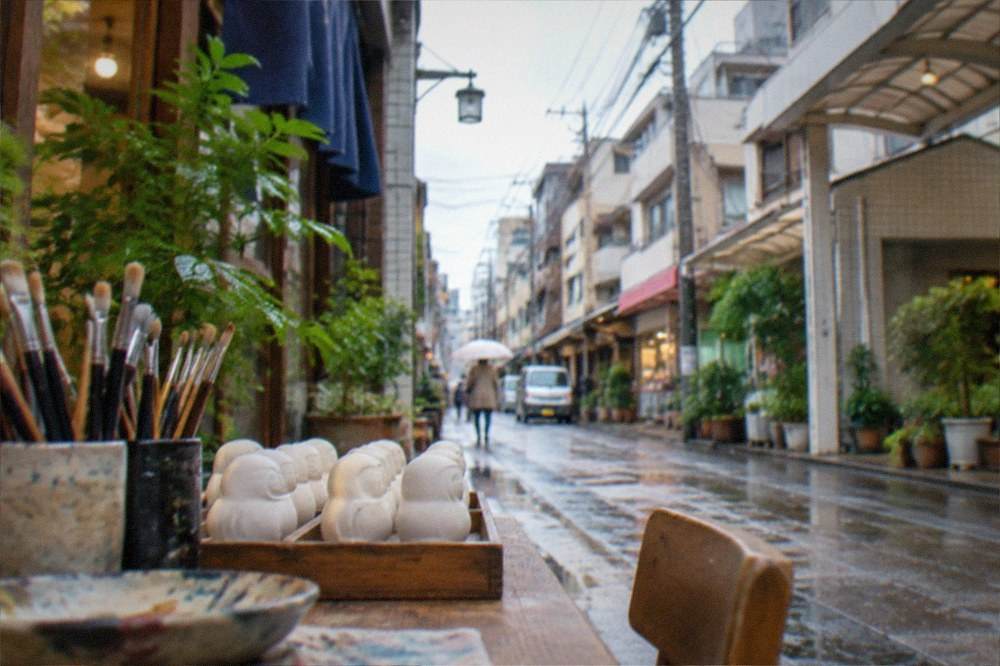
If your first day has room for something hands-on rather than merely seen, the culture category of the tour roster has short workshops in the city centre that fit a landing afternoon. The Hakata doll painting experience runs 90 minutes, is rated 4.9 from 45 reviews, and sends you home with something you painted yourself, which is more than most first days produce. Tea ceremony and calligraphy sessions sit in the same category at similar lengths.
The pattern to resist is doing too much on day one. The airport's closeness tempts you to treat arrival day as a full sightseeing day, and it can be, but the trips that actually define a Fukuoka stay, Dazaifu, Yanagawa, Itoshima, the Beppu and Yufuin runs, deserve their own mornings rather than a rushed first afternoon.
Whichever way your first days go, the three options below cover the most useful bookable angles on this page: seeing the city by bike with a local, removing the airport transfer problem entirely, and a short cultural workshop for a spare afternoon.
Common Questions About Getting from Fukuoka Airport to the City
How Much Does The Subway From Fukuoka Airport To Hakata Cost Vs A Bus Or Taxi?
The subway costs ¥260 per adult and ¥130 per child, from the official 3 to 7 km fare band. Buses charge by route, confirmed at the stop, and taxis are metered with no official airport figure published. For most travellers the subway wins on cost and simplicity, and a taxi or transfer only earns its price with a group, heavy luggage or a late arrival.
Is Fukuoka Airport really only five minutes from Hakata?
That figure appears everywhere but no official page verifies it, and this site does not print a journey time in minutes. What is verified is that the airport sits on the city's subway line about two stops from Hakata Station, making it one of Japan's most central major airports, and the fare is ¥260.
Is there a JR Fukuoka Station?
No. The city's main JR and Shinkansen terminus is Hakata Station. Hakata is also a ward of Fukuoka, and Hakata and Fukuoka are the same city, not two places you travel between.
Should I buy the Fukuoka Tourist City Pass at the airport?
You can, at the tourist information office, but only if you are an overseas visitor on a short-stay visa, because a passport is checked at the counter. The city version is ¥2,500 and the Dazaifu version ¥2,800. It pays off on a heavy multi-modal day; otherwise the ¥640 subway day pass is cheaper.
Which is better from the airport, the subway or a bus?
The subway for almost everyone: ¥260, frequent, and no traffic. A bus makes sense when your hotel sits on a direct airport route, because it takes you kerb to kerb without a platform change. Taxis and private transfers suit groups and late arrivals.
Can I store luggage at Hakata Station after arriving from the airport?
Yes. Hakata Station has coin lockers in several sizes plus staffed storage, so the standard landing-day pattern is to ride in for ¥260, drop the bags, and sightsee hands-free until hotel check-in opens.