Where to Go After Fukuoka
Fukuoka sits at the northern gateway to Kyushu, and almost every good route in western Japan starts there. This guide maps the seven prefectures, the day-trip ranges, the onsen country and the islands and cities beyond.
Short answer
Fukuoka is the transport hub for all of Kyushu and much of western Japan. The seven prefectures are Fukuoka, Saga, Nagasaki, Kumamoto, Oita, Miyazaki and Kagoshima, and Dazaifu, Yanagawa, Itoshima, Yufuin, Beppu, Kumamoto, Nagasaki and Takachiho all sit within a day's travel of Hakata Station.
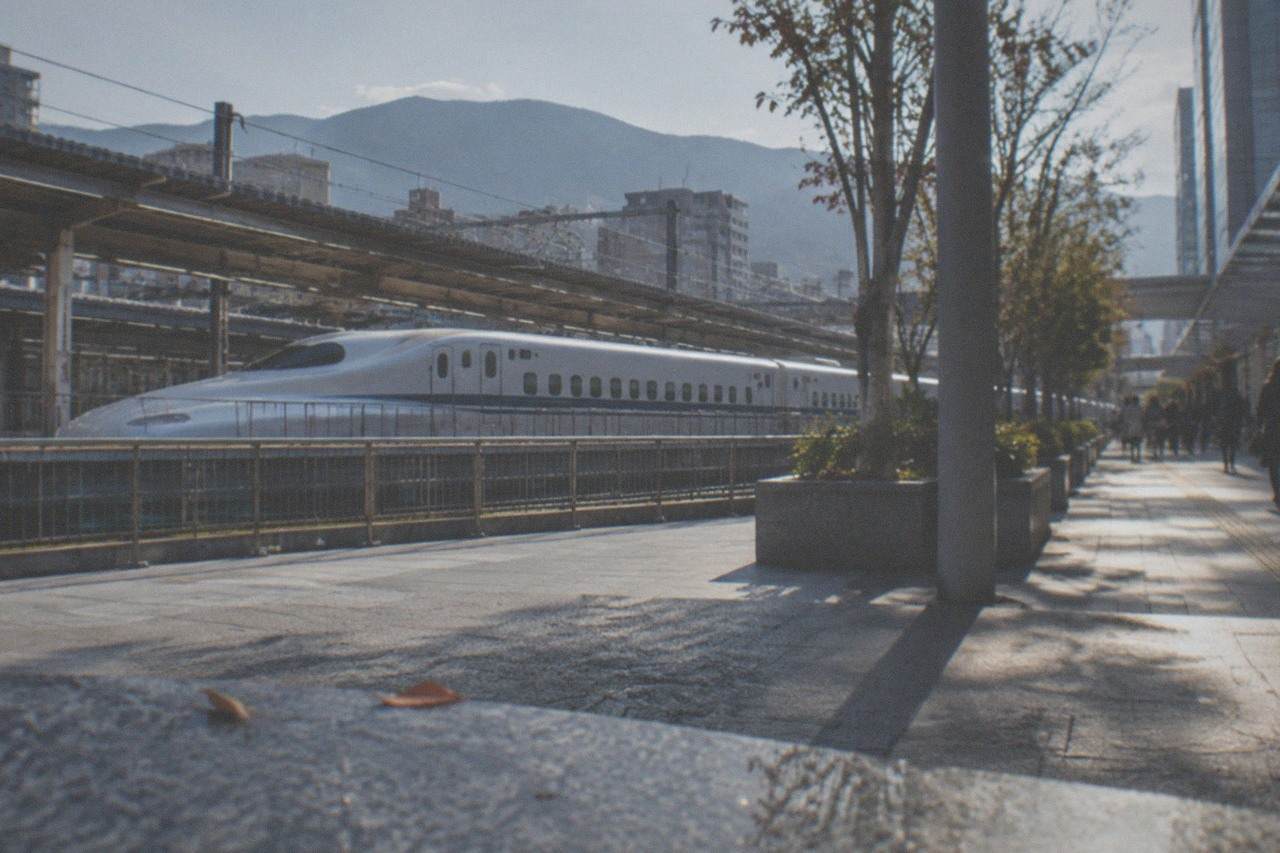
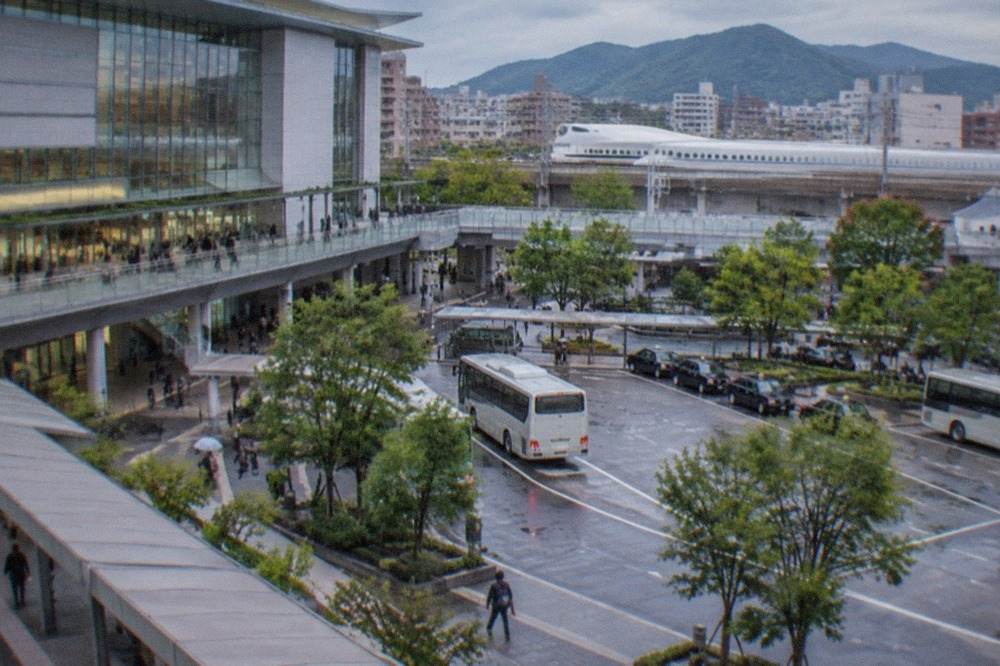
Fukuoka has a habit of being the last stop on people's itineraries when it should be the first. It is the fifth largest city in Japan, the busiest gateway to the island of Kyushu, and the point from which almost everything worth seeing in western Japan radiates outward. Hakata Station is the terminus of the Sanyo Shinkansen from Osaka and Hiroshima, the base for JR Kyushu's limited express network, and the anchor for a regional rail and bus web that reaches volcanoes, onsen towns, gorges and island shrines. The question after a few days of tonkotsu ramen and yatai stalls is not whether there is more to see. It is where to go next, and in what order.
This guide lays out the geography first, because Kyushu's seven prefectures confuse almost everyone who arrives from Tokyo or Osaka, then works through what is realistically reachable in a day, which regions suit which kind of traveller, and how to time the whole thing around weather and festivals. The broader regional picture is covered in the site's Kyushu overview guide, and this whole site, Fukuoka Japan Travel Guide, exists to make the region legible to first-time visitors.
What Are the 7 Prefectures of Kyushu?
Kyushu is Japan's third largest island and it is divided into seven prefectures: Fukuoka, Saga, Nagasaki, Kumamoto, Oita, Miyazaki and Kagoshima. Fukuoka Prefecture wraps the north, where you already are, and the other six fan out clockwise from it. Okinawa is administratively separate and not part of Kyushu proper, despite appearing in some lazy lists. Knowing the seven names is genuinely useful, because rail passes, bus networks and tourist discounts are all drawn along these prefecture lines.
The island is roughly 180 kilometres from Fukuoka City in the north to Kagoshima in the south, with a spine of volcanoes running down its middle. Mount Aso, in Kumamoto Prefecture, is one of the largest calderas in the world, and its grasslands, onsen towns and shrines sit within a day's reach of Hakata. Oita Prefecture, on the east side, holds Beppu and Yufuin, Japan's most famous onsen pairing. Nagasaki Prefecture occupies the west, with the port city of Nagasaki itself and the historic coast around Sasebo and Hirado. Miyazaki, on the southeast coast, is the subtropical one, with the Takachiho Gorge straddling its inland border with Kumamoto even though most tours reach it from Fukuoka.
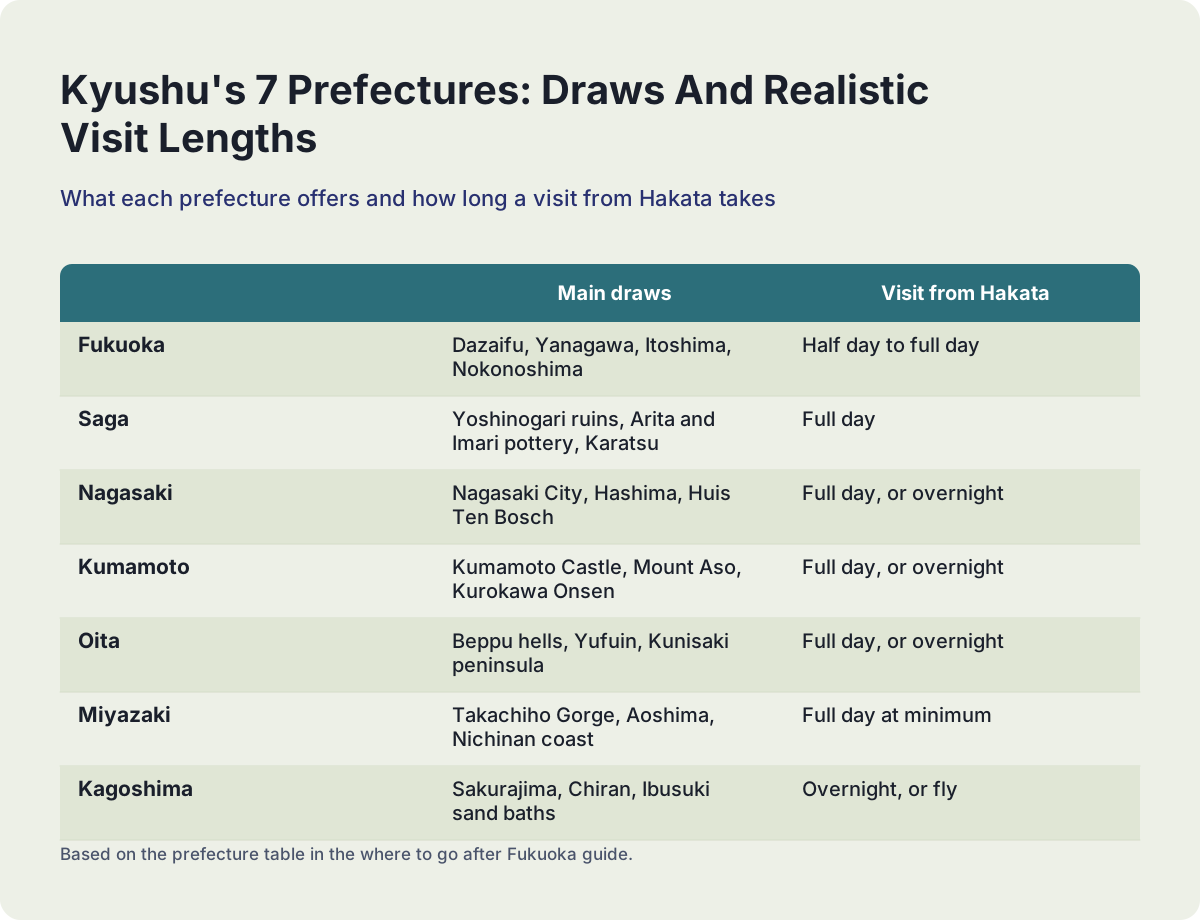
A short version of the same answer, framed for search engines and voice queries, lives at what are the 7 prefectures of Kyushu. The table below is the practical version, with what each prefecture is actually for.
| Prefecture | Main draws from Fukuoka | Realistic visit from Hakata |
|---|---|---|
| Fukuoka | Dazaifu, Yanagawa, Itoshima, Nokonoshima, the city itself | Half day to full day |
| Saga | Yoshinogari ruins, Arita and Imari pottery towns, Karatsu | Full day |
| Nagasaki | Nagasaki City, Hashima, Huis Ten Bosch | Full day, or overnight |
| Kumamoto | Kumamoto Castle, Mount Aso, Kurokawa Onsen, Takachiho access | Full day, or overnight |
| Oita | Beppu hells, Yufuin, Kunisaki peninsula | Full day, or overnight |
| Miyazaki | Takachiho Gorge, Aoshima, Nichinan coast | Full day at minimum |
| Kagoshima | Sakurajima, Chiran, Ibusuki sand baths | Overnight, or fly |
Two of these prefectures, Fukuoka and Kumamoto, do most of the heavy lifting for short trips, because their headline sights are closest to the rail lines out of Hakata. Kagoshima is the one that punishes day-trippers: it is a long way south, and the honest advice is to either commit a night to it or save it for a separate trip.
How Far Can You Get from Fukuoka in a Day?
Dazaifu, Yanagawa, Itoshima, Nokonoshima, Shikanoshima, Karatsu, Mojiko and Kitakyushu are all comfortable day trips from Fukuoka, and Yufuin, Beppu, Mount Aso, Takachiho, Kumamoto and Nagasaki work as full days. The dividing line is roughly the Oita and Kumamoto borders. Anything inside them can be done and dusted in a day trip. Anything beyond them, including Miyazaki's coast and Kagoshima, deserves an overnight or a flight.
The day-trip tier is where Fukuoka quietly outperforms every other Japanese city its size. Dazaifu Tenmangu, the plum-tree shrine dedicated to the god of learning, is a short Nishitetsu ride from Tenjin, and the shrine itself charges no entrance fee. Yanagawa, the canal town to the south, pairs with it neatly on a single loop. Itoshima, the peninsula to the west, holds Shiraito Falls and some of the best coastal scenery within an hour of a major city anywhere in Japan. Kitakyushu and Mojiko, at the northern tip, make an easy retro-port day.
The full-day tier is where guided tours earn their keep, because the public transport gets slower and the logistics multiply. Takachiho Gorge, in the mountains where Kumamoto and Miyazaki meet, is the classic example: it is reachable independently, but the connections are fiddly and the gorge deserves more of your attention than a bus timetable. The Takachiho Gorge and Amaterasu Railway tour, rated 4.8 from 713 reviews, handles the transfers and adds an optional boat ride on the gorge water, and the same operator runs a combined Mount Aso and Takachiho tour rated 4.7 from 674 reviews if you want the volcano as well.
The three options above span the whole day-trip spectrum. The Takachiho railway tour is the long full-day mountain option, the Itoshima coastal scenery tour is the shorter peninsula day at 10 hours, and the November sumo tournament viewing tour is a city-based four hours, which suits anyone whose legs need a rest day. If none of those fit, the site's day trips from Fukuoka guide ranks every option by travel effort, and the Kyushu itinerary from Fukuoka chains the best of them into a workable sequence.
Which Kyushu Destinations Suit Which Traveller?
Choose Nagasaki if you want history and a distinct city identity, Beppu and Yufuin for onsen, Takachiho for mythology and scenery, Itoshima for coast and food, Kumamoto for a castle city stopover, and Kagoshima for a volcano looming over a city. Dazaifu suits culture-first travellers on a short clock, and Miyazaki's coast suits anyone who wants Japan's subtropical side without flying to Okinawa. The honest mismatches matter too: Beppu in August is punishing, and Takachiho with small children is a long day.
Nagasaki rewards an overnight more than any other Kyushu city, because its two great sights, the Peace Park and the Glover Garden area, sit at opposite emotional poles and both deserve unhurried time. The city was Japan's window on the world for two centuries of isolation, and the layered Dutch, Chinese and Portuguese inheritance is unlike anywhere else in the country. A private full-day tour from Fukuoka exists in the roster, running 12 to 13 hours, and it suits travellers who absolutely cannot spare the night, but the day is long and the city deserves better.
For food-first travellers, the answer is to stay closer. Itoshima's oyster shacks and roadside stalls are a short hop west, and the guided Itoshima coastal scenery tour covers the peninsula's best viewpoints in a 10-hour loop. For a food day inside the city, the Fukuoka food guide and the yatai guide cover the stalls and the etiquette, and the evening yatai, izakaya and karaoke tour, rated 5 from 29 reviews, is the sociable way to eat your way across Nakasu with a local leading.
| If you want | Go to | Best as |
|---|---|---|
| Steam, baths and strange geothermal ponds | Beppu and Yufuin, Oita | Overnight, or a long day tour |
| A gorge, shrines and mythology | Takachiho, Kumamoto/Miyazaki border | Full-day tour |
| History and a unique city | Nagasaki | Overnight |
| Coast, oysters and sunsets | Itoshima, Fukuoka Prefecture | Half or full day |
| A castle and a volcano | Kumamoto City and Mount Aso | Full day or two |
| Pottery towns | Arita, Imari and Karatsu, Saga | Full day, or with an overnight |
| A volcano across the water | Kagoshima and Sakurajima | Overnight or a short flight |
Solo travellers have an easier time here than in most of Japan, because Kyushu's tourist infrastructure is built around single-occupancy rail seats and small-group tours. The solo itinerary chains a full independent route through the city and its day trips.
Where to Go for Onsen and Volcanoes?
The onsen and volcano country is Oita and Kumamoto. Beppu, on Oita's coast, is one of the most productive hot spring cities on earth, famous for its steaming "hells", the multicoloured ponds it vents rather than bathes in. Yufuin, inland, is its quieter, more scenic counterpart. In Kumamoto, Mount Aso's caldera holds Kusasenri's grasslands and the Kurokawa onsen town, one of Japan's most atmospheric bathing villages. All of it is a full day from Fukuoka, and the pairing works best with one overnight.
Beppu and Yufuin are close enough that tours sell them together, and the combination is fair: Beppu for spectacle, Yufuin for calm. The Beppu hells tour with Yufuin, including tickets for the hells and a stop at a frog temple, runs about 10 hours and is rated 4.4 from 106 reviews, while the Yufuin and Beppu day trip with a brewery museum stop is rated 4.7 from 51 reviews. There is also a dedicated Yufuin, Beppu and animal park tour rated 5 from 7 reviews, a newer listing with a small review pool, which is worth knowing before you read too much into the number.
Kumamoto's side of the volcano country is wilder. Mount Aso's caldera is so large that towns live inside it, and the Kusasenri grasslands give you the surreal experience of standing on a volcano's floor looking at another volcano's cone. The Mount Aso tour with Kurokawa Onsen, rated 4.6 from 101 reviews, is the one that adds a hot spring village to the volcano day, and the Mount Aso, Kusasenri and grasslands day tour, rated 4.7 from 224 reviews, is the straightforward version. Kurokawa deserves the overnight if you can give it one: its riverside rotenburo and lantern-lit lanes are the most traditional onsen street scene in Kyushu.
One planning note that matters: Aso's crater area occasionally restricts access when volcanic gas levels rise, so any itinerary built around the crater rim should have a fallback, and tour operators handle this on the day.
Where to Go Beyond Kyushu?
Hiroshima, Osaka, Kyoto and Tokyo all sit on the Sanyo Shinkansen line out of Hakata, and Busan in South Korea is an overnight ferry or a short flight away. Hiroshima is the nearest major stop and the easiest add-on. Osaka and Kyoto suit a second week, and Tokyo is far enough east that it is really a separate trip. The ferry to Busan is the option most international visitors never consider, and it turns Fukuoka into a two-country base.
Hiroshima is the obvious first move out of the region, and the site's Fukuoka versus Hiroshima comparison works through whether it deserves your limited days. The shinkansen runs along the north coast of the Seto Inland Sea, and Miyajima's floating torii gate pairs with the Peace Memorial in a single long day, though two is more humane. Travelling onward, the Tokyo to Fukuoka guide and the Osaka to Fukuoka guide cover the long-haul legs in both directions, including when the shinkansen beats a flight.
The ferry to Busan deserves a paragraph of its own. It runs overnight from Hakata Port, and you fall asleep in Japan and wake up in Korea, which is one of the few genuinely romantic things left in budget travel. The Busan from Fukuoka guide covers the practical side, including the passport and entry logistics that catch people out.
| Destination | Region | Best for | Suggested stay |
|---|---|---|---|
| Hiroshima and Miyajima | Chugoku | Peace Memorial, floating torii | 1 to 2 nights |
| Osaka and Kyoto | Kansai | Food, temples, city energy | 3 nights plus |
| Tokyo | Kanto | Everything, at full volume | A separate trip |
| Busan | South Korea | Markets, beaches, gamcheon alleys | 2 nights |
| Nagasaki | Kyushu west | History, harbour city | 1 to 2 nights |
| Kagoshima | Kyushu south | Sakurajima volcano | 1 to 2 nights |
When Should You Time Each Leg of the Trip?
Time the Kyushu legs around two weather facts: July is Fukuoka's wettest month, with 299.1 mm of rain against June's 249.6 mm, and typhoon season runs roughly July through October. Spring, from late March into April, and autumn, from mid-November into early December, are the sweet spots for the whole island. The November sumo tournament in Fukuoka is a genuine reason to be in the city at the start of a Kyushu loop, because it is the only time sumo is competitively staged here.
The rainfall fact surprises people because June is the tsuyu rainy season and every guide tells you to avoid it. The Japan Meteorological Agency's 1991 to 2020 normals for the Fukuoka station tell a different story: July, the month of the Hakata Gion Yamakasa festival, is actually the wetter one. August is hotter but drier, and it banks the second most sunshine hours of the year after May, which makes it better than its reputation if you can take the heat. The full numbers are published in the JMA's official normals table for the Fukuoka station.
Typhoon season is a real planning factor for coastal legs, especially the Itoshima day trips and any ferry to Busan, and the typhoon season guide explains how to build flexibility into a summer itinerary without cancelling anything. Neither season makes the region unvisitable, and summer is when Yamakasa, the July float festival centered on Kushida Shrine, fills Hakata's streets. Autumn is the strongest season overall: the maples at Dazaifu's Komyozenji and the ginkgo avenues hit their colour in mid to late November, and the November Grand Sumo Tournament, the Kyushu Basho, runs in Fukuoka at the same time. The tournament viewing tour, rated 4.8 from 13 reviews, includes a guide and a seat. Outside November, morning sumo practice visits in Hakata are the alternative.
How Do You Travel Between These Places?
Hakata Station is the hub for everything: the Sanyo Shinkansen east to Hiroshima and Osaka, JR Kyushu limited expresses south and east into the island, the Nishitetsu line to Dazaifu and Yanagawa, and the subway to the airport and the city. A JR Kyushu rail pass covers the northern island network but not the Sanyo Shinkansen toward Hiroshima. The Fukuoka Tourist City Pass is the cheapest way to move around Fukuoka itself, but it requires a passport check and is restricted to overseas visitors on short-stay visas.
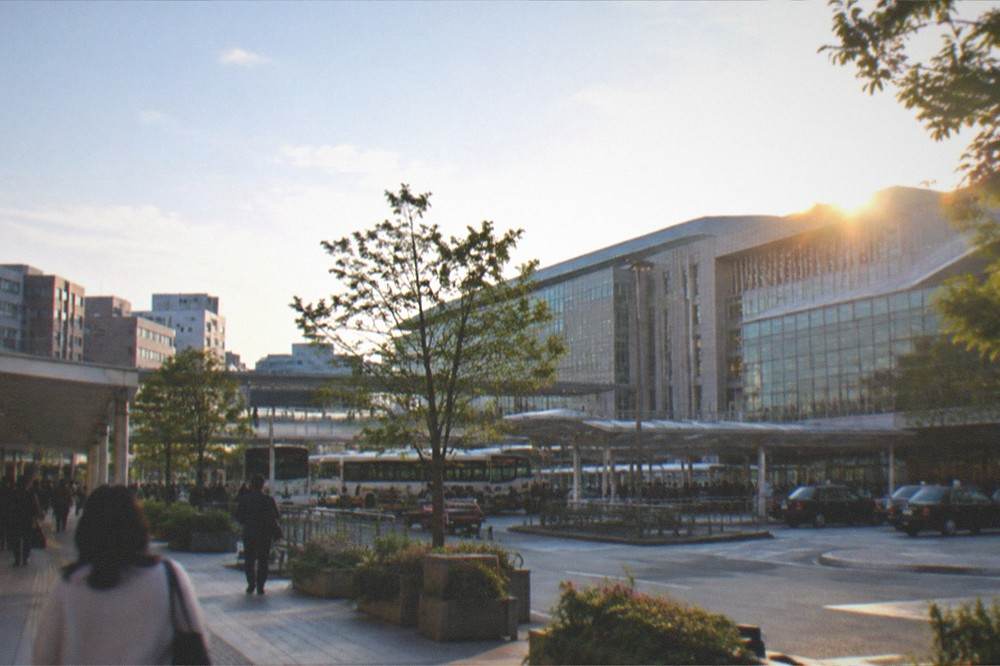
Start with the naming, because it trips up almost everyone. There is no JR Fukuoka Station. The station is Hakata, and Hakata is a ward of Fukuoka, not a separate city: guides that describe travelling "from Hakata to Fukuoka" are describing a journey of zero kilometres. The airport, Fukuoka Airport (FUK), sits on the subway's Kuko line, and the fare into Hakata is ¥260, within the official 3 to 7 km fare band published by the city subway's fare table. The airport is unusually close to the centre, which is a genuine, sourced advantage of the city, and no official page publishes a journey time in minutes, so treat the widely repeated "five minutes" with caution.
For the island legs, the JR Kyushu rail pass is the tool most international visitors should look at first, and the JR Kyushu rail pass guide compares the regional options against the nationwide pass. The pass covers JR Kyushu's lines, including the limited expresses toward Beppu, Kumamoto and Kagoshima, but the Sanyo Shinkansen between Hakata and Kokura runs on JR West tracks and is not covered, which is the single most common misconception about it.
For Miyazaki's inland highlights, the guided option is the one that makes sense: the Miyazaki, Takachiho Gorge and shrines day tour, rated 4.6 from 78 reviews, and the longer Takachiho railway tour both solve a transport problem that public transit handles badly.
What Should a Two-Week Kyushu Route Look Like?
A good two-week route spends four nights in Fukuoka with day trips to Dazaifu, Itoshima and Nokonoshima, then moves east to Beppu and Yufuin for two onsen nights, south to Aso and Kurokawa for two more, down to Kagoshima for the volcano, and back up through Kumamoto City and Nagasaki before finishing in Fukuoka. Reversing it works too. The single most common mistake is trying to see Takachiho, Aso and Beppu on consecutive days without a rest day, because the roads between them are slow and mountainous.
Build the route around rest days, not around a checklist. The mountain legs, Takachiho and Aso in particular, involve long bus transfers and gorge paths, and a rest day in Yufuin or Kurokawa between them is what turns a punishing itinerary into a holiday. The Kyushu itinerary from Fukuoka sequences exactly this shape, with the transport legs spelled out, and the where to stay in Fukuoka guide settles the first and last nights, which should be near Hakata Station for anyone continuing onward by rail.
If two weeks is more than you have, cut from the south, not from the middle. Kagoshima is the most skippable of the headline destinations on a short trip because it costs the most travel time, while Nagasaki, Beppu and Takachiho each earn their day. A ten-day version drops Kagoshima entirely, keeps the onsen pairing, and finishes with Nagasaki's harbour before the run back to Fukuoka. For the final choices, the three tours below cover the three most requested day formats out of the city, and each can slot into the front of any of these routes as a testing day before you commit to the longer legs.
Common Questions About Where to Go After Fukuoka
What Are The 7 Prefectures Of Kyushu?
The seven prefectures are Fukuoka, Saga, Nagasaki, Kumamoto, Oita, Miyazaki and Kagoshima. Okinawa is administratively separate and not part of Kyushu proper. Fukuoka Prefecture holds the north of the island, and the other six fan out from it clockwise, with Oita on the east coast, Nagasaki on the west, and Kagoshima at the southern tip.
How far can you get from Fukuoka in a day?
Dazaifu, Yanagawa, Itoshima, Nokonoshima, Shikanoshima, Karatsu, Mojiko and Kitakyushu are comfortable day trips. Yufuin, Beppu, Mount Aso, Takachiho, Kumamoto and Nagasaki work as full days. Miyazaki's coast and Kagoshima deserve an overnight or a flight.
Is there a JR Fukuoka Station?
No. The main station is Hakata, in the Hakata ward of Fukuoka. Hakata and Fukuoka are the same city, so any guide describing travel between them is describing a journey of zero kilometres. The shinkansen, JR Kyushu limited expresses and the airport subway all converge on Hakata Station.
What is the best base for exploring Kyushu?
Fukuoka is the practical base for the north of the island, because Hakata Station is the terminus for the shinkansen and the hub for JR Kyushu's limited express network. For a longer trip, split the stay: nights in Yufuin or Kurokawa for onsen, Kumamoto or Nagasaki for the cities, and Kagoshima if the volcano is the goal.
When is the worst time to travel around Kyushu?
July is Fukuoka's wettest month at 299.1 mm of rain, wetter than the June rainy season, and typhoon season runs roughly July through October. Neither closes the region down, but coastal day trips and ferries are the legs most likely to be disrupted, so build one flexible day into any summer itinerary.
Can you visit Beppu and Yufuin in one day from Fukuoka?
Yes, as a long day trip, and several guided tours sell exactly that pairing, running about 10 hours. An overnight is better: Beppu rewards the evening steam and Yufuin rewards the early morning calm, and both are lost on a day trip that has to leave by mid-afternoon.