Fukuoka Walking Tours
Fukuoka is compact, flat and dense with history, which makes it one of Japan's easiest cities to explore on foot. This guide covers what guided walks cost, why the free tip-based tours you may have read about do not exist here, and how to build your own route.
Short answer
A private walking tour in Fukuoka runs from $64 per person for a two-hour personalized walk to $74 for a half-day essentials tour, with licensed full-day options higher. There are no free tip-based walking tours in Fukuoka at all; the platforms that list them elsewhere returned zero inventory here, so budget for a paid private walk or go self-guided.
Fukuoka rewards walkers more than almost any other large city in Japan. The core districts, Hakata, Tenjin, Nakasu and Ohori, sit within a few kilometres of each other on flat ground beside Hakata Bay, and the subway stitches them together with fares from ¥210 for short hops. The city's own growth figures back this up: Fukuoka's population passed 1.66 million in the 2025 census, the fastest growth rate of any of Japan's designated cities, yet the sights a visitor actually wants remain clustered in a walkable belt along the old castle town and the merchant quarter.
That walkability is exactly why this guide exists. A guided walk is the single most efficient way to get oriented in a city whose history hides behind a modern skyline, and it is also the category where Fukuoka differs most from Kyoto or Tokyo in one surprising way: there are no free tip-based walking tours here at all. The pages that promise one are pointing at inventory that does not exist. Below you will find what a real guided walk costs, which districts deserve your shoe leather, and how to plan a route yourself if you would rather keep the budget for food.
Why Fukuoka Is a Walking City
Fukuoka's core sights sit within roughly a three-kilometre belt running from Ohori Park in the west to Hakata Station in the east, on flat bay-side ground, which means most visitors can walk between the headline attractions faster than they could ride transit and transfer. That geography is unusual in Japan. Kyoto spreads its temples across a basin and Tokyo is a set of separate cities stitched by rail. Fukuoka's castle, its two headline shrines, its temple cluster, its food streets and its waterfront promenade all sit inside one afternoon's comfortable stroll.
The walking belt has a clear shape. Start at Ohori Park, the former moat of Fukuoka Castle, and the castle ruins in Maizuru Park beside it. Head east through the Ohori Akasaka district and you reach Tenjin, the shopping and business core, within twenty minutes. Cross the Naka River and you are in Nakasu, the entertainment island and the home of the riverside yatai stalls. Hakata old town, with Kushida Shrine, Tochoji and Shofukuji, is another ten minutes east, and Hakata Station anchors the far end. Momochi Seaside Park stretches the walk westward along the bay if you have energy left.
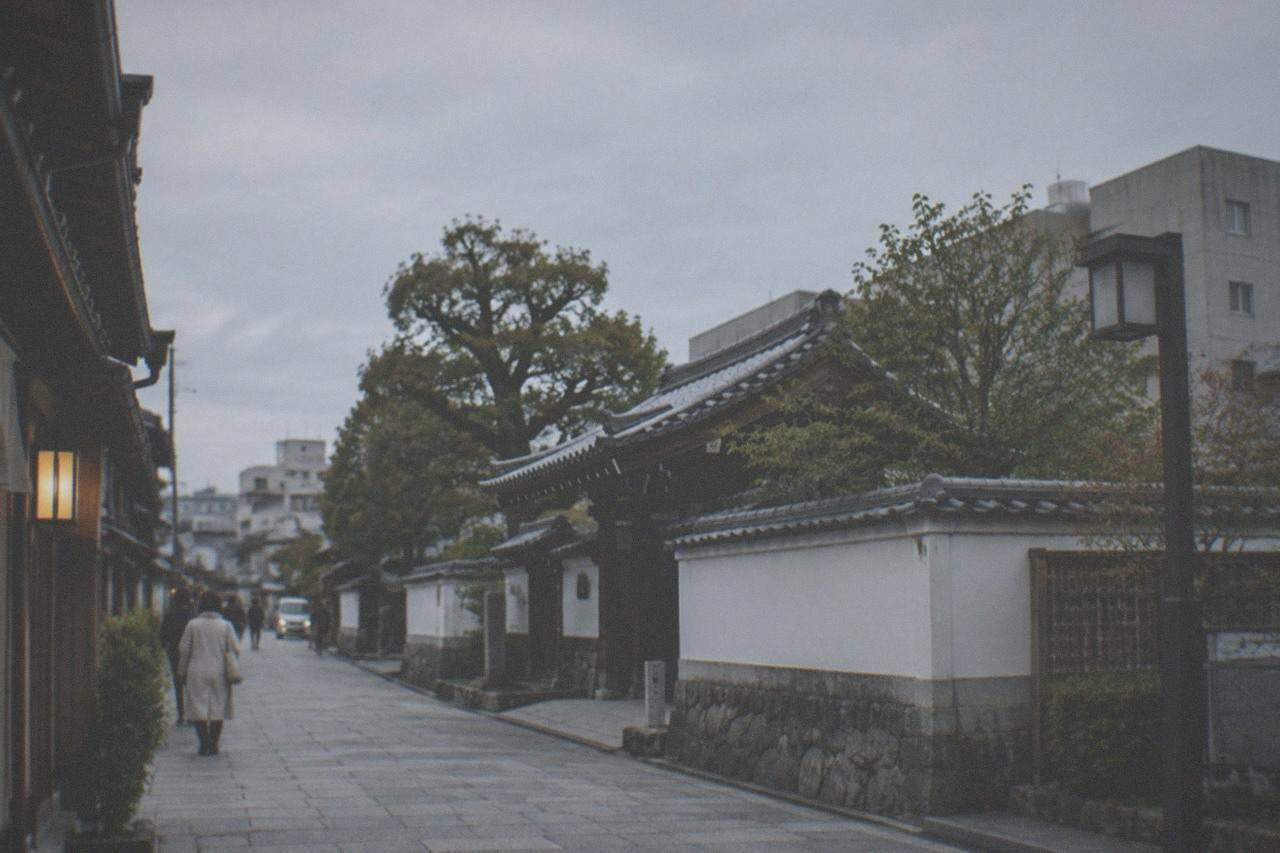
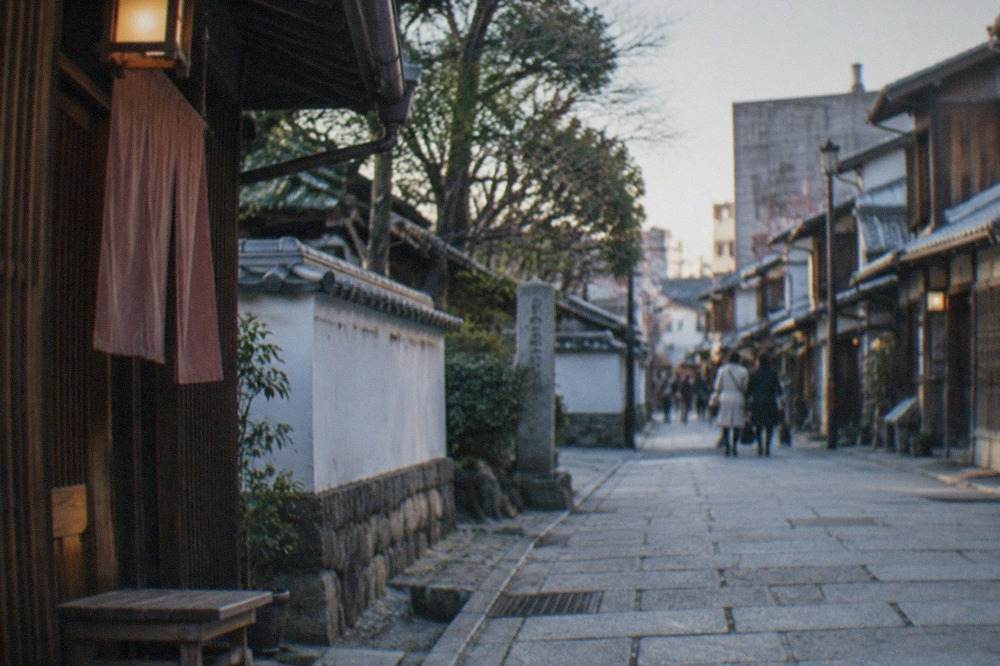
Ground-level detail is what a walk buys you here. The Hakata old town quarter preserves machiya facades and temple gates that you simply cannot see from a bus window, and the Kawabata shopping arcade runs parallel to the river with a run of old-school shops between Nakasu and Hakata. Even the transit is walk-friendly: the subway's flat fare structure starts at ¥210 for the shortest zone, and a one-day pass at ¥640 covers all three lines if your route needs a lift, per the official fare table.
One correction worth making before anything else, because it changes how you read every other guide to this city: Hakata and Fukuoka are the same place. Hakata is a ward and the name of the main station; Fukuoka is the city that contains it. You never travel "from Hakata to Fukuoka", and there is no JR Fukuoka Station, the rail hub is Hakata Station. A walking route that treats them as one continuous city is the only honest way to draw the map.
What Do Free Tip-Based Walking Tours in Fukuoka Actually Ask You to Pay?
The honest answer is that there are no free tip-based walking tours in Fukuoka to pay for. The platforms that run tip-based walks in Kyoto, Tokyo and Osaka returned zero inventory here when checked live, so any page promising a free Fukuoka walking tour is listing something that does not exist. The real choices are paid private walks, from $64 per person, or self-guided routes using the city's free sights.
This is worth stating plainly because it is the opposite of what most search results imply. In Kyoto or Tokyo you can join a walk, enjoy it, and tip the guide at the end. Fukuoka has none of that. The city's tour economy runs on small private tours instead, and the roster of verified products here reflects it: personalized private walks, half-day essentials tours, a guided bike ride, and themed food and evening tours. If a site offers you a "free Fukuoka walking tour, just tip your guide", that listing is not real inventory.
The good news is that the free half of the equation is genuinely free. Dazaifu Tenmangu has no entrance fee, stated on the shrine's own FAQ page. Kushida Shrine, Tochoji, Shofukuji and Nanzoin cost nothing to enter. Ohori Park, Maizuru Park and the castle grounds, Momochi Seaside Park and Canal City are all free to wander. The Fukuoka Asian Art Museum charges nothing to enter the building; only the Asia Gallery has a ticket, at ¥200 general admission. A self-guided walk past these sights costs exactly what you choose to spend on food along the way, and our free things to do in Fukuoka page maps them out.
Two traps sit near the free list. Uminonakamichi Seaside Park, Nokonoshima Island Park and Kawachi Wisteria Garden are sometimes described as free on other sites, but all three are pay-at-gate attractions and this site's own product data contradicts the free claim, so treat them as ticketed and check current admission before you go. Uminonakamichi's gate is additionally cash only, which is verified and worth knowing before you ride out there. If a free day of walking is the goal, the city-centre belt delivers far more per step anyway.
If you want the sociability of a guided walk without the private-tour price, the honest alternatives are themed group tours: a food crawl through the yatai stalls, a bar-hopping evening, or a bike ride that covers more ground per hour. The Fukuoka free walking tour question gets a full answer elsewhere on this site, and it is the same one: there are none, and the free things to do are sights rather than tours.
What a Private Walking Tour in Fukuoka Costs
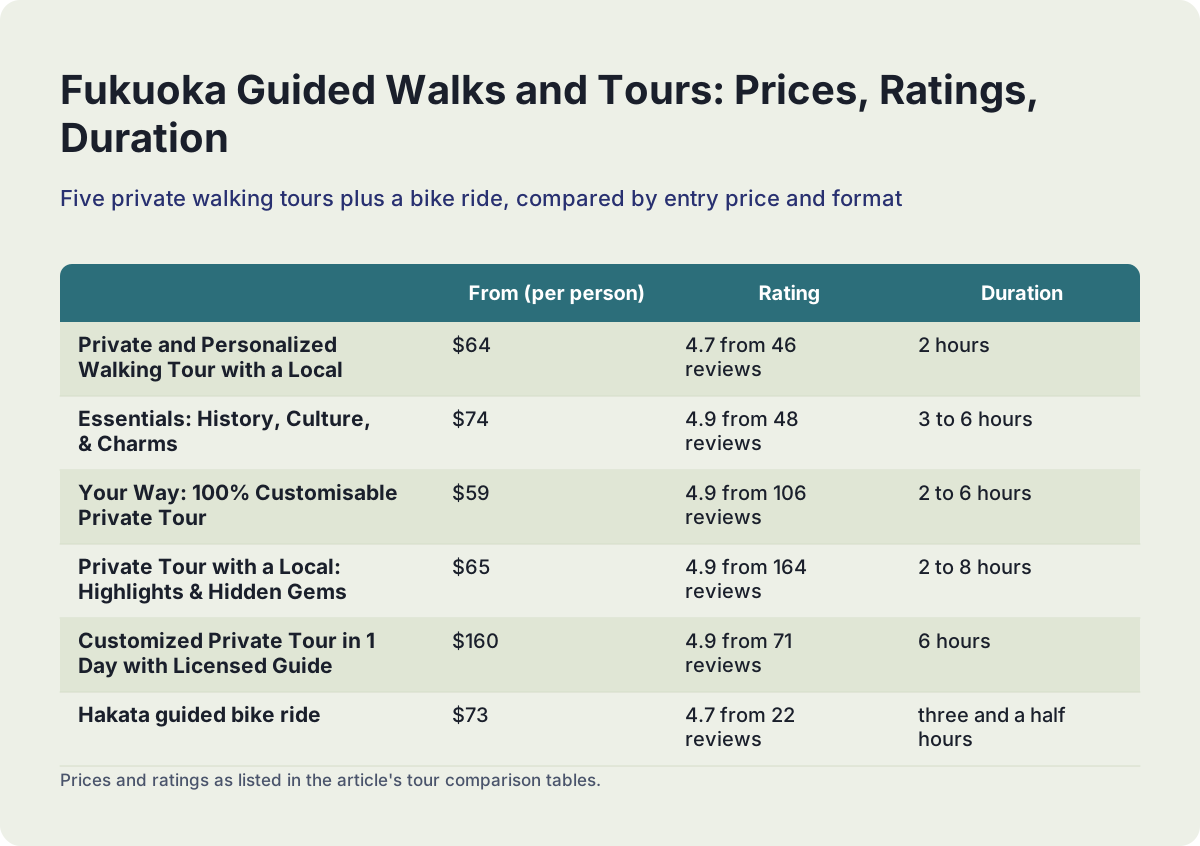
A two-hour private personalized walking tour in Fukuoka starts at $64 per person and carries a 4.7 rating from 46 reviews; a half-day history and culture essentials tour runs from $74 with a 4.9 rating from 48 reviews; and fully customizable private tours with a local guide start at $59 per person. Licensed-guide full-day versions run higher, from $160 per person.
Private guiding is where Fukuoka's walking scene actually lives, and the pricing is more accessible than most visitors expect. The Fukuoka Private and Personalized Walking Tour with a Local is the archetype: two hours, a guide who meets you at a point you agree on, and a route shaped around what you ask for, from $64 per person. It suits a first morning, when orientation is worth more than any single sight. Check availability
The step up is the half-day format. The Fukuoka Essentials: History, Culture, & Charms tour runs three to six hours from $74 per person and covers the city's headline history, the castle, the shrines and the merchant quarter, with a 4.9 rating from 48 reviews. For travelers who want the guide to handle the whole day, the licensed-guide version, Fukuoka Customized Private Tour in 1 Day, runs six hours from $160 per person with a 4.9 rating from 71 reviews. A licensed guide matters if you want deep historical commentary, since national licensing requires passing an exam on Japanese history and culture.
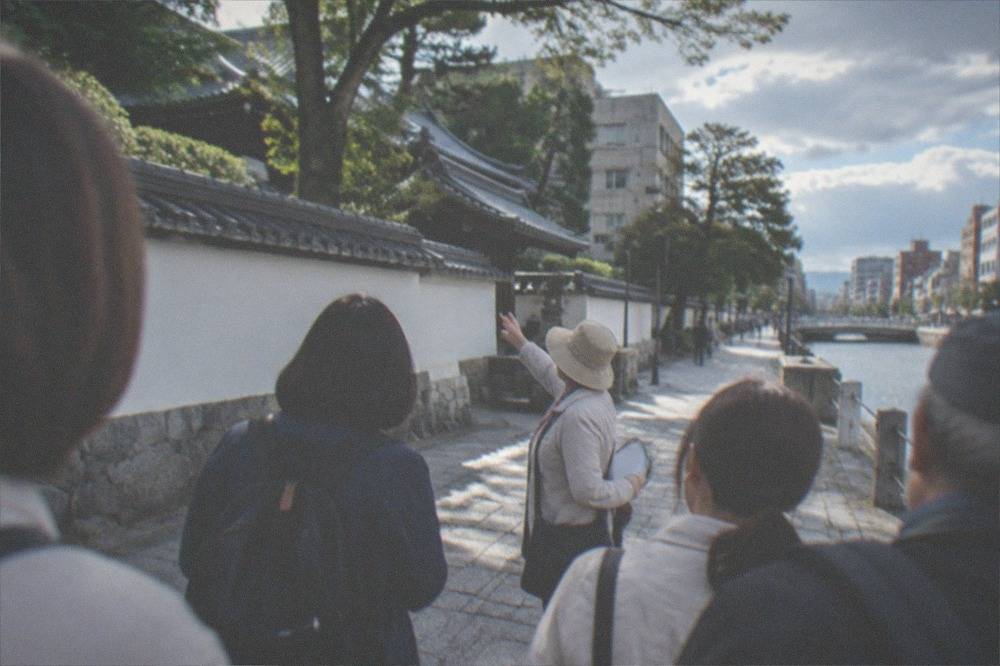
What you get for the money is worth spelling out, because the private format is doing work a map cannot. A local guide knows which temple gate is the original and which is a reconstruction, where the yatai stalls cluster tonight, and how to sequence Ohori Park, Tenjin and Hakata so you are not backtracking. The customizable options, from $59 per person, let you submit interests in advance and get a route built around them, whether that is architecture, ramen history or the city's baseball culture around Mizuho PayPay Dome.
The comparison below puts the walking options side by side with the formats that cover similar ground differently.
| Tour | Format | From (per person) | Rating | Duration |
|---|---|---|---|---|
| Fukuoka Private and Personalized Walking Tour with a Local | Private walk | $64 | 4.7 from 46 reviews | 2 hours |
| Fukuoka Essentials: History, Culture, & Charms | Small-group walk | $74 | 4.9 from 48 reviews | 3 to 6 hours |
| Fukuoka Your Way: 100% Customisable Private Tour | Private, customizable | $59 | 4.9 from 106 reviews | 2 to 6 hours |
| Fukuoka Private Tour with a Local: Highlights & Hidden Gems | Private walk | $65 | 4.9 from 164 reviews | 2 to 8 hours |
| Fukuoka Customized Private Tour in 1 Day with Licensed Guide | Private, licensed guide | $160 | 4.9 from 71 reviews | 6 hours |
The price spread is narrower than it looks once duration is factored in. The two-hour walks cost roughly $30 an hour per person at the entry price, and the customizable options land in the same band. What actually moves the price is the guide's depth and the hours, not the district: a licensed full-day guide costs more because you are buying a full day of exam-certified expertise.
Guided Walks, Bike Rides and Group Tours Compared
Walking is the best format for Hakata old town, Tenjin and the Ohori belt because the sights sit close together on flat ground; a guided bike ride suits visitors who want to add the bay front and Momochi in the same afternoon; and themed group tours, food crawls and evening walks, are the right call when the walk is really a vehicle for eating.
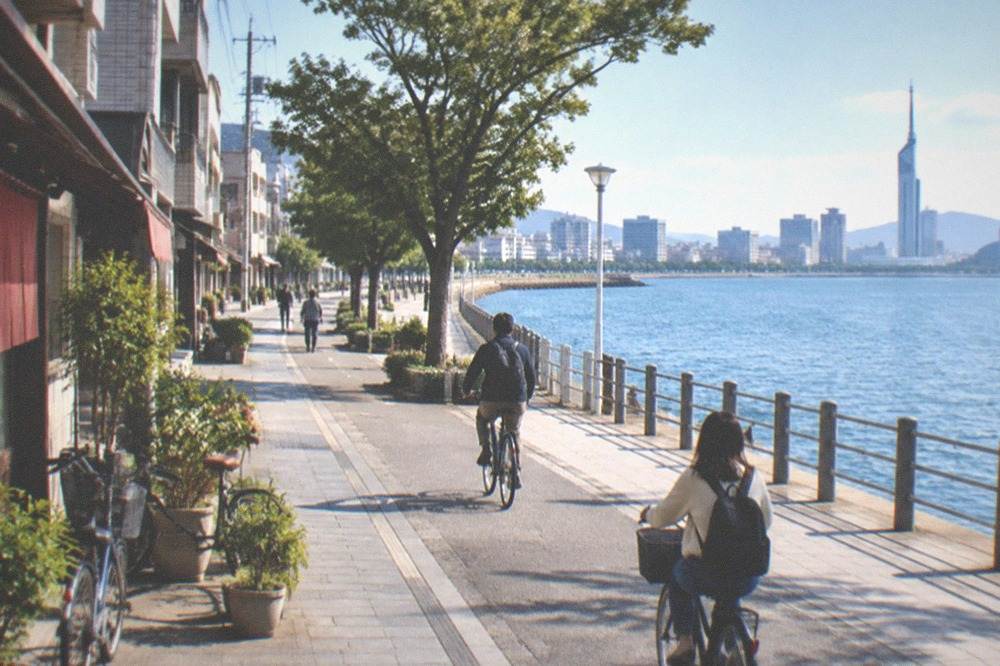
The bike option deserves more attention than it gets. The Hakata guided bike ride runs three and a half hours from $73 per person with a 4.7 rating from 22 reviews, and it covers the same central belt plus the Momochi waterfront in a single loop. Fukuoka is flat, the bay-side paths are separated from traffic, and cycling culture is genuinely local here in a way it is not in hillier Japanese cities. If your knees object to a four-hour walk, this is the substitute, not a bus tour.
Food-led walks are the other big category, and in Fukuoka they are arguably the best value in the whole tour roster. The city has about 100 licensed yatai street stalls, more than any other Japanese city, and the city ordinance requires every stall to post its prices visibly, with no vague "market price" menus allowed, so a guided crawl is about navigation and company rather than price protection. The Fukuoka yatai tours page covers the guided crawls in detail, including a private Nakasu stall tour with tastings from $94 per person.
| Format | Best for | Typical price | Ground covered |
|---|---|---|---|
| Two-hour private walk | First-day orientation | from $64 | One or two districts |
| Half-day essentials walk | History and headline sights | from $74 | Castle, Tenjin, Hakata |
| Guided bike ride | Adding the bay front | from $73 | Central belt plus Momochi |
| Yatai food crawl | Evening eating with a guide | from $94 | Nakasu or Tenjin stalls |
| Self-guided route | Zero cost, own pace | free | Anywhere |
The honest summary is that walking tours in Fukuoka are cheap relative to what they deliver, but they are not free, and pretending otherwise is the one mistake worth avoiding. The Fukuoka private tours page breaks the private category down further if you are weighing a full day of guiding against a couple of short walks.
Which Fukuoka Districts Reward Walking Most
Hakata old town rewards walking most, packing Kushida Shrine, Tochoji's Great Buddha, Shofukuji and the machiya quarter into a compact grid; Ohori and Maizuru come second for park-and-castle walking; Tenjin and Daimyo reward a slower browse; and Nakasu is at its best on foot at night, when the yatai stalls light the riverbank.
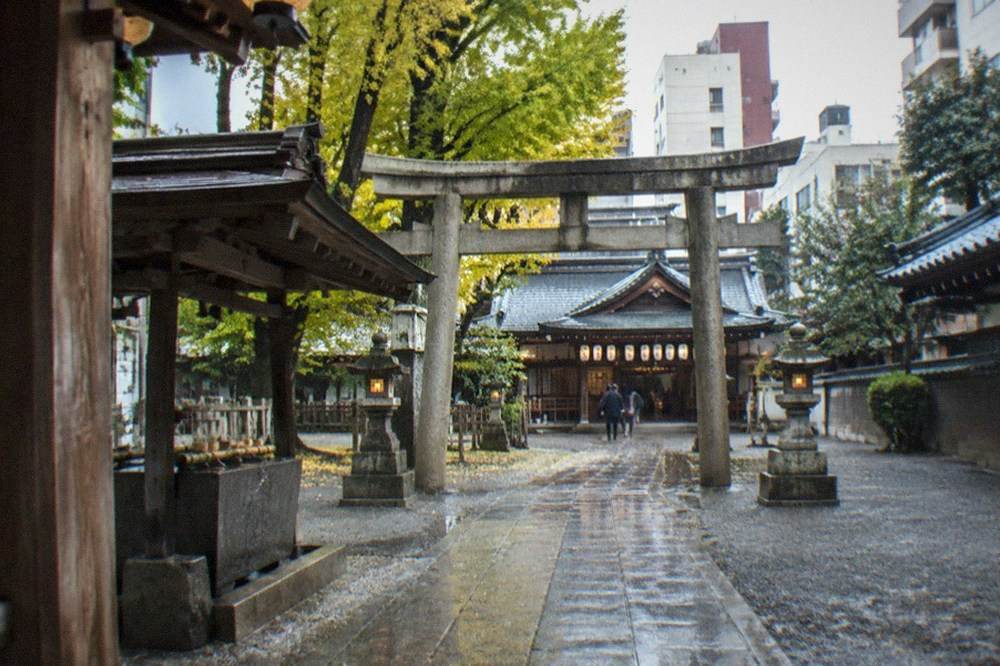
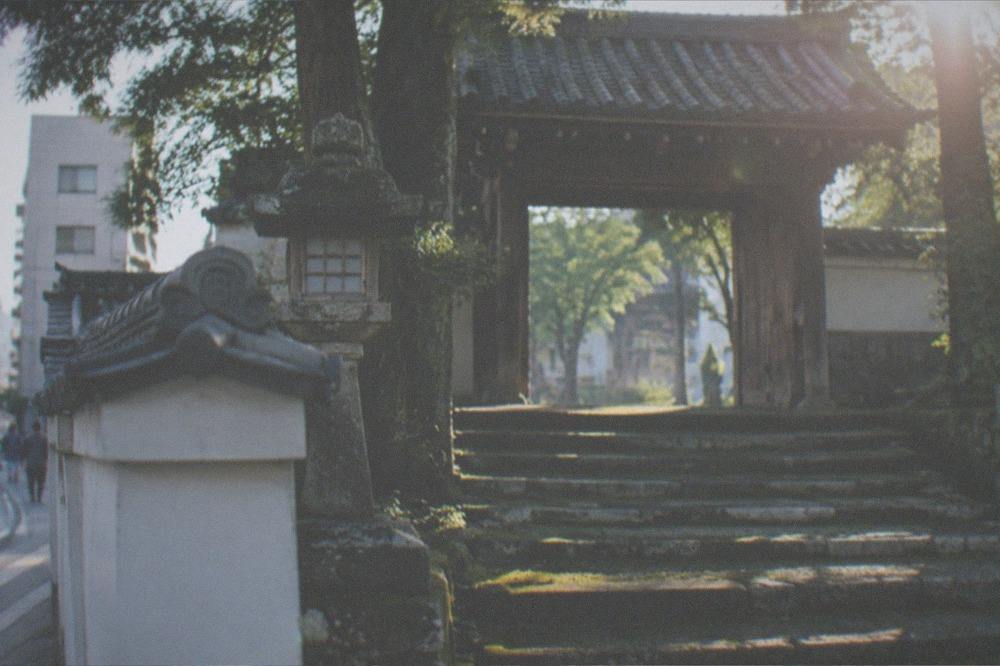
Hakata old town is the densest concentration of walkable history in the city. Kushida Shrine, the parish shrine of Hakata's merchant families and the spiritual home of the Yamakasa festival, sits a few minutes from Tochoji, whose wooden Great Buddha is one of Japan's largest, and Shofukuji, the country's first Zen temple, founded by the monk Eisai, whose legacy in Japan traces back through the tea and Zen traditions he carried back from the continent. The Tochoji temple and Shofukuji temple pages cover each in depth. All three are free to enter, and all three sit within a ten-minute walk of each other.
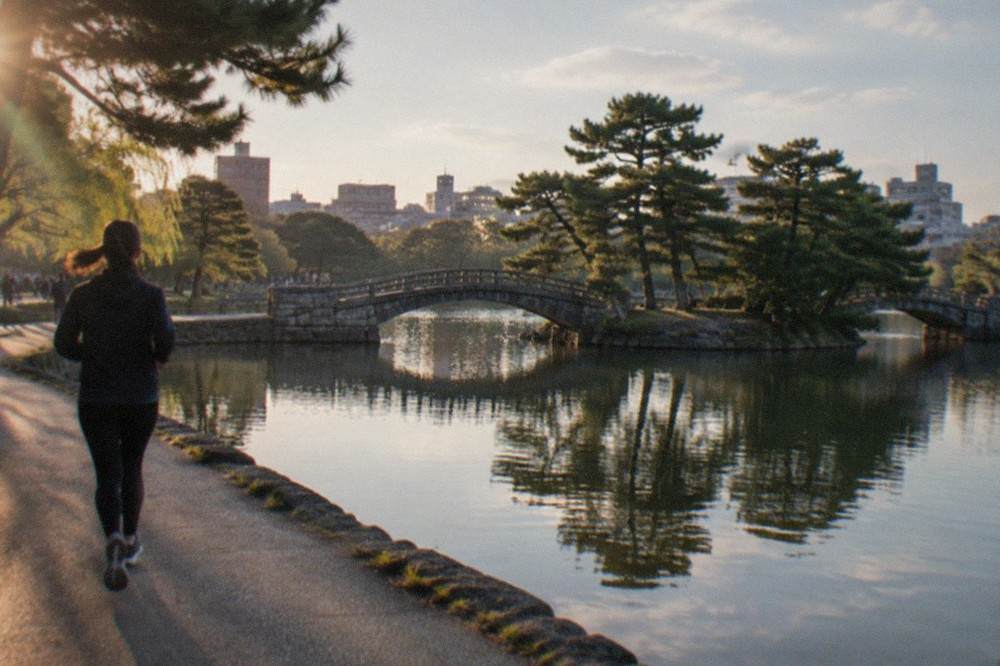
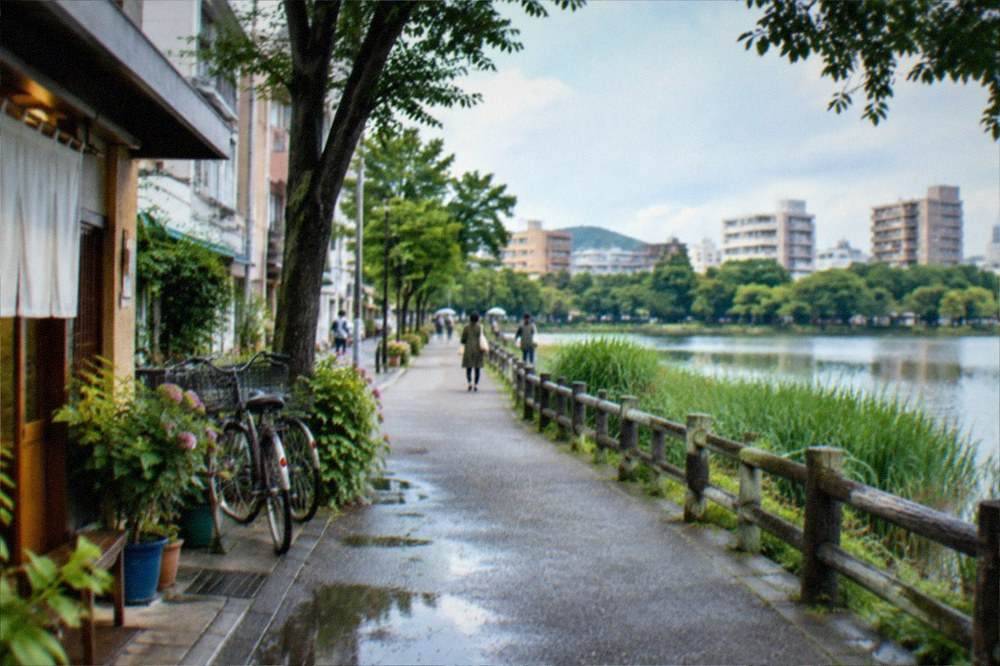
Ohori and Maizuru form the second walking district. Ohori Park is a former castle moat turned lake park, one kilometre around, flat and shaded, with the Japanese garden on its shore charging ¥250 for adults and ¥120 for children. Maizuru Park wraps the Fukuoka Castle ruins beside it. One time-limited note applies through the end of December 2026: the castle's Tenshudai, the main keep base, is closed for archaeological excavation after a document found in December 2024 described a keep that may never have been built, and the city has tripled the dig area in 2026. The rest of the grounds remain open and free. The wider set of guides lives on Fukuoka Japan Travel Guide.
Tenjin and Daimyo are the browse districts. Tenjin's underground mall and department stores are weather-proof walking, and Daimyo's side streets hold the independent shops and cafes. Nakasu changes character completely after dark, when the yatai stalls open along the Naka River; setup is permitted from 17:00 and most stalls are serving by 18:30, weather permitting, since rain and wind close many of them. The city's own yatai Q&A page is the primary source on the roughly 100 stalls and the price-display rule.
| District | Walking character | Free headline sights | Best time on foot |
|---|---|---|---|
| Hakata old town | Dense temple and shrine grid | Kushida Shrine, Tochoji, Shofukuji | Morning |
| Ohori and Maizuru | Park and castle ruins loop | Ohori Park, castle grounds | Morning or late afternoon |
| Tenjin and Daimyo | Shopping streets and cafes | Tenjin underground mall, Daimyo lanes | Midday |
| Nakasu | Riverside entertainment island | Yatai stall browsing | Evening |
| Momochi | Bay-front promenade | Momochi Seaside Park | Sunset |
Self-Guided Routes You Can Walk Without a Guide
A self-guided walker can cover Fukuoka's core in one long loop of roughly six to eight kilometres: Ohori Park and the castle ruins in the morning, Tenjin and Daimyo at midday, the Naka River and Nakasu in the late afternoon, and the Hakata temple cluster before dinner, with the subway available at ¥210 to ¥380 per single ride if any leg needs shortening.
The classic full-day loop starts at Ohori Park around nine, when the light is low across the lake. Walk the one-kilometre lake circuit, cross into Maizuru Park for the castle ruins, then head east through Ohori Akasaka to Tenjin, about twenty minutes at a relaxed pace. Tenjin's underground mall makes a rain-proof midday stop, and Daimyo's lanes sit immediately west for lunch. From Tenjin it is fifteen minutes south-east to the Naka River; cross into Nakasu, follow the riverbank north, and you reach the Kawabata arcade, which runs you straight down to the Hakata temple cluster.
The half-day version cuts the loop at the river: Ohori, the castle ruins and Tenjin in three hours, or Tenjin, Nakasu and Hakata old town in the same window if history matters more than parks. Families can follow a gentler variant built around the Fukuoka with kids itinerary, which leans on the parks and the waterfront. If walking the whole belt does not appeal, the getting around Fukuoka guide covers the subway, the Nishitetsu trains and the bus flat-fare zone in detail.
Two planning notes make any self-guided route work better. First, the Fukuoka Tourist City Pass, at ¥2,500 for the city version or ¥2,800 with Dazaifu included, is restricted to overseas tourists on short-stay visas and a passport is checked at the counter, so decide before you queue whether you qualify. Second, the subway's one-day pass at ¥640 pays for itself after three zone-2 rides, which makes it the natural insurance policy for a walking day that runs out of legs.
When to Walk: Weather, Festivals and Timing
The best walking months in Fukuoka are March to May and October to November, when JMA's 1991 to 2020 normals show comfortable means of 10.8 to 19.9 °C and 14.2 to 19.6 °C respectively; July is the wettest month of the year at 299.1 mm, wetter than the June rainy season's 249.6 mm, and typhoon season runs roughly July through October.
That July figure surprises people, and it is the single most useful weather fact for planning a walking trip. Every guide assumes June, the tsuyu rainy season, is the wet month, but the Japan Meteorological Agency's normals for the Fukuoka station say otherwise. July is also Yamakasa month: the Hakata Gion Yamakasa festival runs July 1 to 15 annually, culminating in the Oiyama race at 4:59 a.m. on the 15th, when teams carry roughly one-ton floats over a five-kilometre course. If you are walking the city in mid-July, you will share the streets with the festival, which is a spectacle worth planning around rather than avoiding.
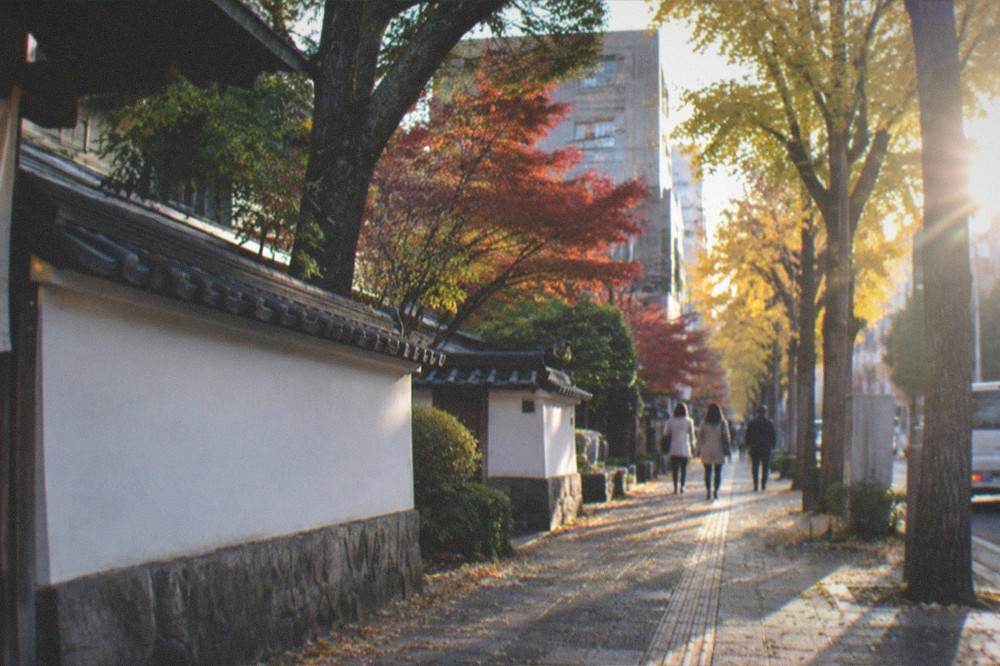
Winter walking is underrated here. January's mean of 6.9 °C is mild by northern-hemisphere standards and the month is dry at 74.4 mm, which makes the temple cluster and the castle ruins pleasant in a way August, with a mean of 28.4 °C and daily maxima of 32.5 °C, simply is not. If you do walk in summer, start before nine, use the underground mall and the yatai hours as your shade, and treat the evening riverbank as the main event. Autumn colour in the city parks peaks mid-to-late November into early December, which pairs perfectly with the Ohori loop.
| Season | Mean temperature | Rain (month total) | Walking verdict |
|---|---|---|---|
| Spring (Mar to May) | 10.8 to 19.9 °C | 103.7 to 133.7 mm | Excellent, cherry blossoms late March |
| Summer (Jun to Aug) | 23.3 to 28.4 °C | 210.0 to 299.1 mm | Walk early, festival energy in July |
| Autumn (Sep to Nov) | 14.2 to 24.7 °C | 91.4 to 175.1 mm | Excellent, colour from mid-November |
| Winter (Dec to Feb) | 6.9 to 9.1 °C | 67.5 to 74.4 mm | Mild and dry, quiet temples |
Timing within the day matters as much as the season. Shrines and temple grounds open early and are quietest before ten. The yatai stalls only exist in the evening, and the Naka River rows light up after dark. Museums close on Mondays, the Fukuoka Art Museum among them, so a Monday walking day should lean on outdoor sights. Fukuoka Tower, a reasonable sunset extension of a Momochi walk, is open 9:30 to 22:00 with last admission at 21:30, and closes annually for two days at the end of June.
Booking Questions Walkers Actually Ask
Most Fukuoka private walking tours allow free cancellation up to 24 or 48 hours before the start time, private walks run rain or shine with guides adapting the route, and the meeting point is agreed with your guide in advance, usually a station exit or a landmark, so there is nothing to collect and no voucher window to find.
Booking a private walk is simpler than booking most travel products because the operator's live listing carries the cancellation terms, the meeting arrangements and the price in one place, and the roster's listings here allow cancellation in the standard window. Weather is the one variable worth thinking about: a private guide will reroute a walk into the underground mall or Canal City when rain arrives, but a yatai evening cannot be rerouted, since the stalls themselves close in rain and strong wind. Book the temple-and-park walk for a fixed day and leave the food evening flexible.
Group size is the other question. Private walks are priced per person rather than per group on the roster, which makes them viable for solo travelers and couples in a way private tours in Europe often are not. The customizable formats cap the group at your own party, so a family of four gets the same guide price per head as a pair. For travelers who want company rather than exclusivity, the half-day essentials walk is the group option, and the themed crawls are naturally social.
The final decision, for most visitors, is not whether to book a walk but which day to give it. The strongest pattern is a private orientation walk on day one, then self-guided walking with the subway pass for the rest of the stay, plus one themed evening tour in Nakasu. If day trips are on the itinerary, note that the big ones, Takachiho, Aso, Beppu and Yufuin, are full days by bus and do not leave walking energy for the evening, so front-load the city walking before you commit to a Kyushu day trip.
Common Questions About Walking Tours in Fukuoka
What Do Free Tip-Based Walking Tours In Fukuoka Actually Ask You To Pay?
Nothing, because there are none. The platforms that operate tip-based walks in other Japanese cities returned zero inventory for Fukuoka when checked live, so no listing you find for a free Fukuoka walking tour is real. Your options are paid private walks from $64 per person, themed group tours, or self-guided walking through the city's many free sights.
How much does a private walking tour in Fukuoka cost?
A two-hour personalized private walk starts at $64 per person with a 4.7 rating from 46 reviews. A half-day history and culture essentials tour runs from $74 per person, and fully customizable private tours with a local guide start at $59 per person. A full-day private tour with a nationally licensed guide runs from $160 per person.
Is Fukuoka walkable without a tour?
Yes, and easily. The core sights from Ohori Park to Hakata Station sit on flat ground within a belt of roughly six to eight kilometres, and the subway covers any tired leg from ¥210 per single ride, with a one-day pass at ¥640. Most visitors can walk the headline districts without a guide and use a private tour for orientation and depth instead.
What areas of Fukuoka are best for walking?
Hakata old town has the densest cluster of free sights, including Kushida Shrine, Tochoji and Shofukuji within a ten-minute walk of each other. Ohori Park and the neighbouring castle ruins make the best park loop. Tenjin and Daimyo reward a browse, and Nakasu is at its best on foot in the evening when the yatai stalls open along the river.
When is the best time of year for a walking tour in Fukuoka?
Spring from March to May and autumn from October to November offer the most comfortable walking temperatures in the JMA's 1991 to 2020 normals. July is the wettest month of the year at 299.1 mm, wetter than the June rainy season, but it is also Yamakasa festival month, which draws huge crowds to the streets. Winter is mild and dry if you do not mind cooler mornings.
Can I combine a walking tour with a food tour in Fukuoka?
Yes, and it is one of the city's best formats. Evening yatai crawls combine a guided walk through Nakasu or Tenjin with tastings at the licensed street stalls, from $94 per person for a private stall tour. The stalls take walk-ins, so you do not need a tour to eat at one, but a guided crawl adds navigation, company and context on a food scene that rewards local knowledge.