Fukuoka Bar Hopping Tours
Fukuoka's night scene splits between the yatai stalls and riverside bars of Nakasu and the compact izakaya lanes of Daimyo, and a guided crawl is the simplest way to move between them without guessing.
Short answer
A bar hopping tour in Nakasu and Daimyo typically pairs a local guide with a route through food stalls and small bars, several tastings included, and often karaoke to finish. Nakasu brings the riverside yatai and neon of the Naka River, Daimyo the low-key izakaya lanes near Tenjin. Expect two to four hours, small groups, and a guide who handles ordering.
Fukuoka eats late. The city runs on yatai, the licensed food stalls that line the Naka River and side streets, and on izakaya packed into the lanes of Daimyo, where a single block can hold twenty bars and no two are alike. A bar hopping tour ties these together: a local guide, a route through stalls and small counters, tastings along the way, and usually a final stop that involves a microphone.
This guide lays out what a crawl through Nakasu and Daimyo actually includes, how the two districts differ, what you pay for, and how a guided night compares with going alone. The short version: the tours are short, food-forward and small-group, and the districts reward very different moods.
What Does a Bar Hopping Tour in Nakasu and Daimyo Include?
A bar hopping tour in these two districts generally includes a local or licensed guide, a walking route of roughly two to four hours, several food and drink tastings at yatai stalls and izakaya, and often a cultural stop such as a shrine approach or a karaoke box to close. Group sizes are small, usually under ten, and the guide handles the ordering, the etiquette and the bill-splitting so the evening runs without friction.
The core product is access. Nakasu's riverside stalls seat a handful of people at a time and fill fast on weekends, and Daimyo's best bars are often unmarked or Japanese-menu-only. A guide who knows the owners converts both from intimidating to easy. Most itineraries in the city follow a similar arc: a meeting point near Hakata or Tenjin, a first stop at a yatai for tonkotsu ramen or yakitori, two or three izakaya or standing-bar stops with a drink and a small dish at each, and a finale, either karaoke or a night view.
What you get beyond the food is context. Good guides explain why Fukuoka has about 100 licensed yatai when no other Japanese city comes close, why the stalls post their prices on a board, and how Nakasu's neon strip differs from the after-work lanes a few subway stops west. That context is the part travellers consistently say they could not have manufactured alone.
For a broader map of the city's after-dark options beyond these two districts, the Fukuoka nightlife guide covers live houses, cocktail bars and the late scenes around Tenjin.
What Do the Guided Nakasu Stalls Tours Actually Cover?
The Nakasu-centred tours are food-first crawls built around the riverside stalls: a private guide walks you through the stalls with tastings included, typically over about two hours, with the guide ordering dishes you would struggle to request solo. Evening formats add izakaya and karaoke stops and run three to four hours. Prices start around the mid double digits in US dollars per person, with private versions priced per group or per head.
The flagship option on this site is the Nakasu food stall private guided tour, a private crawl with tastings built in. Because it is private, the route flexes: a guide can weight it toward ramen, toward yakitori, or toward the mentaiko and motsunabe dishes Hakata is known for. It suits couples and small friend groups more than solo travellers looking for company.
The group alternative is the evening format that strings yatai, izakaya and karaoke into one night. It runs longer, costs a little less, and trades the private flexibility for a shared table of other travellers. For a dedicated look at all the stall-focused options, including walk-in strategy for the nights you go unguided, see the Fukuoka yatai tours guide.
One point worth repeating because almost every other guide gets it backwards: the yatai take walk-ins, and you do not need a booking to eat at one. The city's own ordinance requires every stall to display its prices where customers can easily see them, and it bans the vague "market price" wording that scares people off street food elsewhere. Inspectors check periodically. What a tour sells is not access to the stalls, it is translation, ordering and a curated route. On a rainy night, when weather closes many stalls, a guide who knows which ones are still lit is genuinely worth the fee.
How Do Nakasu and Daimyo Differ for a Night Out?
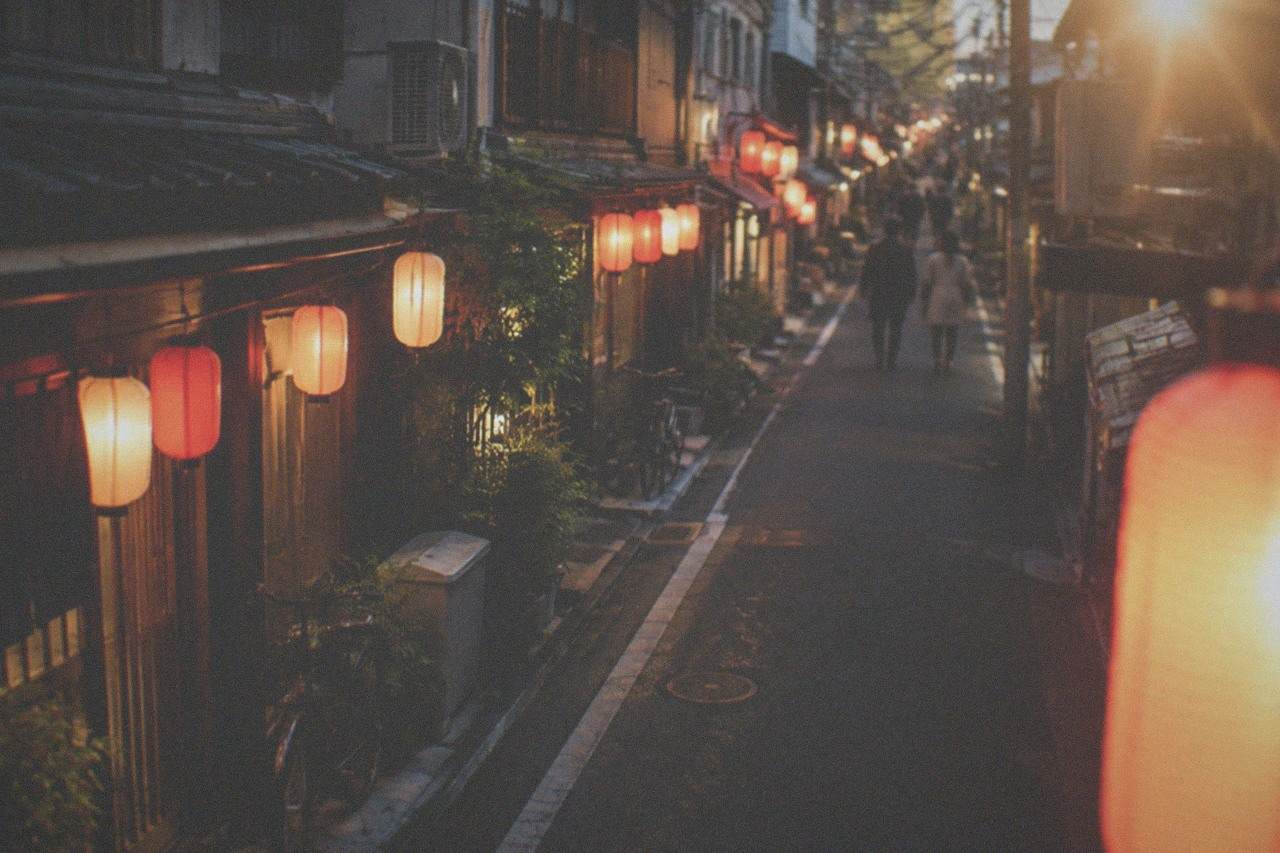
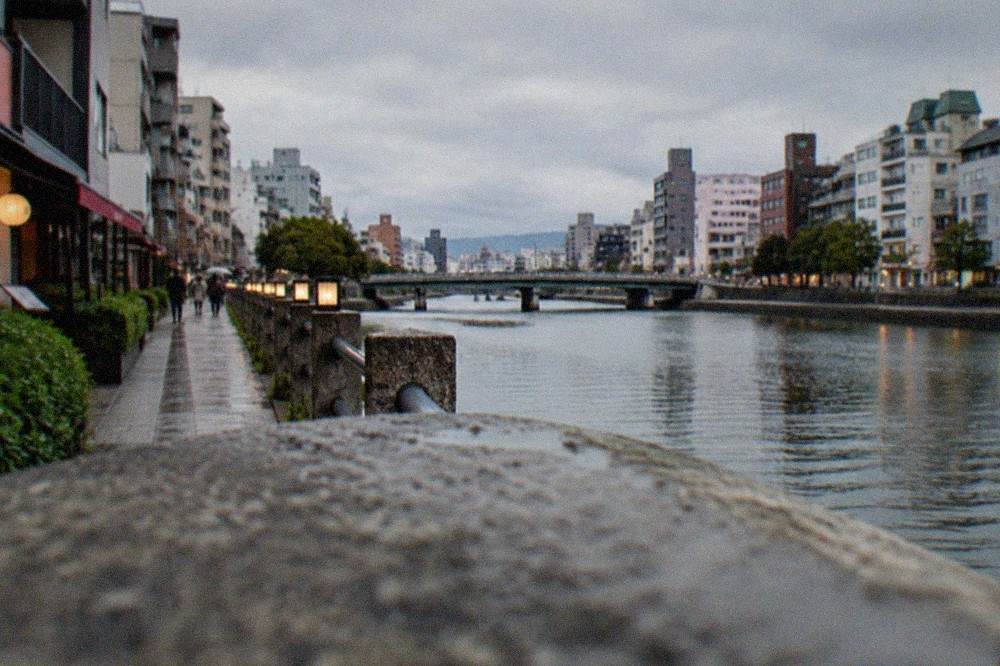
Nakasu is the neon entertainment island between the Naka River and the Hakata canal: yatai along the riverbank, host bars and clubs on the interior streets, and the most photogenic food stalls in the city. Daimyo, beside Tenjin, is the opposite register, a grid of low-rise lanes where small izakaya, record shops and cocktail bars sit side by side. A good night uses both, and most tours do.
The two districts are about ten minutes apart on foot or one subway stop, so a crawl can genuinely cover both in one evening. But they reward different plans, and choosing the wrong one for your mood is the most common planning mistake in the city.
| Nakasu | Daimyo | |
|---|---|---|
| Character | Riverside neon, entertainment island | Low-key lanes, creative small bars |
| Signature stops | Yatai along the Naka River, Seiryu Park | Independent izakaya, cocktail and natural-wine bars |
| Food focus | Ramen, yakitori, mentaiko, motsunabe | Izakaya small plates, regional sake |
| Best for | First night, photos, festival atmosphere | Second and third visits, bar connoisseurs |
| Getting there | Nakasu-Kawabata or Hakata stations | Tenjin station, then a short walk |
Nakasu is where the postcard comes from. The stalls along the river light up around dusk, and the area between the bridges becomes the busiest stretch of the city after dark. It is also Japan's largest red-light-entertainment mix outside Tokyo's golden districts, so a guide's route matters: the stalls and the riverside are family-friendly, the interior streets less so. A tour keeps you on the right side of that line.
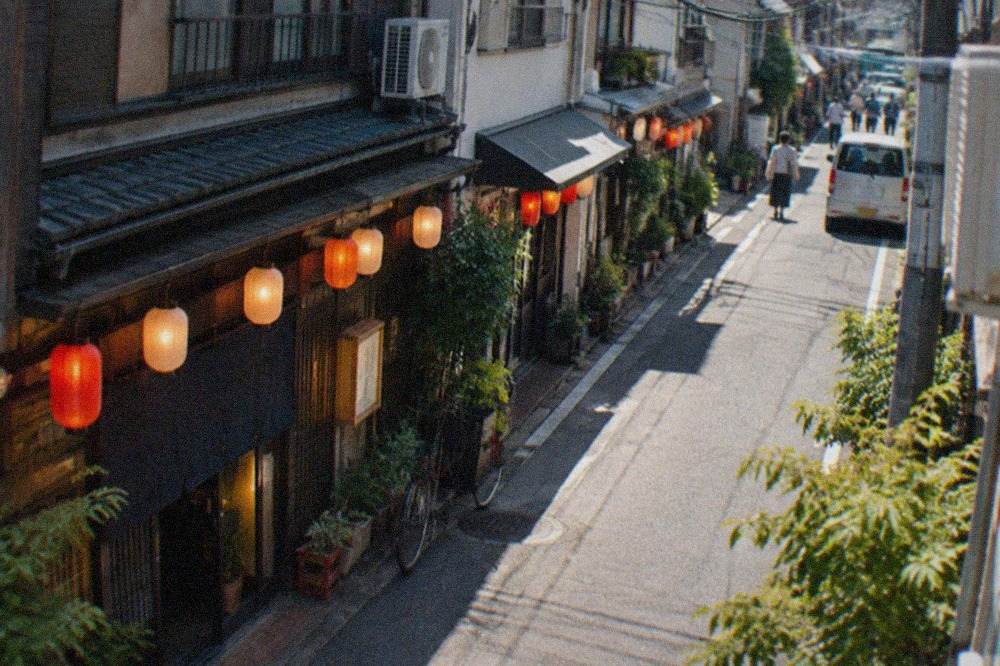
Daimyo works on a different rhythm. The district survived as a low-rise pocket while Tenjin built up around it, and the result is a walkable grid where a bar might seat eight people and be run by one person. Menus are often Japanese-only, hours are idiosyncratic, and the best places have no sign in English. This is where a guided evening earns its keep, because the guide's regular spots are exactly the places you would walk past.
What Do Evening Tours with Yatai, Izakaya and Karaoke Include?
Evening-format tours bundle the whole Hakata night into one ticket: a guide meets the group near a central station, leads it through food stalls and at least one izakaya with drinks and dishes included, and finishes with a karaoke session, typically running three to four hours in total. They are group tours, sociable by design, and they cover the etiquette and the ordering that stall-first visitors find hardest.
The karaoke finish is not a gimmick imported for tourists. Karaoke boxes are a native Japanese night out and Hakata has plenty of them, so the tour simply ends where locals end. Between the stalls and the singing, most itineraries insert a proper izakaya sit-down, which matters because yatai are about quick, standing food rather than a long meal.
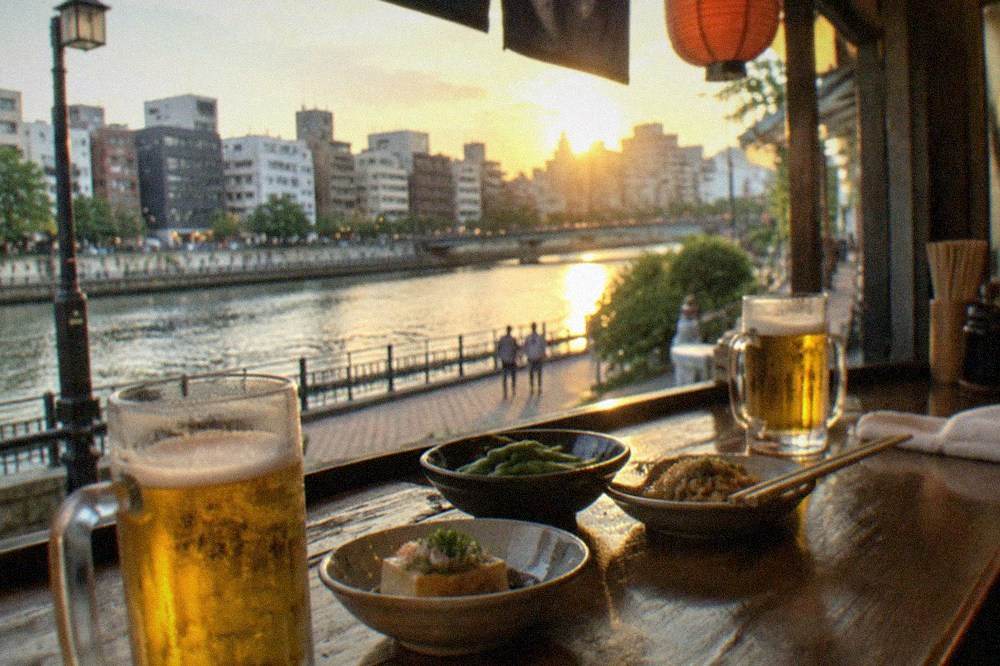
For travellers who want the drinks rather than the singing, a sake tasting is the quieter alternative. The Nishinakasu sake tasting sessions pair three appetizers with a guided flight and last about two hours, which leaves the rest of the evening free.
A paragraph of honest comparison, because the choice is real: the evening tour suits solo travellers and anyone who wants a ready-made group, and the private stall crawl suits people who care more about the food than the company. Both are short enough to combine with an earlier activity in the day, and both finish late enough that you should plan a late morning after.
How Much Does a Bar Hopping Tour in Fukuoka Cost?
Guided food and bar tours in Fukuoka cluster in a wide band, from around twenty dollars for a one-hour cultural experience such as a tea ceremony to over a hundred for a private multi-stop crawl with tastings. The mid-range sweet spot is roughly 50 to 100 US dollars per person for a two-to-four-hour guided evening. Tastings and at least some drinks are usually included; extra drinks at karaoke usually are not.
What moves the price is privacy and inclusions, not quality. The private stall crawl costs more per head than a group evening and includes tastings; the group tour includes drinks at some stops; and the sake tastings include the flight but leave the rest of the night to you. More of these guides are collected on Fukuoka Japan Travel Guide.
| Tour format | Typical length | What is usually included | Best fit |
|---|---|---|---|
| Private stall crawl | About 2 hours | Guide, tastings at multiple stalls | Couples, food-focused visitors |
| Group evening tour | 3 to 4 hours | Guide, food and drink stops, karaoke | Solo travellers, first night |
| Sake tasting session | About 2 hours | Sake flight, three appetizers | Drink-first groups |
| Night views and local life | About 4 hours | Guide, viewpoints, local districts | Photographers, repeat visitors |
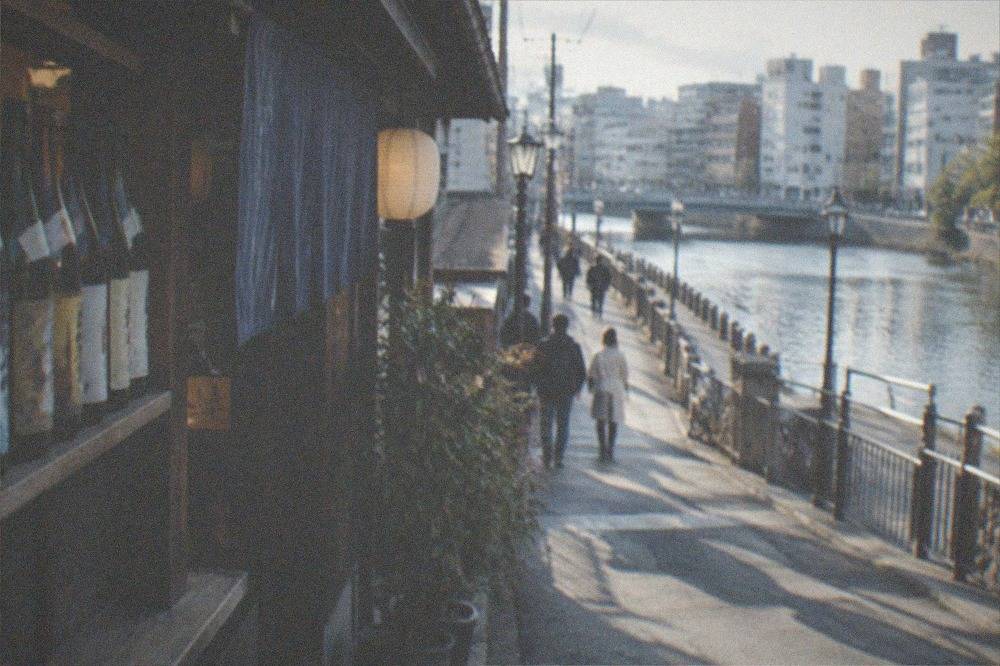
Two budget notes. First, the yatai themselves are the cheap night out, and because every stall must post its prices, you can see the cost of each dish before you commit, though the city publishes no average and no honest guide should invent one. Second, if you are building your own crawl, the Fukuoka food crawl itinerary sequences a full eating day that ends in exactly these districts, and the budget guide covers how to keep the whole trip, not just the night, affordable.
Can You Visit the Yatai Without a Tour?
Yes, completely. The stalls take walk-ins, there is no reservation system, and the price-display ordinance means the menu is visible before you sit. A tour adds translation, a curated route and company, not access. Going alone works well on a dry weeknight, when queues are short and stall owners have time to help a visitor, and works badly in rain, when many stalls simply do not open.
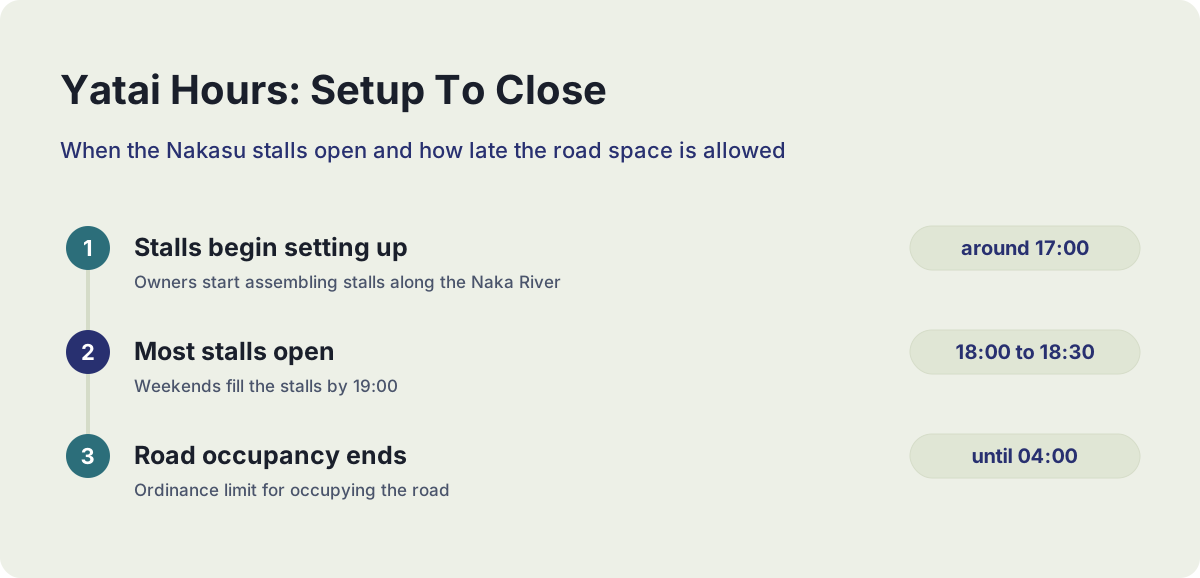
The self-guided version has a rhythm worth learning. Stalls begin setting up around 17:00, most open around 18:00 to 18:30, and the ordinance allows them to occupy the road until 04:00. There is no city-mandated closing day: individual owners close for weather, rest or personal reasons, which is why a street that had a dozen stalls on Tuesday may have six on Wednesday. Cash is still the safest assumption, though some stalls now take cards and QR payments.
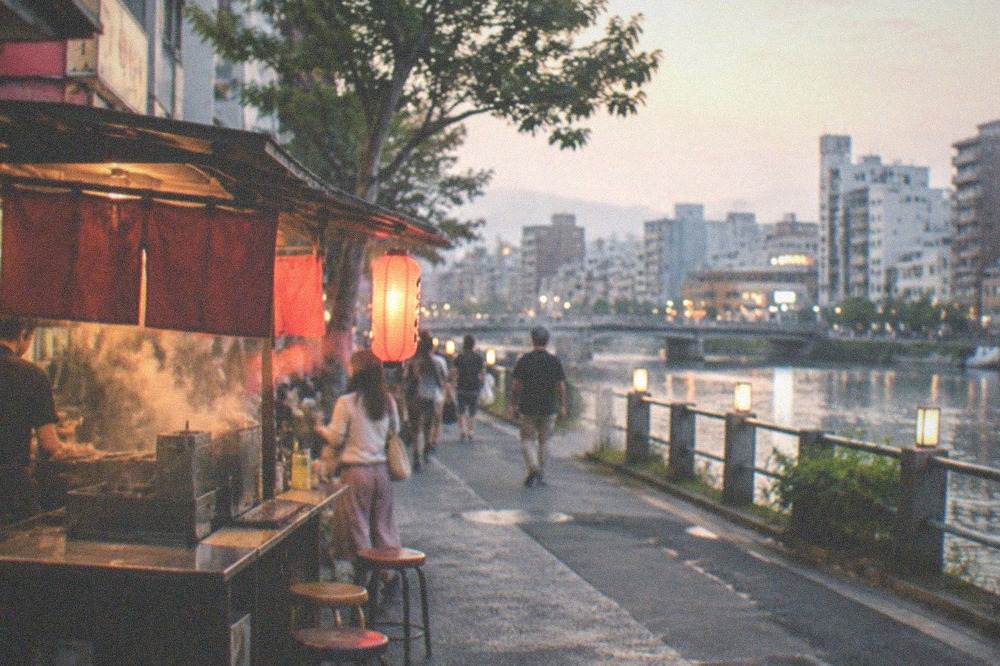
Etiquette is short and practical: sit where the owner points, do not linger long after finishing during busy hours, and expect to share the counter with strangers, which is half the point. The yatai etiquette guide covers the details, and the Fukuoka yatai guide maps the three clusters, Nakasu, Tenjin and Nagahama, which are genuinely different scenes rather than interchangeable rows.
If you are weighing a tour against going alone, the honest test is language. If you are comfortable pointing at a posted price board and eating whatever arrives, go alone and spend the tour fee on an extra round. If you want the motsunabe explained, the sake chosen for you and the karaoke booked, take the tour.
What Should You Know Before Booking a Night Tour in Fukuoka?
Check four things before you book: the meeting point, because Nakasu and Daimyo sit on different subway lines; the inclusion list, because drinks beyond the first are often extra; the cancellation window, because plans change after a long travel day; and the finish time, because karaoke finales run past midnight. Fukuoka's subway stops around midnight, so a late finish means a taxi or a walk back to Hakata.
The subway is the spine of a Fukuoka night. Single fares run from ¥210 for up to three kilometres to ¥380 for the longest zones, and a one-day pass costs ¥640 for unlimited rides across all three lines, which covers a Tenjin-to-Nakasu-to-Hakata evening several times over. The official fare table is published by the city subway operator. Taxis fill the gap after last train and are plentiful around Nakasu.
| Planning item | What to know |
|---|---|
| Best nights | Weeknights are quieter; weekends fill the stalls by 19:00 |
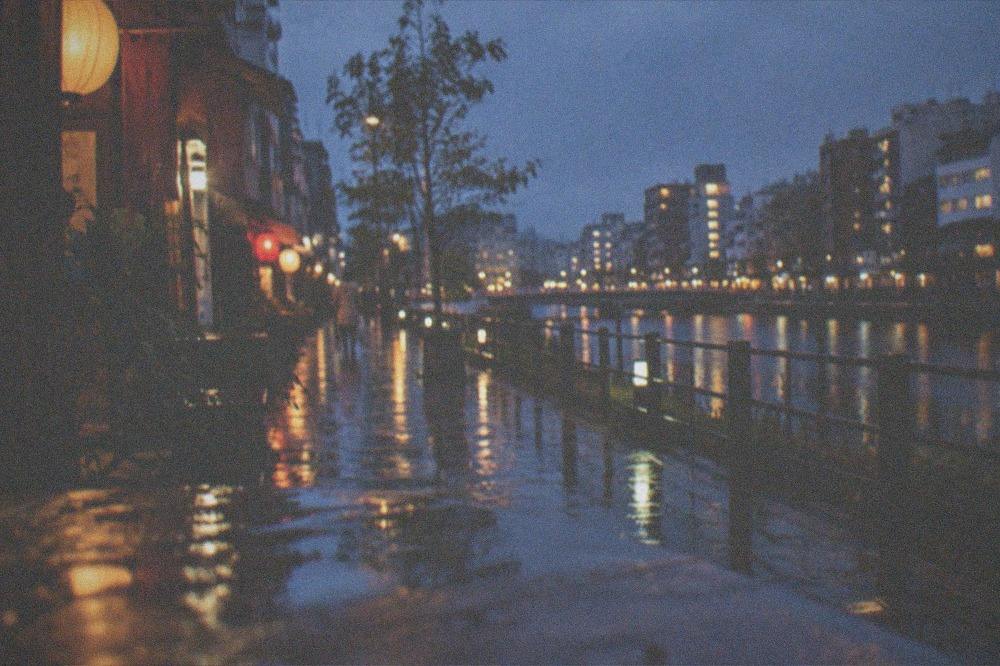
| Weather risk | Rain and strong wind close many yatai; have an indoor izakaya backup |
| Last train | Around midnight; taxis cover Nakasu to Hakata cheaply |
| Subways and passes | ¥210 to ¥380 per ride; ¥640 one-day pass covers a multi-district night |
| Cash | Bring it; some stalls and small bars are cash or card, not uniformly |
| Footwear | The crawl is walking; Daimyo's lanes are compact but the districts are separate |
Season matters more than most visitors expect. July is the wettest month in Fukuoka, wetter than the June rainy season, with 299.1 mm of rain against June's 249.6 mm in the 1991 to 2020 normals, and it is also Yamakasa festival month, when the stalls and streets around Kushida Shrine are at their busiest and most atmospheric. If you want the crawl and the festival together, mid-July delivers both, with an umbrella. The best time to visit guide and the weather guide break the year down month by month.
Which Tour Should You Pick for Your First Night?
Pick the private Nakasu stall crawl if food is the reason you came, the group evening tour if you are travelling solo or want karaoke built in, and a sake tasting if drinks outrank dinner. First-time visitors with two nights should do a guided crawl on night one to learn the geography, then go self-guided on night two with the stalls and lanes the guide flagged. Repeat visitors should skip Nakasu entirely and tour Daimyo.
The reasoning is about diminishing returns. Nakasu teaches you the city's night geography fast, and a guide compresses that lesson into two hours. Once you know which bridge, which lane and which stall style you prefer, the marginal value of a guide drops and the value of wandering rises. Daimyo is the opposite: it resists wandering, because the best bars do not announce themselves, so it is the district where a second tour genuinely adds something the first did not.
For travellers building a longer stay around food, the Fukuoka food tours guide collects the cooking classes and market walks that fill a daytime schedule, and the where to stay guide explains why basing yourself near Hakata or Tenjin puts both districts within a short walk or one subway ride. If you are arriving late and starting the trip with this night, the airport's proximity to the centre is the quiet advantage: the subway fare from Fukuoka Airport to Hakata is ¥260, and the airport sits on the same Kuko line that serves Nakasu-Kawabata.
A final practical note on the honest framing this site keeps returning to: the yatai are not a scam risk, because the city's stall ordinance requires posted prices and bans market-price wording outright. The real risks on a Fukuoka night are weather closing your chosen stall and the last train leaving without you. A tour solves the first by rerouting and the second by ending near a station, which is a fair summary of what you are paying for.
Common Questions About Bar Hopping Tours in Fukuoka
What Does A Bar Hopping Tour In Nakasu And Daimyo Include?
A local guide, a walking route of two to four hours, tastings at yatai stalls and izakaya, and often a karaoke finale. Nakasu itineraries centre on the riverside stalls; Daimyo itineraries move between small independent bars. Drinks at the first stops are usually included, later rounds usually are not.
Can you book a yatai stall in advance?
No. The stalls take walk-ins and have no reservation system. Only guided crawls of the stalls are bookable, and even those simply reserve the guide, not a seat. Turn up early on busy nights or let a guide time the route.
Is Nakasu or Daimyo better for a first night?
Nakasu for the atmosphere and the photos, Daimyo for serious bar hunting. They are about ten minutes apart on foot, so a tour that covers both is ideal on a first visit. On later nights, Daimyo rewards repeat exploration and Nakasu rewards festival timing.
Do you need to speak Japanese to enjoy the stalls?
It helps but is not required. Every stall must post its prices visibly under the city ordinance, and pointing at the board works. A guide removes the remaining friction, especially at stalls with no English menu and at Daimyo bars that are Japanese-only.
What time do bar hopping tours in Fukuoka usually start?
Most evening tours meet around 18:00, shortly after the stalls open, and finish between 21:00 and midnight depending on whether karaoke is included. The ordinance lets stalls occupy the road from 17:00 to 04:00, with most opening around 18:00 to 18:30.
Are bar hopping tours in Fukuoka good for solo travellers?
Yes, and the group evening formats are built for exactly that, since the shared table gives you company by design. Private crawls suit couples and small groups instead. Either way, the guide handles ordering, so dining alone in an unfamiliar language stops being a barrier.