Fukuoka in Five Days
Five days is the point where Fukuoka stops being a city break and becomes a Kyushu base. Here is how to split the time.
Short answer
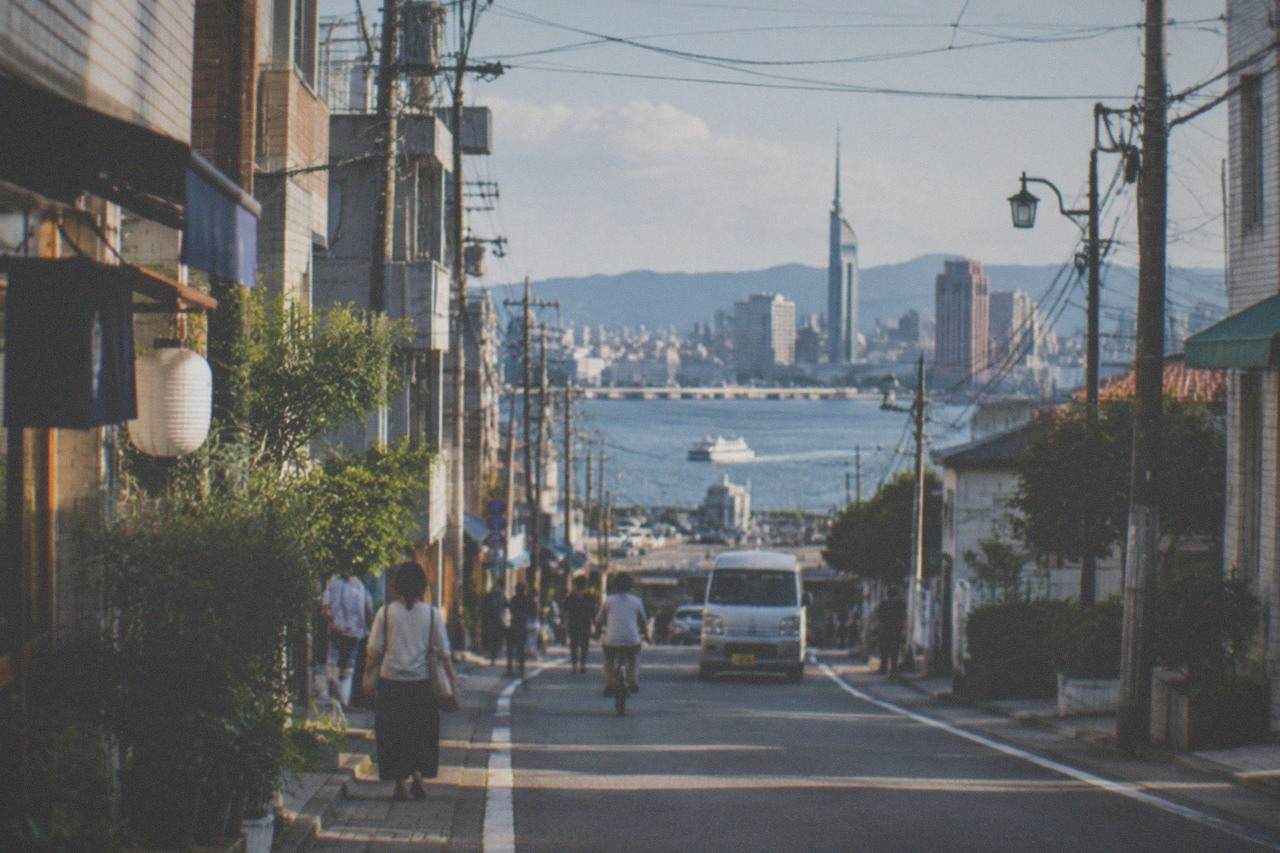
Give Fukuoka two city days, then use days three, four and five for Dazaifu and Yanagawa, a full-day Kyushu trip such as Takachiho or Aso, and a slow final day. The subway day pass is ¥640, the Tourist City Pass is ¥2,500 or ¥2,800 with a passport check, and the airport-to-Hakata subway fare is ¥260.
Five days changes what Fukuoka is for. Three days makes it a compact city break with one excursion bolted on; five turns it into a genuine base for northern Kyushu, which is what the city is actually good at. The subway is cheap, the airport sits unusually close to the centre, and the Nishitetsu and JR lines fan out toward Dazaifu, Yanagawa, Itoshima and the volcanic interior faster than most visitors expect.
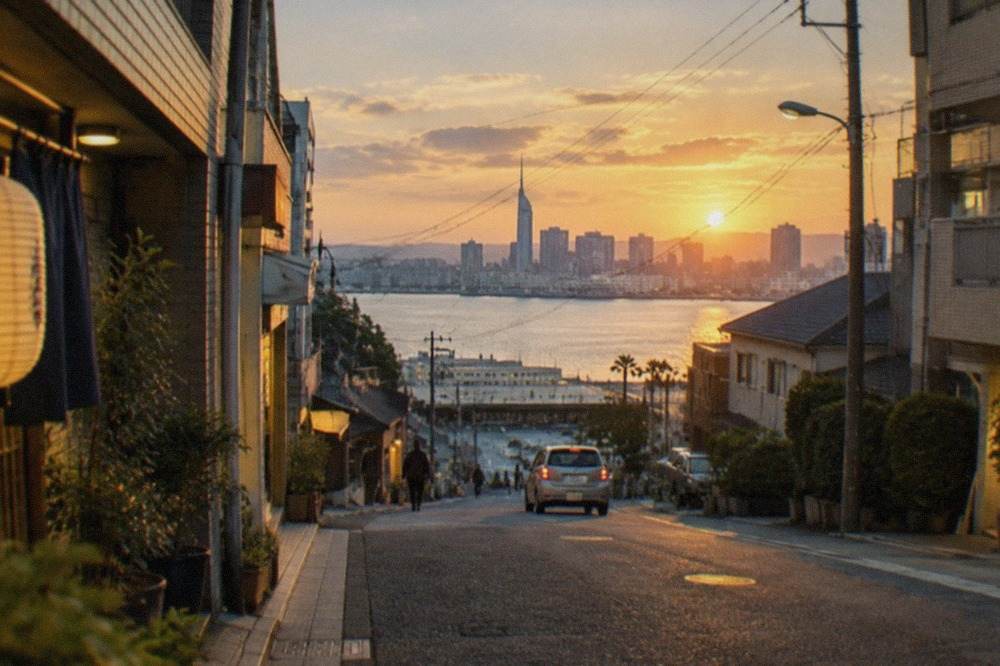
This itinerary assumes you are sleeping near Hakata Station or Tenjin, which is where most first-time visitors should stay. It front-loads the walkable city, spends the middle days radiating outward, and keeps the last day deliberately light. If you are working with less time, the compact three-day Fukuoka itinerary covers the essentials, and the two-day Fukuoka itinerary strips it to the bones.
What Can Five Days in Fukuoka Cover That Three Cannot?
Three days cover Hakata, Tenjin, Ohori Park and one headline day trip, usually Dazaifu. Five days add the layer most visitors miss: a second and third excursion into Kyushu, the Yanagawa or Itoshima coast, an evening culture slot such as a tea ceremony or a sumo practice visit, and enough slack to revisit the one thing you loved instead of racing a checklist. The city itself needs two days; days three, four and five are where the trip changes character.
The maths is simple. Fukuoka's headline sights sit inside a radius you can cross by subway in twenty minutes, so two days clear the city comfortably. What three days cannot absorb is the travel time to Kyushu's interior. Takachiho Gorge, Mount Aso and the Beppu hells each demand ten to twelve hours door to door. Squeeze one of those into a three-day trip and something in the city has to go.
Five days also change the pacing. A three-day visitor eats at a yatai once, maybe. A five-day visitor can do Nakasu one night, Tenjin another, and still have room for motsunabe and a proper izakaya. That matters in a city whose food reputation is the main reason many people come.
One correction before anything else, because it distorts every plan that gets it wrong: Hakata and Fukuoka are the same city. Hakata is a ward and the name of the main station; Fukuoka is the city around it. There is no JR Fukuoka Station, and no journey "from Hakata to Fukuoka". Every itinerary that treats them as two destinations has silently wasted your time.
How Should You Split Five Days Between City and Countryside?
Give the city two full days, then spend days three, four and five radiating outward. Day three goes to Dazaifu and Yanagawa on the Nishitetsu line, day four is the long-haul Kyushu trip such as Takachiho or Aso, and day five mixes a slow morning, a market or museum, and a final yatai evening near your hotel, ending with an airport run whose subway fare to Hakata is ¥260.
The order matters more than the content. Keep the two city days first, while your energy is highest and the jet lag is worst, because the city days are the ones that survive a foggy head; a missed temple can be walked tomorrow, while a missed coach departure cannot. Put the big Kyushu day trip on day four rather than day five, so a typhoon cancellation still leaves a recovery day.
The split, day by day:
| Day | Base | Headline of the day | Evening |
|---|---|---|---|
| 1 | Hakata | Kushida Shrine, Hakata old town, Tochoji, Shofukuji | Yatai along the Naka River in Nakasu |
| 2 | Tenjin and the west | Ohori Park, Japanese Garden, art museums | Fukuoka Tower and Momochi at sunset |
| 3 | Nishitetsu south | Dazaifu Tenmangu, Kyushu National Museum | Yanagawa river boats, back via Tenjin |
| 4 | Kyushu interior | Takachiho, Aso or Beppu, by coach tour | Late return, simple dinner near the station |
| 5 | Central | Asian Art Museum, Canal City, souvenir shopping | Early night, airport hotel logic |
If you would rather invert it and end on a high-energy day trip, the structure still holds. The one rule worth keeping is that day five should never depend on a long-distance train running on time. For a much longer regional plan, the Kyushu itinerary from Fukuoka extends this logic across the whole island.
For the two big-ticket days, three guided options dominate the shortlist, and they map neatly onto different travellers: the most-reviewed Takachiho coach day, a fully customisable private day with a licensed guide, and the sightseeing-train-and-shrine combination that pairs Yufuin with Dazaifu.
What Should Day One Cover in Hakata Old Town?
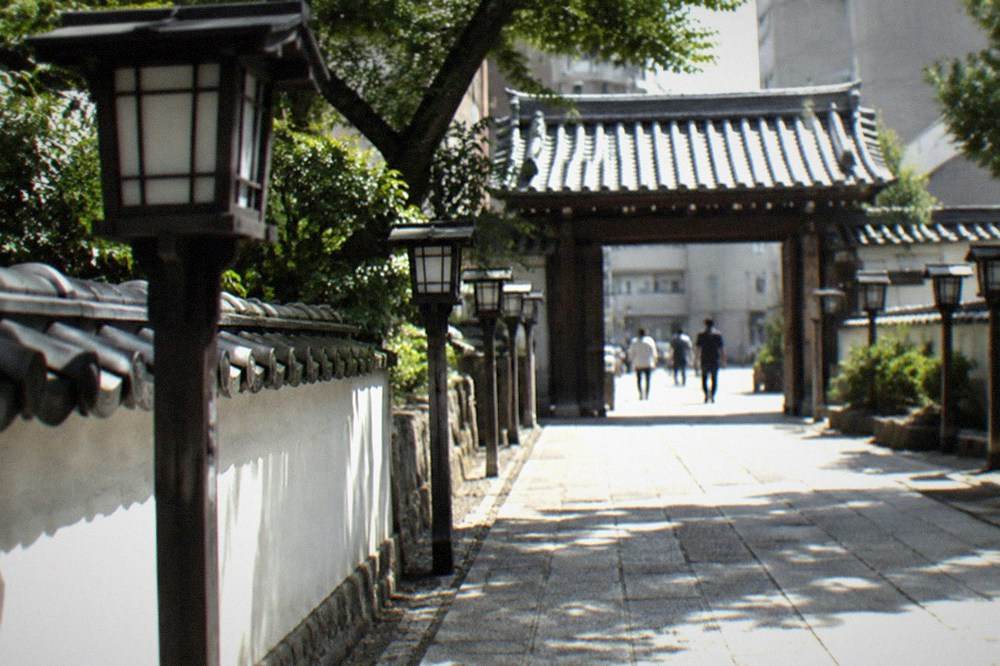
Start at Kushida Shrine, walk the Hakata old town temples, Tochoji and Shofukuji, then finish with the yatai stalls along the Naka River. Hakata is a ward of Fukuoka and the name of its main station, not a separate city, so day one never wastes time moving between two places. Everything on this day sits within walking distance or a couple of subway stops of Hakata Station.
Kushida Shrine is the city's guardian shrine and the pivot point of its two biggest festivals, so it is the right first stop for orientation as much as devotion. From there the old town unrolls westward: Tochoji with its Daibutsu, then Shofukuji, the first Zen temple in Japan, founded by the monk Eisai in the twelfth century. None of the three charges admission. Do not chase published opening hours for them in advance; the grounds are what you come for, and they are generous.
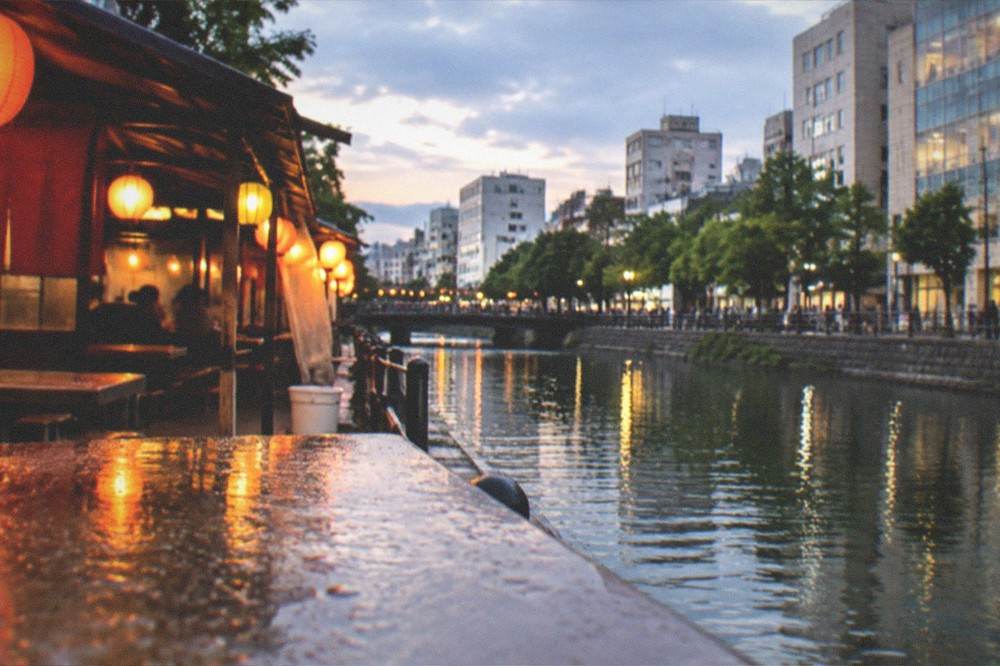
Give the middle of the day to Hakata Machiya Folk Museum or the Kawabata Shopping Arcade, which runs from the old town down toward the river, then cross into Nakasu as the light goes down. The yatai, Fukuoka's licensed street-food stalls, number about a hundred across the city, more than any other Japanese city, and the riverside row in Nakasu is the photogenic one. The city's own yatai ordinance requires every stall to post its prices where you can see them, and bans vague "market price" wording, so you can read the menu before you sit. Stalls open in the early evening and close by the small hours, weather permitting; rain shuts many of them.
A guided walk compresses the history considerably if you would rather not self-navigate the old town's back streets. The Fukuoka Essentials city walk is a half-day option rated 4.9 from 48 reviews, from $74 per person.
Where Should Day Two Take You: Tenjin, Ohori Park and the Waterfront?
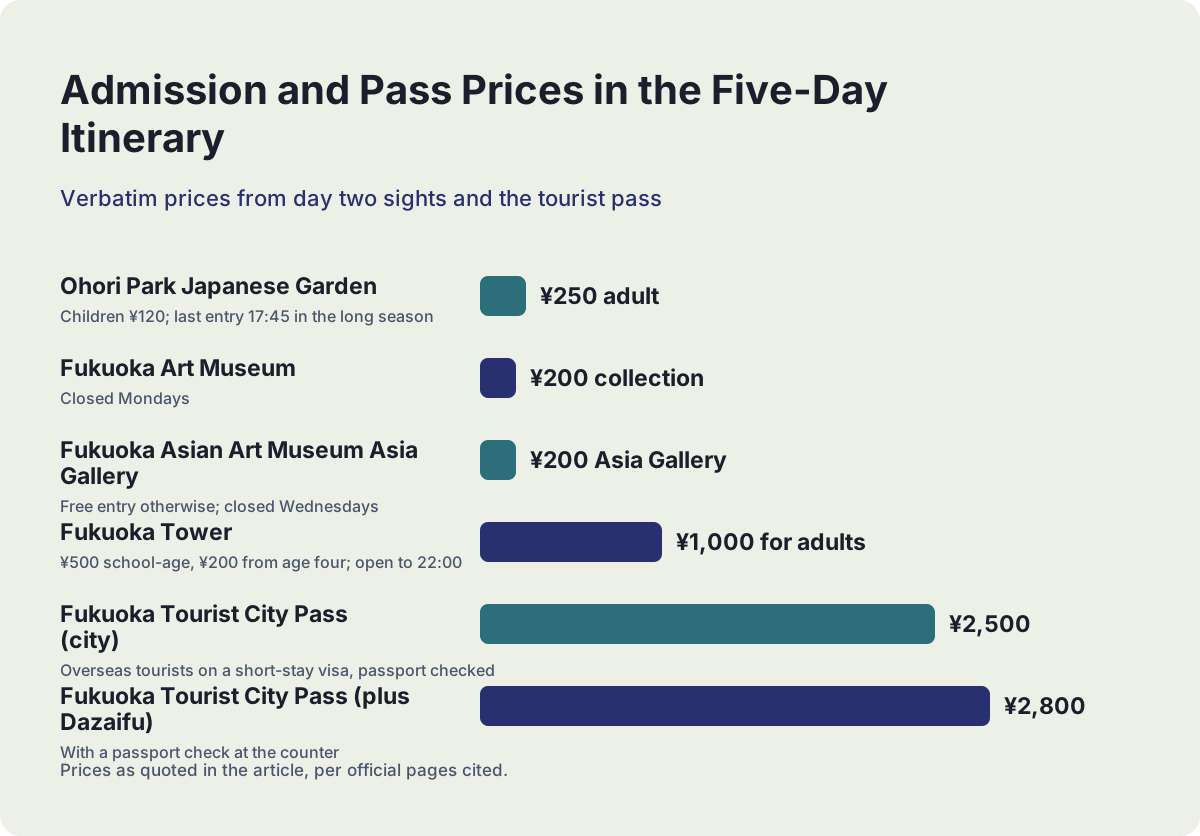
Day two is the classic city loop: Tenjin and the underground mall in the morning, Ohori Park and its Japanese Garden at midday, the Fukuoka Art Museum or the Asian Art Museum in the afternoon, and Fukuoka Tower or Momochi Seaside Park for sunset. Admission is gentle: the Japanese Garden is ¥250, both city art museums charge ¥200 for their collections, and the tower is ¥1,000 for adults.
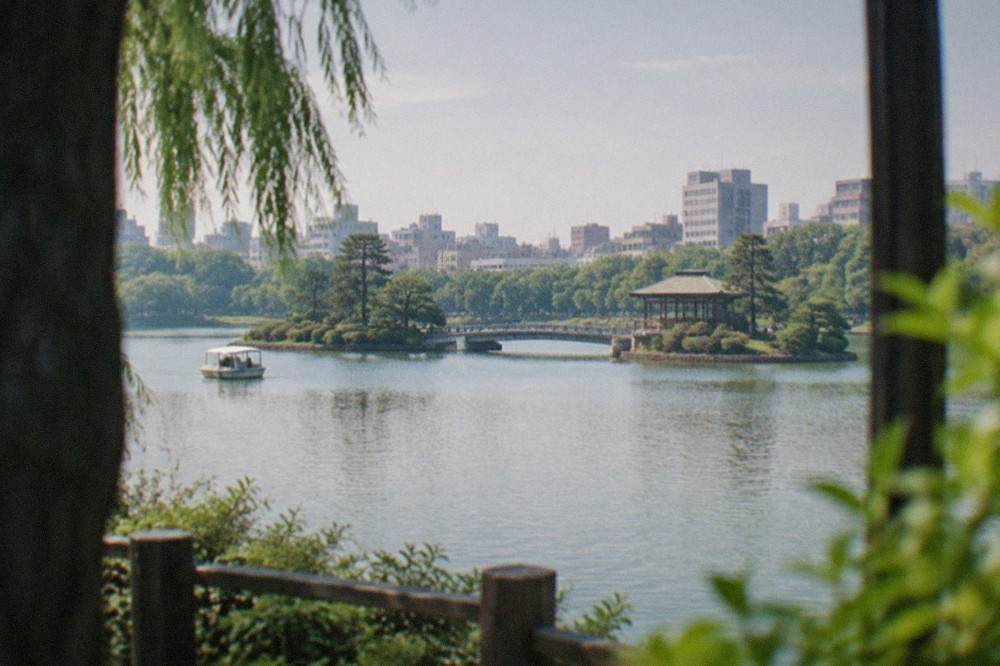
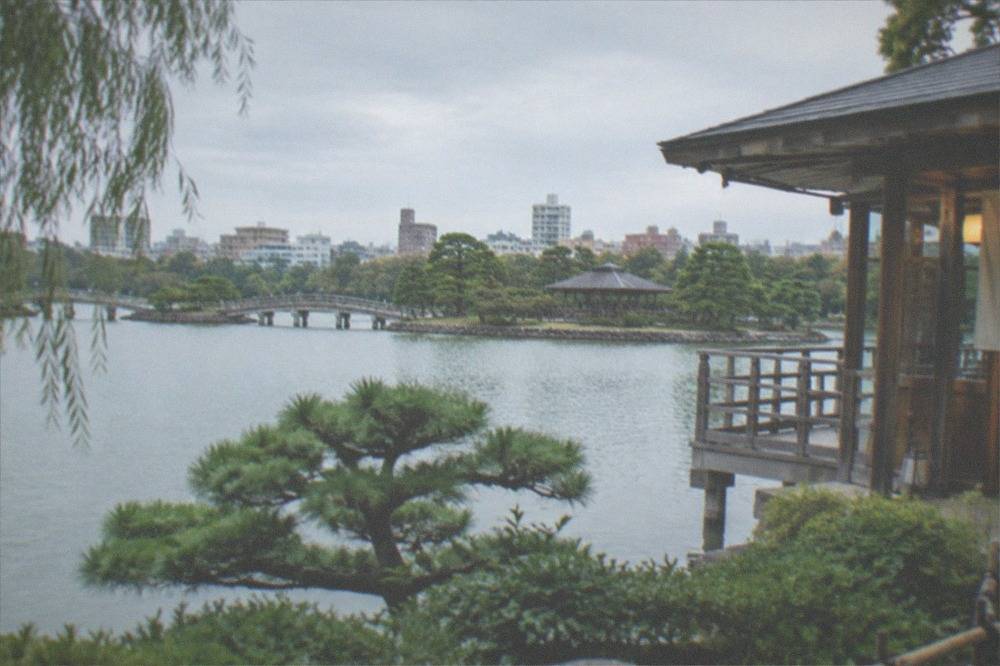
Start in Tenjin, the business and shopping core, where the underground mall makes the morning weather-proof. Then take the subway west. Ohori Park is a former castle moat turned into a two-kilometre lake walk, and it is free; the Japanese Garden inside it, ¥250 for adults and ¥120 for children, is one of the best-value quiet hours in the city, open 9:00 to 18:00 in the long season with last entry at 17:45.
The two art museums sit inside easy reach of the park. The Fukuoka Art Museum charges ¥200 for its collection galleries and stays open until 17:30, with late Fridays and Saturdays from July to October. The Fukuoka Asian Art Museum is free to enter, and only its Asia Gallery charges, again ¥200, for a collection of roughly 5,000 works from across Asia. Both are closed one weekday a week, so check which one fits your date.
End at the water. Fukuoka Tower, 234 metres tall with its main deck at 123 metres, costs ¥1,000 for adults, ¥500 for school-age children and ¥200 from age four, and stays open until 22:00 with last admission at 21:30, per the tower's official admission page. Momochi Seaside Park next door is free to wander. If the sky is flat, swap the sunset for the Momochi and waterfront stretch and save the tower for a clearer evening later in the week.
| Sight | Admission | Notes |
|---|---|---|
| Ohori Park | Free | Open parkland, 2 km lake circuit |
| Ohori Park Japanese Garden | ¥250 adult, ¥120 child | Last entry 17:45 in the long season |
| Fukuoka Art Museum | ¥200 collection | Closed Mondays; late Fri and Sat Jul to Oct |
| Fukuoka Asian Art Museum | Free entry, ¥200 Asia Gallery | Closed Wednesdays |
| Fukuoka Tower | ¥1,000 / ¥500 / ¥200 | Open to 22:00, last entry 21:30 |
One planning note for the evening: if day two falls on a Monday, flip the museums to another day and keep the park and tower, which do not close. And if a rainy front lands on your city days instead of your trip days, the rainy-day Fukuoka itinerary is built almost entirely indoors.
Planning the rest of the week while you are already thinking about the big excursions? The Takachiho day is the one worth booking ahead, because the best-value coach departures sell out in peak season.
Why Is Day Three the Dazaifu and Yanagawa Day?
Yes, and pairing them is the right call. Dazaifu Tenmangu has no entrance fee and opens from 6:00 or 6:30 depending on season, and the approach's umegae mochi and the Kyushu National Museum fill a half day easily. Yanagawa's river boats add the second half. The Nishitetsu line runs from Tenjin, and the Dazaifu version of the Fukuoka Tourist City Pass, ¥2,800 with a passport check, covers the transport.
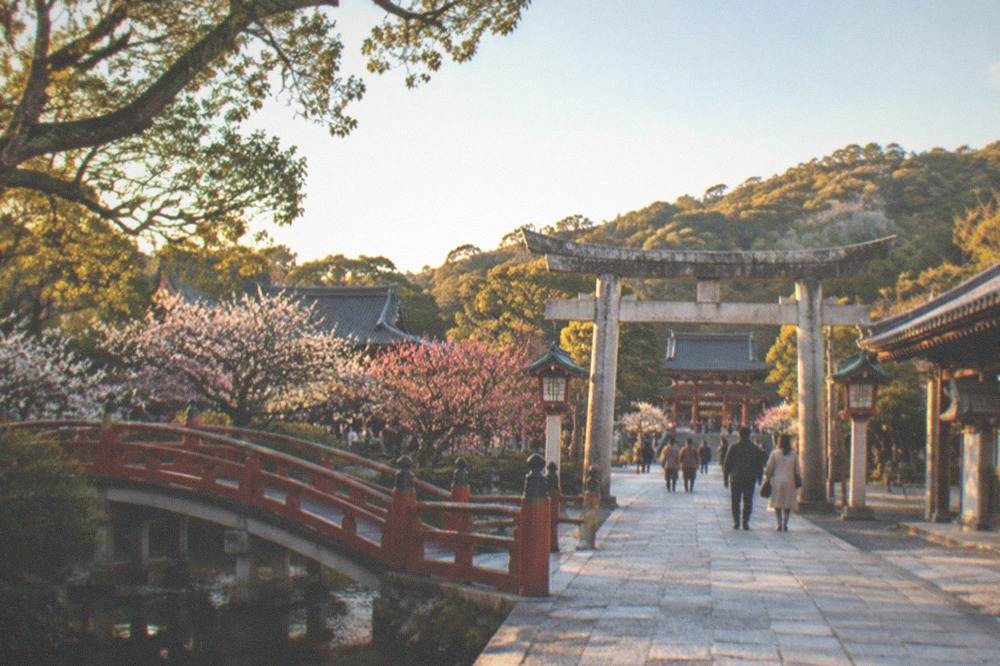
Dazaifu is Fukuoka's most famous excursion, a shrine town dedicated to Tenjin, the deity of learning, an hour or so south of the city on the Nishitetsu line with one easy change at Futsukaichi. The shrine itself states plainly on its official FAQ page that there is no entrance fee. The approach street, lined with shops grilling umegae mochi, and the Kyushu National Museum at the top of the hill, do the rest. Note that the museum charges separately and closes Mondays.
Yanagawa is the quieter half-day that most first-timers skip. The town is a former castle town laced with canals, and its punts, the donkobune, drift through waterways under weeping willows. It pairs naturally with Dazaifu because both sit on the Nishitetsu network south of Tenjin. If you would rather have tea than castles, the YokaBus tea-fields tour to Yame and Yanagawa, from $92 and rated 4.9 from 29 reviews, does both with a boat ride included. More of these guides are collected on Fukuoka Japan Travel Guide.
The Fukuoka Tourist City Pass deserves a specific word of caution, because most competing guides still quote the wrong prices. The current figures are ¥2,500 for the city version and ¥2,800 for the city-plus-Dazaifu version, and the pass is restricted to overseas tourists on a short-stay visa, with a passport checked at the counter, per the official pass page. The old ¥820 and ¥1,340 figures floating around the internet are years out of date.
What Makes Day Four the Big Kyushu Day Trip?
Day four is the day a three-day trip cannot fit: a full-day run into the Kyushu interior. Takachiho Gorge, Mount Aso or the Beppu hells each need ten to twelve hours door to door, which is why they are the first things cut from a short itinerary. Guided coach tours from Hakata run from about $46 to $96 per person and remove the rural-transfer problem entirely.
The honest reason to take a tour rather than self-drive is the last mile. Takachiho Gorge sits in Miyazaki Prefecture with patchy public transport from the nearest stations; Aso's caldera roads confuse first-time drivers; Beppu spreads its hells across a city you then have to leave again. A coach tour with a fixed Hakata departure converts all three into a single decision made the night before.
The strongest all-round option is the Takachiho Gorge and Amaterasu Railway tour, which pairs the gorge with a ride on the Amaterasu train and an optional boat on the river, from $48 per person and rated 4.8 across 713 reviews, comfortably the most-reviewed long day trip on the roster. It runs around eleven hours, so book nothing for the evening except dinner near the station.
The alternatives, honestly compared:
| Tour | From | Rating | Duration | Best for |
|---|---|---|---|---|
| Takachiho Gorge and Amaterasu Railway | $48 | 4.8 from 713 reviews | 11 hours | The gorge plus a train ride, best value |
| Mt. Aso and Takachiho Gorge Tour | $48 | 4.7 from 674 reviews | 10 hours to 1 day | Volcano and gorge in one loop |
| Mt. Aso Volcano and Kusasenri Day Tour | $46 | 4.7 from 224 reviews | 1 day | Aso only, the cheapest option |
| Beppu Hells, Frog Temple and Yufuin | $96 | 4.4 from 106 reviews | 10 hours | Onsen town spectacle |
| Yufuin no Mori and Dazaifu Day Tour | $70 | 4.7 from 54 reviews | 8 hours | The sightseeing train, gentler pace |
If day four leaves you wanting more of the island rather than less, the Beppu day trip and the Kitakyushu day trip pages extend the same logic, and the overview of day trips from Fukuoka ranks every reachable option by travel time.
How Should You Spend Day Five Before You Fly?
Keep day five short and central. Spend the morning at Ohori Park if you missed it, or at the Fukuoka Asian Art Museum, which is free to enter apart from its Asia Gallery. Buy omiyagi at Canal City or Hakata Station, eat a final bowl of tonkotsu, and leave generous buffer, because Fukuoka Airport sits unusually close to the centre and the subway fare to Hakata is only ¥260.
Resist the temptation to bolt a fourth excursion onto the last day. The airport's closeness to the city is real and verified, but do not trust the "five minutes to Hakata" claim that every guide prints, because no official page states a journey time; what is verified is the ¥260 subway fare on the Kuko line. Plan to be at the airport two hours before an international departure and work backwards.
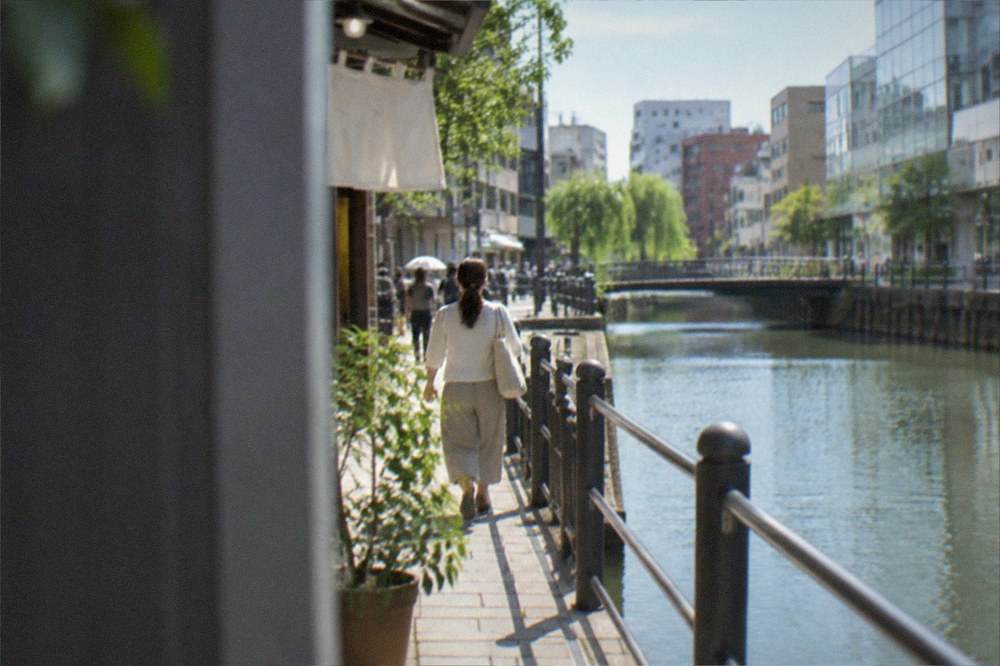
A good final morning: Canal City Hakata, which is free to enter, open every day of the year, with shops from 10:00 to 21:00, makes an easy souvenir stop under one roof. From there it is a short walk to the Kawabata arcade or back into the old town for a last look. Lunch should be tonkotsu ramen, the city's signature bowl, eaten near the station so your luggage logic stays simple.
If you have a late-afternoon flight and one more appetite, a guided stall crawl makes a fitting finale. The private Nakasu food stall tour runs about two hours with tastings included, from $94 and rated 4.7 from 70 reviews.
What Will Five Days in Fukuoka Cost You?
Counting mid-range hotels, subway travel, the two big excursions and yatai dinners, five days in Fukuoka costs well under the Tokyo or Osaka equivalent. City transport is cheap: the subway day pass is ¥640, the bus day pass ¥1,200, and the Tourist City Pass ¥2,500 or ¥2,800 with a passport check. The biggest variables are the day-trip tours and where you sleep.
Transport maths first, because this is where the savings hide. A single subway fare runs from ¥210 for up to 3 km to ¥380 for over 19 km, so a day of four or more rides usually beats the ¥640 day pass. The Nishitetsu bus day pass is ¥1,200. The Tourist City Pass only pays off if you are doing many rides and want the attraction discounts, and it needs your passport. For a fuller cost breakdown, the Fukuoka trip cost guide does the arithmetic line by line.
| Transport option | Price | When it wins |
|---|---|---|
| Subway single fare | ¥210 to ¥380 | One or two rides |
| Subway 1-day pass | ¥640 adult, ¥320 child | Four or more subway rides |
| Nishitetsu bus 1-day pass | ¥1,200 adult, ¥600 child | Bus-heavy city days |
| Tourist City Pass | ¥2,500 / ¥2,800 with passport | Overseas visitors doing many rides plus discounts |
| Airport to Hakata subway | ¥260 | Every arrival and departure |
Whatever the final budget, the two decisions that shape the week are the day-four coach tour and where you sleep, and the trio below covers the guide, the private option and the train-and-shrine combination between them.
Common Questions About a Five-day Fukuoka Itinerary
What Can Five Days In Fukuoka Cover That Three Cannot?
Three days cover the city core and one excursion, usually Dazaifu. Five days add a second and third excursion, typically Yanagawa and a full-day Kyushu trip such as Takachiho or Aso, plus evening slots for yatai, a tea ceremony or sumo practice, and slack to revisit favourites rather than race a checklist.
Is Five Days Too Many For Fukuoka Itself?
For the city alone, two days are enough for the core sights. Five days works because Fukuoka functions as a base for northern Kyushu, with Dazaifu, Yanagawa, Itoshima, Beppu, Aso and Takachiho all reachable as day trips on rail or guided coach tours.
Which Day Trip Should I Book In Advance?
Book the long Kyushu interior day, the Takachiho or Aso coach tour, ahead of time, because the best-value departures fill in peak season. Dazaifu and Yanagawa need no booking at all, since the Nishitetsu trains cannot sell out and the shrine has no entrance fee.
Do I Need A Rail Pass For Five Days?
Usually not. The JR Kyushu passes only pay off with heavy intercity use, which a Fukuoka-based five-day plan mostly avoids. The subway day pass at ¥640 and the Tourist City Pass at ¥2,500 or ¥2,800 with a passport check cover the city days better.
What If A Typhoon Hits During My Five Days?
Typhoon season runs roughly July through October, and a passing system can close ferries, coach tours and yatai for a day. Build the itinerary with the big day trip on day four rather than day five, so a weather cancellation still leaves a recovery day before your flight.
Where Should I Stay For A Five-Day Fukuoka Trip?
Hakata Station or Tenjin. Hakata puts the subway, the Nishitetsu line and the airport link at your door, which matters most on a multi-excursion plan; Tenjin trades a few minutes of transfer time for the shopping and dining district. Both reach every stop in this itinerary in under half an hour.