Markets in Fukuoka
Fukuoka's shopping runs from a century-old fish market beside the river to a canal-cut mall that is open every day of the year. This guide sorts the markets that reward your time from the ones you can skip, with the verified transport figures to get between them.
Short answer
Yanagabashi market is the city's working food market, the yatai stalls are its evening street food tradition, and Canal City Hakata is its retail centrepiece, open every day with shops from 10:00 to 21:00. The subway costs from ¥210 per ride, and the ¥2,500 Tourist City Pass covers a full day of trains, buses and ferries with a passport check.
Fukuoka shops the way it eats: early, seriously and mostly within walking distance of a subway station. The city's market culture is not gathered into one giant hall the way some capitals do it. Instead it is spread across a riverside food market that has served Hakata's kitchens for generations, a web of about 100 licensed yatai food stalls that set up each evening, an arcade street that grew out of the postwar black markets, and a canal-cut shopping complex that stays open every single day of the year. This guide, from Fukuoka Japan Travel Guide, walks through which of these actually reward a visitor's time, what each one sells, and how to move between them for the lowest verified fare.
What Markets Are Actually Worth Visiting in Fukuoka?
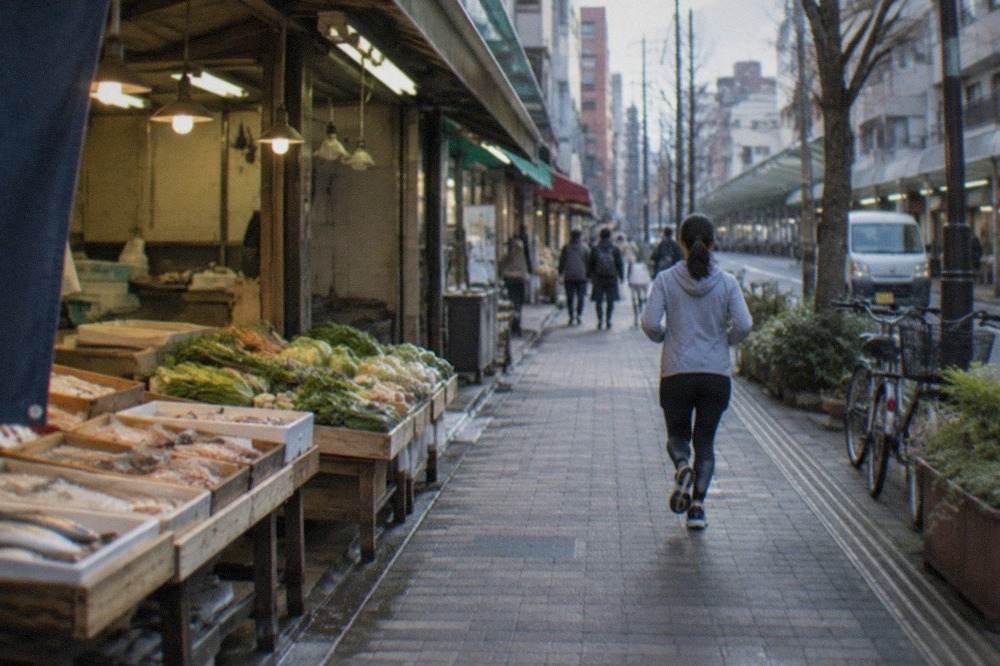
Four market experiences genuinely earn a place on a Fukuoka itinerary: Yanagabashi market for food and atmosphere, the yatai stalls for an evening meal at a counter, Canal City Hakata for retail and entertainment under one roof, and the Kawabata shopping arcade for a covered stroll between them. Each sits in or beside Hakata and Tenjin, and all four connect by a subway ride costing between ¥210 and ¥260.
The honest framing matters here, because plenty of guides inflate the list. Fukuoka does not have a famous weekend antique fair on the scale of Kyoto's or a vast terminal wholesale market geared to tourists. What it has is a dense, walkable commercial core where the traditional and the modern sit a few minutes apart on foot, and where the food sold in the markets is the same food the city's restaurants cook. A visitor who treats the markets as one connected district, rather than four separate destinations, gets the best out of them.
Start at Yanagabashi in the morning, walk the arcade at midday, break for the canal-side mall in the afternoon, and finish at a yatai counter after dark. That single arc covers the whole tradition, and none of the four legs costs more than a subway ticket. The sections below take each one in turn, then cover the transport, the passes, and the tours that do the sourcing for you.
Yanagabashi Market: The Working Kitchen of Hakata
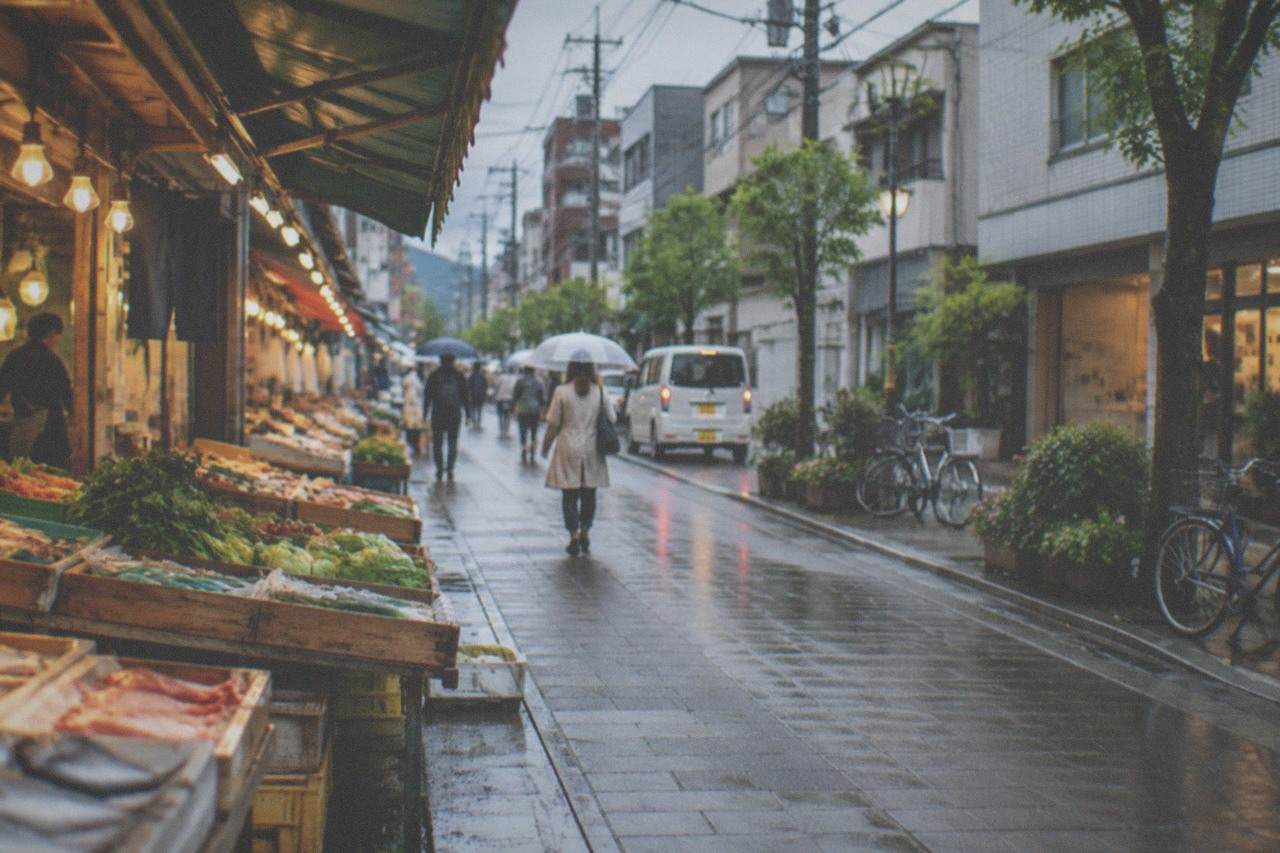
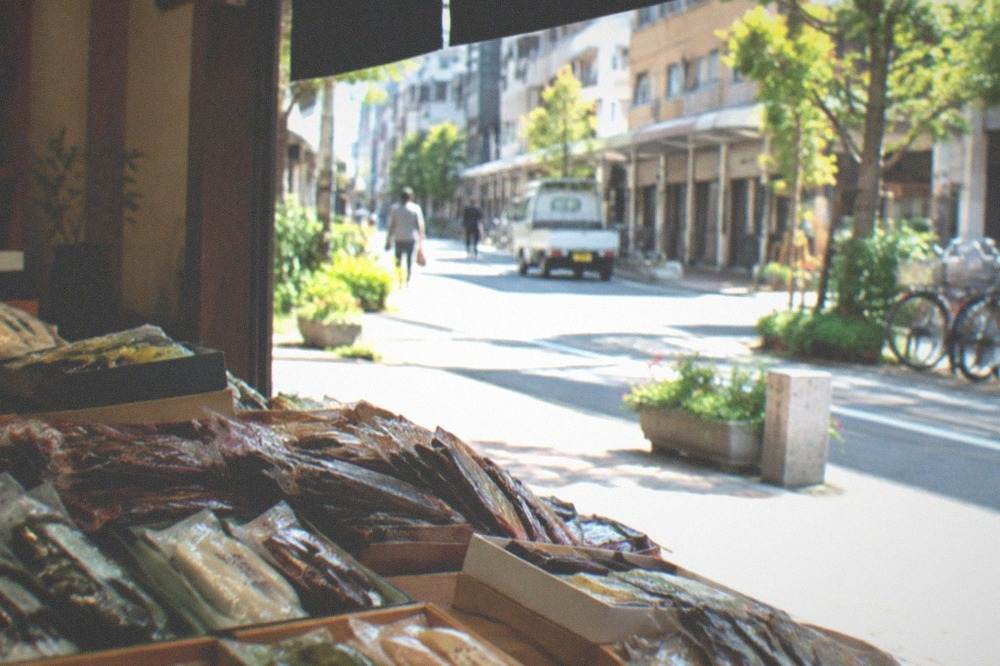
Yanagabashi market is Fukuoka's traditional retail food market, a cluster of small stalls and shops near the Hakata river end of the city, selling fish, pickles, dried goods and prepared foods to locals and restaurants rather than to tour groups. It is the closest thing the city has to an old-style shokunin market, and it is best visited in the morning while the produce is moving.
The market's character is its point. This is not a polished food hall with English signage and photo spots. Stalls are small, family-run and dense with stock: trays of local fish, barrels of tsukemono pickles, bags of dried shiitake, and counters of prepared dishes such as goma-saba, the sesame-mackerel preparation Hakata is known for. Buyers are chefs and home cooks, which keeps prices honest and quality high. Come before noon and you will see the market doing its actual job; come late and some stalls will already be sold through or closing.
Two practical notes shape a visit. First, Yanagabashi is at its most atmospheric in the first hours of the day, so pair it with a breakfast stop rather than an afternoon slot. Second, it sits within easy walking distance of the Kawabata shopping arcade and the Hakata river area, so it slots naturally into a morning route rather than needing a dedicated trip. The market is a food destination, not a shopping-mall substitute: come to eat, to photograph the stalls and to buy consumables, not souvenirs.
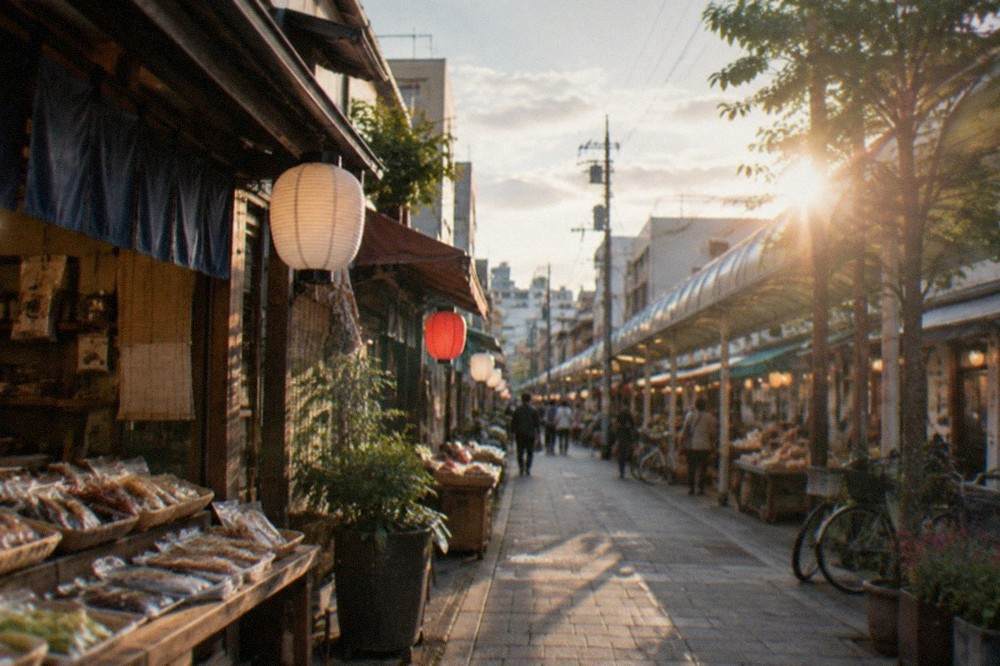
For visitors who want the market's food explained rather than just sampled, a guided walk turns the stall fronts into a story. The Fukuoka walking tours overview covers the formats available, from short orientation strolls to half-day deep dives. If your interest is eating rather than walking, the evening options below do the same job at the yatai counters.
Those three cover the three moments a market day actually needs a booked product: getting from the airport to your hotel with bags in hand, filling a rainy afternoon indoors, and turning a market interest into a countryside day. Everything else on this page, the stalls, the arcade, the shrine streets, is walk-in and free to enter.
The Yatai Stalls: Fukuoka's Evening Market
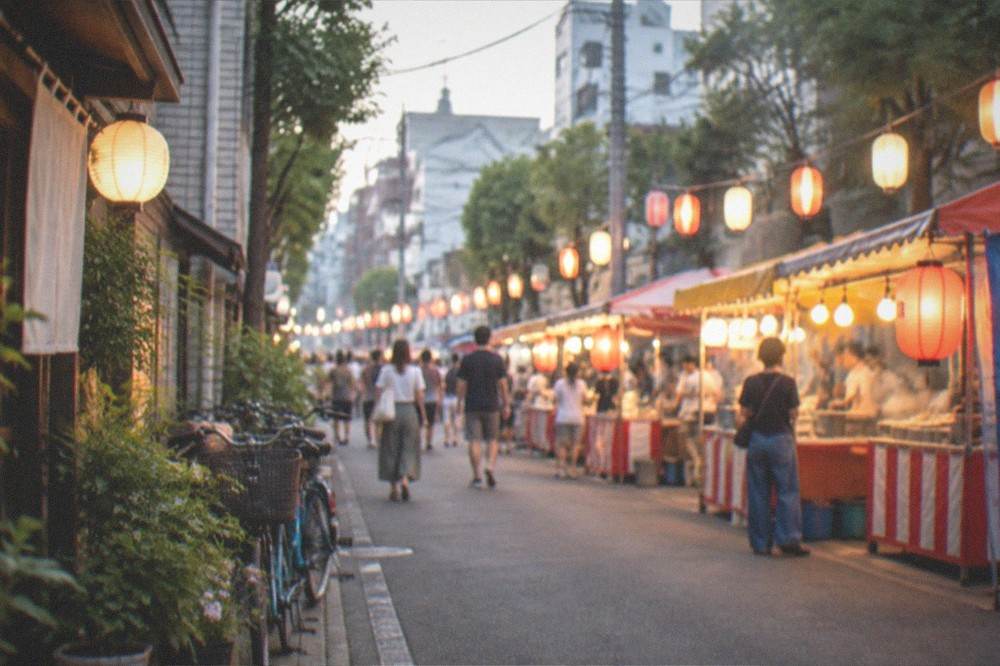
Fukuoka has about 100 licensed yatai food stalls, more than any other city in Japan, concentrated in Nakasu along the Naka River, in Tenjin along Watanabe-dori and Showa-dori, and in Nagahama near the old fish market quarter. They set up from 17:00, typically open around 18:00 to 18:30, and serve counter food and drinks into the small hours.
The yatai are not a market in the strict sense, but they fill exactly the role a night market fills elsewhere: cheap, social street food eaten at a counter beside strangers. The city's own ordinance governs how they run, and one rule is genuinely useful to a visitor. The Fukuoka City yatai rules require prices to be displayed where customers can easily see them, and any dish priced on the day's market cost must show that day's actual price rather than a vague "market price" label. The city's official yatai Q&A page states this plainly, along with the "about 100" count. In other words, the rip-off anxiety many travellers bring to street food has a civic answer here: the menu is posted, and inspectors check.
Each of the three areas has its own register. Nakasu, along the river by Seiryu Park, is the photogenic row, the one on every postcard, and the most tourist-facing. Tenjin's stalls scatter through the business district and draw an after-work local crowd. Nagahama, near the old fish market, is historically the ramen row. Stalls close at the operator's discretion and for weather, so no area is guaranteed full on any given night, and there is no city-mandated closing day.
| Area | Character | Typical food | Best for |
|---|---|---|---|
| Nakasu | Riverside row by Seiryu Park, most photographed | Ramen, yakitori, oden | First-timers, evening photos |
| Tenjin | Scattered along Watanabe-dori and Showa-dori | Ramen, tempura, newer neo-yatai fare | After-work atmosphere |
| Nagahama | Near the former fish market | Tonkotsu ramen, fish dishes | Ramen purists |
Payment is worth a sentence: cash has traditionally been the default, and while some stalls now take cards or QR payment, counting on cash is still the safer planning assumption. The stalls take walk-ins only; you cannot book a seat at a yatai, and nobody should tell you otherwise. What you can book is a guided crawl, which secures a guide who knows which stalls are open and how to order. The Fukuoka yatai guide maps the full scene across all three areas.
A private crawl through the Nakasu stalls is the most reliable way to eat well at the counters without gambling on which stalls opened that night.
A guided crawl also solves the language problem at the counter, since the guide handles ordering and explains what lands in front of you. Solo travellers in particular benefit, because a yatai counter seats a handful of people and a guide removes the hesitation of walking up alone.
Getting Between the Markets: Subway, Buses and Passes
The subway is the spine of a market day: single fares run ¥210 to ¥380 by distance zone, the 1-day pass costs ¥640 for unlimited rides on all three lines, and the Fukuoka Tourist City Pass costs ¥2,500 for the city version or ¥2,800 with Dazaifu included, with a passport check at the counter because it is restricted to overseas tourists on a short-stay visa.
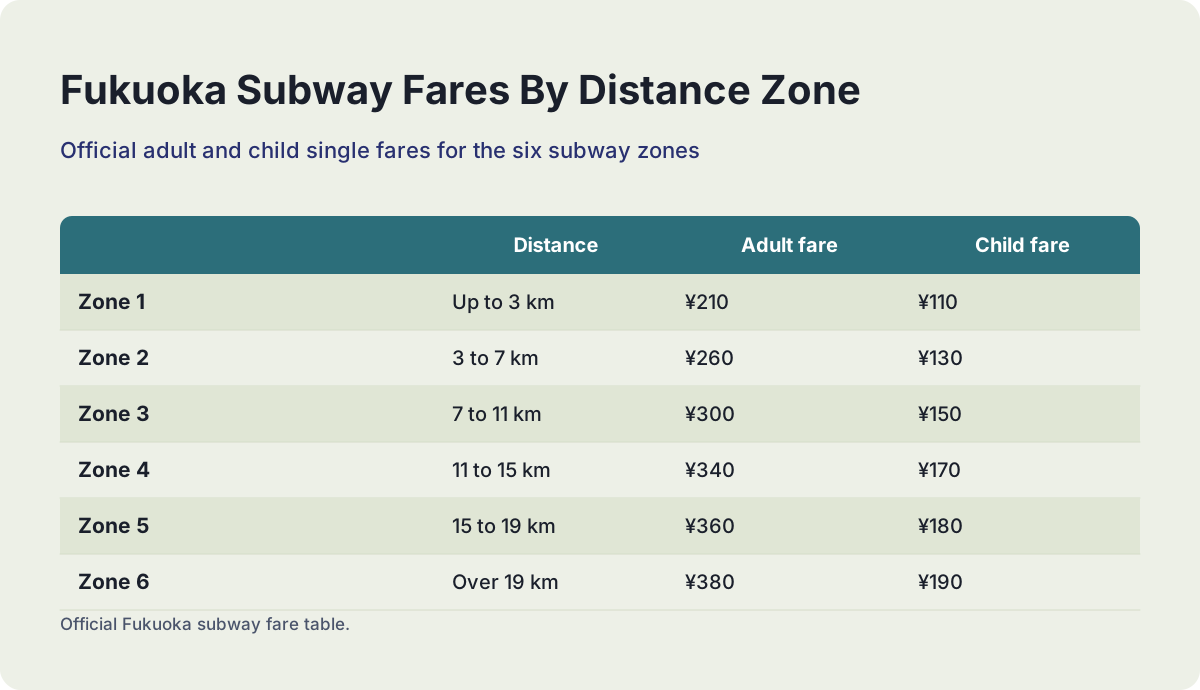
The fare table below is the official one, and it is worth internalising because it kills most over-spending. Almost every market-relevant trip, airport to Hakata, Hakata to Tenjin, Tenjin to Ohori, falls in the first two zones. The airport-to-Hakata leg costs ¥260, and the airport is genuinely close to the centre, though no official page confirms the five-minute figure every competitor prints, so this guide does not repeat it.
| Subway zone | Distance | Adult fare | Child fare |
|---|---|---|---|
| 1 | Up to 3 km | ¥210 | ¥110 |
| 2 | 3 to 7 km | ¥260 | ¥130 |
| 3 | 7 to 11 km | ¥300 | ¥150 |
| 4 | 11 to 15 km | ¥340 | ¥170 |
| 5 | 15 to 19 km | ¥360 | ¥180 |
| 6 | Over 19 km | ¥380 | ¥190 |
For a full day of market-hopping, the arithmetic favours a pass. The subway 1-day pass at ¥640 breaks even after roughly three longer rides. The Tourist City Pass is the bigger tool: it covers subway, Nishitetsu buses and trains in designated areas, some JR lines and ferries, plus attraction discounts, and the Dazaifu version extends the rail coverage to the shrine town. The official city pass page lists the current prices, the ¥2,500 and ¥2,800 figures this site verified, and the passport requirement. Be aware that many competing guides still quote an old, much cheaper price for this pass; those numbers are years out of date.
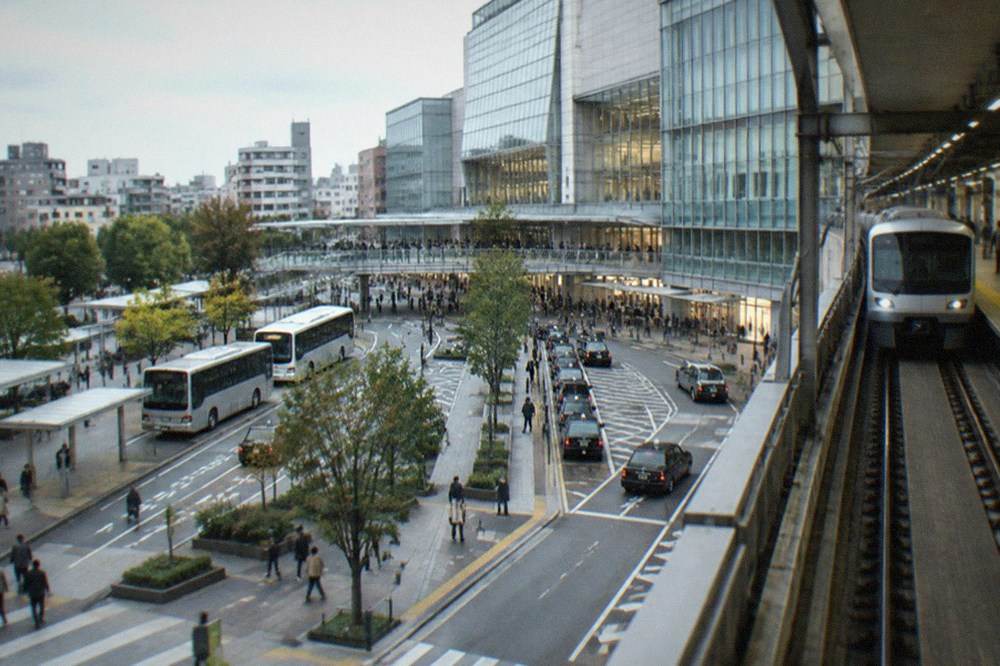
One more note that saves a specific kind of embarrassment: there is no JR Fukuoka Station. The city's main rail hub is Hakata Station, and Hakata is a ward of Fukuoka, not a separate place. A guide that tells you to travel "from Hakata to Fukuoka" has misunderstood the city it is describing.
If you are arriving with luggage and a market list, a door-to-door transfer removes the one genuinely awkward subway moment of a Fukuoka trip, the bags-on-a-crowded-train one.
The transfer is a small luxury rather than a necessity, to be clear: the subway from the airport is cheap and simple, and the ¥260 fare is hard to beat. The private option earns its price on late arrivals, family groups and anyone whose market day starts the moment the plane lands.
Canal City Hakata: The Market That Never Closes
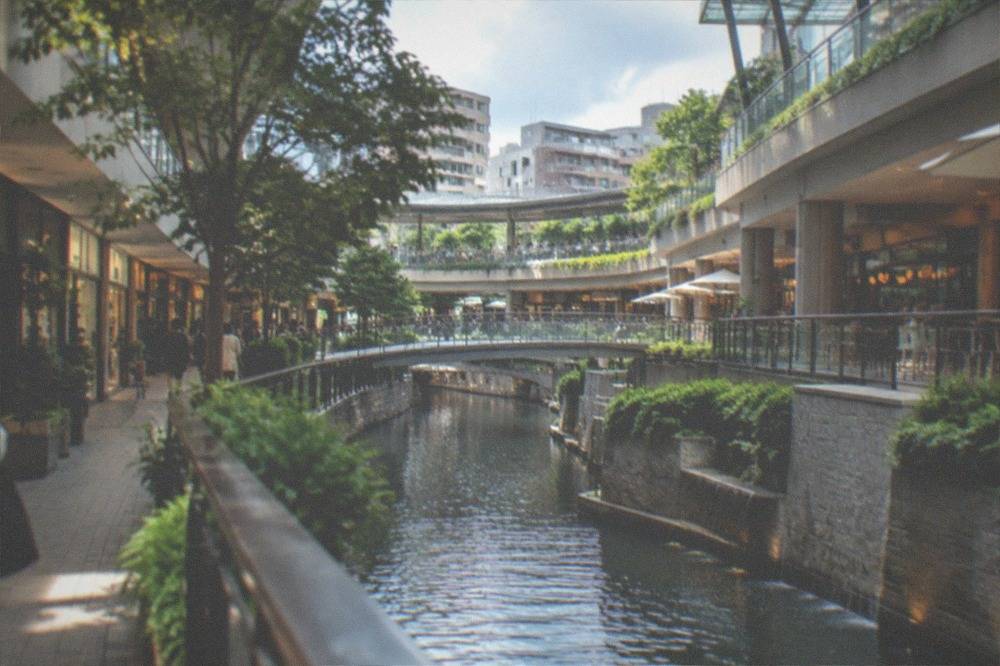
Canal City Hakata is a free-to-enter shopping and entertainment complex between Hakata and Nakasu, built around a waterway, and it is open every day of the year, with shops generally running 10:00 to 21:00 and restaurants 11:00 to 23:00. It is the closest thing Fukuoka has to an all-weather market hall, and it is the right fallback when rain closes the yatai.
The complex does the market-hall job with department-store reliability. A canal runs through the middle of it, fountains perform on a schedule, and the tenant mix runs from global fashion brands to a ramen stadium gathering multiple regional styles in one food court. Individual tenants set their own hours, so the 10:00 to 21:00 shop window and the 11:00 to 23:00 restaurant window are the general pattern rather than a guarantee for any single store. Entry costs nothing, which makes it a legitimate place to wander, use a restroom and warm up even on a no-buying day.
Its position is its best feature for a market route. Canal City sits roughly midway between Hakata Station and the Nakasu river stalls, so it slots into the same walk that connects the morning market to the evening counters. In July, when Fukuoka is at its wettest, 299.1 mm of rain against June's 249.6 mm in the Japan Meteorological Agency's 1991 to 2020 normals, an indoor stretch stops being a luxury and becomes the plan. The Canal City Hakata guide covers the complex in depth.
| Feature | Detail |
|---|---|
| Entry | Free, open every day of the year |
| Shops | Generally 10:00 to 21:00, tenant hours vary |
| Restaurants | Generally 11:00 to 23:00, tenant hours vary |
| Position | Between Hakata Station and Nakasu |
| Nearest stalls | Nakasu yatai row, a short walk east |
What to Buy at Each Stop
Buy food and consumables at Yanagabashi, eat rather than shop at the yatai, buy fashion, character goods and gifts at Canal City, and browse rather than buy in the Kawabata arcade, where the pleasure is the covered stroll and the small old shops rather than any single purchase. Souvenir food, mentaiko, tea and pickled goods travel well; fresh fish does not.
The buying logic follows the stall types. Yanagabashi rewards the edible: mentaiko, the pollock roe Hakata made famous, jars of tsukemono, dried seafood, tea and the prepared dishes that keep a day or two. Ask before buying anything that needs refrigeration if your hotel room lacks one, and treat fresh fish as a same-day purchase. Canal City is where the non-food list gets covered, from brand clothing to the character merchandise that makes easy gifts. The arcade between them is best treated as atmosphere: a covered postwar shopping street where the interest is the shopfronts, the coffee stands and the small family businesses, some of which have been trading for generations.
A short list keeps a market day honest:
| Purchase | Where it is best | Notes |
|---|---|---|
| Mentaiko | Yanagabashi stalls, specialty shops | Hakata's signature souvenir food |
| Tsukemono pickles | Yanagabashi | Jars travel well |
| Tea | Yanagabashi, department store basements | Yame tea from neighbouring Fukuoka Prefecture is the local name |
| Gifts and fashion | Canal City Hakata | Full retail mix, open daily |
| Fresh fish | Yanagabashi | Same-day purchase only |
| Nothing at all | Kawabata arcade | The walk itself is the point |
For visitors who want the region's tea story told rather than just sampled, the tea-growing country of Yame is a short organised trip away, and the Itoshima and region tours page covers the coastal options in the same direction.
Beyond the City: Market-Style Day Trips
The strongest market-adjacent day trips from Fukuoka are Yanagawa, where boat punts glide through the old canal town, and the Yame tea country inland, both reachable on organised tours of roughly nine and a half hours from the city. Further afield, Dazaifu pairs a famous shrine with a souvenir street, and the Itoshima coast trades stalls for seafood shacks and beaches.
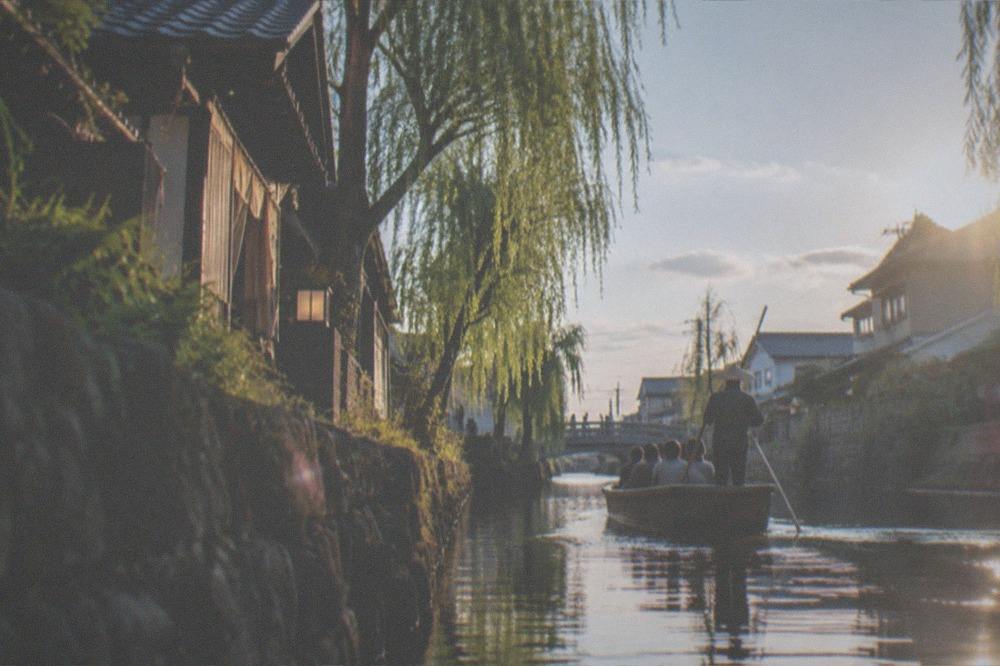
Yanagawa deserves the highlight. The town's canal network, laid out around a castle moat system, carries small punts poled by boatmen who narrate the route, and the ride passes under low bridges and through residential waterways in a way no city market can match. It is the closest experience in the region to a living, working commercial street that happens to float. The combined tea-fields-and-river-boat excursion is the efficient version, covering Yame's plantations and the Yanagawa boat in one loop.
Dazaifu works differently: the approach to Dazaifu Tenmangu is lined with shops selling umegae mochi, the grilled rice-cake sweet the town is known for, and the shrine itself charges no entrance fee. The street is the market here, and it feeds a constant stream of day-trippers from Tenjin. The Dazaifu day trip guide covers the route, and the day trips from Fukuoka roundup places it among the other options.
The tea-and-river-boat excursion is the one that turns a market interest into a full day in the countryside.
The multi-departure format matters for market planners: with several departure times across the day, you can keep a morning at Yanagabashi and still catch an afternoon coach. Nine and a half hours sounds long, but it includes the tea fields, a sake and tea tasting stop and the Yanagawa boat ride, which is most of a well-spent day in itself.
Sights That Pair with a Market Day
Every major market stop in central Fukuoka sits within a short walk of a free or cheap sight: Kushida Shrine's grounds are free, Ohori Park is free with its Japanese garden at ¥250, Fukuoka Tower charges ¥1,000 for adults, and both city art museums charge just ¥200, with free entry for under-15s. A market day and a sightseeing day in Fukuoka are the same day.
This is the quiet advantage of the city's layout. The Nakasu stalls sit minutes from Kushida Shrine, the spiritual home of the Yamakasa festival and of the yatai tradition's patron district. Yanagabashi and the arcade sit near Tochoji Temple with its Great Buddha, and a subway ride west puts you at Ohori Park, where the Japanese garden's ¥250 adult ticket buys one of the calmest hours in the city. On a clear evening, Fukuoka Tower at ¥1,000 for adults, ¥500 for elementary and junior high students and ¥200 for ages four and up, closes at 22:00 with last admission at 21:30, late enough to follow dinner rather than precede it.
| Sight | Admission | Position relative to markets |
|---|---|---|
| Kushida Shrine grounds | Free | Short walk from Nakasu stalls |
| Tochoji | Free | Walkable from Hakata and the arcade |
| Ohori Park | Free; Japanese garden ¥250 adult, ¥120 child | Subway ride west |
| Fukuoka Tower | ¥1,000 adult, ¥500 school age, ¥200 age 4 and over | Subway plus short ride to Momochi |
| Fukuoka Art Museum | ¥200 general collection, free under 15 | At Ohori Park |
| Fukuoka Asian Art Museum | Building free; Asia Gallery ¥200 | Hakata river area, near the arcade |
One closure to plan around if your trip falls in late 2026: the Tenshudai, the main keep base at the [Fukuoka Castle ruins](/attractions/fukuoka-castle-ruins/), is closed to entry from 26 May 2026 until the end of December 2026 for an archaeological excavation, prompted by a document found in December 2024 that describes a keep that may never have been built. The park itself stays free and open. Whether the "phantom keep" existed is still an open question, which makes the surrounding park a story worth standing in even while the base itself is fenced.
Rain, Typhoons and the Seasonal Market Calendar
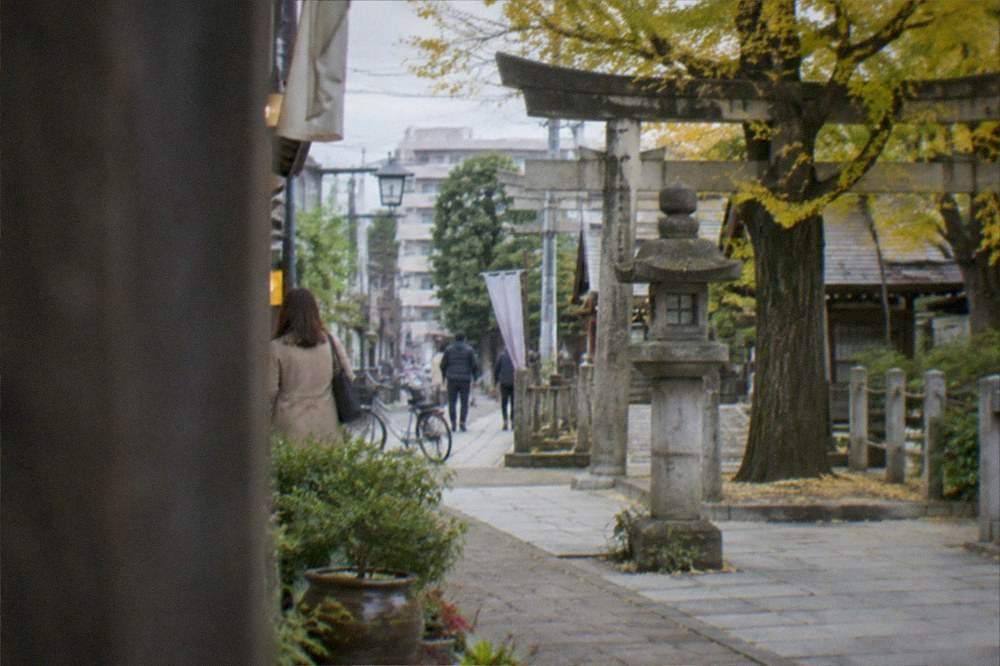
Fukuoka's market year is shaped by two weather patterns: the tsuyu rainy season around June and a typhoon season that runs roughly July through October. Neither closes the city, and the indoor options, Canal City, the department store basements and the museums, absorb the wet days, while the yatai stalls are the one market format that genuinely suffers in rain because many close in bad weather.
The seasonal read matters more here than in most Japanese cities because so much of Fukuoka's market life happens outdoors. The yatai are weather-sensitive by design: a stall is a cart with an awning, and rain or strong wind closes a lot of them on any given night. The city's rules let each operator decide, so the honest advice is to keep an indoor backup for any evening meal plan between June and October. Canal City, open every day of the year, is that backup, and the museum pair at ¥200 each fills a washed-out afternoon cheaply.
The festival calendar gives the market year its peaks. Hakata Dontaku fills Meiji-dori with parades on 3 and 4 May, the Hakata Gion Yamakasa occupies the first half of July with float races centred on Kushida Shrine, and Hojoya lines the approach to Hakozakigu with hundreds of food and game stalls from 12 to 18 September. A visitor who times a trip to one of these gets a market experience the everyday city cannot offer, though the yatai rows themselves get no quieter for it. The Fukuoka festivals guide has the full calendar, and the winter in Fukuoka guide covers the illuminations and Christmas markets that close the year.
Winter, for the record, is an underrated market season. The stalls trade through it, the illumination displays pull the evening crowds toward the city's high-rise decks, and the shrine grounds hold their New Year crowds. If a trip is genuinely flexible, the shoulder months, late autumn and early spring, deliver the outdoor market scene with the fewest weather gambles.
Pulling the whole page together, the planning shape is simple: one morning at Yanagabashi, one evening at the counters, one indoor afternoon in reserve, and a pass in your pocket before the first ride. These three products cover the three booked moments of that plan.
Everything else on this page costs a subway fare or nothing at all, which is the quiet argument for Fukuoka as a market city: the tradition is free to walk into, and only the logistics ever need a booking.
Common Questions About Markets in Fukuoka
What markets are actually worth visiting in Fukuoka?
Four experiences earn the time: Yanagabashi market for traditional food stalls, the yatai counters for evening street food, Canal City Hakata for all-weather retail, and the Kawabata arcade for a covered stroll. All four connect by a subway ride of ¥210 to ¥260 or less, and none requires a tour or a ticket to enter.
Are the yatai stalls expensive?
The city ordinance requires every stall to display its prices where customers can easily see them, and any dish priced on the day's market cost must show that day's actual price, so there is no guessing. The city publishes no average spend, so treat posted menu prices as the honest signal. Cash is still the safest payment assumption.
Can I book a yatai stall?
No. Yatai take walk-ins only, and stalls open or close at each operator's discretion and for weather. What you can book is a guided crawl, where a guide takes the group to stalls that are open and handles the ordering.
Is Yanagabashi market open on Sundays?
Individual stalls set their own days, and no city rule fixes a closing day for the market's shops. The reliable pattern is that mornings are the active period and some stalls sell out or close by early afternoon, so plan a first-thing visit and check the stalls you care about ahead of time.
What is the cheapest way to get between the markets?
The subway, with single fares from ¥210 and a 1-day pass at ¥640 for unlimited rides on all three lines. Overseas visitors on a short-stay visa can buy the Fukuoka Tourist City Pass at ¥2,500 for the city or ¥2,800 with Dazaifu, which adds buses, ferries and attraction discounts, with a passport check at the counter.
Is Fukuoka worth visiting just for the food markets?
The food alone justifies a short trip, and the answer to whether Fukuoka is worth visiting runs through the details. The market scene, the yatai tradition and the city's shrine streets sit within a compact, walkable core that rewards two or three full days.