Fukuoka Festivals
Fukuoka stages two of Japan's largest festivals, Hakata Gion Yamakasa in July and Hakata Dontaku in May, plus shrine rituals at Hakozakigu that reach back centuries. This guide covers the dates, the logistics and what each one actually feels like on the ground.
Short answer
Fukuoka's biggest festivals are Hakata Gion Yamakasa, held July 1 to 15 with the Oiyama float race on July 15 at 4:59 a.m., and Hakata Dontaku on May 3 and 4, which draws over 2 million spectators. Hakozakigu Shrine adds Tamaseseri on January 3 and Hojoya from September 12 to 18. None of the major festivals requires a ticket.
Fukuoka runs one of the most crowded festival calendars of any city in Japan, and two of its events sit in the national top tier by sheer scale. Hakata Gion Yamakasa fills the first half of July with float races that start before dawn, and Hakata Dontaku takes over the centre of the city during Golden Week with parades that stretch for kilometres. Around them sit older, stranger rituals: half-naked teams wrestling over a wooden ball in January, and a week-long shrine festival in September that lines its approach with hundreds of food stalls.
This guide walks through each of the major festivals in turn, then covers the planning questions that decide whether your trip works: when to go, how the weather behaves in festival season, and how to move around a city centre that has been handed over to parades and one-ton floats. One point worth making early: neither Yamakasa nor Dontaku sells tickets at all. They are street events, free to watch, and the only things you need to book are your bed and your transport.
What Are Fukuoka's Biggest Festivals?
Fukuoka's two biggest festivals are Hakata Gion Yamakasa, which runs July 1 to 15 each year and culminates in the Oiyama float race at 4:59 a.m. on July 15, and Hakata Dontaku, held May 3 and 4 with eve events on May 2, which draws more than 2 million spectators across its two days. Both are free street festivals with no ticketing. Hakozakigu Shrine adds two more major events: Tamaseseri on January 3 and Hojoya from September 12 to 18.
The two headline events could hardly be more different in character. Yamakasa is a race. Teams of men carry kakiyama floats weighing around a ton over a course of roughly 5 kilometres, and the whole thing is timed, competitive and soaked in 700-odd years of shrine tradition centred on Kushida Shrine. Dontaku is a parade: tens of thousands of costumed participants dance and march down Meiji-dori, and the finale, the So Odori, is open to anyone who wants to join in.
The shrine events at Hakozakigu are older and odder. Tamaseseri, on January 3, sees land and sea teams scramble for a sacred wooden ball of around 8 kilograms, in a ritual believed to predict the year's harvest and fishing fortunes. Hojoya, in September, is a calmer, week-long festival with hundreds of food and game stalls along the shrine approach. Together with Dontaku, these are counted among Hakata's major festivals.
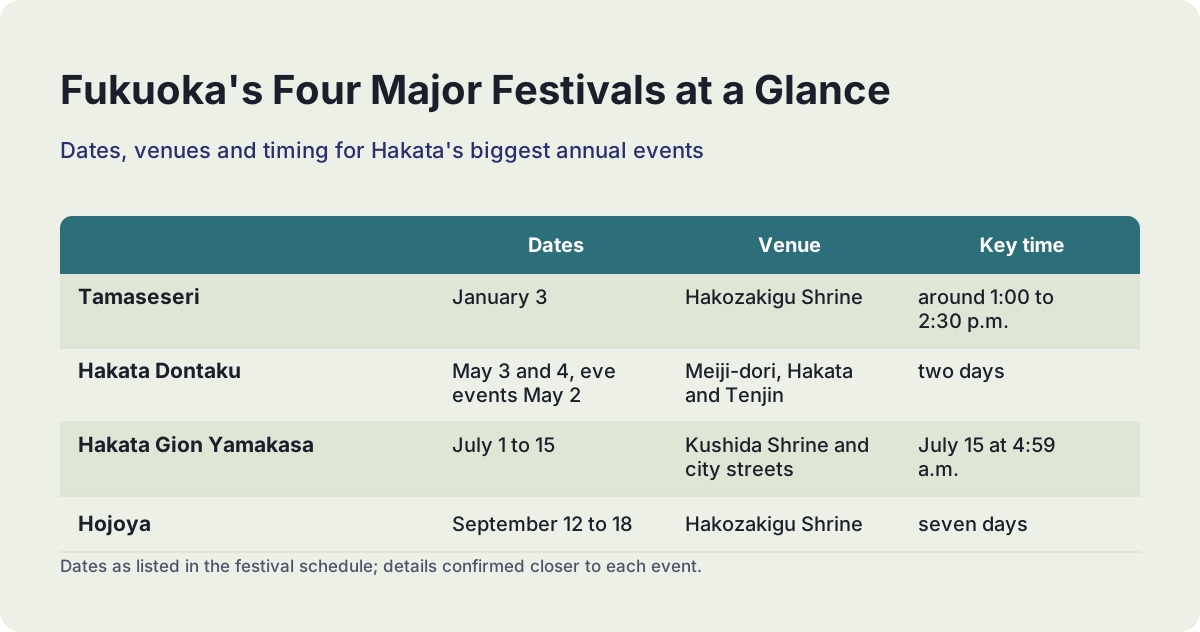
| Festival | Dates | Venue | Character | Tickets |
|---|---|---|---|---|
| Tamaseseri | January 3, around 1:00 to 2:30 p.m. | Hakozakigu Shrine | Ball-scramble ritual | None, free to watch |
| Hakata Dontaku | May 3 and 4, eve events May 2 | Meiji-dori, Hakata and Tenjin | Parades and dancing, over 2 million spectators | None, free to watch |
| Hakata Gion Yamakasa | July 1 to 15, Oiyama July 15 at 4:59 a.m. | Kushida Shrine and city streets | Float-carrying race, roughly 5 km course | None, free to watch |
| Hojoya | September 12 to 18 | Hakozakigu Shrine | Week-long festival with hundreds of stalls | None, free to watch |
If you are matching a trip to a festival rather than the reverse, the table above is the shortlist. Everything else on Fukuoka's calendar, the illuminations, the jazz, the Christmas markets, is smaller and more flexible, and we cover those further down.
Hakata Gion Yamakasa: The July Float Race
Hakata Gion Yamakasa is Fukuoka's defining festival, held annually from July 1 to 15 and centred on Kushida Shrine in Hakata. Decorative kazariyama floats go on display from July 1, the carrying events intensify from around July 10, and the climax is the Oiyama race on July 15, starting at 4:59 a.m. over a course of roughly 5 kilometres. Teams carry floats weighing around a ton, and the festival draws up to around 2 million spectators in total.
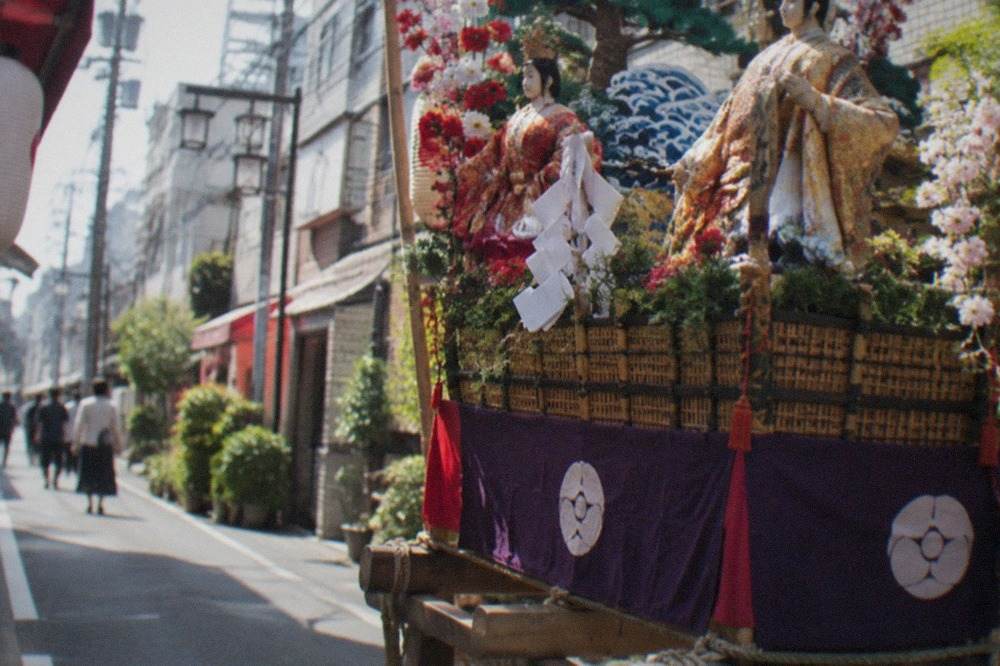
The rhythm of the two weeks matters if you want to see more than the finish. The towering kazariyama floats, several metres high and elaborately decorated, are displayed around the city from July 1, and they are the photogenic half of the festival. The carrying and racing events, using the smaller, lighter kakiyama, build from around July 10, with practice runs and public showings such as Oiyamanarashi and Shudanyamamise in the days before the finale.
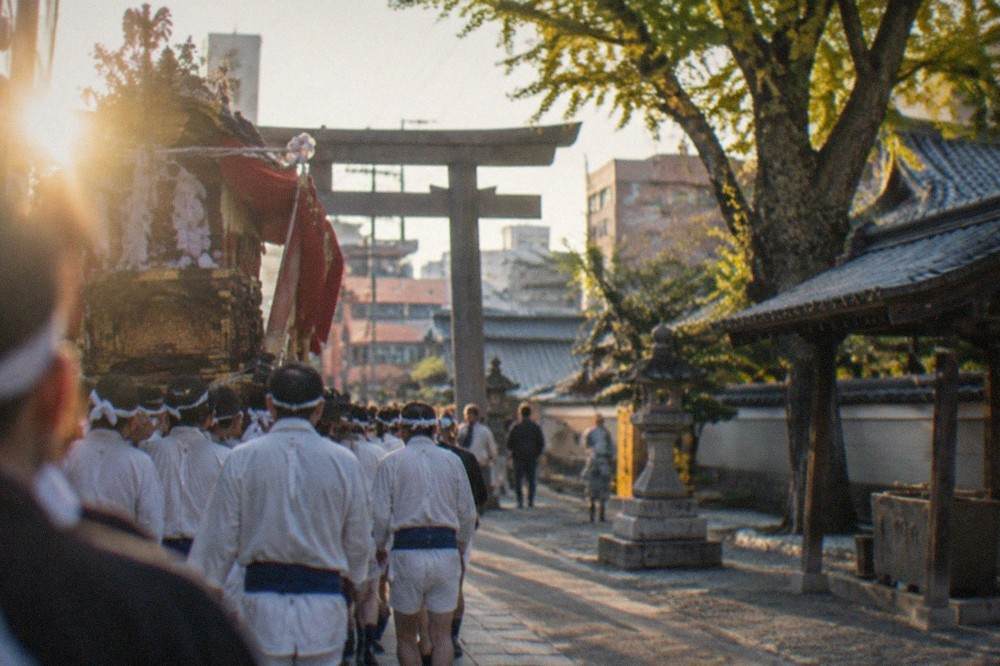
The Oiyama itself starts in the dark. Taiko drums signal the start at 4:59 a.m. on July 15, and teams sprint the float through Hakata's streets, water flying off the bearers, with crowds several deep at the corners. Spectators start claiming spots hours ahead. If a pre-dawn start sounds punishing, the practice events in the preceding days cover the same course at slightly saner hours and attract thinner crowds.
The festival's own promotion committee publishes the schedule and the course details at its official site, and it is worth a read before you commit to a 3 a.m. alarm. The 2027 dates follow the standard July 1 to 15 pattern, with Oiyama on the 15th, though the committee confirms each year's details closer to the time.
One planning note that catches people out: July is not just Yamakasa month, it is also Fukuoka's wettest month. The Japan Meteorological Agency's 1991 to 2020 normals put July at 299.1 mm of rain against June's 249.6 mm, despite June being the tsuyu rainy season. Every competitor runs soaked by choice or by weather, and spectators should plan the same. Our Fukuoka weather guide has the month-by-month numbers.
Hakata Dontaku: Golden Week's Giant Street Parade
Hakata Dontaku is held on May 3 and 4 every year, with eve events on May 2, along Meiji-dori between Hakata Station and Tenjin. Around 30,000-plus participants parade in costume over the two days, and the festival attracts more than 2 million spectators, with one recent year drawing about 2.35 million. There is no ticketing: the parade, the stages and the closing So Odori dance are all free and in the open street.
Dontaku sits inside Golden Week, Japan's cluster of spring public holidays, which is both its strength and its complication. The city is already busy in early May, and Dontaku adds parade routes, closed roads and stages around Hakata Station and Tenjin to the mix. Book accommodation early, and expect the main hotels to price and fill like a holiday weekend, because that is exactly what it is.
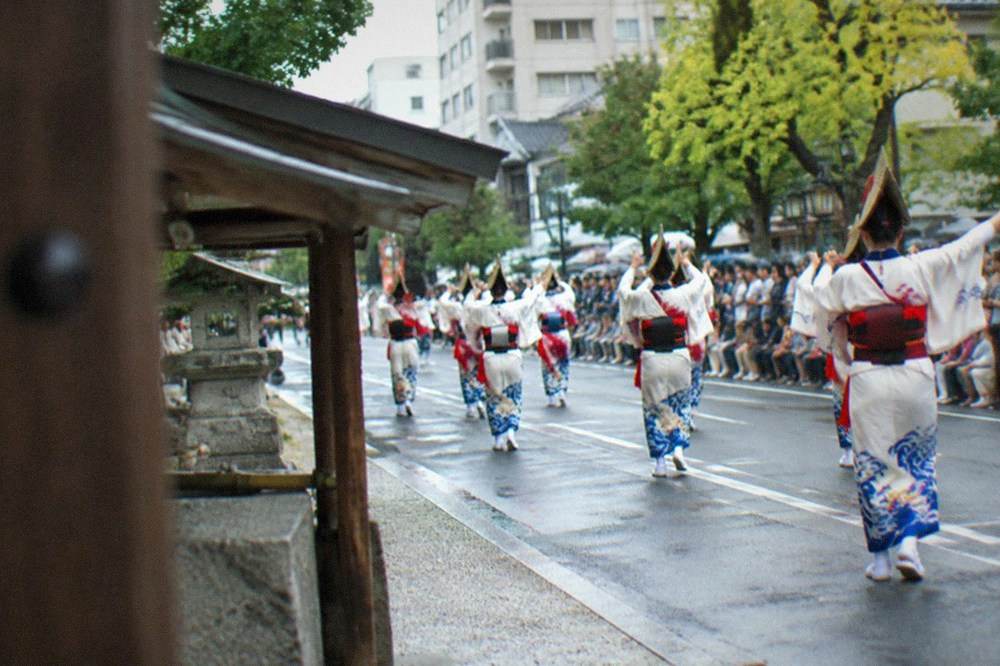
The parade itself is a rolling procession of Matsubayashi performers, hana jidosha flower floats and local groups in every costume imaginable, with the audience often dressed up too. The finale, the So Odori, is a group dance that spectators are invited to join rather than watch, which is unusual for a Japanese festival of this size and worth knowing in advance if you would rather observe than participate.
Because the parade route runs along Meiji-dori, the practical viewing spots cluster around Hakata Station, Tenjin and the stretches in between. Anywhere within a short walk of the subway's Hakata or Tenjin stations works, and the subway is the sensible way in: driving into the centre on Dontaku days means road closures and crowds that make parking a poor bet.
Dontaku has no tickets, no reserved viewing and no operator to book through, which is worth stating plainly because plenty of search results imply otherwise. You turn up, you find a kerb, and you watch. What you do need to arrange is a bed. Our guide to where to stay in Fukuoka compares the neighbourhoods, and staying within walking distance of the parade route saves you the packed trains entirely.
Hojoya and Tamaseseri at Hakozakigu Shrine
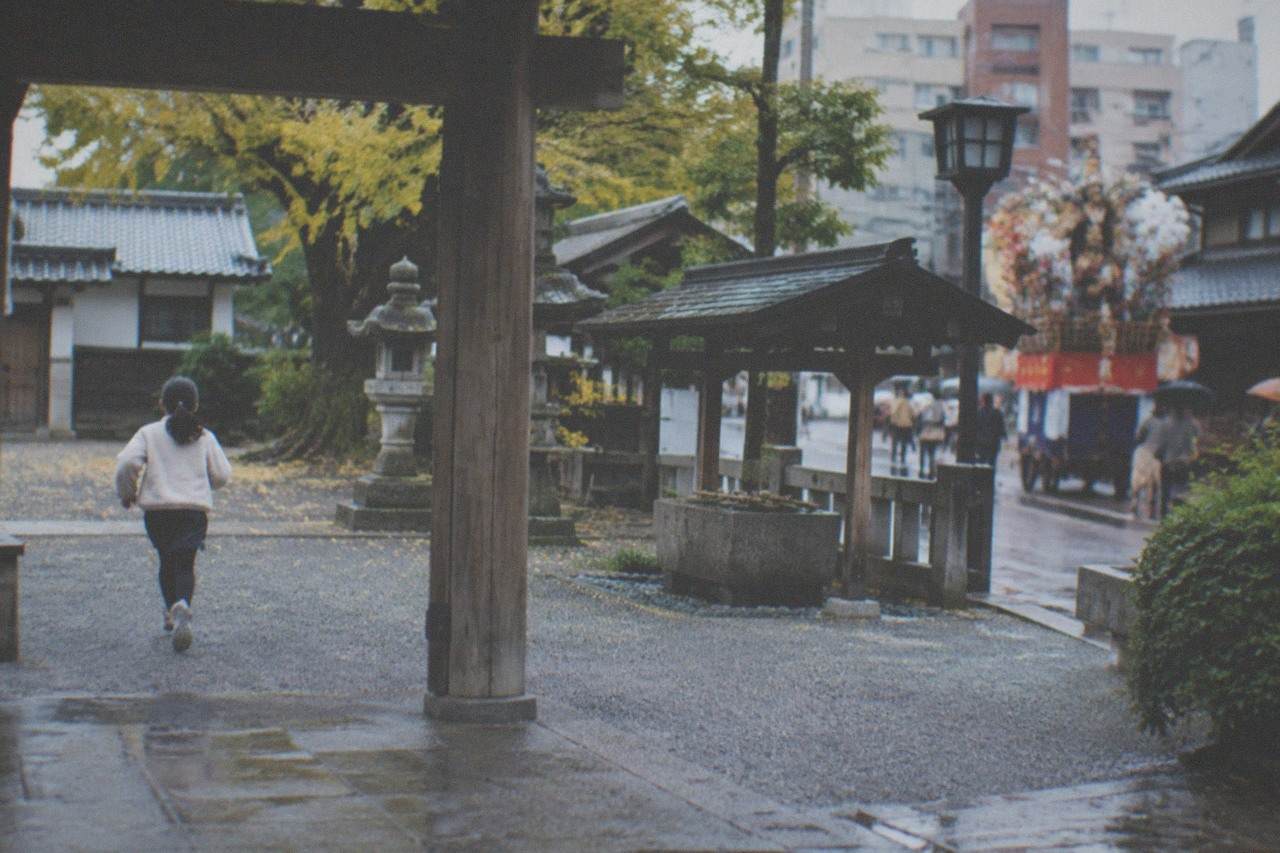
Hakozakigu Shrine, in the city's Hakozaki area east of the centre, stages two of Hakata's major festivals. Tamaseseri falls on January 3, when land and sea teams in loincloths scramble for a sacred wooden ball of around 8 kilograms between roughly 1:00 and 2:30 p.m., a ritual believed to predict the year's harvest and fishing. Hojoya runs September 12 to 18, a seven-day festival with rituals, performances and hundreds of food and game stalls along the shrine approach.
Tamaseseri is short, physical and loud. The two teams, one representing land and one the sea, push a wooden ball through a heaving crowd, and the side that hands the ball to the shrine first takes the good fortune for the year. It lasts about ninety minutes, it is free to watch, and it draws a dense crowd into a fairly compact space, so arrive well before the 1:00 p.m. start if you want a view. The shrine's own site, hakozakigu.or.jp, publishes the ritual's details each year.
Hojoya is the opposite temperament. It is a harvest-gratitude festival spread across seven days, with taiko and kagura performances at the shrine and an approach road lined with hundreds of stalls selling food and festival games. In even-numbered years it can include a major mikoshi procession, though 2026 did not. September's weather is usually kind: the JMA normals give the month a mean of 24.7 degrees and 175.1 mm of rain, comfortably less than midsummer.
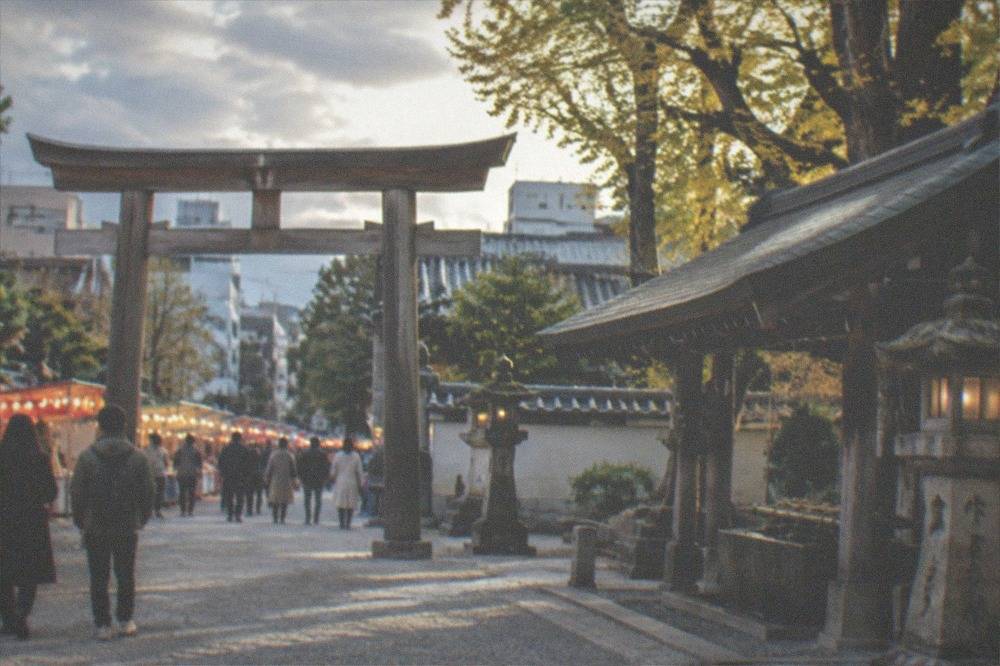
Hakozakigu sits on the subway's Hakozaki line, a short ride from Nakasu-Kawabata, which makes both festivals easy to reach from the centre without any planning beyond a subway fare. The shrine is also one of Kyushu's oldest and most significant shrines in its own right, so the visit earns its time even outside festival days.
A note on what surrounds these events: the yatai food stalls that Fukuoka is famous for, about 100 of them across the city, are a separate institution from the temporary stalls at Hojoya. The permanent stalls cluster in Nakasu, Tenjin and Nagahama, open in the evenings, and the city's ordinance requires every stall to post its prices visibly. Our Fukuoka yatai guide covers where to find them and how they work.
Smaller Events: Sumo, Jazz, Illuminations and Seasonal Highlights
Beyond the four major festivals, Fukuoka's calendar is filled by the November Kyushu Basho sumo tournament, which is the only time competitive sumo is staged in the city, the free Nakasu Jazz festival in mid-September, seasonal illuminations at Fukuoka Tower from November into December, and cherry blossom events in late March and early April. None of the street events requires a ticket, though sumo and some illuminations venues do.
The sumo tournament deserves its own paragraph, because it is annual and it is the only chance to see top-division competitive sumo in Fukuoka. The November Kyushu Basho runs at the Fukuoka Kokusai Center, and tournament-viewing tours exist that bundle seats with guidance for visitors who want the rules explained. Outside November, morning practice visits at a Hakata sumo stable run at other times of year and give a closer, quieter look at the sport.
The rest of the smaller calendar is mostly free and weather-dependent. Nakasu Jazz takes over multiple stages in the Nakasu district in mid-September. Fukuoka Tower runs seasonal illuminations on its exterior, an autumn moon-viewing motif followed by a Christmas tree theme from early November into December. The city-wide Christmas Advent spreads markets and illuminations across multiple venues from early or mid-November to December 25.
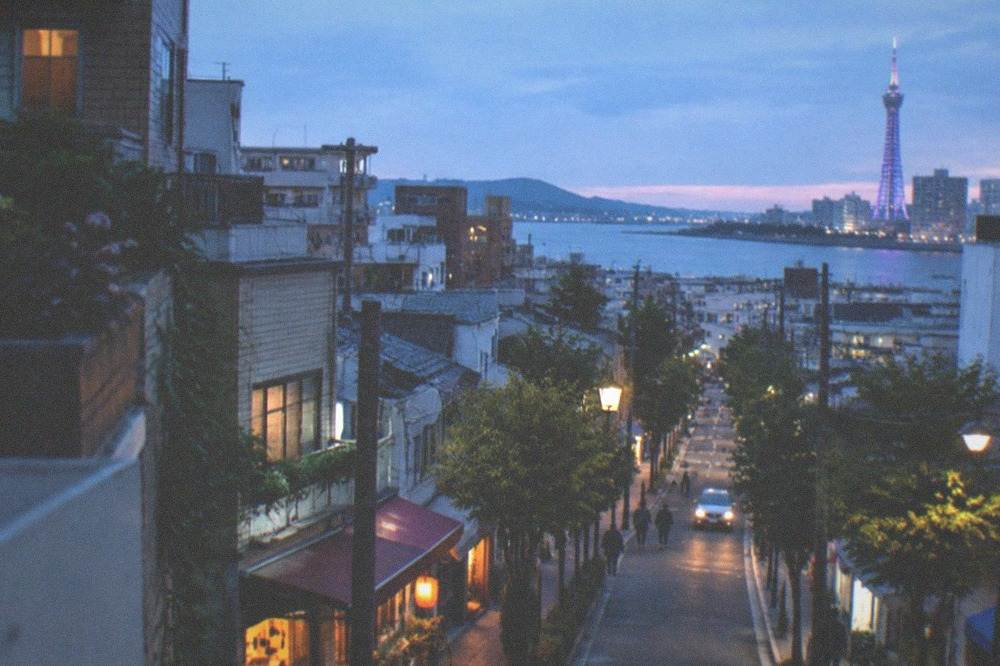
Cherry blossom season is the biggest seasonal draw that is not a festival in the formal sense. First bloom in Fukuoka typically comes in late March, with full bloom from the end of March into the first days of April. Maizuru Park, around the Fukuoka Castle ruins, holds roughly 1,000 trees and runs illuminations during its blossom festival, and Nishi Park is counted among Japan's top sakura spots. If your festival interest is really a blossom interest, late March to early April is your window, and the best time to visit Fukuoka guide breaks the whole year down.
| Event | Typical timing | Location | Free to watch? |
|---|---|---|---|
| Kyushu Basho sumo | November, 15 days | Fukuoka Kokusai Center | No, tickets required |
| Nakasu Jazz | Mid-September | Nakasu, multiple stages | Yes |
| Cherry blossom season | Late March to early April | Maizuru Park, Nishi Park, Tenjin Central Park | Yes |
| Fukuoka Tower illuminations | Autumn and November into December | Fukuoka Tower, Momochi | Exterior display, yes |
| Christmas Advent markets | Early or mid-November to December 25 | Multiple venues citywide | Yes, markets vary |
Planning Your Trip Around the Festival Calendar
Match your dates to the festival first, then to the weather, because the two do not always align. Yamakasa sits in July, Fukuoka's wettest month at 299.1 mm of rain, Dontaku sits in the mild and busy Golden Week, and Hojoya enjoys one of September's gentler windows. Cherry blossom arrives in late March, sumo in November, and typhoon season runs roughly July through October, which is a real but manageable planning factor rather than a reason to stay away.
The honest trade-off is this: the biggest festivals happen in the least convenient months. July delivers Yamakasa plus the year's heaviest rain plus summer heat with a daily mean of 27.4 degrees. May is far kinder, 19.9 degrees and 133.7 mm, but Dontaku coincides with Golden Week, when domestic travel peaks and accommodation fills early. September's Hojoya is arguably the comfortable pick, and January's Tamaseseri is cold, 6.9 degrees on the monthly mean, but dry and uncrowded.
| Month | Mean temp | Rainfall | Festival reason to go |
|---|---|---|---|
| January | 6.9 °C | 74.4 mm | Tamaseseri on January 3 |
| May | 19.9 °C | 133.7 mm | Hakata Dontaku, May 3 and 4 |
| July | 27.4 °C | 299.1 mm | Hakata Gion Yamakasa, July 1 to 15 |
| September | 24.7 °C | 175.1 mm | Hojoya, September 12 to 18, plus Nakasu Jazz |
| November | 14.2 °C | 91.4 mm | Kyushu Basho sumo and illuminations |
| Late March | around 10.8 °C in March | 103.7 mm in March | Cherry blossom, first bloom late March |
Typhoon season deserves a sentence rather than a warning. Systems track through the western Pacific roughly July to October, and the Japan Meteorological Agency's live typhoon feed is the source to watch if your trip falls in that window. A typhoon can close outdoor events, yatai stalls and boat trips for a day or two, but the city is not shut down by the season as a whole. Build one flexible day into a summer itinerary and the risk is managed.
Getting Around on Festival Days
Fukuoka's subway is the reliable backbone on festival days: a one-day pass costs ¥640 for adults and ¥320 for children and covers all three lines, while single fares run from ¥210 for up to 3 kilometres to ¥380 beyond 19 kilometres. The Fukuoka Tourist City Pass, at ¥2,500 for the city version or ¥2,800 with Dazaifu, covers subway, buses, trains and ferries for a day, but it is restricted to overseas tourists on short-stay visas and a passport is checked at the counter.
The practical rule on Dontaku and Yamakasa days is simple: stay off the roads. Parade routes and float courses close central streets, buses reroute, and the subway's frequency and underground platforms make it the obvious choice. Hakata and Tenjin stations both sit on the parade route's doorstep, and Hakozakigu, for Tamaseseri and Hojoya, is a short Hakozaki line ride from Nakasu-Kawabata.
The Tourist City Pass is genuinely useful for festival visitors who qualify, and most competing guides still quote its old prices. The current figures are ¥2,500 for the Fukuoka City version and ¥2,800 for the city plus Dazaifu version, with children at half. The passport check is not a formality: it is restricted to overseas visitors on short-stay visas, and the digital app version is currently limited to visitors from South Korea, Taiwan and Thailand. Everyone else buys the paper pass at the airport, Hakata Bus Terminal or the Tenjin and Hakata subway customer centres.
Getting to Fukuoka in the first place is covered elsewhere on Fukuoka Japan Travel Guide, including the airport to city run and the Tokyo to Fukuoka options. One correction worth carrying: the airport is unusually close to the city centre, and the subway fare from Fukuoka Airport to Hakata is ¥260, but do not trust the widely repeated journey time printed in most guides, because no official source confirms it.
Where Guided Tours Fit Into a Festival Visit
The festivals themselves cannot be booked, but a guided tour slots neatly into the hours around them: an evening walk through the yatai stalls and night views after a day at Dontaku, a private local guide to explain Yamakasa's neighbourhood rivalries, or a day trip into northern Kyushu on a rest day between festival events. Evening food and nightlife tours run from around $99 per person, and private local guiding starts from around $65.
The logic is time-shifting. Yamakasa's main events run early in the morning or late at night, Dontaku's parade fills the middle of the day, and that leaves evenings and the days between events open. A guided evening tour that covers the food stalls, the back lanes and the night views fills that gap with someone who knows which stalls are open that night, which matters because stalls close for weather and at the operator's discretion rather than on a fixed schedule.
A private guide serves a different need at Yamakasa: the race is fast, loud and opaque to newcomers, and the neighbourhood teams each have histories and rivalries that no signboard explains. A local guide turns a chaotic dawn into something legible. For the days between events, northern Kyushu day trips reach places like Akiyoshido Cave and Motonosumi Inari Shrine without you needing to plan a single train connection.
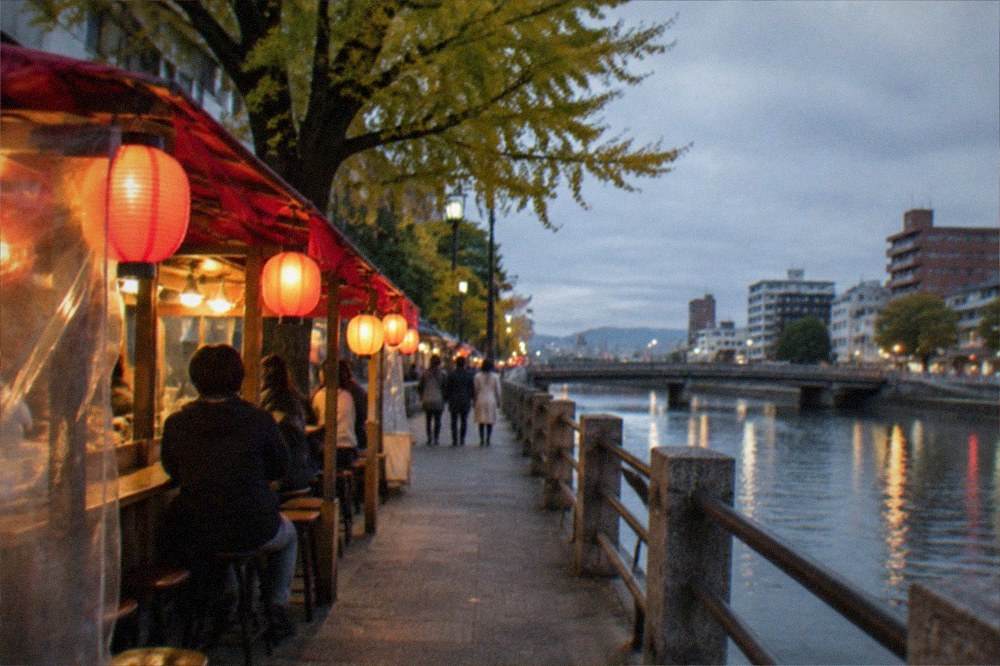
For visitors who would rather eat than be guided, the evening stalls around Nakasu sit at the centre of the night-time version of the city, and our Fukuoka nightlife guide covers the bars and districts beyond them. The festival calendar and the food calendar overlap heavily, and the same evening can hold both.
Five Practical Tips for Festival-Going in Fukuoka
Arrive early for anything timed, carry cash, check the weather feed rather than the season, book accommodation months ahead for Dontaku, and do not plan to drive to any of the big events. Tamaseseri's crowd builds hours before the 1:00 p.m. start, Oiyama's spectators claim corners before 3 a.m., and the Uminonakamichi park gate is a reminder that cash remains the fallback payment in parts of Japan.
First, timing. The spectacle events are short and the crowds are early. Second, cash: festival stalls are overwhelmingly cash transactions, and while the city's yatai increasingly take cards and QR payments, a shrine-festival stall does not. Third, weather: the JMA's live feed, not the calendar, is what tells you whether tomorrow's float race or stall evening happens, because rain and strong wind close stalls and reshape outdoor events.
Fourth, book Dontaku accommodation as soon as your dates are fixed. Golden Week fills the city's hotels from across the country, not just internationally. Fifth, use the subway and the passes described above, and leave the car behind entirely. The one figure worth memorising is the subway day pass at ¥640, which pays for itself in three or four rides and removes every ticket-machine decision from a crowded festival morning.
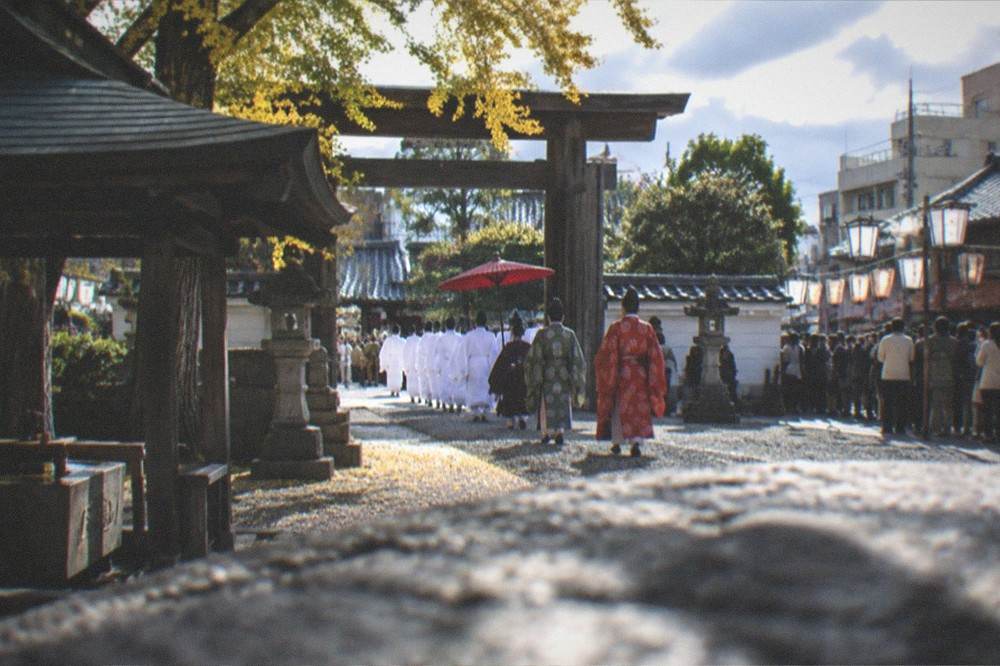
A final note on respect: these are shrine rituals before they are spectacles. Yamakasa belongs to Kushida Shrine, Hojoya and Tamaseseri to Hakozakigu, and the participants train for months. Watch from the sides, follow the marshals, and keep the parade route and the float course clear. The city hosts enormous crowds with remarkable goodwill, and reading the events as a guest rather than a customer is what keeps that true.
Common Questions About Fukuoka Festivals
What Are Fukuoka's Biggest Festivals?
Fukuoka's biggest festivals are Hakata Gion Yamakasa, held July 1 to 15 with the Oiyama float race at 4:59 a.m. on July 15, and Hakata Dontaku, held May 3 and 4 with more than 2 million spectators. Hakozakigu Shrine adds Tamaseseri on January 3 and Hojoya from September 12 to 18. None of the four requires a ticket.
Do I need tickets for Hakata Gion Yamakasa or Hakata Dontaku?
No. Both are free street festivals with no ticketing at all. Yamakasa is watched from the roadside along the roughly 5 km course, and Dontaku is watched from the pavements along Meiji-dori. The only things you need to book are accommodation and transport.
When does the Oiyama race start?
The Oiyama finale starts at 4:59 a.m. on July 15, signalled by taiko drums at Kushida Shrine. Spectators claim viewing spots hours in advance. The practice events in the preceding days, such as Oiyamanarashi, cover similar ground at more reasonable hours with smaller crowds.
Is July a good month to visit Fukuoka for festivals?
July is the only month for Yamakasa, but it is also Fukuoka's wettest month, with 299.1 mm of rain against June's 249.6 mm on the JMA 1991 to 2020 normals, and the hottest crowds of the festival calendar. If the festival is the priority, July is worth it. If comfort is the priority, September's Hojoya is the easier choice.
What is Tamaseseri and when is it held?
Tamaseseri is a New Year ritual at Hakozakigu Shrine on January 3, in which land and sea teams in loincloths compete for a sacred wooden ball of around 8 kilograms, between roughly 1:00 and 2:30 p.m. The outcome is believed to predict the year's harvest and fishing fortunes.
Can I watch sumo in Fukuoka?
Yes, once a year. The November Kyushu Basho is the only time top-division competitive sumo is staged in the city, at the Fukuoka Kokusai Center. At other times of year, morning practice visits at a Hakata sumo stable offer a closer look at the sport.