Nokonoshima Half-Day Trip
Nokonoshima sits in Hakata Bay, twenty minutes of water from the mainland, and it is Fukuoka's easiest island: a subway ride to Meinohama, a short ferry, and a park that changes colour with the season.
Short answer
Take the subway to Meinohama, the western terminus of the Airport line, and the ferry terminal is a short walk from the station. Single subway fares run from ¥210 to ¥380 depending on distance, and a one-day subway pass costs ¥640. The island park charges at the gate, and the crossing runs several times an hour.
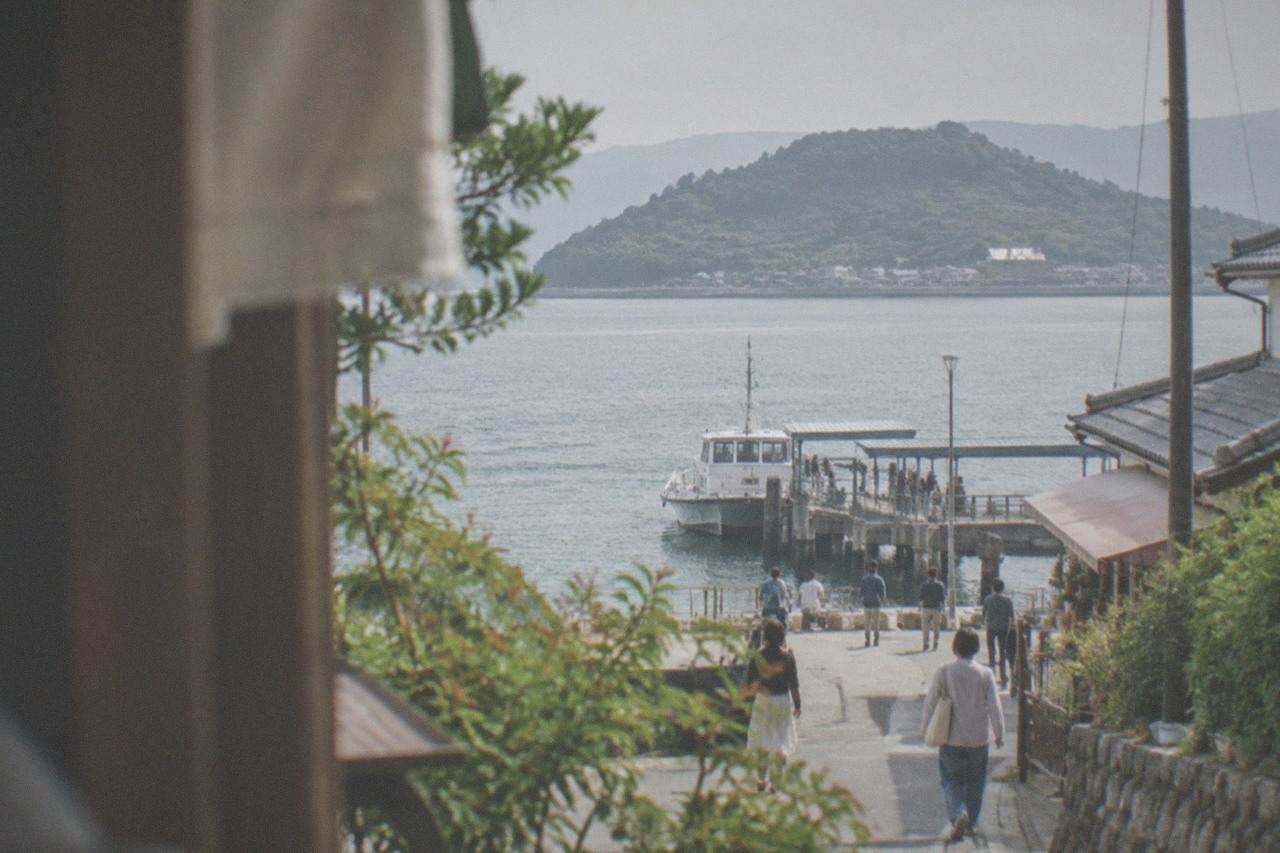
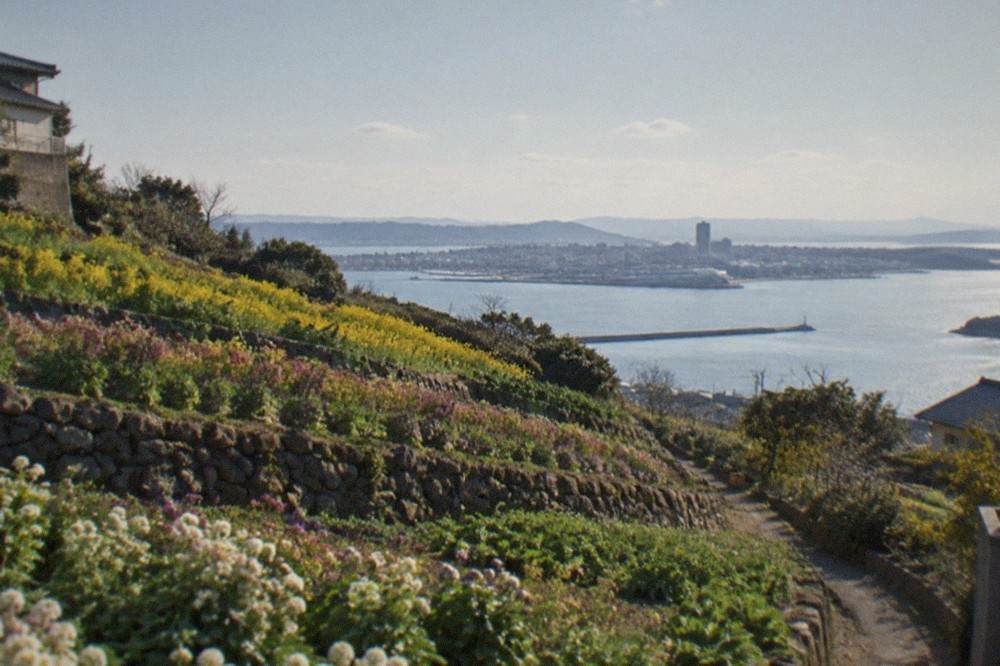
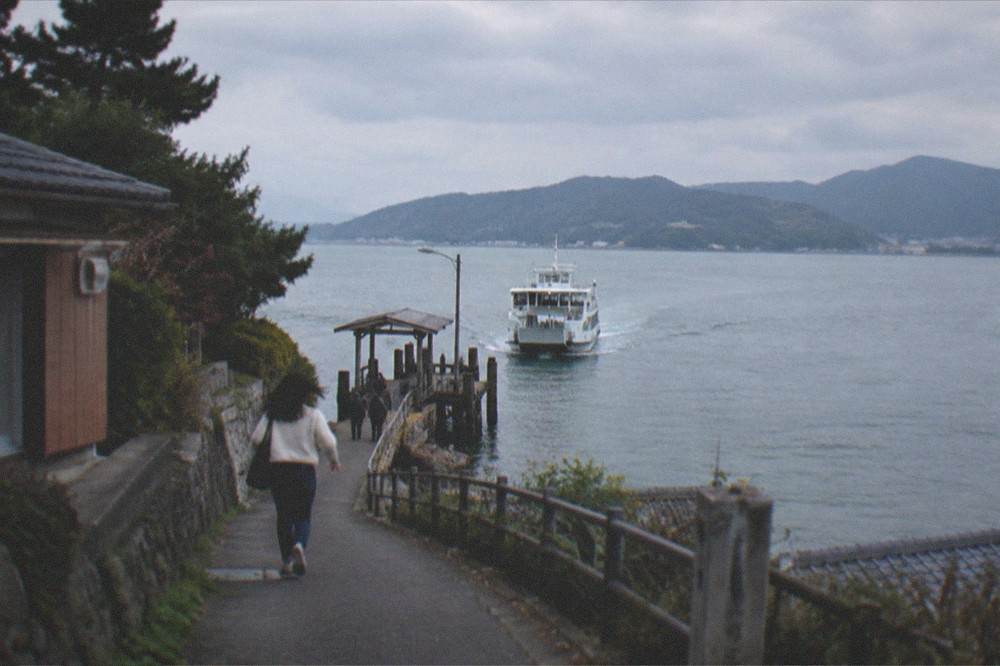
Nokonoshima is the small island in Hakata Bay that most visitors see without realising it, a green shoulder of land on the water between Fukuoka and the Genkai Sea beyond. It is one of the easiest island trips in Japan: the subway runs to Meinohama on the western edge of the city, the ferry terminal sits beside the station, and the crossing puts you on the island in minutes. The island's park is famous for seasonal flower fields, but the trip works as a half-day escape even when nothing is at full bloom, because the bay itself, the beaches and the village lanes are the draw.
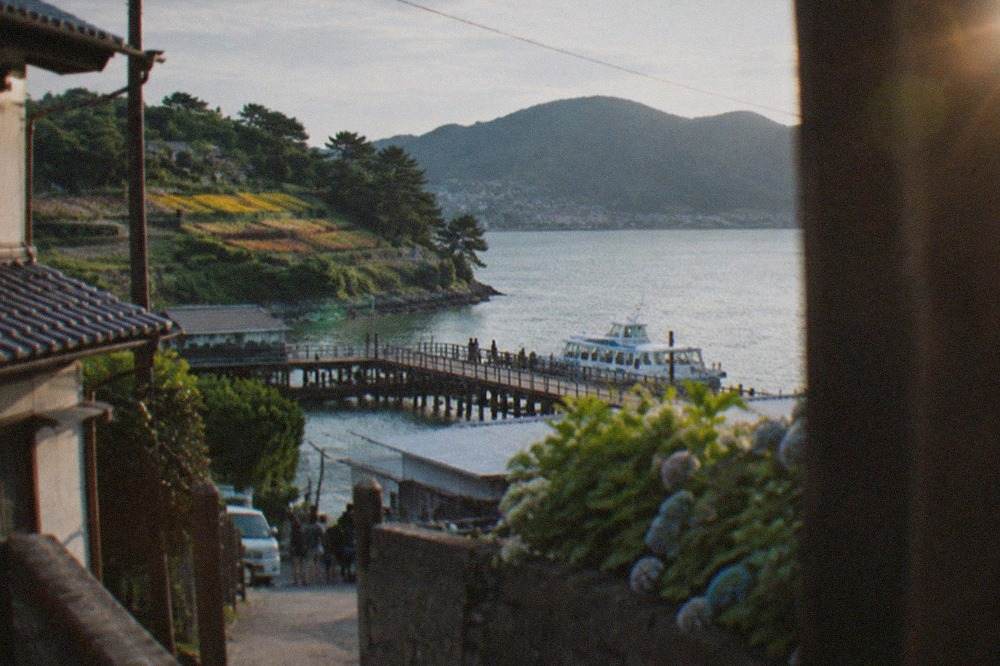
Before the practical detail, one correction that matters on every page about this region. Hakata is a ward of Fukuoka and the name of its main station, not a separate city. You do not travel from Hakata to Fukuoka. The ferry to Nokonoshima leaves from Meinohama, inside the city, and the whole trip stays within Fukuoka's boundaries. Nokonoshima, its neighbour Shikanoshima and the Uminonakamichi sand spit all sit inside Hakata Bay, which opens north onto the Genkai Sea, not the Pacific.
How Do You Get to Nokonoshima from Meinohama?
The route is simple: ride the Fukuoka City Subway's Airport line west to Meinohama, the end of the line, and the ferry terminal for Nokonoshima is a short walk from the station exit. Ferries run frequently through the day, the crossing is short, and most travellers allow a morning or an afternoon rather than a full day. Single subway fares run from ¥210 to ¥380 by distance, so the ride from Hakata Station or Tenjin costs a few hundred yen each way.
The subway is the sensible way to Meinohama. The Airport line runs from Fukuoka Airport in the east to Meinohama in the west, passing through Hakata, Nakasu-Kawabata and Ohori Park stations on the way, so the island trip chains neatly onto almost any hotel location. Fares are distance-banded, published by the subway operator itself, and a child ticket costs roughly half the adult fare.
| Subway fare zone | Distance | Adult fare | Child fare |
|---|---|---|---|
| Zone 1 | up to 3 km | ¥210 | ¥110 |
| Zone 2 | 3 to 7 km | ¥260 | ¥130 |
| Zone 3 | 7 to 11 km | ¥300 | ¥150 |
| Zone 4 | 11 to 15 km | ¥340 | ¥170 |
| Zone 5 | 15 to 19 km | ¥360 | ¥180 |
| Zone 6 | over 19 km | ¥380 | ¥190 |
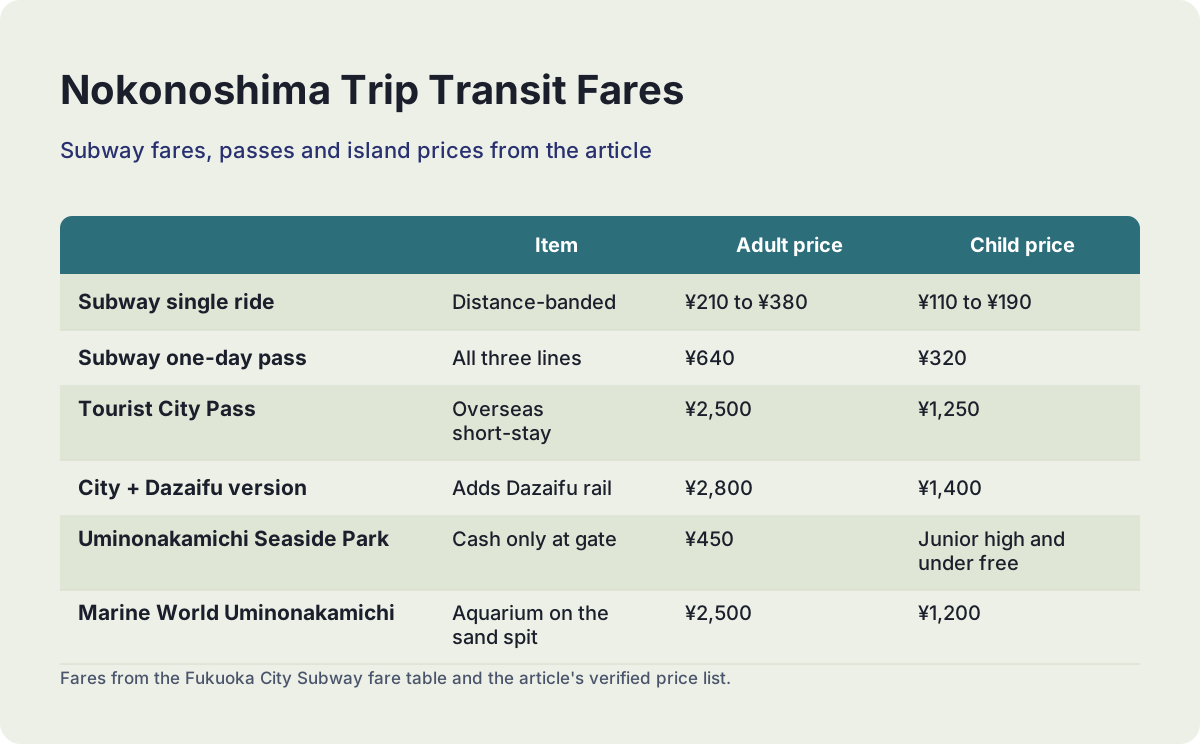
The official fare table behind those bands is published by the subway operator at the city subway's fare page. If you plan to move around the city on the same day, the one-day pass costs ¥640 for adults and ¥320 for children, and it covers all three subway lines from first to last train on the day you tap through the gate. It pays for itself after roughly three longer rides, so a Nokonoshima morning combined with afternoon sightseeing is a reasonable case for it.
Meinohama station is the terminus, which removes any chance of heading the wrong way: everyone else on the platform is getting off too. The ferry terminal for Nokonoshima is close to the station. Sailing times and fares are posted at the terminal itself, and they are the thing to confirm on the day, because schedules shift with the season and the operator's own notice board is the live source. Locals treat the ferry as a commuter run, so it is built for foot passengers, bicycles and small deliveries rather than for tour groups.
One pass deserves a mention if you are doing this trip as part of a wider Fukuoka stay. The Fukuoka Tourist City Pass, sold by the city's tourist board, costs ¥2,500 for the city version and ¥2,800 for the version that adds Dazaifu, and it covers subway, buses, trains and ferries for one day. There is a catch most guides miss: it is restricted to overseas visitors on short-stay visas, and a passport is checked at the counter. The Tabito express bus to Dazaifu is excluded from the Dazaifu version. Given the pass's ferry coverage, it is worth pricing against separate tickets for any island day.
What Is Nokonoshima Island Park Like Season by Season?
The park is a working landscape of rotated flower plantings rather than a single bloom event, and its character shifts with the Fukuoka climate: mild, showery springs, a wet and hot midsummer, and long gentle autumns. Spring and late autumn are the most comfortable halves of the year for a half-day visit. Summer works if you go early, because July averages 299.1 mm of rain, the city's wettest month.
The park's own site, at the island park's homepage, publishes the current planting calendar, and that is the page to check before you commit a morning, because the fields are replanted in cycles through the year and the headline colour changes with them. Rather than promise any specific field on any specific week, this guide sticks to what the climate data says about the seasons around those plantings.
| Season | Fukuoka climate, JMA 1991 to 2020 normals | What it means for the island |
|---|---|---|
| March to May | Mean 10.8 to 19.9 °C, rain 103.7 to 133.7 mm monthly | Mild and green, the classic half-day window |
| June to August | Mean 23.3 to 28.4 °C, rain peaks at 299.1 mm in July | Hot and wet, go early and watch the forecast |
| September to November | Mean 24.7 falling to 14.2 °C, rain easing to 91.4 mm | Warm sea, cooler afternoons, comfortable walking |
| December to February | Mean 6.9 to 9.1 °C, the driest quarter | Quiet and clear, bare fields but open views |
That July figure surprises people, and it is worth explaining why. Most guides assume June, the tsuyu rainy season, is the wettest month in western Japan. For Fukuoka the Japan Meteorological Agency's 1991 to 2020 normals say otherwise: July collects 299.1 mm against June's 249.6 mm. July is also Yamakasa month, when the city stages its biggest festival, so the rain and the crowds arrive together. An island half day in July needs an early start and a willingness to change plans, and that is not a warning, just arithmetic.
If the island's own pace is what you want from the day, a guided option exists that does the planning for you, pairing the park with a wagyu barbecue on the island. For travellers who prefer a broader introduction to the city before or after the crossing, these three tours cover the common angles:
How Much Does a Nokonoshima Day Trip Cost?
Budget roughly ¥1,500 to ¥3,500 per adult for the day excluding food: a few hundred yen each way on the subway, the ferry fare posted at the terminal, and the island park's admission charged at the gate. The subway one-day pass at ¥640 replaces the individual rides if you are touring elsewhere, and the ¥2,500 Tourist City Pass bundles transit and ferries for eligible overseas visitors.
The honest answer on this page is that two figures cannot be responsibly printed: the ferry fare and the park's admission. The ferry operator posts fares at the Meinohama terminal, and the island park charges at its gate; this site does not repeat numbers it has not verified at the source. What can be stated with confidence is the transit side, because the subway publishes it, and the two adjacent bay attractions that are often combined with the island, which do publish their prices.
| Item | Verified price | Notes |
|---|---|---|
| Subway single ride | ¥210 to ¥380 adult | Distance-banded, child roughly half |
| Subway one-day pass | ¥640 adult, ¥320 child | All three lines, day of purchase |
| Tourist City Pass | ¥2,500 adult, ¥1,250 child | Passport checked, overseas short-stay visitors only |
| City + Dazaifu version | ¥2,800 adult, ¥1,400 child | Adds Dazaifu rail coverage |
| Ferry Meinohama to Nokonoshima | posted at the terminal | Confirm on the day |
| Nokonoshima Island Park admission | charged at the gate | Check the posted rate on arrival |
| Uminonakamichi Seaside Park | ¥450 adult | Junior high and under free, gate is cash only |
| Marine World Uminonakamichi | ¥2,500 adult, ¥1,200 child | Aquarium on the sand spit |
That Uminonakamichi line carries a detail almost no guide mentions and every traveller should know: the seaside park's gate takes cash only. If you are combining the eastern and western shores of the bay in one trip, carry yen notes for that gate, whatever the island's own payment options turn out to be. The general rule for Hakata Bay's attractions is to keep a few thousand yen in cash regardless, because smaller gates and village shops on the islands are the least card-ready places in the city.
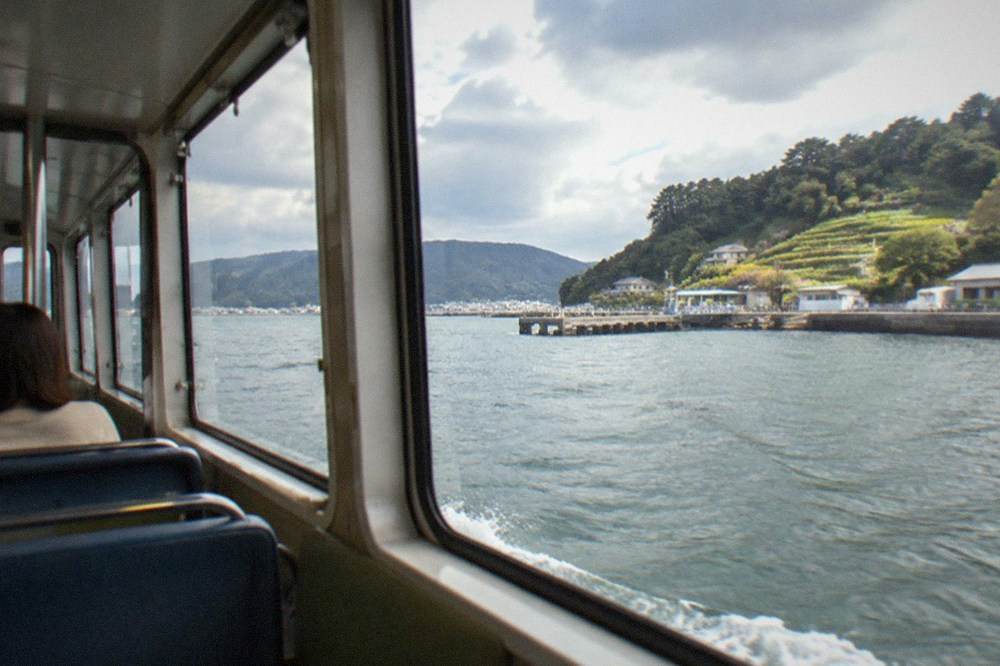
What Can You Do on Nokonoshima Beyond the Flower Fields?
The island holds beaches on its northern shore, walking lanes through the village, viewpoints over Hakata Bay toward the city skyline, and a relaxed island pace that is the real point of the crossing. The flower park is the headline, but the beaches and the coastal paths give the trip its shape, and the whole circuit is manageable on foot in a half day for anyone used to walking.
The classic structure is a loop: land at the ferry, walk up through the village to the park on the island's high ground, come back down to the shore, and return on a later sailing. The island is small, and the elevation that gives the flower fields their views is also what makes the walking pleasantly substantial rather than flat. Bring shoes you would wear for a city park, not a beach.
Beach time is the underrated half of the trip. The northern shore faces out of the bay toward the Genkai Sea, and on a clear day the light across the water is the island's quiet spectacle. There is no need to plan around it: the beaches sit between the ferry and the park for most walking routes, so a swim or a barefoot pause slots into the day naturally. The bay is not tropical, and summer sea temperatures follow the climate table above, so treat swimming as a warm-month activity.
For travellers who want the island handled for them, the roster includes a guided option built around exactly this trip. The Colors of Japan island park and wagyu barbecue tour runs from $152 per person, rated 5.0 from 17 reviews, and covers four to six hours of park, island and barbecue, which suits anyone who would rather not parse ferry schedules in Japanese.
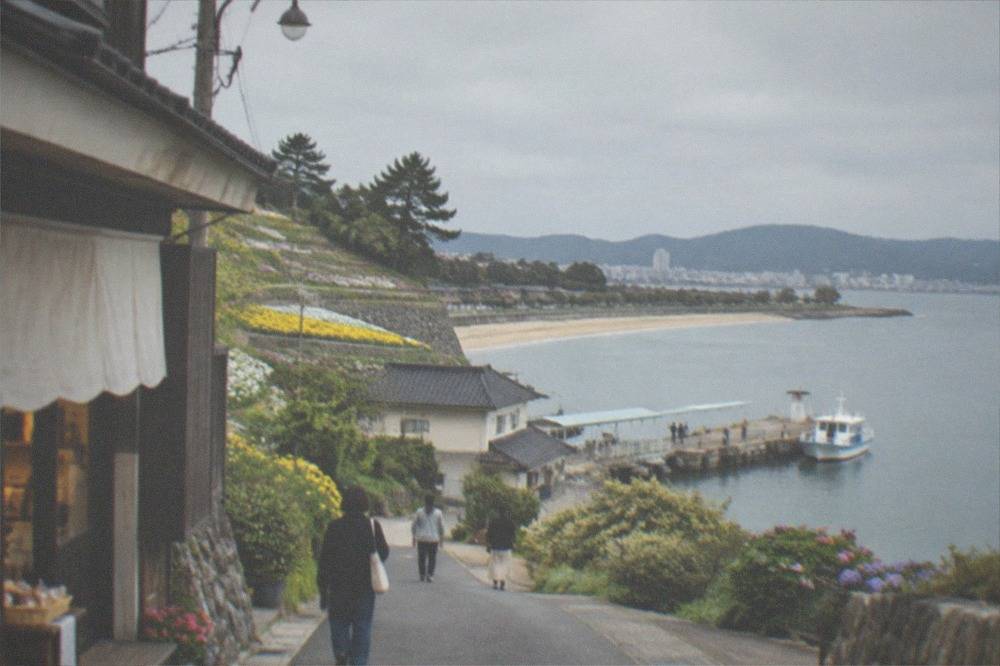
When Is the Best Time to Visit Nokonoshima?
The most reliable windows are spring, from March through May, and late autumn from late October through November, when temperatures sit between roughly 10 and 20 °C and monthly rainfall stays under about 135 mm. Summer visits are best made early in the morning. Winter is the quietest, clearest and driest season, with December to February rainfall between 67.5 and 74.4 mm a month.
Spring carries the strongest combination: mild air, the greenest fields, and comfortable ferry weather. The JMA normals put March at a 10.8 °C mean rising to 19.9 °C by May, with the rain creeping up from 103.7 mm to 133.7 mm across the three months. April is the balance point, warm in the afternoon, cool on the water in the morning, and the month when the park's spring plantings are usually at their most photographed. Everything else covered here is indexed on Fukuoka Japan Travel Guide.
Autumn is the insider's pick. The sea is at its warmest after summer, the September mean of 24.7 °C eases to 14.2 °C by November, and rainfall falls every month, from 175.1 mm in September to 91.4 mm in November. Late October into November also overlaps with the city's autumn colour, which usually peaks from mid to late November into early December in Fukuoka's parks.
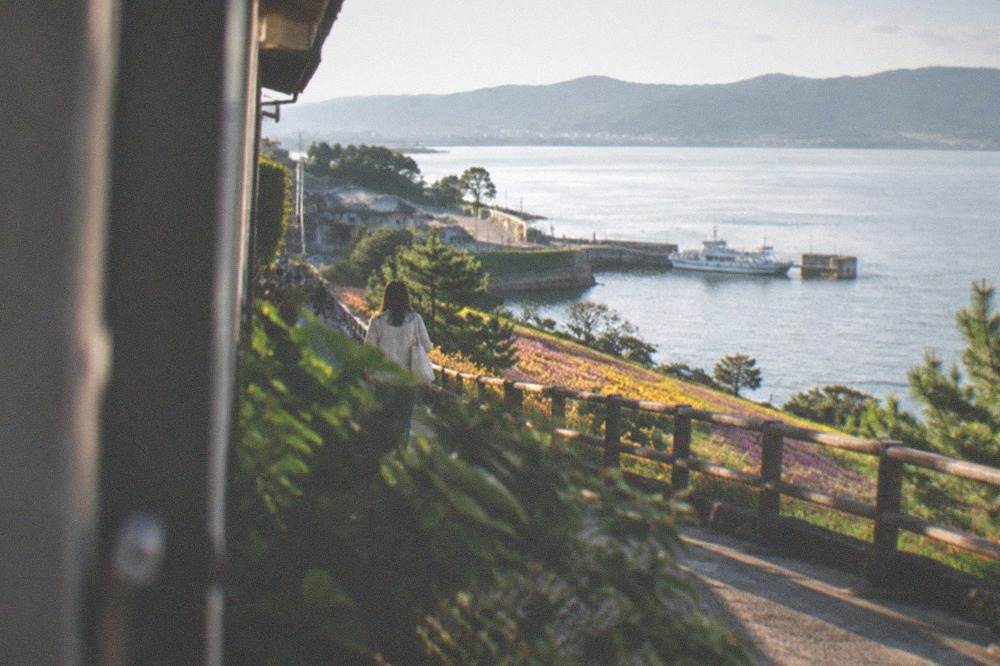
How Do You Plan the Half-Day Itinerary?
A morning structure works best: catch the subway to Meinohama after breakfast, take an early ferry, walk the park loop first while the air is cool, then come down to the beach and village before lunch, and sail back on an early-afternoon ferry. That leaves the second half of the day for Ohori Park, the city museums or Tenjin, all of which sit directly on the Airport line you will already be riding.
The afternoon version is equally valid and better for photographers, because the low sun over Hakata Bay lights the city skyline from the island in the later part of the day. The trade-off is that summer afternoons carry the heat and the rain risk, per the climate table above, so from June to August the morning plan is the safer one.
| Time block | Morning plan | Afternoon plan |
|---|---|---|
| Start | Subway to Meinohama, first ferry | Early lunch in the city, then subway west |
| On island | Park and flower fields first, while cool | Beach and village first, park at golden hour |
| Midpoint | Beach time, then village lanes | Park loop, then walk down to the shore |
| Return | Early afternoon ferry | Evening ferry, city skyline across the water |
| After | Museums, Ohori Park or Tenjin shopping | Dinner at a yatai stall, about 100 of them citywide |
Build in slack at the ferry. Sailings are frequent but not continuous, and the return is the one leg where a missed boat changes your evening. The terminal board is the source of truth for the last ferries, which matter more than the first ones for anyone planning dinner back in the city.
If the island has soaked up your appetite for independent planning, a city tour slots into the afternoon neatly. The Fukuoka Essentials history and culture tour runs from $74 per person, rated 4.9 from 48 reviews, over three to six hours, and it covers the ground a first-time visitor most wants explained, from the shrine districts to the castle ruins.
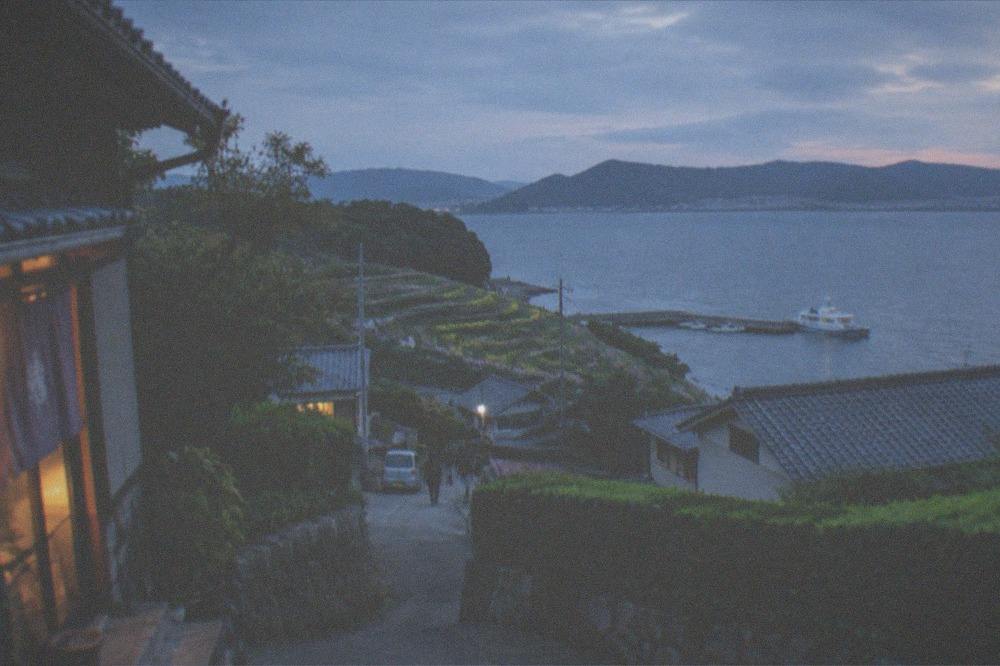
What If the Weather Turns on Your Island Day?
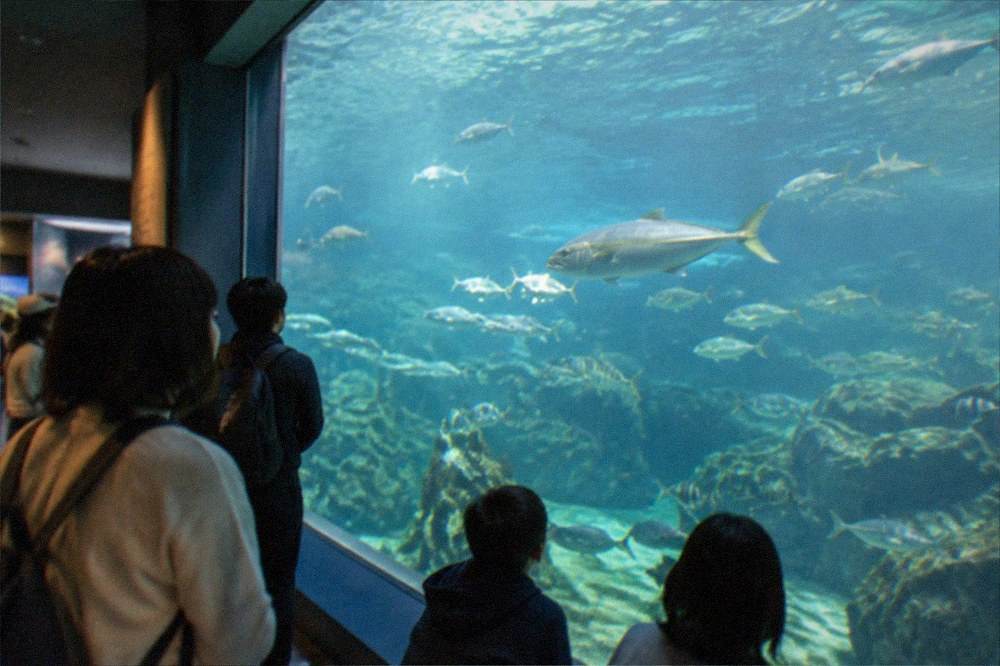
Rain and strong wind are the two things that genuinely change this trip, because an open boat crossing, exposed flower fields and a beach all lose their appeal at once. The fix is to swap the island for the bay's indoor anchors, above all the aquarium on the Uminonakamichi spit, or fold the day into the city's covered sights such as the Tenjin underground mall and the museums along Ohori Park.
There is no point pretending otherwise: a crossing in steady rain is a short, damp experience, and the fields lose their colour under grey skies. July and September are the months to watch, at 299.1 mm and 175.1 mm of rain respectively, and typhoon season runs roughly July through October, which is a real planning factor across northern Kyushu rather than a reason to avoid the region.
The strongest wet-weather alternative is on the same bay. Marine World Uminonakamichi sits on the eastern sand spit, reachable by subway, and admission is ¥2,500 for adults and ¥1,200 for junior high and elementary ages, with e-tickets available through the site's roster. Its hours vary by calendar date, so the aquarium's own schedule is the reference for a given day.
For a fuller wet-day plan, the Fukuoka rainy day itinerary covers the museums, arcades and underground shopping in order, and both city art museums charge just ¥200 for adults, with free entry for under-15s. The Asian Art Museum's building is free to enter, with only the Asia Gallery charging, which makes it an easy stop rather than a commitment.
How Does Nokonoshima Compare with the Bay's Other Day Trips?
Nokonoshima is the shortest, most contained of Hakata Bay's island trips, best for a half day of park, beach and village. Shikanoshima across the bay is the close alternative, Itoshima beyond it is a half to full day of coast reached by rail plus bus or car, and Uminonakamichi is the pushchair-friendly option. Farther afield, Dazaifu, Yanagawa and the Kyushu interior are full days on entirely different transport.
The comparison matters because travellers often ask whether to trade the island for the coast. Nokonoshima and Shikanoshima are both bay islands with water on every side; Itoshima, by contrast, is mainland coastline west of the city, and reaching it takes rail plus a bus or a car, which is why it is a half to full day rather than a quick hop. The Itoshima day trip guide and the Shikanoshima day trip guide break both down in full.
| Bay trip | Character | Time needed | Best for |
|---|---|---|---|
| Nokonoshima | Island park, flower fields, beaches | Half day | Flowers, easy logistics, families |
| Shikanoshima | Island in the outer bay, history and shore | Half to full day | Cycling, coastal history |
| Uminonakamichi | Sand spit park and aquarium | Half to full day | Kids, animals, guaranteed indoor option |
| Itoshima | Mainland coast, beaches, cafes | Half to full day | Scenic drives, seafood |
| Yanagawa | River town with canal boats | Full day | Boats, old town atmosphere |
Every one of these sits in the same body of water, and that is the quiet point of a Hakata Bay day trip: the sea you see from the island's northern beach is the Genkai Sea, the same water that shapes the city's climate table and its ferry schedules. The day trips from Fukuoka overview ranks the full set, including the full-day options such as Dazaifu and Beppu that belong on a different page.
If the pattern that appeals is not the bay at all but the island-with-a-guide format, the same roster covers a photogenic kimono half day in the city and a full day out to the Takachiho gorge by railway, both of which suit a traveller who has already done the mainland coast. The essentials tour, the kimono photo tour and the Takachiho railway day between them cover the three most common follow-ons to an island morning:
Common Questions About a Nokonoshima Day Trip
How Do You Get To Nokonoshima From Meinohama?
Take the Fukuoka City Subway's Airport line to Meinohama, the western terminus, and walk from the station exit to the ferry terminal beside it. Ferries run frequently, the crossing is short, and the fare is posted at the terminal. Subway single fares run from ¥210 to ¥380 depending on distance, or ¥640 for a one-day pass.
Is Nokonoshima a full-day trip?
No, it works comfortably as a half day. The ferry crossing is short, the park loop takes a couple of hours at a relaxed pace, and most travellers are back in the city for lunch or dinner. Combine it with Ohori Park or the museums on the same subway line if you want a full day out.
Does the island park charge admission?
Yes, the park charges at the gate. This site does not print the figure because it has not been verified at the source, so check the posted rate when you arrive or the park's own site before you travel. Treat any claim you see elsewhere that the park is free with suspicion.
What is the best season for the flower fields?
Spring, March through May, is the classic window, with mild temperatures and the greenest plantings. The park replants its fields in cycles through the year, so the park's own calendar is the live source for what is blooming in any given week. Autumn is a strong runner-up for comfortable walking weather.
Can you swim on Nokonoshima?
Yes, the northern shore has beaches that sit naturally on the walking route between the ferry and the park. The bay is not tropical, so treat swimming as a warm-month activity; summer sea temperatures follow the hot June to August climate described above.
What if it rains on the day?
Rain and strong wind affect the ferry, the fields and the beach all at once, so swap the island for indoor options. The aquarium on the Uminonakamichi spit, the city's two art museums and the Tenjin underground mall are the standard wet-day alternatives, and the rainy day itinerary on this site orders them.