Kagoshima from Fukuoka
Kagoshima sits at the southern tip of Kyushu, and the Shinkansen is the fastest way to reach it from Fukuoka. This guide covers the station you leave from, the passes that apply, what to do when you arrive, and how the trip compares with the rest of Kyushu.
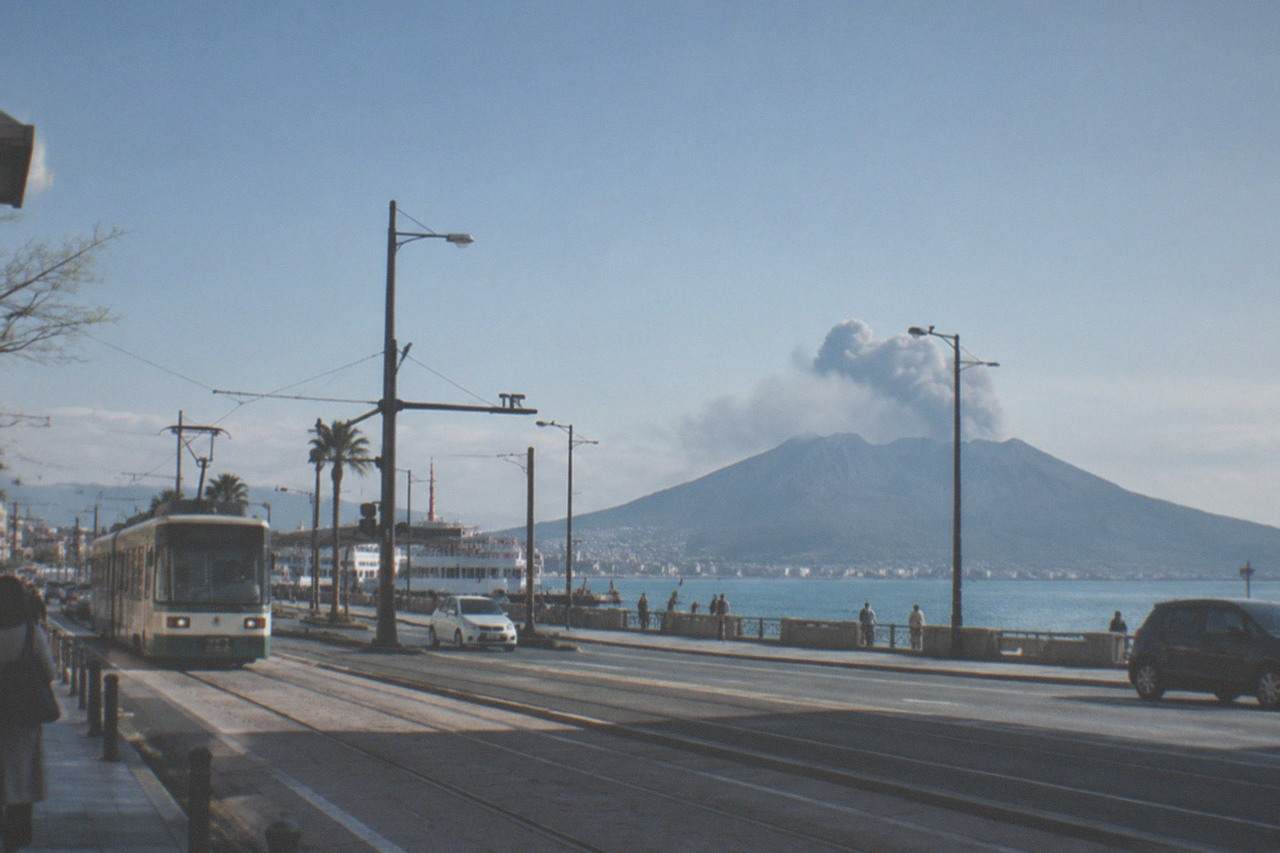
Short answer
The Kyushu Shinkansen runs south from Hakata Station, the main rail hub of Fukuoka, to Kagoshima-Chuo. There is no JR Fukuoka Station, the station is Hakata, and Hakata is a ward of Fukuoka rather than a separate city. Fares and timetables change, so check the operator's live listing before you travel.
Kagoshima is the city most visitors picture when they think of southern Kyushu: an active volcano across the bay, hot springs in the hills, and a food culture built around sweet potato, pork and raw skipjack. Reaching it from Fukuoka is one of the great rail rides in western Japan, and the trip is doable as a long day out or a comfortable overnight. This page covers the practical side: which station you leave from, which passes and tickets apply, what the journey itself is like, and how to plan the hours once you step off the train.
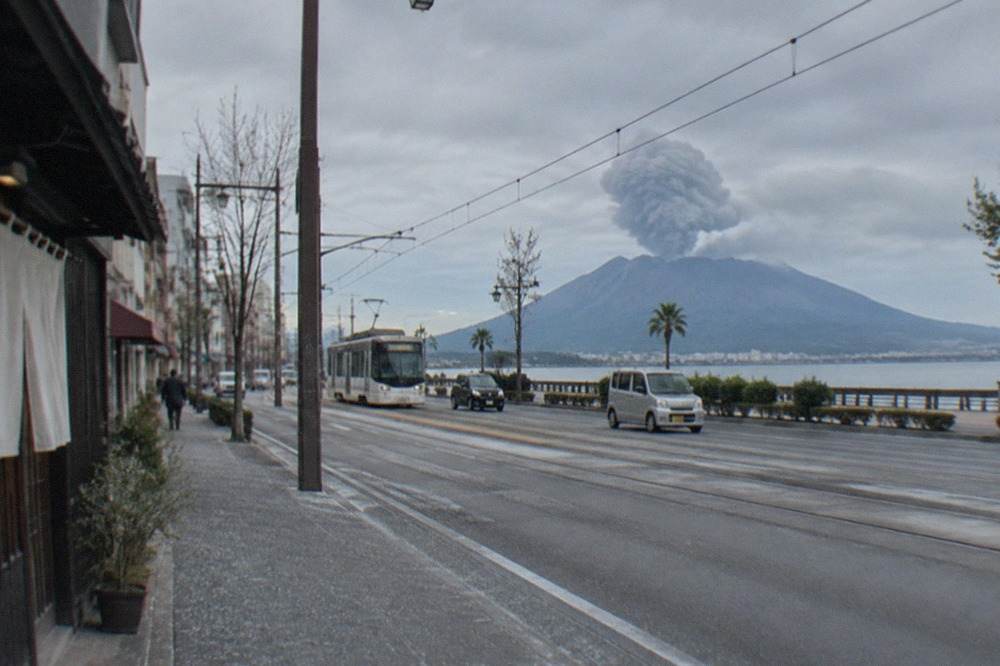
One correction before anything else, because it matters for every timetable you will read. Hakata and Fukuoka are the same city. Hakata is the ward and the station name; Fukuoka is the city around it. There is no JR Fukuoka Station, and nobody travels "from Hakata to Fukuoka". Every southbound Shinkansen on this route departs from Hakata Station, and every planning decision on this page starts there. The Fukuoka Japan Travel Guide covers the city end of the trip in detail, from Hakata Station itself to getting around Fukuoka once you are back.
How Do You Get to Kagoshima from Fukuoka by Shinkansen?
You board the Kyushu Shinkansen at Hakata Station, Fukuoka's main rail hub, and ride it south to Kagoshima-Chuo, the Shinkansen station that serves central Kagoshima. Hakata is a ward of Fukuoka, not a separate city, and there is no JR Fukuoka Station. Trains run several times per hour through the day, and the route passes Kumamoto and Shin-Yatsushiro on the way, so the ride doubles as a tour of central Kyushu's countryside.
The Kyushu Shinkansen is the spine of the island's rail network. From Hakata it cuts through the mountains of central Kyushu, stops at Kumamoto, and continues down to Kagoshima-Chuo on the southern coast. Two train categories operate on the line: the faster through services and the all-stations services that stop more often. If you are planning the trip around a specific arrival time, the operator's timetable is the source of truth, because service patterns change with the season and the day of the week.
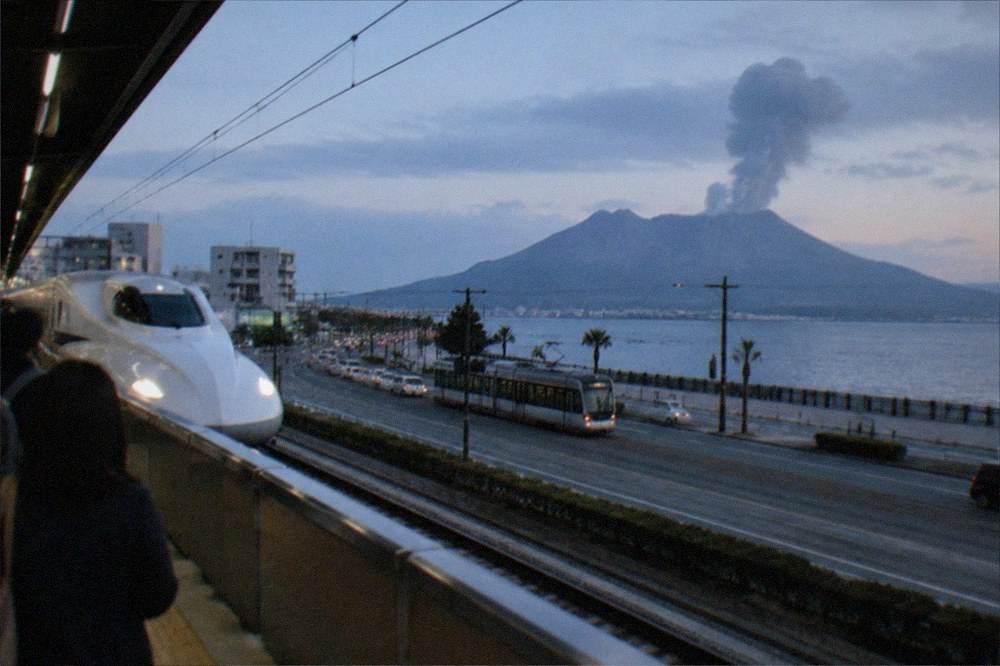
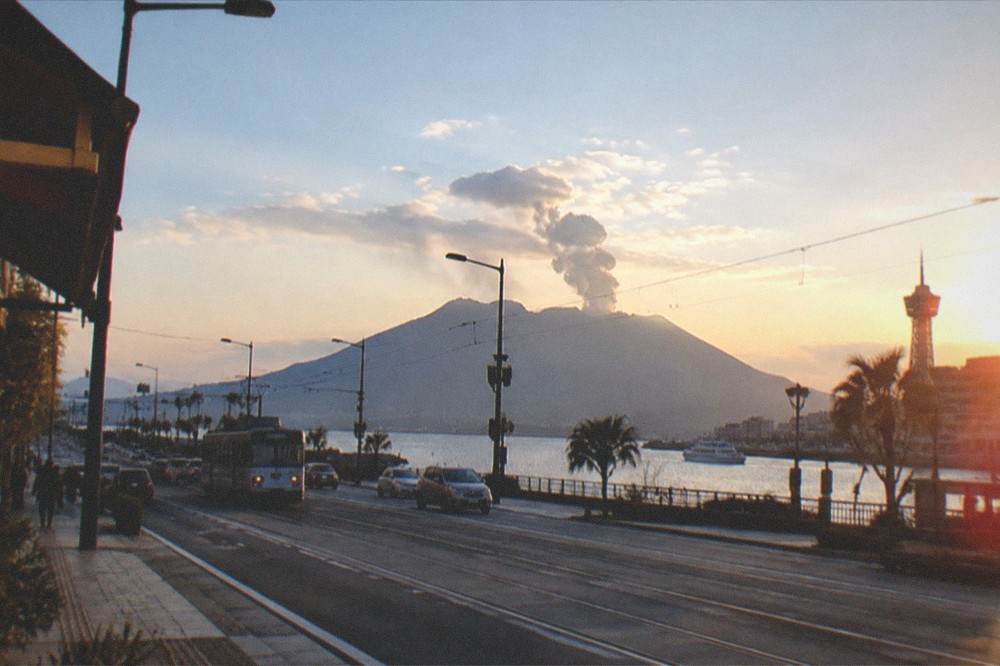
The journey itself is worth the fare even for people who are not rail enthusiasts. The line tunnels under the central ranges, crosses river valleys north of Kumamoto, and opens out onto farmland as it approaches the south. Sit on the sea-facing side for the last stretch into Kagoshima, where Sakurajima, the volcano that dominates the bay, comes into view on clear days. Weather matters here: summer haze and rain can hide the mountain entirely, which is one reason the season you pick changes the experience of the arrival.
For a day trip, the pattern that works for most travellers is an early departure from Hakata, a full day in Kagoshima, and a return train in the early evening. For an overnight, the same early start applies, because the hours after breakfast in Kagoshima are when the aquarium, the Sengan-en garden and the ferry across the bay are all at their calmest. Either way, buy or reserve your seat before the morning you travel. Reserved seats on the southbound morning trains fill up around Japanese school holidays and long weekends, and standing in the aisle for a ride of this length is a poor way to start the day.
Where Does the Shinkansen to Kagoshima Leave From?
Every Shinkansen to Kagoshima leaves from Hakata Station, in the Hakata ward of Fukuoka city. There is no JR Fukuoka Station anywhere in Japan, and guides that tell you to travel "from Fukuoka to Hakata" are describing one city as two. Hakata Station also connects to the city subway, the airport line and the Nishitetsu rail network, so almost every part of Fukuoka funnels into it.
Getting to Hakata Station is the easy part of the trip. The Fukuoka City Subway runs three lines, and the Airport Line connects Fukuoka Airport directly to Hakata Station for a fare of ¥260, which falls in the official 3 to 7 km fare band. The airport is unusually close to the city centre, which is one of the reasons Fukuoka works so well as a Kyushu base: you can land, clear the airport, and be standing on the Shinkansen platform without a long transfer. Avoid any guide that promises the ride takes a specific number of minutes, because no official page states one, and the honest answer is that it is short and the fare is ¥260.
If you are arriving with heavy luggage or a group, a private arrival transfer from Fukuoka Airport removes the last piece of friction: a driver meets you at the terminal and takes you to your hotel or the station without a transfer. For travellers who land early and want to head straight south, it pairs well with a morning Shinkansen, and it costs from $149 per person with a rating of 5 from 2 reviews.
Hakata Station itself deserves more than a passing glance if you have twenty minutes before departure. The building is one of the largest stations in western Japan, with a ramen street on one level, department store food halls on another, and a tourist information counter that stocks English-language maps for the whole of Kyushu. Pick up breakfast there rather than on the train: ekiben, the boxed meals sold at Japanese stations, are part of the journey, and the Hakata stalls sell rice bowls and dumplings that travel better than most.
| Step | Where | What to know |
|---|---|---|
| Land at Fukuoka Airport | Kuko Line, international or domestic terminal | Free shuttle bus runs between terminals |
| Subway to Hakata | Fukuoka City Subway, Airport Line | ¥260 adult, officially in the 3 to 7 km band |
| Board the Shinkansen | Hakata Station, Shinkansen transfer gates | Reserved seats recommended for morning trains |
| Arrive in Kagoshima | Kagoshima-Chuo Station | City centre, tram and bus connections on site |
Before you commit to the trip, it helps to see how the other big-ticket options from Fukuoka compare. A private airport transfer handles the arrival end, a tower ticket covers the classic city viewpoint, and a guided North Kyushu tour covers a different slice of the island entirely.
How Much Does a Fukuoka to Kagoshima Trip Cost?
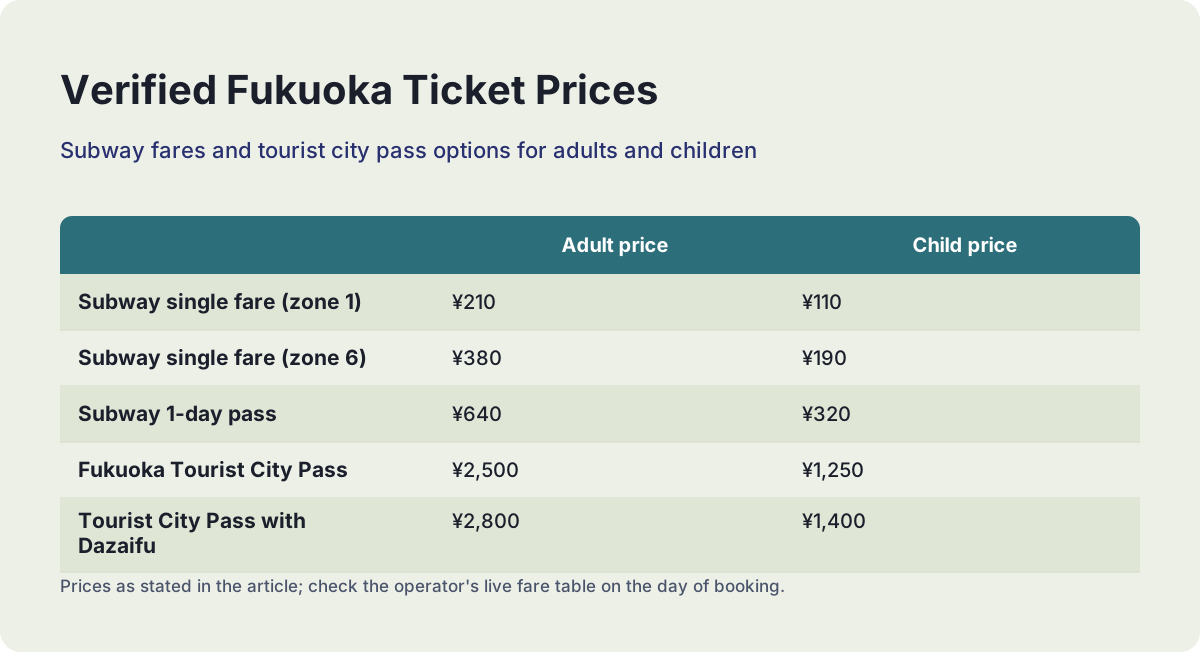
The Shinkansen fare depends on the train category and ticket type, and the operator's live fare table is the only source that will be right on the day you book, so this section gives the verified Fukuoka-side costs and the pass options instead of a guessed rail fare. Within Fukuoka, the subway costs from ¥210 for short hops, and the tourist city pass costs ¥2,500, or ¥2,800 with Dazaifu, for overseas visitors with a passport.
Rail passes are where most travellers either save real money or waste it. The JR Kyushu network sells regional rail passes covering northern Kyushu, all of Kyushu, and the southern part of the island, and the official JR Kyushu rail pass page lists current prices and coverage. Whether a pass beats point-to-point tickets for a single Kagoshima round trip depends on what else you plan to ride: one round trip alone rarely justifies a full pass, but a Kagoshima trip combined with Kumamoto, Beppu or a run up to Mojiko often does. Do the arithmetic against the operator's own fares before buying, and treat any third-party price list you find online as stale until the official page confirms it.
On the Fukuoka side, the verified costs are worth knowing precisely because so many competing guides get them wrong. The Fukuoka Tourist City Pass, operated by the city, costs ¥2,500 for adults and ¥1,250 for children for the city version, and ¥2,800 / ¥1,400 for the version that adds Dazaifu. It covers the subway, Nishitetsu trains and buses in the designated areas, some JR lines and ferries for one day, and it is sold only to overseas tourists on a short-stay visa, with a passport checked at the counter. Many older guides still quote a much lower price from years ago; those figures are wrong.
| Ticket | Adult price | Child price | Notes |
|---|---|---|---|
| Subway single fare (zone 1) | ¥210 | ¥110 | Up to 3 km |
| Subway single fare (zone 6) | ¥380 | ¥190 | Over 19 km |
| Subway 1-day pass | ¥640 | ¥320 | All three lines, day of purchase |
| Fukuoka Tourist City Pass | ¥2,500 | ¥1,250 | Overseas tourists, passport checked |
| Tourist City Pass with Dazaifu | ¥2,800 | ¥1,400 | Adds Dazaifu coverage, Tabito bus excluded |
Budget for the Kagoshima end separately. The city tram network is cheap and covers most of what a day visitor wants, the ferry across the bay to Sakurajima runs frequently, and the main sights cluster in a walkable strip between the station and the waterfront. Food in Kagoshima is a highlight rather than a cost centre: black pork, raw skipjack and sweet potato shochu are local specialities, and a lunch set around the station costs less than the equivalent in Tokyo. If the overall budget is tight, our Fukuoka on a budget guide covers the money-saving patterns that apply across the whole region.
What to Do in Kagoshima on a Day Trip
Three anchors fill a day trip well: the Sengan-en garden with Sakurajima across the water, the ferry ride to the volcano's lava fields, and the food culture around the station, especially black pork and raw skipjack. All three sit on or near the tram and ferry lines that radiate from Kagoshima-Chuo, so a first-time visitor can string them together without a car. A single long day is enough for the highlights, though an overnight lets you add an onsen town in the hills behind the city.
Sengan-en is the classic first stop, and the reason is the view. The garden was laid out to borrow Sakurajima and the bay as its scenery, so the volcano sits inside the composition like a mountain painted onto the far wall. The site also carries the history of the Shimazu clan, the family that ran southern Kyushu for centuries and drove Japan's early industrialisation, and the residence and museum on the grounds explain it in English. Allow a morning for it, and take the tourist bus or tram rather than walking the whole distance from the station.
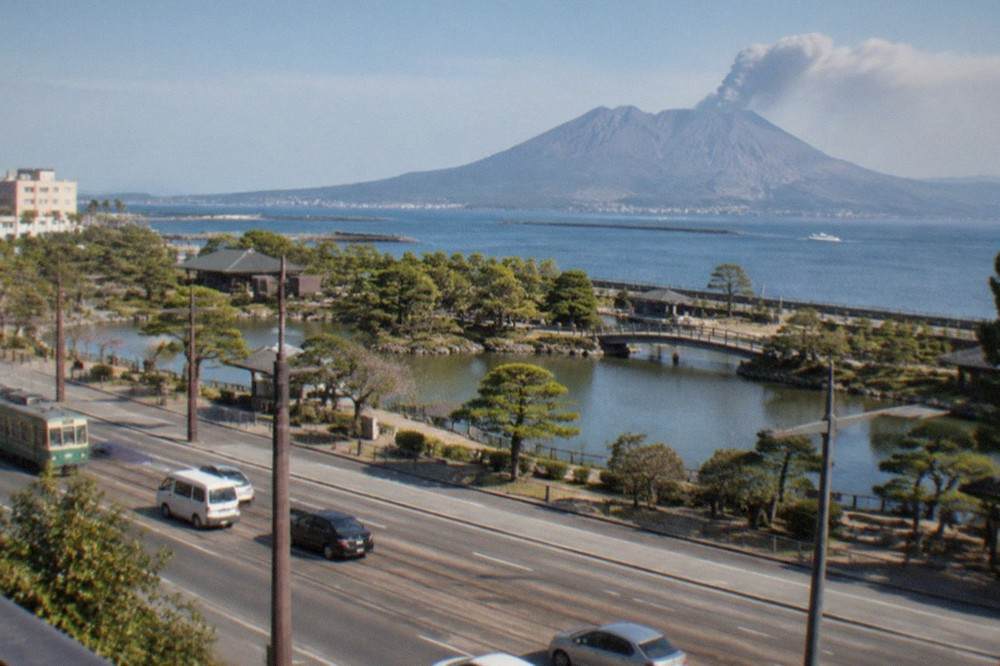
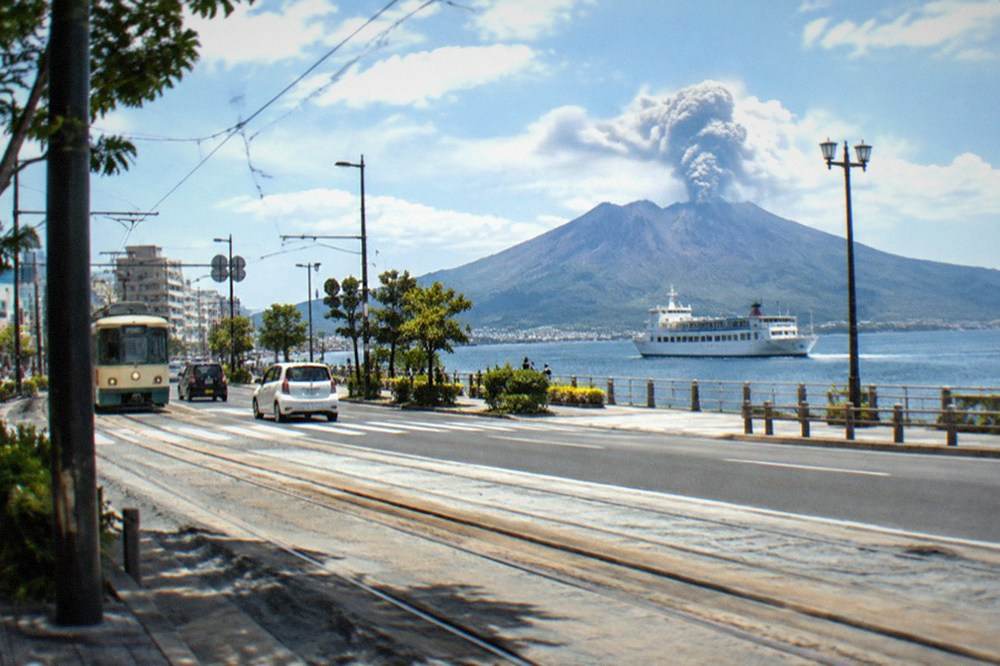
The Sakurajima ferry is the second anchor. It runs from the waterfront near the aquarium, crosses the bay in a short ride, and lands you on the volcano's western shore, where lava fields from past eruptions bury the old shoreline. Buses loop the island past an observation point and buried torii gates. The volcano itself is active, which is exactly why the trip is memorable: plumes rise from the summit on many days, and the city across the water lives with it the way other cities live with weather.
Food is the third anchor, and for many visitors it ends up the favourite. Kagoshima's black pork, kurobuta, appears in tonkotsu-style ramen and in shabu shabu sets; raw skipjack, katsuo no tataki, is seared over straw fire and served sliced; and the local shochu, distilled from sweet potato, is the island's signature drink. Restaurants cluster in the streets immediately south and east of Kagoshima-Chuo Station, so the last hour before the return train can be a dinner crawl within walking distance of your platform.
| Stop | What it is | How long | Getting there |
|---|---|---|---|
| Sengan-en | Shimazu clan garden with volcano view | 2 to 3 hours | Tourist bus or city tram from the station |
| Sakurajima ferry | Bay crossing to the volcano island | Half day with island loop | Short walk or tram from the waterfront |
| Aquarium | Bay-side aquarium facing Sakurajima | 1 to 2 hours | Waterfront, next to the ferry terminal |
| Shiroyama lookout | Hilltop view over the city and bay | 1 hour | Walk or taxi from the centre |
If the weather turns, and in this part of Japan it sometimes does, the aquarium and the museums around the waterfront are the indoor fallbacks, and the Fukuoka rainy day itinerary shows the same pattern applied at the other end of the trip. Rain in Kagoshima usually arrives in short heavy bursts outside of the wettest summer months, and the ferry runs in conditions that would close a mountain viewpoint.
Is Kagoshima a Better Trip Than Other Kyushu Day Trips?
Kagoshima is the longest and most dramatic of Fukuoka's big day trips, but it is not automatically the best one: Dazaifu and Yanagawa are shorter and cheaper, Kumamoto sits directly on the Shinkansen line so it can share the same ticket, and Beppu and Yufuin offer the onsen experience that Kagoshima's city centre lacks. Choose Kagoshima when the volcano, the bay and the southern food culture are the draw, and choose a nearer destination when you want more hours on the ground and fewer on the train.
The comparison with Kumamoto matters most, because the two sit on the same rail line. A Kumamoto day trip costs less travel time, and Kumamoto Castle is one of the great fortifications of Japan, so travellers with only one day of rail budget often face a straight choice. Our Kumamoto day trip guide breaks that choice down; the short version is that Kumamoto rewards architecture and history, Kagoshima rewards landscape and food, and the two make a natural pairing across two days for anyone touring the whole island.
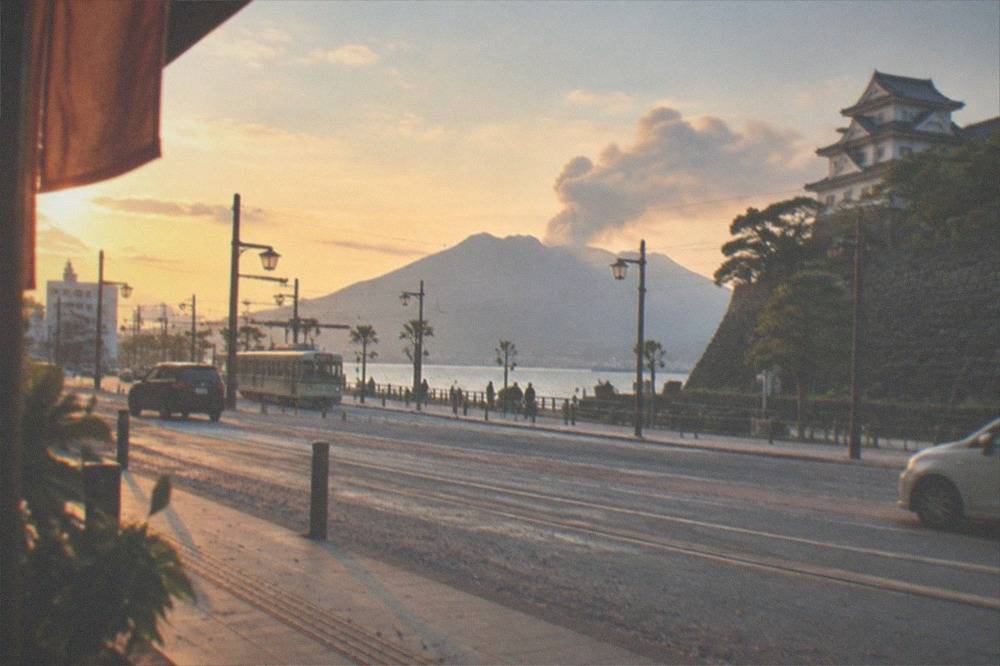
The northern and eastern alternatives answer different needs. A Beppu day trip delivers the famous "hells", steaming hot springs in seven colours, plus onsen bathing, all closer to Fukuoka than Kagoshima. A Nagasaki day trip trades the volcano for a harbour city with a layered international history. And a guided option like the North Kyushu tour to Akiyoshido Cave and Motonosumi Inari Shrine, from $65 per person with a rating of 4.8 from 56 reviews, covers sights that are genuinely hard to reach without a car, which is the category of trip where a tour earns its price.
The honest framing is that Kagoshima is a commitment. It is the trip you book when you have a full day, a reserved seat and a reason, not the trip you take because the weather looked fine at breakfast. Travellers who try to fold it into a packed itinerary alongside Dazaifu and Itoshima usually end up seeing the inside of trains instead of the island. Our overview of day trips from Fukuoka ranks all of these by travel time and effort, and it is worth ten minutes of planning before you commit a day of your holiday.
When Is the Best Time of Year to Make This Trip?
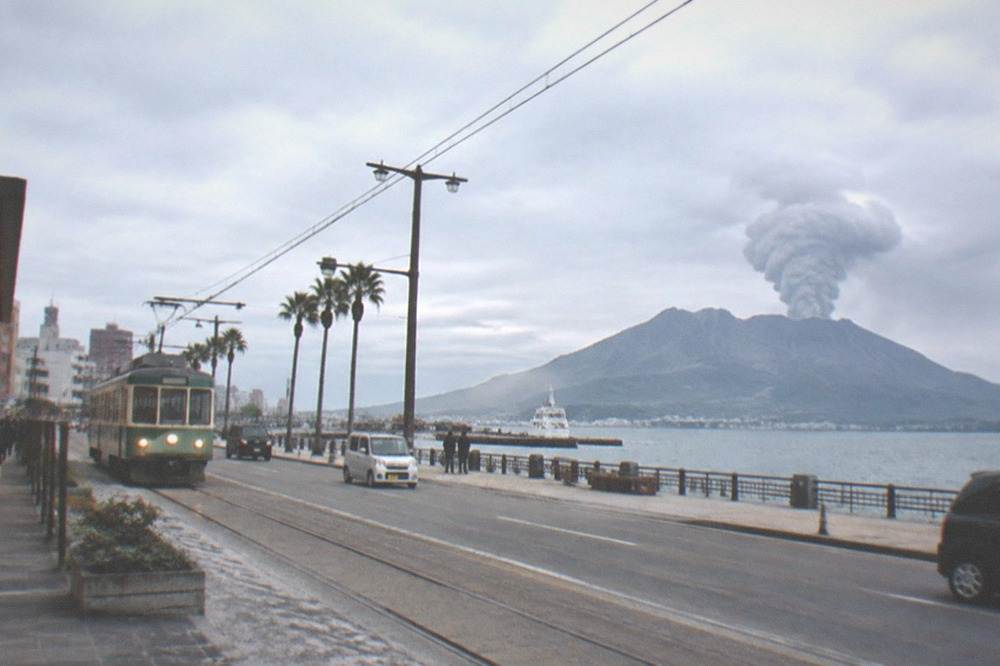
Spring and autumn are the best windows for a Kagoshima trip: cherry blossoms fill the parks in late March and early April, and the autumn colour runs from mid-November into early December. Summer brings the wettest weather of the year, with July wetter than June in Fukuoka, and typhoon season runs roughly July through October, which matters for a trip built around a volcano view and a bay crossing.
The rainfall pattern surprises people who assume the June rainy season is the wettest stretch of the calendar. The Japan Meteorological Agency's 1991 to 2020 normals for Fukuoka show July at 299.1 mm against June's 249.6 mm, even though June carries the tsuyu reputation. July is also Yamakasa month in Hakata, so a traveller passing through Fukuoka in mid-July can catch the festival's climax, the Oiyama race on the 15th starting before dawn, before riding south. Our Fukuoka in summer guide covers the season in full.
Typhoon season deserves a plain sentence rather than a warning. Systems track through the western Pacific roughly July through October, and when one approaches, the Shinkansen is the first thing to slow and the Sakurajima ferry is the second. Neither makes the region unvisitable, and most typhoon days resolve into a single disrupted afternoon, but a day trip to Kagoshima is exposed in a way a museum day in Fukuoka is not. Check the forecast the evening before, and keep a flexible fallback.
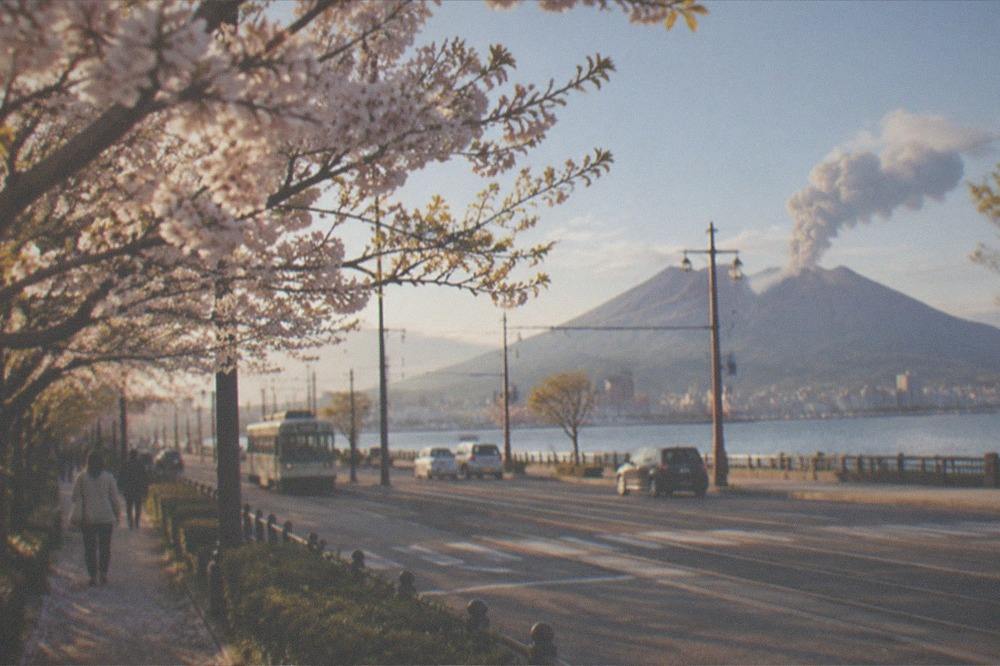
Winter is the sleeper season. Temperatures in Kagoshima stay mild compared with northern Japan, the volcano view is at its crispest in clear winter air, and the hot spring towns behind the city, including Ibusuki with its sand baths, are at their best when the air is cold. If you are building a winter trip around Fukuoka, the Kurokawa Onsen trip is the other cold-weather highlight of the region, a village of riverside open-air baths in the mountains north of Kumamoto.
| Season | Fukuoka rainfall | What it means for the trip |
|---|---|---|
| Spring (Mar to May) | 103.7 to 133.7 mm per month | Blossoms late March to early April, mild and clear |
| Summer (Jun to Aug) | 249.6 to 299.1 mm per month | July wettest month, typhoon risk, festival month |
| Autumn (Sep to Nov) | 91.4 to 175.1 mm per month | Clear views, leaf colour mid-November onward |
| Winter (Dec to Feb) | 67.5 to 74.4 mm per month | Driest months, crisp volcano views, mild south |
Practical Tips Before You Ride
Reserve a seat rather than gambling on a non-reserved car, carry some cash because smaller shops and the Sakurajima island buses are not fully cashless, and plan your return train before you leave Hakata rather than after dinner in Kagoshima. Luggage rules matter too: the Shinkansen allows large bags in dedicated areas but the advice is to travel light, since the tram, ferry and island buses at the far end have limited space.
Money first, because it is the question travellers ask most. Japan is not fully cashless, and the smaller the shop the more likely cash is expected. The subway in Fukuoka accepts IC cards and contactless credit cards, and the Shinkansen tickets can be bought at machines or counters with cash and major cards, but a ramen counter in Kagoshima or a snack stand on Sakurajima may take cash only. Carry a modest amount of yen and top up an IC card at Hakata Station before you board; the card covers the tram in Kagoshima as well as the subway in Fukuoka.
Timing the return is the tip that saves the most stress. The last direct trains back to Hakata leave Kagoshima-Chuo in the evening, and the comfortable ones leave earlier than you expect once you factor in dinner. Decide your return train when you buy the outbound ticket, and treat Kagoshima's dinner hour as a fixed appointment rather than an open-ended pleasure. Travellers who miss the comfortable trains arrive back in Fukuoka late, hungry and out of sympathy with the whole idea of day trips.
If you have spare hours in Fukuoka before or after the ride, the city's own viewpoints are a cheap addition to the same day. The Fukuoka Tower admission ticket, from $7 per person with a rating of 5 from 1 review, puts you 123 metres above Momochi for a sunset over Hakata Bay, and the tower stays open until 22:00 with last admission at 21:30, so it fits after a late return train.
Finally, the onward options. Kagoshima is the southern anchor of the Shinkansen line, but Fukuoka also connects east and west: the Hiroshima trip from Fukuoka runs on the Sanyo line toward Honshu, and the Busan ferry from Fukuoka crosses to Korea overnight. Travellers stringing several of these together should read the Kyoto to Fukuoka guide for the long-haul rail patterns, because the same reserved-seat discipline that makes the Kagoshima day trip smooth also applies to every other high-speed line in the country.
Before you lock the plan in, here are the three products that most often fit a Kagoshima day trip: the airport transfer that starts it, the tower ticket that ends it, and the guided North Kyushu tour for the day you would rather not plan at all.
Common Questions About Traveling from Fukuoka to Kagoshima
How Do You Get To Kagoshima From Fukuoka By Shinkansen?
Board the Kyushu Shinkansen at Hakata Station, Fukuoka's main rail hub, and ride south to Kagoshima-Chuo. Hakata is a ward of Fukuoka, not a separate city, and there is no JR Fukuoka Station. Check the operator's live timetable for departure times and fares, because both vary by train category and season.
Is Kagoshima doable as a day trip from Fukuoka?
Yes, with an early start. The Shinkansen makes the distance manageable, and the main anchors, Sengan-en, the Sakurajima ferry and the food streets around the station, all sit on the tram and ferry network. An overnight is more relaxed and lets you add an onsen town in the hills.
Does a JR Kyushu rail pass cover the trip?
Regional JR Kyushu passes cover the Kagoshima line, and the official JR Kyushu rail pass page lists current prices and coverage. A single round trip rarely justifies a full pass on its own, but a Kagoshima trip combined with Kumamoto or Beppu often does. Do the arithmetic against the operator's own fares before buying.
Which station in Fukuoka does the Shinkansen leave from?
Hakata Station, in the Hakata ward of Fukuoka city. The subway's Airport Line connects Fukuoka Airport to Hakata for ¥260, a fare that falls in the official 3 to 7 km band. The airport is unusually close to the city centre, which is why Fukuoka works so well as a base for the whole island.
What is the best time of year for the trip?
Late March to early April for cherry blossoms, or mid-November to early December for autumn colour. July is statistically Fukuoka's wettest month at 299.1 mm of rain, wetter than June, and typhoon season runs roughly July through October, so check the forecast before committing to a volcano-view day.
What should I eat in Kagoshima?
Black pork, kurobuta, in ramen or shabu shabu; raw skipjack, katsuo no tataki, seared over straw fire; and sweet potato shochu, the island's signature spirit. The streets south and east of Kagoshima-Chuo Station hold enough restaurants to fill the hour before a return train.