Karatsu Day Trip
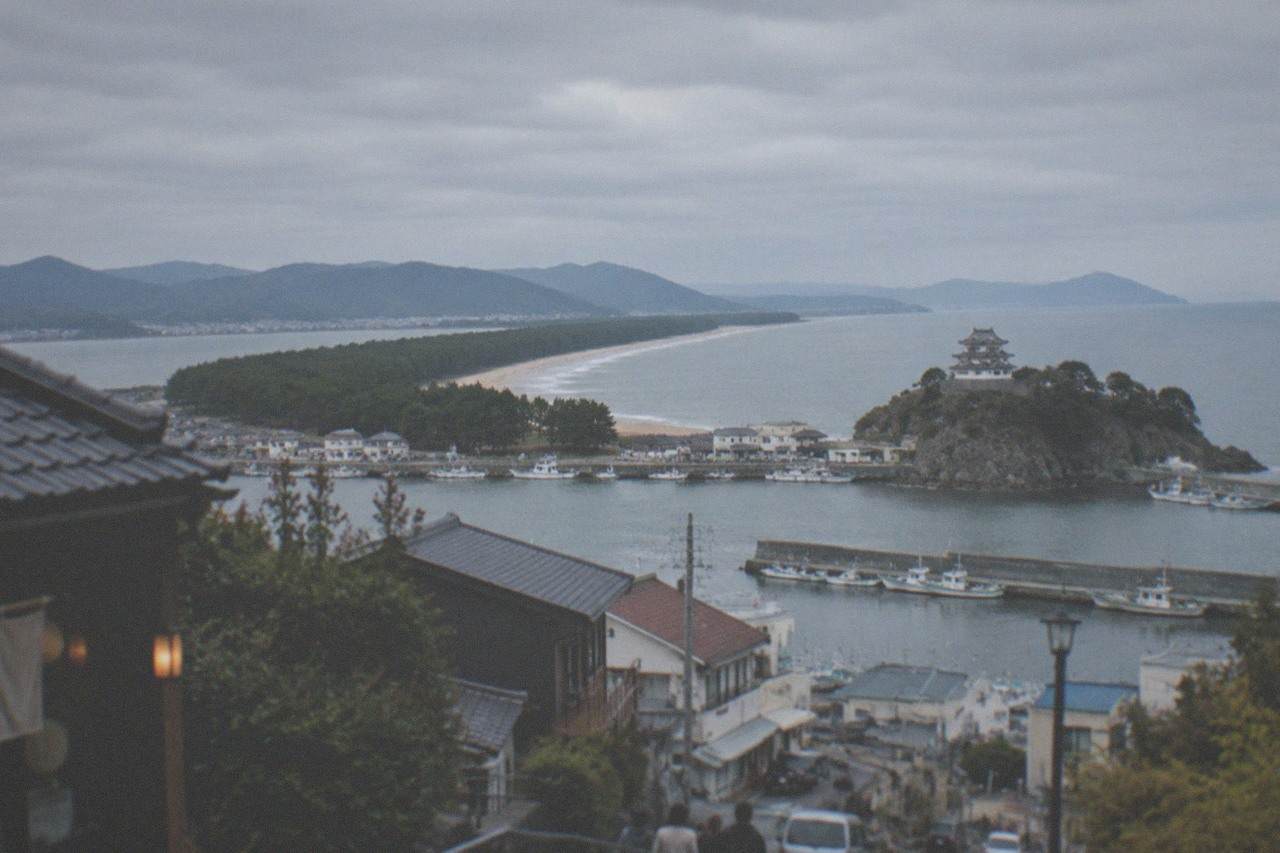
Karatsu sits on the Genkai Sea coast of Saga Prefecture, an easy day trip west of Fukuoka, and it packs a seaside castle, a famous pine grove, a pottery tradition and one of Kyushu's best morning markets into a compact, walkable castle town.
Short answer
Karatsu is a castle town on the Genkai Sea in Saga Prefecture, reached easily from Hakata Station in Fukuoka by direct JR trains and highway buses. A day covers Karatsu Castle, the Niji-no-Matsubara pine grove, the old machiya streets and, with a short hop, the Yobuko morning market. It is one of the simplest day trips from Fukuoka.
Karatsu is the day trip from Fukuoka that most international visitors never hear about, which is exactly its appeal. It is a small castle town on the Genkai Sea coast of Saga Prefecture, one prefecture west of Fukuoka, and the same stretch of water that laps Fukuoka's own Hakata Bay continues along the Karatsu shoreline. You leave a city of well over a million people and, a short ride later, you are standing under a castle that looks straight down onto fishing boats.
This guide answers the question readers actually search first, how you get there, then walks through what to do with a day in Karatsu, how the trip compares with Fukuoka's other day-trip options, and when a guided tour makes more sense than going alone. One correction before anything else, because it matters for every instruction you will read on this page: Hakata and Fukuoka are the same city. Hakata is the ward and the station name, Fukuoka is the city, and there is no JR Fukuoka Station. Your train to Karatsu leaves from Hakata Station.
How Do You Get to Karatsu from Fukuoka?
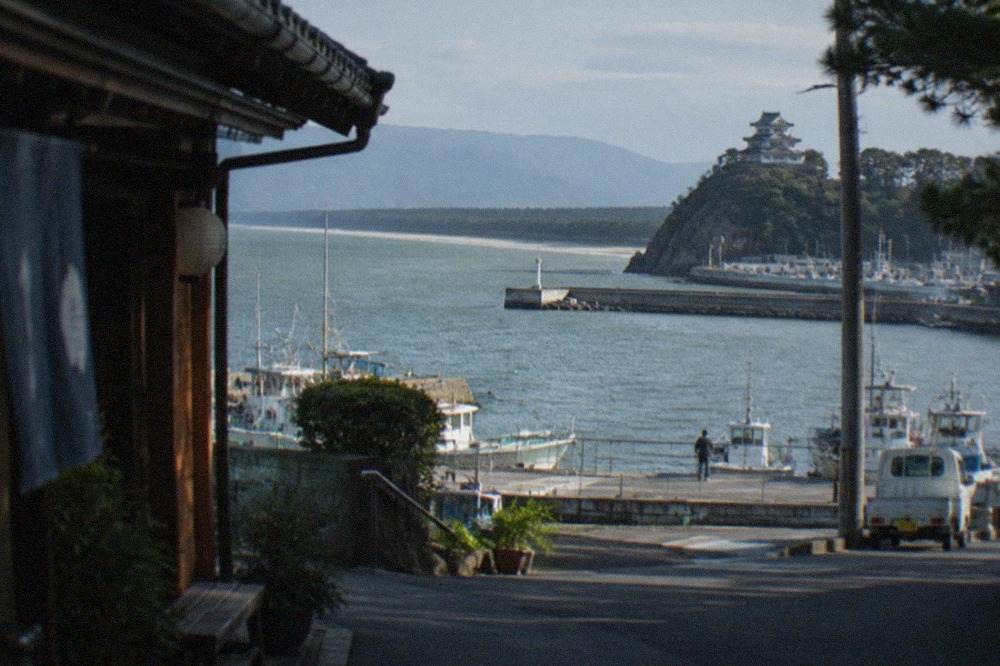
The route runs west from Hakata Station, Fukuoka's main rail hub, on the JR Chikuhi Line toward Karatsu, with direct trains for much of the day and a change at Chikuzen-Meinohama when a direct service is not running. Highway buses from the Hakata Bus Terminal are the alternative, and both options are short enough that Karatsu works as a relaxed full-day trip rather than a rushed one. Nothing about the journey is complicated, and no transfer through another city is needed.
Start by getting yourself to Hakata Station. If you are arriving at Fukuoka Airport, the subway's Kuko Line connects the airport with Hakata for a verified fare of ¥260, which falls in the official 3 to 7 km fare band published by the city subway's fare table. The airport is unusually close to the city centre, which is one of Fukuoka's genuine travel advantages. From Hakata, the JR Chikuhi Line is the rail route to Karatsu: it hugs the coast westward through Meinohama and the suburban edge of the city, and the scenery shifts from apartment blocks to sea views as you go. Check the departure boards at Hakata for direct trains versus those that terminate at Chikuzen-Meinohama, where a short cross-platform change completes the run.
| Leg | Operator | What To Know |
|---|---|---|
| Fukuoka Airport to Hakata | Fukuoka City Subway, Kuko Line | ¥260 adult, official 3 to 7 km band; airport is unusually close to the centre |
| Hakata to Karatsu | JR Chikuhi Line | Direct trains run for much of the day; otherwise change at Chikuzen-Meinohama |
| Hakata Bus Terminal to Karatsu | Highway bus | A comfortable alternative from the Tenjin/Hakata side of the city |
| Karatsu to Yobuko | Local bus | The short hop to the morning market and squid restaurants on the Karatsu Bay coast |
Two practical notes before you board. First, if you are basing yourself in Fukuoka and plan several day trips, read our overview of day trips from Fukuoka before committing your days, because the destinations genuinely differ in character and travel effort. Second, if you hold a JR Kyushu rail pass, check its coverage terms on the operator's own page before assuming it includes this line; pass details and prices change, and this page will not print a figure it has not read from a primary source. For a wider look at the prefecture Karatsu belongs to, see our Saga day trip guide.
What Makes Karatsu Worth the Train Ride?
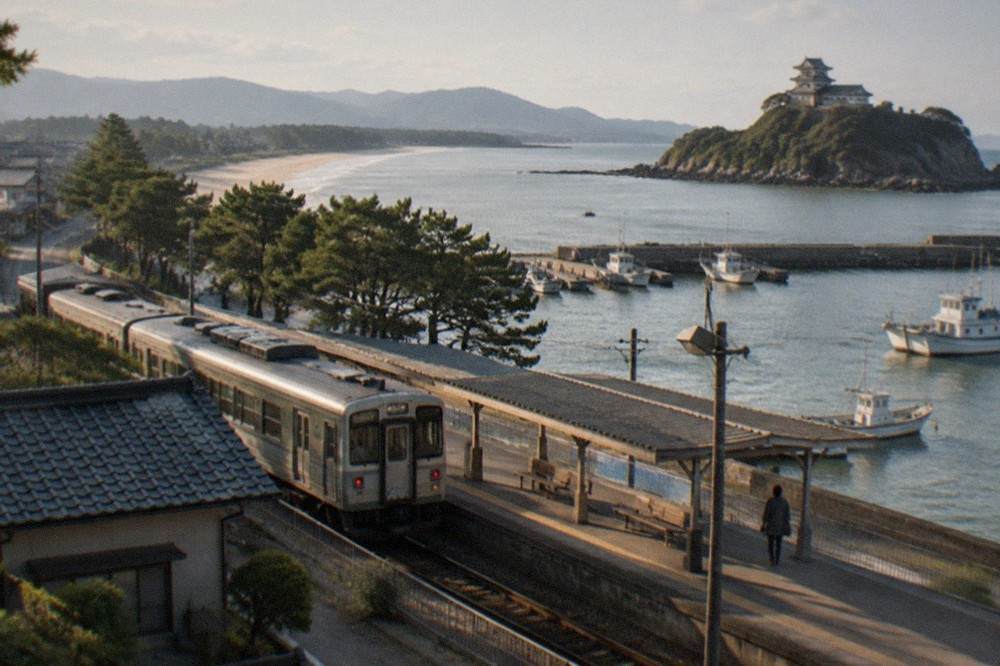
Karatsu delivers three things in one compact walkable area: a castle standing directly above the sea, a stretch of old castle-town streets lined with merchant houses and pottery shops, and the Niji-no-Matsubara pine grove curving along the bay. Few day trips from Fukuoka combine history, landscape and craft in a single town this size, and almost none of them do it without crowds. That combination is the reason to spend a day here rather than somewhere closer.
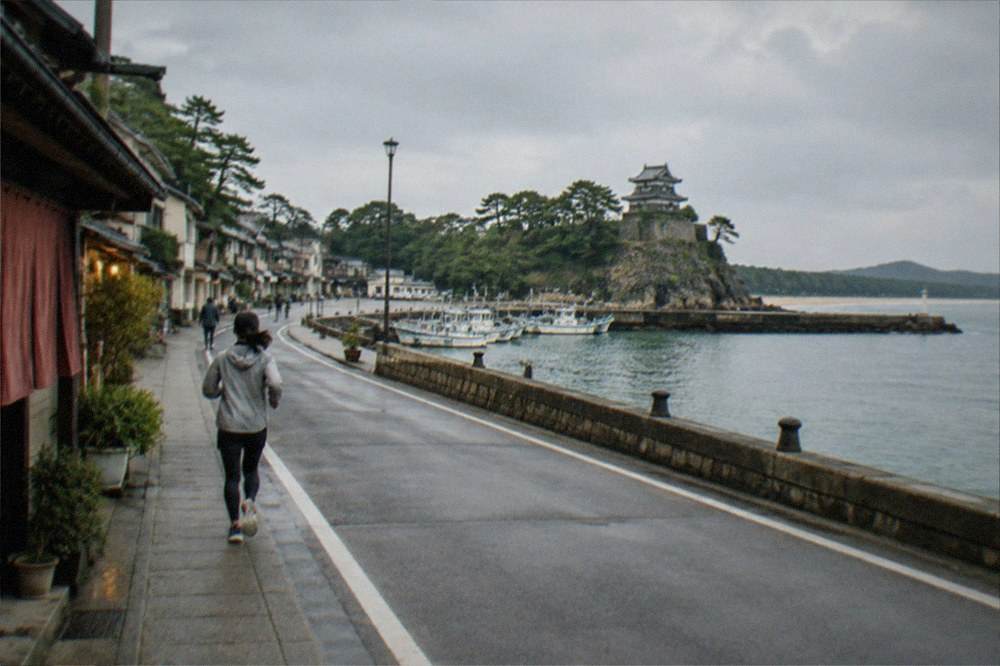
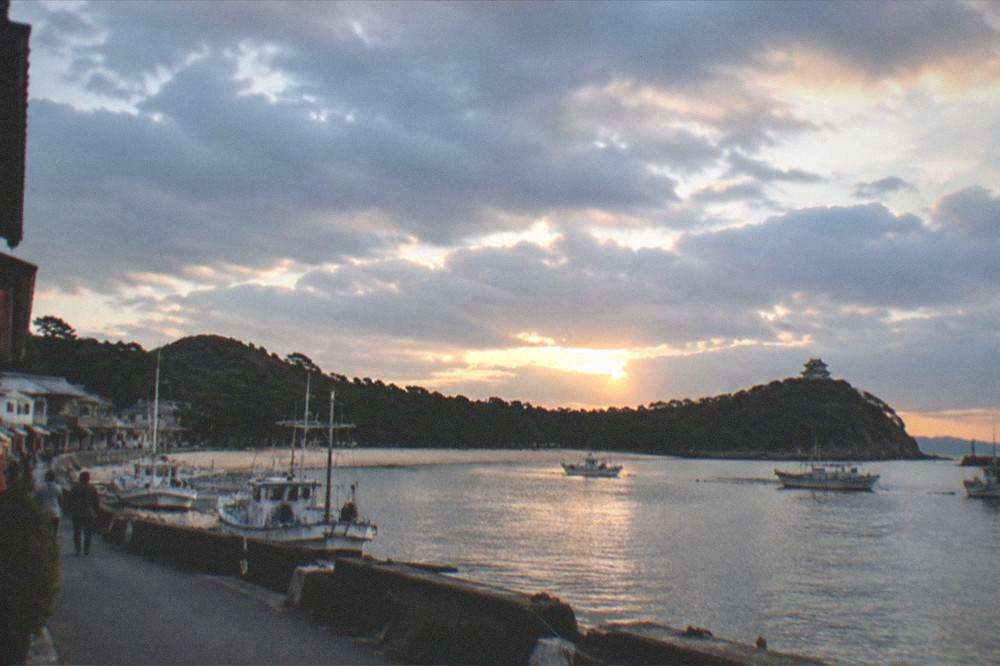
The castle is the anchor. Karatsu Castle sits on a headland jutting into Karatsu Bay, and its keep looks down on the water from a raised terrace, an arrangement that makes it one of the more dramatically sited castles in Kyushu. The structure you see today is a modern reconstruction rather than an original keep, which is true of many Japanese castles, but the site, the stone walls and the view are the point. From the top floors the bay opens out and the dark line of the pine grove traces the shore.
Below the castle, the old castle town survives in its street plan. Maehata and the streets around the former castle gates retain rows of merchant houses, some now selling Karatsu-yaki, the local pottery tradition that ranks among Japan's most admired tea-ware styles. Potters have worked in this region for centuries, and the town's shops range from working kilns to small galleries. You do not need a plan to enjoy it; the walk from the castle down through the old streets toward the bay takes an unhurried afternoon.
If you are weighing Karatsu against other destinations for a fixed number of days, our Fukuoka 3 day itinerary slots a Karatsu or coast day into a first visit neatly, and travellers with more time can pair Karatsu with a second western Kyushu stop.
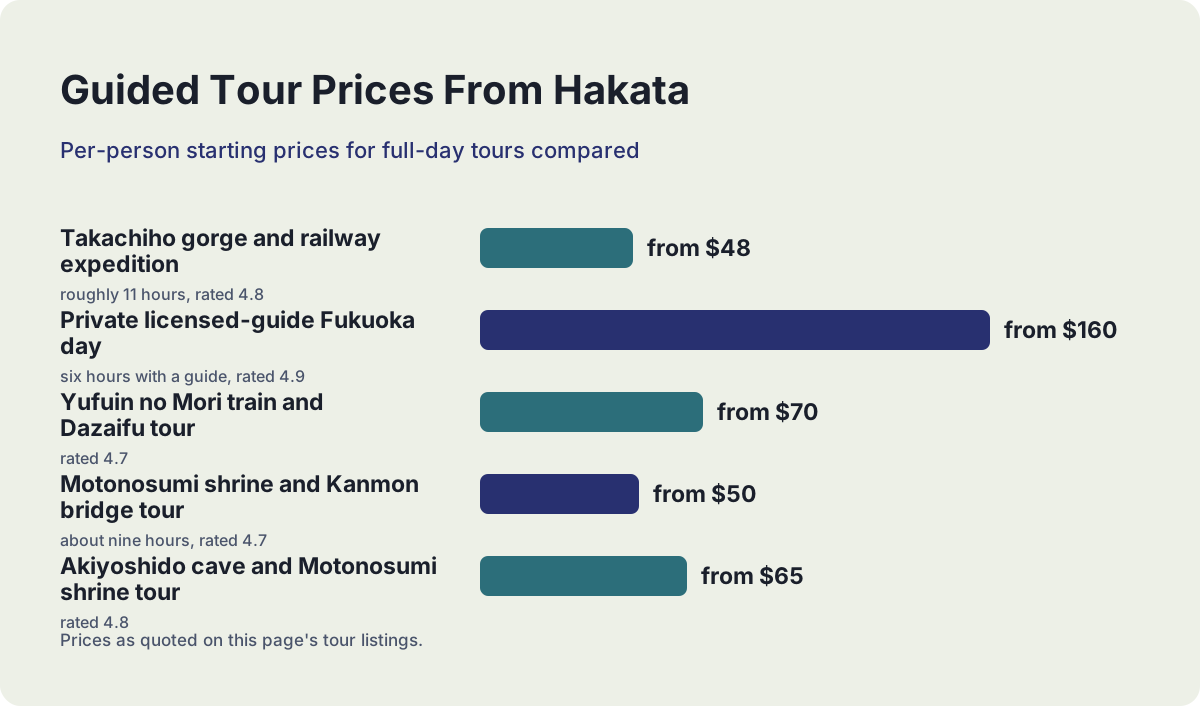
The three options above cover different moods of travel: a long-ride gorge expedition, a fully private licensed-guide day, and a train-and-shrine culture day. None of them goes to Karatsu itself, which is the honest position; Karatsu is a self-guided sort of destination, and the tours earn their place when you want depth or distance instead.
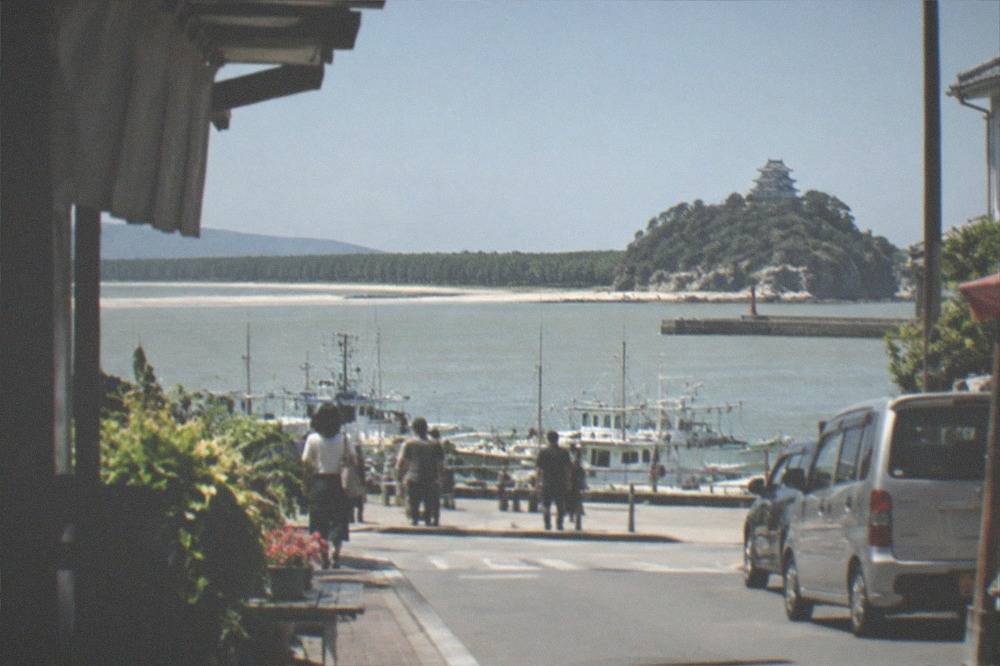
Karatsu Castle, Niji-no-Matsubara and the Sea
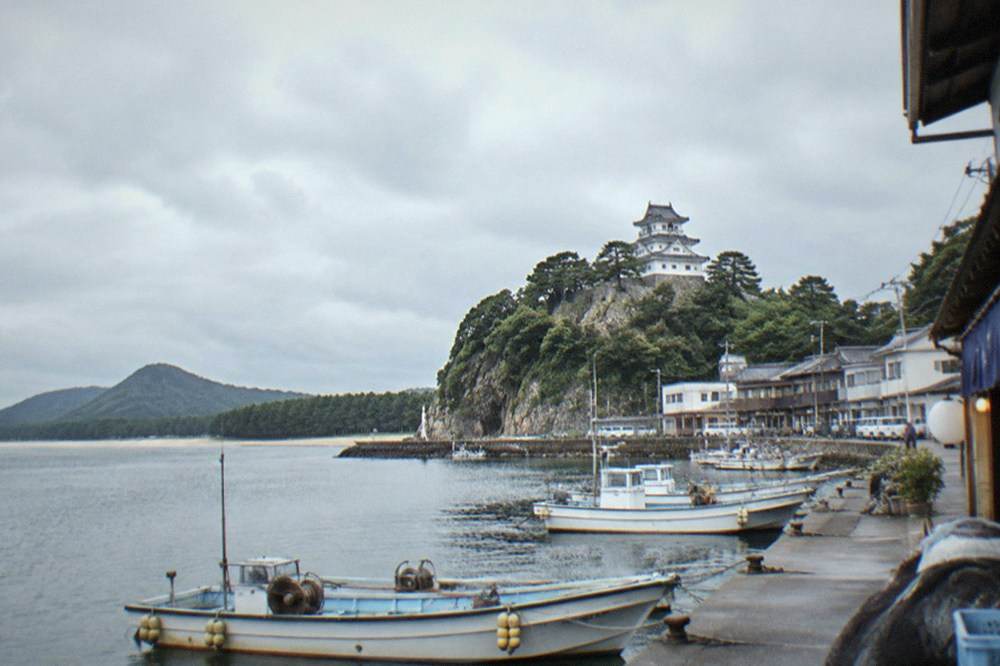
The castle headland and the pine grove form a single walkable circuit: climb to the keep for the bay panorama, descend through the castle grounds, then follow the shore along Niji-no-Matsubara, the great pine sandbar that has sheltered the harbour for centuries. Doing all three on foot is the standard day-trip shape, and it fits comfortably between a morning arrival and a late-afternoon return train.
Niji-no-Matsubara is the landscape feature that makes Karatsu's coastline distinctive. A sandbar planted with black pines, it curves along the bay, and this page declines to print a distance it cannot source. What can be said: it is a substantial pine grove on a sandbar protecting the bay, one of Japan's celebrated pine groves, and it is best experienced by simply walking into it from the harbour side, where the light through the trees and the sound of the sea on the far side do the explaining. Locals use it for strolls and picnics; visitors tend to have it nearly to themselves on weekdays.
The castle headland itself, Maizuru Park, wraps the reconstructed keep in lawns and stone ramparts. Give the interior a look for the local history displays and the view, then come back down toward the fishing harbour, where the morning's catch is unloaded and the smell of grilled squid drifts from the restaurants near the ferry piers. Karatsu faces the Genkai Sea, the same open water that shapes Fukuoka's own climate, and on clear days the horizon feels closer than it is.
Before you set the day in stone, one seasonal note belongs here because it affects the coast more than the city. Typhoon season runs roughly July through October across this coast, and while it never makes the region unvisitable, a summer or early-autumn day trip to a headland and a pine grove should carry a backup plan. Our rainy day itinerary for Fukuoka is the natural fallback if the forecast turns.
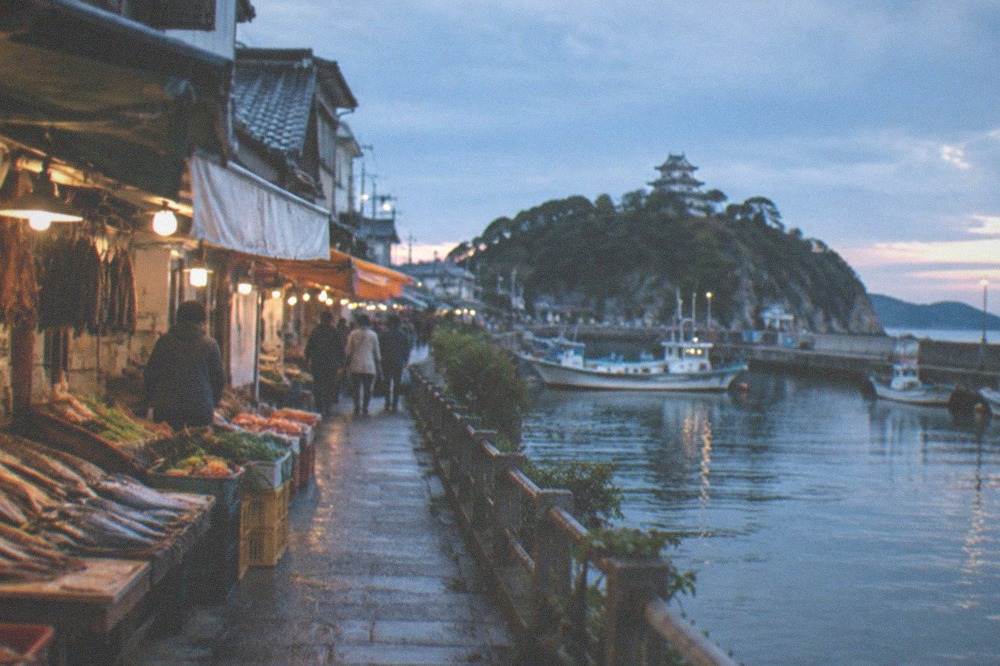
Yobuko's Morning Market and Squid Culture
Yobuko, a small fishing port at the tip of the Karatsu peninsula, runs a famous morning market along its canal-side lanes and is known across Japan for its squid, served raw, grilled and in every state between. It is a short local bus ride from Karatsu city, and going early is the whole point: the market is genuinely a morning institution, and the squid restaurants around it do their best trade before noon.
The market stalls line the narrow street by the canal, selling dried fish, pickles, vegetables and prepared snacks, and the atmosphere is working-harbour rather than curated-tourist. That character is what distinguishes it from bigger, more polished markets elsewhere in Japan. Vendors are used to visitors but not arranged around them, which means a little politeness and a few words of Japanese go a long way. Buy skewers of grilled seafood as you walk, then settle into a squid specialist for the town's signature dish: live-caught squid sashimi, so fresh the flesh is still translucent, often followed by a miso soup made from the same animal's bones.
Timing matters. If your day trip starts from Fukuoka, going to Yobuko first and Karatsu Castle second is the standard order, because the market rewards the early hours and the castle does not. The local bus between Karatsu and Yobuko runs along the peninsula road, and the ride itself is part of the appeal, passing small coves and oyster rafts. If you would rather stay closer to Fukuoka but want the same working-waterfront feeling, the Shikanoshima day trip offers island coastline without leaving Hakata Bay.
| Karatsu Area | Character | Best For |
|---|---|---|
| Karatsu Castle and Maizuru Park | Reconstructed keep on a sea headland | Views, history, the classic photo |
| Old castle-town streets | Merchant houses, Karatsu-yaki pottery shops | A slow walk, pottery shopping, tea-ware |
| Niji-no-Matsubara | Pine grove on a sandbar | A shaded shoreline stroll, picnics |
| Yobuko | Fishing port with a morning market | Squid sashimi, market browsing, arriving early |
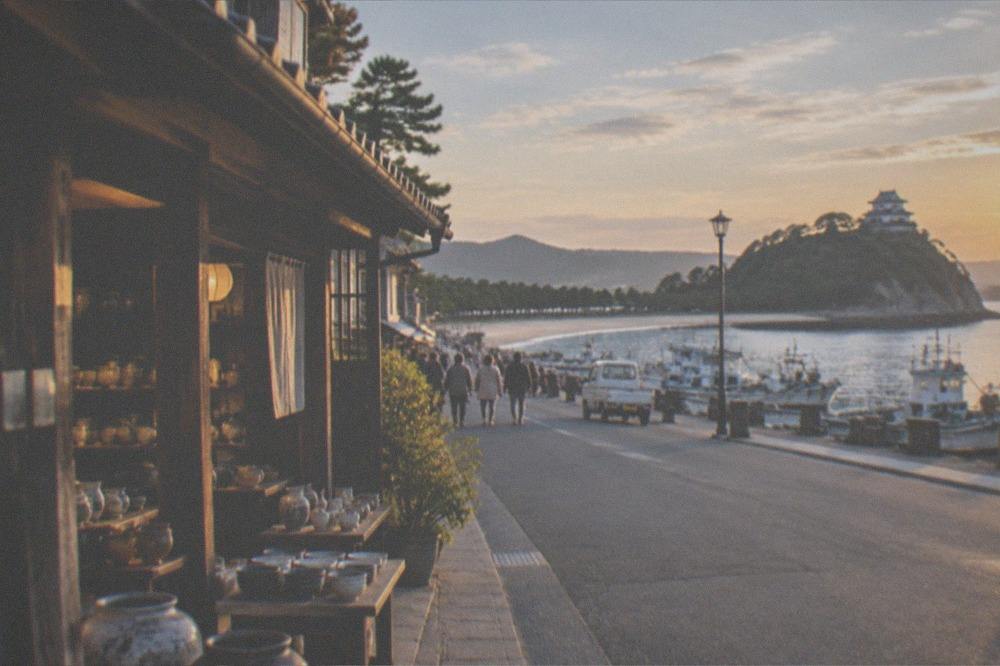
Karatsu Pottery and the Old Castle Town Streets
Karatsu-yaki is one of Japan's respected pottery traditions, rooted in the tea ceremony and known for its earthy glazes and deliberately imperfect forms, and the old streets below the castle are where you meet it. Working kilns, family galleries and shops selling everything from tea bowls to sake cups sit within walking distance of the castle gates, so pottery can fill a whole morning without any transport at all.
The tradition matters to the town's identity the way Arita's porcelain matters one valley over, and the two are often confused. Karatsu-yaki is stoneware, not porcelain: darker, rougher, made for use in the tea room rather than for display cabinets. Potters in the region trace their lineage back generations, and some workshops welcome visitors who want to watch or try. If you buy, note that well-packed ceramics survive the train ride back to Hakata fine, but ask the shop to wrap for travel, because the Chikuhi Line's shorter trains have limited luggage space. The full index of guides sits on Fukuoka Japan Travel Guide.
The streets themselves reward aimlessness. The former samurai and merchant quarters preserve a low, wooden streetscape unusual for a town this size, and the walk between the castle and the harbour passes several historic facades, small shrines and the local museum buildings. Pair this with a stop for matcha and a sweet, and you have the quiet half of a Karatsu day, the counterpart to the market bustle at Yobuko.
Planning Your Karatsu Day Trip: Timing, Seasons and Budget Sense
The best shape for a Karatsu day is an early start from Hakata, Yobuko's market before it winds down, then the castle, pine grove and pottery streets through the afternoon, returning to Fukuoka in the early evening. Spring and late autumn are the most comfortable seasons, summer is hot but workable, and typhoon season from roughly July to October is the one window where you should check the forecast the night before and hold a backup plan.
Budgeting the day is straightforward because Karatsu's costs are food, a castle admission and bus fares, none of which this page will quote as precise figures without a verified source. What can be said from verified data is the Fukuoka side of your journey: the subway from the airport to Hakata is ¥260, and a subway one-day pass is ¥640 if you are doing more city riding on the same day. Overseas visitors on a short-stay visa can also buy the Fukuoka Tourist City Pass, ¥2,500 for the city version and ¥2,800 for the version that extends toward Dazaifu, though a passport is checked at the counter, as the city's official pass page states. That pass covers Fukuoka's own network, not the JR line to Karatsu, so it belongs on your arrival day rather than your Karatsu day.
| Season | Conditions On The Genkai Sea Coast | Day-Trip Verdict |
|---|---|---|
| Late March to April | Cherry blossom season, mild, occasional rain | Excellent; combine with blossom spots |
| May to June | Warm, tsuyu rains roughly in June | Good, pack for showers |
| July to August | Hot, humid, July the wettest month of the year | Workable with an early start and shade |
| September to October | Typhoon window, otherwise pleasant | Check the forecast, then go |
| November | Cool, comfortable, autumn colour inland | One of the best months |
| December to February | Cold by Kyushu standards, quiet streets | Fine for pottery and castles, fewer boats |
Karatsu Compared with Other Fukuoka Day Trips
Karatsu competes for a day against Dazaifu, Itoshima, Kitakyushu, Nagasaki and Yufuin, and it wins when you want sea, castle-town atmosphere and food culture without long travel times or big crowds. It loses to Dazaifu on shrine grandeur, to Nagasaki on sheer historical weight, and to Yufuin on onsen relaxation, so the choice is really about what kind of day you want rather than which destination is best.
| Day Trip | Character | Travel Effort From Hakata | Best Fit |
|---|---|---|---|
| Karatsu | Seaside castle town, pottery, morning market | Short, direct trains and buses | History plus coast, uncrowded |
| Dazaifu | Major shrine and museum town | Short, easy | First-time visitors, culture |
| Kitakyushu | Industrial heritage, Mojiko retro port | Short | Architecture and rail fans |
| Itoshima | Beaches, cafés, coastal scenery | Short | Summer, relaxed food days |
| Nagasaki | Historic port city, full day | Long | History, needs an early start |
| Yufuin | Onsen town in the mountains | Long | Hot spring relaxation |
The honest ranking advice: if this is your only day out of Fukuoka and it is your first visit, Dazaifu is the safer choice, and our Dazaifu day trip guide covers it in full. If you have two or three days to distribute, give Karatsu the day with the better weather forecast, because its pleasures are outdoors. Travellers with a full week can stack it with the Kitakyushu day trip to the east and the Nagasaki day trip further west, which together trace the whole Genkai coast.
For those who find this comparison useful when planning a longer stay, the Fukuoka 1 day itinerary and the Fukuoka 2 day itinerary show how the city's own days stack up before you spend any of them outside it.
Should You Take a Guided Tour to Karatsu?
Karatsu has no dedicated guided tour in Fukuoka's verified roster, so the honest answer is that you go independently, and a guided tour only enters the picture if you would rather spend the day on a different destination with a local expert. If that is you, the strongest full-day options head inland to Takachiho Gorge or wrap a licensed guide around Fukuoka itself, and both styles sell out on peak weekends.
The strongest long-ride option is the Takachiho gorge expedition, which pairs the gorge with a ride on the Amaterasu Railway and an optional boat row through the gorge itself. It runs from $48 per person, rated 4.8 from 713 reviews over roughly 11 hours, and it suits travellers who want a headline landscape rather than a quiet castle town. Full details are on the Takachiho gorge and railway tour page, and you can also Check availability at the operator's live listing.
If your instinct is that a guide adds most inside the city rather than beyond it, the private licensed-guide day is the other strong candidate: from $160 per person, rated 4.9 from 71 reviews, built around a full six hours of a guide's own route through Fukuoka. And for a mid-priced, gentler culture day, the Yufuin no Mori train and Dazaifu tour, from $70 per person and rated 4.7 from 54 reviews, turns the journey itself into the attraction.
For a western-Kyushu coastal day in the same spirit as Karatsu, the Motonosumi shrine and Kanmon bridge tour, from $50 per person and rated 4.7 from 37 reviews, reaches the dramatic cliffside shrine and the strait between Kyushu and Honshu in about nine hours. It is the tour that comes closest to Karatsu's own mood of sea, coast and quiet grandeur, and it suits anyone whose appetite was whetted by the Genkai shoreline.
The Akiyoshido cave and Motonosumi Inari shrine tour, from $65 per person and rated 4.8 from 56 reviews, is the third western option, pairing one of Japan's largest limestone caves with the vermilion shrine gates above the Japan Sea. All three of these days assume a full-day commitment from Hakata, so compare them against the self-guided Karatsu plan on the basis of how much you want to be led versus how much you want to wander.
Common Questions About a Karatsu Day Trip
How Do You Get To Karatsu From Fukuoka?
Take the JR Chikuhi Line from Hakata Station toward Karatsu, using a direct train where available or changing at Chikuzen-Meinohama. Highway buses from the Hakata Bus Terminal are the alternative. Hakata Station is Fukuoka's main station; there is no JR Fukuoka Station, because Hakata and Fukuoka are the same city.
Is Karatsu A Good Day Trip From Fukuoka?
Yes. It combines a sea-view castle, a famous pine grove, an old pottery town and the Yobuko morning market within a short, simple train or bus ride of Hakata, and it is far less crowded than the headline destinations.
How Many Hours Do You Need In Karatsu?
A full day is the comfortable answer: an early start for Yobuko's market, then the castle, the pine grove and the pottery streets through the afternoon, returning to Fukuoka in the early evening. A half day covers the castle and old town if you skip Yobuko.
What Food Is Karatsu Famous For?
Squid, above all. Yobuko's restaurants serve it as translucent sashimi within hours of landing, plus grilled squid, squid soup and dried squid from the morning market. The town is also a good place to eat fresh Genkai Sea fish generally.
When Is The Best Time Of Year To Visit Karatsu?
Late March to April for blossom, and November for cool, comfortable weather. Summer works with an early start, but typhoon season runs roughly July through October, so check the coastal forecast the night before and keep a rainy-day fallback in Fukuoka.
Can You Visit Karatsu Without A Tour?
Yes, and that is the normal way to do it. The town is compact and walkable, the castle, old streets, pine grove and harbour sit close together, and Yobuko is a short local bus ride away. Guided tours from Fukuoka tend to head to other destinations.