Mojiko Retro Day Trip
Mojiko Retro is the preserved Meiji era port quarter of Kitakyushu, about an hour from Hakata Station by rail, and it packs a compact walkable collection of western style buildings, harbour views and cafes into a space you can cover on foot in half a day.
Short answer
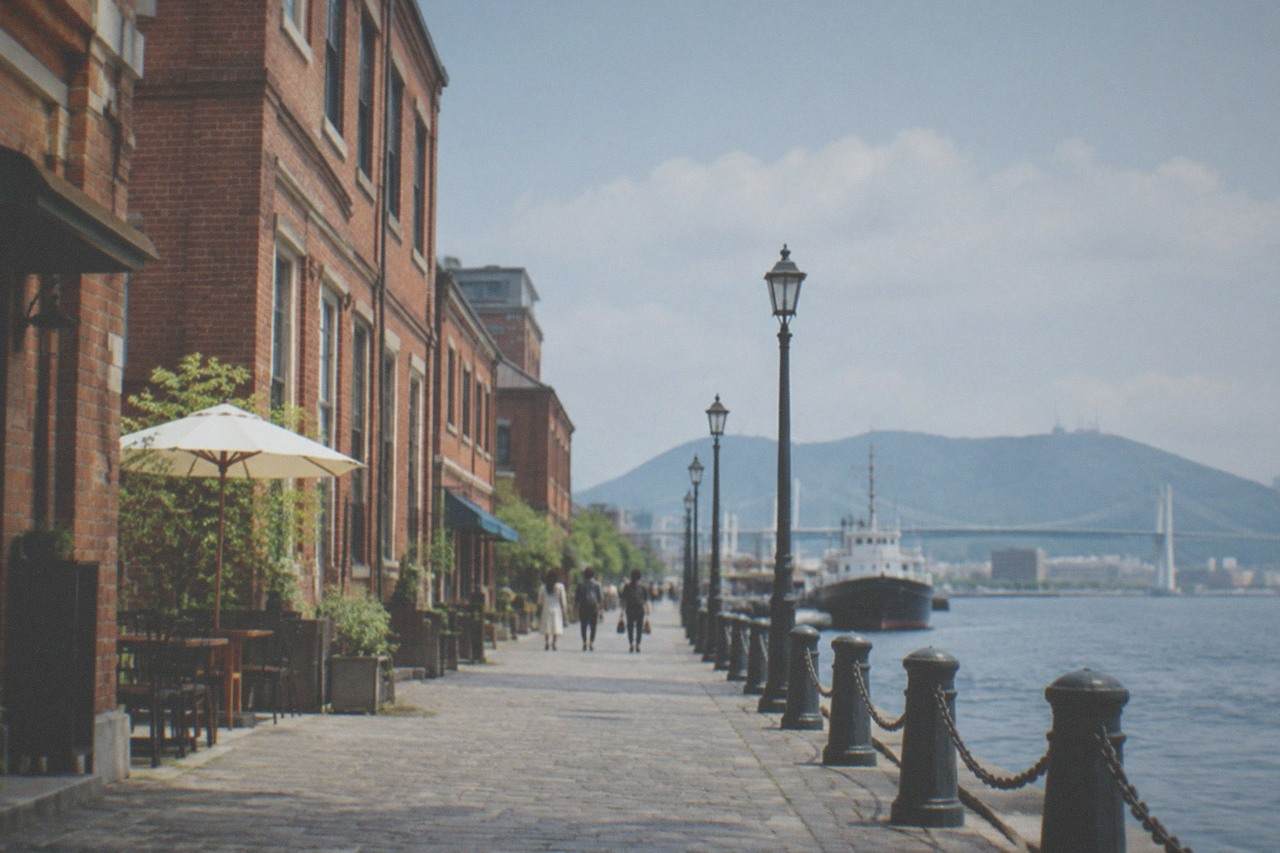
Mojiko Retro is the historic harbour district of Kitakyushu, on the Kanmon Strait, preserved for its Meiji and Taisho era western style buildings. Visitors go for the architecture, the waterfront promenade, the old Kyushu Railway headquarters and the view across the strait to Shimonoseki. From Hakata Station the trip is about an hour each way, usually with one change at Kokura.
Mojiko Retro is the one day trip from Fukuoka that feels like a different century rather than a different city. The old port quarter of Kitakyushu sits on the Kanmon Strait, the narrow waterway that separates Kyushu from Honshu, and its streets are lined with Meiji and Taisho era buildings in red brick, stone and white plaster. Ferries still cross the strait, freighters still pass the harbour mouth, and on the far bank the hills of Shimonoseki rise over the water. It is small, flat and walkable, which makes it one of the easiest full-day outings covered on our day trips from Fukuoka round up, and a strong candidate for anyone with a spare day in the city.
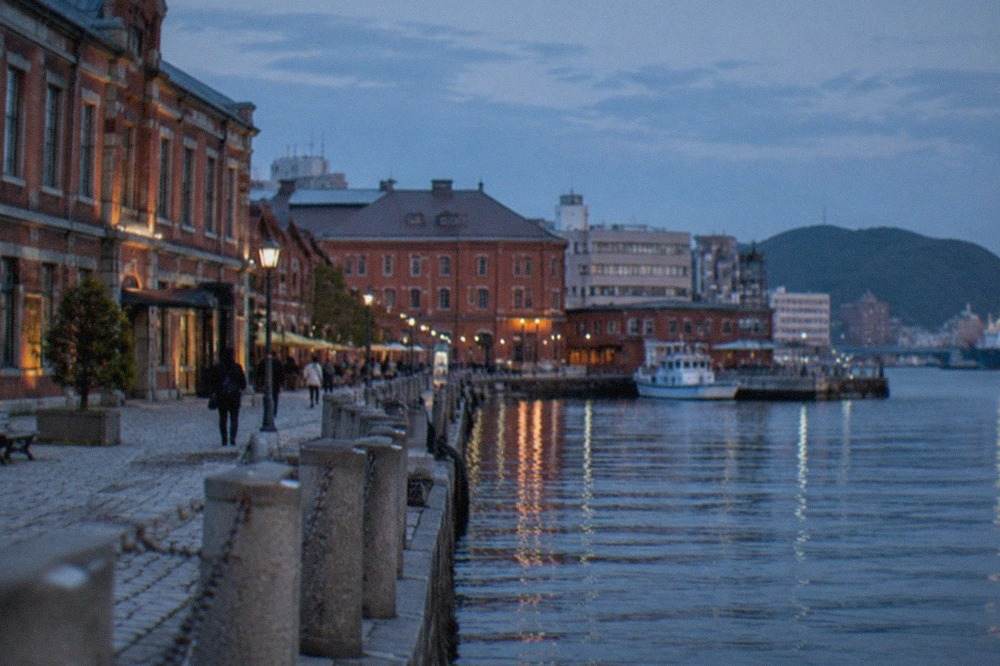
This Fukuoka Japan Travel Guide page covers what the district actually is, how to get there, what to see and eat, and how to fold it into a wider north Kyushu day. One thing to settle immediately: Mojiko is in Kitakyushu, which is a separate city from Fukuoka, so this is a genuine day trip rather than a suburb hop. The full Kitakyushu day trip planner covers the wider city if you want more than the port quarter.
What Is Mojiko Retro and Why Do Visitors Go?
Mojiko Retro is the nickname given to the preserved historic quarter around Mojiko Station in Kitakyushu, a port that opened to international trade in the late 19th century and accumulated a stock of western style commercial buildings as a result. Visitors go for the concentrated architecture, the harbour setting on the Kanmon Strait, the museums inside the old buildings, and the fact that the whole district can be walked end to end in an hour. It is the closest thing Kyushu has to a Yokohama or Kobe harbour quarter, at a fraction of the size and without the crowds those districts draw.
The port's history explains the buildings. When Mojiko opened as a trading harbour in the Meiji period, shipping companies, banks, railway operators and customs offices all needed premises, and they built in the imported styles of the day: red brick, Renaissance revival facades, arched windows and tiled roofs. When the port's commercial importance faded later in the 20th century, the buildings stayed, and preservation efforts in the closing decades of that century turned the surviving stock into a heritage district. The word "retro" in the name is a marketing label for that preserved streetscape, not a theme park. The buildings are real, several are designated cultural properties, and most of the restaurants, cafes and shops inside them occupy restored interiors.
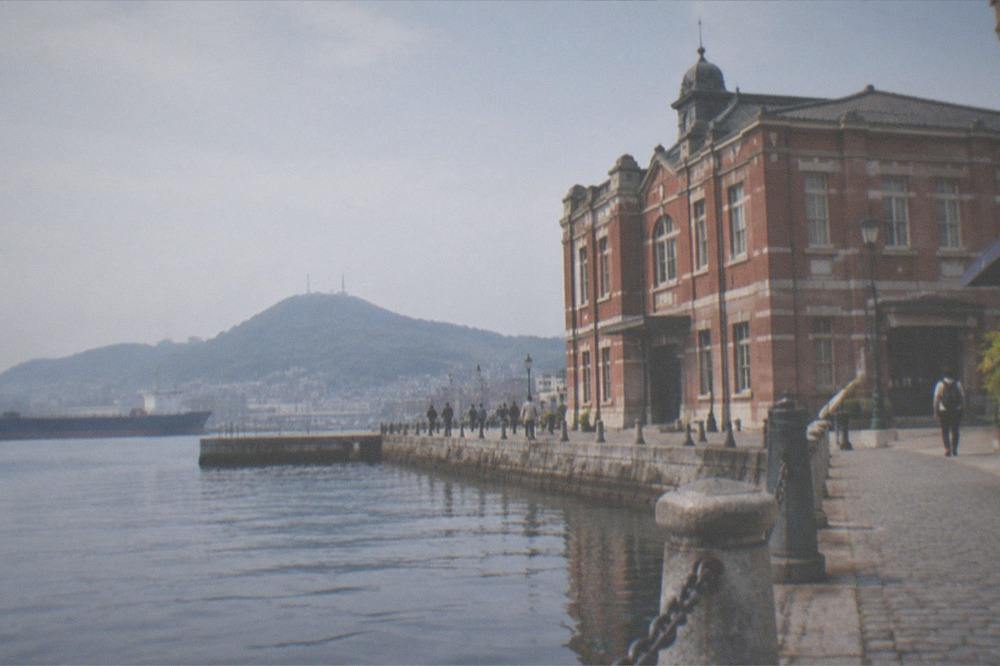
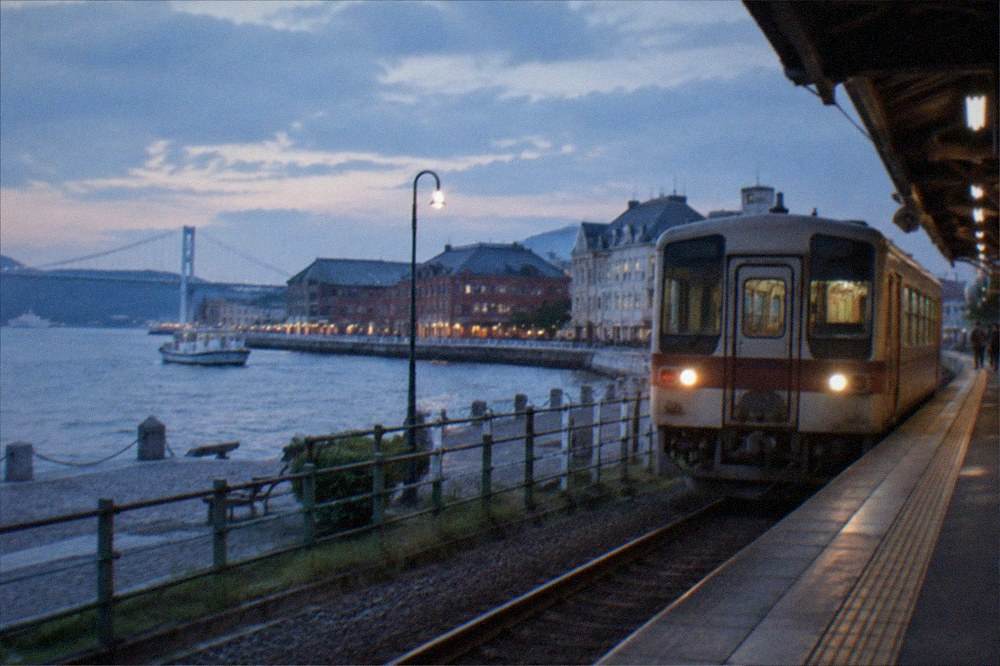
The district's anchor sights sit within a few hundred metres of the station: the old Kyushu Railway headquarters, a landmark brick building with a Renaissance style dome and turret, the former Osaka Shosen shipping office with its striped stone banding, the old Mojiko customs building, and the harbour promenade itself. Around them sit retro cafes, a banana museum shop that plays on the port's historic role in Japan's banana imports, and the Kyushu Railway History Museum beside the tracks. The station building itself is a preserved wooden structure from the early 20th century, one of the reasons rail enthusiasts make the trip.
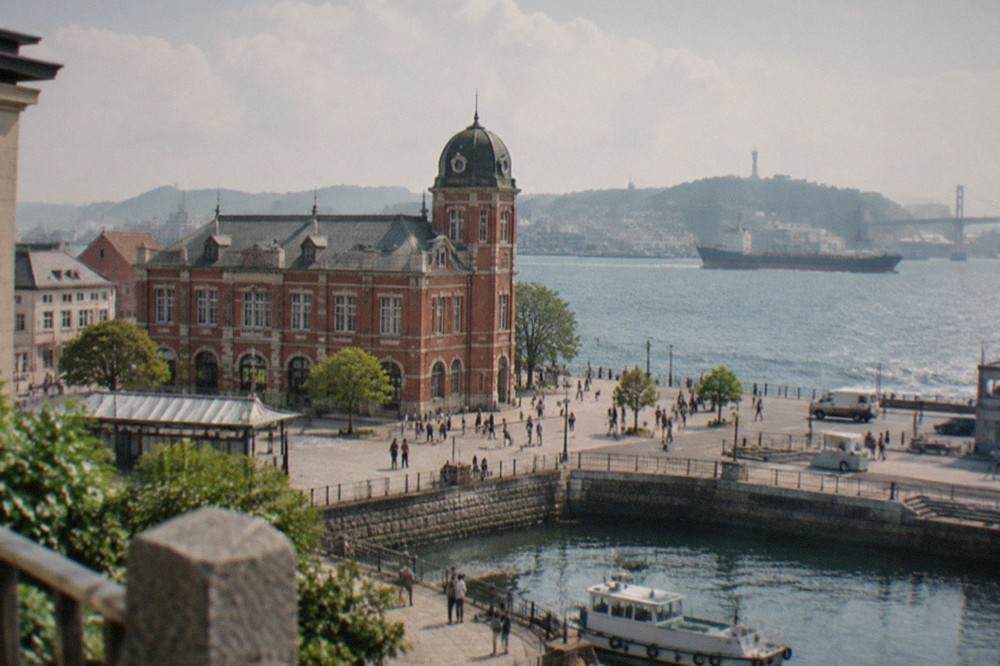
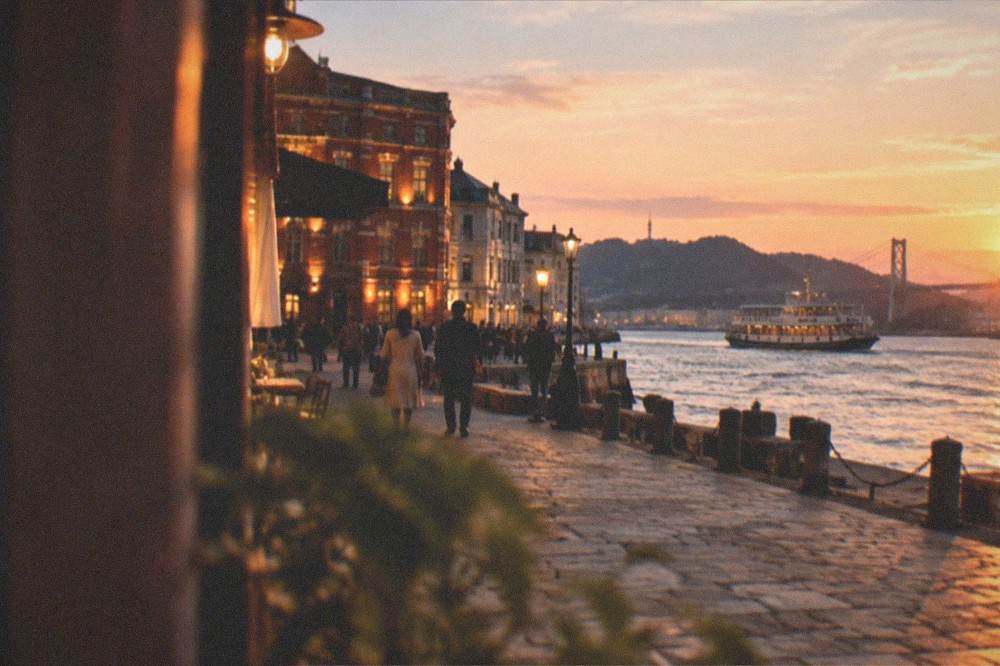
The view is half the reason to go. The Kanmon Strait is barely a kilometre wide at Mojiko, and the promenade looks directly across at Shimonoseki. You can watch the ferries, the fishing boats and the occasional large vessel work the channel while sitting on the sea wall. For visitors based in Fukuoka, where the waterfront is a bay rather than a strait, this is a genuinely different landscape, and it is the payoff for the hour of travel.
How Do You Get from Fukuoka to Mojiko?
The standard route is by rail from Hakata Station to Kokura, then a local JR train along the Kagoshima Line to Mojiko, with a total journey of roughly an hour to an hour and a half each way depending on connections. The fastest option uses the Shinkansen for the Hakata to Kokura leg, which is a short hop, while the cheapest option is a local train the whole way. There is no subway or Nishitetsu service to Kitakyushu, so this is a JR trip, and your IC card or a paper ticket covers it.
Two things are worth knowing before you buy. First, the Shinkansen between Hakata and Kokura runs on the Sanyo Shinkansen, which is JR West territory, so if you are travelling on a JR Kyushu rail pass, that leg is not covered and you should take the conventional line instead. Second, the Fukuoka Tourist City Pass, the ¥2,500 one-day pass sold to overseas tourists with a passport check, covers Fukuoka City transport and an optional Dazaifu extension, but it does not reach Kitakyushu, so it is no use for this trip. The official pass page lists exactly what is covered if you want to check other plans: the city's pass information page spells out the zones.
| Route | Trains | Rough character | Best for |
|---|---|---|---|
| Shinkansen + local | Hakata to Kokura by Shinkansen, then local JR to Mojiko | Fastest overall, small extra fare for the express leg | Tight schedules, day combined with Kokura |
| JR local the whole way | Direct or one-change conventional line service | Cheapest, no reserved seat, slower | Budget trips, IC card tap through |
| Highway bus | Fukuoka to Kitakyushu city centre, then local rail or bus to Mojiko | Longest door to door, least convenient for the port quarter | Only if rail is disrupted |
Once you arrive, everything is on foot. Mojiko Station exits directly into the historic quarter, and the far end of the district is a ten minute walk. If you are planning a wider north Kyushu circuit, the Kokura day trip guide covers the castle and riverside city that sits one stop before Mojiko, and pairing the two is a common and sensible combination covered later on this page.
Getting back is the same journey in reverse, with one caveat: local trains from Mojiko toward Kokura are not frequent in the late evening, so check the last connections before settling into a long dinner. A late finish in Kitakyushu is manageable, but only if you have looked at the timetable before the second drink, and the district's cafes are good enough to make you forget the clock entirely.
What Should You See in Mojiko Retro Town?
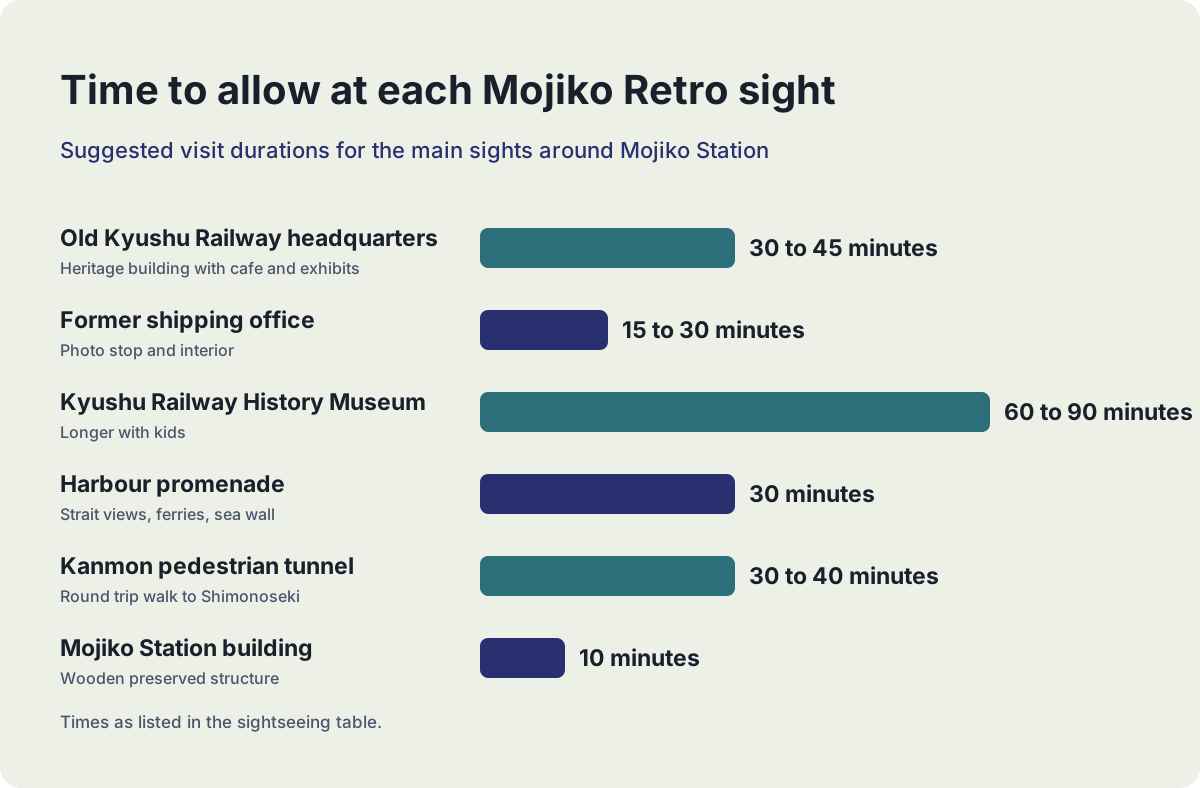
The core sights are the old Kyushu Railway headquarters building, the former shipping office, the old customs house, the Kyushu Railway History Museum, the harbour promenade and the Kanmon pedestrian tunnel, and together they fill a comfortable half day at museum pace or a brisk two hours if you only walk the streets. Nothing in the district requires a car, and the layout is a simple loop: station, main street, promenade, museum, back to station.
The old Kyushu Railway headquarters is the visual signature of the district. Built in the neo-Renaissance style with a domed corner tower, it now houses a cafe and exhibition spaces, and its interior stairwell is one of the most photographed spots in Kitakyushu. The former shipping office next to it, with its pale stone banding, is similarly repurposed. The old customs building completes the set of harbour-era landmarks along the water. Admission policies and opening hours for individual buildings vary, so check at the door rather than planning around a fixed schedule; the buildings also close for maintenance periods.
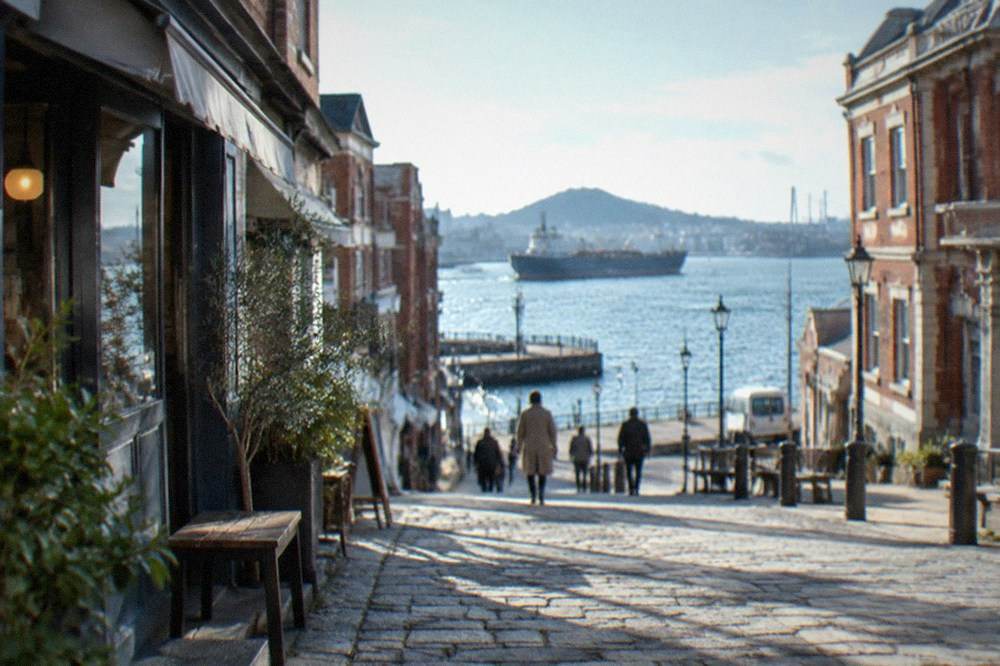
The Kyushu Railway History Museum sits beside the working tracks a few minutes from the station, and it is the one sight that regularly detains visitors longer than expected. Retired locomotives are displayed outside, including steam engines, and the exhibits trace the railway network that made the port possible. For travellers with children this is the anchor attraction, and alternating a museum with open-air walking is the pattern that keeps kids engaged across a long day.
The Kanmon pedestrian tunnel is the wildcard. It runs under the strait to Shimonoseki, takes roughly fifteen minutes to walk, and deposits you on the Honshu side. Walking from Kyushu to Honshu on foot is a novelty most visitors cannot resist, and the tunnel entrance is a short walk from the harbour. You do not need to cross to enjoy it, but if you do, factor in the return ferry or train.
If you would rather have someone else own the logistics for a day, a guided excursion is a different way to spend the same hours, and the Miyazaki and Takachiho gorge tour is the strongest full-day option in this roster for scenery. For the independent traveller, though, the table below is the planning spine of the district.
| Sight | Type | Time to allow | Notes |
|---|---|---|---|
| Old Kyushu Railway headquarters | Heritage building, cafe, exhibits | 30 to 45 minutes | The district's signature building |
| Former shipping office | Heritage building | 15 to 30 minutes | Photo stop and interior |
| Kyushu Railway History Museum | Museum | 60 to 90 minutes | Locomotives outside, longer with kids |
| Harbour promenade | Walk | 30 minutes | Strait views, ferries, sea wall |
| Kanmon pedestrian tunnel | Walk to Shimonoseki | 30 to 40 minutes round trip | Crosses under the strait |
| Mojiko Station building | Heritage station | 10 minutes | Wooden preserved structure |
If the weather turns, the district holds up better than most outdoor destinations because the museums and cafes carry the day. The same logic shapes our Fukuoka rainy day itinerary for the city itself: brick interiors and covered museums beat a wet promenade.
Where Should You Eat on a Mojiko Day Trip?
Mojiko's food identity is built on its harbour history: the district is known for its baked curry, a Mojiko specialty served in a hollowed loaf, for its retro cafes inside the heritage buildings, and for the grilled seafood stalls near the ferry terminal, and most visitors eat within a five minute walk of the station. The banana soft serve, tied to the port's role in Japan's early banana trade, is the standard between-meetings snack.
The retro cafe scene deserves its own paragraph. Several of the heritage buildings operate as coffee shops with period interiors, thick puddings on the menu and slow service that is part of the point. These cafes are the reason many visitors describe Mojiko as a place to linger rather than a place to sightsee, and they are at their best in mid afternoon when the day trippers thin out. The main street also holds a cluster of curry restaurants, each serving the local baked version, and the rivalry between them is a running local joke.
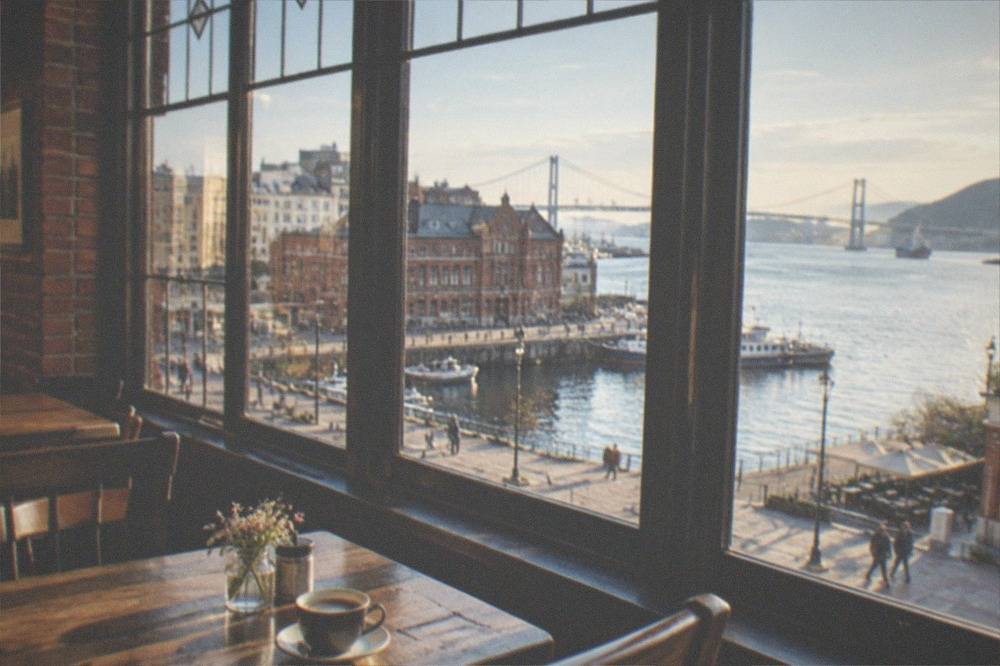
For dinner or a late lunch with a view, the harbour side restaurants face the strait, and the evening ferry lights across the water are the district's quiet highlight. If you are comparing this with eating in Fukuoka itself, be honest about the trade: the city's yatai stalls, about 100 of them under a city ordinance that requires every stall to post its prices openly, are a stronger food experience than anything in Mojiko, and our Fukuoka yatai guide covers them in full. Eat well in Mojiko, but save your best appetite for home.
| Food | What it is | Where to find it |
|---|---|---|
| Baked curry | Curry baked inside a hollowed bread loaf, the local signature | Main street curry restaurants |
| Banana soft serve | Ice cream tied to the port's banana import history | Banana museum shop and street stalls |
| Retro cafe set | Coffee and pudding in period interiors | Heritage buildings along the main street |
| Grilled seafood | Harbour-side stalls near the ferry terminal | Waterfront |
| Strait-view dinner | Evening meals facing the Kanmon ferry lights | Harbour-side restaurants |
Should You Combine Mojiko with Kokura?
Yes, and for most travellers it is the right call: Kokura sits on the main line between Hakata and Mojiko, its castle and riverside shopping district need two to three hours, and splitting the day between Kokura in the morning and Mojiko in the afternoon produces the strongest single-day version of this trip. Doing Mojiko alone is perfectly viable if you prefer a slow day, but the geography makes the combination almost frictionless.
The practical shape of a combined day is simple. Leave Hakata in the morning, stop at Kokura, walk the castle and its park, have lunch near the station, then continue one stop up the line to Mojiko for the afternoon and the evening light on the strait. Return from Mojiko directly. The only real decision is direction: in summer, doing Mojiko in the morning and Kokura in the shade of the afternoon works better, because the harbour promenade has little cover.
| Plan | Time in Mojiko | Time elsewhere | Suits |
|---|---|---|---|
| Mojiko only | Full day, slow pace | None | Slow travellers, cafe lingerers, families with small kids |
| Kokura + Mojiko | Afternoon, 3 to 4 hours | Morning in Kokura | Most first-time visitors |
| Mojiko + Shimonoseki walk | Morning in Mojiko | Tunnel crossing and Honshu side | Novelty seekers, border-to-border walkers |
| Mojiko + Kitakyushu sights | Half day | Kokura, Hiraodai or Kawachi direction | Drivers, two-day north Kyushu trips |
If you have a car or two days, the wider region rewards the extra time. The ceramics route covered in the Arita and Imari day trip guide sits within reach of Kitakyushu, and the Yanagawa day trip makes a contrasting southern companion. But on a single day trip from Fukuoka, Kokura plus Mojiko is the version to build.
When Is the Best Time to Visit Mojiko?
The best conditions are spring and autumn: late March to April for cherry blossoms in the castle parks and comfortable walking temperatures, and mid to late November into early December for autumn colour, while summer days are hot and exposed on the promenade and winter is cold but clear with the best visibility across the strait. Because the district is mostly outdoors, the season matters more here than for a museum-based day trip.
The climate data for Fukuoka, an hour to the south, gives a fair proxy for the coast. Summer afternoons average above 31 degrees Celsius in July and August, and the harbour quarter has little shade between the buildings and the sea wall. July is also the region's wettest month, which surprises visitors who assume the June rainy season is the peak: the Japan Meteorological Agency's 1991 to 2020 normals for Fukuoka record 299.1 mm of rain in July against 249.6 mm in June. Typhoon season runs roughly July through October, and while it rarely disrupts a planned trip, it is the one period worth checking forecasts for. Autumn is the sweet spot: October and November are dry, mild and bright, and the ginkgo colour along the streets photographs beautifully against the brick.
| Season | Conditions | Verdict for Mojiko |
|---|---|---|
| Late March to April | Mild, cherry blossoms in nearby parks | Excellent, busiest on weekends |
| May to June | Warm, June the tsuyu rainy season | Good, carry an umbrella |
| July to August | Hot, humid, July the wettest month | Do mornings, expect evening light |
| September | Warm, typhoon season active | Good between systems |
| October to mid November | Dry, mild, clear skies | The best window |
| Late November to December | Cold, autumn colour, clear strait views | Excellent, dress warmly |
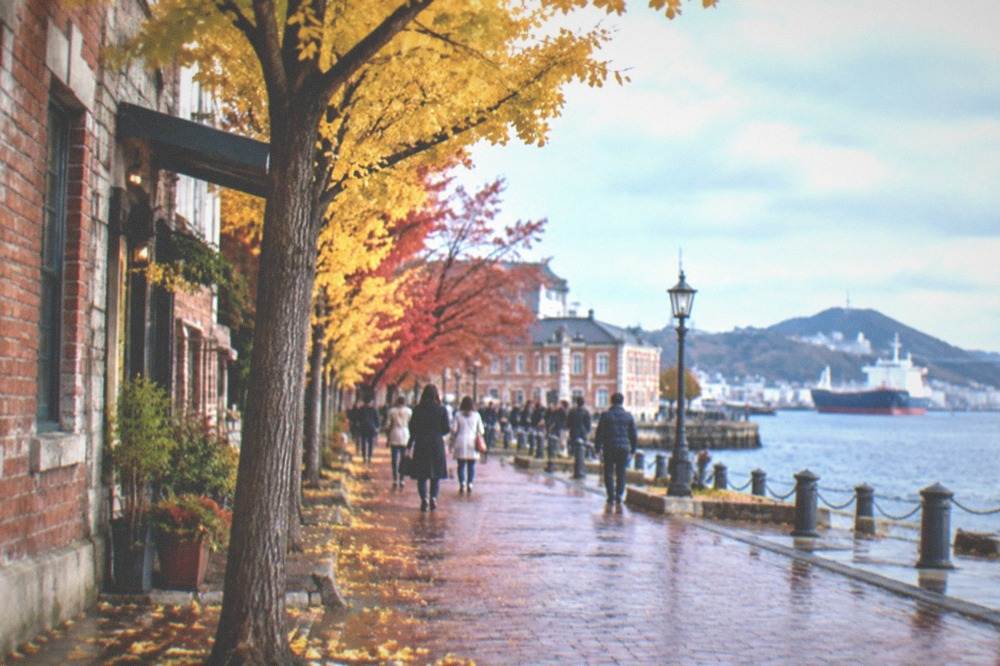
Winter deserves a better reputation than it gets. The air is cold and the wind off the strait is real, but visibility is at its best, the cafes are warm, and the district is at its quietest. The same logic applies to the city itself, and a cold clear day in Kitakyushu often beats a humid one in August for photographs of the brickwork.
What Does a Mojiko Day Trip Cost?
A Mojiko day trip is one of the cheaper full-day outings from Fukuoka because the district itself charges nothing to walk: the realistic budget is the return rail fare plus whatever you spend in cafes, museums and shops, with most travellers spending modestly unless they commit to every paid interior. The variable costs are the museum entries, the retro cafe stops and the tunnel or ferry crossing, all of which are optional.
Be careful with pass arithmetic. The Fukuoka Tourist City Pass, at ¥2,500 for the city version and ¥2,800 with Dazaifu, requires a passport check at the counter and is restricted to overseas tourists on short-stay visas, and it does not cover travel to Kitakyushu, so it cannot be part of this budget. Within Fukuoka itself the subway one-day pass is ¥640 for adults and covers all three lines from first to last train, per the official fare pages: the subway's English fare guide has the zone table. For the Mojiko trip, though, you are on JR, so budget a standard return fare and check the current fare at the ticket machine.
| Cost item | Nature | Planning note |
|---|---|---|
| Return rail fare, Hakata to Mojiko | Fixed by JR fare table | Check at the machine or route app |
| Museum entries | Optional, per venue | Vary by venue, check at the door |
| Retro cafe stop | Optional | The classic Mojiko spend |
| Kanmon tunnel crossing | Small fee, optional | Payable at the tunnel entrance |
| Ferry to Shimonoseki | Optional | Alternative to the tunnel |
Compared with the guided options, the independent trip is cheaper but you carry the planning. A full-day guided excursion from Fukuoka into Kyushu, such as the Miyazaki and Takachiho gorge day tour, runs from $94 per person with a 4.6 rating from 78 reviews on the operator's live listing, and it trades your rail fare for a guide, transport and a fixed itinerary. Whether that trade suits you depends on how much of the day you want to own.
How Does Mojiko Compare with Other Fukuoka Day Trips?
Mojiko suits travellers who want architecture, history and a walkable small district over scenery or shopping: it beats Dazaifu for harbour atmosphere and grown-up pacing, loses to Itoshima for coastline and nature, and sits in the middle on cost and travel time, roughly an hour each way like most of the good northern options. It is the only day trip from Fukuoka that puts you on a strait looking at another of Japan's main islands.
The honest comparison is with Dazaifu, the shrine town that is Fukuoka's default day trip. Dazaifu has the stronger single attraction and the easier transit connection, but it is crowded and its pleasures are concentrated around one approach street. Mojiko spreads its appeal across a whole quarter, keeps visitors longer, and photographs better in the evening. Families with young children often prefer Dazaifu's simplicity; couples and photographers usually prefer Mojiko.
Against the nature options, the comparison flips. The Itoshima day trip delivers beaches, capes and cafe scenery that Mojiko cannot match, and the Beppu day trip and Yufuin day trip pair hot spring culture with mountain landscapes. What those lack is the heritage streetscape and the border-strait novelty. If your trip already includes coastal or onsen days, Mojiko is the right contrast; if your trip is all cities, choose the coast instead.
What Would a Sensible Mojiko Itinerary Look Like?
A sensible day leaves Hakata mid morning, arrives in Mojiko before noon, walks the heritage loop and has lunch in the district, gives the railway museum the mid afternoon, finishes with the promenade and an early dinner facing the strait, and returns to Fukuoka by early evening, all inside a relaxed ten hour day door to door. It is a half-day of walking stretched comfortably across a full day, which is exactly what the district is built for.
The morning is the flexible part. If you are combining with Kokura, leave earlier and split the morning there. If Mojiko is the whole trip, a later start is fine because the district does not need the full day, and the afternoon light on the brick is better than the morning light anyway. The one hard scheduling rule is the return: check the last comfortable connection rather than the last connection, because a missed evening train in Kitakyushu turns a relaxed day into a long one.
| Time | Activity | Notes |
|---|---|---|
| Mid morning | Depart Hakata Station | Shinkansen or local to Kokura |
| Around noon | Arrive Mojiko, walk the heritage loop | Station, main street, customs building |
| Early afternoon | Lunch in the district | Baked curry or a retro cafe |
| Mid afternoon | Kyushu Railway History Museum | The longest indoor stop |
| Late afternoon | Promenade, tunnel walk or shopping | Evening light on the strait |
| Early evening | Dinner facing the water, then return | Check connections before ordering |
For travellers fitting Mojiko into a longer Fukuoka stay, the three day Fukuoka itinerary template usually gives it the third day, after the city itself and Dazaifu. If you are working with a single day in the city, follow the one day Fukuoka itinerary instead and save Mojiko for a return trip.
Common Questions About a Mojiko Retro Day Trip
What Is Mojiko Retro And Why Do Visitors Go?
Mojiko Retro is the preserved Meiji era port quarter of Kitakyushu, on the Kanmon Strait. Visitors go for its concentration of western style heritage buildings, the Kyushu Railway History Museum, the waterfront promenade and the view across the strait to Shimonoseki, all walkable in a compact area beside Mojiko Station.
How do I get from Fukuoka to Mojiko?
Take a train from Hakata Station to Kokura, then a local JR train one stop further to Mojiko. The Shinkansen covers the Hakata to Kokura leg fastest; a conventional line train is cheaper. The total journey is roughly an hour to an hour and a half each way.
How much time do I need in Mojiko?
The district itself can be walked in about two hours, but most visitors spend half a day once museum visits, a retro cafe stop and the promenade are included. A full day is only necessary if you add Kokura or walk the Kanmon tunnel to Shimonoseki.
Is Mojiko good for families with children?
Yes, mainly because of the Kyushu Railway History Museum, whose outdoor locomotive displays hold children's attention far longer than the heritage buildings do. The district is flat, compact and stroller friendly, with ice cream and snack stalls throughout.
Can you walk from Mojiko to Shimonoseki?
Yes. A pedestrian tunnel runs under the Kanmon Strait and takes roughly fifteen minutes to walk, crossing from Kyushu to Honshu. There is a small fee at the entrance, and ferries also cross the strait if you would rather ride.
What is the best season for a Mojiko day trip?
Spring and autumn. Late March to April brings blossom to the nearby parks, and mid to late November into early December brings autumn colour and the clearest views across the strait. Summer is hot and exposed, and July is statistically the wettest month of the year in the region.