Yufuin Day Trip
Yufuin sits in a mountain valley in Oita Prefecture, close enough to Fukuoka that a day trip is genuinely practical, and different enough from the city that the journey feels like a proper escape. This guide sets out what a one-day visit can realistically cover, how to get there, and when a guided tour beats going alone.
Short answer
Yes, a day trip to Yufuin from Fukuoka works well. The town is compact, walkable and built around a single main street, so a full day covers the core sights, a hot spring soak and lunch. The trade-off is travel time on both ends, which is why many visitors pair Yufuin with Beppu on a guided day tour.
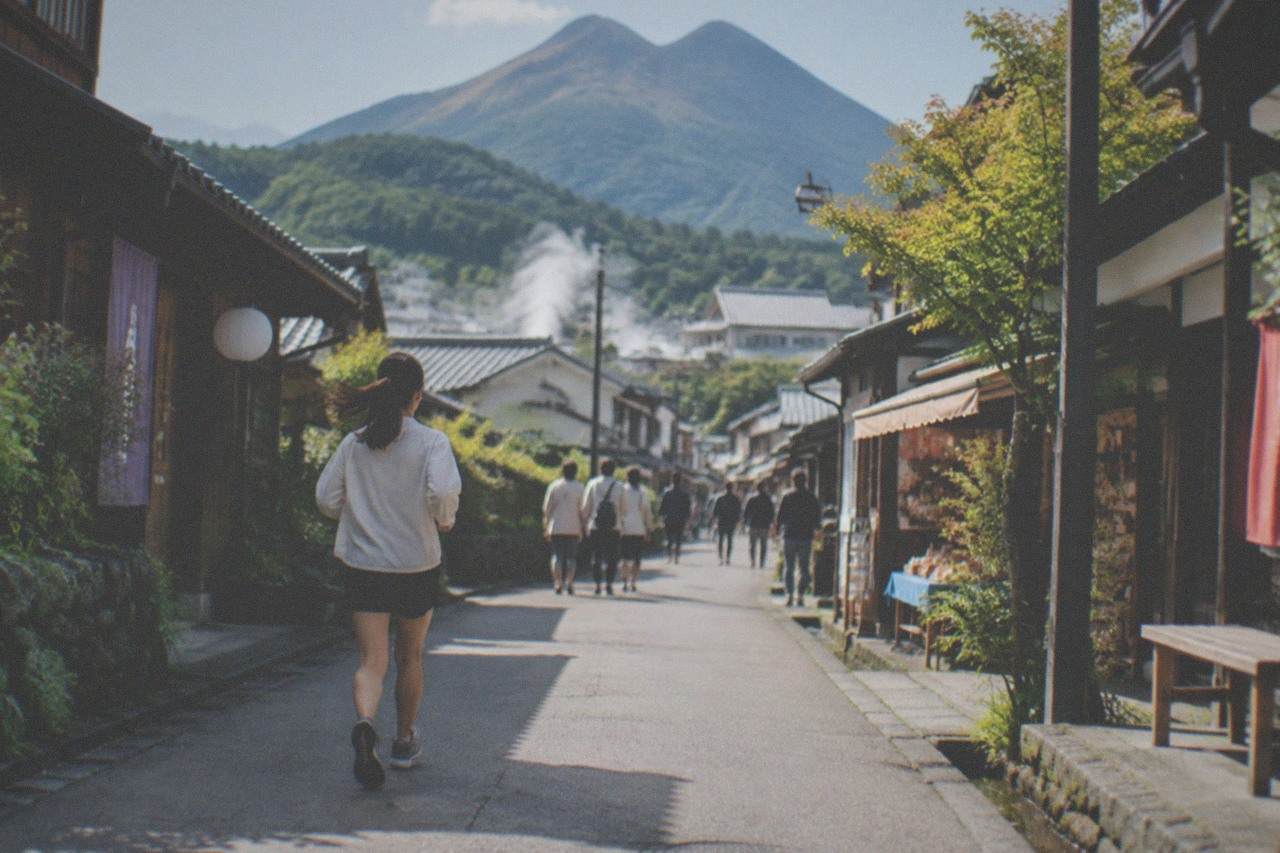
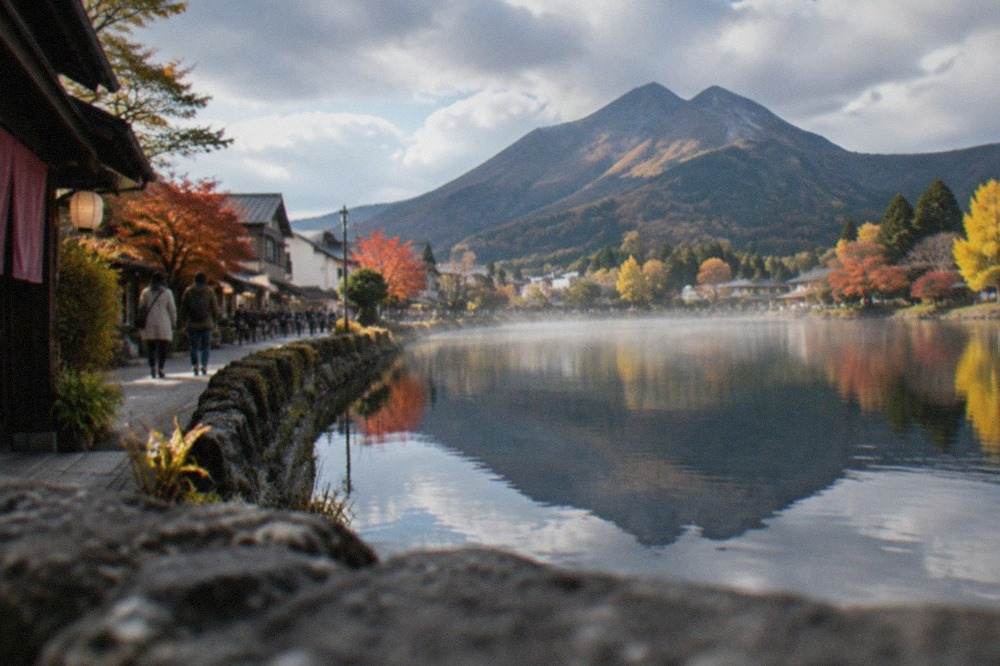
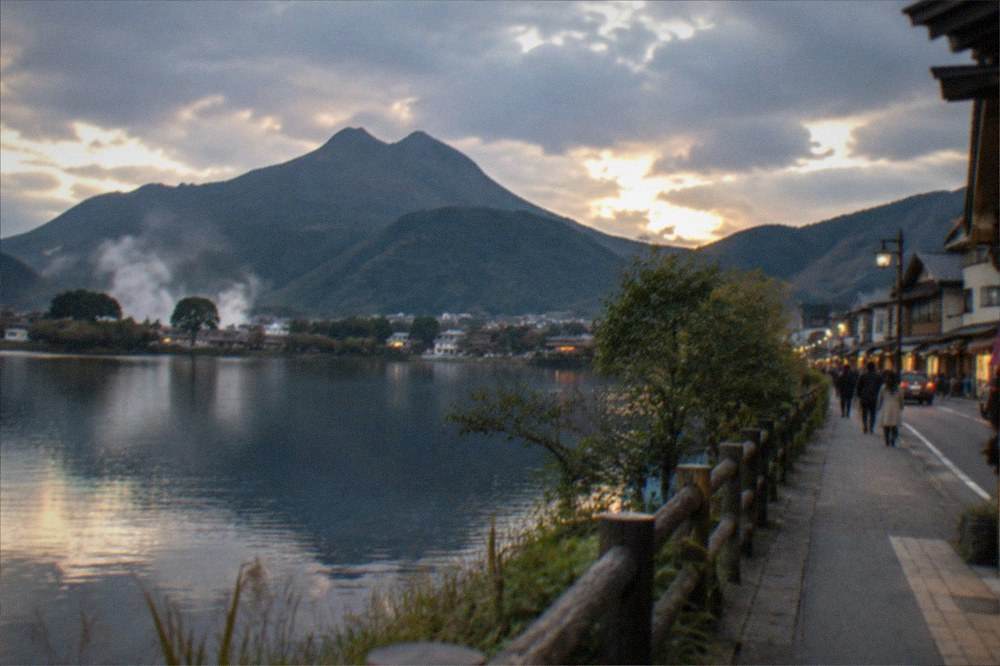
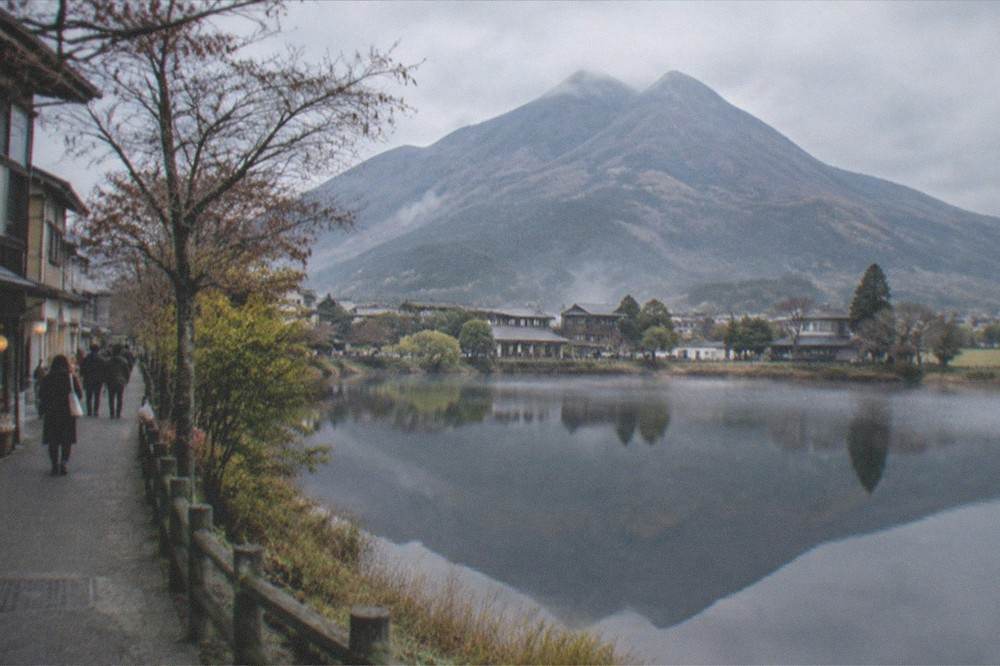
Yufuin is a small onsen town in a valley inland from Beppu, and it has become one of the most popular day trips out of Fukuoka for a simple reason: it delivers a hot spring resort, rural scenery and a stroll-able main street in a package that fits inside a single day. The town sits at the foot of Mount Yufu, and on clear mornings the reflection of the mountain in Kinrin Lake is the photograph most visitors come home with.
This page is part of the wider Fukuoka Japan Travel Guide coverage of the city and its surroundings, and it answers the question most first-time visitors actually ask: can you do Yufuin justice without staying overnight? The honest answer is yes, with caveats about travel time that this guide sets out plainly.
Is Yufuin Worth Going to from Fukuoka for Just a Day?
Yes, Yufuin is worth a day trip from Fukuoka, provided you accept that the day is part travel. The town itself is small, its main attractions sit within a short walk of each other, and the experience is atmospheric rather than activity-dense, so a day is enough to see it properly. Visitors who want long soaks, multiple baths and an unhurried dinner should stay the night instead.
The case for the day trip is arithmetic. Yufuin's core area runs along one street from the bus and rail station down to Kinrin Lake, and everything a first-time visitor wants sits on or near that street. You do not need two days to see it. You need a clear morning, comfortable shoes and a plan for lunch, because the popular restaurants queue from midday.
The case against is the same arithmetic viewed from the other end. The journey each way consumes a meaningful slice of daylight, so a day trip compresses Yufuin into its busiest hours, roughly late morning to mid afternoon, exactly when the tour buses from Fukuoka arrive. Stay overnight and you get the town after the crowds thin, which is when Yufuin is at its best. For a fuller discussion of whether the city itself justifies your time, see is Fukuoka worth visiting.
A useful framing: a day trip gives you Yufuin the destination, while an overnight gives you Yufuin the onsen town. If a hot spring soak is the point of going, one long daytime bath at a ryokan that admits day visitors still delivers the essential experience. If you want to bathe at dusk, eat slowly and walk the empty street at night, no day trip will do that.
How Do You Get from Fukuoka to Yufuin?
You have three realistic options: the JR limited express train from Hakata Station, a highway bus, or a guided day tour that departs from Fukuoka. The train is the fastest and the tour is the least effort, while the bus is the cheapest and the slowest. All three start from the Hakata side of the city, so where you stay in Fukuoka barely changes the plan.
One point worth settling first, because competing guides get it wrong constantly: Hakata and Fukuoka are the same city. Hakata is the ward and the station name, Fukuoka is the city, and there is no such thing as JR Fukuoka Station. Every long-distance train and bus to Yufuin leaves from Hakata Station. If you are staying near Tenjin instead, you simply ride the subway or a bus to Hakata first; the subway fare from the airport side into Hakata is ¥260, within the official 3 to 7 km fare band on the city subway fare table.
The train is the option most visitors choose. JR Kyushu runs limited express services from Hakata toward Oita and Beppu that serve Yufuin, including the well-known Yufuin no Mori resort train, which appears by name in several tours on this site's roster because it is part of the experience rather than just the transport. Seats on the resort train, especially the green-car style salon cars, sell out well ahead of weekends and holidays, so if riding it matters to you, reserve early. Fares and schedules live on the JR Kyushu official site; check current prices there rather than trusting a figure printed in a guide, because base fares and pass prices have been revised in recent years.
| Option | Starts from | Best for | Trade-off |
|---|---|---|---|
| JR limited express | Hakata Station | Speed and the Yufuin no Mori experience | Reserve ahead; resort train seats are scarce |
| Highway bus | Hakata Bus Terminal | Budget travel | Slowest option of the three |
| Guided day tour | Central Fukuoka pickup points | Zero planning, fixed timing | You follow the tour's schedule, not your own |
The third option deserves more attention than it usually gets. A guided tour converts the day from a logistics exercise into a seat on a bus, and on this route the good ones bundle Yufuin with something you could not easily reach alone, such as the Beppu Hells or Dazaifu. For an overview of every option radiating out of the city, the day trips from Fukuoka guide lists them all.
The trio above is a fair cross-section of how people actually do this day: a coach tour that bundles the Beppu Hells with Yufuin, a tour built around the Yufuin no Mori train with Dazaifu on the way home, and a fully private day with a licensed guide if you would rather someone else absorb the timetable. The private option runs from $160 per person and carries a 4.9 rating from 71 reviews, which is a substantial pool for a private guide product.
What Makes Yufuin Different from Beppu?
Yufuin and Beppu are neighbours in Oita Prefecture but opposite in character: Beppu is a working hot spring city famous for spectacular, steam-blasted vents and public bathhouses, while Yufuin is a compact resort village built around scenery, boutiques and quiet baths. Choosing between them is a matter of mood, and a guided tour can cover both in one day.
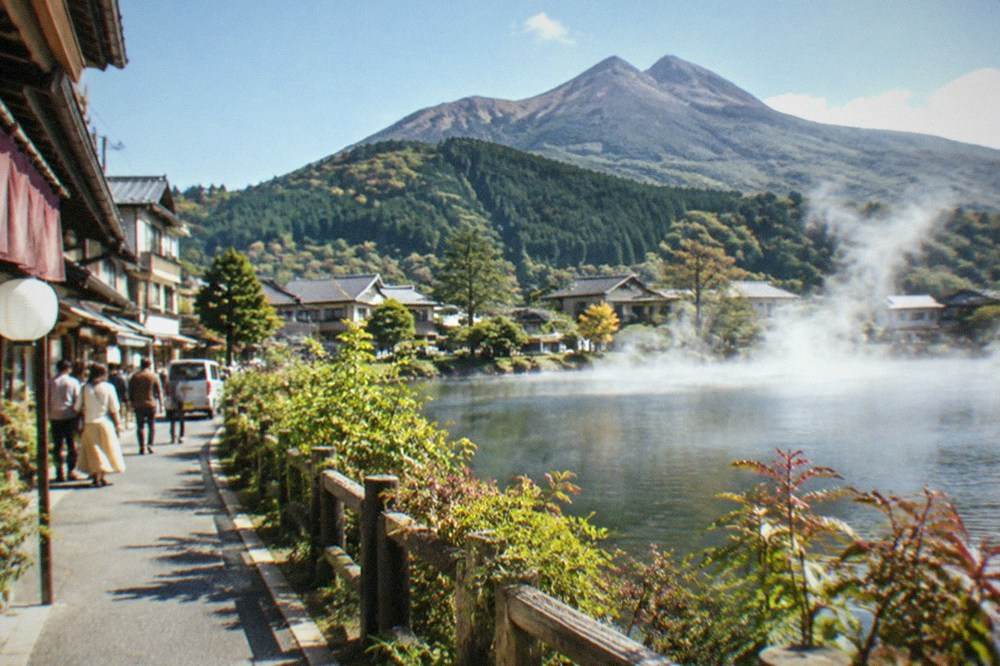
Beppu's headline attractions are the jigoku, the "hells": multi-coloured hot ponds, a geyser and a crocodile pond that exist to be looked at, not bathed in. Yufuin's headline is Kinrin Lake, a lake fed by a hot spring where steam lifts off the surface on cold mornings, surrounded by a street of small shops, cafes and ryokan. Beppu is louder, bigger and denser; Yufuin is the postcard.
Because they are close together, the two are often sold as a combined day, and that combination is one of the most popular products on this site's roster. The Beppu day trip guide covers Beppu on its own terms if you would rather spend the whole day there; the honest comparison is that Beppu rewards a full day, while Yufuin rewards a half day done well.
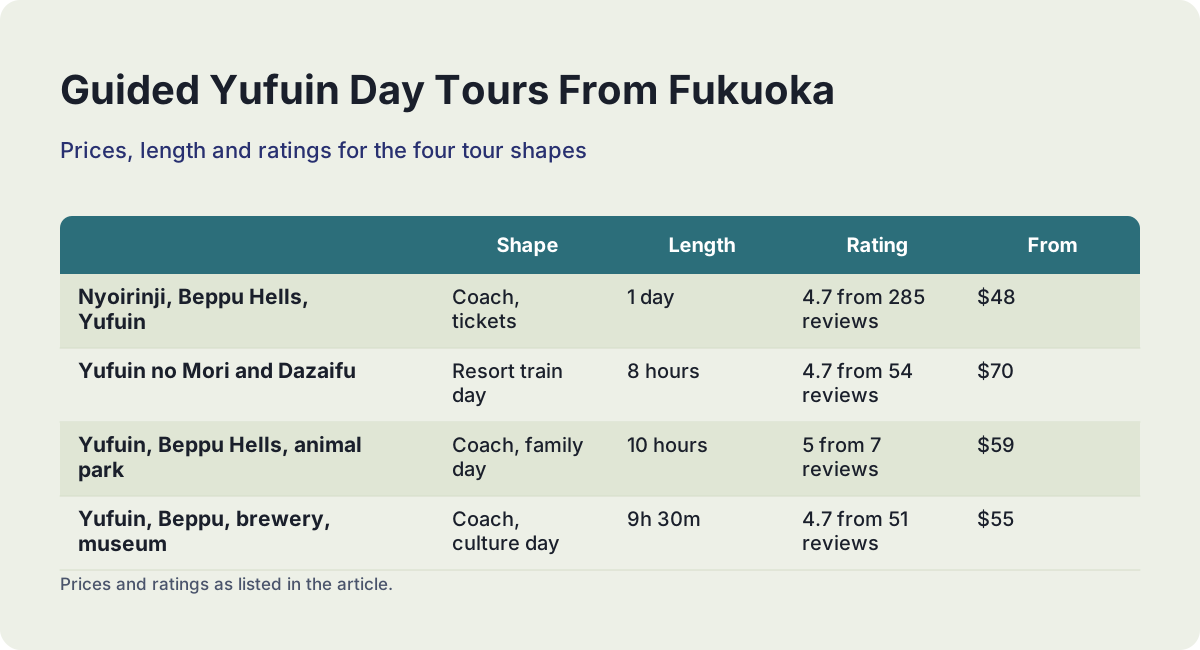
The tour in that box is the roster's clearest example of the combined day: it runs a full day, includes admission tickets to the Beppu Hells, adds a stop at Nyoirinji, the frog temple, and finishes in Yufuin. It is rated 4.7 from 285 reviews and starts from $48 per person, which makes it one of the cheaper full-day products out of Fukuoka. If you would rather build the day yourself, the sections below cover what to do with your hours in town.
What Does a Day in Yufuin Actually Look Like?
A sensible day walks one line: arrive in the morning, stroll the main street from the station toward Kinrin Lake, take a hot spring bath at a ryokan that admits day guests, eat a late lunch away from the peak queue, and leave mid to late afternoon. Doing it in that order puts you ahead of the tour crowds at the lake and behind them at lunch.
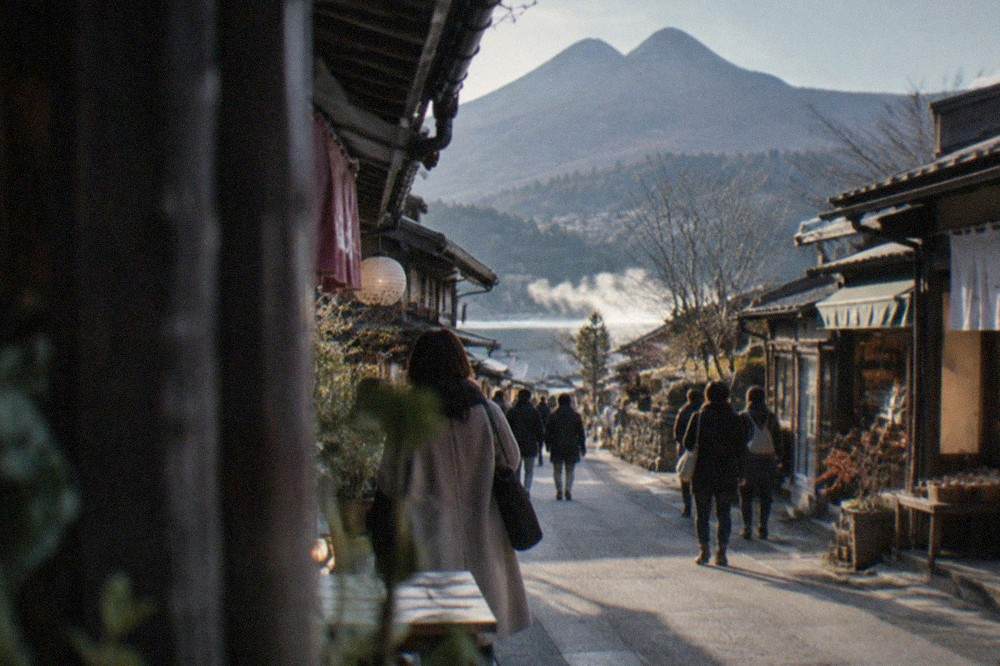
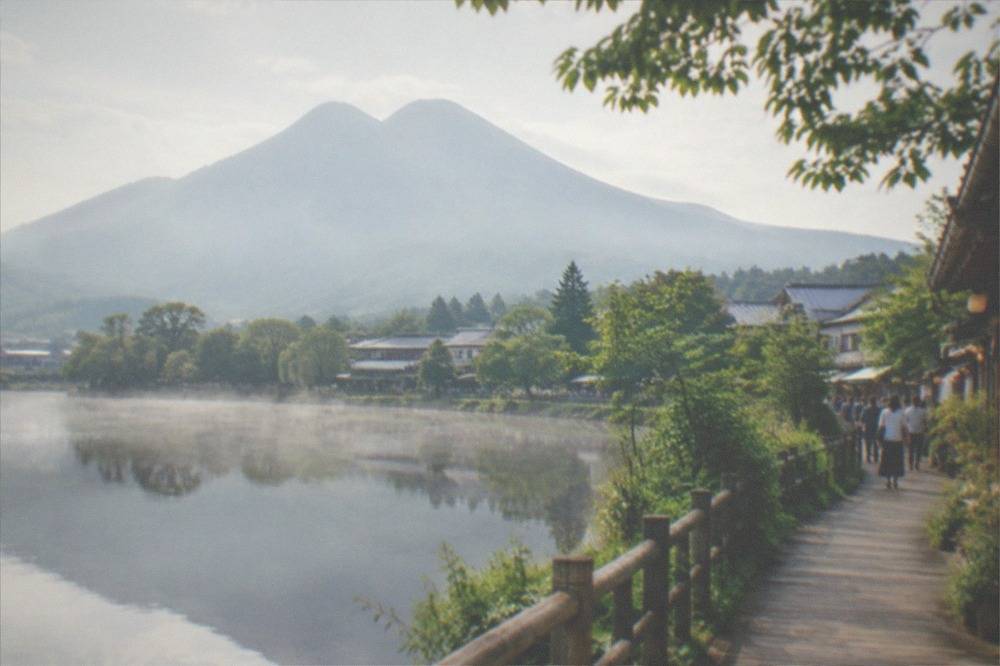
Kinrin Lake is the anchor. The walk from the station area to the lake runs down the main street, Yunotsubo Kaido, which is lined with shops selling everything from yuzu products to freshly made croquettes. The lake itself is small, and the loop around it takes minutes rather than hours, but the steam on the water in cold weather is the town's signature sight. On a clear day Mount Yufu sits above the valley behind it.
The bath is the other half of the day. Several ryokan in Yufuin open their baths to day visitors for a fee, typically in the afternoon, and this is the experience a day trip can genuinely deliver: a soak in a valley onsen with the mountains through the window. Fees and hours vary by property and season, so confirm at the ryokan or the visitor information counter when you arrive rather than planning around a number read online.
| Time of day | Where | What you do | Why this order |
|---|---|---|---|
| Morning | Station to Kinrin Lake | Walk the main street, see the lake | You arrive before the midday tour wave |
| Midday | Off-street restaurant | Late lunch | Eating at 13:30 or later beats the 12:00 queue |
| Early afternoon | A ryokan bath | Day-guest hot spring soak | Baths open to visitors in the afternoon |
| Late afternoon | Station area | Coffee, souvenirs, return leg | Leaves daylight for the journey back |
One warning that applies to any Yufuin plan: the town's popularity is concentrated into a narrow strip, and on weekends and Japanese public holidays that strip is genuinely crowded. A weekday visit, or an arrival timed for early morning, changes the character of the day completely. If your Fukuoka dates are flexible, the 3-day Fukuoka itinerary shows where a Yufuin day fits best in a wider plan.
What Do Guided Yufuin Tours Include?
Guided Yufuin tours from Fukuoka fall into three shapes: coach tours that bundle Yufuin with the Beppu Hells, train-based tours built around the Yufuin no Mori limited express, and private tours where the day is yours. Prices on this roster run from $48 to $160 per person, and the differences are mostly about transport, inclusions and how much free time you get in Yufuin itself.
The coach-and-hells shape is the most common. It suits visitors who want maximum coverage from one day: the Hells are a spectacle, Nyoirinji adds a quirky temple stop, and Yufuin provides the scenic finish. The trade-off is time in Yufuin, which on a multi-stop day is measured in a couple of hours rather than a full afternoon.
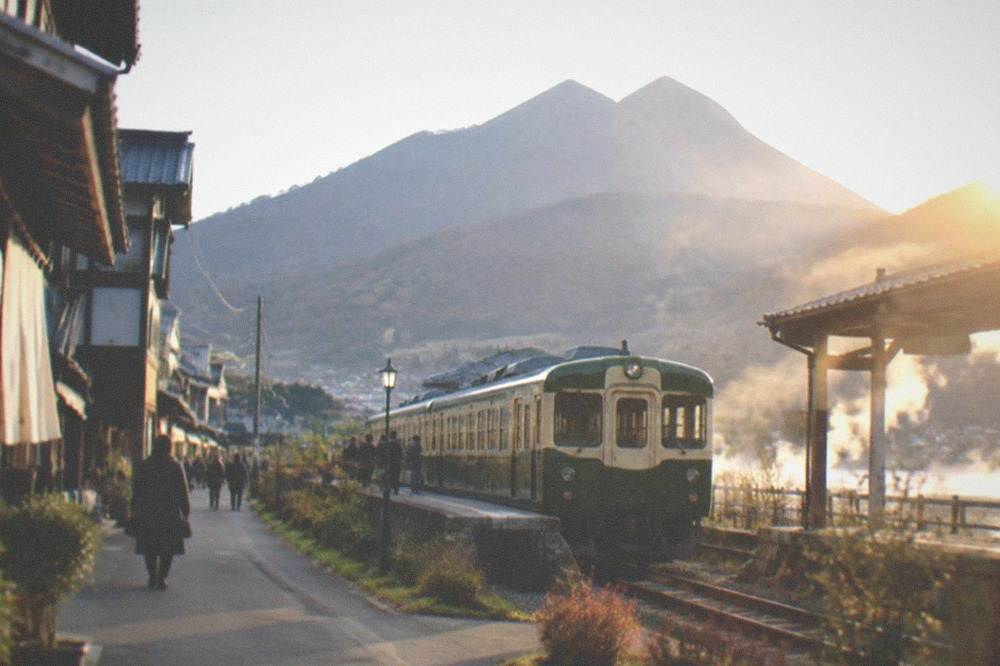
The train-based shape is the one to pick if the journey is part of the point. The Yufuin no Mori is a dedicated resort train with wood-panelled interiors and an observation car, and riding it is an experience in itself. The roster's version pairs it with Dazaifu on the return leg, runs about 8 hours, and is rated 4.7 from 54 reviews from $70 per person. It is a gentler, more scenic day than the coach tours, and Dazaifu Tenmangu, one of Japan's most visited shrines, costs nothing to enter.
The animal-park variant is worth knowing about for families. One tour on the roster combines Yufuin with the Beppu Hells and an animal park in a 10-hour day, rated 5 from 7 reviews and starting at $59 per person. Seven reviews is a small pool, so treat that rating as an early signal rather than an established verdict, but the shape of the day, hot springs plus animals, works well with children.
The culture variant swaps animals for a brewery and an art museum. This one runs Yufuin and Beppu with a Sapporo brewery visit and the Art of Tea museum, about 9 and a half hours, rated 4.7 from 51 reviews from $55 per person. It has its own page on this site if you want the full breakdown of the stops.
| Tour | Shape | Length | Rating | From |
|---|---|---|---|---|
| Nyoirinji, Beppu Hells, Yufuin | Coach, tickets included | 1 day | 4.7 from 285 reviews | $48 |
| Yufuin no Mori and Dazaifu | Resort train day | 8 hours | 4.7 from 54 reviews | $70 |
| Yufuin, Beppu Hells, animal park | Coach, family day | 10 hours | 5 from 7 reviews | $59 |
| Yufuin, Beppu, brewery, museum | Coach, culture day | 9h 30m | 4.7 from 51 reviews | $55 |
When Should You Make the Trip?
The best months for a Yufuin day trip are spring and autumn: the valley is green and mild from April, and the autumn colour peaks in November, when the lake and the mountain backdrop are at their most photogenic. Winter brings atmospheric steam and cold, clear mornings. Summer is the weakest option, hot, humid and prone to heavy rain, though the baths are pleasant year-round.
The climate data for the region backs this up. Fukuoka's own Japan Meteorological Agency normals show the pattern clearly: July is the wettest month of the year at 299.1 mm, wetter even than June's 249.6 mm, which surprises visitors who assume the rainy season is the peak. August is hotter still, with a daily mean of 28.4 degrees Celsius. Typhoon season runs roughly July through October, and a mountain valley day trip is exactly the kind of plan worth keeping flexible in those months.
| Season | Fukuoka conditions (JMA normals) | What it means for Yufuin |
|---|---|---|
| Spring | April mean 15.4 C, 118.2 mm rain | Mild, green valley, comfortable walking |
| Summer | July 27.4 C and 299.1 mm, August 28.4 C | Hot, humid, wettest months; keep plans flexible |
| Autumn | October 19.6 C, November 14.2 C | Peak colour, best photography, cool evenings |
| Winter | January mean 6.9 C, low rain | Cold, clear mornings, dramatic steam on the lake |
Winter deserves a special mention because it photographs best. Cold air meeting the hot spring water at Kinrin Lake produces thick morning steam, and the daily minimum in January sits around 3.9 degrees Celsius, cold enough for the effect without making the walk unpleasant. If you are planning a wider Kyushu circuit in the cooler months, the Kumamoto day trip and the Nagasaki day trip both combine well with a Yufuin day on a multi-day route.
Yufuin Day Trip: The Verdict
Go, and go with the right expectations. Yufuin rewards a day trip that arrives early, walks one street well, takes one bath and eats one good lunch, and it disappoints visitors who expect a full day of varied sightseeing, because the town is deliberately small. Pair it with Beppu if you want spectacle, ride the Yufuin no Mori if the journey matters, and stay overnight only if a slow onsen evening is the real goal.
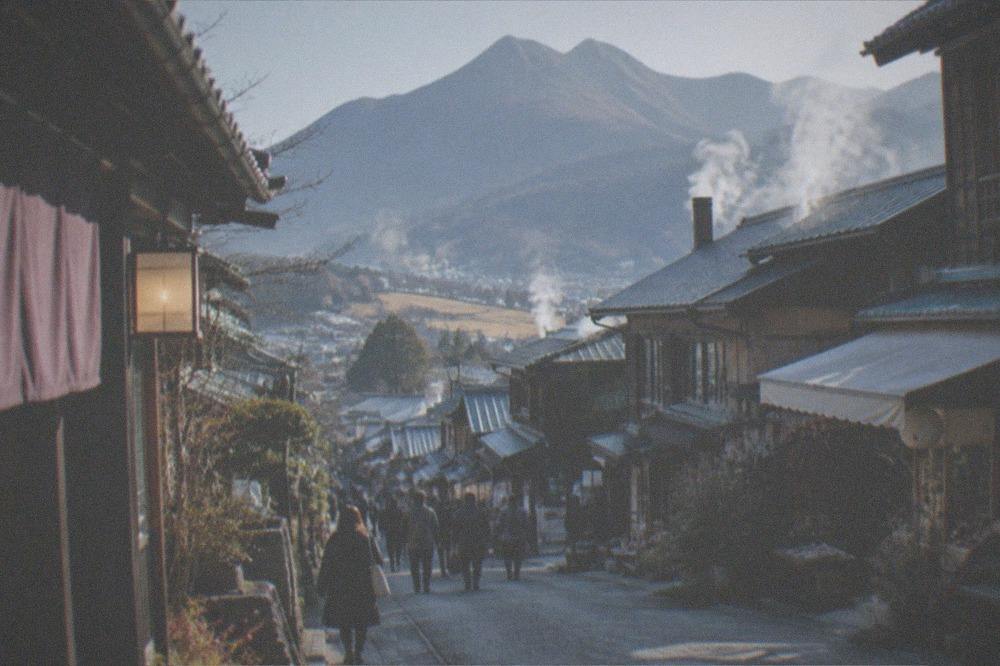
The failure mode is treating Yufuin as a checklist. It has no castle, no great museum and no single must-see monument; its product is the valley, the steam and the pace. Visitors who fight that, racing between stops, come back lukewarm. Visitors who accept it come back planning a second trip with an overnight stay.
For most travellers on a Fukuoka trip of three days or more, the guided combination day is the sweet spot: the transport is handled, the Beppu Hells add the spectacle Yufuin lacks, and the cost from $48 per person is modest against the train fares and admission fees you would otherwise arrange yourself. For a first visit to the region, that is the version this site would point most people toward.
Common Questions About a Yufuin Day Trip from Fukuoka
Is Yufuin Worth Going To From Fukuoka For Just A Day?
Yes. The town is compact enough that a day covers its main street, Kinrin Lake, a hot spring bath and a relaxed lunch. The compromise is travel time on both ends and a visit limited to the busiest midday hours, so travellers who want evening baths and a slow dinner should stay overnight instead.
How do you get from Fukuoka to Yufuin?
Take a JR limited express train from Hakata Station, a highway bus from the Hakata Bus Terminal, or a guided day tour from central Fukuoka. The train is fastest, the bus is cheapest, and the tour removes the planning entirely. There is no JR Fukuoka Station; all long-distance services leave from Hakata.
What is the difference between Yufuin and Beppu?
Beppu is a large hot spring city known for the spectacular "hell" vents you view rather than bathe in, while Yufuin is a small resort village built around Kinrin Lake, boutiques and quiet baths. They are close enough that several guided tours from Fukuoka combine both in a single day.
Can you bathe in a hot spring in Yufuin on a day trip?
Yes. A number of Yufuin ryokan open their baths to day visitors for a fee, usually in the afternoon. Fees and hours vary by property and season, so confirm on arrival at the ryokan or the visitor information counter rather than relying on a figure from a guide.
When is the best time of year for a Yufuin day trip?
Spring and autumn. April onwards is mild and green, and November brings autumn colour across the valley. Winter offers cold, clear mornings with dramatic steam on Kinrin Lake. Summer is hot and wet, with July the wettest month in the region's climate record, so keep summer plans flexible.
Is the Yufuin no Mori train worth it?
For many visitors, yes, the journey is part of the day. It is a dedicated resort train with wood interiors and an observation car, and its seats, especially the popular salon cars, sell out ahead of weekends and holidays, so reserve early if riding it matters to your plan.