Kitakyushu Day Trip
Kitakyushu sits at the northern tip of Kyushu, roughly an hour from Hakata by train, and it packs a castle town, a retro harbour district and a straits crossing into one easy day out.
Short answer
Kitakyushu is the city at the mouth of the Kanmon Straits, reached from Hakata Station by Shinkansen or conventional JR lines to Kokura in well under an hour of travel. A day trip covers Kokura Castle and its garden, the Mojiko Retro district by the water, and, if your legs allow, a walk through the pedestrian tunnel under the straits to Honshu.
Fukuoka sits on Hakata Bay, but the city does not end where the Genkai Sea narrows. Follow the coastline east for about 60 km and you reach Kitakyushu, a merged city of a million people that guards the Kanmon Straits, the pinch point between Kyushu and Honshu. This is where Kokura's castle town, a Meiji-era harbour district and Japan's most dramatic bridge cluster together, and the whole spread sits close enough to Hakata that a day trip costs you nothing but a train ticket and a full battery on your phone.
Most visitors arrive at Kokura Station, hop across to the castle, then ride the local JR line one stop further to Mojiko, and that shape works. It is a city you can taste in a day. The sections below cover the trains, the stops, the food and the timing, and a couple of routes beyond the straits if a single day is not enough for you.
How Do You Get to Kitakyushu from Fukuoka?
You leave from Hakata Station, not from a station called Fukuoka, because no JR Fukuoka Station exists. Hakata is the ward and the station name inside the city of Fukuoka, and it is the departure point for both the Shinkansen and the conventional JR lines that run east along the coast toward Kokura. The Shinkansen covers the distance fastest; the conventional lines cost less and run frequently; there is no subway connection because Kitakyushu is a separate city in a separate prefecture.
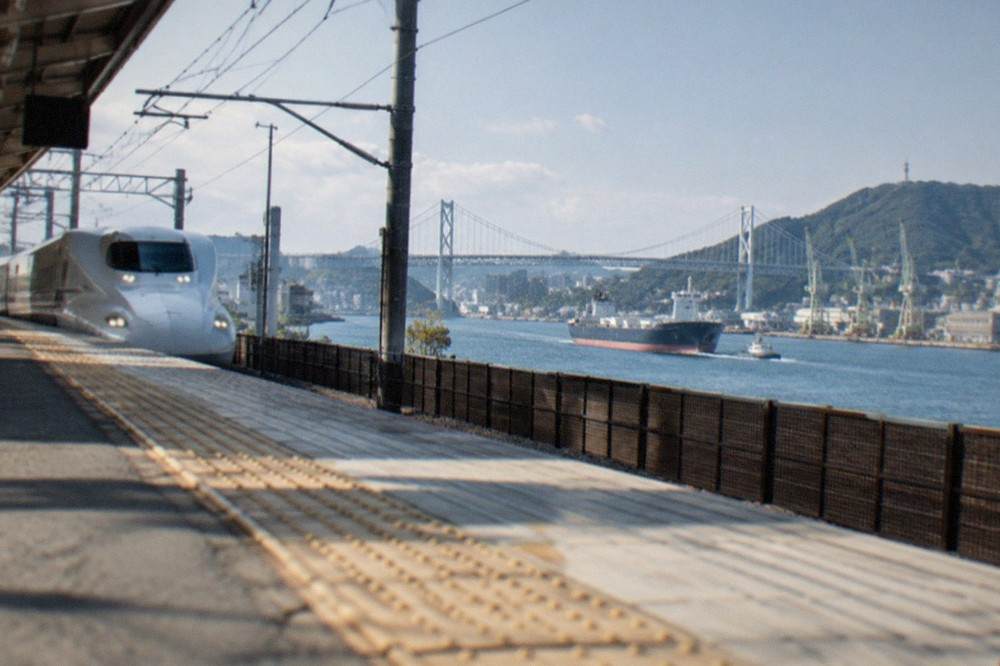
Two rail families connect the two cities. The Sanyo Shinkansen runs the short hop from Hakata to Kokura and is operated by JR West, which matters if you are holding a JR Kyushu pass: that pass does not cover the Shinkansen between Hakata and Kokura, a detail that surprises a lot of travellers who assume a Kyushu pass covers a Kyushu route. The official pass page spells out exactly which lines it does cover, so check it before you buy: the JR Kyushu Rail Pass coverage page. Conventional JR lines also run from Hakata toward Kokura on the slower, cheaper coastal routing, and they accept the same IC cards you would tap anywhere in Fukuoka.
A few practical notes make the day smoother. Kokura Station is the natural base for everything on this page, and it is a major interchange, so you never need to backtrack west. If you are flying out the same week, the airport angle is worth one sentence: Fukuoka Airport sits unusually close to the city centre, and the subway fare from the airport into Hakata is ¥260, a figure derivable from the official distance-band fare table published by the subway operator at the Fukuoka City Subway fare page. Ride the Kuko line to Hakata, change there, and you are already standing in the station you need for Kitakyushu.
Here is how the options stack up. Fares for the coastal run are distance-based and set by the operator, so check the live fare display at the ticket machine rather than a guide's number, including this one.
| Route | Line | Operator | Notes |
|---|---|---|---|
| Hakata to Kokura, fastest | Sanyo Shinkansen | JR West | Not covered by JR Kyushu Rail Pass; IC cards cannot be used, buy a ticket |
| Hakata to Kokura, cheaper | Conventional JR lines along the coast | JR Kyushu | IC cards such as SUGOCA and Suica accepted |
| Within Kitakyushu | Local JR lines and Nishitetsu buses | JR Kyushu and Nishitetsu | Kokura to Mojiko is a short local hop |
| No subway | None | None | Kitakyushu is a separate city; Fukuoka's subway ends in Fukuoka |
If you are still shaping the wider trip, our day trips from Fukuoka overview lists every destination on this site in one place, and a three day Fukuoka itinerary shows how a Kitakyushu day slots into a longer stay.
What Makes Kitakyushu Worth the Train Ride?
Kitakyushu is really five old towns stitched into one city, and the two that matter to a visitor, Kokura and Mojiko, sit only a few minutes apart by local train. Kokura gives you a reconstructed castle, a lively shopping core and the best access point in Kyushu for crossing to Honshu. Mojiko gives you a preserved harbour district of red-brick warehouses, Meiji-era customs houses and one of the most photographed waterfronts in western Japan. Together they justify the trip on their own.
Kokura was a castle town first, and the castle still defines the centre. The keep is a post-war reconstruction rather than an original survivor, which is honest and worth knowing before you climb it, but the grounds, the moat and the surrounding park are genuinely pleasant, and the Karakuri museum and garden next door round out an easy morning. The town also carries a literary quirk: the novelist Ryunosuke Akutagawa lived here as a child, and the city has not forgotten it.
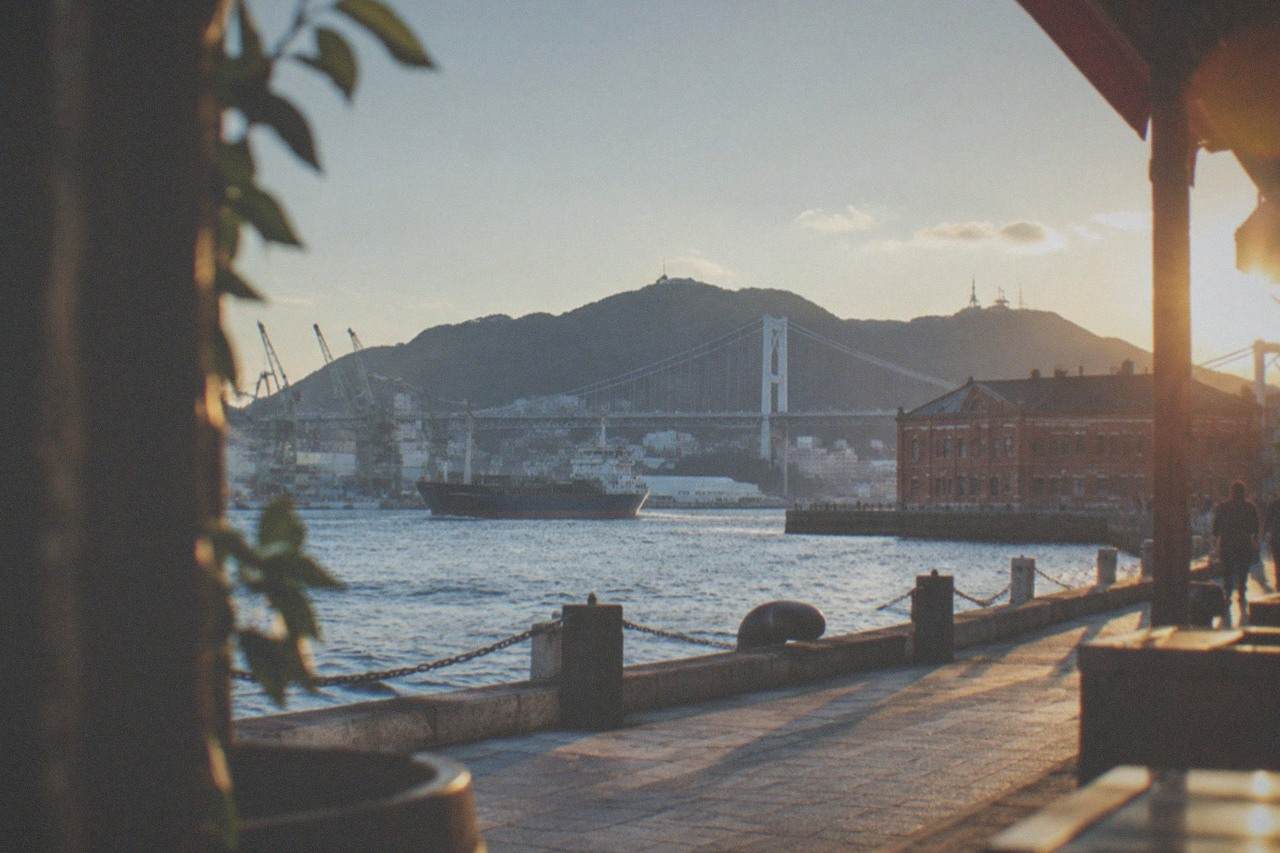
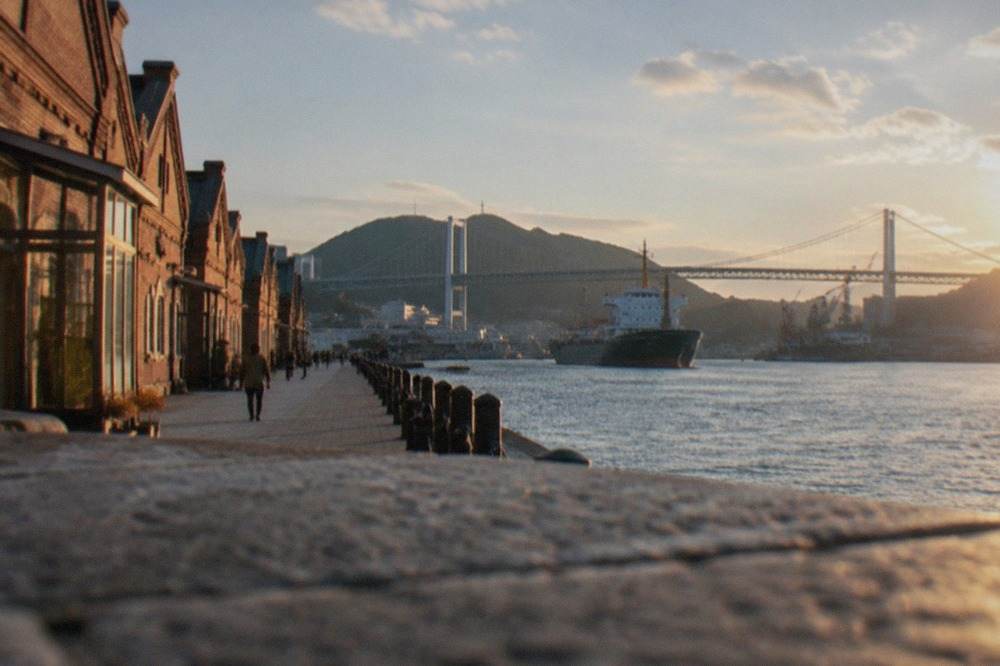
Mojiko is the emotional payoff. When the port was designated a special trading port in the Meiji era, the district filled with customs houses, shipping offices and warehouses in red brick and white stone, and rather than demolish them the city preserved a whole block. Walking the harbour now, you pass the Old Moji Customs Building, the former Osaka Shosen shipping office and the Mitsui Club, and the whole sweep faces the straits with Honshu's Shimonoseki directly across the water. At dusk the opposite shoreline lights up, and it is one of the best free views in Kyushu.
If you are comparing candidates for your one big day out of Fukuoka, this trio covers the spread: the fixed-route classics, a fully private licensed-guide day, and a train-led culture day toward Yufuin and Dazaifu.
Between the two anchors there is plenty else. The Kanmon Straits pedestrian tunnel lets you literally walk from Kyushu to Honshu under the sea, the Kyushu Railway History Museum sits a short walk from Mojiko Station for anyone travelling with children, and the Kawachi Wisteria Garden in the interior hills draws a very specific springtime crowd, which we cover further down. The point is that Kitakyushu is not one sight with travel on either side. It is a compact set of experiences within a short local-train radius of each other.
What Can You See in Kokura in Half a Day?
Realistically, half a day in Kokura covers the castle keep, the castle garden and the museum quarter beside it, plus lunch somewhere in the shopping streets between the castle and the station. Walking distance holds the whole plan together: Kokura Station to the castle is a flat walk of roughly 15 minutes, the garden sits inside the castle park, and everything else on the list orbits the same block. Anyone arriving mid-morning can finish the castle cluster by early afternoon and still make Mojiko before the light goes golden.
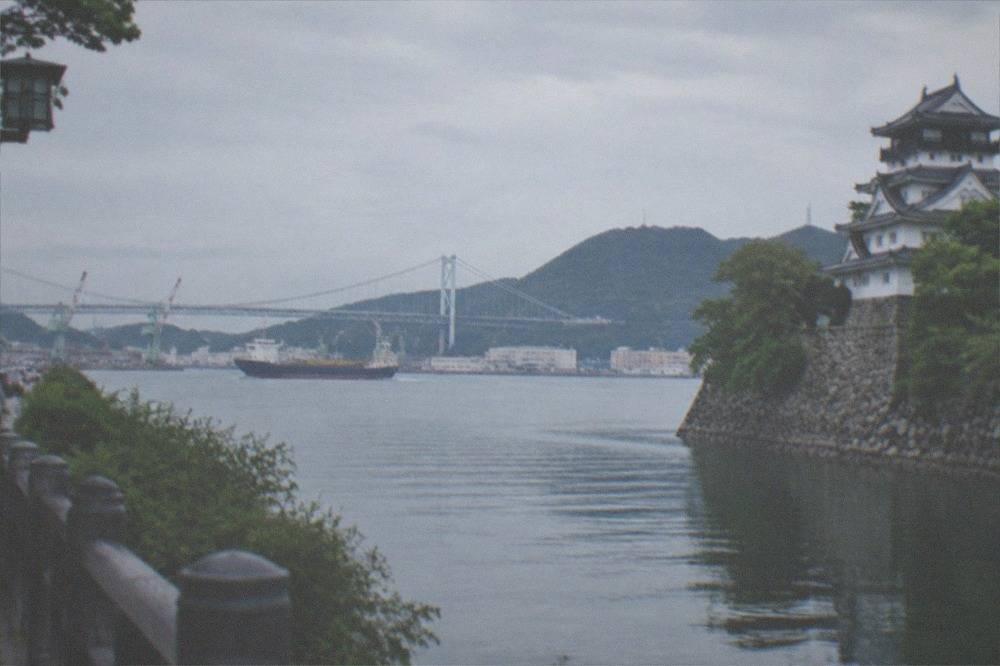
The castle park is the anchor. The keep is a modern reconstruction, and purists sometimes shrug at that, but the climb still pays: the top-floor view runs over the moat and the city toward the straits, and the interior displays explain the Kokura domain and the castle's odd history as the seat of the Mori and Ogasawara clans. The grounds are free to wander, and the keep itself charges admission at the gate.
Next door, the Kokura Castle Garden is a modern-built but well-crafted stroll garden in the daimyo style, with a teahouse where matcha is served in the proper manner, tatami, paper doors and a view of the pond. It pairs naturally with the keep, and a slow loop with tea in the middle is a solid hour and a half.
The shopping arcades south of the station do the rest. Kokura's covered streets are genuinely local rather than tourist-built, which means the food is aimed at office workers and shopkeepers, and prices read accordingly. This is where you should eat before heading to Mojiko, and the section on food below names the dishes worth ordering.
Why Is Mojiko the Highlight of a Kitakyushu Day Trip?
Mojiko is the best-preserved Meiji and Taisho-era harbour district in Kyushu, and possibly in western Japan outside of the famous candidates. A local train from Kokura takes one or two stops, the station exits directly into the retro zone, and everything worth seeing stands within a flat ten-minute walk of the ticket gates. The Old Moji Customs Building, the former Osaka Shosen office and the Mitsui Club form the core, and the whole district faces the water, so every second street ends at a harbour view.
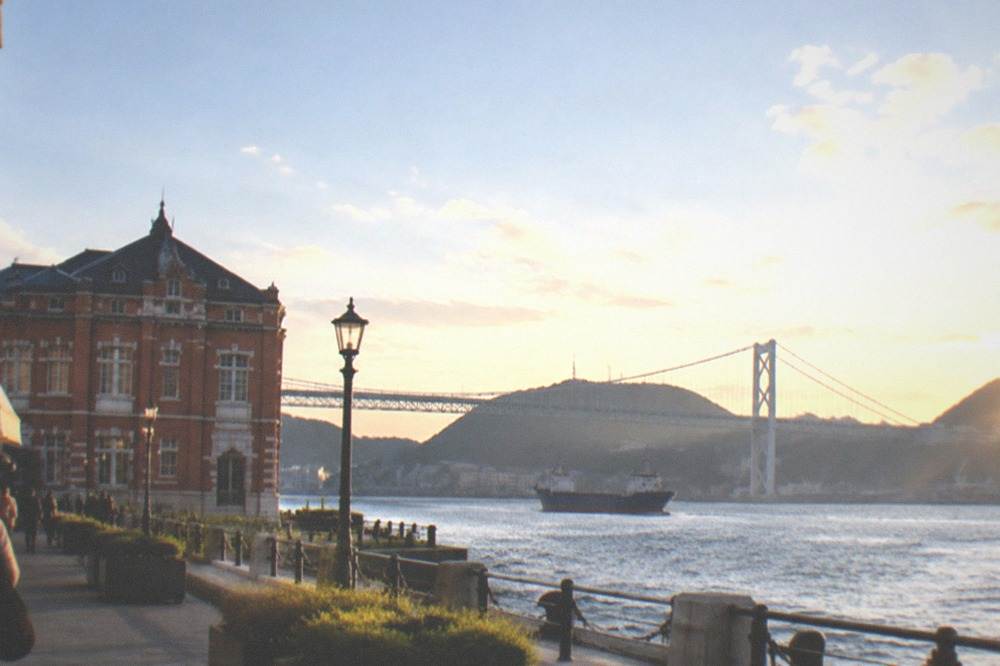
The customs building is the signature stop. Built as the local customs office during the port's trading heyday, it now operates as a heritage building with the original interior partly open, and the red brick with white stone banding is the image most people leave with. The former Osaka Shosen building, with its striped grey and white walls, sits nearby, and the Mitsui Club, where the imperial family once stayed, rounds out the set. The district is small enough to see thoroughly and dense enough that you will not feel short-changed.
The Retro Line, a heritage streetcar, connects Mojiko with the inland area on a scenic slope route, and it is the one attraction in the district that behaves like a ride rather than a building. Children tend to love it, and adults tolerate it well. The Kyushu Railway History Museum, also walkable from the station, parks retired locomotives under a canopy and adds a decent hour for families.
Food anchors the visit too. Mojiko is proud of a local bakery tradition, the "yaki curry" served across the district in a gratin style, and the banana ice cream sold as a homage to the Shimonoseki banana trade that once ran through this port. None of it is haute, all of it is fun, and the waterfront terraces let you eat it facing Honshu.
A short walk east of the station brings you to the Mekari parking area and the best land-based view of the Kanmon Bridge, which is the next section's subject entirely.
Can You Walk Across the Kanmon Straits?
Yes, and it is one of the strangest and most satisfying walks in Japan. The Kanmon Pedestrian Tunnel runs under the straits from Mojiko to Shimonoseki on the Honshu side, with elevators at both entrances and a flat, ventilated tube between them. The walk takes most people well under half an hour, and the exit puts you in Shimonoseki's Karato area, famous for its fish market and fugu restaurants. Bring your passport if you care about a certificate stamp at the far end; check current opening details before you go.
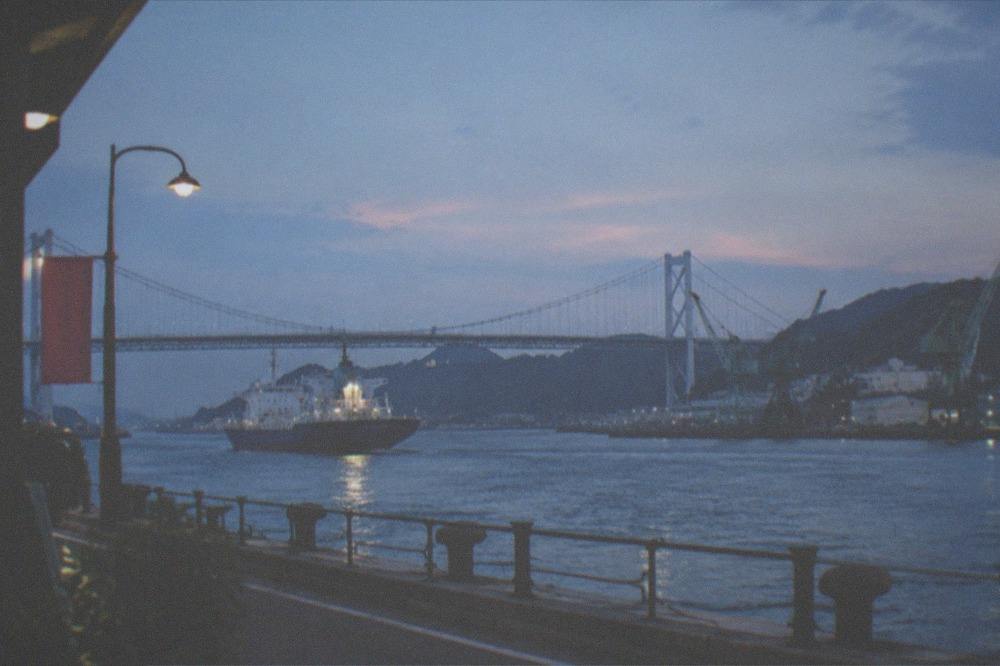
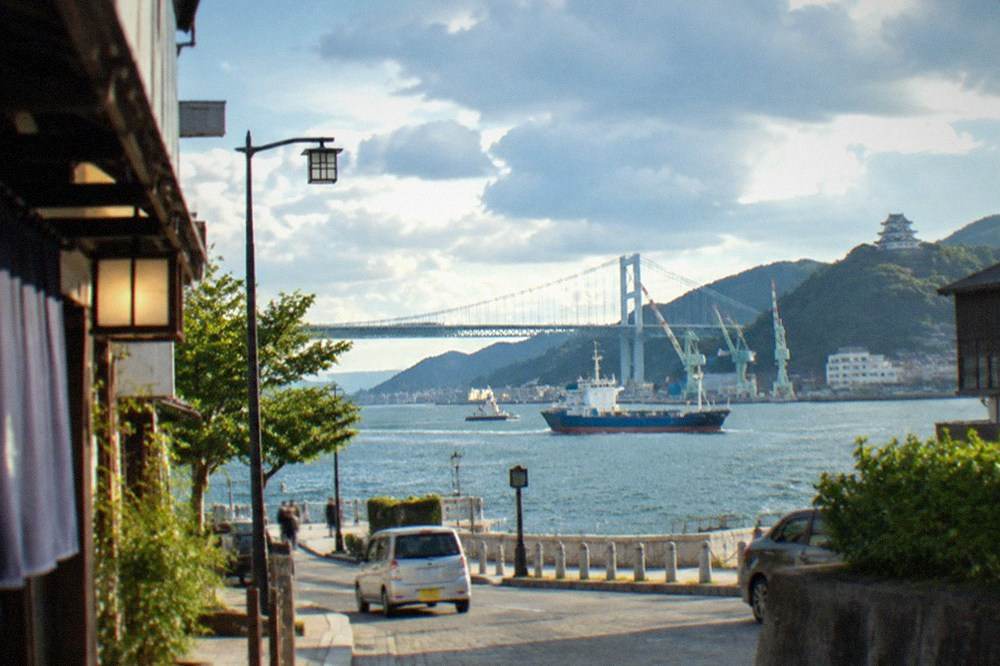
The straits themselves are the reason Kitakyushu exists as a city at all. The Kanmon Straits separate Kyushu from Honshu at a pinch of only a few hundred metres of water, and every ship between the Sea of Japan and the Inland Sea funnels through it. The Kanmon Bridge crosses above, and the tunnel crosses below, and both are visible from the Mojiko waterfront within a minute of each other. Watching the ship traffic from the mole at the harbour mouth is free and quietly hypnotic. Other pages covering the same trip are gathered on Fukuoka Japan Travel Guide.
The tunnel walk is the unique part. There is nothing scenic inside a traffic tunnel, and the pedestrian tube is no exception, but the fact of the crossing, on foot, between Japan's two main islands, is worth the modest fare and the slightly surreal stroll past utility pipes and exit signs. You emerge in Shimonoseki with a whole extra island of options: the Karato fish market for lunch, the Akama-jingu shrine with its red dragon gate, and the ropeway up for the straits view from above.
If walking under a strait sounds like a detour too far, the bridge viewpoint on the Kyushu side still gives you the panorama, and the Retro Line and the harbour district absorb whatever time you have. The walk is optional; the straits are not.
When Is the Best Time of Year for This Trip?
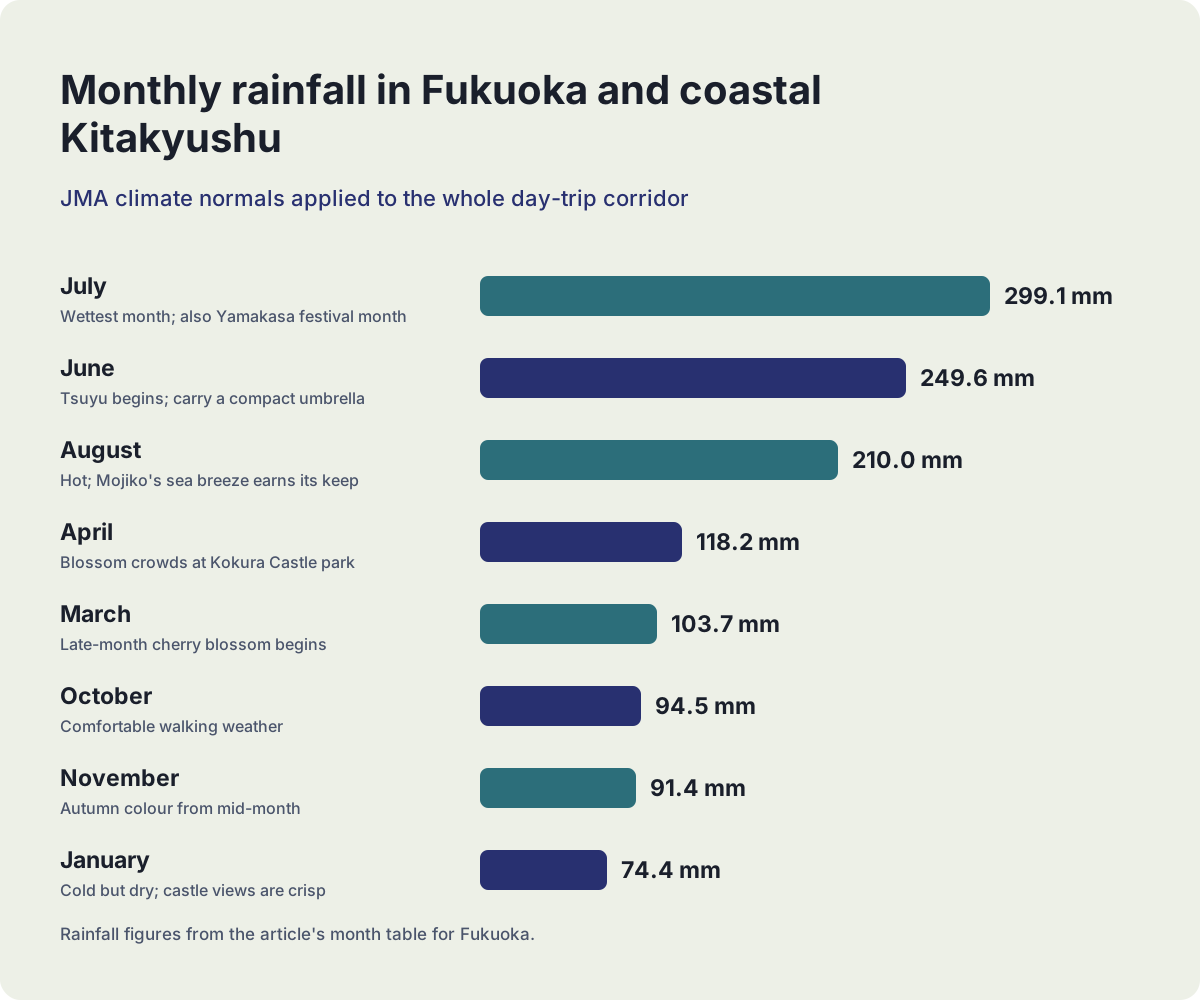
Any month works, because every component of the day is indoors-and-outdoors resilient, but the sweet spots are spring and autumn. Cherry blossoms typically peak in the region around late March into early April, autumn colour runs mid to late November into early December, and summer afternoons are hot and humid, with July historically the wettest month of the year in Fukuoka. The JMA's 1991 to 2020 normals put August's mean at 28.4°C against December's 9.1°C, which tells you how wide the seasonal swing runs.
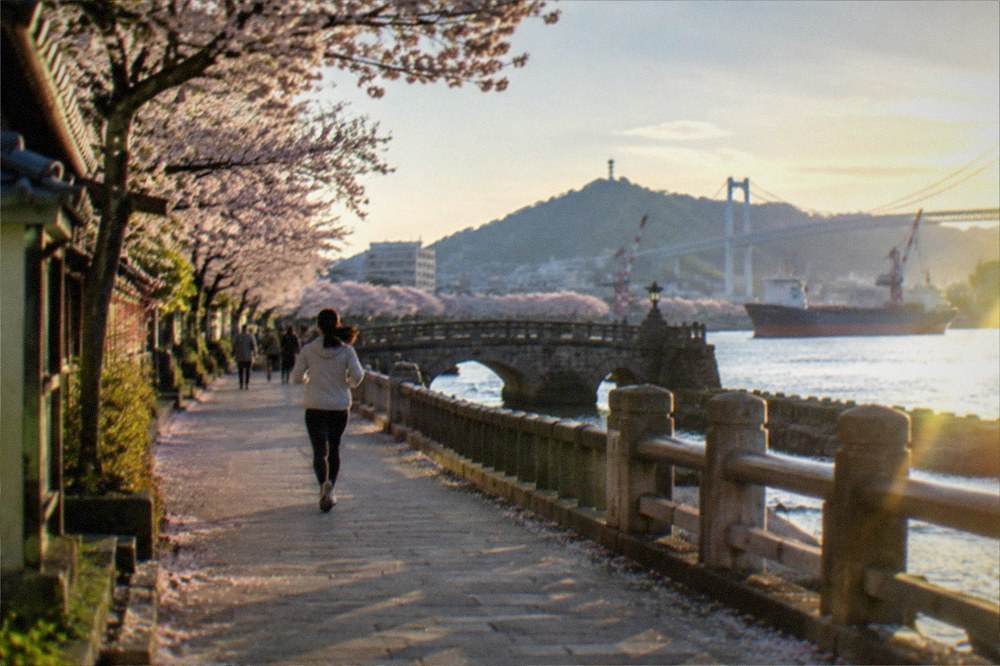
The official climate normals for Fukuoka are worth a look before you book, because they apply to the whole coastal corridor including Kitakyushu. July is the surprise: it carries 299.1 mm of rain against June's 249.6 mm, which is counter-intuitive given that June is the tsuyu rainy season month most guides warn about. July is also Hakata Gion Yamakasa month, the float festival that fills central Fukuoka from the 1st to the 15th, and it draws an enormous crowd, so if you are combining this day trip with festival days, plan the trains accordingly.
| Month | Mean °C | Rain mm | What it means for the trip |
|---|---|---|---|
| January | 6.9 | 74.4 | Cold but dry; castle views are crisp |
| March | 10.8 | 103.7 | Late-month cherry blossom begins |
| April | 15.4 | 118.2 | Blossom crowds at Kokura Castle park |
| June | 23.3 | 249.6 | Tsuyu begins; carry a compact umbrella |
| July | 27.4 | 299.1 | Wettest month; also Yamakasa festival month |
| August | 28.4 | 210.0 | Hot; Mojiko's sea breeze earns its keep |
| October | 19.6 | 94.5 | Comfortable walking weather |
| November | 14.2 | 91.4 | Autumn colour from mid-month |
Typhoon season runs roughly July through October and is a real planning factor on this coast, though it does not make the region unvisitable; the typhoon page on this site covers the practical details if you are travelling in that window. Winter, for what it is worth, is the quiet option: the short daylight hours and empty castle parks approach of the Fukuoka rainy day itinerary works in Kitakyushu exactly as it does at home.
One seasonal special deserves its own paragraph. The Kawachi Wisteria Garden in Kitakyushu's inland hills is treated on this site as a pay-at-gate attraction with no published figure, and it should stay that way: entry is charged, pricing is seasonal and variable, and the garden's famous wisteria tunnels bloom for only a few weeks in late April into May. During that window the garden draws heavy traffic, shuttle buses and timed entry, so if wisteria is your goal, make it the day's single anchor and build the rest around it, and treat it as a two-visit consideration outside bloom, because outside those weeks there is little to see.
How Would a Full Day Itinerary Look?
Start early from Hakata, arrive Kokura before 10:00, do the castle and garden through late morning, eat lunch in the arcades, ride the local train to Mojiko for the afternoon, walk the retro district and the straits view until dusk, and either tunnel across to Shimonoseki for dinner or ride straight back to Fukuoka. The whole shape fits inside a comfortable day, and no leg of it depends on a car, a tour or a reservation.
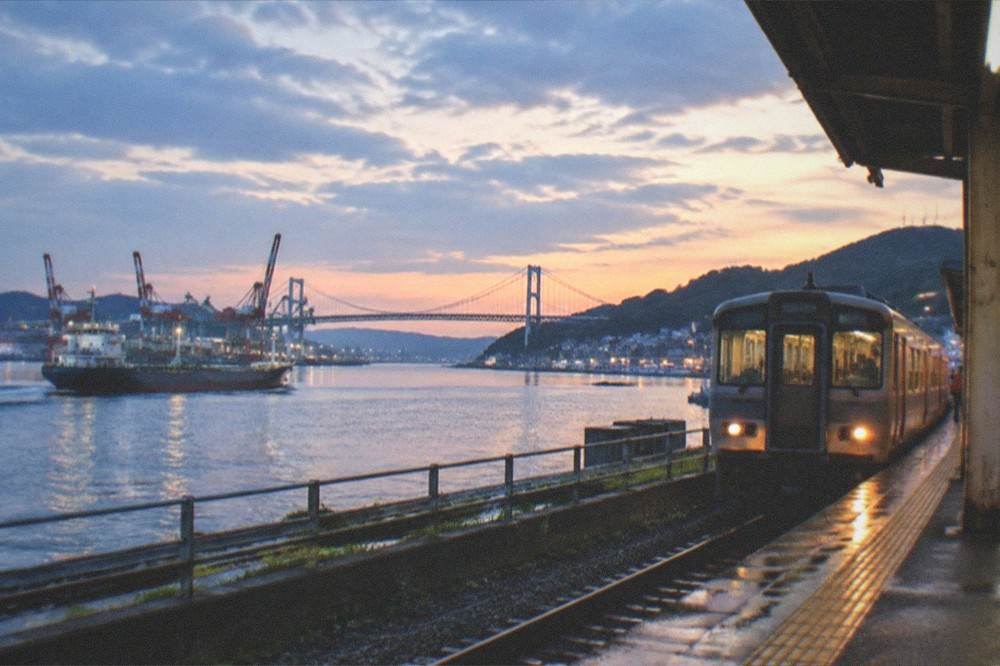
The table is a starting frame, not a rulebook. Shift the castle block earlier if you want maximum time in Shimonoseki, or drop the tunnel walk entirely if the weather turns, and the day still works.
| Time | Block | Notes |
|---|---|---|
| 09:00 | Depart Hakata Station | Shinkansen or conventional line to Kokura |
| 10:00 | Kokura Castle and garden | Keep, garden, museum quarter |
| 12:30 | Lunch in Kokura arcades | Local shops, prices aimed at residents |
| 14:00 | Local train to Mojiko | One or two stops; the retro district fronts the station |
| 14:15 | Mojiko Retro walk | Customs building, shipping office, Mitsui Club |
| 16:00 | Kanmon Bridge viewpoint | Free, five minutes on foot from the district |
| 16:30 | Optional tunnel walk | Under the straits to Shimonoseki and back |
| 18:30 | Dinner in Mojiko or return | Yaki curry on the waterfront, then train to Hakata |
If you would rather not run the timetable yourself, or you want a professional's depth on the stops, a guided option earns its fee here. A full-day private tour with a licensed guide lets you set the stops, and the roster's version runs about 6 hours with a licensed local guide.
For solo travellers there is no friction anywhere on this route: every station, museum and tunnel is navigable alone, the food stops counter-seat happily, and the Fukuoka solo itinerary approach on this site covers the mindset in more depth. Families get the railway museum and the heritage tram, which together are about as good as a child's afternoon gets.
What Other Day Trips Compare with Kitakyushu?
The honest ranking puts Kitakyushu in the top tier of Fukuoka day trips for variety, because it bundles a castle, a harbour district and an island crossing into one local-train radius. The main alternatives are Dazaifu and Yanagawa for culture and canals, Itoshima for coast and food, and the deep inland runs toward Beppu, Yufuin, Kumamoto and Takachiho when you are willing to give up a full day. Each has its own page on this site, and none of them overlaps with Kitakyushu's blend.
For comparison shoppers: the Dazaifu day trip guide covers the shrine town that most first-time visitors choose, and the Beppu day trip guide covers the onsen city for a longer run. Kitakyushu's distinction is that it feels like two towns rather than one sight, and its train access is the shortest of any heavyweight destination in the region.
The Takachiho gorge and railway tour is a different animal altogether, a full-day ride deep into Miyazaki's gorge country with an optional boat leg, and it is the roster's most-reviewed day trip out of Fukuoka. The listing carries the rating and the current price, and the operator's live listing shows the departure options.
The Yufuin no Mori train, meanwhile, is the scenic-railway answer to the same impulse: a dedicated sightseeing train into the hills, paired with Dazaifu on this tour's routing. It is the choice when the train ride itself is the attraction, and it suits travellers who would rather the vehicle be beautiful than the timetable be flexible.
Whatever shape your wider Kyushu plan takes, Kitakyushu is the easiest strong day in the set, and if you are still weighing it against the others, the Karatsu day trip guide and the day-trip overview above both help with the logistics. The trio below gathers the same shortlist one more time for a final comparison.
Common Questions About a Kitakyushu Day Trip
How Do You Get To Kitakyushu From Fukuoka?
Take the Shinkansen or a conventional JR line from Hakata Station to Kokura, Kitakyushu's main interchange. There is no JR Fukuoka Station: Hakata is the station name inside the city of Fukuoka, and it is the departure point for everything east. Conventional lines cost less and accept IC cards; the Shinkansen is fastest and needs a paper or digital ticket.
Is Kitakyushu worth a day from Fukuoka?
Yes. The city bundles Kokura Castle and its garden, the Mojiko Retro harbour district and the Kanmon Straits into one compact, train-friendly package, and no leg of the day requires a car or a tour. It is one of the few heavyweight day trips you can run without a single reservation.
Can you walk from Kyushu to Honshu?
Yes. The Kanmon Pedestrian Tunnel runs beneath the straits from Mojiko to Shimonoseki, with elevators at both ends. The walk takes most people well under half an hour each way, and the exit lands you near Shimonoseki's Karato fish market. Check the tunnel's current opening details before you commit the afternoon.
How much time do you need in Kokura?
Half a day covers the castle keep, the stroll garden and the museum quarter beside it, plus lunch in the arcades between the castle and the station. The station-to-castle walk is roughly 15 minutes on flat ground, so the whole cluster is a comfortable morning.
What is the best month for a Kitakyushu day trip?
Spring and autumn. Cherry blossoms in the region typically run late March into early April, and autumn colour peaks mid to late November. July is statistically the wettest month on the Fukuoka coast at 299.1 mm in the official 1991 to 2020 normals, and it is also Yamakasa festival month in Hakata, so expect crowds on the trains.
Is the Kawachi Wisteria Garden worth the detour?
Only during the late-April to May bloom window, when the wisteria tunnels are at their peak and the garden becomes a destination in its own right. Entry is charged at the gate and pricing is seasonal, so check the garden's own page for the current figure. Outside bloom, the garden offers little and the day is better spent on the coast.