Mizuho PayPay Dome
Mizuho PayPay Dome is Fukuoka's principal indoor stadium, sitting on the Momochi waterfront west of the city centre. This guide covers what it is, whether it rewards a visit, how to reach it by subway, and how to build a day around it.
Short answer
Mizuho PayPay Dome is Fukuoka's main indoor stadium on the Momochi coast, home ground of the SoftBank Hawks professional baseball team. It rewards a visit mainly on event days: a game, a concert or a scheduled tour. Getting there is easy, the subway fare is ¥260 from Hakata, and the surrounding Momochi and Ohori area holds half a day of sights.
Baseball is the closest thing Fukuoka has to a civic religion, and Mizuho PayPay Dome is its temple on the Momochi waterfront. The domed stadium sits on the western edge of Hakata Bay, a short subway ride west of the Hakata and Tenjin districts, and on the nights the SoftBank Hawks play it is one of the loudest rooms in western Japan. A visit is not a case of ticking a box: the dome is a working stadium, and what you get out of it depends almost entirely on what is happening inside it the day you arrive.
This guide covers the honest question every visitor asks about the dome, how to reach it using the city's subway, what the surrounding Momochi and Ohori area offers on a non-event day, and how the practical money questions, from the subway's ¥640 day pass to the Uminonakamichi park's cash-only gate, actually work. Fukuoka is a compact, walkable city of about 1.66 million people, growing faster than any other designated city in Japan, and the dome sits comfortably inside a half-day circuit of its western sights.
What Is Mizuho PayPay Dome?
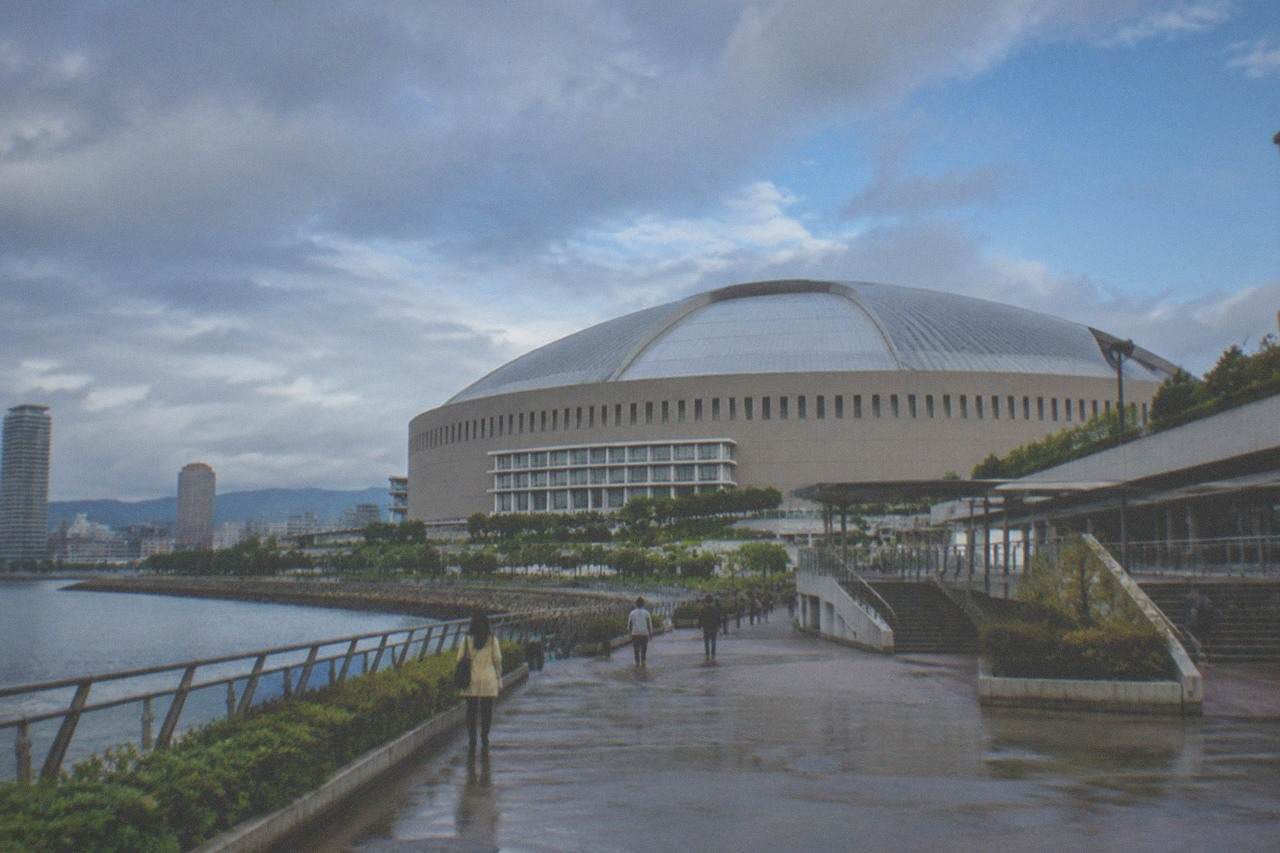
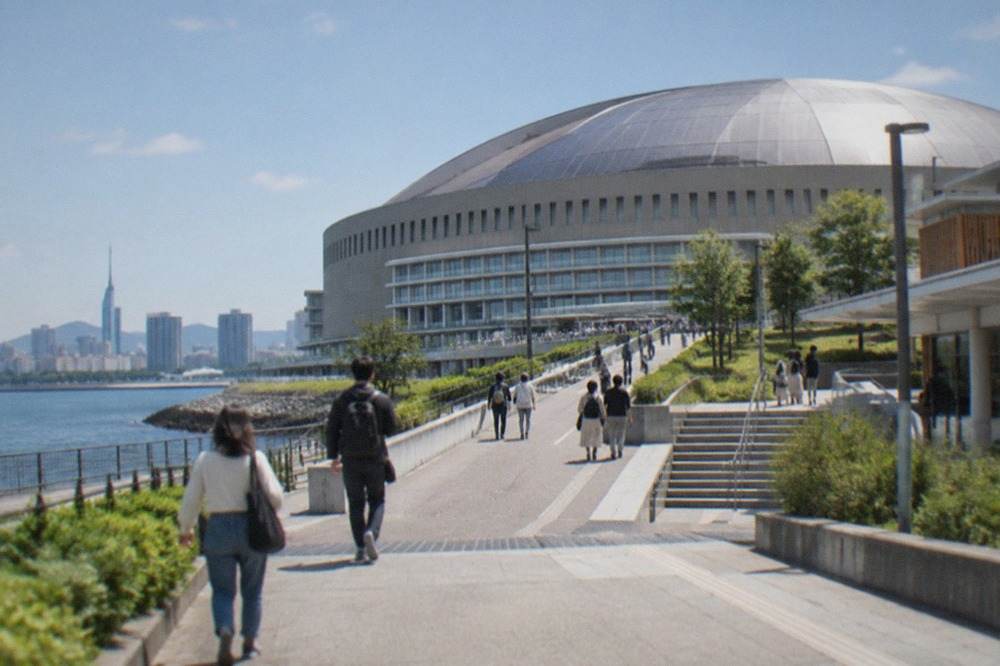
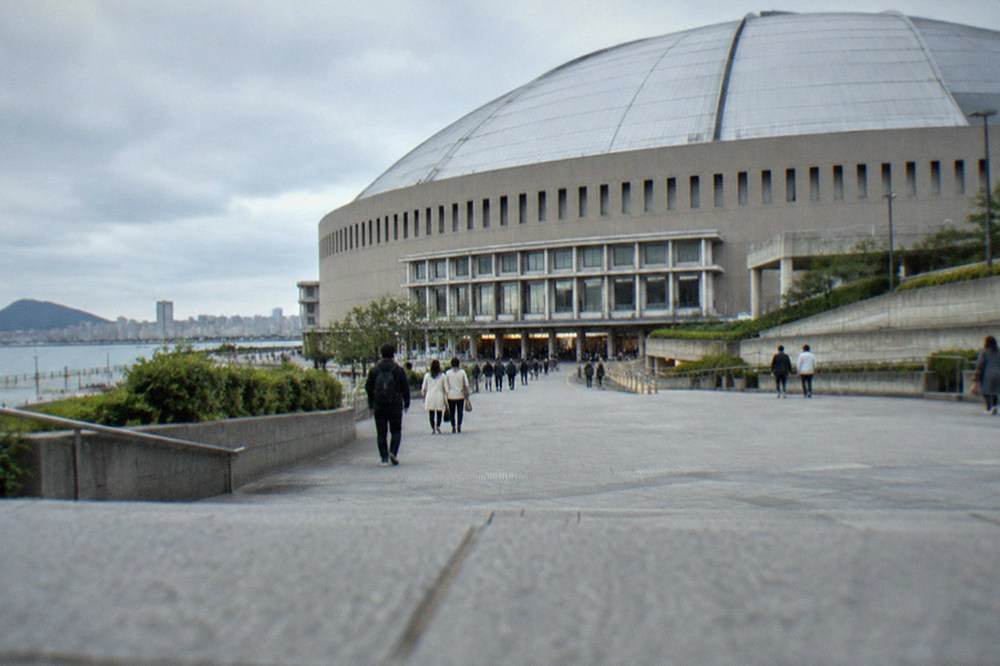
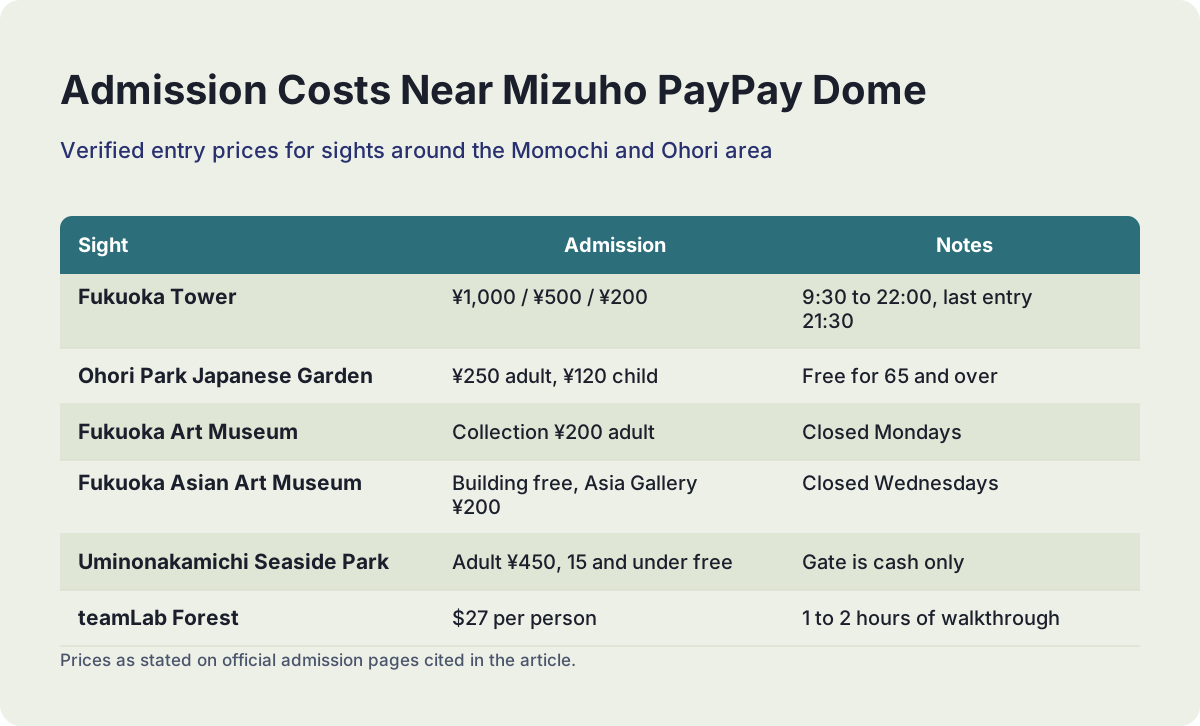
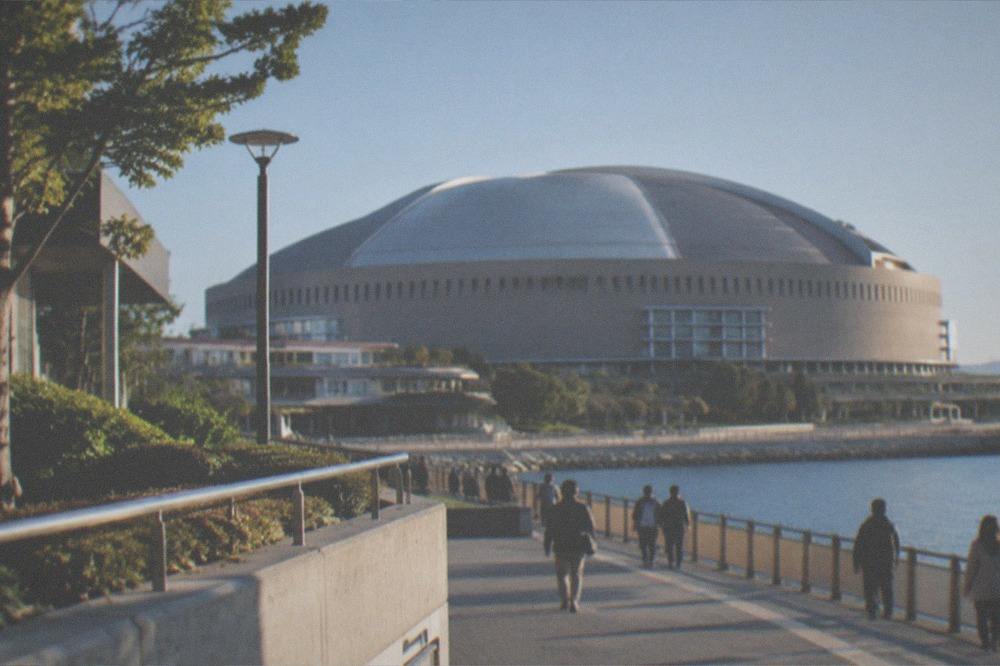
Mizuho PayPay Dome is a fully enclosed, domed baseball stadium on the Momochi waterfront in western Fukuoka, roughly six kilometres from Hakata Station, and it is the home ground of the SoftBank Hawks, the city's professional baseball team in Japan's top league. Because it is enclosed, events run regardless of rain, which matters in a city whose wettest month brings nearly 300 mm of rain. On non-event days it functions as a landmark and photo stop rather than an attraction with regular hours of its own.
The naming is a story in itself, and it confuses plenty of first-time visitors. The stadium has carried commercial names across its life, and the current Mizuho PayPay Dome name reflects a bank and a payment platform rather than any local place. Older maps and some older guides still use earlier names, which is worth knowing when you are cross-referencing directions: if a source points you toward a domed stadium in the Momochi area, it means this building. Locals often just say "the Dome" and everyone knows which one.
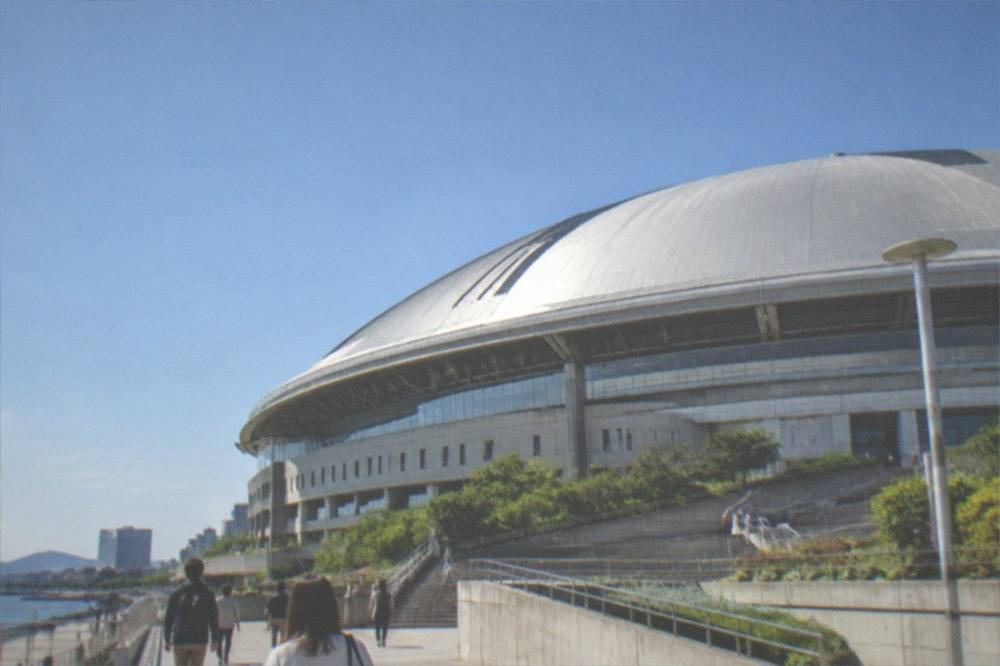
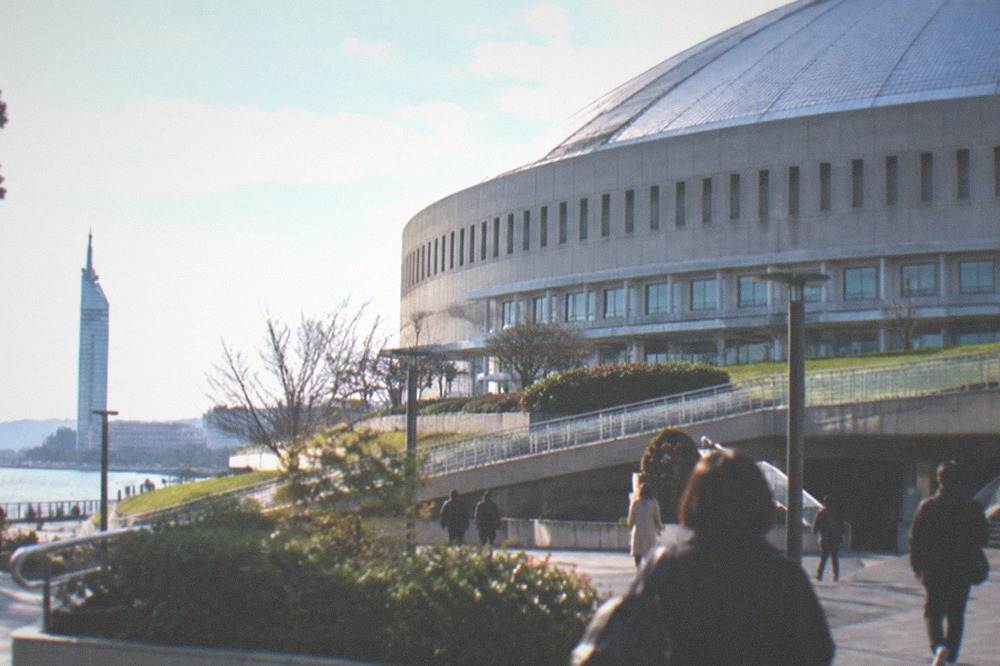
The building's setting does half the work for photographers. It sits in the Momochi Seaside district, beside Fukuoka Tower, the 234-metre landmark tower that charges ¥1,000 for adults at the door, and near the long arc of beach and waterfront walkways that line this side of Hakata Bay. Coming out of the subway, the dome's curved roof rises against a backdrop of high-rise apartments and, on clear evenings, the Genkai Sea horizon. This is the city's newest-looking quarter, quite unlike the merchant lanes of Hakata old town or the shrine approaches further east.
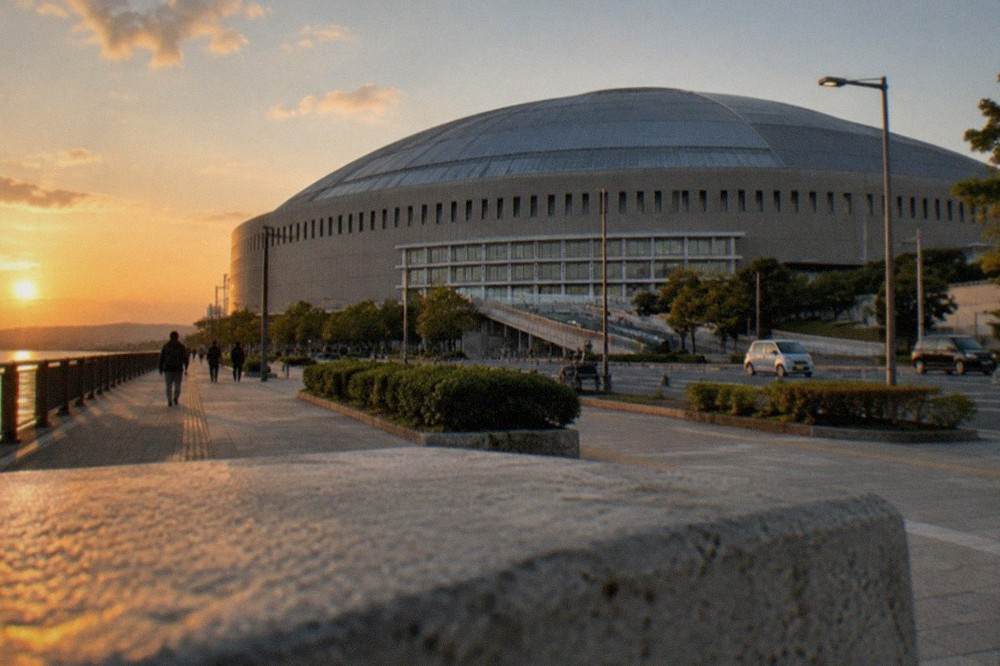
For most travellers the dome slots into a plan as the evening half of a western-Fukuoka day: Ohori Park or a museum in the afternoon, the Momochi waterfront toward sunset, and a Hawks game or a concert at the dome after dark. It is also the single biggest generator of evening crowds in this otherwise quiet residential corner of the city, so restaurants and transport in the area are tuned to event schedules. If nothing is scheduled, the area is calm and the tower and the beach carry the day.
Is Mizuho PayPay Dome Worth Visiting?
Yes, if something is happening inside it: a Hawks home game is one of the best-value spectator evenings in Japan, and even a nosebleed seat with stadium food makes a memorable night. No, if nothing is scheduled: the dome has no galleries or public exhibits to justify a dedicated trip, and the better move is to photograph it in passing while giving your afternoon to Fukuoka Tower, Ohori Park or the Momochi beach. Check the Hawks' home schedule before you commit.
The honest breakdown runs three ways. A baseball game is the strongest reason to come. Japanese stadium culture is a different animal from what most western visitors expect: organised cheering sections, team songs for every batter, beer sellers running the aisles, and food stands selling ramen and yakitori alongside the usual hot dogs. The Hawks are consistently one of the country's strongest draws, and a dome means the whole show is guaranteed to happen, whatever the weather outside.
A concert or other event is the second reason. Large tours routing through Kyushu use the dome because it is the region's biggest covered venue, and if an artist you follow is playing while you are in Fukuoka, that is a genuine itinerary anchor, not a bonus. The third case is the pass-through visit: you are already in Momochi for the tower or the beach, and the dome is a five-minute addition to that walk. That is a perfectly good way to experience it, and it is how most non-sporting visitors do.
What the dome is not, is a stand-alone attraction with turnstiles and a ticket booth on quiet days. There is no observation deck and no museum of the sport inside the stadium complex. The surrounding area supplies the sights instead: Fukuoka Tower next door, the Momochi Seaside Park promenade along the bay, and Ohori Park a couple of subway stops back toward the centre. Build the day around those and treat the dome as the centrepiece of the evening.
Here is how the realistic dome-centred plans compare, with the paid figures this site has verified from official sources:
| Plan | What it involves | Verified cost elements | Verdict |
|---|---|---|---|
| Hawks game night | Subway to the dome, game, food inside | Subway single fare from Hakata area, ¥210 to ¥380 by distance | Best use of the dome |
| Concert evening | Event ticket plus subway and an early dinner | Same subway fare band | Worth it if the artist is |
| Momochi photo stop | Tower admission plus beach walk, dome seen in passing | Fukuoka Tower ¥1,000 adult, ¥500 school age, ¥200 age 4 and over | Do it on any non-event day |
| Skip it entirely | Time to Ohori Park, museums or Hakata old town instead | Ohori Park grounds free, Japanese Garden ¥250 adult | Right call when nothing is on |
The question of whether Fukuoka itself rewards the trip at all is worth settling here too, because the dome is only one evening of a visit. The wider case, from food to day trips, is made in is Fukuoka worth visiting, and the short version is that the city punches above its weight for a destination most first-time visitors skip. The dome, on a good night, is a big part of why.
How Do You Get to Mizuho PayPay Dome?
The dome is reached on the Fukuoka City Subway, with the airport, Hakozaki and Nanakuma lines feeding through the city centre: the closest stations to the dome are Tojinmachi on the Airport Line and Nishijin on the Nanakuma side, both a short walk away. A single adult subway fare runs ¥210 to ¥380 by distance, the airport-to-Hakata leg costs ¥260, and a one-day subway pass is ¥640 if you plan to ride more than twice. From Hakata the trip is direct with no transfers.
The subway is the answer for almost every visitor, and it is a good system: clean, signed in English, and cheap by Japanese standards. The fare table is distance-based, and it is worth internalising because it governs every subway trip you take in the city, dome or otherwise. The official fare table from the city's subway operator lays out the six zones:
| Zone | Distance | Adult fare | Child fare |
|---|---|---|---|
| 1 | up to 3 km | ¥210 | ¥110 |
| 2 | 3 to 7 km | ¥260 | ¥130 |
| 3 | 7 to 11 km | ¥300 | ¥150 |
| 4 | 11 to 15 km | ¥340 | ¥170 |
| 5 | 15 to 19 km | ¥360 | ¥180 |
| 6 | over 19 km | ¥380 | ¥190 |
One honest note on the airport, because this site will not print what it cannot source. Fukuoka Airport is unusually close to the city centre, which is true and official, and the subway fare from the airport to Hakata Station is ¥260, verified against the zone table above. The famous "five minutes" that every other guide prints is not stated on any official page this site has read, so no journey time appears here. It is close; that is what the sources support.
If you are arriving at the airport and heading straight for a game or a concert, the timing logic writes itself: land, subway into the centre, drop bags, subway or walk west to Momochi. Travellers who would rather not manage tickets, luggage and a subway transfer in one hand often book a private transfer instead, which covers the airport-to-hotel leg in about thirty minutes to an hour and leaves the subway for the evening run to the dome. Both are valid strategies, and the transfer costs more than the subway by design.
For a fuller treatment of the transit system, including the Nishitetsu network that runs south from Tenjin toward Dazaifu, see the site's getting-around coverage and the JR Kyushu rail pass guide. The short version for the dome: the subway covers it, buses supplement it, and on event nights the station nearest the dome is busy for an hour after the final out. If you are staying near Hakata or Tenjin, the whole evening round trip costs a few hundred yen.
One more pass deserves a mention because it is genuinely useful and widely misquoted. The Fukuoka Tourist City Pass costs ¥2,500 for the city version and ¥2,800 for the city-plus-Dazaifu version, covers subway, buses, trams, ferries and some trains for a day, and is restricted to overseas tourists on a short-stay visa, with a passport check at the counter. Most competitor guides still quote prices several years out of date. If your dome day also includes a museum and a ferry, the pass can pay for itself; a simple there-and-back subway trip does not need it.
What Else Is Near Mizuho PayPay Dome?
The dome's Momochi neighbourhood packs Fukuoka Tower, the Momochi Seaside Park beach promenade, the Robosquare technology centre and a stretch of waterfront walking routes into a compact strip, with Ohori Park and the city's two art museums a couple of subway stops east. A realistic circuit is the tower and beach in the afternoon, dinner near the dome, and the game or concert after dark. None of the outdoor parts costs anything to walk.
Start with Fukuoka Tower, because it is the second landmark of the skyline and the one you can actually go up. The official admission page sets the price: ¥1,000 for adults including high school and above, ¥500 for elementary and junior high students, ¥200 from age four, with a ¥900 senior rate for Fukuoka residents showing ID. Hours run 9:30 to 22:00 with last admission at 21:30, and the tower closes for its annual maintenance on 28 and 29 June 2027, which is worth knowing if you are planning far ahead. The full guide is Fukuoka Tower.
Ohori Park is the other half of the western circuit, and it is the city's best free hour of walking: a large pond with a bridged island, a two-kilometre path around the water, and runners and picnickers at all hours. The park grounds are free, and the Japanese Garden inside it, one of the city's quiet gems, charges ¥250 for adults and ¥120 for children, with free entry for visitors 65 and over and for those with a disability certificate plus one carer. The details are in the site's Ohori Park guide.
| Sight | Distance from the dome | Admission | Notes |
|---|---|---|---|
| Fukuoka Tower | Adjacent, a short walk | ¥1,000 / ¥500 / ¥200 | 9:30 to 22:00, last entry 21:30 |
| Momochi Seaside Park beach | Along the waterfront | Free to walk | Best toward sunset |
| Ohori Park | Two subway stops east | Grounds free | Garden ¥250 adult, ¥120 child |
| Fukuoka Art Museum | Beside Ohori Park | Collection ¥200 adult | Closed Mondays |
| Fukuoka Asian Art Museum | East edge of Ohori Park | Building free, Asia Gallery ¥200 | Closed Wednesdays |
| Uminonakamichi Seaside Park | East across the bay | Adult ¥450, 15 and under free | Gate is cash only |
Both art museums sit on the Ohori side of the district and both keep their entry famously cheap: ¥200 for the collection at Fukuoka Art Museum, free entry to the Asian Art Museum building with only the Asia Gallery charging, and junior-high and younger free at both. If your dome day is a rainy one, the museums are the natural substitute for the beach, and they are an easy subway hop from Momochi. Rain is a real planning factor here, and the weather section below quantifies it. Other pages covering the same trip are gathered on Fukuoka Japan Travel Guide.
One indoor option deserves a specific flag for families and for anyone whose dome day falls wet. teamLab Forest, the immersive digital-art museum inside the BOSS E・ZO Fukuoka building next to the dome itself, runs from $27 per person for a timed ticket and holds 1 to 2 hours of walkthrough. Rated 3.8 from 14 reviews, it is a love-it-or-quietly-skip-it kind of attraction, but its location, essentially at the stadium's elbow, makes it the single most convenient dome-day pairing that exists. The site's full write-up is the teamLab Forest guide.
When Is the Best Time to Visit?
The baseball season, roughly spring through autumn, is when the dome is at its best, and a summer visit combines the longest daylight with the highest chance of an evening game; July is Fukuoka's wettest month at 299.1 mm, but that barely matters inside a domed stadium. For a non-event visit, aim for the drier, cooler shoulder months of October, November and March, when the Momochi waterfront walk is at its most comfortable.
The climate record deserves a table because it is official, it is exact, and it contradicts what most guides imply. These are Japan Meteorological Agency normals for the Fukuoka station, 1991 to 2020:
| Month | Mean temp | Daily high | Daily low | Rain mm | Sunshine hours |
|---|---|---|---|---|---|
| March | 10.8 | 15.0 | 7.2 | 103.7 | 161.2 |
| April | 15.4 | 19.9 | 11.5 | 118.2 | 188.1 |
| May | 19.9 | 24.4 | 16.1 | 133.7 | 204.1 |
| June | 23.3 | 27.2 | 20.3 | 249.6 | 145.2 |
| July | 27.4 | 31.2 | 24.6 | 299.1 | 172.2 |
| August | 28.4 | 32.5 | 25.4 | 210.0 | 200.9 |
| September | 24.7 | 28.6 | 21.6 | 175.1 | 164.7 |
| October | 19.6 | 23.7 | 16.0 | 94.5 | 175.9 |
| November | 14.2 | 18.2 | 10.6 | 91.4 | 137.3 |
The counterintuitive line is July. Everyone assumes June, the tsuyu rainy season month, is the wet one, and it is wet, but July is wetter: 299.1 mm against June's 249.6 mm. August is hotter than July and drier than both, and it banks 200.9 sunshine hours, second only to May. For a dome-centred trip this cuts an unusual way: rain hurts the beach and tower plans but not the stadium, so a July or August trip with game tickets is actually lower-risk than a July itinerary built on outdoor festivals.
Typhoon season runs roughly July through October, and it is a real planning factor for coastal Fukuoka, but it is not a reason to avoid the city, and an enclosed stadium is the single most weather-proof evening plan in western Japan. Check the forecast, keep a museum or the teamLab Forest ticket in reserve, and let the dome absorb whatever the sky sends. For the full seasonal breakdown, see the Fukuoka in winter and baseball-season coverage elsewhere on the site.
What Does a Dome Day Cost?
Budget roughly a few thousand yen for the non-event parts of a dome day: the subway round trip from Hakata or Tenjin is under ¥1,000, Fukuoka Tower is ¥1,000, the Ohori Park Japanese Garden is ¥250, and both art museums are ¥200 or free, so a full day with a tower admission sits comfortably in low four figures per person before food. Add an event ticket on top if you are going inside the dome.
Food around the dome is the flexible line in any budget. Momochi's restaurants are a mix of seaside mall chains and hotel dining, and on game nights the area around the stadium does a steady trade in pre-game noodles and convenience-store picnics, which is itself a Japanese stadium tradition. Within the stadium, event food is priced like stadium food anywhere: more than a local restaurant, less than a rip-off, and part of the experience rather than an obstacle to it. Nothing about a dome day requires a guide, a tour or a package.
| Item | Typical role in a dome day | Figure |
|---|---|---|
| Subway, Hakata or Tenjin to Momochi area, round trip | Base transport | Under ¥1,000 per adult |
| Subway one-day pass (only if riding 3+ times) | Alternative to singles | ¥640 adult, ¥320 child |
| Fukuoka Tower admission | The paid viewpoint | ¥1,000 adult |
| Ohori Park Japanese Garden | The quiet hour | ¥250 adult, ¥120 child |
| Fukuoka Art Museum collection | Rainy-day option | ¥200 adult |
| teamLab Forest ticket | Dome-side indoor pairing | from $27 per person |
The transfer question that closes this out, for travellers who like the itinerary locked before wheels-down: a private airport transfer costs from $149 per person and is rated 5 from 2 reviews, a new listing with a small pool. It is not a money-saving move, and it does not pretend to be. What it buys is a landing day with zero navigation friction, which is worth something on a tight one-night dome trip and worth nothing on a relaxed week. Match the tool to the trip.
And the day-trip layer, for the day after: Fukuoka's real trump card is that it sits on the northern edge of Kyushu with day-trip reach to volcanoes, onsen towns and gorges. The dome evening is the fixed point; the rest of the week flexes around it, and the Yufuin day trip is the classic pairing. A mountain-and-onsen day out, from $58 per person and rated 4.6 from 101 reviews on the Mount Aso and Kurokawa route, is the opposite register to a stadium night, which is exactly why they slot together well.
What Should First-Timers Know Before Going?
Go on the subway, not by car; check whether anything is actually scheduled inside the dome before you build an evening on it; carry some cash even though the subway takes cards; and expect the area to empty quickly after an event ends. The dome is one of the easiest major venues in Japan to visit, but it is event-driven, and the difference between a game night and a quiet Tuesday is the difference between two different neighbourhoods.
A few practical notes sharpen the day. First, the cash point: Japan's payment landscape is mixed, and while the subway takes contactless credit cards with a daily tap-to-ride cap matching the day pass, smaller vendors around Momochi, and famously the gate at Uminonakamichi Seaside Park across the bay, take cash only. Carry a few thousand yen and the question never matters. Second, timing: arrive for a mid-afternoon tower admission, walk the beach through the golden hour, and enter the dome area as the pre-game crowd builds.
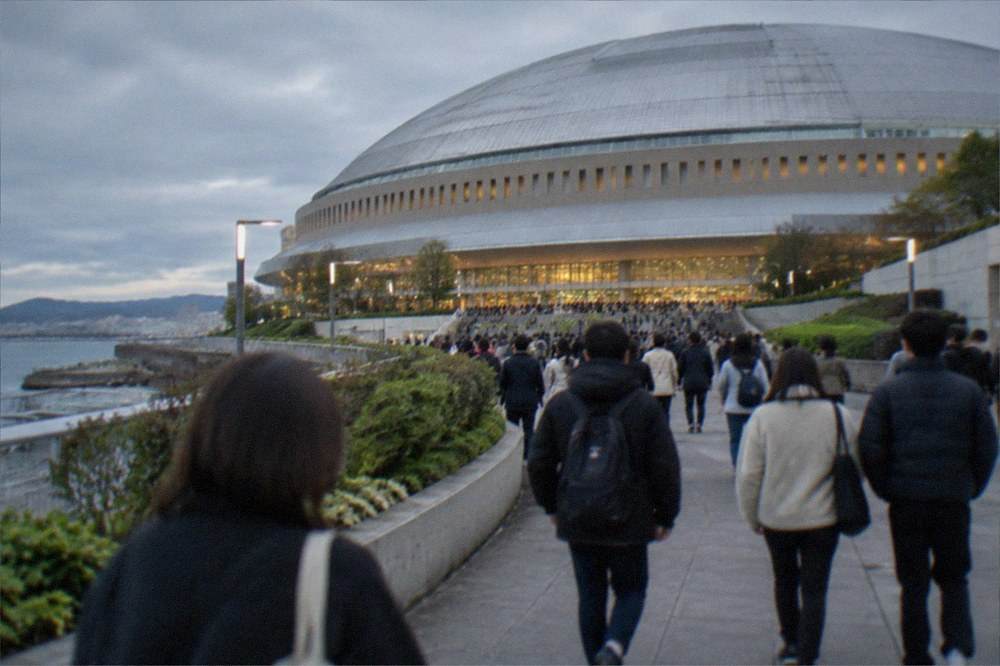
Third, the wider frame: the dome is the westernmost big anchor of a city that is compact enough to cross by subway in half an hour, which is why the honest itinerary advice for Fukuoka is almost always "do more, travel less". The stadium, the tower, Ohori Park, Hakata's temples and shrines such as Tochoji with its great Buddha statue, and the yatai stalls along the Naka River are all inside one fare zone or two. Fourth, for anyone weighing Fukuoka against the obvious alternatives, the city holds up well, and the stadium night is a big part of the specific character that makes the comparison interesting.
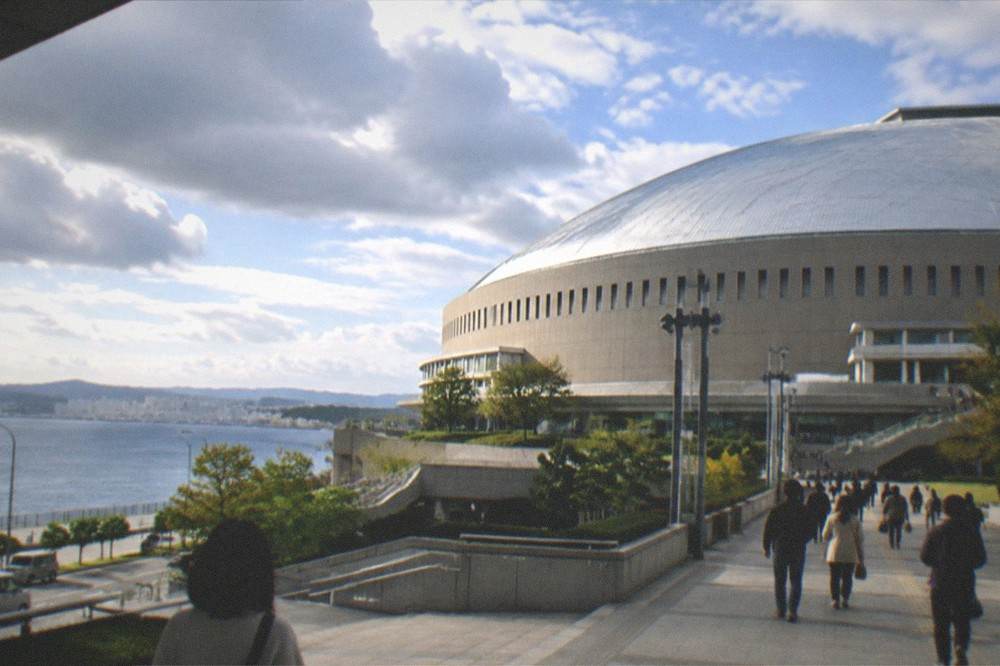
The baseball tradition itself runs deeper than one stadium, and visitors who fall for a Hawks night often want the fuller story, the league structure, the food culture, the family calendar. That is what the Fukuoka baseball guide on this site is for. Treat this page as the venue chapter: get there, eat, cheer, and let the rest of the city handle the other six days of the week.
Common Questions About Mizuho PayPay Dome
Is Mizuho PayPay Dome Worth Visiting?
Yes, if a Hawks game, a concert or another event is scheduled while you are in Fukuoka: it is one of the best spectator evenings in western Japan. On non-event days it has no public exhibits, so treat it as a photo stop on a Momochi walk and give your afternoon to Fukuoka Tower or Ohori Park instead.
How do I get to Mizuho PayPay Dome from Hakata Station?
Take the Fukuoka City Subway toward the Momochi area and get off at Tojinmachi on the Airport Line, or Nishijin on the Nanakuma Line side; both are a short walk from the stadium. A single adult fare runs ¥210 to ¥380 depending on distance zone, and the trip is direct from the city centre with no transfers.
Can you visit Mizuho PayPay Dome when there is no game?
You can see and photograph it, but there is no observation deck or museum inside, so there is no "visit" in the ticketed sense. The best non-event plan is to pair it with Fukuoka Tower next door, the Momochi beach promenade, and Ohori Park a couple of subway stops east.
What is near Mizuho PayPay Dome?
Fukuoka Tower, at ¥1,000 adult admission, stands right beside it, along with the Momochi Seaside Park waterfront, teamLab Forest in the neighbouring BOSS E・ZO Fukuoka building, and Ohori Park with its ¥250 Japanese Garden and two inexpensive city art museums two subway stops east.
Does rain affect a visit to the dome?
Not inside it: the stadium is fully enclosed, so events run regardless of weather, which is a real advantage in July, Fukuoka's wettest month at 299.1 mm. Rain does affect the beach, tower and park plans around it, so keep the museums or teamLab Forest in reserve for a wet day.
Should I buy a subway day pass for a dome day?
The one-day subway pass costs ¥640 for adults, so it beats singles only if you ride three or more times in a day. A simple centre-to-dome round trip is under ¥1,000 in singles and does not need it, but a day that adds Ohori Park, a museum and a ferry might.