Uminonakamichi Seaside Park
Uminonakamichi Seaside Park is Fukuoka's biggest bayside green space, a sandbar in Hakata Bay with lawns, animal enclosures, play zones and the Marine World aquarium at its western end. Here is what the park actually costs, when it is open, and how to reach it.
Short answer
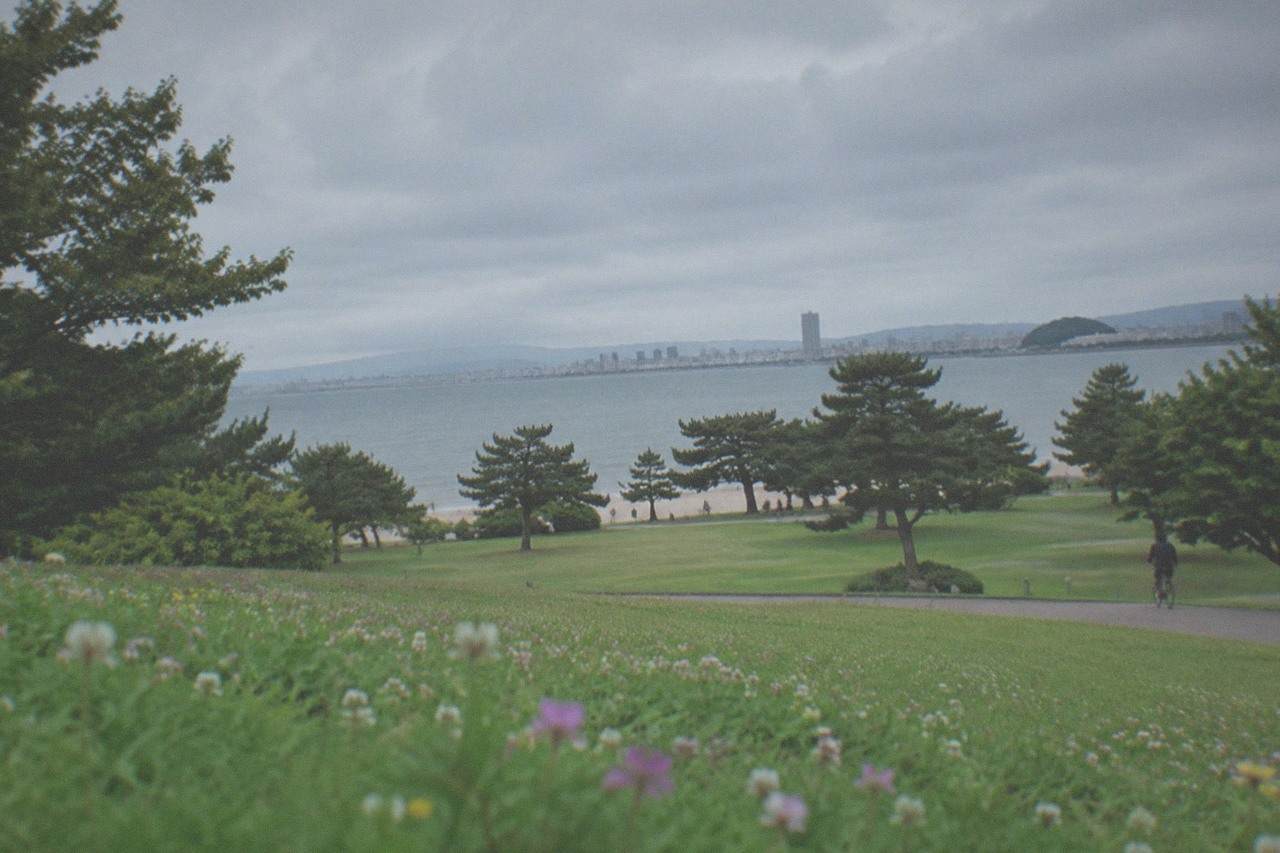
Uminonakamichi Seaside Park costs ¥450 for adults, with junior high students and younger admitted free, and is open 9:30 to 17:30 from March through October and 9:30 to 17:00 the rest of the year. The gate takes cash only. It is one of the few large family parks inside Fukuoka city and sits beside Marine World.
Uminonakamichi Seaside Park sits on the sandbar that closes off the eastern end of Hakata Bay, a long finger of reclaimed ground that Fukuoka City has spent decades turning into one of Japan's larger urban seaside parks. It is not a single lawn with a view. It is a full day's worth of territory: animal enclosures, flower fields, water play zones, a swimming beach, cycling paths, and the Marine World aquarium standing at its western entrance. For a city of 1.66 million residents that is growing faster than any other designated city in Japan, a park this size inside the subway network is a genuine rarity.
What Is Uminonakamichi Seaside Park?
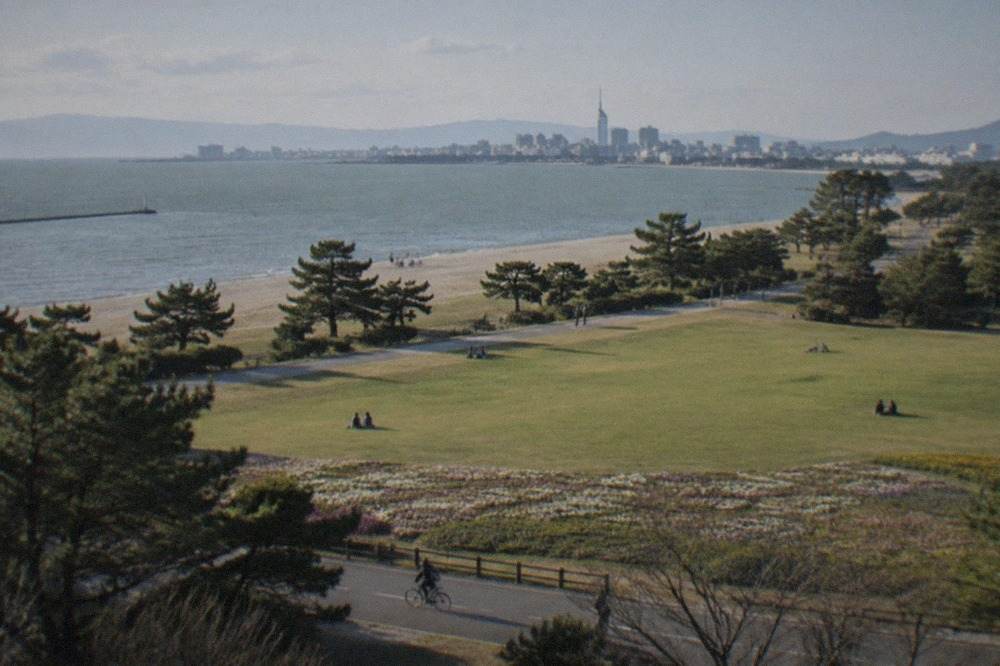
It is a large municipal seaside park on the Uminonakamichi sandbar in Hakata Bay, roughly the eastern mirror of the Momochi seaside district on the bay's other side, combining lawns and beachfront with a small zoo area called the Animal Forest, seasonal flower fields, water play zones and play equipment, all beside the Marine World aquarium. The park is operated as a public facility, which shows in its pricing: children through junior high age pay nothing at the gate, and the adult ticket costs less than a bowl of Hakata ramen. The sandbar itself is the quiet point of interest. Hakata Bay is a working harbour opening onto the Genkai Sea, and this spit of land is what keeps the eastern shore of the bay calm enough for a swimming beach. The name is descriptive: umi is sea, naka is middle, michi is road, so Uminonakamichi is literally the road through the middle of the sea.
The scale matters when planning. This is not a pocket park you cross in twenty minutes. The grounds run along the sandbar with distinct zones, including the Animal Forest near the main gate, open lawns in the centre, and the beach and water play areas further along. Families with small children routinely spend a full morning here and still leave zones unvisited. Cyclists will find that the park connects into the wider bayside riding network, a topic covered in detail on the Fukuoka cycling routes page sibling network of outdoor guides.
One honest caveat before anything else: this page deliberately avoids repeating several numbers that circulate about the park. Nokonoshima Island Park across the bay has no verified opening time or ferry fare on record here, and the Uminonakamichi closure calendar is genuinely irregular, a point covered below. Where a figure is not verified from the operator, this guide says so rather than guessing.
Is Uminonakamichi Seaside Park Worth Visiting?
For families, yes, without much argument: a ¥450 adult gate, free entry for every child through junior high age, animals, seasonal flowers, water play and a beach inside one boundary, with the Marine World aquarium attached, is one of the best value outings in the city. For adult travellers on a tight two or three day itinerary, the answer is more conditional. If your trip already includes Ohori Park and the Momochi seaside district, and your interest is scenery rather than children's facilities, Uminonakamichi adds a second bayside lawn to a trip that already has one. If you are travelling with children, or you want the aquarium, or you simply want to see the geographic oddity of a road through the middle of the bay, the park earns its half day easily.
The honest framing is that Uminonakamichi and Momochi serve different briefs. Momochi, covered on the Momochi Seaside Park page, gives you the postcard view back across Hakata Bay toward the city, the beach and Fukuoka Tower. Uminonakamichi gives you space, animals and playgrounds, and it is the one with the aquarium next door. A traveller who visits both will not feel they have seen the same park twice, but a traveller with time for only one bayside excursion should pick based on whether children are in the group.
Three tours in particular pair naturally with a visit here, and each solves a different problem. The trio below covers the island-and-barbecue excursion that reaches the park's neighbours across the bay, the aquarium e-ticket that removes the ticket queue, and the full-day escape into the mountains when the weather turns against a beach day.
Worth visiting also depends on season, and the aquarium changes the calculus in bad weather. Fukuoka's summer is wetter than most visitors expect: Japan Meteorological Agency normals for the city show July as the wettest month of the year at 299.1 mm, ahead of June's 249.6 mm even though June carries the tsuyu rainy season reputation. A park built around open lawns and water play is a fair-weather asset, so pairing it with the covered aquarium on the same ticket-free boundary is the practical move.
How Do You Get to Uminonakamichi Seaside Park?
Take the Fukuoka City Subway Airport line to Uminonakamichi station, which sits a short walk from the main park gate; the Airport line runs from Meinohama through the city centre to Fukuoka Airport, and the park is four stops along the line past Hakata's direction on the way out of the bay. The station-to-gate walk is short and flat, which makes this one of the easiest big-park trips in Japan for strollers and suitcases on a layover day. A one-day subway pass costs ¥640 for adults and covers all three lines if you plan to ride back into town afterward.
The fare structure is distance based and simple. The official city subway fare table prices single adult journeys by zone:
| Zone | Distance | Adult | Child |
|---|---|---|---|
| 1 | up to 3 km | ¥210 | ¥110 |
| 2 | 3 to 7 km | ¥260 | ¥130 |
| 3 | 7 to 11 km | ¥300 | ¥150 |
| 4 | 11 to 15 km | ¥340 | ¥170 |
| 5 | 15 to 19 km | ¥360 | ¥180 |
| 6 | over 19 km | ¥380 | ¥190 |
A day of subway riding across the three lines, Airport, Hakozaki and Nanakuma, is capped by the ¥640 one-day pass, sold at station machines, customer service centres and the international tourist information offices at Tenjin, Hakata Station and the airport. The pass also carries discounts at partner facilities on the day of use. Visitors on a short-stay visa should also know about the Fukuoka Tourist City Pass, an official city product costing ¥2,500 for the city version or ¥2,800 with Dazaifu included, covering subway, buses, trams and ferries for a day. The passport detail that most guides omit: it is restricted to overseas tourists on short-stay visas, and a passport is checked at the counter. Most competing guides still quote the old and outdated prices for this pass, which is worth knowing if you read them.
Bicycles are the other serious option. The park sits on flat sandbar ground with dedicated paths, and the ride out along the bay is a genuine attraction rather than just transport. Two wheels are covered in full on the site's cycling guide. For drivers, the park has parking, but the subway's Airport line makes the car genuinely unnecessary for this trip. Coming from further afield, the JR Kyushu network connects at Hakata Station, the main rail hub of the city, and remember there is no JR Fukuoka Station: the station is called Hakata, and Hakata and Fukuoka are the same city, not two places.
Opening Hours, Admission and the Cash-Only Gate
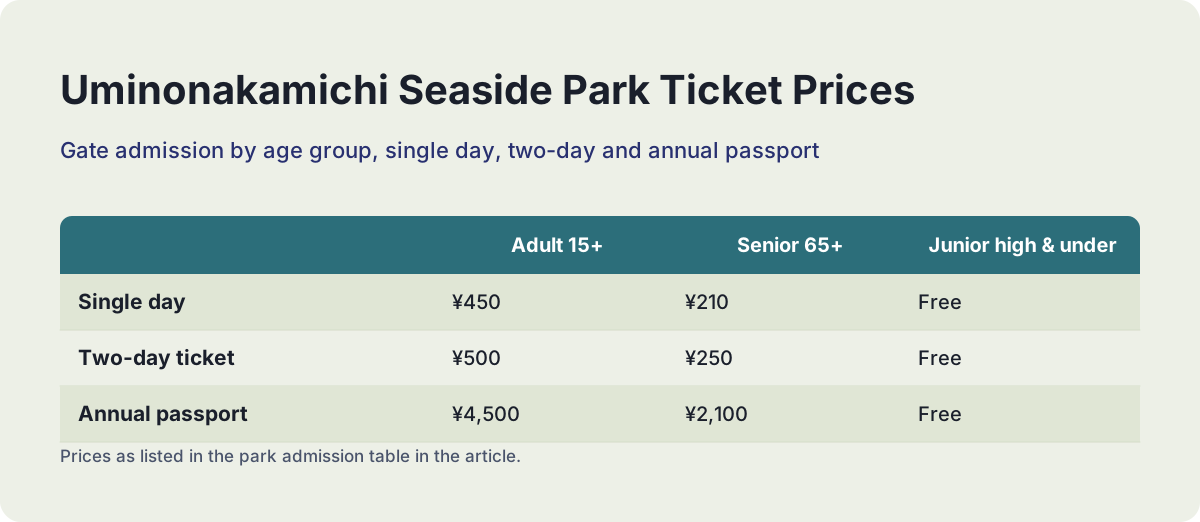
The park runs seasonal hours: 9:30 to 17:30 from March 1 to October 31 and 9:30 to 17:00 from November 1 to February 28, with entry closing one hour before the gate shuts, and the Animal Forest and Dog Run closing thirty minutes earlier than the rest of the park. Admission is ¥450 for adults aged 15 and over, ¥210 for visitors 65 and over, and free for everyone through junior high age. The detail that catches more visitors than any other: the gate takes cash only. Card payment is not accepted at the park entrance.
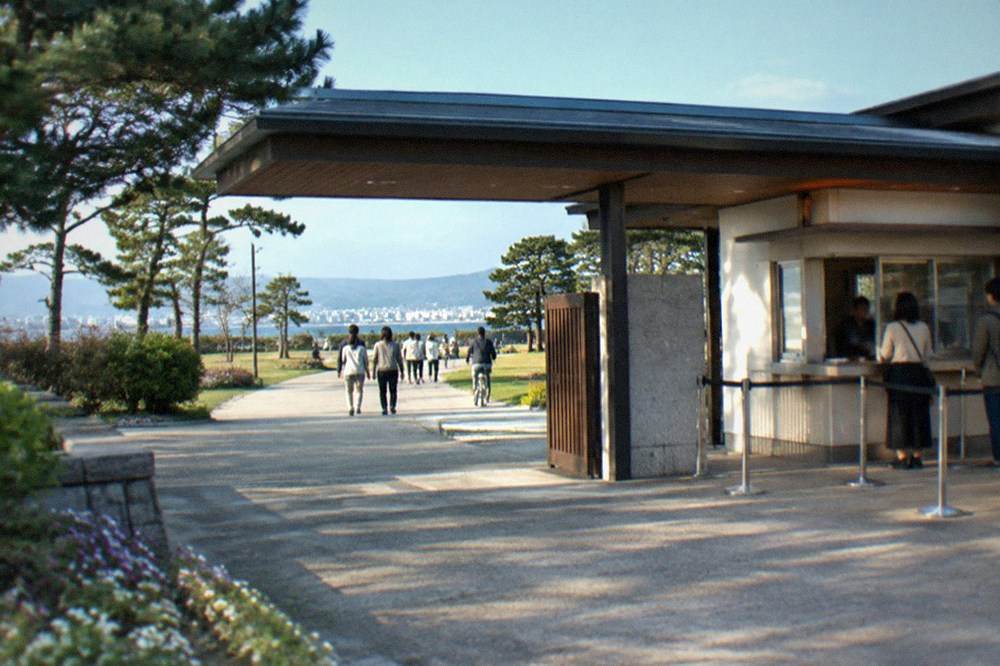
The full official price structure:
| Ticket | Adult 15+ | Senior 65+ | Junior high and under |
|---|---|---|---|
| Single day | ¥450 | ¥210 | Free |
| Two-day ticket | ¥500 | ¥250 | Free |
| Annual passport | ¥4,500 | ¥2,100 | Free |
Groups of 20 or more pay a reduced rate between ¥290 and ¥350 per adult, which matters mainly for school excursions, and this park hosts a great many of them. The free entry for junior high students and younger is the policy worth planning around: a family of two adults and three children pays less than ¥1,000 total for the gate, and the money you save is better spent at the aquarium or the food stalls. The same free-under-15 principle applies across the city's public facilities, including the Fukuoka Zoo and Botanical Garden on the other side of town, which makes a zoo-versus-seaside-park decision a matter of weather and transit rather than cost.
The closure calendar deserves its own warning. The park is closed December 31 and January 1, on a mid-January block from the third Monday through that same week's Friday, and on selected Tuesdays that shift by season across June to mid-July, September, November 4 to December 30, January 2 to 17, and late January through mid-March. No single flat sentence like "closed Tuesdays" is accurate. Check the operator's calendar, published at uminaka-park.jp, before you commit a day.
Pairing the park with the aquarium is where the ticket question gets interesting, because Marine World Uminonakamichi is a separate admission on the same boundary. Its e-ticket product is one of the few prepurchase options worth making on a Fukuoka trip, especially in July and August when the queue at the aquarium entrance is the longest in the park.
What Can You Do Inside the Park?
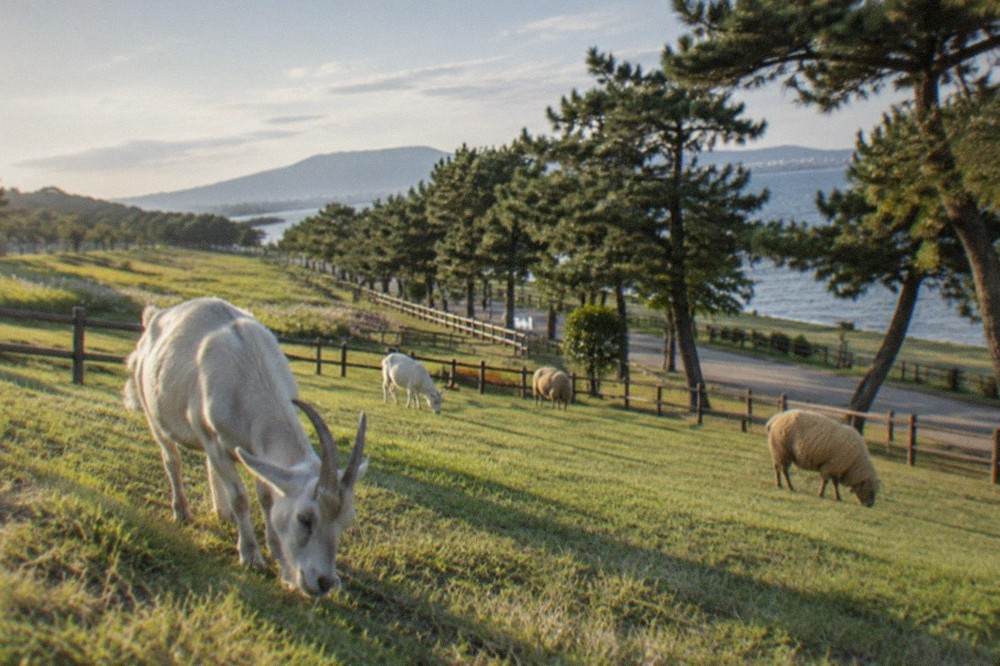
The park divides into the Animal Forest with goats, sheep, ponies and small-animal enclosures near the main gate, large open lawns through the centre, water play zones and play equipment for children, a swimming beach along the bay shore, and seasonal flower plantings that rotate through the year, with cycling paths linking all of it along the sandbar. The Animal Forest is modest by zoo standards and should be treated as a children's attraction rather than a wildlife destination; visitors who want a serious animal collection should compare against the zoo and botanical garden. What the Animal Forest does well is proximity: the enclosures sit minutes from the gate, so tired children can see animals early and still be done before lunch.
The water play zones are the summer workhorses. Fukuoka's July and August normals run mean daily maxima of 31.2 and 32.5 degrees respectively, and a sandbar park with shade, sprays and a swimming beach is close to the ideal answer to that heat. August is actually the better park month on paper: it is hotter than July but drier than both July and June, with 210.0 mm of rain against July's 299.1 mm, and it banks 200.9 hours of sunshine, second only to May. July's heat is real but its rain is heavier, and the honest summer sequence for a park visit is late August before early July. Other pages covering the same trip are gathered on Fukuoka Japan Travel Guide.
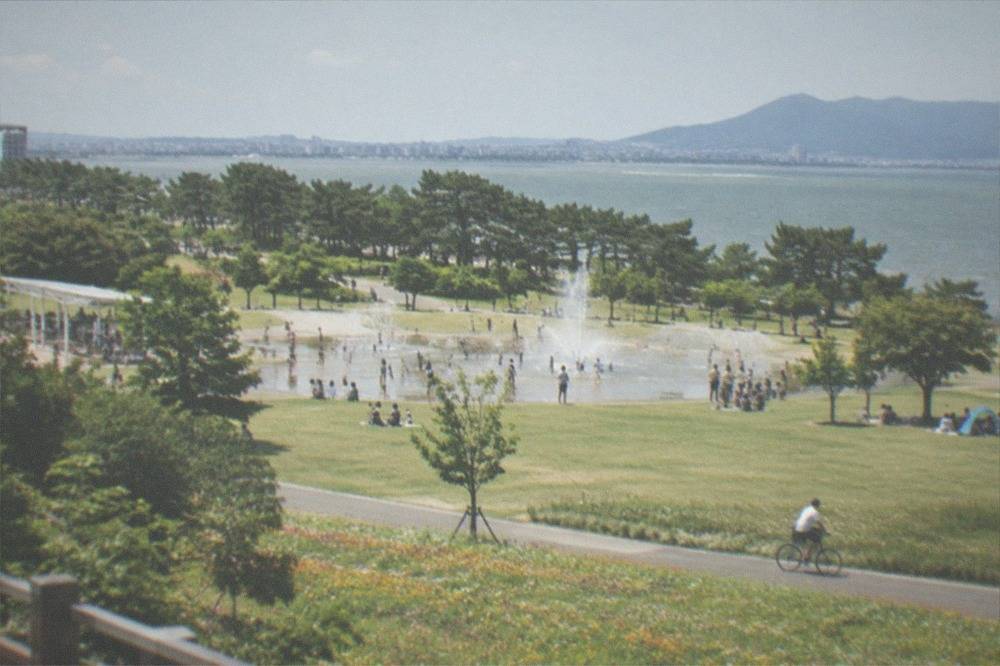
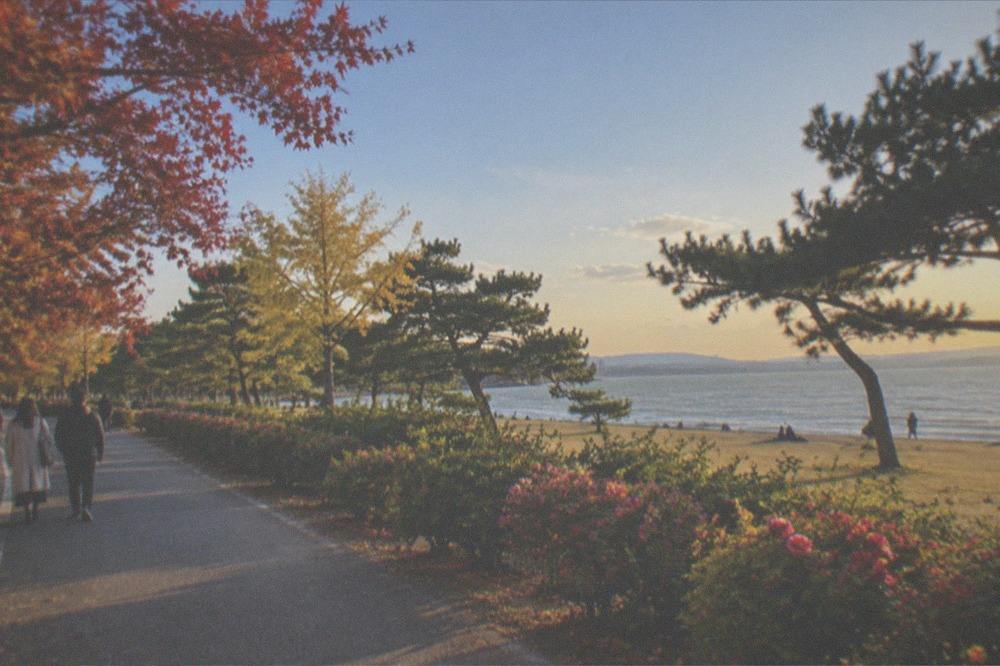
The flower calendar rotates through the year and is the main draw for adult visitors without children. Cherry blossoms reach Fukuoka city around late March with full bloom typically falling end of March into the first days of April, and the park's lawns are one of the city's less crowded hanami spots compared with Maizuru Park and its roughly 1,000 trees at the [Fukuoka Castle ruins](/attractions/fukuoka-castle-ruins/). Later in the year the maples and ginkgos bring autumn colour, with the city's koyo peak running mid to late November into early December. A park this open keeps its colour later than temple gardens in the same week.
The beach deserves a specific mention because it is unusual for a major Japanese city. Swimming beaches inside the urban subway network are rare, and the water here is inside Hakata Bay, which is calm by design rather than by accident: the Uminonakamichi sandbar is the geographic reason the eastern bay shore stays quiet while the Genkai Sea beyond the bay's mouth carries the open-water weather. The practical reading of that geography is that this is a sheltered swim, not a surf beach, and the water play zones rather than waves are what children actually travel for.
Marine World Uminonakamichi: The Aquarium Next Door
Marine World Uminonakamichi is the aquarium standing at the western end of the park boundary, a separate paid attraction with its own admission, its own calendar of opening hours, and a dolphin and sea life show schedule that anchors most visits. The official pricing is ¥2,500 for adults and high school students, ¥1,200 for junior high and elementary students, ¥700 for children aged three and over, and ¥2,200 for seniors 65 and up. Disability certificate holders and one carer each pay half the individual rate.
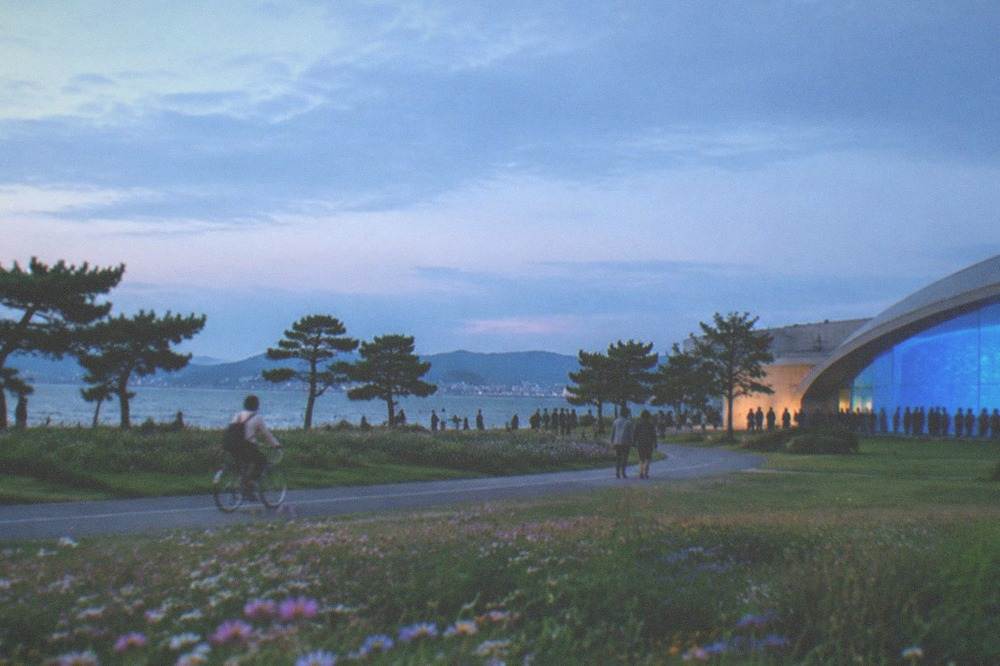
Two practical warnings about the aquarium. First, its hours vary by calendar date, so there is no single year-round figure a guide can responsibly print; the day this file's data was checked it ran 9:30 to 17:30 with last entry at 16:30, but that pattern is not guaranteed on your date, and the operator's schedule at marine-world.jp is the check to make. Second, combining it with the park means two admissions, one of them cash at the gate, so plan the money accordingly. The e-ticket product in the roster, from $16 per person and rated 4.8 across 9 reviews, removes the aquarium queue rather than the park queue, which is a distinction worth understanding before you buy anything.
The combination is at its best in bad weather. A rainy July day kills the water play zones, closes stalls across the city's yatai rows where operators shut for rain and wind, and turns the whole sandbar into a long grey walk. The same day leaves the aquarium fully operational, and a subway ride that would have delivered you to a wet lawn delivers you instead to a covered building with shows on a schedule. The full planning logic for that scenario lives on the rainy day itinerary in the itineraries section of the site.
Best Time of Year to Visit
Late August is the statistical sweet spot for a summer visit: it is the hottest month on record for the city but drier than July and nearly as sunny as May, while April through May and October offer the mild shoulder seasons, and late March into early April brings the blossom without the urban hanami crowds of Maizuru Park. The monthly normals, from the Japan Meteorological Agency's station data for Fukuoka, give the full picture.
| Month | Mean °C | Rain mm | Sunshine h | Park reading |
|---|---|---|---|---|
| Mar | 10.8 | 103.7 | 161.2 | Blossom season, lawns at their best |
| Apr | 15.4 | 118.2 | 188.1 | Mild, mixed showers, koinobori flags |
| May | 19.9 | 133.7 | 204.1 | Sunniest month of the year |
| Jun | 23.3 | 249.6 | 145.2 | Tsuyu season, humid, grey skies |
| Jul | 27.4 | 299.1 | 172.2 | Wettest month, but Yamakasa month too |
| Aug | 28.4 | 210.0 | 200.9 | Peak water play, best summer sun |
| Sep | 24.7 | 175.1 | 164.7 | Typhoon season begins in earnest |
| Oct | 19.6 | 94.5 | 175.9 | Driest month, ideal park weather |
| Nov | 14.2 | 91.4 | 137.3 | Autumn colour into early December |
October is the quiet champion of that table and the month most visitors underrate. It is the driest month of the year at 94.5 mm, the sun holds for 175.9 hours, and the mean temperature of 19.6 degrees is comfortable for a full day of walking a sandbar. September sits in the typhoon window, which runs roughly July through October across western Japan, and a park on exposed low ground near the bay is exactly the kind of place a storm day closes first. That is not a warning against September, it is a scheduling note: check the forecast for the day itself rather than the season.
July carries one cultural wrinkle worth knowing even though it is the wettest month: it is Hakata Gion Yamakasa month, running July 1 to 15 with the Oiyama finale race on July 15 at 4:59 in the morning along a roughly 5 km course. A visitor in town for the festival will find the early mornings claimed by it, which frees the afternoon for exactly this kind of low-stakes park visit. The festival has no ticketing at all; it is staged through the streets around Kushida Shrine, a shrine covered on its own page.
A Half-Day Plan That Works
Arrive mid morning, do the Animal Forest first while children's energy is highest, picnic or buy lunch on the lawns, spend the hot middle of the day inside Marine World, then finish with the beach or water play in the late afternoon sun before the subway home. That order is the answer to the park's one structural weakness: its best outdoor features are exposed, and its covered attraction is the aquarium, so the plan puts indoors where the day's heat belongs.
| Time | Stop | Notes |
|---|---|---|
| 09:30 | Gate and Animal Forest | Arrive at opening, cash ready, enclosures minutes from the gate |
| 10:30 | Central lawns and flower zone | Picnic or stalls, seasonal plantings |
| 12:00 | Marine World | Shows, tanks, shelter from midday heat |
| 15:00 | Beach and water play | Late sun, calm inner bay water |
| 16:30 | Station and ride home | Gate closes one hour before park closing |
Adults travelling without children can compress this. The honest adult itinerary is the aquarium plus one long walk along the sandbar paths, with the lawn time skipped and the beach walked rather than swum. That version is a half morning, not a full day, and it slots neatly into a first Fukuoka visit alongside a morning at Kushida Shrine and the Hakata old town streets, a pairing several itineraries on this site already sequence. For a longer stay the day-trip library takes over from the city: Yufuin and Beppu are full days into the Kyushu interior, and the Beppu hells route in particular is the classic swap for a second day of bay weather.
For visitors deciding how many days to give the city at all, the answer depends almost entirely on how much of this kind of content you want. The wider region's draws, from Dazaifu's shrine to the Itoshima coast, are all reachable from this same subway line's catchment, and the is Fukuoka worth visiting page in the answers section sets out that trade in full.
Across the Bay: Nokonoshima and the Island Alternative
The park's nearest rival for a family day out is Nokonoshima Island Park, on an island inside the same Hakata Bay, reachable by ferry from Meinohama on the bay's western shore, and famous for seasonal flower fields rather than animals or aquariums. Where Uminonakamichi is a sandbar you ride a subway onto, Nokonoshima is an island you take a boat to, and that difference alone decides which one children find more exciting. Both are pay-at-gate parks, and neither should be treated as free: one source has called each of them free and the operators' own pricing contradicts that, so budget for a gate on both.
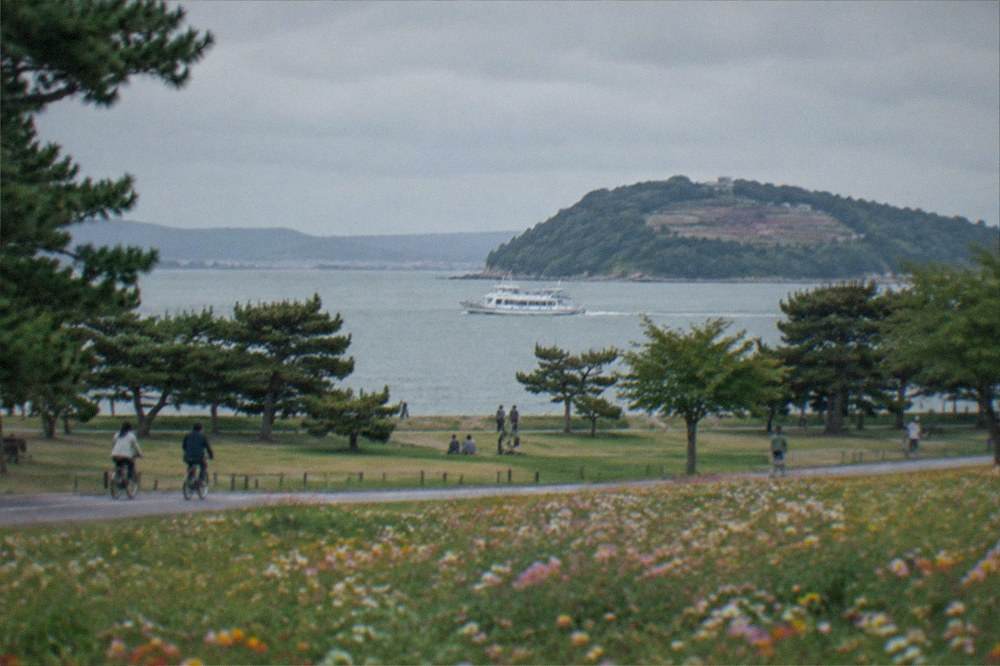
The honest data situation on Nokonoshima is that the island park's own site renders client-side and returns no extractable hours, prices or ferry fares to this site's research, so this page prints no opening time and no admission figure for it. The Nokonoshima Island Park page holds what is verified. What is safe to say is that the two parks make a clean pair: sandbar subway day versus island ferry day, animals and aquarium versus flower fields, and a family with two full days in the city and children in the group could do worse than take both.
There is also a guided route that treats the bay's islands as a single itinerary, pairing the island park with a wagyu barbecue lunch, which is the most complete way to do this coast if you would rather not organize ferries and picnics yourself. It runs from $152 per person, rated 5.0 across 17 reviews, over four to six hours.
Beyond the bay's islands, the same travel logic fans out across Kyushu: Itoshima's coast west of the city, Karatsu and the Kitakyushu coastline east, and the mountain interior behind it all. The day trips from Fukuoka library covers the full radius, and the JR Kyushu rail pass page covers the ticketing when a trip moves beyond the subway's reach.
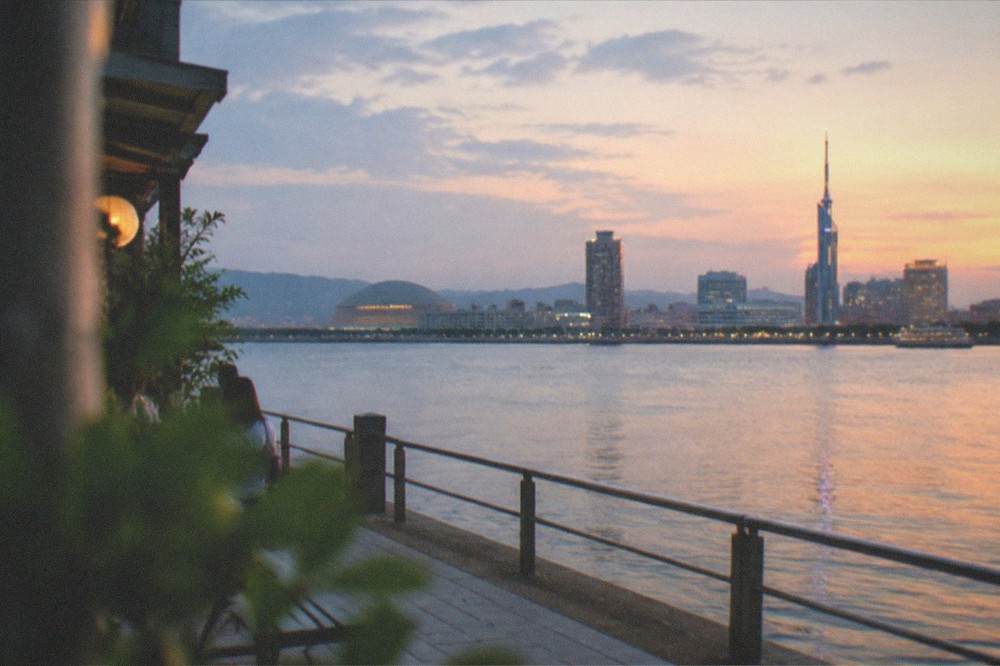
For a trip built around this park specifically, three products cover the three most common plans: the island and barbecue day for the bay's other shore, the aquarium e-ticket for the rainy-day version, and the Beppu and Yufuin mountain day for when the coast weather turns.
Common Questions About Uminonakamichi Seaside Park
Is Uminonakamichi Seaside Park Worth Visiting?
Yes for families and for anyone pairing the trip with Marine World: a ¥450 adult gate, free entry for children through junior high age, animals, water play, a swimming beach and an aquarium on one boundary is exceptional value. Adults prioritizing scenery may prefer Momochi's view across the bay unless the aquarium is on the list.
How much does Uminonakamichi Seaside Park cost?
Adults aged 15 and over pay ¥450, visitors 65 and over pay ¥210, and everyone through junior high age enters free. A two-day ticket costs ¥500 for adults and ¥250 for seniors, and an annual passport costs ¥4,500 or ¥2,100. The gate takes cash only.
What are the opening hours?
From March 1 to October 31 the park runs 9:30 to 17:30, and from November 1 to February 28 it runs 9:30 to 17:00. Entry closes one hour before closing, and the Animal Forest and Dog Run close thirty minutes before the rest of the park.
Is the park open every day?
No. It closes December 31 and January 1, on a mid-January block from the third Monday through that Friday, and on selected Tuesdays that shift by season across June to mid-July, September, November 4 to December 30, January 2 to 17, and late January to mid-March. Check the operator's calendar for your specific date.
How do I get there from Hakata or Tenjin?
Ride the Fukuoka City Subway Airport line to Uminonakamichi station, which sits a short flat walk from the main gate. A ¥640 one-day subway pass covers all three lines if you plan more riding, and the ¥2,500 Fukuoka Tourist City Pass, passport checked at the counter, covers subway, buses, trams and ferries for a day.
Can I combine it with Marine World in one day?
Yes, and that is the recommended plan. The aquarium stands at the park's western end with its own admission, ¥2,500 for adults, and its hours vary by calendar date, so check the operator's schedule for your day. Doing the Animal Forest in the morning and the aquarium through the hot middle of the day is the standard pattern.