Momochi
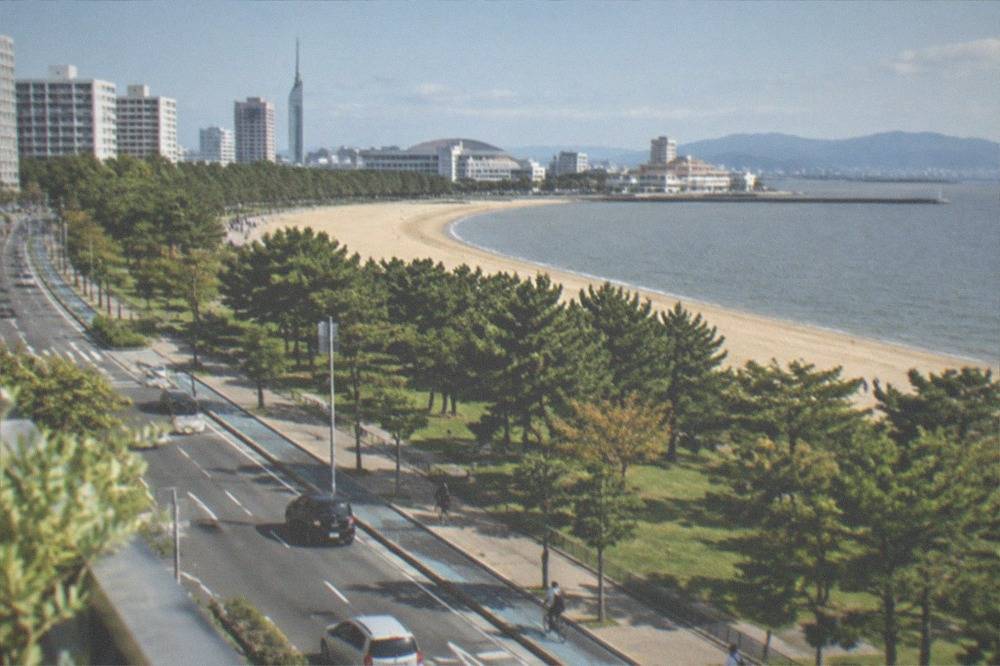
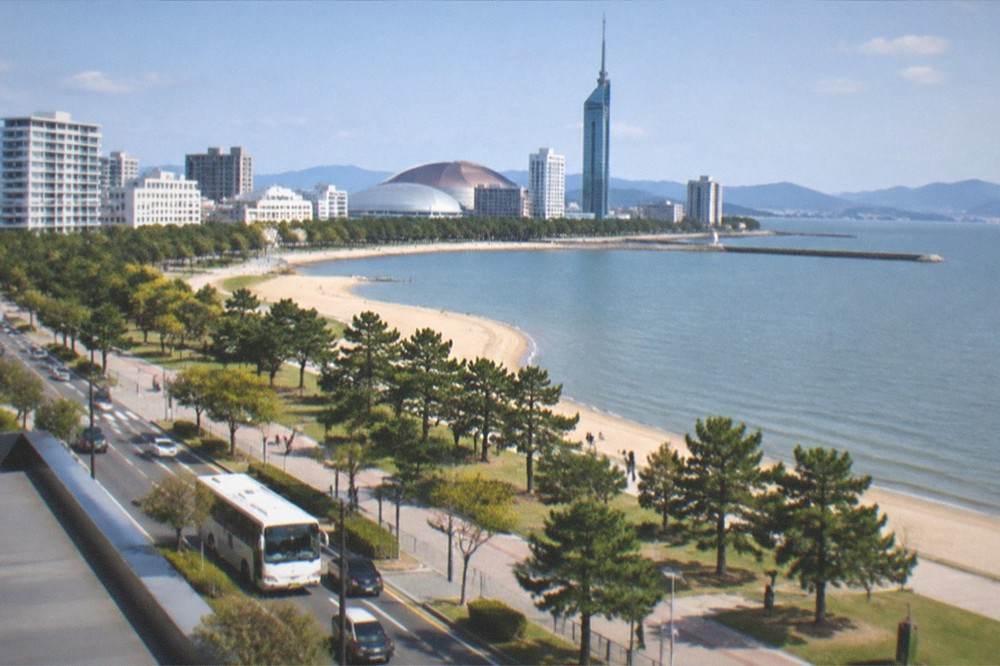
Momochi is Fukuoka's man-made seaside: a long sand beach on Hakata Bay, a 234 m observation tower, a baseball dome, an immersive art museum and a string of waterside cafés, all reachable by subway and bus from Tenjin and Hakata.
Short answer
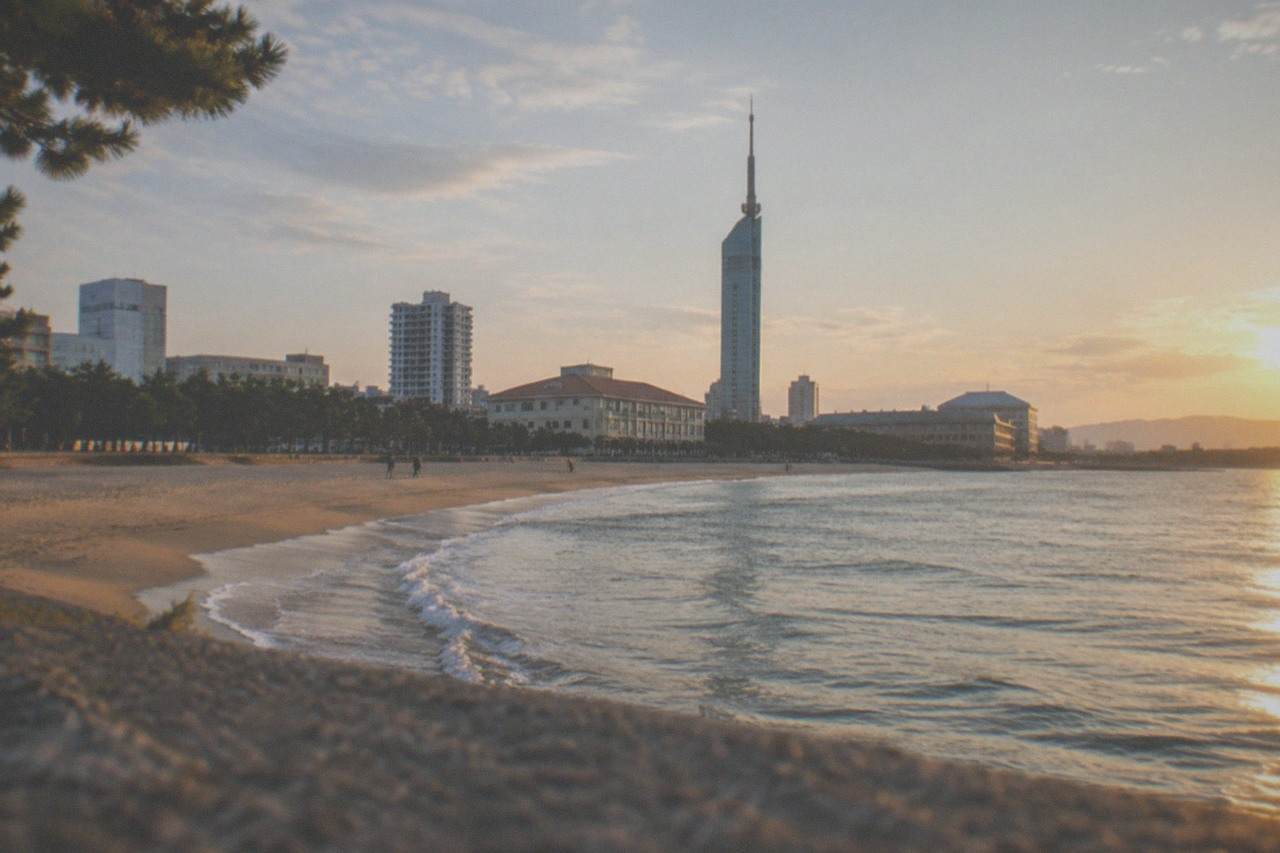
Momochi is known for its 234 m Fukuoka Tower, the Momochihama beach on Hakata Bay, Mizuho PayPay Dome and teamLab Forest, plus a chain of parks and cafés along the water. It is Fukuoka's purpose-built waterfront resort district, about 20 minutes from Tenjin by subway and bus, with paid tower entry at ¥1,000 for adults.
Momochi is the stretch of reclaimed waterfront on the western side of Hakata Bay where Fukuoka put its beach, its tallest tower, its baseball dome and its most photogenic modern architecture. The district was built out from the shore as a planned seaside resort zone, and that planning still shows: the sand is wide, the parks run in an almost unbroken chain, and the skyline is low, glassy and deliberate. Locals treat it as the city's front garden; visitors treat it as the place to go when the temple-and-shrine circuit of Hakata has run its course. It sits in the Sawara ward of the same city as Hakata and Tenjin, which is worth saying plainly because a surprising number of guides write about it as though it were a separate destination.
What Is Momochi Known For?
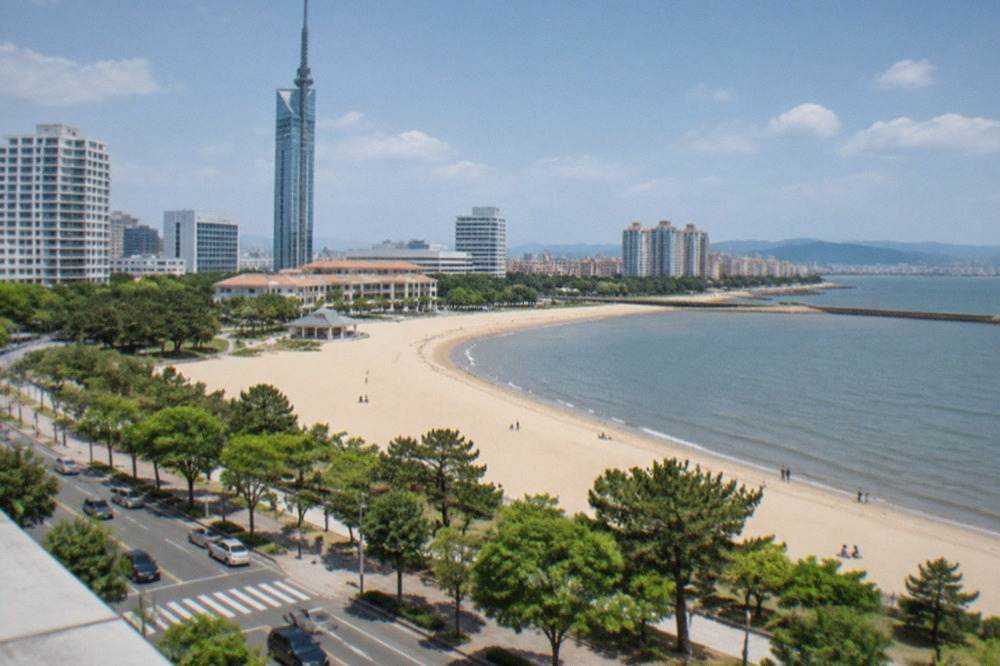
Momochi is known for five things: the 234 m Fukuoka Tower and its three observation decks, the Momochihama beach on Hakata Bay, Mizuho PayPay Dome and its Hawks baseball, the teamLab Forest immersive art museum, and a long chain of seaside parks and cafés. It is a planned waterfront district inside Fukuoka city, not a separate town. Expect modern glass, sand and water views rather than history; the historic quarter is on the other side of the city in Hakata.
That contrast is really the point of the place. Hakata has the temples, the shrine and the yatai stalls, and this site covers the food-crawl side of that in the Hakata food scene. Momochi answers a different question: where does a city go on its day off? Fukuoka's answer is west along the bay, onto sand that was laid here deliberately, in front of a skyline that was drawn on a drafting table.
The district also works as a family destination in a way few Japanese city centres manage. The beach, the aquarium-style attractions nearby, the art museum and the promenade are all within a flat walk of one another, and the whole zone is built at sidewalk scale. Nothing here requires a car, and almost nothing requires a queue.
What Are the Top Things to See Along Momochi Seaside?
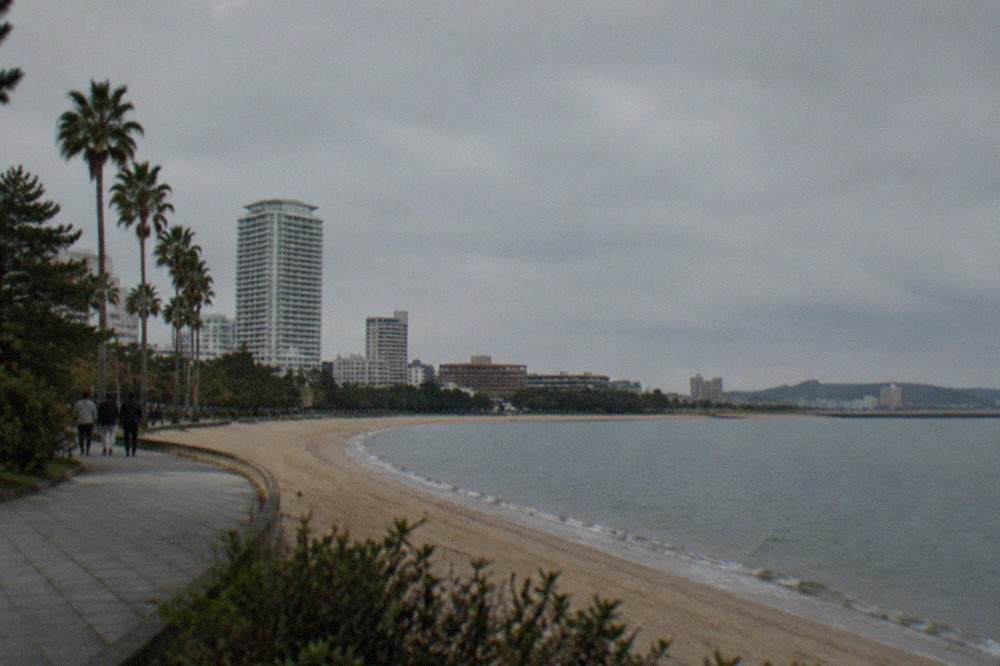
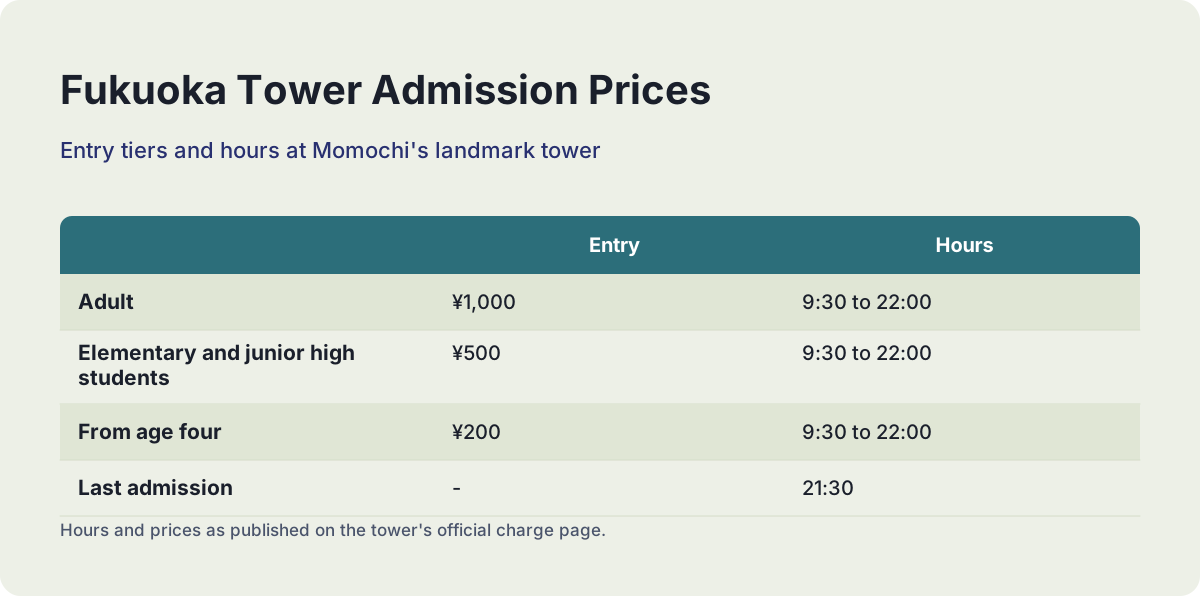
The essential sights are Fukuoka Tower, Momochi Seaside Park and the Momochihama beach, Mizuho PayPay Dome, and teamLab Forest. Fukuoka Tower charges ¥1,000 for adults, ¥500 for elementary and junior high students and ¥200 from age four, and is open 9:30 to 22:00 with last admission at 21:30. The beach and promenade are the free spine of the district, and the tower's observation decks sit at 123 m, 120 m and 116 m.
Fukuoka Tower is the landmark, a 234 m lattice tower whose silhouette shows up in half the city's promotional photography. It stands on the Momochihama edge of the district, and its official charge page confirms both the admission tiers and the hours above. It closes two days a year: 28 and 29 June 2027 are the published annual closure dates. Payment is easy at the gate, which takes cash, major cards and a range of QR and app payment systems, so a cash-short visitor is not stuck. If you would rather sort the ticket before you arrive, a tower admission product is sold through an operator's live listing, and the tower's own official charge page publishes the same figures you will pay at the door.
Mizuho PayPay Dome, covered in full on this site's PayPay Dome guide, is the home of the SoftBank Hawks and the biggest entertainment venue in the city. On a game night the whole district changes character, and the walk from the subway through the promenade becomes a slow parade of fans. teamLab Forest sits inside the adjacent commercial complex: a ticketed immersive art space of forest and ocean-themed rooms that a family can occupy for one to two hours. It is one of the district's most reliable rainy-day options, and it pairs naturally with the aquarium-grade attractions further along the bay at Marine World, whose fees are published on its official fees page.
| Sight | What it is | Entry |
|---|---|---|
| Fukuoka Tower | 234 m tower, decks at 123 m, 120 m and 116 m | ¥1,000 adult, ¥500 school age, ¥200 from age 4 |
| Momochi Seaside Park and beach | Sand beach, lawns and promenade on Hakata Bay | Grounds open to walk; check the park office for facilities |
| Mizuho PayPay Dome | Baseball stadium and concert venue | Event-dependent |
| teamLab Forest | Immersive digital art museum | Ticketed, timed entry |
| Fukuoka City Museum | City history, including the Gold Seal | Collection gallery fees apply |
One honest note on the beach itself: Momochihama is a pleasant urban beach with a view across Hakata Bay toward the port, but it is a bay beach beside a working harbour, not a subtropical cove. People swim here in summer, and the sand is genuinely used rather than ornamental, but travellers comparing it to Okinawa will be disappointed. Treat it as a free seaside promenade with swimming as a bonus and it delivers exactly what it promises.
How Do You Get to Momochi from Hakata or Tenjin?
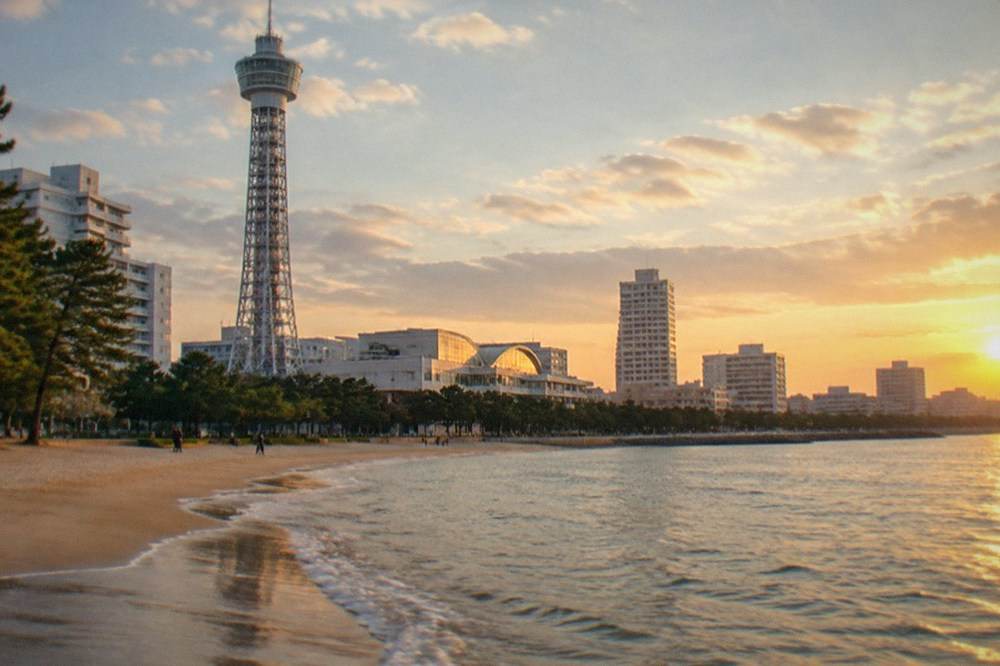
There is no subway station inside Momochi itself. The standard route is the Kuko subway line to Tojinmachi or Nishijin, then a 15 minute flat walk or a short bus ride along the coast; from Tenjin the subway fare falls in the ¥210 to ¥260 fare bands depending on distance. From Hakata, change at Tenjin. A day combining Momochi with Ohori Park works well because Nishijin and Tojinmachi sit between the two, and the Ohori Park area guide covers the walking link.
Fukuoka's subway charges by distance in six bands: ¥210 for up to 3 km, ¥260 for 3 to 7 km, ¥300 for 7 to 11 km, ¥340, ¥360 and ¥380 out to the maximum band over 19 km. A one-day subway pass costs ¥640 for adults and ¥320 for children and is valid on all three lines from first to last train on the day of purchase, which makes it the better buy the moment you plan a second ride. If you are arriving by air, the airport is unusually close to the city centre, and the airport to Hakata leg costs ¥260; this site's airport to city guide covers the options without inventing a journey time.
Buses along the coast reach the tower and the dome directly, and Nishitetsu runs a city day pass for its buses if the subway plus walk does not suit. In practice, most visitors do some version of the same loop: subway west, walk through the parks to the tower, then continue along the promenade and bus or walk back. The flat terrain also makes the district unusually good on two wheels, which is exactly why a guided ride that starts in Hakata and pushes out to the waterfront makes sense as a way to see the whole city in one morning.
The guided Hakata bike ride is a 3 hour 30 minute loop that treats the waterfront, the older streets and the modern district as one continuous story rather than three separate outings. It suits visitors who would rather not parse the bus map on day one, and it is rated 4.7 from 22 reviews, a pool small enough to read in one sitting rather than a number to lean on. Read the tour's own page on this site at Hakata guided bike ride for the full route, then check availability with the operator for your dates.
Where Should You Eat and Drink Around Momochi?
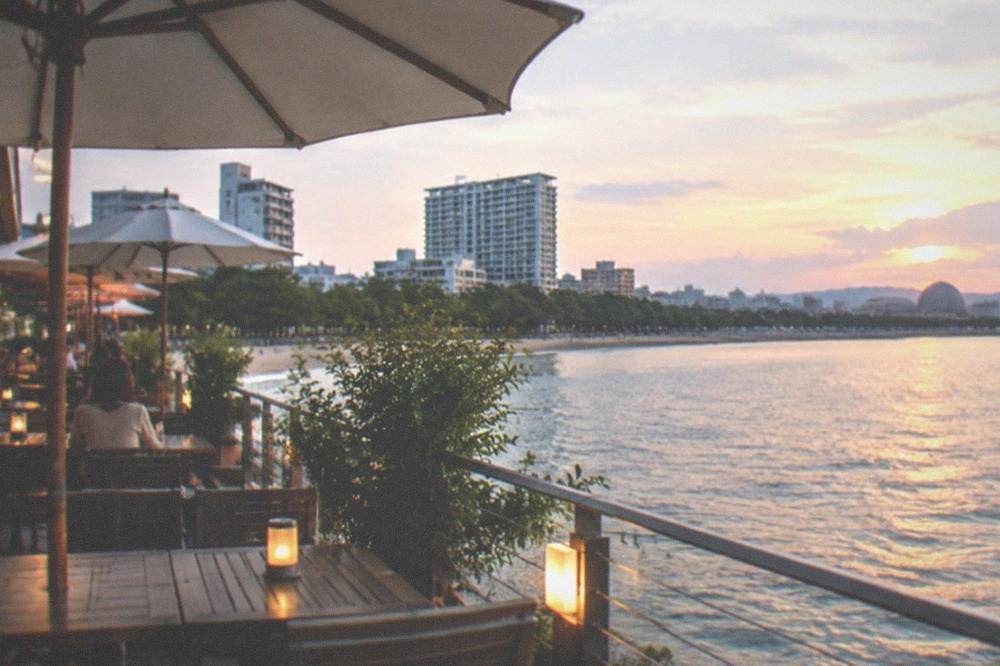
Momochi's food is waterside and casual: café and restaurant terraces along the promenade, the dining floors of the tower and the commercial complex, and seasonal kiosk and beach-vendor stalls in summer. It is not a yatai district; the licensed food stalls, about 100 of them city-wide, concentrate in Nakasu, Tenjin and Nagahama across the water, and Momochi is where you go after eating rather than where you go to eat.
That said, the district holds its own for daytime eating. The restaurant floors around the tower and the complex near teamLab Forest carry the widest choice, from chain terrace cafés to proper seafood restaurants that trade on the harbour view across Hakata Bay. The seafood angle is genuine: Fukuoka sits on the Genkai Sea side of northern Kyushu, and the fish that comes through the nearby markets shows up on Momochi menus within a day. For the full rundown of where the city's famous food actually lives, see the Fukuoka food guide and the Nakasu area guide.
| Where | Style | When it works best |
|---|---|---|
| Tower dining floors | Cafés and restaurants at height | Sunset to night view dining |
| Complex near teamLab Forest | Chain and mid-range restaurants | Lunch after the art museum |
| Promenade terraces | Coffee, gelato, casual Western and Japanese | Afternoon between sights |
| Seasonal beach stalls | Street snacks and drinks | Summer beach season |
One planning note that saves people real money: the tower's admission hours run late, with last entry at 21:30, so dinner in Momochi can be sequenced in either direction. Eat first and go up at dusk, or buy the tower ticket first and eat after the view. The view at night, with the bay and the dome lights below, is the district's single best photograph after sunset. The wider set of guides lives on Fukuoka Japan Travel Guide.
When Is the Best Time to Visit Momochi?
May is the best month for Momochi: it is the sunniest month of the year in Fukuoka at 204.1 sunshine hours, with a mean of 19.9°C and daily highs near 24°C. July is the wettest month of the year at 299.1 mm, wetter even than June's tsuyu-season 249.6 mm, so the rooftop and beach hours are better spent in spring or early autumn. Summer works for swimming, but plan the tower and teamLab Forest as the midday fallback.
These figures are Japan Meteorological Agency 1991 to 2020 normals for the Fukuoka station, and they overturn the assumption most guides carry that the rainy season month is the wettest one. July beats June, and August, at 28.4°C mean and 210.0 mm of rain with 200.9 sunshine hours, is hotter and drier than both. The counterintuitive July figure is a genuinely useful planning fact, and this site's best time to visit guide puts it in the context of the whole year. Typhoon season runs roughly July through October as a real but non-catastrophic planning factor; it is a reason to keep plans flexible, not a reason to skip the city.
| Month | Mean °C | Rain mm | Sunshine h | Momochi verdict |
|---|---|---|---|---|
| March | 10.8 | 103.7 | 161.2 | Cold wind off the bay, quiet parks |
| May | 19.9 | 133.7 | 204.1 | Best month on the numbers |
| July | 27.4 | 299.1 | 172.2 | Wettest month; indoor fallbacks |
| August | 28.4 | 210.0 | 200.9 | Hot, drier, good for the beach |
| October | 19.6 | 94.5 | 175.9 | Dry, mild, very good |
| December | 9.1 | 67.5 | 112.2 | Cold and quiet; illuminations nearby |
What Can Families Do in Momochi?
Families get the best value per kilometre in Momochi of anywhere in Fukuoka: a flat, traffic-calm promenade, a sand beach with shallow summer swimming, an immersive art museum children can touch, and a 234 m tower with glass floors for the brave. The whole loop from the subway at Tojinmachi to the tower is flat and stroller-friendly, and the parks between are the kind where a child can run without an adult holding pace.
The practical sequencing for a family day is simple. Arrive mid-morning, walk the promenade west to east, stop at teamLab Forest for the indoor hour, and end at the tower before sunset so the ride up happens in daylight and the ride down happens in the dark. That ordering gives children two completely different views from the same window and doubles the tower's value without doubling the cost. The dome area adds an evening option on nights when the Hawks play, and the crowd energy alone is a spectacle a child will remember longer than the score.
For families using a wider itinerary, Momochi slots most naturally into day two or three of a first visit, after the Hakata temples and before or after a Fukuoka three-day itinerary reaches Dazaifu. Pairing it with the Ohori Park and castle-ruins morning works because the two sit inland of each other with the subway stations in between: Ohori Park in the morning, Momochi in the afternoon, the tower at dusk.
What Does Momochi Look Like at Night?
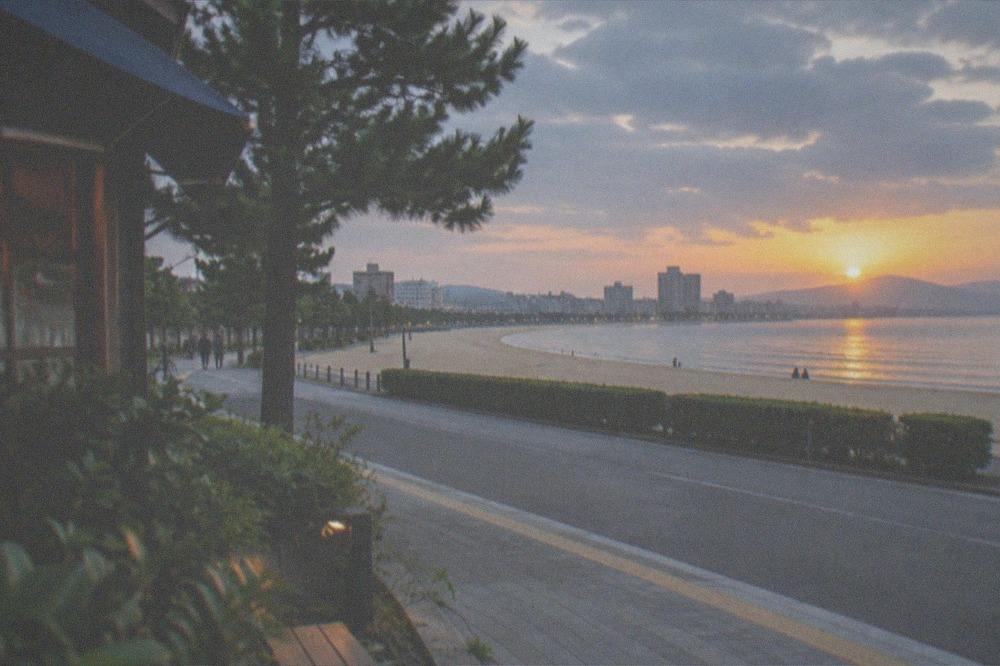
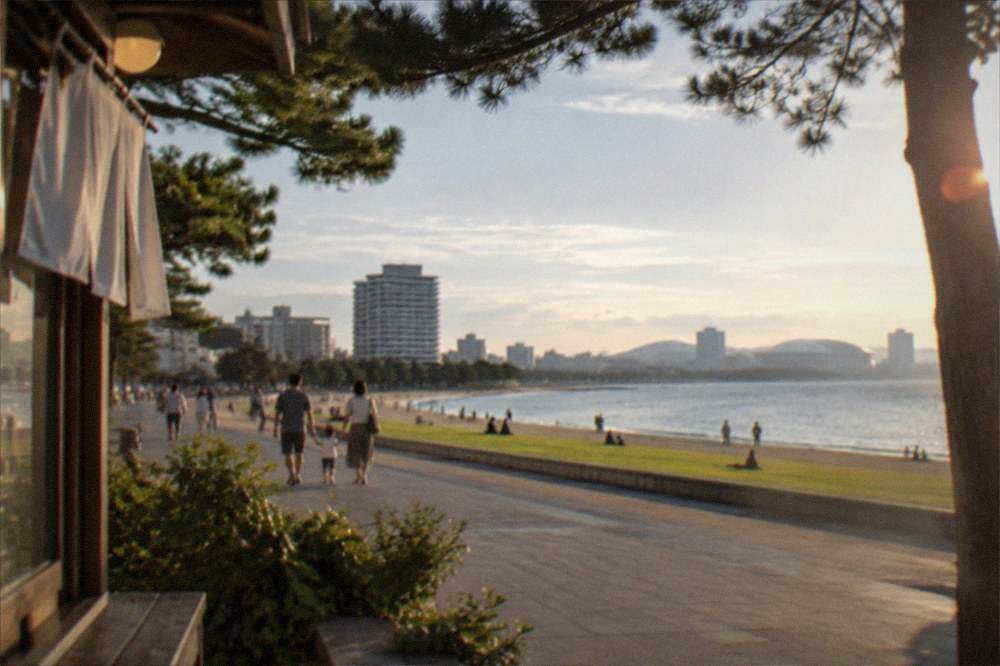
Momochi at night is a district of controlled light: the tower's seasonal illuminations, the dome's event glow, and the promenade's low lamp line along the water. The tower stays open until 22:00 with last admission 21:30, so the night view from 123 m is the headline. The bay side of the walk is quiet after dinner service ends, and the district reads best from above or from across the water on a night cruise, which is the one bookable night product that frames the whole skyline.
The night cruise deserves its own sentence because it is the closest thing Momochi has to a signature evening activity: a roughly three-hour run on the bay that puts the tower, the dome and the city lights in one frame from the water. The district also contributes to the city's seasonal calendar of light displays; the tower runs themed exterior illuminations at various points of the year, and the broader Fukuoka illuminations season is covered in the city's illuminations guide.
Beyond the cruise, the honest answer is that Momochi's night is quieter than its day. The promenade empties, the cafés close, and the action moves either upward into the tower or back across the city to the food stalls and bars of Nakasu. That is not a flaw; it is what makes the district a good evening for travellers who want one calm waterfront night between two loud food nights.
How Much Does a Momochi Day Cost?
A Momochi day can be done almost free or comfortably paid. The walk, the beach and the parks cost nothing. The tower costs ¥1,000 per adult, teamLab Forest is ticketed, and transit runs about ¥210 to ¥260 each way by subway plus a walk or bus. A couple doing the tower and the art museum in one day should budget for two paid entries, one or two transit fares each, and lunch, without needing a tour to hold the day together.
The budget tier here is genuinely generous. A visitor who walks from Tojinmachi, spends the morning on the free promenade and beach, and skips the paid interiors still gets the district's best photographs. The mid tier adds the tower view. The top tier adds the art museum and, for visitors who want the day explained rather than just seen, a guided element: this site's guide to the city's private tour options covers what a local guide adds, and a hands-on option like an Okinawa-style shisa amulet workshop gives children or craft-minded travellers something to take home from the same region.
| Budget tier | What it includes | Ballpark per adult |
|---|---|---|
| Free | Promenade, beach, parks, skyline from the ground | Transport only |
| Standard | Free sights plus Fukuoka Tower entry | Tower fare ¥1,000 plus transport |
| Full | Tower, teamLab Forest ticket, dinner with a view | Two entries, transport and a meal |
| Guided | Bike loop of Hakata and the waterfront | Tour fare plus any entries you add |
Two money notes that matter. The tower's gate takes cash, cards and app payments, so there is no cash trap at the door. And the subway one-day pass at ¥640 pays for itself on a third ride, which a Momochi day that also touches Ohori Park or Tenjin will easily reach.
Is Momochi Worth the Trip?
Momochi is worth the trip for anyone with a spare half-day, a camera, or children, and it is the best half-day in the city when the question is water and sky rather than history. It is not worth a full day on its own for a first-time visitor with only two or three days; pair it with Ohori Park or the castle ruins inland, or with the dome on a game night, and it earns its place.
The fairest way to frame it is as one half of Fukuoka's personality. Hakata and Tenjin are the city's history and appetite; Momochi is its present tense, the part that was drawn rather than grown. A first visit that sees only the old side leaves with an incomplete picture of what this city is, because the waterfront is where Fukuoka shows what it decided to become. The district anchors the western end of any Tenjin-to-bay walk, and it pairs cleanly with the shopping arcades covered in the Fukuoka shopping guide. Skip it only if your visit is short and strictly temple-to-ramen.
For visitors staying longer in the region, Momochi is also the departure logic for the coast: the Itoshima peninsula to the west is the same coastline continuing, and a volcano-and-grasslands day trip inland gives the mountains that the bay never shows. Both are one-booking decisions rather than planning projects, and the trio below frames the choice in one screen: the waterfront ride, a hands-on cultural hour, and a full-day mountain option.
Common Questions About Momochi
What Is Momochi Known For?
Fukuoka Tower, the Momochihama beach, Mizuho PayPay Dome, teamLab Forest and a long chain of seaside parks and cafés. It is a planned waterfront district inside Fukuoka city on Hakata Bay, roughly 20 minutes from Tenjin by subway and a walk, with tower entry at ¥1,000 for adults.
Can You Swim At Momochi Beach?
Yes, in summer. Momochihama is an urban bay beach beside a working harbour, with a promenade and lawns that are usable all year. Treat swimming as a seasonal bonus rather than the main draw, and expect a bay, not a subtropical cove.
How Do You Get To Momochi By Subway?
Take the Kuko line to Tojinmachi or Nishijin and walk or bus the last stretch to the coast. Fares fall within the city subway's published distance bands of ¥210 and ¥260 for these legs, and the ¥640 one-day pass pays off once you add a second ride.
Is Momochi Good For Families?
Very. The terrain is flat, the promenade is stroller-friendly, teamLab Forest is a hands-on indoor option, and the tower's late hours let you sequence the visit around sunset. Pairing it with Ohori Park or the castle ruins makes a full family day.
What Does Fukuoka Tower Cost?
¥1,000 for adults and high school age and above, ¥500 for elementary and junior high students, and ¥200 from age four, per the tower's official charge page. It is open 9:30 to 22:00 with last admission at 21:30, and the published annual closure dates are 28 and 29 June 2027.