A Weekend in Fukuoka
Fukuoka is compact enough that a Friday evening arrival still leaves you two full days for shrines, yatai stalls, waterfront parks and one serious trip into Kyushu's interior.
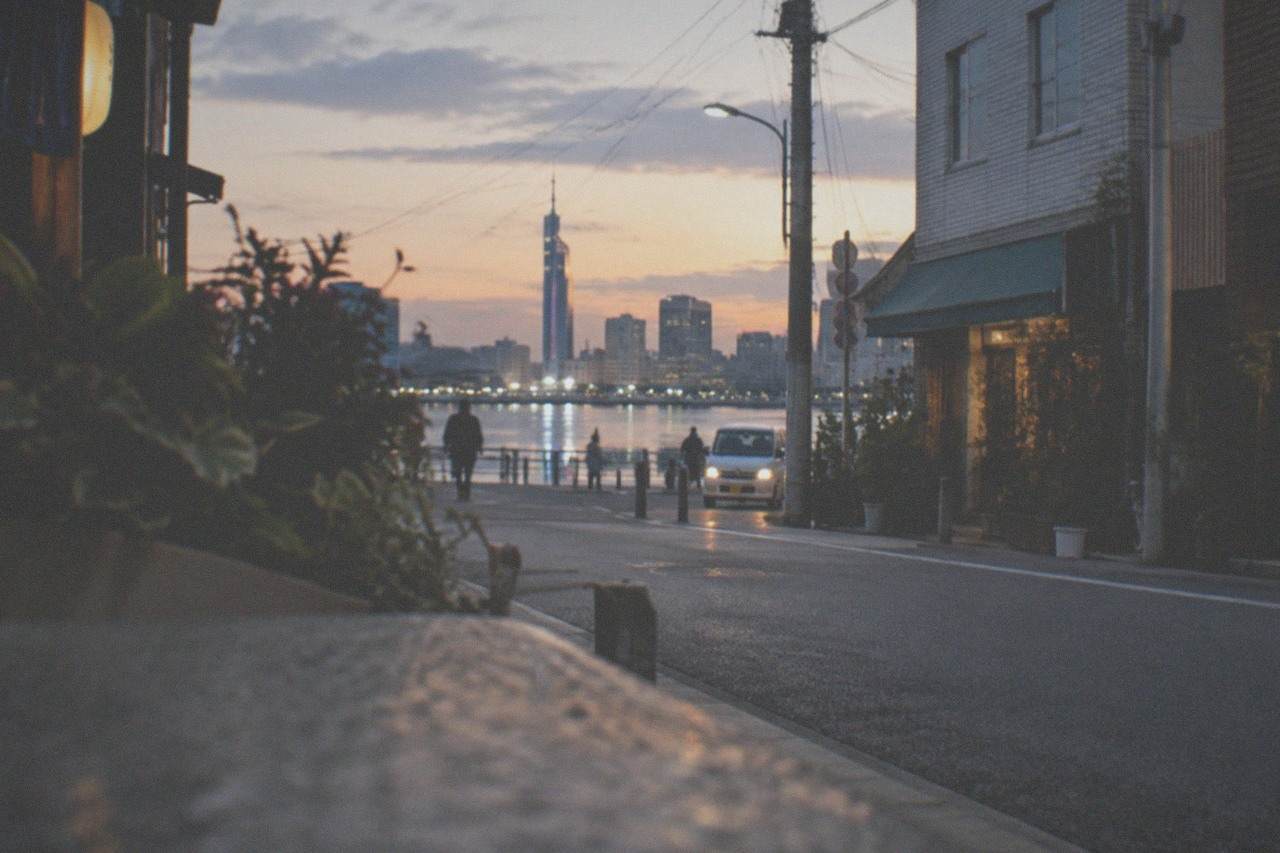
Short answer
A Fukuoka weekend works because the airport sits unusually close to the centre: the subway to Hakata costs ¥260. Spend Friday evening at the Nakasu yatai, Saturday on Kushida Shrine, Tochoji and Ohori Park, and Sunday on the coast at Uminonakamichi or on a guided day tour into Kyushu. City transport runs on a ¥640 day pass and the paid sights total under ¥3,000.
Fukuoka rewards a short trip better than almost any city in Japan. The airport sits inside the city boundary, the subway costs pocket change, and the three things the city is famous for, tonkotsu ramen, yatai food stalls and shrines tucked between office towers, are all within a fifteen minute walk or ride of one another. A Friday evening arrival, a full Saturday, a full Sunday and a Monday morning departure is enough to see the city properly and still steal one big excursion into the countryside.
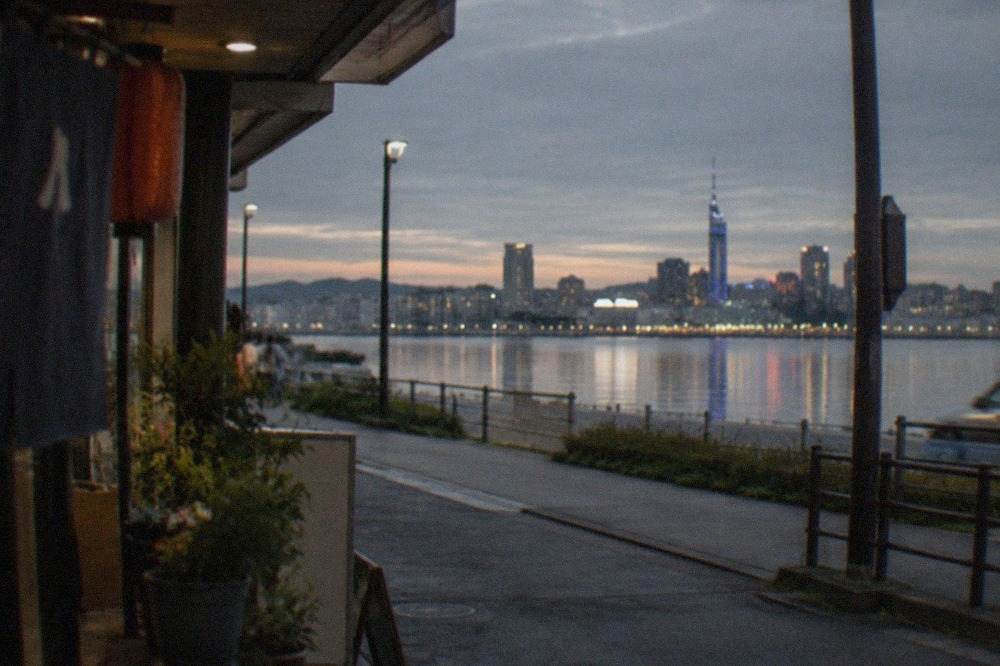
How Do You Shape a Friday to Sunday Weekend in Fukuoka?
The shape that works is one neighbourhood per half day: land Friday and eat in Nakasu, give Saturday to the Hakata old town and Ohori Park in the west, and commit Sunday to a single big excursion, either the Uminonakamichi coast or a guided day tour into Kyushu's interior. Fukuoka is one city, not a collection of distant districts, so the whole plan runs on a ¥640 subway day pass and a pair of comfortable shoes.
The biggest planning mistake visitors make is treating Fukuoka as a checklist of far-flung sights. It is not. Hakata is the ward around the main station, Tenjin is the shopping core ten minutes up the subway, Nakasu is the nightlife island between them, and Ohori Park is one more stop to the west. Everything in this itinerary sits on the three subway lines, and the whole network's single fares run from ¥210 for trips up to 3 km to ¥380 for the longest rides, per the official city subway fare table.
The second mistake is booking nothing for Sunday and then discovering that the best excursions, the Mount Aso volcano country, the Takachiho gorge, the onsen town of Kurokawa, need a full ten hours and a coach seat. Decide Saturday night what Sunday is, and if it is a guided tour, book it before you sleep.
Here is the weekend at a glance:
| Slot | Neighbourhood | Anchor sight | Evening plan |
|---|---|---|---|
| Friday evening | Hakata station area and Nakasu | Kushida Shrine grounds | Yatai stalls along the Naka River |
| Saturday morning | Hakata old town | Tochoji and Shofukuji | Kawabata Shopping Arcade |
| Saturday afternoon | Ohori Park and Maizuru | Ohori Park Japanese Garden | Tenjin or Daimyo for dinner |
| Sunday | Uminonakamichi or Kyushu interior | Marine World or Aso country | Early night, or a yatai rematch |
If your trip is longer than a weekend, this plan slots straight into the fuller three day Fukuoka itinerary, and the first-timer version of the route is laid out in the Fukuoka first time itinerary.
Friday Evening: From Fukuoka Airport to the Yatai
Arrive, drop bags, and be eating at a food stall within the hour: the subway from Fukuoka Airport to Hakata costs ¥260 and the airport is, unusually for a major Asian city, inside the city itself. Do not look for a JR Fukuoka Station, there is no such station, the rail hub is Hakata. Friday evening belongs to Nakasu and the yatai, and nothing needs booking.
Fukuoka Airport (FUK) sits on the subway's Kuko line, and the fare into Hakata falls in the official 3 to 7 km band, which is where the ¥260 adult fare comes from. The airport's closeness to the centre is real and well documented; what is not verified is the "five minutes" figure every competing guide prints, so treat the ride as short rather than timed. If you land at the international terminal, the free inter-terminal shuttle bus connects to the domestic terminal where the subway station sits, and the airport's own access page gives that transfer about ten minutes.
Once you are in Hakata, the Friday plan is deliberately small. Check in, walk to Kushida Shrine, which is free to enter and sits improbably between office blocks, then follow the Naka River to Nakasu. This is the city's famous entertainment district, and the riverside row of yatai here is the most photographed street food scene in Japan.
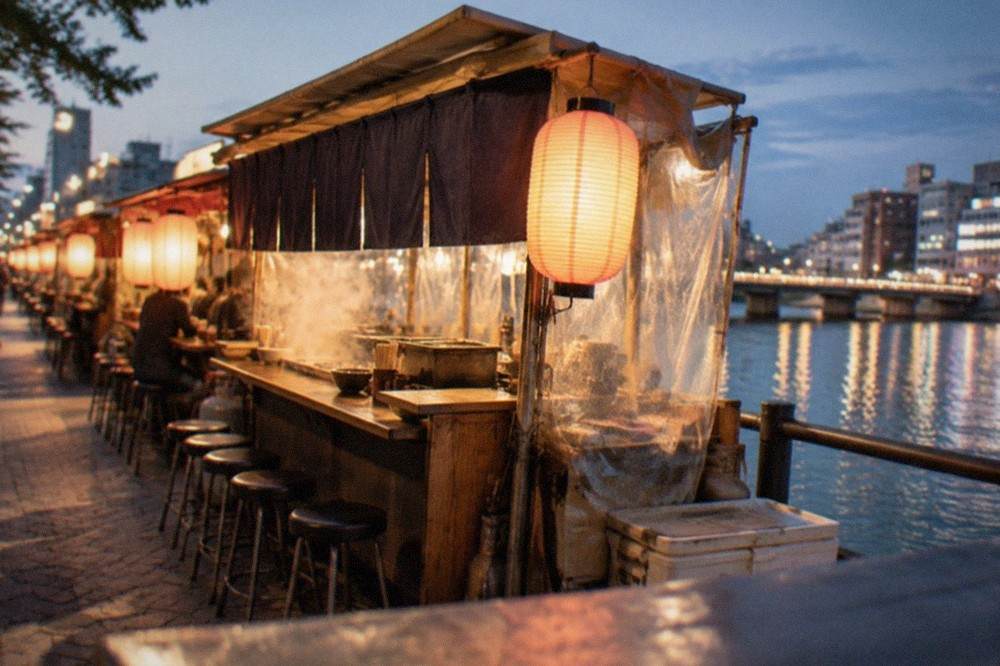
The yatai deserve their reputation, and the numbers behind them are worth knowing. Fukuoka has about 100 licensed stalls, more than any other Japanese city, and the count is held steady by a public recruitment system that fills plots as operators retire. The city's yatai ordinance requires every stall to display its prices where customers can see them, and it bans the vague "market price" wording that catches visitors out elsewhere, so a stall must show the day's actual price for anything priced on the market. That ordinance is the honest answer to the question every first-time visitor quietly has: no, the stalls are not a trap.
Practical yatai rules for a Friday night: stalls typically set up from around 17:00 and open near 18:00 or 18:30, closing in the small hours, and they close at the operator's discretion, so rain or strong wind can empty a row. There is no city-mandated closing day. Seats are limited, often seven or eight per stall, and the custom is to order, eat, chat and move on rather than camp for the evening. You cannot book a stall, and you do not need to: the yatai take walk-ins, full stop. What you can book is a guided crawl, and for a first night that is worth considering.
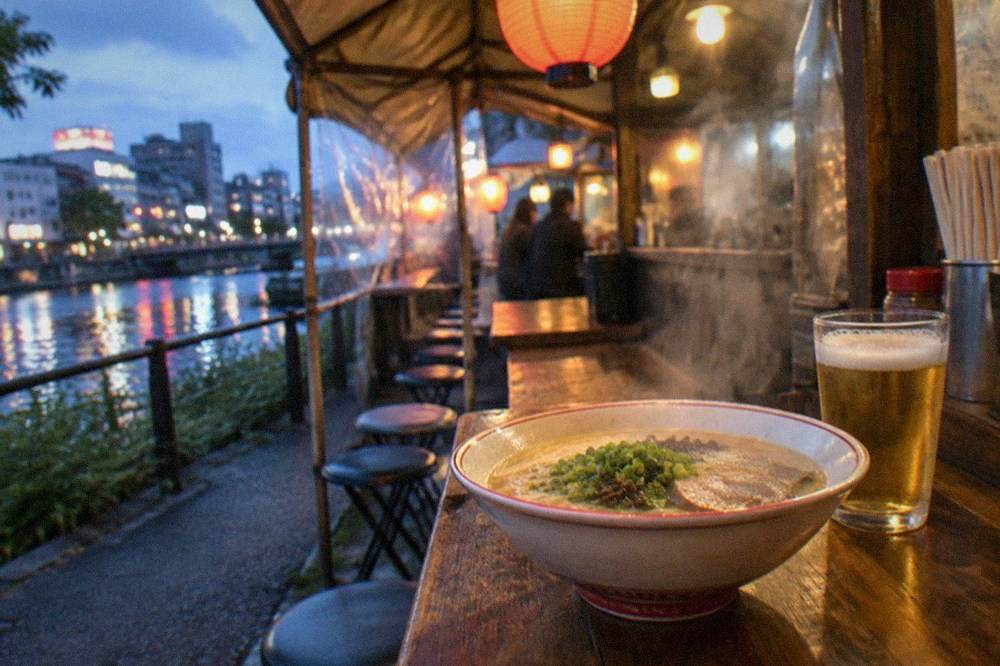
The three yatai areas have distinct personalities, and choosing between them is the first real decision of your weekend:
| Area | Atmosphere | Best for |
|---|---|---|
| Nakasu | Riverside, photogenic, most visitor-facing | First night, photographs, tonkotsu ramen |
| Tenjin | Scattered along Watanabe-dori and Showa-dori, after-work crowd | Variety, newer neo-yatai styles |
| Nagahama | Near the old fish market, historically the ramen row | A local, low-key second visit |
If a guided evening sounds better than finding stalls on your own, the Fukuoka food crawl itinerary maps the full eating route, and the Fukuoka night itinerary extends the evening past the last bowl.
For travellers who want a local guide for the whole first evening rather than just the food, the strongest fit in the city's roster is the half-day Essentials walk: Fukuoka Essentials: History, Culture, & Charms runs 3 to 6 hours from $74 per person, rated 4.9 from 48 reviews, and it covers exactly the old-town ground this Friday evening and Saturday morning plan walks. A guide who starts you at the shrine and ends you at a stall saves an evening of map-reading.
The tour's own listing carries the current departure times and meeting point, and the free-cancellation window means a Friday booking stays flexible if your flight runs late. That flexibility matters on an arrival evening, when every plan is hostage to baggage claim.
Saturday Morning: Hakata Old Town, Temples and the Castle Ruins
Give Saturday morning to the Hakata old town on foot: Tochoji with its Great Buddha, the Zen grounds of Shofukuji, then the subway west to the Fukuoka Castle ruins in Maizuru Park, all free to enter, with the Ohori Park Japanese Garden's ¥250 admission as the one paid stop before lunch. This is the densest stretch of history in the city and it fits comfortably into four hours.
Start at Tochoji, the Shingon temple a few minutes from Gion station, home to one of the largest seated Buddha statues in Japan. Entry is free. From there it is a short walk to Shofukuji, the first Zen temple ever founded in Japan, set in quiet wooded grounds. Neither temple publishes verified hours on an official English page, so go in the morning when temples are reliably open, and treat the interiors as occasional rather than guaranteed.
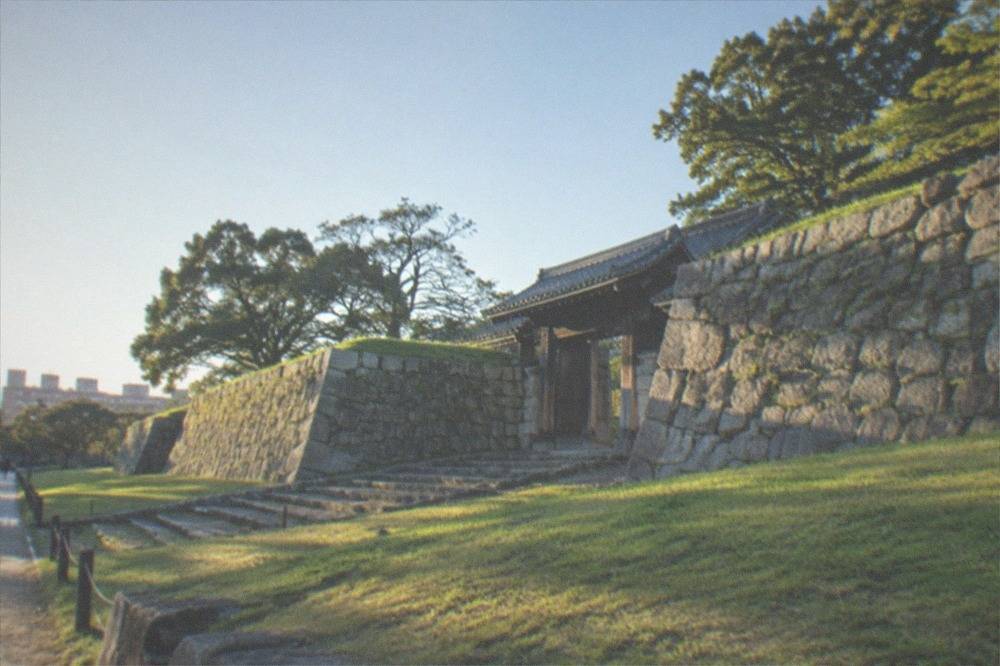
Then take the subway two stops to Ohori or Akasaka and walk into Fukuoka Castle ruins. The stone bases are free to wander and the park around them, Maizuru, holds roughly a thousand cherry trees, which matters if your weekend falls in late March or early April when the first blossoms open. One honest caveat for 2026: the Tenshudai, the main keep base, is closed to entry from 26 May until the end of December 2026 for an archaeological excavation. The story is genuinely good: a document found in December 2024 describes a keep that may never have existed, and the city has tripled the dig area to find out. The rest of the park is unaffected.
Walk next door to Ohori Park, the former castle moat turned two kilometre waterside loop. The park itself is free. The Japanese garden inside charges adult ¥250, child ¥120, free for visitors 65 and over, and it closes Mondays plus the year-end holidays, with last entry 45 minutes before closing in both seasons. It is the single best ¥250 in the city: a pond garden, teahouse and clipped maples in a compact stroll.
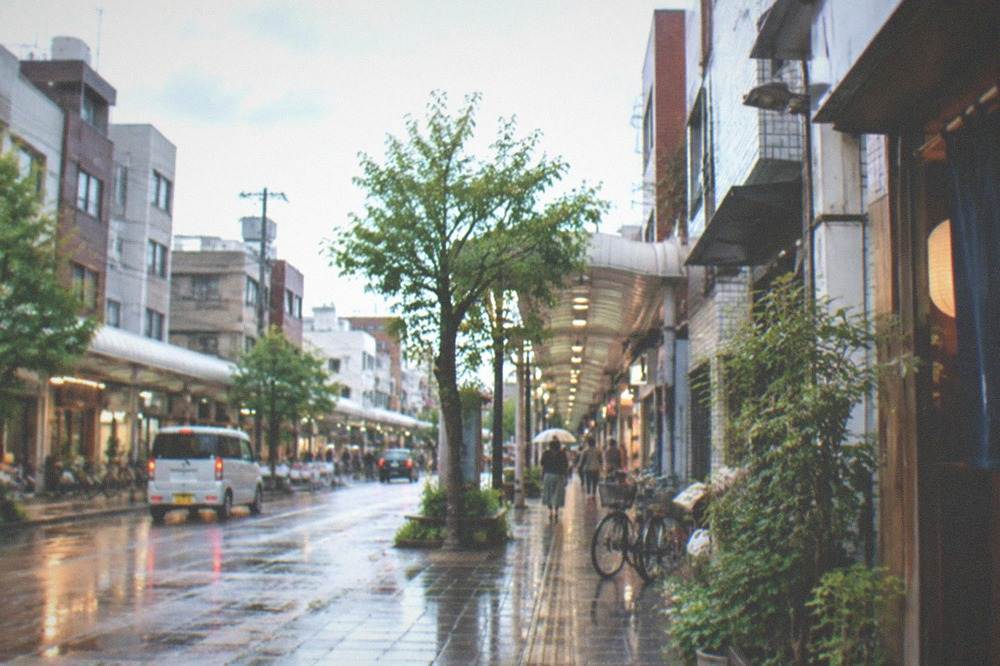
Lunch belongs to the old town. The Kawabata Shopping Arcade runs from near Kushida Shrine toward Nakasu, and its Hakata specialities, mentaiko on rice, hitokuchi gyoza, udon in the local style, are cheap and fast. If the weather turns, the whole stretch is covered, and the Fukuoka rainy day itinerary is built around exactly this covered-arcade geography.
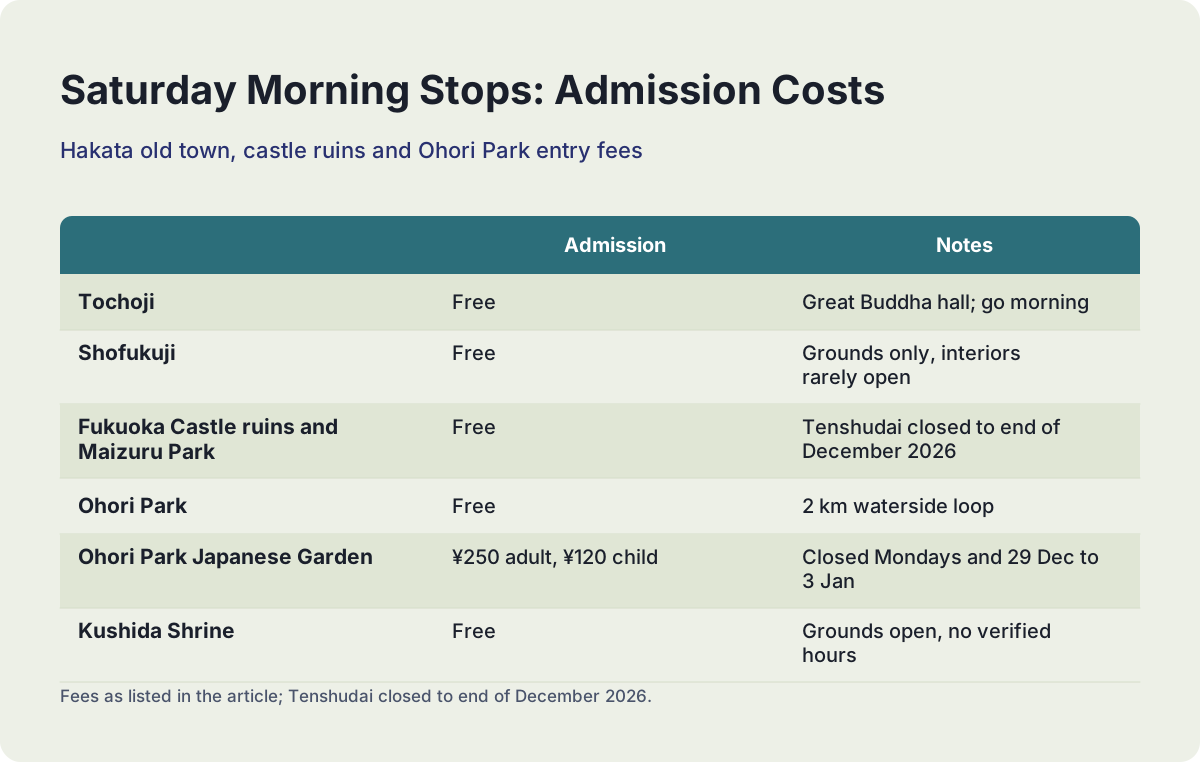
Here is the morning's money picture, all verified:
| Stop | Admission | Notes |
|---|---|---|
| Tochoji | Free | Great Buddha hall; go morning |
| Shofukuji | Free | Grounds only, interiors rarely open |
| Fukuoka Castle ruins and Maizuru Park | Free | Tenshudai closed to end of December 2026 |
| Ohori Park | Free | 2 km waterside loop |
| Ohori Park Japanese Garden | ¥250 adult, ¥120 child | Closed Mondays and 29 Dec to 3 Jan |
| Kushida Shrine | Free | Grounds open, no verified hours published |
Saturday Afternoon and Evening: Art, Views and Dinner in Tenjin
Saturday afternoon splits cleanly: the Fukuoka Art Museum at Ohori Park's edge costs ¥200 and pairs with the walk you are already on, or you head to the waterfront for teamLab Forest at $27 per person, rated 3.8 from 14 reviews. Dinner should be Tenjin or Daimyo, and the evening ends either at Fukuoka Tower, ¥1,000 for adults and open until 22:00, or back at a yatai for a second sitting.
The two city art museums are among the best value in Japan. The Fukuoka Art Museum, on Ohori Park's western corner, charges ¥200 general admission, ¥150 for high school and university students, and is free for junior high and younger, with late Friday and Saturday hours from July to October. The Fukuoka Asian Art Museum, in the Riverain Center by Nakasu, is free to enter, and only its Asia Gallery charges, again ¥200 general, ¥150 for students, free for under-15s. Both are free for residents 65 and over from Fukuoka and neighbouring cities with ID. Between them they hold a collection of about 5,000 works from 23 Asian countries and regions at FAAM alone. The wider set of guides lives on Fukuoka Japan Travel Guide.
If contemporary art beats paintings, teamLab Forest Fukuoka is the city's immersive digital-art attraction, a ticketed experience in the Bossa Zoku Jasminka Tower complex near the waterfront. At $27 per person it is one of the cheaper big-ticket experiences in Japan, though the rating, 3.8 from 14 reviews, is more mixed than the city's food tours, so read the recent reviews on the live listing before committing a Saturday afternoon to it.
For the evening, two strong options. Fukuoka Tower, the 234 m lattice tower at Momochi, is open 9:30 to 22:00 with last admission 21:30, and charges ¥1,000 for adults, ¥500 for elementary and junior high students, and ¥200 for children four and over. The observation decks sit at 116 m, 120 m and 123 m, and the tower runs seasonal exterior illuminations, an autumn moon-viewing motif in late September, a Christmas theme from early November. Note the annual closure: the tower shuts on 28 and 29 June 2027.
The alternative is to eat seriously. Tenjin is the shopping and restaurant core, Daimyo its low-rise neighbour of independent bars and small restaurants, and both are a short subway ride from anywhere on this itinerary. Motsunabe, the Hakata beef-offal hotpot, and mentaiko dishes are the two things to order that you will not find done better elsewhere. The Daimyo and Tenjin area guide covers the district in detail.
If sumo is your thing, note that the November Kyushu Basho is the only time the sport is competitively staged in Fukuoka, but morning practice visits run year round, and a two-hour morning sumo practice tour with old-town walking, from $77 per person and rated 4.2 from 22 reviews, fits neatly before a Saturday or Sunday lunch.
The practice session finishes by late morning, which leaves the afternoon intact for the museums or the tower. That is the quiet advantage of the morning sumo option: it adds an experience without consuming a half day.
Sunday: The Coast, the Gorge or the Volcano
Sunday is the one day that needs a decision made in advance: the easy option is Uminonakamichi Seaside Park and Marine World out on the sandbar in Hakata Bay, adult park entry ¥450 and cash only at the gate, while the ambitious option is a guided ten-hour tour into Kyushu's interior, to the Aso volcano country, the Takachiho gorge or the onsen town of Kurokawa, from roughly $48 to $58 per person. Both work; neither fits a lazy start.
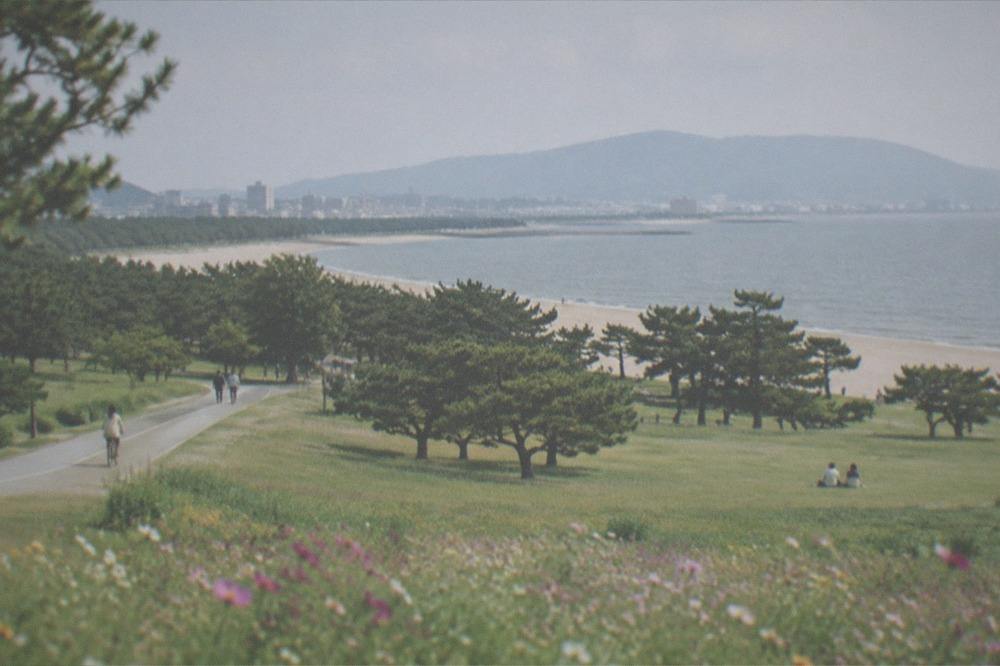
The coastal Sunday is self-guided and cheap. Uminonakamichi Seaside Park stretches along the bay side of a narrow sandbar, reachable by ferry from Hakata or by the JR Kagoshima line, and it is a cycling, flower-field and animal-forest park that families can spend a whole day in. Verified essentials: from 1 March to 31 October it opens 9:30 to 17:30, from 1 November to 28 February 9:30 to 17:00, entry closes an hour before. Admission is ¥450 for adults 15 and over, ¥210 for 65 and over, and free for junior high and under. The gate takes cash only, no cards, which almost no guide mentions and which matters. The park also closes on selected Tuesdays that shift by season, plus 31 December and 1 January, so check the official calendar for your date.
Next door, Marine World Uminonakamichi is the city's aquarium, with e-tickets from $16 per person and a 4.8 rating from 9 reviews. Its hours vary by calendar date, so check the day's schedule rather than assuming a year-round figure. The Uminonakamichi guide covers the ferry and cycling logistics.
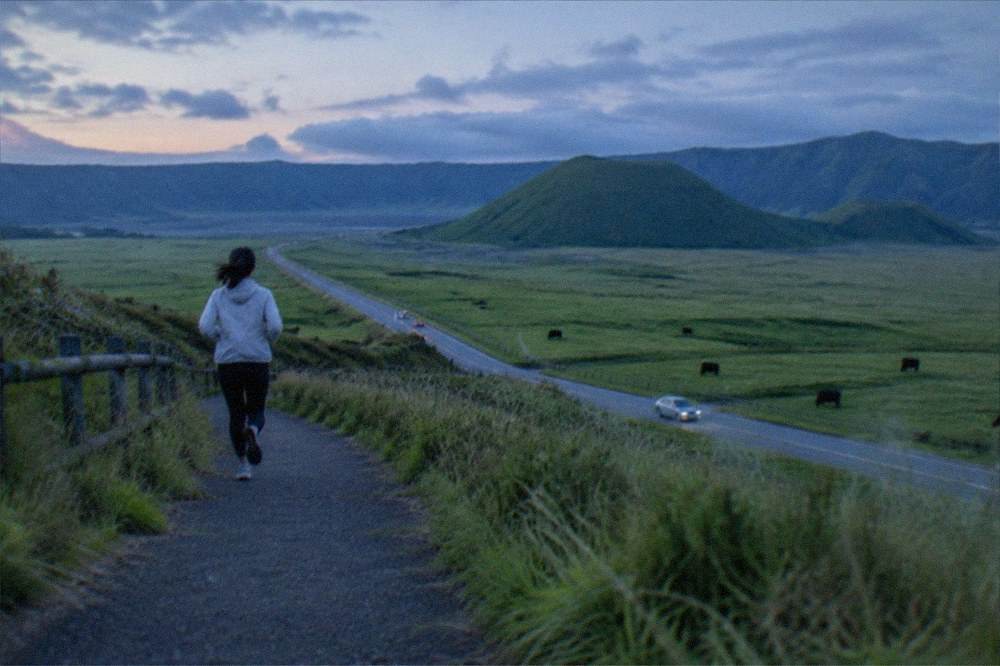
The interior Sunday is the one worth booking. The strongest single option for a weekend traveller is the Mount Aso and Kurokawa onsen tour: From Fukuoka: Mount Aso, Kurokawa Onsen, and Shrine Tour runs ten hours from $58 per person, rated 4.6 from 101 reviews, and it bundles the volcano's grasslands, a shrine visit and Japan's most handsome onsen village into one coach day. Kurokawa is the onsen town that keeps its riverside bathhouses and ryokan streetscapes intact, and reaching it independently from Fukuoka in a day is genuinely awkward, which is the real argument for the tour.
The alternatives are all in the same ten-hour shape, and the differences are about what you want to look at:
| Sunday tour | Anchor sights | From | Rating |
|---|---|---|---|
| Mount Aso, Kurokawa Onsen and shrine | Volcano, grasslands, onsen town | $58 | 4.6 from 101 reviews |
| Takachiho gorge and Amaterasu railway | Gorge, optional boat ride, railway | $48 | 4.8 from 713 reviews |
| Beppu hells and Yufuin | Hot spring hells, onsen resort town | $59 | 5 from 7 reviews |
| Itoshima hidden gems | Coast, beaches, cape views | $69 | 4.6 from 31 reviews |
One timing note that shapes the whole weekend: July is Fukuoka's wettest month, 299.1 mm against June's 249.6 mm in the Japan Meteorological Agency's 1991 to 2020 normals, even though June is the tsuyu rainy season. If your weekend falls in July, pack for downpours and know that typhoon season runs roughly July through October; neither makes the city unvisitable, but both argue for keeping the coastal Sunday flexible and the tour Sunday booked with free cancellation.
For travellers with more than a weekend, the five day Fukuoka itinerary adds Yanagawa, Dazaifu and Itoshima properly, and the Kyushu itinerary from Fukuoka turns the Sunday excursions into a full regional route.
Where to Stay for a Fukuoka Weekend
Hakata station is the right base for a two night weekend: it is the subway and rail hub, the airport is two stops away, and both the old town and Nakasu are walkable. Tenjin suits shopping-focused stays, Nakasu suits nightlife, and Ohori or Momochi suit travellers who want quiet park mornings over late dinners.
The honest hierarchy for a weekend is simple. Hakata wins on logistics: every train and coach in this plan, including the Sunday tours, departs from around the station, and the Hakata station area guide maps the hotel clusters. Tenjin wins on evenings, with Daimyo's bars and the underground mall. Nakasu wins on atmosphere and loses a little on quiet. Wherever you choose, two nights in one hotel beat one night in two; the city is small enough that a single well-placed base costs you nothing in transit time.
| Area | Best for | Trade-off |
|---|---|---|
| Hakata station | Arrivals, Sunday tours, rail day trips | Business-district feel at night |
| Tenjin | Shopping, restaurants, Daimyo bars | Farther from the old town on foot |
| Nakasu | Yatai, nightlife, riverside | Noisy, pricier weekends |
| Ohori and Momochi | Park mornings, the tower, quiet | Needs the subway for evenings |
What a Weekend in Fukuoka Costs
City transport is cheap and capped: subway single fares run ¥210 to ¥380, the day pass is ¥640, the paid sights on this plan total under ¥3,000, yatai dinners are posted and transparent by ordinance, and the big Sunday tour adds $48 to $92. The overseas-visitor Tourist City Pass, ¥2,500 city or ¥2,800 with Dazaifu, only pays off on a heavy multi-transport day.
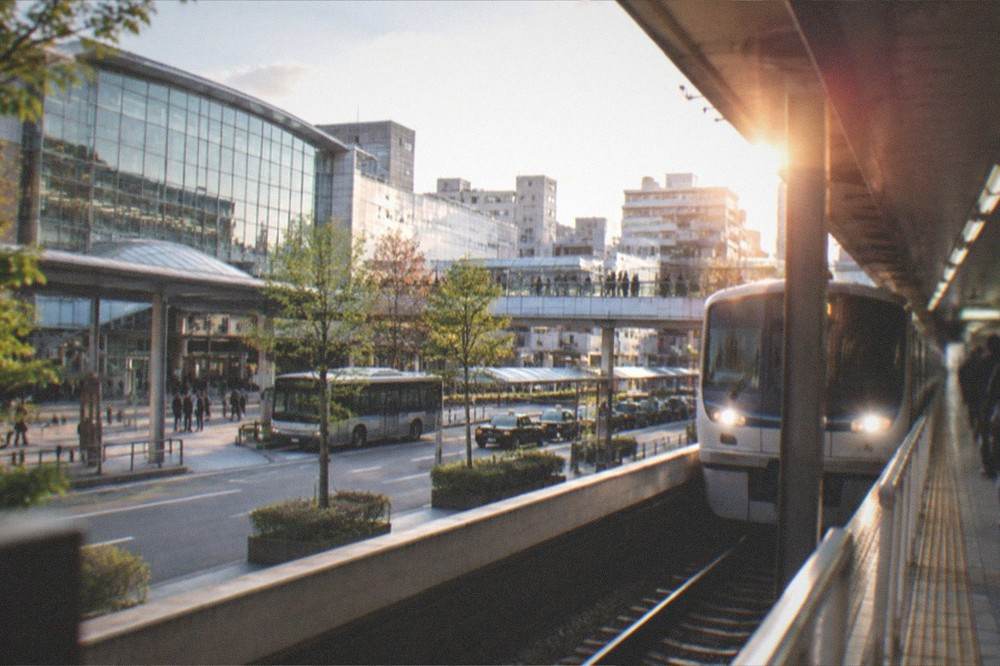
The transport arithmetic deserves a minute. The subway day pass is ¥640 for adults, ¥320 for children, valid on all three lines from first to last train, and it is sold at station machines and the tourist information offices at Tenjin, Hakata Station and Fukuoka Airport. A typical sightseeing day of four or five rides at ¥210 to ¥300 each sits right around break-even, so buy the pass on the days you ride a lot and pay single fares on light days. The Fukuoka Tourist City Pass, which covers subway, Nishitetsu trains and buses, some JR lines and ferries for one day, costs ¥2,500 for the city version and ¥2,800 for the city plus Dazaifu version, and it is restricted to overseas tourists on short-stay visas with a passport checked at the counter, per the official city pass page. Most competing guides still quote the old, much cheaper prices; those are years out of date.
Food is where Fukuoka is kind to a budget. The yatai ordinance means every stall posts its prices visibly, so you can read a stall's whole menu from the street before sitting down; dishes commonly run from a few hundred yen to around ¥1,500, and the city publishes no average, so read the board and order accordingly. Lunch in the Kawabata arcade or a department store food hall is cheaper than dinner, and a tonkotsu ramen counter is the cheapest good meal in the city.
| Item | Typical cost | Notes |
|---|---|---|
| Subway single ride | ¥210 to ¥380 | Distance zones, official table |
| Subway day pass | ¥640 adult, ¥320 child | All three lines, day of purchase |
| Tourist City Pass | ¥2,500 / ¥2,800 adult | Passport check, short-stay visa only |
| Paid sights on this plan | under ¥3,000 total | Tower, garden, museums |
| Yatai dinner | Posted per stall | Ordinance requires visible prices |
| Sunday guided tour | $48 to $92 | Ten hour coach days |
Add it up and the weekend itself costs remarkably little once flights and hotels are paid: a few hundred yen per subway ride, a handful of modest admission fees, transparent posted prices at the stalls, and one tour ticket for the Sunday. The expensive parts of a Fukuoka trip are the flight and the bed, not the days between them.
Whichever way you shape the weekend, the three experiences below are the ones this plan keeps coming back to: a guided walk for the city days, a coach tour for the Sunday, and a ticket for the one indoor attraction that rescues a rainy afternoon.
Common Questions About a Weekend in Fukuoka
How Do You Shape A Friday To Sunday Weekend In Fukuoka?
Arrive Friday and eat at the Nakasu yatai, spend Saturday on the Hakata old town temples, the castle ruins and Ohori Park, and give Sunday to one big excursion, either the Uminonakamichi coast or a guided ten-hour tour to Aso, Takachiho or Beppu. The subway day pass at ¥640 covers every city day.
Is two days enough in Fukuoka?
Yes, for the city itself. Two full days cover the old town, Ohori Park, the museums, the tower and multiple yatai dinners with room to spare. The only thing two days cannot absorb is more than one big Kyushu excursion, so pick your Sunday trip and save the rest for a longer visit.
Do I need to book anything in advance for a Fukuoka weekend?
The yatai take walk-ins and cannot be booked, and the major sights are free or pay-at-gate. The two things worth booking ahead are a Sunday guided tour into Kyushu, which sells out, and a guided evening food crawl if you want a local to lead the stall-hopping.
What is the best area to stay in for a short trip?
Hakata station for logistics, since the airport is two subway stops away and the day tours depart from around the station. Tenjin if evenings and shopping matter most, Nakasu if the yatai and nightlife are the point of the trip.
How much does a weekend in Fukuoka cost?
Far less than the flight and hotel suggest. City transport is a few hundred yen per ride or ¥640 for a day pass, the paid sights on a standard plan total under ¥3,000, yatai prices are posted by ordinance, and the big Sunday tour adds $48 to $92.
What if it rains all weekend?
The covered Kawabata arcade, the Tenjin underground mall, Canal City Hakata, which is open every day of the year, and both city art museums at ¥200 admission absorb a wet day easily. Yatai stalls often close in heavy rain, so shift that dinner indoors. July is statistically the wettest month, wetter than the June rainy season.