Fukuoka Castle Ruins
The keep base at Fukuoka Castle is closed until the end of December 2026 for an excavation, but the grounds, walls and cherry trees of Maizuru Park stay open and free.
Short answer
Yes, with one caveat. The castle grounds in Maizuru Park are free, open and hold roughly 1,000 cherry trees, but the Tenshudai keep base is closed from May 26, 2026 until the end of December 2026 for an archaeological dig. Walls, gates and park remain fully accessible.
Fukuoka Castle has no keep to climb and no ticket to buy, and that is exactly the honest place to start. What stands today in Maizuru Park is a sweep of stone walls, gate foundations and grassy embankments, with the city skyline rising behind them. The city's own castle site states the grounds are free, except during ticketed events, so the question is not whether the ruins cost money, it is whether an open-air ruin is worth your hours.
The one thing that changes the answer right now is a dig. The keep base, the Tenshudai, is closed from May 26, 2026 until the end of December 2026 for an archaeological excavation, and the story behind that closure is better than most guidebooks manage. Everything else, walls, gates, the park and the cherry trees, is open.
This page on Fukuoka Japan Travel Guide walks through what the ruins are, what the excavation means for your visit, when the park is at its best, and how to fit it into a day that also takes in Ohori Park and the museums next door.
What Are the Fukuoka Castle Ruins?
The Fukuoka Castle Ruins are the remains of a castle town fortress that never kept its main tower, spread across Maizuru Park in central Fukuoka, free to enter and open year-round, with stone walls, gate ruins and landscaped lawns where the inner citadel once stood. The city classifies the site as a historic ruin rather than a restored castle, which is why there is no entry fee and no reconstructed keep to photograph.
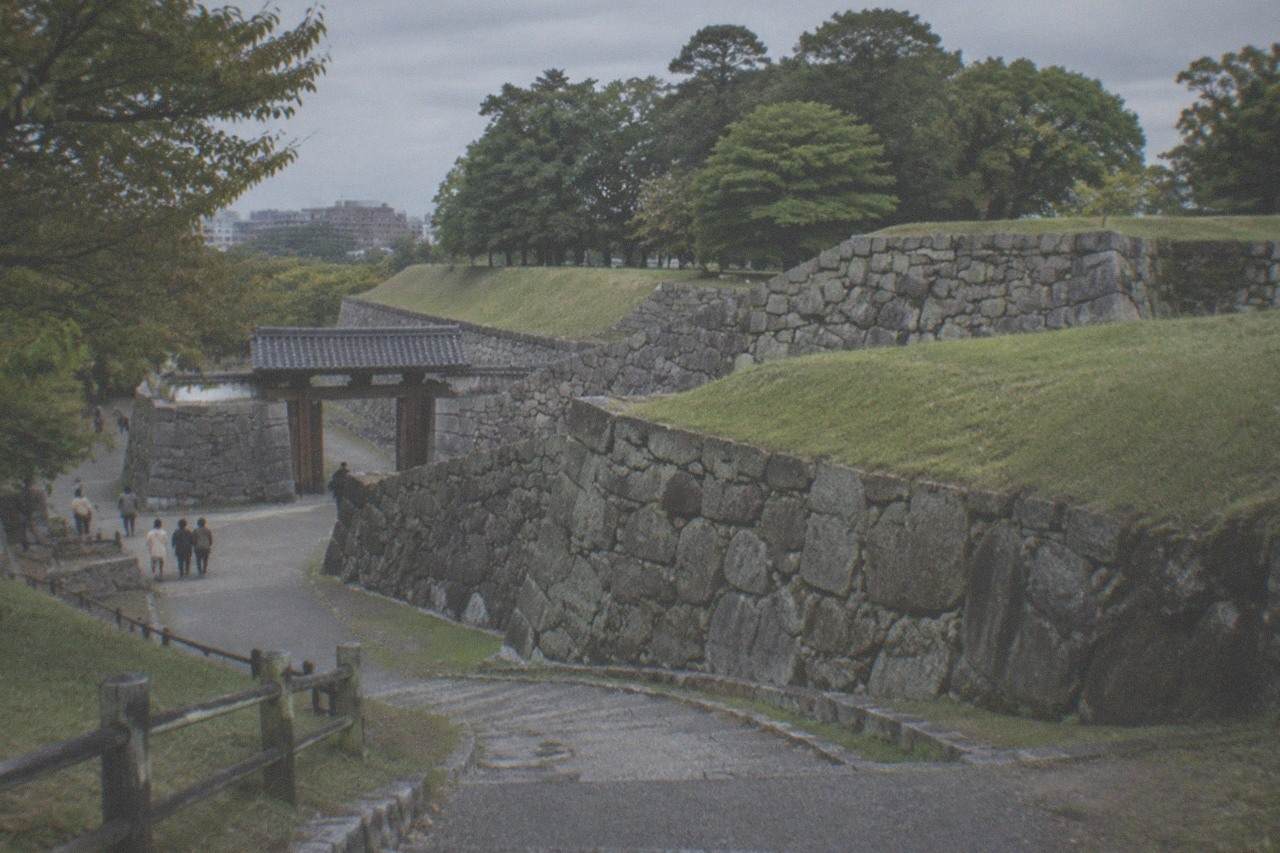
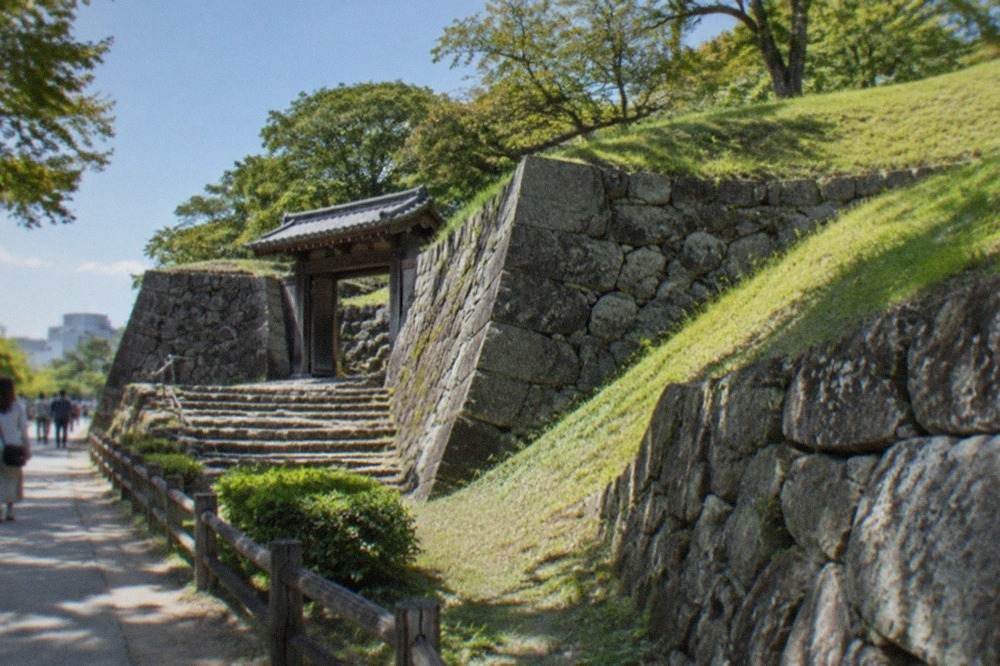
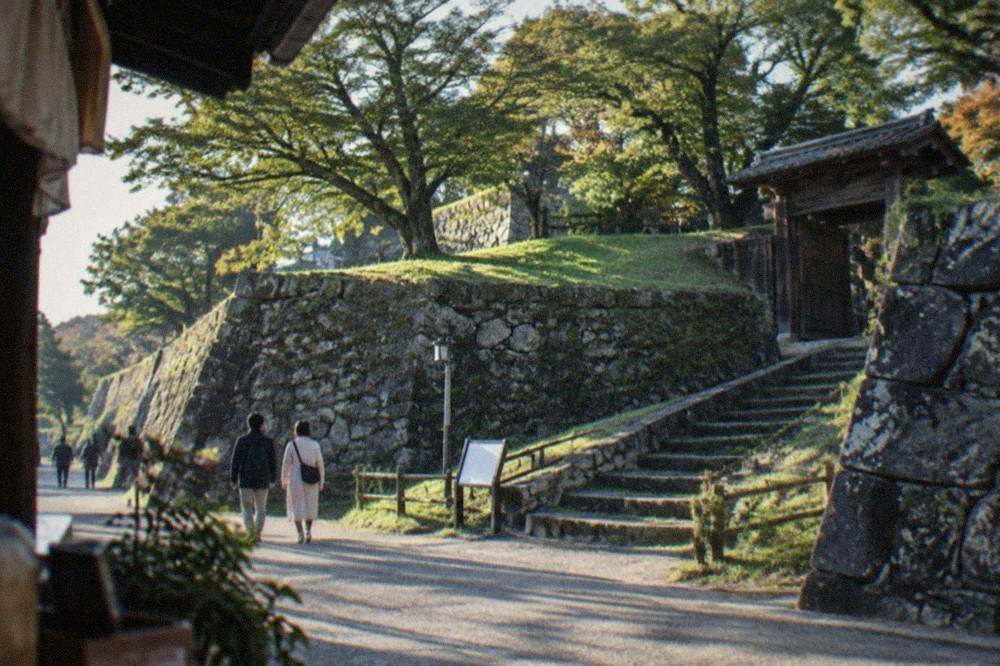
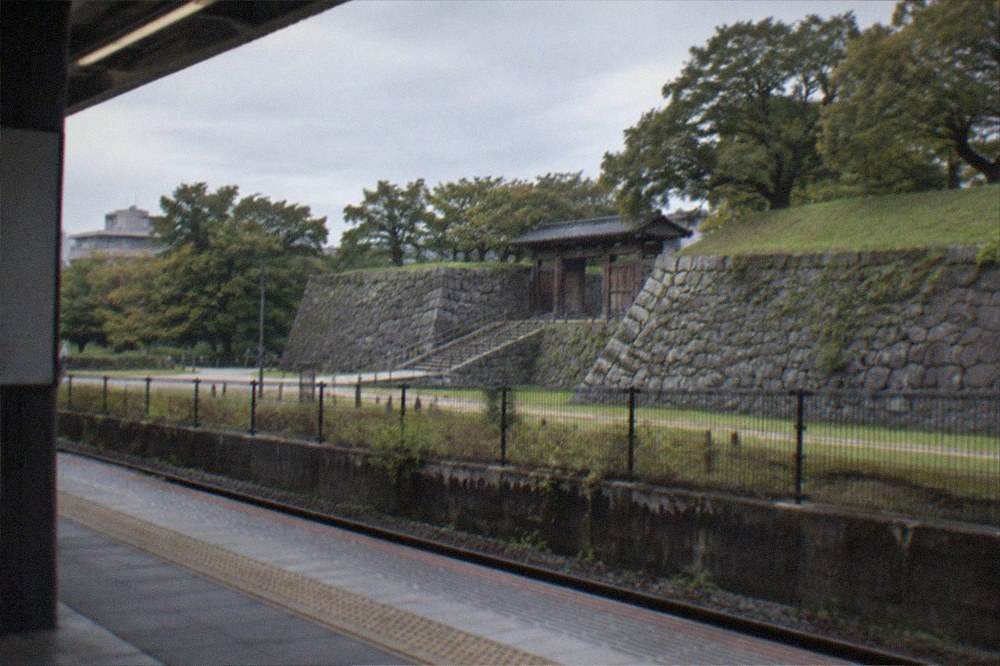
Walk the grounds today and the shape of the fortress is still readable underfoot. Broad stone ramps climb from gate line to gate line. The walls sit on massive foundations, some of the largest stone constructions of their era in the region. The highest terrace, the Tenshudai, is the keep base, the platform on which a main tower would have stood, and it has long been the park's best viewpoint over Ohori Park and the city beyond.
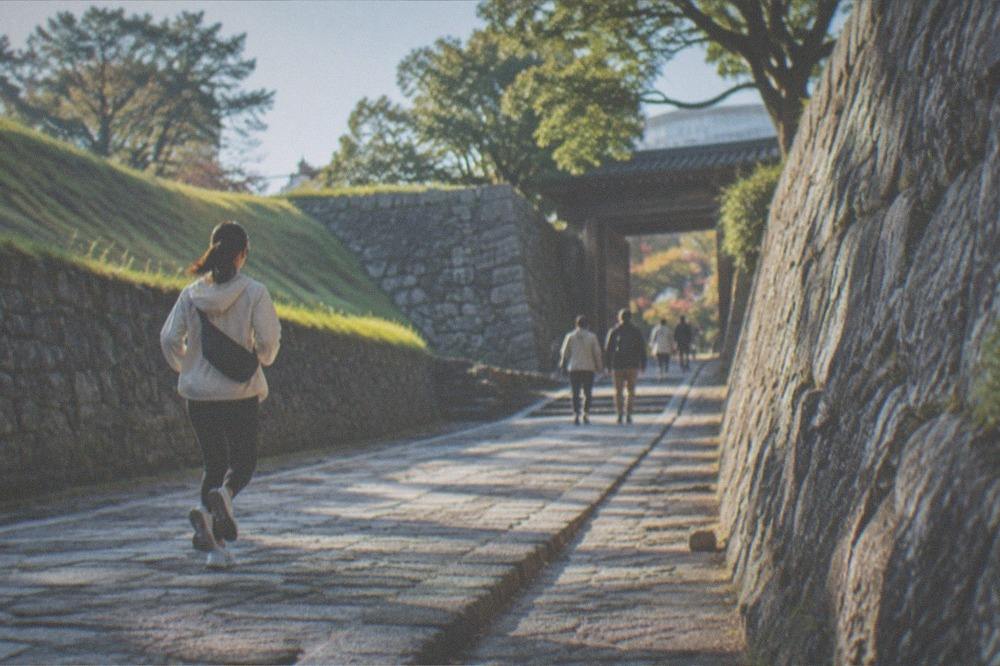
The park around the ruins is a genuine city park, not a heritage enclosure. Locals jog the outer path, families picnic under the cherry trees, and school groups cross the lawns between the walls. That casualness is the point. Fukuoka Castle does not ask for a ticket, a queue or a timetable, and it rewards the visitor who treats it as a walk rather than an attraction.
What Stands, What Does Not
| Structure | What you see today | Access |
|---|---|---|
| Tenshudai (keep base) | The raised stone platform at the highest point | Closed from May 26, 2026 to end of December 2026 |
| Stone walls and ramps | Extensive ramparts across the site | Open, free |
| Gate ruins | Foundation stones and passage outlines | Open, free |
| Maizuru Park lawns | Cherry trees, paths, picnic space | Open, free |
| Korokan ruins display | Remains of an earlier guesthouse site | Separate facility, fee and hours not published here |
The honest framing matters here, and it matters in the other direction too. A "ruin" in Japan can mean anything from a single foundation stone to a full replica with costumed staff. Fukuoka Castle sits closer to the first end of that range. If you arrive expecting a Himeji silhouette you will be disappointed. If you arrive expecting a free, quiet, historic hill in the middle of a growing city, you will get more than you paid for, which in this case is nothing.
Why Is the Keep Base Closed Right Now?
The Tenshudai, the keep base at the top of the ruins, is closed from May 26, 2026 until the end of December 2026 because archaeologists are excavating the platform, after a document found in December 2024 described a keep that may never have been built, and the dig area was tripled in 2026. The closure is time-limited and is scheduled to end with the year, on January 1, 2027, when normal access resumes unless the excavation is extended.
The story is the best castle tale in Japan right now, and almost no guide tells it. A document discovered in December 2024 described a keep at Fukuoka Castle. The trouble is that other records never confirmed one existed. The city began digging in 2025, and in 2026 the excavation area was tripled. The question the dig is trying to answer is whether the "phantom keep" ever stood on the platform at all. Until the end of December 2026, the platform itself is off limits while that question gets answered in the dirt. The city's official castle site, fukuokajyo.com, carries the closure notice.
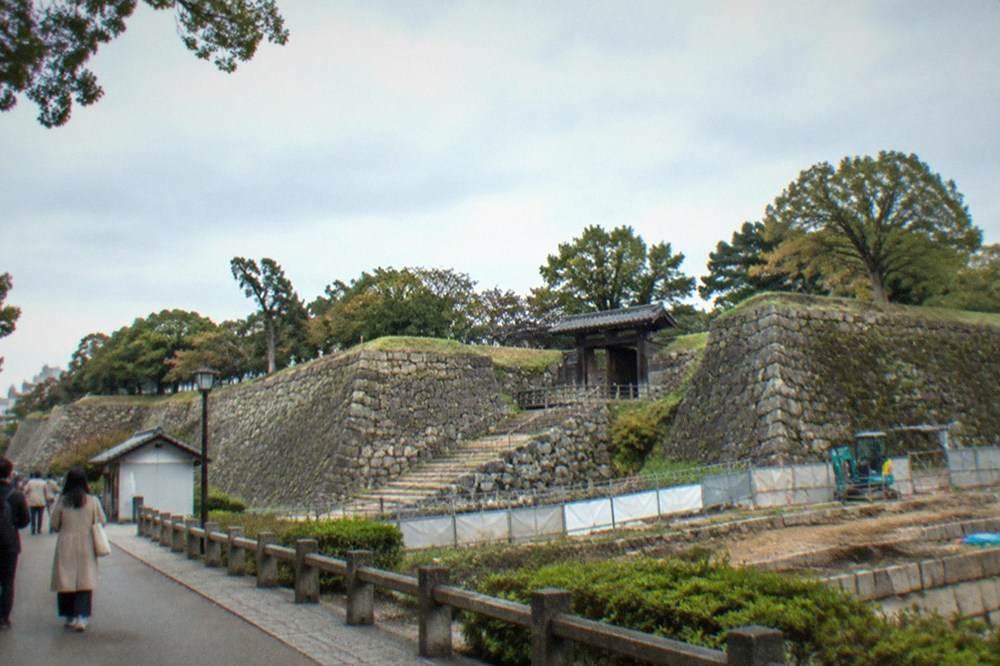
Two practical consequences follow. First, the closure is a closure of one terrace, not the park. The walls, gates, lawns and cherry trees around the base are unaffected, and the castle grounds remain free. Second, the closure has a scheduled end. Anything you read about the keep base being "permanently closed" is wrong; the notice runs to the end of December 2026.
A city morning among the ruins also pairs well with the wider region, and several full-day options run out of Fukuoka. A tour like the Kyushu: Aso Volcano, Grassland, Onsen and Aso Shrine day tour, from $58 per person, rated 4.6 from 27 reviews, covers Mount Aso and the grasslands in about 10 hours, and pairs naturally with a castle-and-park morning before you commit a second day to Kyushu's countryside.
If a volcano day sounds like too much, the same roster carries gentler options. A customisable private tour, from $59 per person and rated 4.9 from 106 reviews, lets you set the itinerary, castle first, museums after, or whatever order you prefer.
What Can You Still See at Maizuru Park?
Plenty: the full circuit of stone walls, the gate ruins, the lawns, roughly 1,000 cherry trees, the views across Ohori Park's lake, and the neighboring art museums, all free and all completely unaffected by the keep-base closure that runs to the end of December 2026. Maizuru Park and the castle grounds share the same footprint, and the park stays open through the year.
The walls are the main event. Fukuoka Castle's ramparts are substantial stone constructions, and the walk up through the gate lines gives a real sense of how the fortress funneled visitors upward. Along the top of the lower terraces you get a clear line over the trees toward Ohori Park and, further out, toward Hakata Bay. For more angles on the city, our Fukuoka viewpoints guide covers the tower, the park terraces and the seaside outlooks in one place.
Ohori Park itself sits immediately to the west, and it is one of the city's most-loved open spaces, a pond garden laid out around the old castle moat. The separate Japanese Garden inside it charges admission, ¥250 for an adult and ¥120 for a child, with the last entry at 17:45 in the long season and 16:45 in the short season. Under-6s and 65-and-over visitors enter free, and holders of a disability certificate plus one carer also enter free.
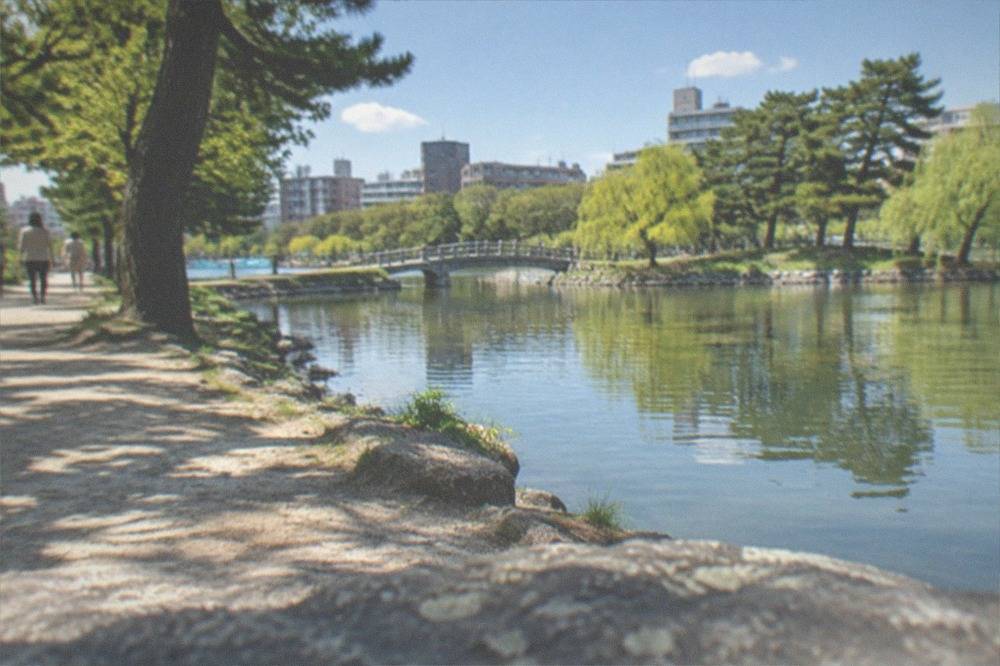
The museums cluster on the same side of the park. Fukuoka Art Museum charges ¥200 general admission for its collection exhibition, ¥150 for high school and university, with junior high and under free, and it closes Mondays plus December 28 to January 4. The Fukuoka Asian Art Museum is free to enter, with only the Asia Gallery charging, at the same ¥200 and ¥150 tiers, and it closes Wednesdays. Both are free for residents aged 65 and over with proof of address.
Between the walls, the pond, the lawns and two museums, a half-day at the castle park is easy to fill, and none of it is affected by the excavation. The only thing you cannot do in 2026 is stand on the keep base itself.
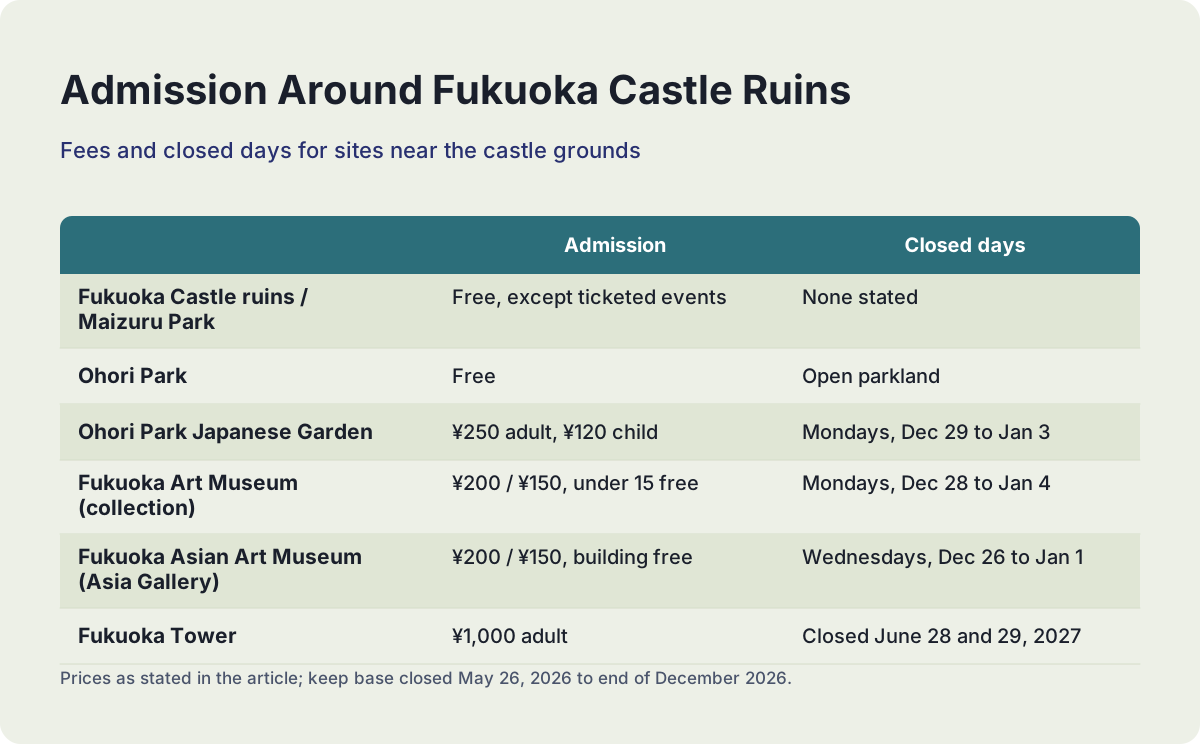
Free and Paid Around the Castle Grounds
| Site | Admission | Closed days |
|---|---|---|
| Fukuoka Castle ruins / Maizuru Park | Free, except ticketed events | None stated |
| Ohori Park | Free | Open parkland |
| Ohori Park Japanese Garden | ¥250 adult, ¥120 child | Mondays, Dec 29 to Jan 3 |
| Fukuoka Art Museum (collection) | ¥200 / ¥150, under 15 free | Mondays, Dec 28 to Jan 4 |
| Fukuoka Asian Art Museum (Asia Gallery) | ¥200 / ¥150, building free | Wednesdays, Dec 26 to Jan 1 |
| Fukuoka Tower | ¥1,000 adult | Closed June 28 and 29, 2027 |
When Is the Best Time to Visit the Castle Ruins?
Late March into early April is the best window, when roughly 1,000 cherry trees across Maizuru Park bloom at once and the castle ruins hold light-up events during the season; mid to late November into early December is the quieter runner-up for autumn color, and winter visits are free, uncrowded and surprisingly good in clear weather.
Cherry blossom is the park's moment. Maizuru Park's sakura rows sit right on the castle grounds, and the festival light-ups during the bloom turn the walls into an evening attraction. Nishi Park, a hillside nearby, is one of Japan's top 100 sakura spots, and Tenjin Central Park adds a third viewing spot within the city. First bloom typically lands in late March, with full bloom usually arriving by the start of April, though the exact week shifts with the weather each year.
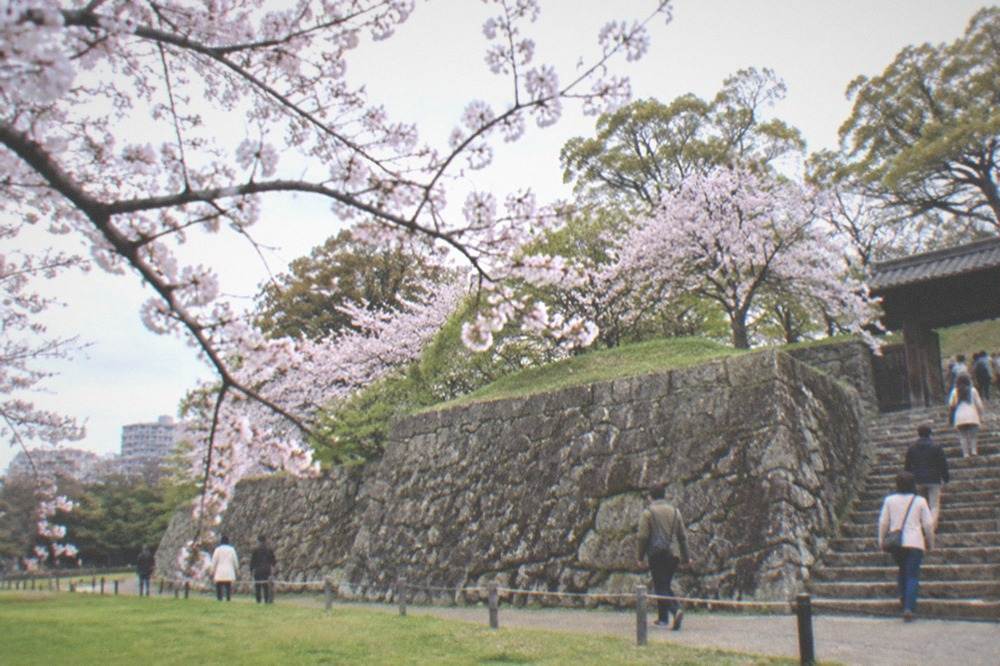
Autumn runs second. The city's parks hold their color from mid to late November into early December, and around Dazaifu and Komyozenji the peak window is mid to late November. The castle's lawns and the maples along Ohori Park's pond make a relaxed late-autumn loop without a single ticket.
One planning fact that most guides get backwards: July, not June, is Fukuoka's wettest month. The Japan Meteorological Agency's 1991 to 2020 normals for the city show 299.1 mm of rain in July against 249.6 mm in June, even though June carries the tsuyu rainy season label. August is hotter and drier than both. If you are building a summer trip around dry sightseeing, the data says aim for August, or accept that summer visits here are festival visits, because July is also Yamakasa month.
For winter visitors, the ruins are a genuinely good cold-weather walk: bare walls read more clearly without the foliage, the light is low and flattering on the stone, and the crowds thin out. Our Fukuoka in winter guide covers what else holds up in the cold months, and the answer to is it worth going to Fukuoka in the winter is a full discussion of its own.
Is Fukuoka Castle Ruins Worth Visiting?
Yes for almost everyone: the grounds are free, the stone walls are among the most substantial in the region, the park holds the city's best cherry trees and its best viewpoints, and the current excavation adds a story few castles can match, so the honest verdict is worth it for an hour or two in the morning, with the caveat that the keep base itself is closed until the end of December 2026.
The case for yes is mostly about what the ruin does not ask of you. No ticket, no fixed route, no crowds at the level of Japan's restored castles. A walk through the gate lines, a lap of the lawns, a look over toward the pond, and you have had a real historic site to yourself for the price of a subway fare. Pair it with Ohori Park and one museum and the morning is complete.
The case for no is real but narrow. If you have seen Japan's great reconstructed castles and want another one, this is not it. There is no keep, and in 2026 the platform that would have held one is fenced for the dig. Travelers who want their history explained rather than read from stone should bring a guide or take one of the city walking tours; the Fukuoka private and personalized walking tour with a local, from $64 per person and rated 4.7 from 46 reviews, spends two hours on exactly this kind of ground, and you can Check availability on the operator's live listing.
The verdict by traveler type:
| Traveler | Verdict | Why |
|---|---|---|
| First-time visitor to Fukuoka | Go | Free, central, historic, and next door to Ohori Park |
| Cherry blossom traveler | Go first | Roughly 1,000 trees and seasonal light-ups on the grounds |
| Castle enthusiast | Manage expectations | No keep, keep base closed to end of 2026 |
| Family with kids | Go | Open lawns, no ticket, easy exit to the pond |
| Tight layover or one-day stop | Maybe | Prioritise Ohori Park plus one shrine if time is short |
If you are still weighing the city itself, our answer piece on whether Fukuoka is worth visiting covers the whole case for the city, food, festivals, day trips and all.
How Do You Get to the Castle Ruins?
The castle grounds sit in central Fukuoka between Ohori Park and the downtown core, reachable on the city subway, whose single fares run from ¥210 for up to 3 km to ¥380 for over 19 km, with a full-day pass at ¥640 for adults, and the whole system is small enough that the park is never more than a short ride from wherever you are staying.
The subway is the simple answer. Fukuoka City Subway's three lines connect the airport, Hakata Station and Tenjin to the Ohori Park side of the city, and the operator's official fare table, published at subway.city.fukuoka.lg.jp, prices every adult ride between ¥210 (zone 1, up to 3 km) and ¥380 (zone 6, over 19 km), with child fares from ¥110 to ¥190. The 1-day pass is ¥640 for adults and ¥320 for children, valid from first to last train on the day of purchase, and it carries discounts at partner facilities on the day of use.
Two practical notes for anyone landing into the city. The airport is unusually close to the centre, and the airport leg to Hakata Station costs ¥260, which falls inside the official 3 to 7 km band. And there is no JR Fukuoka Station: the station is Hakata, and Hakata and Fukuoka are the same city, Hakata being the ward and the station name. Guides that treat them as two destinations are describing a distinction that does not exist.
Getting Around the City
| Option | Adult fare | Notes |
|---|---|---|
| Subway single ride | ¥210 to ¥380 by zone | Child fares half |
| Subway 1-day pass | ¥640 | All three lines, one day |
| Nishitetsu City 1-Day Free Pass | ¥1,200 paper | Buses, carries attraction discounts |
| Fukuoka Tourist City Pass | ¥2,500 city / ¥2,800 with Dazaifu | Short-stay overseas tourists, passport checked |
| Contactless credit card on subway | Daily-capped | Capped at the 1-day pass level at blue gates |
The Tourist City Pass deserves its own sentence, because most guides still quote the old prices and get it wrong: the city version is ¥2,500 for adults and the Dazaifu version ¥2,800, it is restricted to overseas tourists on a short-stay visa, and a passport is checked at the counter. The Dazaifu Liner Bus Tabito is excluded from the Dazaifu version, which catches people out.
What Else Is Near the Castle Grounds?
Ohori Park, two art museums, the Fukuoka City Zoo and Botanical Garden across town, and a cluster of the city's major shrines and temples all sit within a short subway ride of the castle, which makes the ruins the natural first stop of a full central-Fukuoka day.
The obvious pairing is the one above: castle walls in the morning, Ohori Park and the pond at midday, one museum in the afternoon. But the central cluster extends further than most visitors realize. Kushida Shrine, the guardian shrine of Hakata and the pivot point of the Yamakasa festival, sits east across the downtown core. Tochoji, home of one of Japan's largest seated Buddha statues, and Shofukuji, Japan's first Zen temple, are both in the same Hakata old-town pocket, and all of them are free to enter.
Westward, Fukuoka Tower stands 234 m tall on the Momochi waterfront, with admission at ¥1,000 for high school age and up, ¥500 for elementary and junior high, and ¥200 for ages 4 and over, open 9:30 to 22:00 with last entry at 21:30. On the same bay side, Uminonakamichi Seaside Park charges ¥450 for adults aged 15 and over, with junior high and under free, and its gate takes cash only, a detail almost nobody publishes. For the full seaside plan, the Fukuoka beaches guide covers the coast options.
Pairing the Ruins with the Rest of the City
| Neighbouring site | Distance character | Admission |
|---|---|---|
| Ohori Park and Japanese Garden | Immediate neighbor | Free / ¥250 |
| Fukuoka Art Museum | Same park edge | ¥200 |
| Kushida Shrine | Subway ride, Hakata side | Free |
| Tochoji and Shofukuji | Hakata old town cluster | Free |
| Fukuoka Tower | Waterfront, short ride | ¥1,000 |
| Uminonakamichi Seaside Park | Bay side, further out | ¥450, cash only |
If the castle is your one deep-history stop and you would rather spend the rest of the day with a guide doing the whole circuit, the Fukuoka Essentials history and culture tour covers the highlights in a three to six hour format, from $74 per person and rated 4.9 from 48 reviews.
For travelers staying longer, the castle park is the anchor of the city half of a wider Kyushu plan, with day trips running to Yufuin and the hot spring towns from Hakata Station. The country and coast options from the selection below cover the most-booked full-day formats out of the city.
Whichever way you split your days, keep the castle morning free. It costs nothing, it opens with the park, and for the rest of 2026 it comes with a live archaeological mystery on its roofline.
Common Questions About Fukuoka Castle Ruins
Is Fukuoka Castle Ruins Worth Visiting?
Yes, for most travelers. The grounds are free, the stone walls are substantial, the park holds roughly 1,000 cherry trees, and the current excavation adds a genuine historical mystery. The one caveat is the keep base, the Tenshudai, which is closed from May 26, 2026 until the end of December 2026 for the dig.
How much does it cost to enter Fukuoka Castle Ruins?
Nothing. The city's castle site states the grounds are free, except during ticketed events. The neighboring Ohori Park Japanese Garden charges ¥250 for adults and ¥120 for children, and the two art museums charge ¥200 for their paid galleries, with junior high and under free.
Why is the Tenshudai closed?
It is closed for an archaeological excavation running from May 26, 2026 until the end of December 2026. A document found in December 2024 described a keep at the castle that other records never confirmed, the city began digging in 2025, and the excavation area was tripled in 2026. Access is scheduled to resume from January 1, 2027.
When do the cherry blossoms bloom at Maizuru Park?
First bloom typically arrives in late March, with full bloom usually around the end of March into early April. The castle park holds roughly 1,000 cherry trees and runs seasonal light-ups during the bloom, which makes the ruins one of the city's best evening hanami spots.
What is the best way to get to the castle grounds?
The city subway serves the Ohori Park side of the center, with single fares from ¥210 to ¥380 by distance and a ¥640 day pass covering all three lines. The park sits between Ohori Park and the downtown core, so it is a short ride from Hakata Station or Tenjin.
Can you still see the castle walls during the closure?
Yes. Only the keep base terrace is fenced for the dig. The gate lines, the stone ramps, the terraced walls and the Maizuru Park lawns are all open, free and unaffected, and the views across Ohori Park from the lower terraces remain available.