Fukuoka vs Hiroshima
Both cities sit on Japan's western edge, both are Shinkansen stops, and both are closer to Seoul than to Tokyo. The honest difference is what each one lets you do next: Fukuoka is the busier base with the deeper day-trip bench, while Hiroshima is the more focused destination with two sites most travellers already know before they arrive.
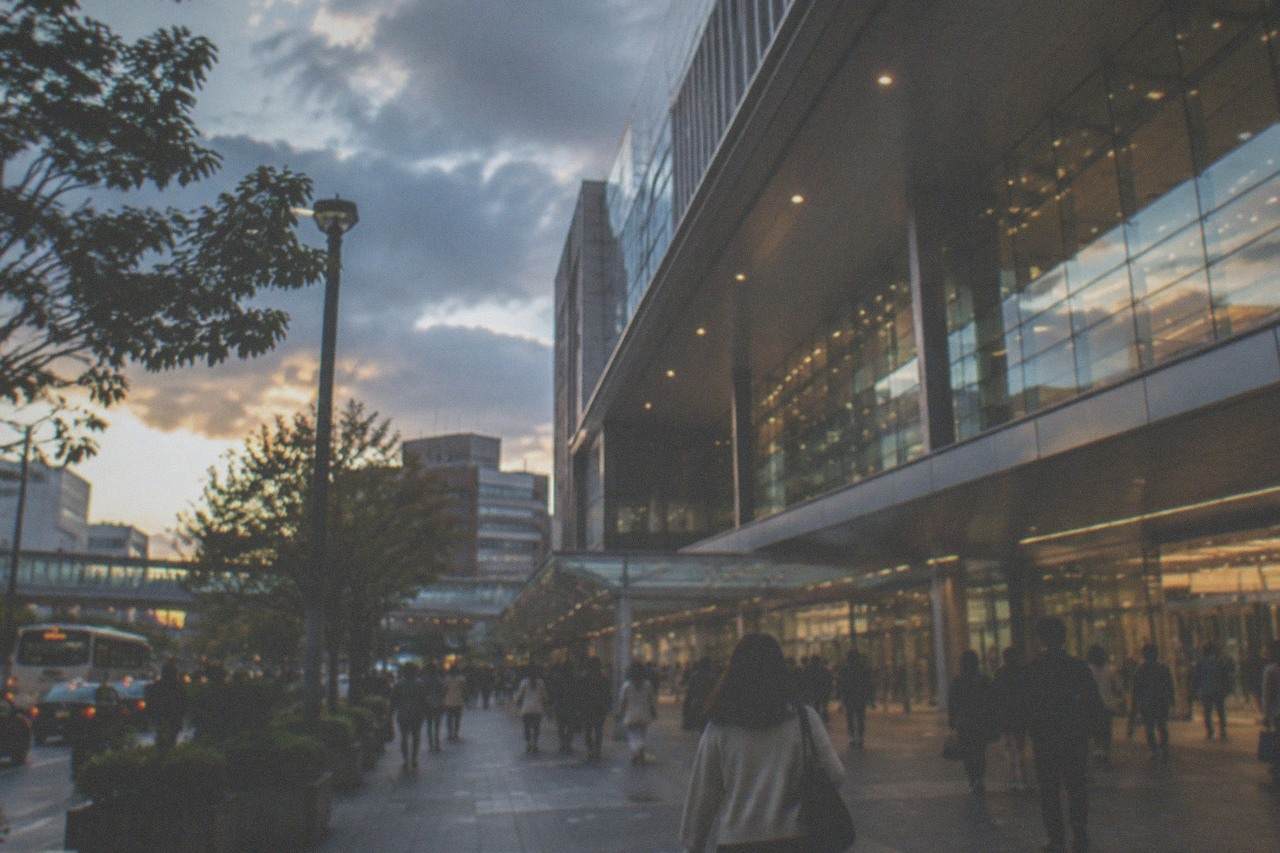
Short answer
Fukuoka and Hiroshima compare as bases like this: Fukuoka is Japan's fifth largest city and the transport hub of Kyushu, with about 100 yatai stalls and day trips to Dazaifu, Yanagawa, Itoshima and Nagasaki. Hiroshima is smaller, anchored by the Peace Memorial and Miyajima, and pairs naturally with Fukuoka, 1 hour 15 minutes away by Shinkansen.
Fukuoka and Hiroshima are the two cities travellers to western Japan argue over most, and the argument is usually framed the wrong way. People ask which one is "better", as if the answer were a ranking. The real question is what each city does for the rest of your trip, because the two play completely different roles. Fukuoka, on Hakata Bay on the Genkai Sea side of northern Kyushu, is a hub: a designated city of 1,663,892 people, a Shinkansen terminus, an international airport sitting unusually close to the centre, and the staging point for a bench of day trips that runs from Dazaifu to Nagasaki. Hiroshima, on the Seto Inland Sea in the Chugoku region, is a destination with a sharper point: the Peace Memorial Park, Miyajima, and a compact, walkable core that rewards two focused days rather than a week of branching out.
This comparison, published by Fukuoka Japan Travel Guide, naturally knows the Fukuoka side in far greater detail, and it says so plainly: where a figure for Fukuoka is verified against an official source, it is printed with the number, and where the Hiroshima side of a comparison has no verified figure in this site's research, the comparison is made in plain words rather than invented numbers. That is the difference between a guide and a guess.
How Do Fukuoka and Hiroshima Compare as Travel Bases?
As travel bases, Fukuoka is the wider platform and Hiroshima is the deeper single destination. Fukuoka gives you a subway-linked airport, a Shinkansen terminus, about 100 licensed yatai stalls and day trips across the whole of northern Kyushu, from Dazaifu and Yanagawa to Itoshima, Nagasaki and Yufuin. Hiroshima gives you the Peace Memorial, Miyajima and easy reach into the Seto Inland Sea, but a shorter list of second and third day trips.
The structural difference is geography. Fukuoka sits at the top of Kyushu, Japan's third largest island, and every major sight on that island is reachable from it as a day trip: Dazaifu, Yanagawa, Itoshima, Nokonoshima, Shikanoshima, Karatsu, Mojiko and Kitakyushu easily, and Yufuin, Beppu, Mount Aso, Takachiho, Kumamoto and Nagasaki as full days. Hiroshima sits at the western end of Honshu, and its orbit is narrower but more famous: Miyajima, the Sandankyo gorge area, Iwakuni and its Kintaikyo bridge, and the Seto Inland Sea islands.
There is a second difference that matters more than most guides admit. Fukuoka is a city people live in and visit, and it behaves like one: it has the nightlife of Nakasu, the shopping of Tenjin, the ramen culture that produced tonkotsu. Hiroshima is a city people travel to with a purpose, and the purpose shapes the visit. Two days there feel complete in a way that two days in Fukuoka do not, because Fukuoka keeps generating reasons to stay a third and fourth day.
If you are building a western Japan trip and can only pick one base, the honest summary is this: choose Fukuoka if you want variety, food and a long day-trip list, and choose Hiroshima if your trip is built around the Peace Memorial and Miyajima and you want a calm, focused stay. Many travellers, wisely, do neither and instead combine them, which is easy because the two cities are direct Shinkansen neighbours.
Which City Is Easier to Reach and Get Around?
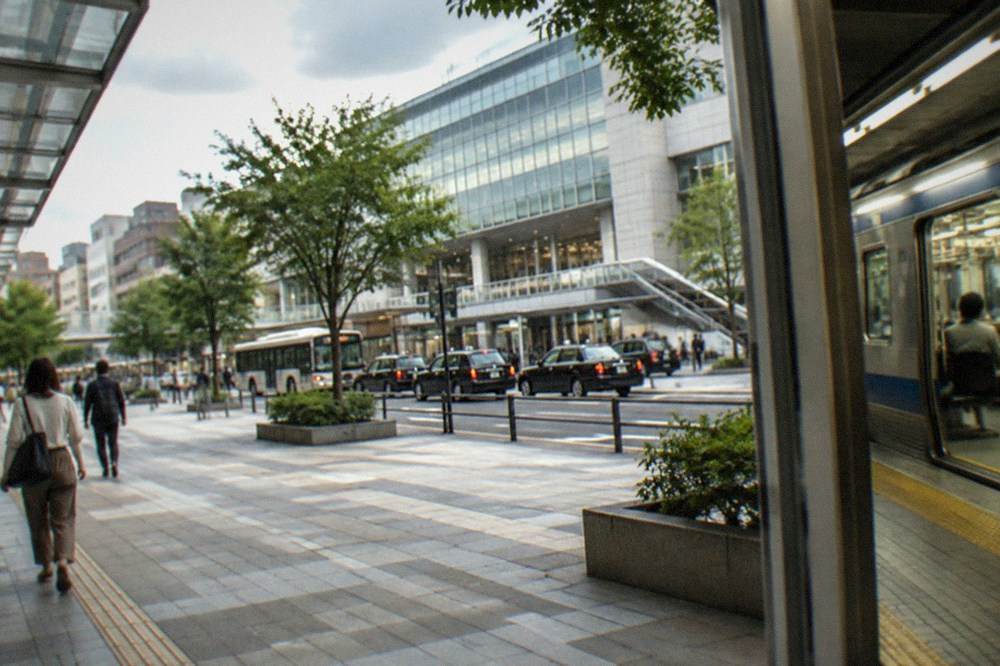
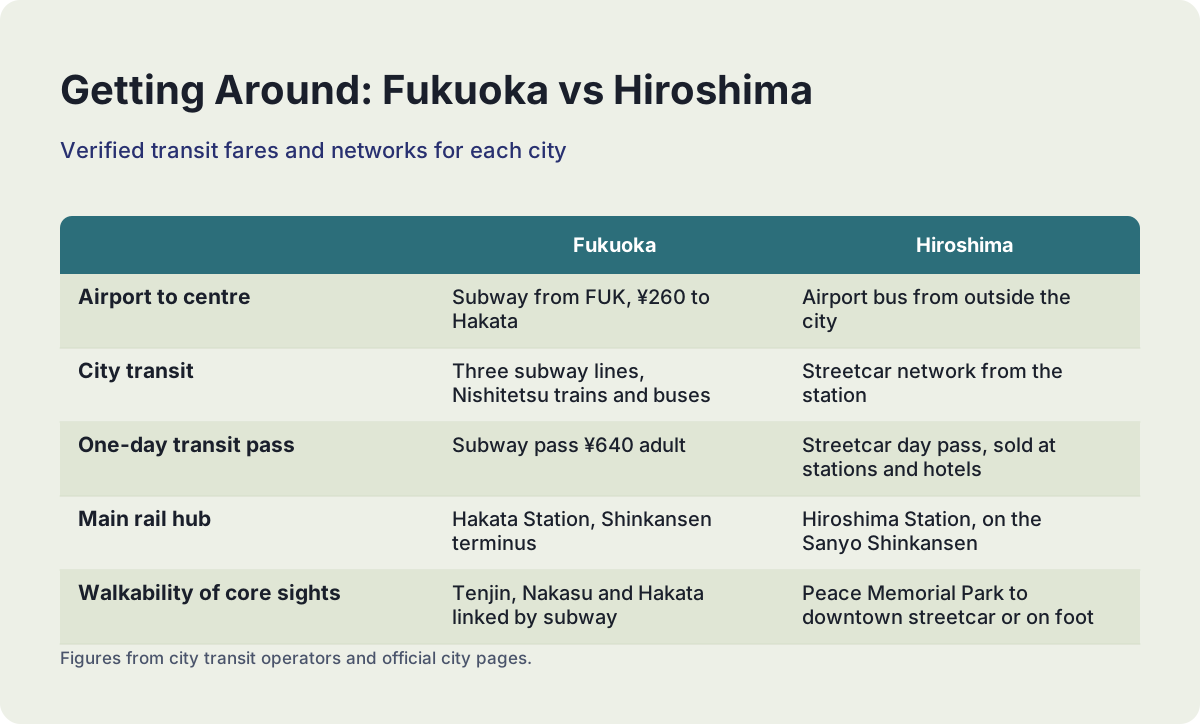
Fukuoka is the easier city to reach and the easier city to move around, on verified numbers. Its airport sits unusually close to the centre, the subway fare from the airport to Hakata is ¥260, and a one-day subway pass costs ¥640 adult. Hiroshima also has an airport, but it lies well outside the city, so most international visitors arrive by Shinkansen into Hiroshima Station and use the streetcar network downtown.
Start with arrival, because this is where Fukuoka quietly wins the comparison. Fukuoka Airport (FUK) sits on the subway's Kuko line, and the fare to Hakata Station is ¥260, falling in the official 3 to 7 km fare band. The airport is genuinely close to the city centre, which is sourced and true; be wary of any guide printing an exact journey time in minutes, because no official page verifies one, and this site will not either. The airport handled about 28.38 million passengers in 2025, a record, and its second runway, 2,500 m, entered service on 20 March 2025. The official subway fare table runs from ¥210 for up to 3 km to ¥380 beyond 19 km, with child fares half.
Hiroshima's arrival story is different. Its airport is a bus ride away from the city rather than a subway stop, so the practical international route is to fly into Tokyo, Osaka or Fukuoka and ride the Shinkansen. That makes Hiroshima a leg on a route and Fukuoka an entry point, and it is why Fukuoka works as a first-night city: you land, drop bags, and you are in the middle of a city the same evening. Our page on getting from Fukuoka Airport into the city covers the subway, bus and transfer options in detail.
Inside each city, both are manageable. Fukuoka's three subway lines, Airport, Hakozaki and Nanakuma, connect Hakata, Tenjin and the airport, and the one-day pass at ¥640 adult covers all three. Hiroshima's streetcars are famous, slow, charming and cheap, running from the station past the Peace Memorial Park. Neither city demands a car, and in both, the main sights cluster tightly enough that walking covers most of the day.
One naming trap deserves its own paragraph, because it catches travellers in both directions. There is no JR Fukuoka Station. The station in the city is Hakata, and Hakata is a ward of Fukuoka, not a separate place. You do not travel "from Hakata to Fukuoka" any more than you travel from Manhattan to New York. Hiroshima has no equivalent confusion, but if you book rail tickets into the Kyushu side, the destination field reads Hakata, and the Hakata or Fukuoka question explains why the two names exist at all.
| Getting around | Fukuoka | Hiroshima |
|---|---|---|
| Airport to centre | Subway from FUK, ¥260 to Hakata | Airport bus from outside the city |
| City transit | Three subway lines, Nishitetsu trains and buses | Streetcar network from the station |
| One-day transit pass | Subway pass ¥640 adult | Streetcar day pass, sold at stations and hotels |
| Main rail hub | Hakata Station, Shinkansen terminus | Hiroshima Station, on the Sanyo Shinkansen |
| Walkability of core sights | Tenjin, Nakasu and Hakata linked by subway | Peace Memorial Park to downtown streetcar or on foot |
What Does Each City Offer as a Day-Trip Base?
Fukuoka has the deeper day-trip bench, with easy half and full days to Dazaifu, Yanagawa, Itoshima, Nokonoshima and Shikanoshima, and full days to Nagasaki, Yufuin, Beppu, Mount Aso, Takachiho and Kumamoto. Hiroshima's list is shorter but anchored by Miyajima, plus Iwakuni and the Inland Sea, so it suits a two or three day stay rather than a week of branching.
The day-trip comparison is where the two cities diverge most sharply, and it is not close. From Hakata Station and Tenjin, the Nishitetsu line runs south to Dazaifu, home of Dazaifu Tenmangu, whose own FAQ states plainly that there is no entrance fee, and to the canal town of Yanagawa. The JR and highway bus network fans out across northern Kyushu: Karatsu and Mojiko and Kitakyushu for coastal history, Itoshima for beaches and Shiraito Falls, and the big full days, Nagasaki, Yufuin, Beppu, Mount Aso, Takachiho, Kumamoto. Our Hiroshima from Fukuoka day trip guide is itself proof of the point: Hiroshima is on Fukuoka's day-trip list, reachable by direct Shinkansen, while Fukuoka is rarely on a Hiroshima itinerary except as a departure point for Kyushu.
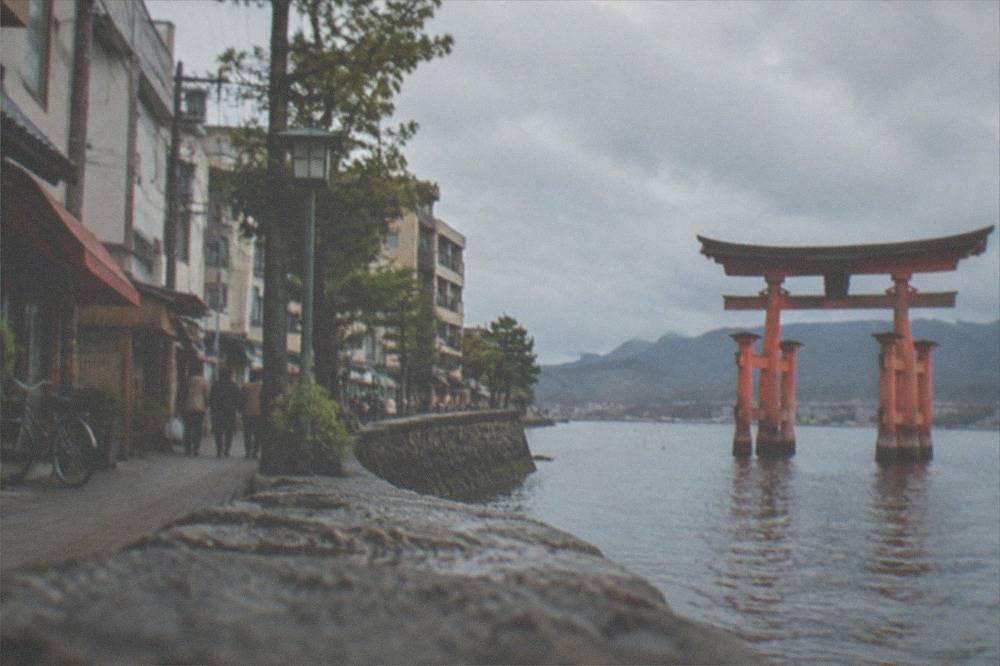
Hiroshima's day trips are fewer but include one of the most famous half-day excursions in Japan. Miyajima, with its floating torii and Itsukushima Shrine, sits a short ferry ride from the mainland, and most travellers pair it with the Peace Memorial Park in a single long day. Beyond that, Iwakuni and its arched wooden bridge, the Sandankyo gorge area and the Inland Sea islands fill a second and third day comfortably, and then the bench thins out. If your trip is five days or more and you want a different destination every morning, Fukuoka is the base that can supply it.
The practical pattern that falls out of this is the combined trip, and it is what this site recommends to most first-time visitors to the region. Base in Fukuoka for three to five days, eat everything, run two or three day trips into Kyushu, then ride the Shinkansen to Hiroshima for two focused days before flying home from Hiroshima or looping back. The where to go after Fukuoka guide lays out the onward options, and Hiroshima is the most natural first stop on that list.
For travellers who want the Kyushu side structured rather than self-planned, the guided day tours from Fukuoka are unusually good value on the roster: a Miyazaki and Takachiho Gorge day tour runs from $59 per person, rated 4.6 from 384 reviews, and the Mount Aso and Takachiho combination runs from $48 per person, rated 4.7 from 674 reviews. There is no equivalent guided-day-tour scene of that depth based in Hiroshima in this site's roster, which itself tells you which city the touring industry treats as the hub.
| Day trip | From Fukuoka | From Hiroshima |
|---|---|---|
| Dazaifu Tenmangu | Nishitetsu train, easy half day | Not practical |
| Yanagawa canal town | Nishitetsu train, half or full day | Not practical |
| Miyajima | Not practical as a day trip | Ferry, classic half or full day |
| Nagasaki | Direct Shinkansen, full day | Possible but long |
| Yufuin and Beppu | Full day by rail or tour | Too far for a day trip |
| Itoshima coast | Full day, rail or guided tour | Not practical |
How Do the Food Scenes Compare?
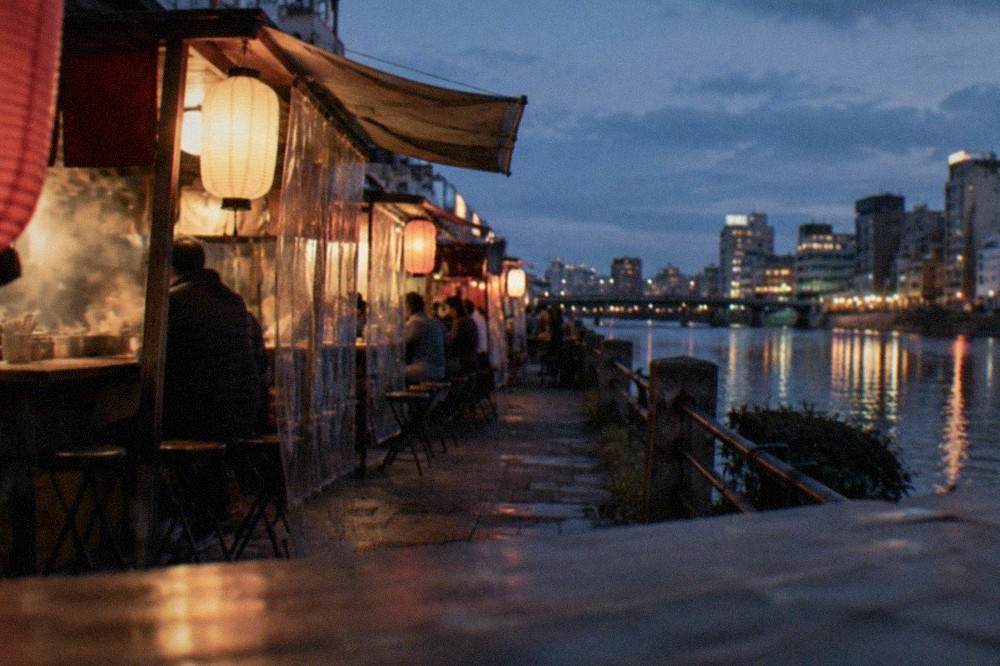
Fukuoka's food scene is the stronger reason to visit, and it is not really a contest: the city invented tonkotsu ramen, runs about 100 licensed yatai stalls under a city ordinance that bans "market price" pricing, and claims motsunabe, mentaiko and goma saba as local signatures. Hiroshima's signature is its own layered okonomiyaki style, cooked on teppan griddles along the station's Okonomimura, plus Seto Inland Sea oysters in season.
Fukuoka is a food city the way few Japanese cities outside Osaka are, and the evidence is structural rather than atmospheric. Tonkotsu ramen, the pork-bone-broth style now served worldwide, was born in the Nagahama and Hakata stalls of this city, and the kaedama system, ordering an extra noodle refill for your remaining broth, is local custom. The yatai stalls are governed by a Fukuoka City ordinance that requires prices to be displayed where customers can easily see them, and any dish priced on the day's market cost must show that day's actual price rather than a vague "market price" label, with city inspectors checking periodically. That is a better answer to "will I get ripped off at a stall" than any competing guide gives, and it comes from the city's own published rules.
Hiroshima's food identity is narrower but beloved. Its okonomiyaki is built in layers, noodle and cabbage and egg stacked rather than mixed, and Okonomimura near the station stacks multiple griddle restaurants under one roof. The Inland Sea supplies oysters in the colder months, and the city's riverside dining is pleasant in a way that rewards an unhurried evening. But where Fukuoka has four or five distinct signature dishes plus the stall culture plus a deep izakaya scene in Daimyo and Imaizumi, Hiroshima has one famous dish and a good supporting cast.
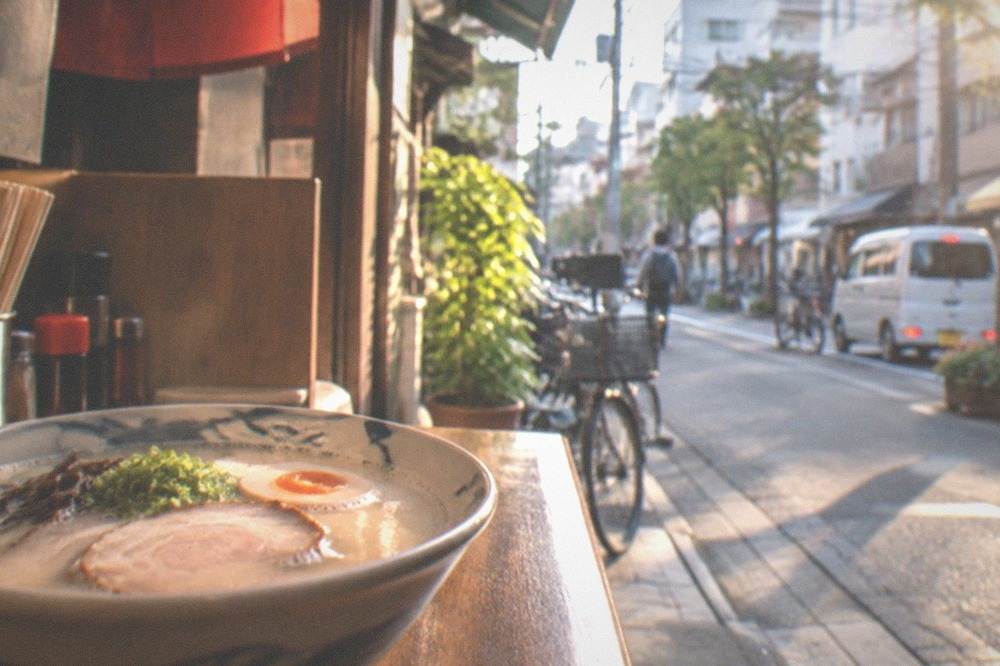
For a traveller deciding between the two, the honest framing is this: nobody flies to Hiroshima for the food, and plenty of people fly to Fukuoka for exactly that. The city's full food guide runs long for a reason, and the yatai guide covers which of the three areas, Nakasu, Tenjin and Nagahama, suits which kind of evening. Nakasu's riverside row along the Naka River is the photogenic one; Tenjin's scattered stalls along Watanabe-dori lean local and after-work; Nagahama is the traditional ramen row. Note that yatai take walk-ins and cannot be booked, so no reader should think a reservation is needed to eat at one.
| Food comparison | Fukuoka | Hiroshima |
|---|---|---|
| Signature dish | Tonkotsu ramen | Layered okonomiyaki |
| Street food culture | About 100 licensed yatai stalls | No comparable stall system |
| Other local dishes | Motsunabe, mentaiko, goma saba | Oysters in season, Seto Inland Sea seafood |
| Night eating areas | Nakasu, Tenjin, Daimyo, Imaizumi | Okonomimura, riverside Namiki-dori |
| Price transparency | Yatai ordinance requires posted prices | Standard restaurant pricing |
Which City Is Better for a First Trip to Western Japan?
For a first trip to western Japan, Hiroshima is the more efficient single stop and Fukuoka is the better base. If you have three days or fewer and the Peace Memorial and Miyajima are why you came, base in Hiroshima. If you have four days or more, or your interests are food and variety rather than two famous sights, base in Fukuoka and add Hiroshima as an overnight or a long day at the end.
The decision really does come down to trip length and motive, so it helps to run the two scenarios separately. A traveller with a long weekend who has always wanted to see the floating torii and the Peace Memorial should base in Hiroshima without hesitation: two days cover both properly, the streetcar makes the city legible, and the trip is complete. A traveller with a week, or a traveller whose motive is eating well and seeing a different side of Japan each day, should base in Fukuoka, where the itinerary problem is not finding enough to do but choosing between Dazaifu, Itoshima, Yanagawa and Nagasaki.
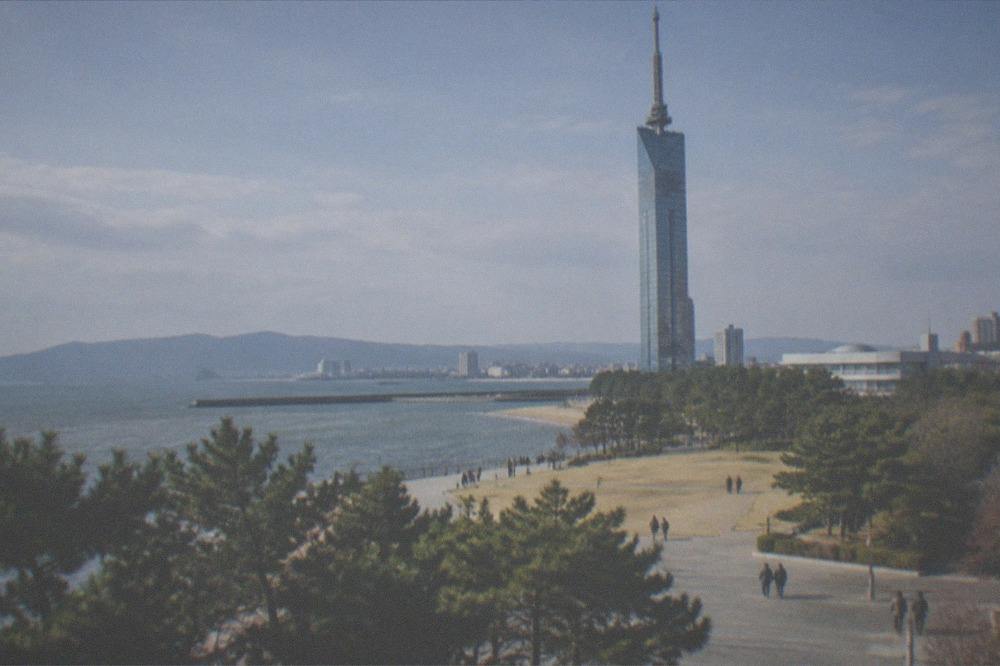
There is also the question of what kind of first impression each city gives. Fukuoka is not a city that presents a single postcard; its charms are cumulative, a stall dinner in Nakasu, the view from Fukuoka Tower, which costs ¥1,000 adult, ¥500 for elementary and junior high, ¥200 from age 4, and closes annually for two days in late June, the moss garden of Rakusuien, the castle ruins in Maizuru Park. Hiroshima presents its point immediately and powerfully. Some travellers find that focus moving; others find it makes the second day feel thinner by comparison.
Solo travellers and first-time Japan visitors often find Fukuoka the gentler entry. The subway is simple, the yatai stalls seat you beside strangers and start conversations, and the city's compactness keeps the logistics light. The solo travel guide and the solo itinerary both exist because the city works so well for this. Hiroshima is equally safe and walkable, but its emotional register is different, and a first trip built around it should be planned as such.
For a first trip that includes both, the standard route this site would sketch is: fly into Fukuoka, three nights with a Dazaifu or Itoshima day trip between them, Shinkansen to Hiroshima for two nights with Miyajima, then onward to Osaka or Kyoto or home. The Fukuoka versus Osaka and Fukuoka versus Kyoto comparisons cover the next legs if you are stringing the whole western half of the country together.
What About Costs, Weather and Timing?
On costs, Fukuoka's verified transit and attraction figures are low: subway from ¥210, the subway day pass at ¥640, Dazaifu Tenmangu with no entrance fee, and the Ohori Park Japanese Garden at ¥250 adult. On weather, Fukuoka's Japan Meteorological Agency normals show July as the wettest month, 299.1 mm, ahead of June's 249.6 mm despite June being the tsuyu rainy season, and typhoon season runs roughly July through October on both coasts.
Cost comparisons between Japanese cities are usually written with invented numbers, so this one sticks to what is verified. On the Fukuoka side, the everyday costs are low and documented: subway singles from ¥210 to ¥380 by zone, the day pass at ¥640, the Ohori Park Japanese Garden at ¥250 adult with under-6s and over-65s free, both city art museums at ¥200 general and ¥150 for high school and university, with junior high and under free, and the Fukuoka Tourist City Pass at ¥2,500 adult, or ¥2,800 with the Dazaifu extension, restricted to overseas tourists on a short-stay visa with a passport checked at the counter. The official city pass page is the source for that passport rule, and most competing guides still quote prices from before the revision, so double-check anything you read elsewhere.
Hiroshima's everyday costs are broadly comparable, a streetcar ride instead of a subway ride, a museum entry in the same few hundred yen band, and neither city will strain a budget the way Tokyo hotels can. The difference in trip cost comes from structure rather than prices: a Fukuoka base invites more day trips, and day-trip rail fares add up, while a Hiroshima base concentrates spending on two compact days. If cost per memorable day is your metric, concentration wins; if variety is the point, the fares are the price of it.
Weather is where a genuinely counterintuitive fact belongs, because every guide repeats the wrong thing about Fukuoka's rain. The Japan Meteorological Agency's 1991 to 2020 normals for Fukuoka show July as the wettest month of the year at 299.1 mm, ahead of June's 249.6 mm, even though June is the tsuyu rainy season month. July is also Yamakasa month, when the city stages its biggest festival. August, by contrast, is hotter than July, averaging 28.4 degrees Celsius, and drier, at 210.0 mm, while banking 200.9 sunshine hours, the second sunniest month after May. Hiroshima shares the same broad pattern, a wet early summer, a hot and relatively drier August, and a mild, clear autumn, so for weather alone the best months for either city are October and November, and the best time to visit Fukuoka guide works through the full calendar.
Typhoon season runs roughly July through October and applies to both cities, on the Genkai Sea and the Inland Sea respectively. Neither makes a city unvisitable in those months, and writing either one as a warning would be dishonest; the practical advice is simply to keep plans flexible near the coast in late summer and to check the forecast rather than the calendar. Cherry blossoms in Fukuoka open in late March and peak from the end of March into early April, with Maizuru Park's roughly 1,000 trees the main site, and autumn colour lands mid to late November into early December.
| Planning factor | Fukuoka (verified) | Hiroshima |
|---|---|---|
| Wettest month | July, 299.1 mm (JMA normals) | Mid-summer, similar seasonal pattern |
| Hottest month | August, mean 28.4 C | August |
| Best months | Late March to May, October to November | Spring and autumn |
| Subway or streetcar single | From ¥210 | Streetcar fares in the low hundreds of yen |
| City pass | Tourist City Pass ¥2,500, passport required | Streetcar day pass |
| Free headline sights | Castle ruins, Ohori Park, shrine and temple grounds | Peace Memorial Park grounds |
Where Should You Sleep: Hakata or Around Hiroshima Station?
In Fukuoka, sleep near Hakata Station for transit convenience or Tenjin for food and nightlife, and in Hiroshima, sleep between the station and the Peace Memorial Park so both are walkable or one streetcar ride apart. Hakata is a ward of Fukuoka, not a separate city, so the choice is between districts of one city, and the where to stay in Fukuoka guide maps the districts in full.
The sleep question is really a logistics question, and in Fukuoka it has a clean answer for most travellers. Hakata Station is the Shinkansen terminus, the subway interchange and the airport's nearest major stop, so a hotel there minimises friction on arrival and departure days. Tenjin, the business and shopping core a couple of subway stops west, puts you walking distance from the Daimyo and Imaizumi bar districts, the Tenjin Underground Mall and the yatai of Watanabe-dori. Nakasu, between the two, is the nightlife island, brilliant on a Friday and loud on a Saturday. All three sit within about ten minutes of each other by subway, so the decision costs little either way.
In Hiroshima, the accommodation geography is a straight line: the station at one end, the Peace Memorial Park at the other, and the streetcar connecting them through the downtown core. Staying anywhere on that line keeps the whole trip walkable, and the riverside streets around the park are the calmer, more pleasant end for most visitors. There is no wrong answer on that axis, only a trade between station convenience and park proximity.
One Fukuoka-specific note for evening planning: the yatai stalls cluster in Nakasu, Tenjin and Nagahama, and a hotel in any of the three districts puts dinner at a stall within a short walk. Stalls set up from 17:00 and typically open around 18:00 to 18:30, closing in the small hours, and they close for rain, strong wind and at the operator's discretion, with no city-mandated weekly closing day. If a stall dinner is a priority, book nothing and stay central, because the whole point of the yatai is that they take walk-ins.
The combined-trip sleeper should note the direction of travel. Sleeping in Hakata first and Hiroshima second means your last night is the quieter city, which suits early flights home from Hiroshima; the reverse means your last night is the food city, which suits travellers who want a final stall dinner. Both orders work, and the Shinkansen between the two runs frequently enough that the order is a matter of taste rather than timetable.
Common Questions About Fukuoka and Hiroshima
How Do Fukuoka And Hiroshima Compare As Travel Bases?
Fukuoka is the wider base: a Shinkansen terminus with a subway-linked airport, about 100 yatai stalls and day trips across all of northern Kyushu, including Dazaifu, Yanagawa, Itoshima, Nagasaki, Yufuin and Beppu. Hiroshima is the deeper single destination, anchored by the Peace Memorial and Miyajima, with a shorter day-trip list. Base in Fukuoka for variety and food; base in Hiroshima for a focused two-day visit.
Can You Visit Hiroshima From Fukuoka In A Day?
Yes, the two cities are direct Shinkansen neighbours, and this site maintains a full Hiroshima from Fukuoka day trip guide. It is a long day, and an overnight gives the Peace Memorial and Miyajima the time they deserve, but the rail link makes a day trip entirely practical.
Which City Has Better Food, Fukuoka Or Hiroshima?
Fukuoka, and it is not close. It is the birthplace of tonkotsu ramen, runs about 100 licensed yatai stalls under a city ordinance requiring posted prices, and claims motsunabe, mentaiko and goma saba as local signatures. Hiroshima's layered okonomiyaki and Inland Sea oysters are excellent, but the scene is narrower.
Is Fukuoka Or Hiroshima Cheaper?
Everyday costs in both cities are similar and low by Japanese standards. Fukuoka's verified figures include subway fares from ¥210, a ¥640 subway day pass, free shrine and temple grounds and the Ohori Park Japanese Garden at ¥250 adult. The bigger cost difference is structural: a Fukuoka base invites more day trips, which adds rail fares, while a Hiroshima base concentrates two compact days.
How Many Days Should You Spend In Each City?
Give Fukuoka three to five days, with two or three day trips folded in, and Hiroshima two days, one for the Peace Memorial Park and downtown, one for Miyajima. A week split as four and three, or five and two for food-led travellers, covers both cities without rushing either.
Which City Is Better For A First Trip To Western Japan?
It depends on motive and time. With three days or fewer and the Peace Memorial and Miyajima as the goal, base in Hiroshima. With four days or more, or with food and variety as the priority, base in Fukuoka and add Hiroshima at the end, or combine both on a single western Japan route.